Is Varna Worth Visiting? A Guide to Decide
Varna earns a yes for history, the Sea Garden and local prices, but its central beach sits beside a working port. Here is who should go and who should not.
On this page
Yes, Varna is worth visiting, provided you book it as a city break with a beach attached rather than a beach holiday with a city attached. Bulgaria's third-largest city stacks a serious archaeological collection, Roman ruins, an Orthodox cathedral and one of the Balkans' largest landscaped parks into a compact, walkable core, and it does so at everyday Bulgarian prices rather than resort markup.
The catch is the water. Central Beach begins where the Sea Garden meets the shore, and the busy Port of Varna runs alongside it, so the sand is convenient but the sea is not the clearest on this coast. Travelers who want turquoise shallows and an all-inclusive bubble should look at Golden Sands or St. Constantine and Helena instead, while anyone who wants museums in the morning and a swim before dinner will find Varna hard to beat.
The verdict
Varna suits city-and-coast travelers, history-led visitors, walkers and food-focused trips; it does not suit beach-first holidaymakers or anyone who wants a car-free resort where everything is laid on. The center is heavily pedestrianized and flat, so you can move between the cathedral square, the long shopping boulevard, the park and the sand without transport. That single feature is what makes a short break here work so well.
What Varna is not is a resort strip. It is a working port and a real city of more than 330,000 people, with the noise, traffic and unglamorous edges that come with that. Treat those as the price of authenticity and the city delivers; treat them as inconveniences and you will spend the trip wishing you had booked further up the coast.
What Varna actually is
Varna sits on Bulgaria's northern Black Sea coast, beside the resort areas of Golden Sands, St. Constantine and Helena and Albena, and it has been a port and trading hub for millennia under its Greek name, Odessos. The waterfront is fronted by the 19th-century Primorski Park, known in English as the Sea Garden, and the city's identity is split between that green ribbon and the commercial streets behind it.
That split is the key to planning. The historic and commercial center is inland; the Sea Garden forms a wide buffer of trees, alleys and monuments; the beach lies on the far side of the park. Understanding the order city, park, sand saves you from booking a central room and expecting to step straight onto the beach.
Who will love Varna
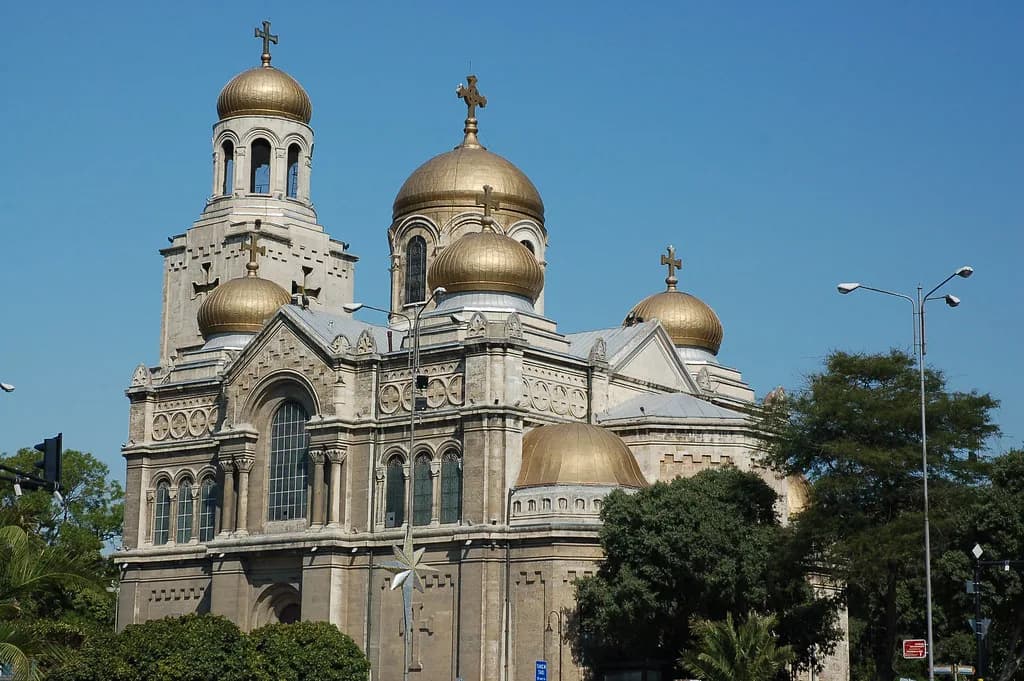
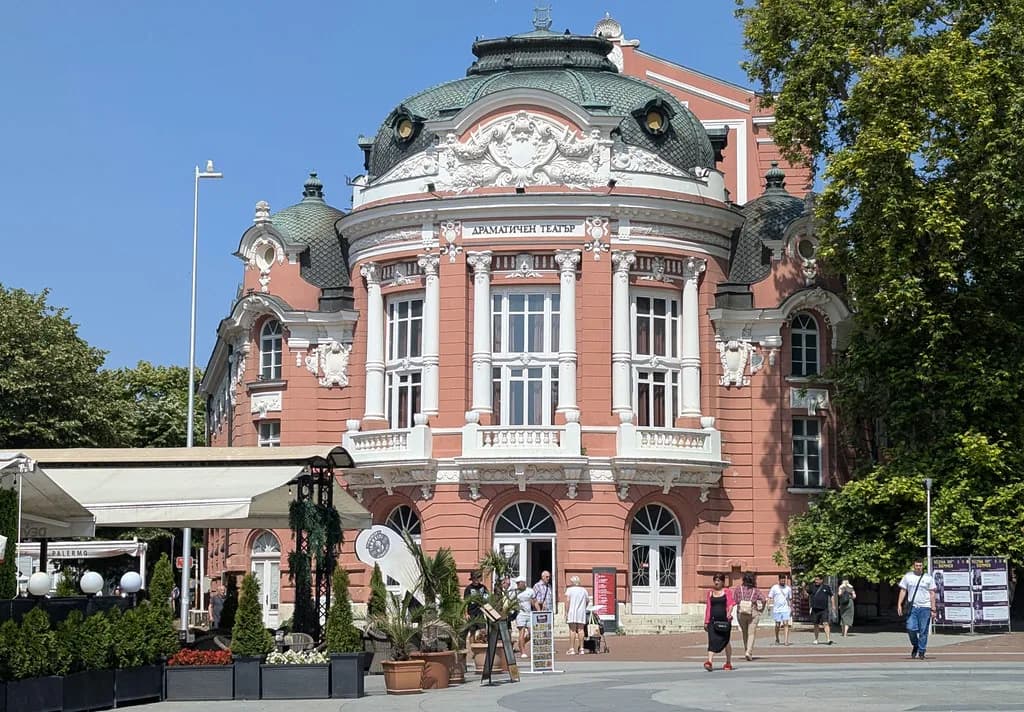
History buffs get the strongest single reason to come: the Archaeological Museum holds the Gold of Varna, a cache of Thracian jewelry roughly 6,000 years old displayed alongside Greek, Roman and Ottoman antiquities. Add the Roman Baths of Odessos, the Dormition of the Mother of God Cathedral with its gold domes and painted interior, and the Opera House, and a rainy day fills itself.
Walkers and food-led travelers do well too. The center is full of pedestrian-only zones, so a morning of churches, the Roman Baths and the museum flows into an afternoon stroll through the Sea Garden to the beach without a single bus ride, and the eating is everyday Bulgarian rather than tourist-menu priced. If you are still weighing the wider country, our guide to whether Bulgaria is worth visiting sets Varna against the mountains and Sofia.
Who should choose somewhere else
Beach-first travelers should base themselves at Golden Sands or St. Constantine and Helena, where the sand and water are the point and the resort infrastructure is built around them. Varna's central beach is a city beach beside a working port, convenient and lively but not the cleanest or clearest stretch of this coast.
Anyone wanting a self-contained resort where the car never moves should also look elsewhere; central Varna rewards people who like wandering a real city, and its parking situation is genuinely awkward. Conversely, if you want to compare Bulgaria's two Black Sea cities before committing, our Varna vs Burgas breakdown weighs them directly.
The Sea Garden and the central beach
The Sea Garden, formally Primorski Park, is Varna's largest and oldest public park and is described as the largest landscaped park in the Balkans, stretching for miles along the coast between the city and the sand. It began as a small garden in the 1860s and was reshaped from 1895 by the Czech gardener Anton Novák, whose planting of Black Sea and Mediterranean species still defines the place.
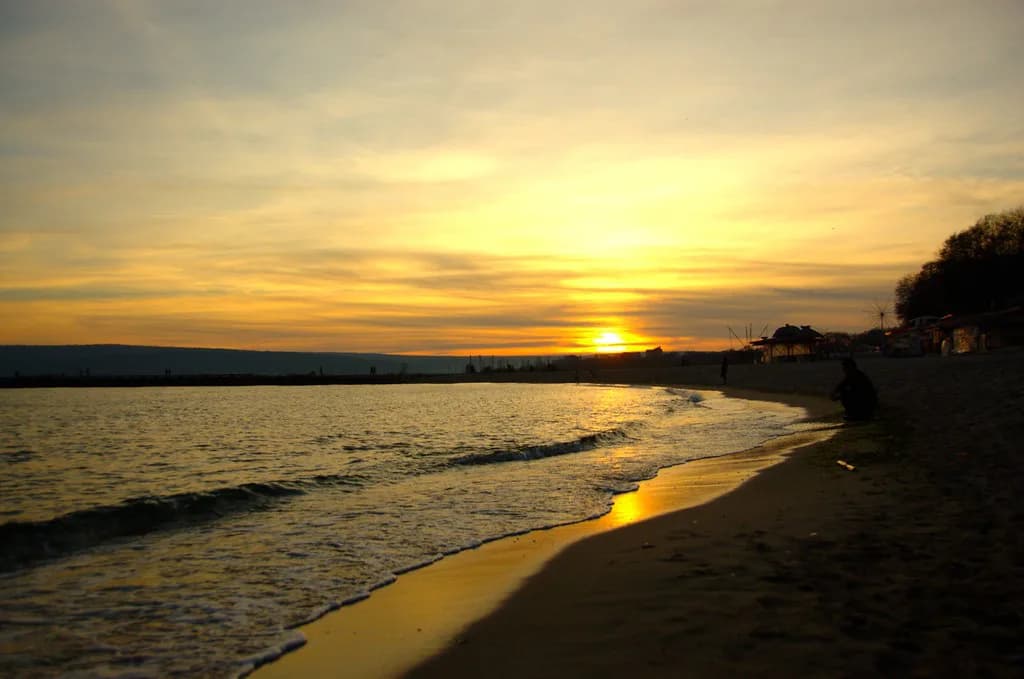
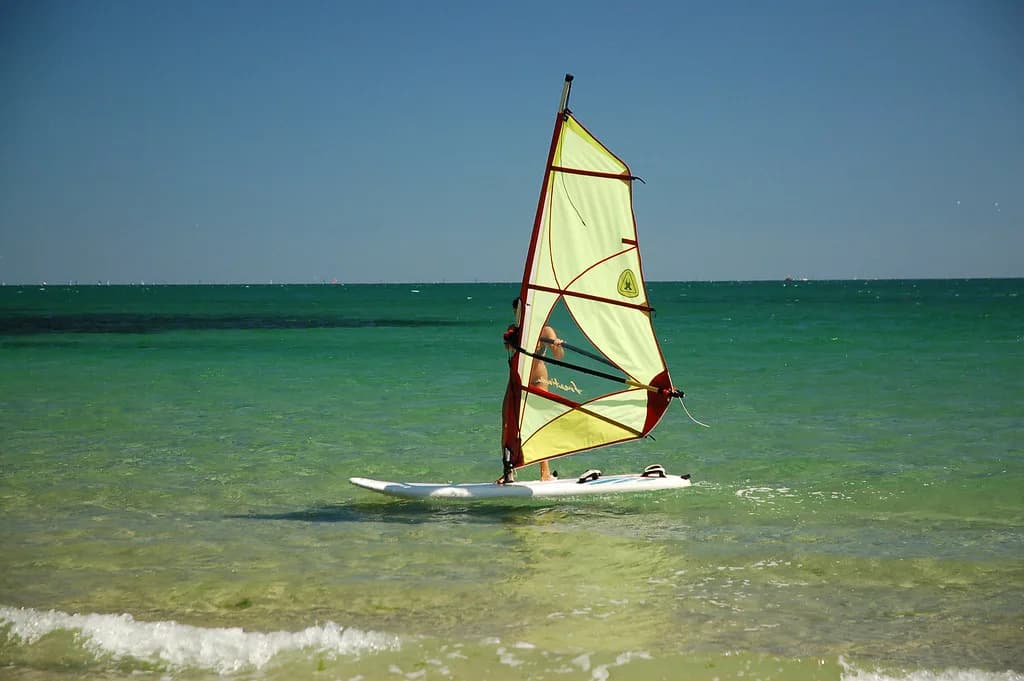
Walk it rather than rush it: the central alley carries monuments, fountains and the aquarium, and the seaward side opens onto a long beach strip with bars, sun beds and water sports. Central Beach itself has fine sand and a gradual entry that works for children, plus lifeguard cover and rental loungers, though it draws crowds on hot summer days.
Manage expectations about the water. Because the port sits immediately beside the beach, the sea here is not as clean or clear as it is further up the coast; the sand is fine, the setting is not pristine. If clear water is your priority, plan your swims for the resort beaches north of the city and treat Central Beach as a convenience.
History worth the trip
The Archaeological Museum is the anchor. Its Gold of Varna, a Thracian find around 6,000 years old, is the sort of object that justifies a detour on its own, and the collection runs through Greek, Roman and Ottoman material from this stretch of coast. Pair it with the Roman Baths of Odessos, one of the largest surviving Roman bath complexes in the region, to see the ancient city in context.
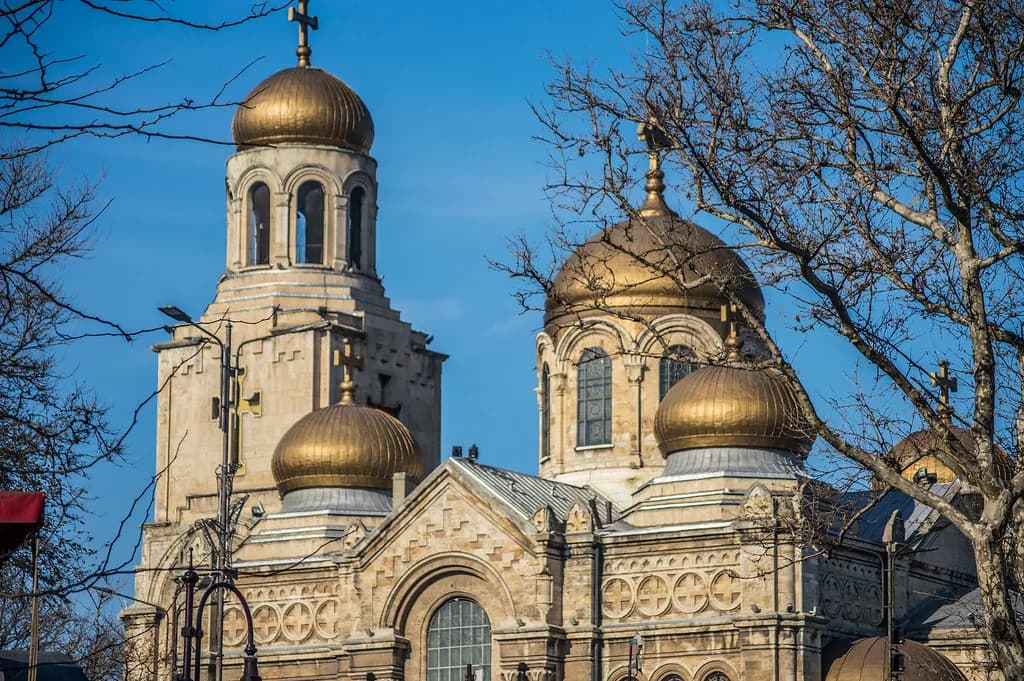
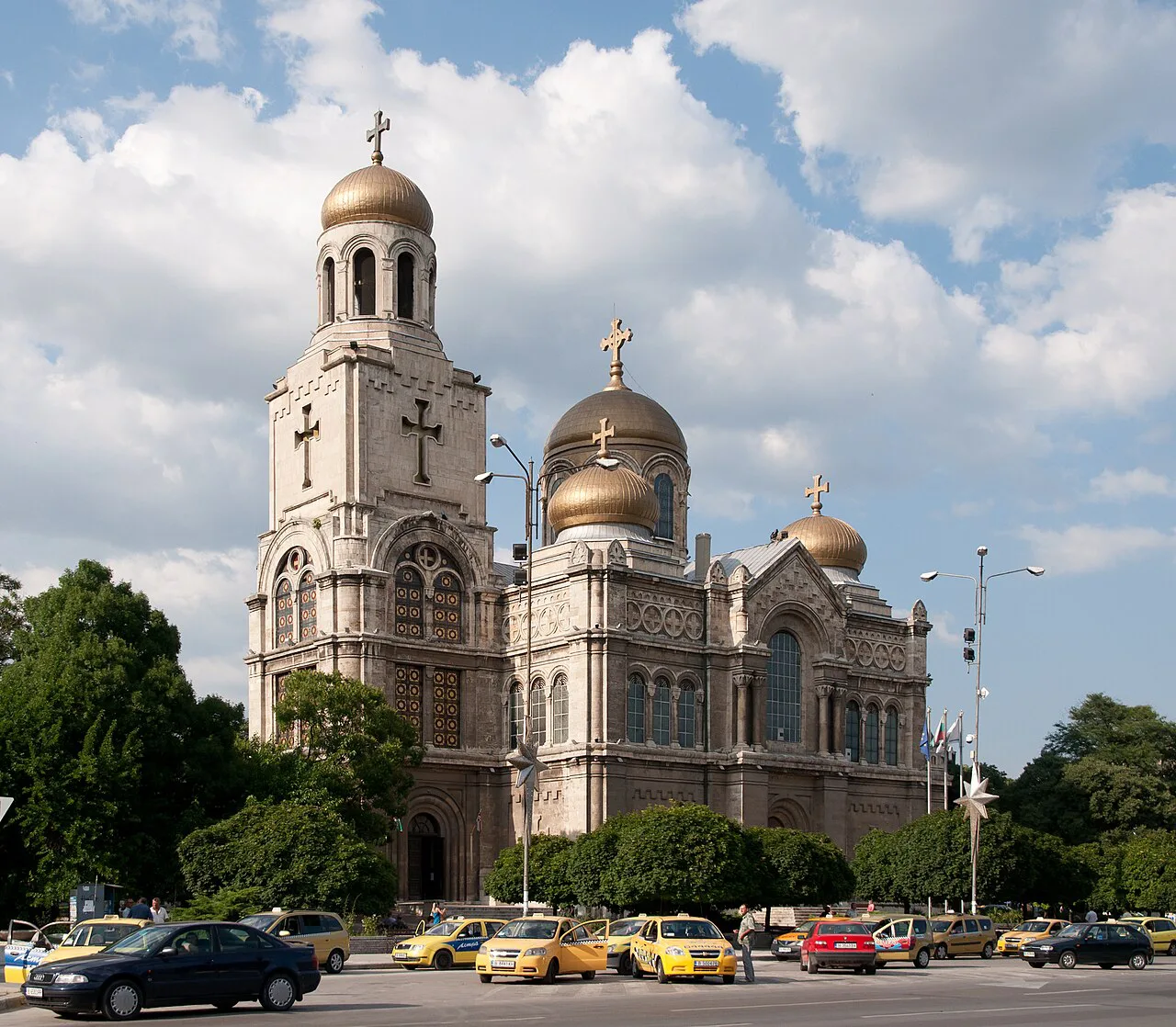
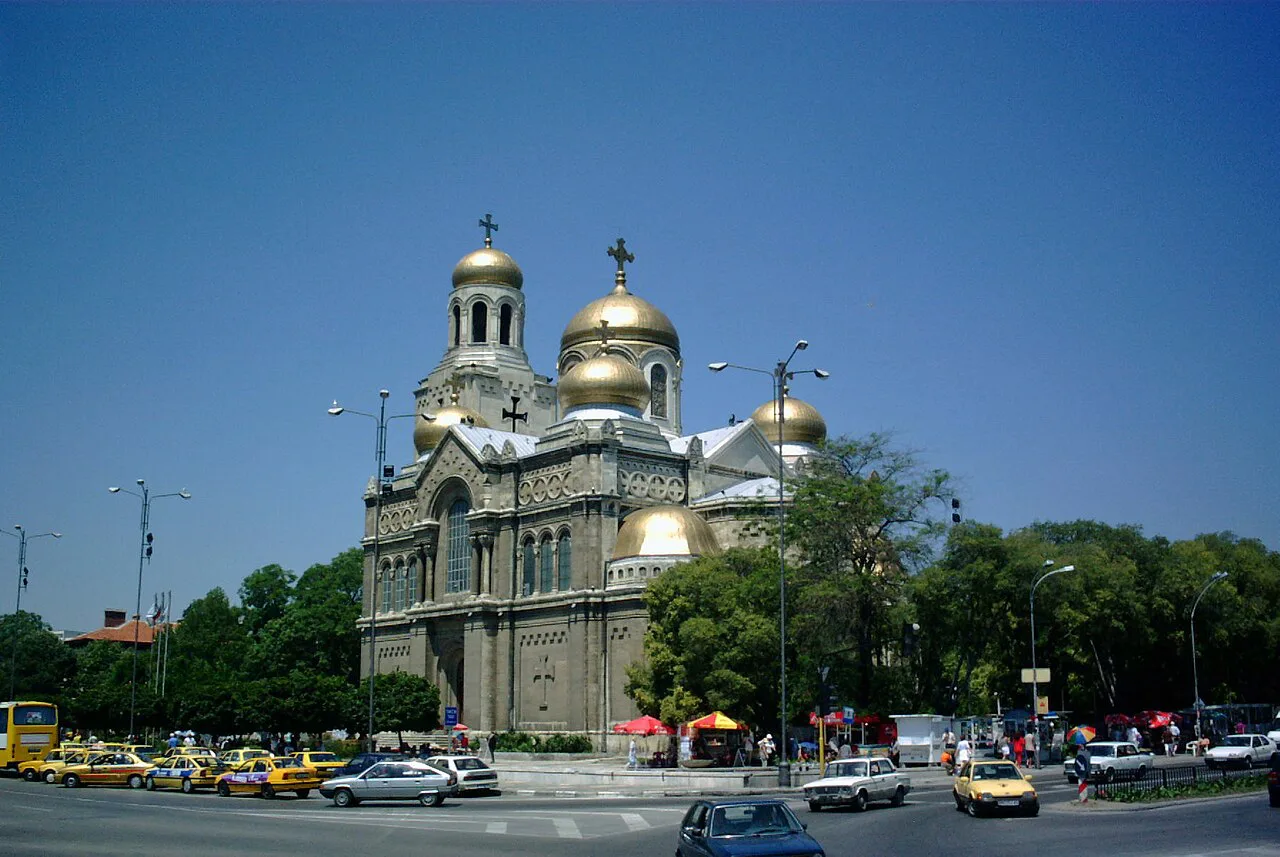
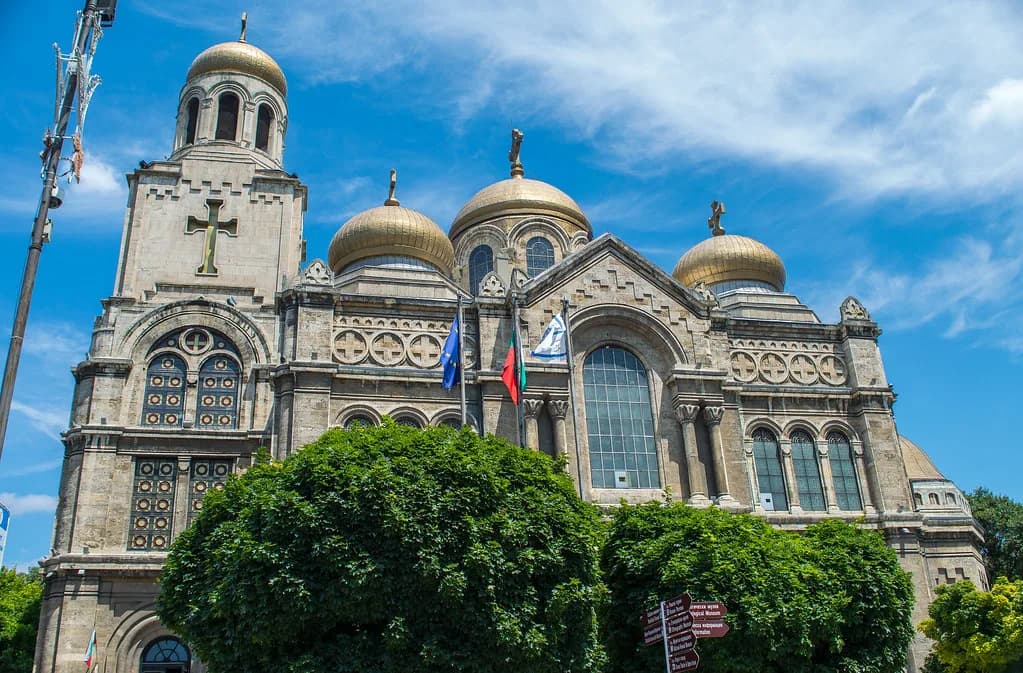
The Dormition of the Mother of God Cathedral is the city's most recognizable landmark, a gold-domed Orthodox church with an ornate bell tower and a frescoed interior. Nearby, the Opera House and the cathedral square sit within the pedestrian core, so a history morning can end with coffee on the same flat walk.
Beaches beyond the centre
North of the city, the coast turns resort: St. Constantine and Helena is the quieter, greener option associated with thermal springs, while Golden Sands is the larger, busier beach resort. Both are realistic day trips from a central Varna base and are served by local buses, so you can sample them without committing your whole stay.
The trade-off is atmosphere. Golden Sands and similar resorts are priced for holidaymakers and feel scheduled; central Varna is where locals live, shop and eat, which is why the food is better value and the streets have more character. Decide whether you want the beach to be your front door or your day trip, and the base follows.
The honest drawbacks
Noise is the first complaint, and a fair one: the pedestrian core stays lively late, with restaurant terraces and foot traffic right under the windows of central rooms. If you sleep lightly, choose a room off the main walking streets or accept that earplugs are part of the deal.
Parking is the second. The center is designed for people on foot, hotel parking is limited and often charged daily, and driving into the core is more stress than it is worth. If you hire a car, leave it at the hotel and use it only for out-of-town trips such as the coast or inland monasteries.
Summer brings the third pressure: crowds and higher prices, especially in July and August when the coast fills with Bulgarian, Romanian and other European holidaymakers. Shoulder months ease both. Our notes on Varna in May and Varna in September show the trade-off between thinner crowds and cooler water.
Weather by season
Varna has a humid subtropical-leaning Black Sea climate: hot, sunny summers and cool, changeable winters. Late spring and early autumn are the sweet spot for sightseeing, with mild days, long enough evenings and a sea that warms fastest by late summer. Use these as typical conditions rather than predictions and check a national weather service closer to your dates.
Summer afternoons push into the high twenties and low thirties Celsius, which is beach weather, while spring and autumn days sit in the mid-teens to low twenties Celsius and evenings cool quickly enough to need a layer. Winter is cold and grey rather than snowy, and many coastal businesses wind down; the museums and the Sea Garden remain, but the beach does not.
How many days you need
Three to four days covers the city properly: one for the Archaeological Museum and the Gold of Varna, one for the Roman Baths, the cathedral and the Opera House area, and a full day for the Sea Garden and Central Beach. Add a fifth day if you want a resort beach or a coastal day trip.
A city break of two nights is enough to see the highlights and decide whether you want to return for a beach week; a week only makes sense if you plan to use Varna as a base for the whole northern coast. Our guide to Varna in June shows how a summer week fills up once the beaches open.
Getting there and around
Varna Airport sits north-west of the center, and local bus 409 is the useful line linking the airport to the city and the coastal resorts. In the center, walking is the default for most of your stay because the main pedestrian boulevard runs flat from the cathedral to the Sea Garden and the beach.
Taxis are inexpensive, but hail one from a reputable company or pre-book an airport transfer rather than flagging a random car, and use local buses for trips to Golden Sands or St. Constantine and Helena. For a wider read on the country, our Burgas verdict covers the southern coast's rival city.
Typical costs
Varna sits at the affordable end of the European coast. Restaurant meals, bakery food, local wine and public transport are everyday Bulgarian prices rather than resort prices, and the center is noticeably better value than the big resorts for the same standard of cooking.
Ticket prices, bus fares and entry charges change, so check the Archaeological Museum and Varna's transport operator directly for current figures. Bulgaria uses the lev, so prices are quoted in leva; the country keeps the lev rather than adopting the euro.
Varna versus the resorts
Central Varna wins on culture, food and value, and loses on beach quality; Golden Sands wins on sand and water, and loses on authenticity and price. St. Constantine and Helena is the middle path, quiet and green with thermal springs, but still a resort rather than a city.
Stay in Varna if you want a real city with the coast attached, and stay in the resorts if you want the coast to be the whole trip. A split stay also works well: a few nights in the center for the museums and the Sea Garden, then a few nights north for the water.
Verdict by traveler type
City-break travelers, history lovers, walkers and food-led visitors: yes, go, and give it three to four days. Beach-first families and anyone wanting an all-inclusive bubble: no, choose Golden Sands or St. Constantine and Helena instead, and visit Varna for a day.
Mixed groups and couples who want both: yes, and split the stay. Compare the southern rival before booking with is Burgas worth visiting, then commit to Varna in the shoulder season for the best balance of weather, crowds and prices.
Plan Your Visit
Book Varna for what it is: a compact, walkable Black Sea city with a first-rate archaeological collection and a huge seaside park, where the beach is a pleasant walk away rather than the main event. Aim for May, June or September, base yourself in the pedestrian core and use buses or a hotel-parked car for the coast.
If that balance sounds right, Varna will overdeliver on history, food and value; if you want pristine water at the end of your bed, the resorts north of the city are the better bet. Decide which holiday you are actually taking, and the verdict writes itself.
Explore more Varna trip-decision guides
Frequently Asked Questions
Is Varna worth visiting?
Yes, for travelers who want a real city with a beach attached. Varna has the Gold of Varna at the Archaeological Museum, Roman baths, a gold-domed cathedral and one of the Balkans' largest seaside parks, all within a flat, walkable center. It is less convincing as a pure beach holiday, because the central beach sits beside a working port.
Is Varna good for a beach holiday?
Not primarily. Central Beach is convenient and has fine sand, lifeguards and loungers, but the Port of Varna sits right beside it and the water is not as clear as further up the coast. Travelers who want pristine beaches should base themselves at Golden Sands or St. Constantine and Helena and visit Varna for the day.
How many days do you need in Varna?
Three to four days covers the city well: one for the Archaeological Museum, one for the Roman Baths and cathedral area, and one for the Sea Garden and beach. Add a fifth if you want a resort beach day or a trip along the coast.
What is there to do in Varna?
The Archaeological Museum and its Gold of Varna, the Roman Baths of Odessos, the Dormition of the Mother of God Cathedral, the Opera House, and long walks through the Sea Garden to Central Beach. The pedestrian center also has the city's best everyday restaurants and bakeries.
When is the best time to visit Varna?
Late spring and early autumn give mild sightseeing weather with thinner crowds and lower prices than high summer. July and August are hot and busy, with the warmest sea but the biggest demand on the beach and in restaurants. Winter is quiet and cool, with many coastal businesses winding down.
Do they speak English in Varna?
In the central hotels, museums and restaurants, English is common enough for a short break, and menus are often translated. Outside the tourist core, Bulgarian is the everyday language, so a translation app helps for markets and local buses.
Is Varna expensive?
Varna sits at the affordable end of the European coast, with everyday Bulgarian prices in the center rather than resort prices. Bulgaria adopted the euro on 1 January 2026, so expect prices in euros; check the Archaeological Museum and the transport operator for current ticket and fare figures.
Sources
Trip-decision notes
Optional updates when we publish or revise a destination verdict.
You might also like
Continue reading
More guides you'll find useful