Is Burgas Worth Visiting? A Guide to Bulgaria's Coastal Gem
Burgas suits travelers who want a low-key, affordable Black Sea base with easy day trips to Nessebar and Sozopol. Here is who should go and who should skip it.
On this page
Yes, Burgas is worth visiting, but for a specific kind of trip: a low-key coastal city where you sleep, eat and wander, then use as a launchpad for the southern Black Sea coast. It is not a resort strip, and travelers who want a beach on the doorstep of a package hotel should look elsewhere on the coast. The city works best as a hub, with the Sea Garden, a compact center and day trips to Nessebar and Sozopol doing the heavy lifting.
The verdict: who Burgas suits and who should choose another Black Sea base
Burgas suits travelers who want an affordable, uncrowded base with real city life behind it, and who are happy to take a bus or drive to the sand. It also suits families and couples who value a promenade, a large park and a working waterfront over nightlife. If your image of a Black Sea holiday is a sun lounger booked for a week, look at the purpose-built resorts north and south of the city instead.
The main trade-off is simple. Burgas gives you more city, more space and more day-trip reach than a resort, but it asks you to plan beach days around transport. Travelers who want to walk out of a hotel and onto the sand will find that the central city beach serves that need, while the longer southern beaches reward those who make the trip. The wider country context, including how Bulgaria compares with its neighbors, is covered in our verdict on whether Bulgaria is worth visiting.
Why Burgas works: a low-key coastal city rather than a resort strip
Burgas is a working Bulgarian city with a port, a university and a year-round population, which changes the feel of a summer stay. The waterfront and the Sea Garden give the city a genuinely pleasant spine, and the center has enough cafes, museums and everyday street life to fill a rainy afternoon. The city and its wider province are covered in destination guides that list the surrounding towns and attractions.
What you will not find is a resort ecosystem built entirely around foreign tourists. That is the appeal for many visitors: development is a few steps behind the Balkans' most commercialized coastlines, so the city still feels like itself in July. The flipside is uneven signage, transport information and English-language service outside the center. Travelers who read that as character will enjoy it; travelers who read it as friction will not.
What to see in Burgas itself, from the Sea Garden to the city center
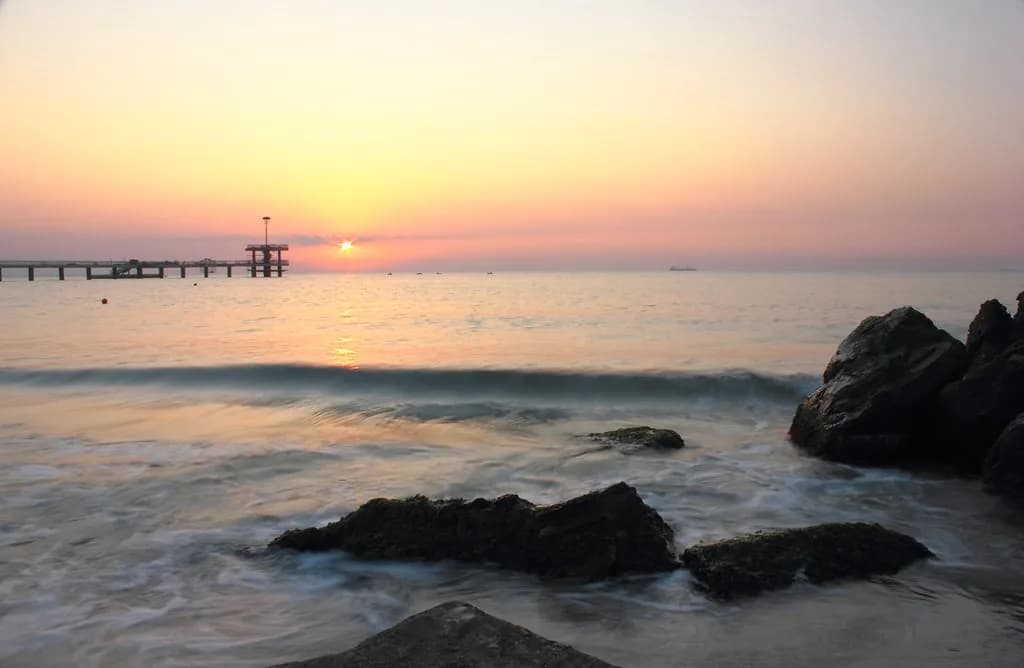
Start with the Sea Garden, the long seafront park that runs along the top of the city beach and gives Burgas its most relaxed hours. Walk it in the early morning or late afternoon, when locals are out and the summer heat has eased. The garden connects naturally to the beach and the promenade, so it doubles as a way to reach the water without committing to a full beach day. For a month-by-month feel of the park and the coast, our guide to Burgas in May sets out the conditions.
The center is compact enough to cross on foot, with pedestrian streets, a small archaeological museum and a handful of galleries that explain the region's Greek, Roman and Ottoman layers. The nearby St. Anastasia Island, reached by boat from the city, is the most distinctive short outing for travelers who want something beyond the beach. Pair the island with a slow lunch rather than trying to fit it into a packed day. Our guide to Burgas in May covers the island's place in the seasonal calendar.
Travelers who arrive in spring find a quieter city, with the park green and the coast open but the water cool. That makes walking the center and the Sea Garden the main event rather than swimming, which suits anyone who prefers cities to beaches. Our Burgas in April notes describe how the season behaves in practice.
The beaches: central city sand versus the longer southern beaches
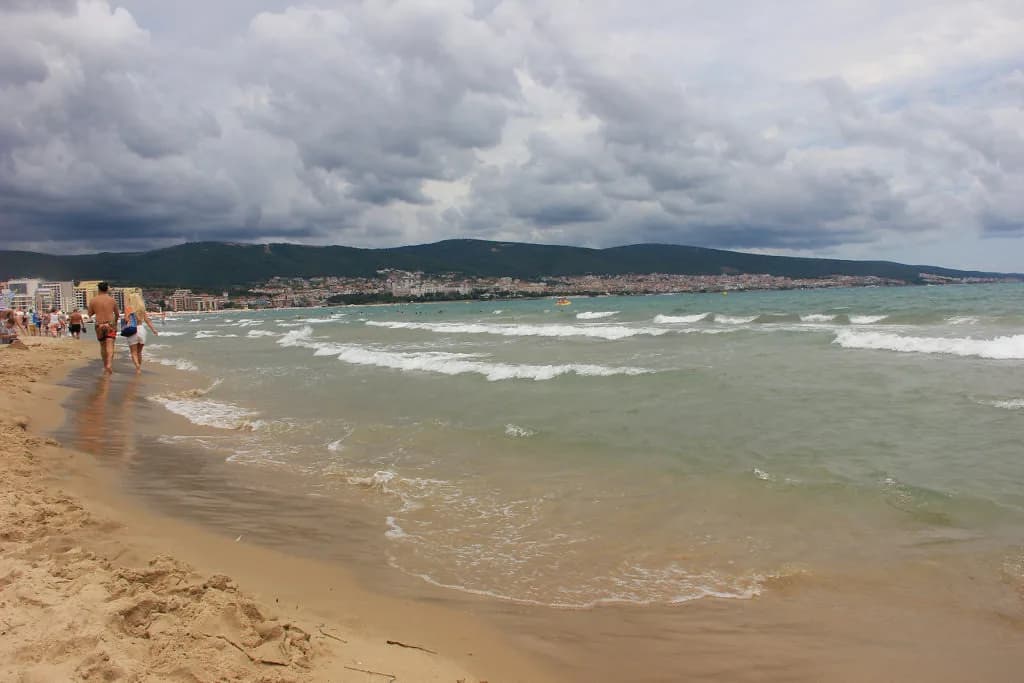
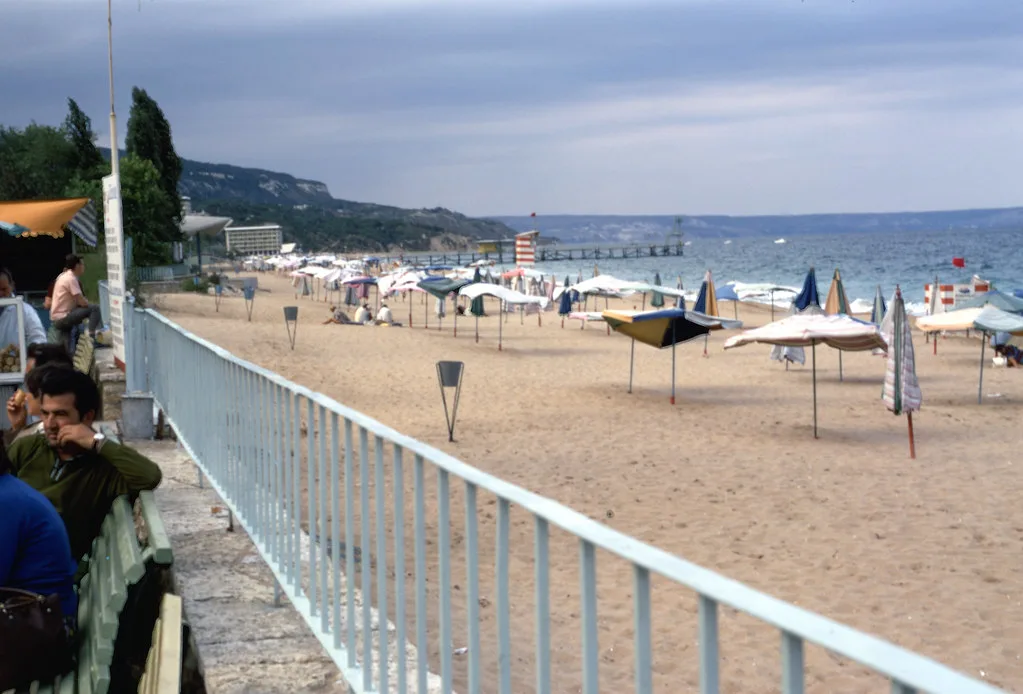
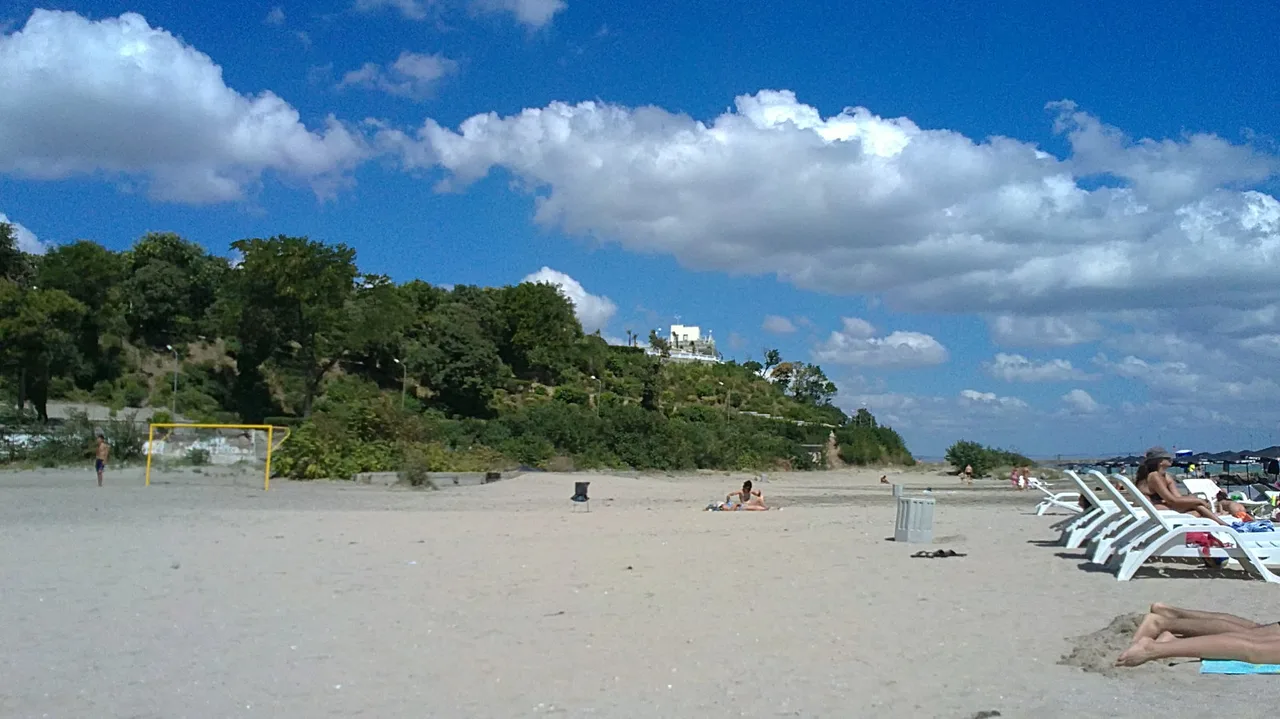
The central city beach is the practical choice: it sits directly below the Sea Garden, so you can combine a swim with a city morning without needing a car. It suits short stays, families with small children and anyone who wants to keep lunch options within walking distance. What it lacks is the long, open horizon of the coast further south.
The southern beaches, reachable by bus or car along the coast, offer more room and a more holiday-oriented atmosphere. They are the better answer for travelers who want several consecutive beach days, but they turn a Burgas base into a daily commute. During peak summer, the coast's most famous resorts draw heavy crowds, so the trade-off is space and quiet against convenience and choice.
Day trips that justify a base here: Nessebar, Sozopol and the interior
Nessebar is the headline day trip: a UNESCO-listed peninsula of wooden houses, churches and cobbled lanes, easily reached from Burgas and worth a full day rather than an afternoon. Go early, because the narrow streets fill quickly in high season. Sozopol, further south, has a similar old-town charm with a more relaxed pace, and pairing the two across separate days gives you the best of the southern coast.
Inland, the province's villages and low hills offer a break from the beach when the heat peaks. The interior is less developed for tourism, which means fewer facilities and less English, but also fewer crowds and lower prices. Travelers who want mountain hiking should look beyond Burgas; the country's serious trails sit in the Rila, Pirin, Balkan and Rhodope ranges and require a separate leg of the trip.
Summer versus the shoulder months: what each season gives you
July and August deliver the warmest sea and the most reliable beach weather, along with the highest prices and the biggest crowds. Typical summer conditions along the Bulgarian coast are hot, with daytime temperatures often pushing past 30°C (86°F) and occasionally above 35°C (95°F) in the interior and on the coast. Present these as typical seasonal conditions, not forecasts; check the Bulgarian national weather service before you travel.
Late spring and early autumn are the sweet spot for city time, walking and day trips, with the sea warm enough for many travelers into September. The trade-off is unpredictability: a cool, wet week is possible in any shoulder month, so build flexibility into your plans instead of booking a beach-only itinerary. Our Burgas in September guide weighs the warm sea against the shorter days.
June is the transition month, when the coast opens up but the peak-season pressure has not yet arrived. That makes it a good compromise for travelers who want swimmable water and a city that still feels like itself. Our Burgas in June guide covers what to expect from the Sea Garden and the beaches in that window.
How many days you need in Burgas
Two full days are enough to see the center, walk the Sea Garden and spend an afternoon on the city beach, with one evening for the promenade. Add a day for Nessebar and another for Sozopol if the old towns interest you, which brings a comfortable stay to four nights. Travelers who want several beach days should add time or split the trip between the city and a southern coast base.
Anyone using Burgas as a hub for the wider province should plan five to seven nights and accept that some days will be travel-heavy. Trying to cover Nessebar, Sozopol and the interior in three nights leaves little time for the city itself, which would be a waste of a base that works precisely because it is pleasant to come back to.
Typical costs and how the euro changes the picture
Bulgaria adopted the euro on 1 January 2026, so prices in Burgas are now quoted in euros and the lev is no longer the currency you will handle. The country remains one of the more affordable options in the European Union, with restaurant meals and local transport costing noticeably less than in Western Europe. Treat that as a general price level rather than a budget: menus, tickets and tours vary by season and venue.
Published price examples from recent travel accounts put ordinary restaurant meals and long train journeys in the low tens of euros, but those figures predate the currency change and should not be treated as current. Check menus and ticket counters directly, and expect higher prices in July and August, especially along the coast. The most reliable budget signal is that everyday costs are modest by EU standards, not that any specific item is cheap.
Getting there: airport, buses, rail and onward links
Burgas Airport sits a short drive from the center and handles seasonal flights from across Europe, which makes the city one of the easiest Black Sea entry points in Bulgaria. From the airport, taxis and local buses cover the short distance into town, and the fare structure is straightforward compared with larger European hubs. For onward travel, the bus and rail stations are both in the city, with connections along the coast and inland.
Booking direct matters here. Train tickets are available through Bulgarian state railways, and bus tickets through Bulgarian operators and local sites, rather than through the big international booking platforms. Departure times on mapping apps are often incomplete, so confirm times with the railway or bus company before you rely on a tight connection.
Drawbacks: crowds in peak season, cruise-ship days and uneven infrastructure
July and August bring the heaviest crowds to the coast, and the most popular resorts become genuinely busy, with the attendant noise and petty crime that mass tourism attracts. Burgas itself stays calmer than the resort strips, but the city beach and the Sea Garden fill on hot weekends. Cruise calls add short bursts of visitors to the center, so plan museum and old-town visits for the morning.
Tourism infrastructure is uneven. Outside the center, English is less common, some trails and local walks are poorly marked, and information on buses and ferries is not always online. None of this is dangerous, but it rewards travelers who build in slack and ask at their accommodation rather than relying on apps. For official travel advice, use your government's country page before booking.
Burgas versus other Black Sea bases: a trade-off comparison
Varna, further north, is larger and busier, with a bigger city feel and its own stretch of coast; Burgas is smaller, greener and better placed for the southern old towns. The choice comes down to whether you want a metropolitan base or a quieter one with faster access to Nessebar and Sozopol. Our guide to whether Varna is worth visiting lays out the northern side of that comparison.
Sunny Beach and the purpose-built resorts offer the opposite trade-off: everything on site, but little local life and heavy peak-season crowds. Burgas wins for travelers who want a city with a beach rather than a beach with a city attached. Families with small children and travelers who want a pool-and-buffet holiday will likely prefer the resorts; everyone else should weigh the base they will actually enjoy at the end of the day.
Verdict by traveler type
City-break travelers: yes, Burgas is worth two to three nights, especially in spring or early autumn, with the Sea Garden and the old towns nearby doing the work. Families: yes, if you want a beach within walking distance and a park for the evenings, but expect less polish than a resort. Budget travelers: yes, Bulgaria remains affordable in euro terms and Burgas is cheaper than the coast's headline resorts.
Beach-first travelers: probably not, unless you are willing to travel to the southern beaches or split your stay. Nightlife seekers: look elsewhere on the coast. Travelers who want mountain hiking: treat Burgas as a coastal add-on to a separate trip, not the main event.
Plan Your Visit
Burgas earns its place on a Bulgaria itinerary as a base rather than a destination in its own right. Book two to four nights in the shoulder months, plan one day each for Nessebar and Sozopol, and keep a beach day flexible for the weather. Travelers who want a resort holiday should spend their money elsewhere; travelers who want a real coastal city with room to breathe will find Burgas a good bet.
Explore more Burgas trip-decision guides
Frequently Asked Questions
Is Burgas worth visiting for a first trip to Bulgaria?
Yes, if you want a coastal city base with easy access to Nessebar and Sozopol. It is less compelling as a standalone beach destination, so pair it with the coast or use it as an add-on to a wider Bulgaria itinerary.
How many days do you need in Burgas?
Two full days cover the center, the Sea Garden and a city beach afternoon. Add one day each for Nessebar and Sozopol, and plan four to seven nights if you want beach time and day trips without rushing.
Is Burgas good for a beach holiday?
The central city beach is convenient and family-friendly, but travelers who want long days on the sand should plan trips to the southern beaches or split their stay. Burgas works best as a city base with beach access.
What are the best day trips from Burgas?
Nessebar and Sozopol are the two strongest, both easily reached from the city and each worth a full day. The wider province's interior villages offer a quieter alternative when the coast is crowded.
Is Burgas expensive?
Bulgaria remains one of the more affordable EU countries, and Burgas is generally cheaper than the purpose-built resorts. Expect higher prices in July and August, and check menus and tickets directly for current costs.
When is the best time to visit Burgas?
Late spring and early autumn give the best balance of warm sea, walkable city time and thinner crowds. July and August are hottest and busiest, while June is a good compromise between the two.
Do you need a car in Burgas?
No, the center, Sea Garden and city beach are walkable, and buses cover the coast and day trips. A car helps for the southern beaches and interior villages but adds parking and traffic friction in summer.
Does Burgas use the euro?
Yes, Bulgaria adopted the euro on 1 January 2026, so prices in Burgas are quoted in euros. The lev is no longer the currency you will handle during a trip.
Sources
Trip-decision notes
Optional updates when we publish or revise a destination verdict.
You might also like
Continue reading
More guides you'll find useful