Is Bulgaria Worth Visiting? An Honest Verdict for Your Trip
Bulgaria earns a trip for Roman Plovdiv, Orthodox monasteries, Black Sea beaches and mountain towns at prices well below Western Europe. Here is the honest case.
On this page
Yes, Bulgaria is worth visiting, provided you want culture and landscape more than polish. The country packs Roman ruins, Ottoman-era towns, Orthodox monasteries and a long Black Sea coast into a compact, affordable package. It rarely delivers the smoothed-over resort experience that Greece or Croatia sells, and that is precisely why some travelers love it.
The verdict in one paragraph
Bulgaria suits travelers who build a trip around places rather than beaches alone: Plovdiv's Roman theatre and cobbled old town, Sofia's churches and museums, Veliko Tarnovo's fortress above the Yantra, and Nesebar's UNESCO-listed peninsula. Add the Rodopi Mountains or Bansko and you have a genuine two-week country. Choose somewhere else if you want a fly-and-flop beach week with consistent service, or if you need fast, frequent transport between small towns.
The trade-off is unevenness. Coastal resort strips are heavily developed, some mountain resorts empty out outside their season, and rural connections run on a thin bus network. Bulgaria rewards planning and a car far more than it rewards improvisation, and a first trip usually works best along the Sofia–Plovdiv–Veliko Tarnovo axis.
Who will love Bulgaria
History travelers get the strongest return. Plovdiv's Roman theatre still hosts performances, Sofia layers Serdica ruins under a modern city, and Veliko Tarnovo's Tsarevets fortress recalls the medieval Bulgarian state. The country's UNESCO sites, from the Boyana Church to the Rila Monastery, are catalogued on the official tourism portal and reward a deliberate itinerary rather than a checklist.
Budget travelers and hikers do well too. Food, local transport and museum entry sit well below Western European norms, and the Rodopi Mountains around Melnik offer sandstone formations, wine cellars and quiet trails. Travelers who want a varied landscape without long flights between regions find Bulgaria unusually efficient for its size.
Families and beachgoers can base on the Black Sea coast, where Varna and Nesebar pair sandy stretches with a historic core. The caveat is that the coast is a seasonal machine: it fills in July and August and thins sharply outside them, so the calendar matters more than the destination.
Who should choose somewhere else
If your ideal holiday is a polished beach resort with English-language service everywhere, Croatia or Greece will deliver it more reliably. Bulgaria's coast has good sand and warm water, but resort development is uneven and some strips feel dated. If you want consistent swimming and dining standards without research, you will pay more elsewhere and get more predictability.
Travelers who dislike planning transport should also weigh alternatives. Between major cities trains and buses work, but reaching Melnik, the Rodopi villages or quieter coast towns often means infrequent services or a car. If you want to hop between small places on a whim, Bulgaria demands more patience than Romania's or Greece's tourist corridors.
Finally, anyone wanting a single big-city break with world-class museums may find Sofia modest next to Budapest or Athens. Sofia is a pleasant, affordable capital with excellent churches and a dramatic mountain backdrop, but it is a two-day city, not a week-long one.
What you actually come for: Plovdiv, Sofia, Veliko Tarnovo and Nesebar
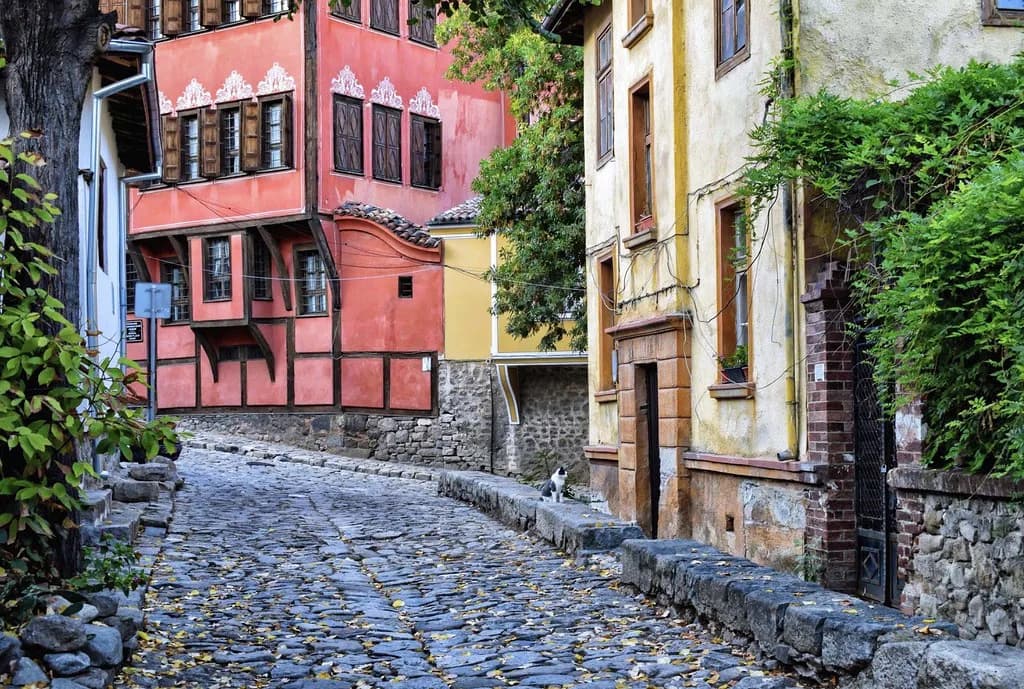
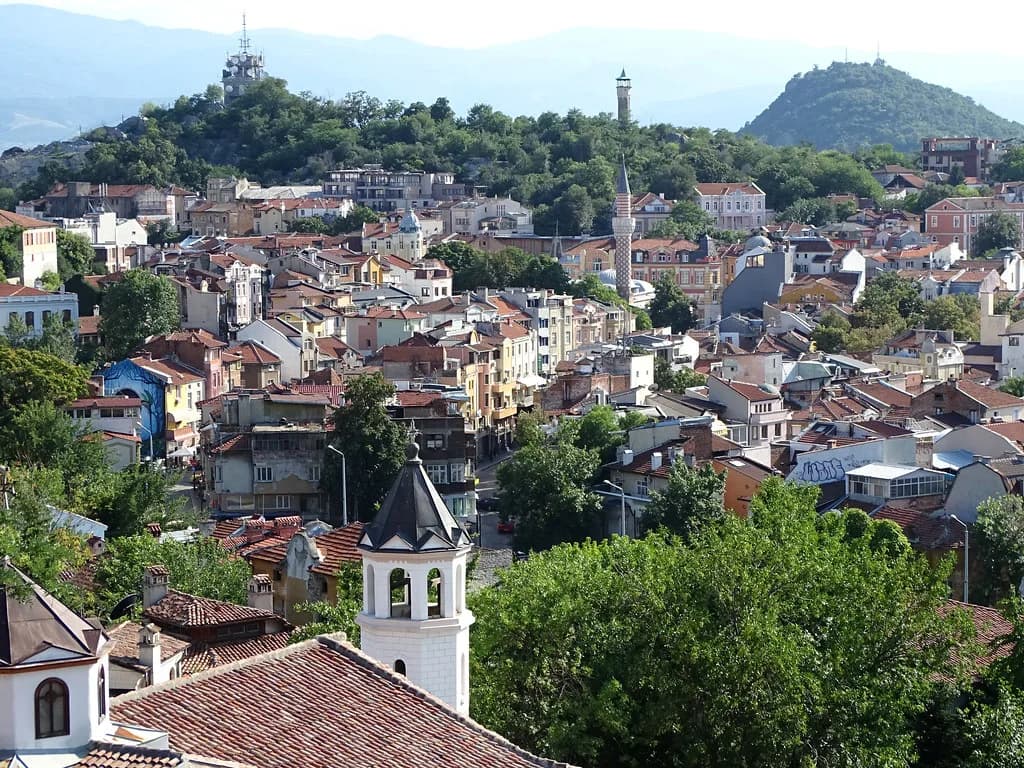
Plovdiv is the strongest single reason to visit. Its old town stacks revival-era houses on three hills, the Roman theatre hosts summer performances, and the Kapana district has become the country's liveliest eating and drinking quarter. Give it two full days, and more if you want day trips to Bachkovo Monastery or Asen's Fortress.
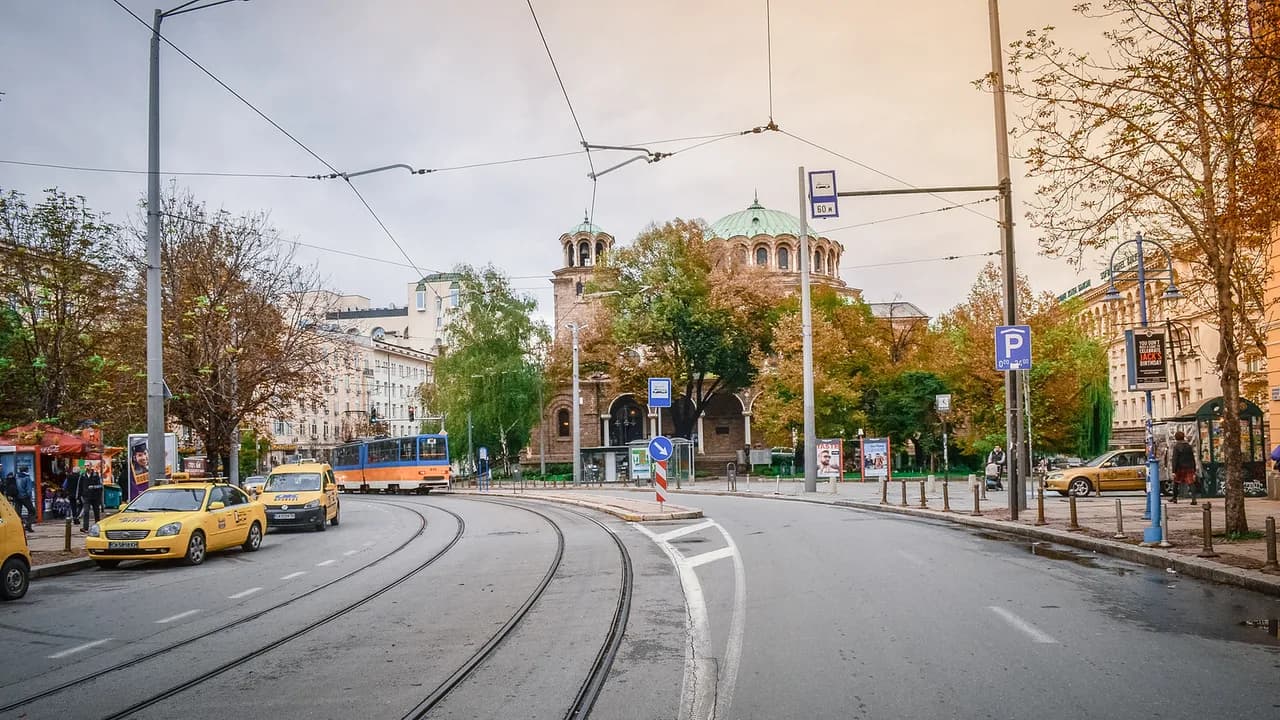
Sofia works as a gateway for two days: the Alexander Nevsky Cathedral, the Roman Serdica remains, the archaeological museum and the Vitosha foothills. Veliko Tarnovo, roughly halfway to the coast, deserves an overnight for Tsarevets and the Asen dynasty churches at Arbanasi. Lonely Planet's selection of Bulgarian highlights includes all three alongside Melnik and the Rodopi Mountains, which is a fair shortlist for a first loop.
Nesebar is the coast's cultural anchor: a small peninsula of Byzantine churches, wooden houses and narrow lanes, linked to the mainland by a narrow isthmus and busy enough in August to test your patience. It is a UNESCO World Heritage site and best seen early in the day before the excursion traffic arrives.
The Black Sea coast: Varna, Nesebar and what a beach holiday here really means
The Bulgarian coast runs from the Dobruja border down past Varna, Nesebar, Burgas and Sozopol, with broad sandy beaches and warm summer water. Varna combines a city beach with the Sea Garden park and Roman baths, and makes a practical base for the northern coast. Burgas, further south, is quieter and closer to the southern resort clusters.
Be honest with yourself about what the coast is: a large, developed summer resort economy with pockets of real charm. Sunny Beach and Golden Sands are package-holiday territory, while Sozopol and Nesebar preserve historic cores. The sea is calm and family-friendly in July and August, but those same weeks bring peak prices and crowded beaches.
Outside June to September much of the resort infrastructure winds down, and swimming becomes a gamble. May and September can be lovely for walking and sightseeing but unreliable for a beach-focused trip, which is why the coast belongs in a summer itinerary rather than a shoulder-season one.
Mountains and monasteries: Bansko, the Rodopi Mountains and Melnik
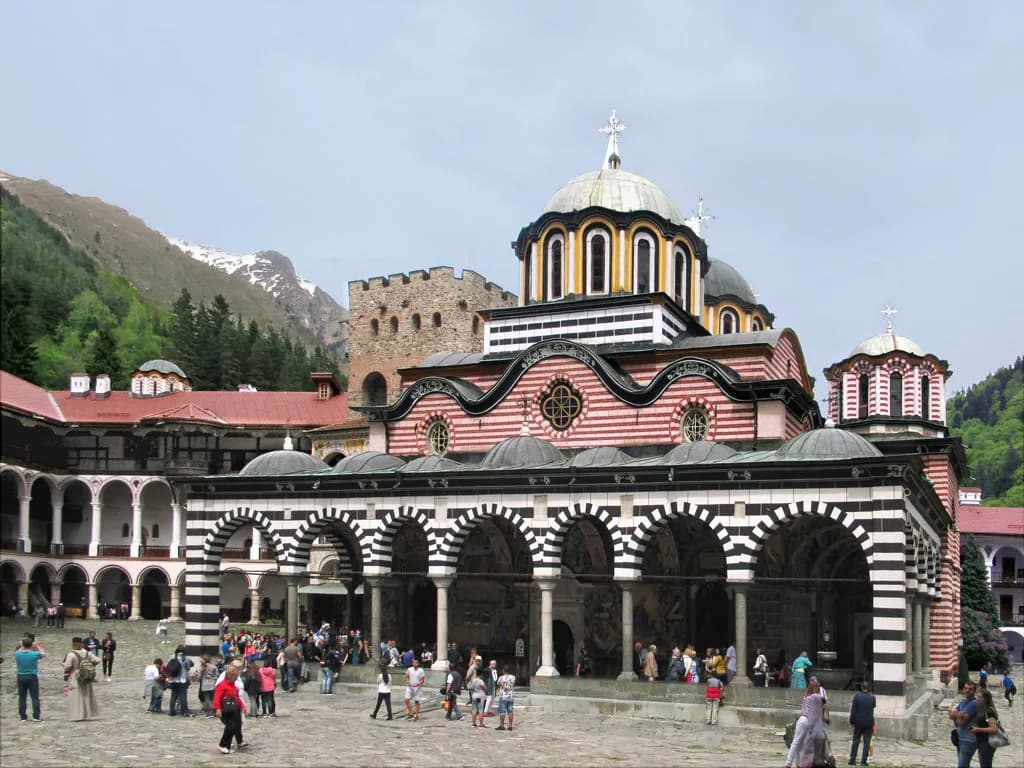
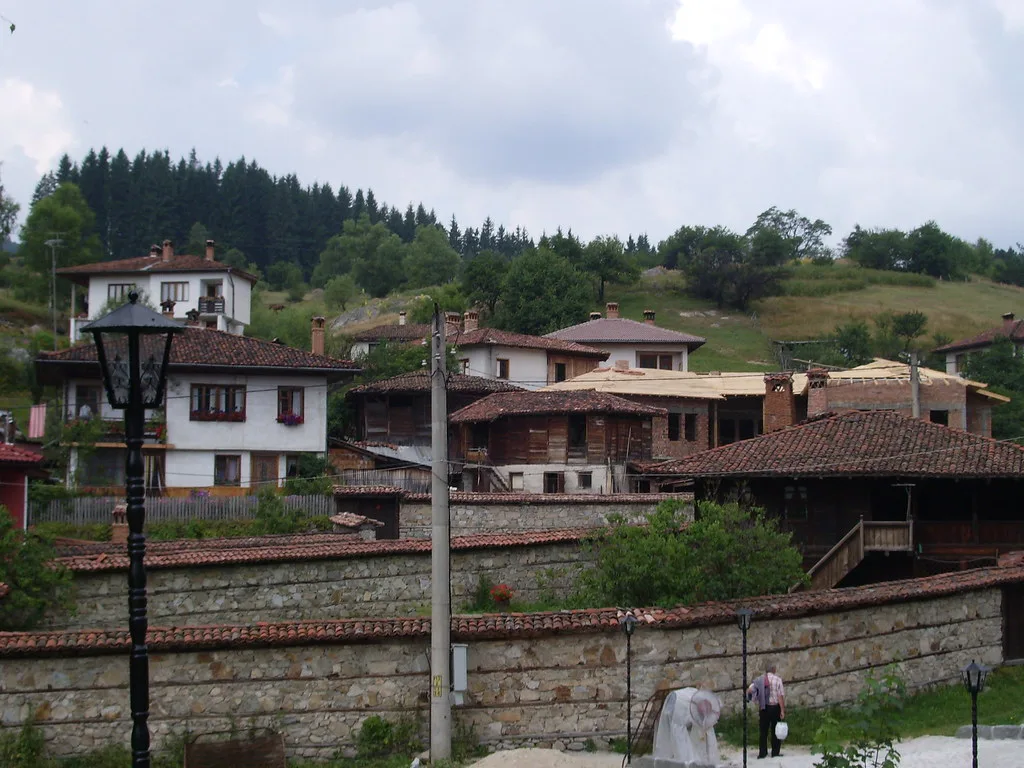
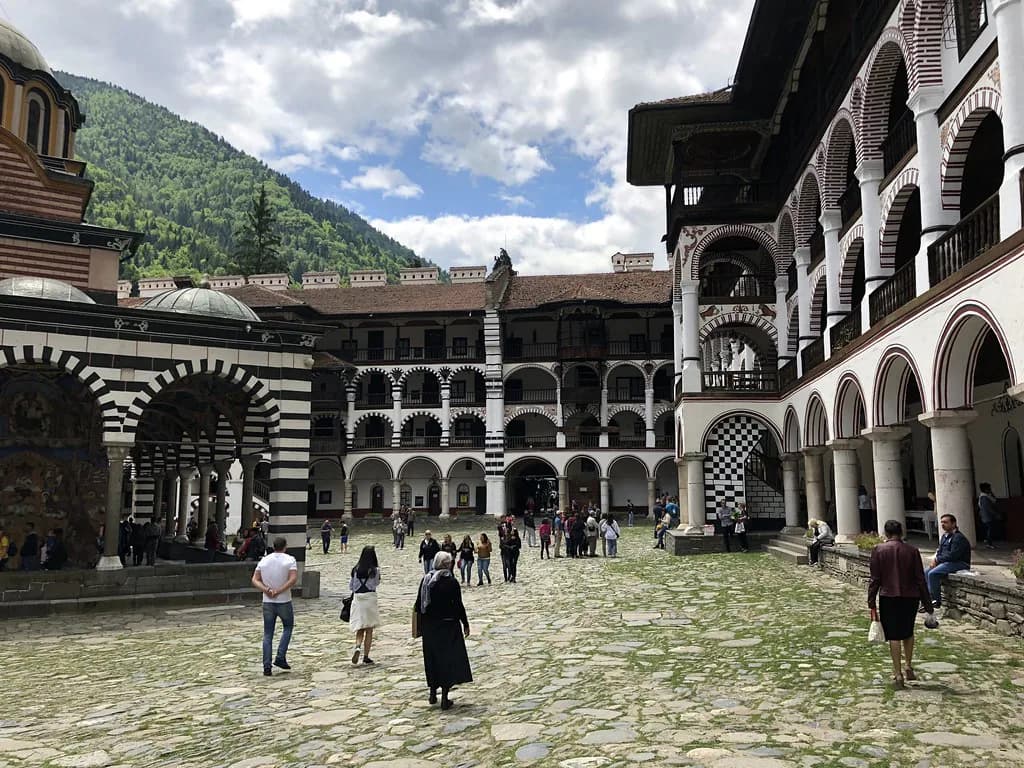
Bansko is Bulgaria's biggest ski resort in winter and a hiking and digital-nomad base in summer, with the Pirin Mountains above it and a well-preserved old town of stone houses and taverns. It pairs naturally with Rila Monastery, the country's most visited monastery, set in a forested valley south of Sofia.
The Rodopi Mountains are the country's quietest reward: villages, gorges, caves and trails around Smolyan and Devin, with Melnik at the southwestern edge known for its sandstone pyramids and wine. This is where a car pays off most, since buses to small Rodopi settlements are sparse and slow.
The monasteries themselves anchor a cultural route: Rila, Bachkovo, Troyan and the rock-hewn complex at Ivanovo. Each is reachable from a town base, but visiting several in one trip means accepting long driving days. Two monasteries plus one mountain base is a more honest plan than trying to tick off all of them.
How many days Bulgaria needs: a short city break versus a two-week loop
Three or four days covers Sofia and Plovdiv comfortably by train, with time for the Roman theatre and Kapana. A week adds Veliko Tarnovo and either Rila Monastery or a short mountain stay, which is the most satisfying first trip for most people. Ten days to two weeks lets you add the coast or the Rodopi Mountains without rushing.
A realistic two-week loop runs Sofia, Rila, Plovdiv, Bachkovo, Veliko Tarnovo, then east to Varna and Nesebar, returning via Burgas or inland. Each hop is manageable, but the southeastern leg is the longest. Cutting one region beats trying to cover the coast and the mountains in the same week.
Travelers with less time should choose the Sofia–Plovdiv–Veliko Tarnovo triangle and skip the coast entirely. It concentrates the country's strongest sights, uses good rail and bus links, and avoids the long transfers that eat into short breaks.
When to go: seasons, crowds and what closes out of season
May, June, September and early October are the sweet spot for city and mountain travel, with mild temperatures and manageable crowds. July and August are hot inland and peak season on the coast, when prices and occupancy rise sharply. Winter belongs to the ski resorts and to Sofia's museums, not to the coast.
Seasonal rhythm matters more than exact dates: mountain resorts and coastal resorts run on different calendars, and each empties outside its own window. Spring brings green valleys and unpredictable rain, autumn brings stable weather and the wine harvest around Melnik. Wildflower season in the mountains is late spring, and the Black Sea warms gradually through June.
Plovdiv and Sofia stay usable year-round, though inland winters are cold and snowy. If your trip mixes cities and mountains, late spring and early autumn give you both without the summer heat or the winter closures.
Typical costs: what is cheap, what is not
Bulgaria's reputation for value holds for everyday spending: meals, local transport, museum tickets and coffee cost far less than in Western Europe. Accommodation is reasonable outside peak coastal weeks. The country adopted the euro on 1 January 2026, so you no longer need to convert from lev, though some older prices may still be quoted in the former currency.
Where budgets quietly grow is transport and timing. Car hire, fuel and long transfers add up, and peak-season coastal accommodation can cost as much as off-season city hotels. Guided day trips to Rila or the Rodopi Mountains are convenient but priced for tourists. Budget travelers should plan rail and bus legs early and avoid August on the coast.
Check current prices with operators and hotels rather than relying on older guides, since euro adoption has shifted how some businesses quote. Cards are widely accepted in cities; carry some cash for small towns, village guesthouses and rural buses.
Getting there and getting around
Sofia Airport is the main international gateway, with Varna and Burgas airports serving the coast seasonally. Trains link Sofia, Plovdiv, Veliko Tarnovo and Varna, though journey times are slow by Western European standards. Buses fill the gaps to smaller towns and often run more frequently than rail.
A car makes the mountains, monasteries and rural Rodopi accessible, but city driving and parking are the trade-off, and winter mountain roads need care. For a city-and-culture trip, trains and buses are enough. Renting a car from Sofia for the second half of the trip is the usual compromise.
For practical preparation, Bulgarian sockets are the standard European two-pin type, and travel adapters are easy to find locally if needed. If you are combining Bulgaria with its northern neighbor, the comparison of Bulgaria and Romania helps decide which side of the Danube deserves more days.
Drawbacks worth knowing before you commit
The main frustrations are transport and uneven quality. Rural buses are infrequent, English is thinner outside cities and resorts, and some coastal strips feel overbuilt. Service in smaller hotels and restaurants varies widely, and a place that looks charming online may sit on a noisy road.
Seasonality is the other big one. Coastal resorts and ski towns live on short windows, and outside them some businesses reduce hours or shut. That does not ruin a trip, but it changes what a mountain or beach base feels like in May or October. Plovdiv and Sofia are far less affected.
None of this makes Bulgaria a bad choice; it makes it a country where research pays. Travelers who accept slower transport and check the season for each region get far more out of it than those expecting everything to work like Greece or Croatia.
Bulgaria versus its neighbours: the trade-offs
Against Romania, Bulgaria is smaller, easier to loop and slightly cheaper, but Romania offers more dramatic mountain roads and a larger medieval heritage in Transylvania. Against Greece, Bulgaria is far cheaper and less polished, with comparable beaches but weaker tourism infrastructure. Against Croatia, it lacks the Adriatic scenery and the refined resort experience, and it costs much less as a result.
The honest verdict by traveler type: choose Bulgaria for ruins, monasteries, hiking and value; choose Greece for beach reliability and island hopping; choose Croatia for coastal beauty and polish; choose Romania for wild landscapes and Saxon towns. A combined Bulgaria and Romania trip works well, since the Danube border is easy to cross.
The verdict by traveler type
Culture travelers: yes, strongly. Plovdiv, Sofia, Veliko Tarnovo and the monasteries justify a week or more. Budget travelers: yes, especially inland outside peak coast weeks. Hikers: yes, for the Pirin and Rodopi Mountains. Families: yes, but base on the coast in July or August and accept resort-style infrastructure. Beach purists and comfort-first travelers: probably not, unless you choose carefully and pay for quality.
Travelers with ten days or more should combine cities, one mountain base and a short coastal stay. Those with a long weekend should stick to Sofia and Plovdiv. Anyone wanting a fly-and-flop holiday should look at Greece or Croatia instead, and anyone wanting a cheap, varied, genuinely interesting trip should book Bulgaria.
Plan Your Visit
Bulgaria is worth visiting for travelers who want substance over polish. Build a route around Sofia, Plovdiv, Veliko Tarnovo and one mountain or coastal base, accept slower transport, and go in late spring or early autumn for the best balance of weather and crowds.
Check the official tourism portal for current regional information and confirm entry requirements with the Bulgarian government before booking. Then decide your dates and regions, and let the season guide the rest.
Explore more Bulgaria trip-decision guides
- Bulgaria in April
- Bulgaria in August
- Bulgaria in July
- Bulgaria in June
- Bulgaria in May
- Bulgaria in October
- Bulgaria in September
- Is Bulgaria Cheap? What a Trip Actually Costs in 2026
- Renting a Car in Bulgaria
- Bulgaria Plug Type
- Bulgaria vs Romania
- Do They Speak English in Bulgaria? A Traveler's Honest Answer
- Money in Bulgaria
- The Best Places to Visit in Bulgaria, and Who Each One Suits
- The Best Time to Visit Bulgaria
- Bulgaria eSIM
- Bulgaria Itinerary
- Getting Around Bulgaria
- Plovdiv vs Sofia
- The Best Cities in Bulgaria, and Who Each One Suits
- Tipping in Bulgaria
Frequently Asked Questions
Is Bulgaria worth visiting?
Yes, for travelers who want Roman ruins, Orthodox monasteries, mountain hiking and Black Sea beaches without Western European prices. It suits culture-focused and budget travelers best. Those wanting a polished beach resort with consistent service will find Greece or Croatia more reliable.
Why do people visit Bulgaria?
Most come for Plovdiv's Roman theatre and old town, Sofia's churches and museums, Veliko Tarnovo's fortress, the Rila and Bachkovo monasteries, the Black Sea coast around Varna and Nesebar, and hiking in the Pirin and Rodopi Mountains. Low prices and short travel distances make it easy to combine several of these in one trip.
Is Bulgaria expensive to visit?
Everyday costs such as meals, local transport and museum tickets are low by Western European standards, and accommodation is reasonable outside peak coastal weeks. Budgets grow with car hire, long transfers and August coastal stays. Compare current quotes rather than relying on older guides, since Bulgaria adopted the euro in 2026.
What is the best time to visit Bulgaria?
Late spring and early autumn give mild weather and manageable crowds for cities and mountains. July and August are best for the Black Sea coast but bring peak prices. Winter suits ski resorts and city museums, while coastal infrastructure winds down outside summer.
How many days do you need in Bulgaria?
Three or four days covers Sofia and Plovdiv. A week adds Veliko Tarnovo and Rila Monastery, which is the most satisfying first trip. Ten days to two weeks lets you add the coast or the Rodopi Mountains without rushing.
Is Bulgaria good for a beach holiday?
The Black Sea coast has broad sandy beaches and warm summer water, with Nesebar and Sozopol offering historic charm alongside resort strips. It works well in July and August for families and budget beachgoers. Expect uneven development and a short season, which limits shoulder-month beach trips.
Where should you go on a first trip to Bulgaria?
Start with Sofia and Plovdiv by train, add Veliko Tarnovo, and include Rila Monastery or a short mountain stay. With more time, add Varna and Nesebar on the coast. This route concentrates the strongest sights and uses the country's better transport links.
Is Bulgaria worth visiting compared with Romania or Greece?
Bulgaria is cheaper and easier to loop than Romania, with strong Roman and medieval sights, though Romania has wilder mountains. Against Greece, Bulgaria costs far less but offers less polished tourism infrastructure. Choose Bulgaria for value and culture, Greece for beach reliability.
Sources
Trip-decision notes
Optional updates when we publish or revise a destination verdict.
You might also like
Continue reading
More guides you'll find useful