Bulgaria Itinerary: How Many Days to Spend and Where
Plan a Bulgaria itinerary by trip length: what five, seven, ten or fourteen days actually covers, how long transfers take, and what to cut when days run short.
On this page
Ten days is the right length for a first trip to Bulgaria. That gives you two nights in Sofia, two in Plovdiv and enough remaining days to split between the Seven Rila Lakes and the Pirin Mountains around Bansko without spending half your holiday on a bus.
One week works if you accept a tighter loop of Sofia, Rila and Plovdiv and skip the second mountain base. Five days is enough for the two big cities only, and two weeks lets you add the Black Sea coast at Burgas or the Rhodope Mountains without rushing the core.
This plan is built around how long the transfers actually take and which stops are worth the effort, so you can cut from the bottom rather than rebuild the route. If you are still weighing the country itself, our look at whether Bulgaria is worth visiting explains what the destination delivers and to whom. Neighbours invite the same calculation, so if the Balkan shortlist is still open, compare it with is Romania worth visiting before you settle on a route.
The verdict: one week is the minimum, ten days is the sweet spot
Bulgaria rewards a slower pace than its low prices suggest. The sights are spread across the country, public transport between the smaller stops is thin, and the best mountain days depend on starting early, so a packed three-city sprint leaves you looking at scenery through a bus window.
Ten days gives you Sofia, Plovdiv and two mountain bases with time to walk. Seven days is a genuine trip if you choose one mountain area. Five days covers Sofia and Plovdiv comfortably and nothing else well.
Money is rarely the constraint. Bulgaria is one of the cheaper countries in the EU, so the limit is calendar days and how much moving around you will tolerate, not budget; if you want the numbers, our guide to whether Bulgaria is cheap breaks down daily spending.
How many days you need in Bulgaria
Three days is a city break: Sofia plus one day trip. Five days adds Plovdiv and gives you a real sense of the country. Seven days brings in a mountain base, usually Bansko or the Rila area, and ten days lets you do both mountains and the coast or the Rhodopes.
Fourteen days is where the trip stops feeling like a checklist. You can spend three nights in Sofia, three in Plovdiv, hike around Bansko, see Rila Monastery and the lakes, and still have time for Burgas on the Black Sea or a detour into the Rhodope Mountains.
The three building blocks: Sofia, Plovdiv and the mountains
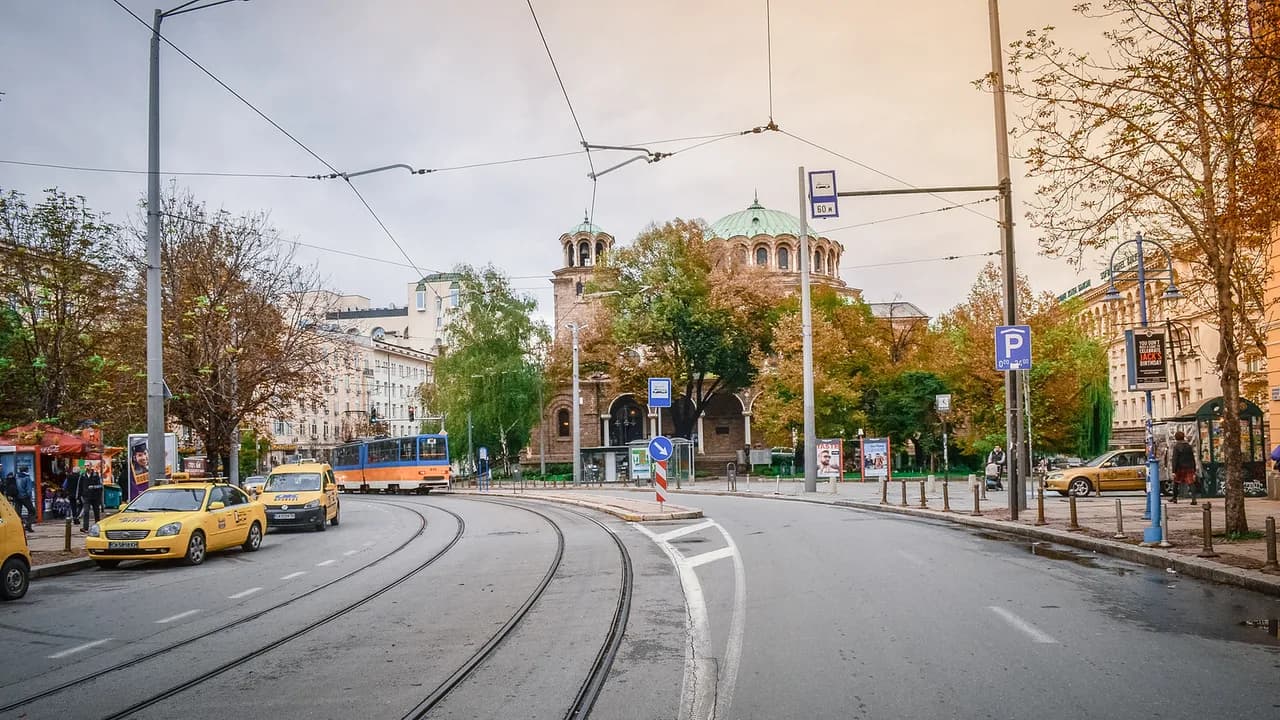
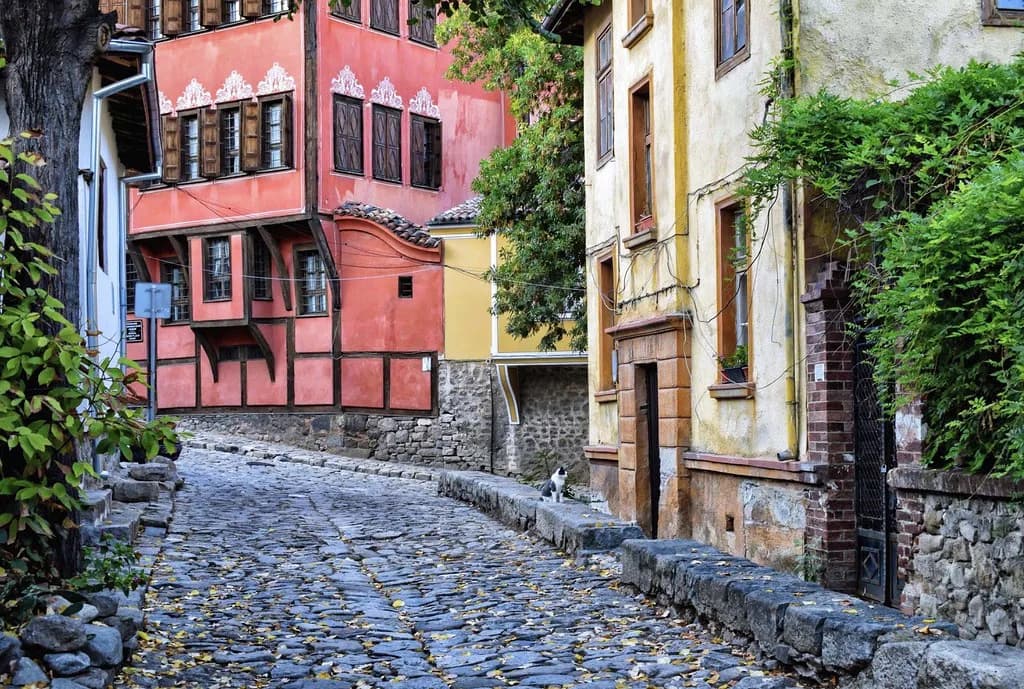
Almost every Bulgaria route rests on three pieces. Sofia is the arrival hub, with the airport metro running into the center and the Alexander Nevsky Cathedral, the Red Flat museum and Borisova Gradina park filling two days. Plovdiv, the second city, brings Roman ruins, the old town's revival-era houses and the Kapana district.
The third piece is the mountains, and this is where itineraries differ. Rila, south of Sofia, holds both the monastery and the Seven Rila Lakes. The Pirin Mountains above Bansko hold Vihren Peak, the range's highest summit at 2,914 metres, and thermal pools in town.
Treat the Rila Lakes and Rila Monastery as two separate outings rather than one long day. The lakes hike alone takes three to four hours on the mountain, and pairing it with the monastery makes for a punishing schedule that leaves no room for weather delays.
A 5-day Bulgaria itinerary for a first taste
Days one and two go to Sofia: the cathedral, the Red Flat museum for a preserved apartment telling one family's story under communism, the city garden, and an evening in Borisova Gradina. Day three is a day trip to Rila Monastery, which is a straightforward road trip south of the capital.
Days four and five belong to Plovdiv. Take the bus or drive down, then spend the first afternoon in the old town with the Roman Theatre and the merchant mansions around Balabanov House, and the second in Kapana's cafés and murals before climbing Nebet Tepe or Youth Hill for sunset.
What you give up is all hiking. If mountains are the reason you are coming, add two days for Bansko instead of spending them in Plovdiv, and accept that you will see one city properly and one mountain properly rather than three places badly.
A 7-day Bulgaria itinerary: Sofia, Rila, Bansko and Plovdiv
Start with two nights in Sofia, then move to the Rila area for the Seven Rila Lakes. The standard approach is a cable car up from the lower station, with a return adult ticket reported at about 25 BGN (roughly 13 euros), followed by a three- to four-hour walk over the lake plateau.
The lakes are a summer proposition: the walking season is generally June to October, with late May and early November possible only in good weather. Out of season you swap the hike for Rila Monastery and its frescoed arcades, which stays accessible year-round.
Then head to Bansko in the Pirin foothills for two or three nights, with one day for Vihren Peak and one for the thermal mineral pools. Buses from Sofia to Bansko have been reported at two morning departures; treat the timetable as indicative and confirm your date with the carrier before relying on it.
Finish in Plovdiv. From Bansko the connection is awkward — a single early-morning bus taking around three and a half hours has been reported, which effectively costs you a morning. A rented car removes that constraint and is the reason many travelers pick one up for the mountain legs.
A 10-day Bulgaria itinerary that adds the Black Sea coast
Take the seven-day route and give Sofia a third night to absorb a day trip, then add two or three days on the Black Sea at Burgas. The city works as a base for the coast, with the sea, a long promenade and onward buses, rather than as a beach resort in its own right.
The trade-off is seasonal. The coast is at its best in high summer, when prices peak and Bulgarians crowd the beaches alongside foreign visitors; outside July and August the sea towns are quiet and some seasonal businesses wind down. If you are traveling in August, book the coast leg around the calendar rather than fitting it in at the end.
An alternative ten-day build swaps the coast for the Rhodope Mountains, using Plovdiv as the gateway for mountain villages and regional cooking. Choose the coast if you want warm water and easy days, the Rhodopes if you want scenery and quieter roads.
Two weeks: adding the Rhodope mountains or the Danube
With fourteen days you can do the core route properly and still add a fourth region. The most natural addition from Plovdiv is the Rhodopes, with villages, gorges and food that differs from the rest of the country, plus Asen's Fortress near Asenovgrad as a half-day stop.
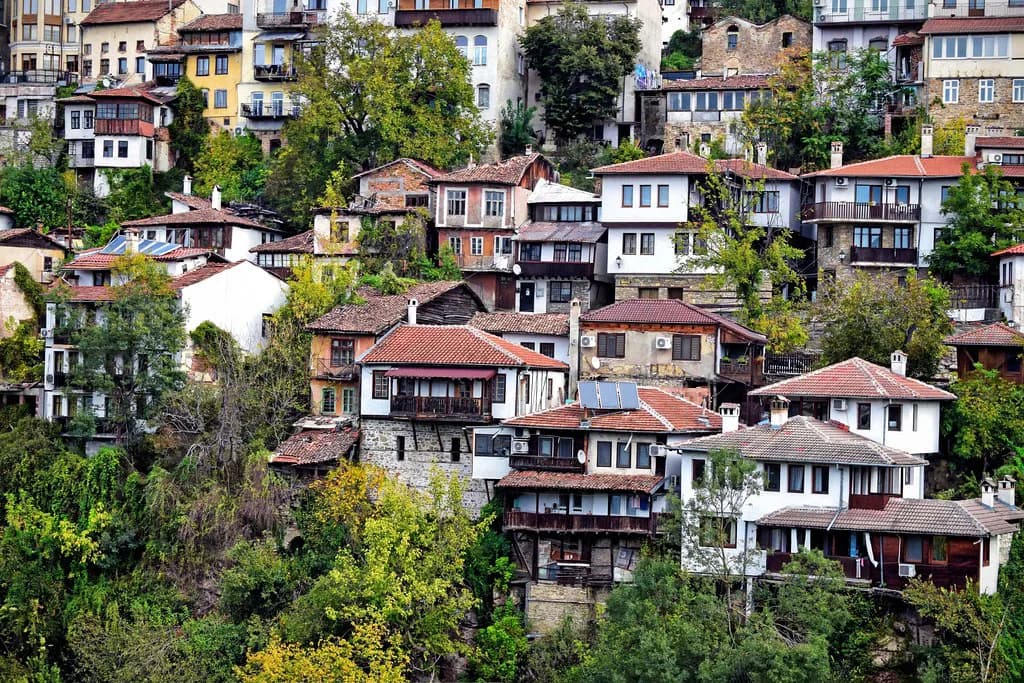
The other option heads north to the Danube and towns such as Veliko Tarnovo, which balances the mountain-heavy south with a different landscape and history. Either addition needs a car to be enjoyable; on public transport you would spend too much of two weeks waiting.
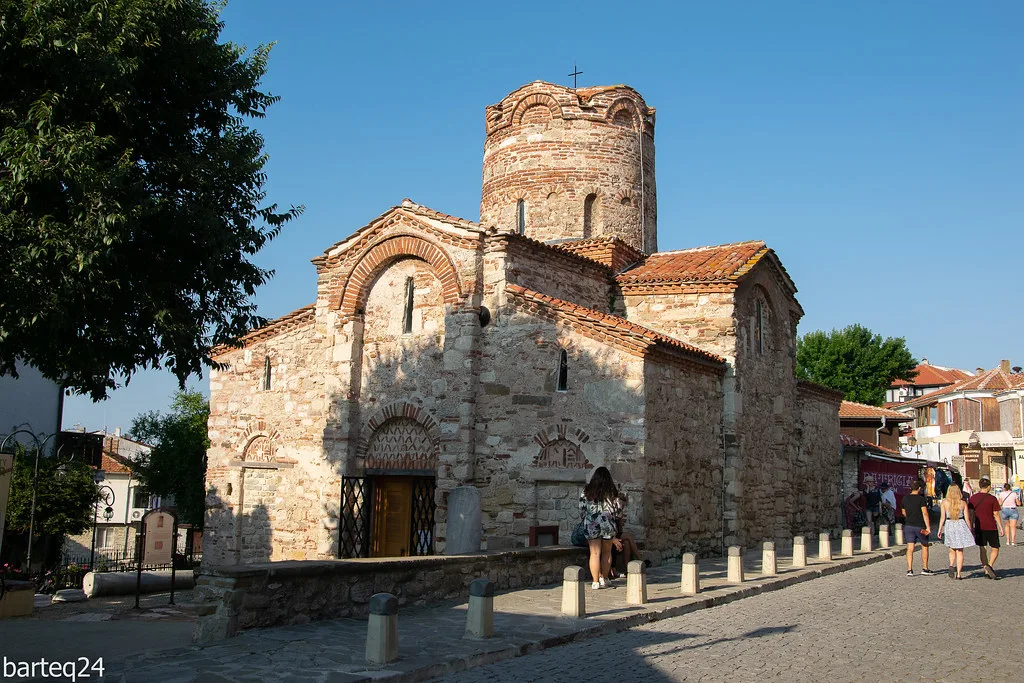
Sofia in two days
Sofia looks grey at first glance, a mix of Soviet-era blocks and older streets, and many visitors write it off before giving it a chance. Two days is enough to change that impression: the Alexander Nevsky Cathedral and the city garden beside it, the Red Flat museum, and the artisan shops and cafés around the center.
Use the metro from the airport to Serdika for the simplest arrival into the middle of town, and plan on walking between sights rather than crossing the city repeatedly. Evenings are best spent in the parks, with Borisova Gradina offering rose gardens and a mountain view on the skyline.
If you are hiring a car for the mountain legs, collect it when you leave the city rather than on arrival, when you will not need it. Our guide to renting a car covers the practical side of picking one up and dropping it off in Bulgaria.
Plovdiv and the Kapana district
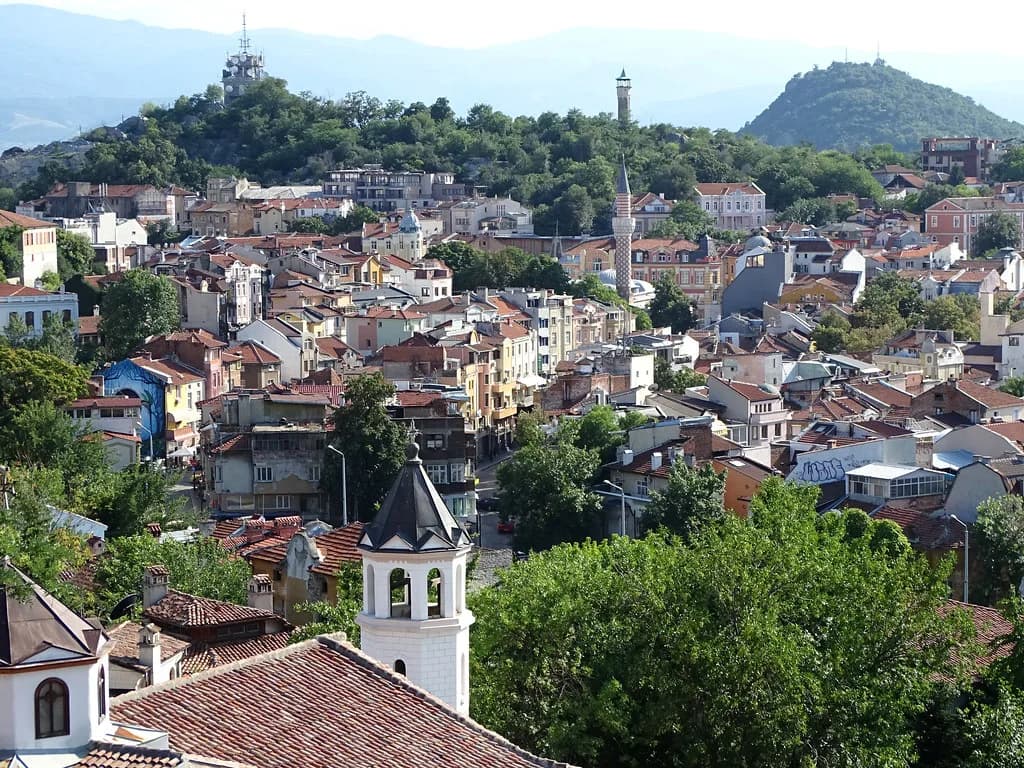
Plovdiv claims to be one of Europe's oldest continuously inhabited cities, and the layers show: Roman stadium remains under the main pedestrian street, the Roman Theatre cut into a hillside, and the old town's revival-era houses climbing above it.
The Kapana district is the modern counterweight, a grid of small streets given over to independent cafés, bars, galleries and murals. It is the best place in the country to spend a slow afternoon, and it sits a short walk from the old town, so you can combine both in a day.
Plovdiv is built on seven hills, and the classic evening move is climbing Nebet Tepe or Youth Hill for sunset over the rooftops. Tsar Simeon Garden, with its singing fountains, is the other easy green stop if you need a break between sights.
Rila: the monastery and the Seven Rila Lakes
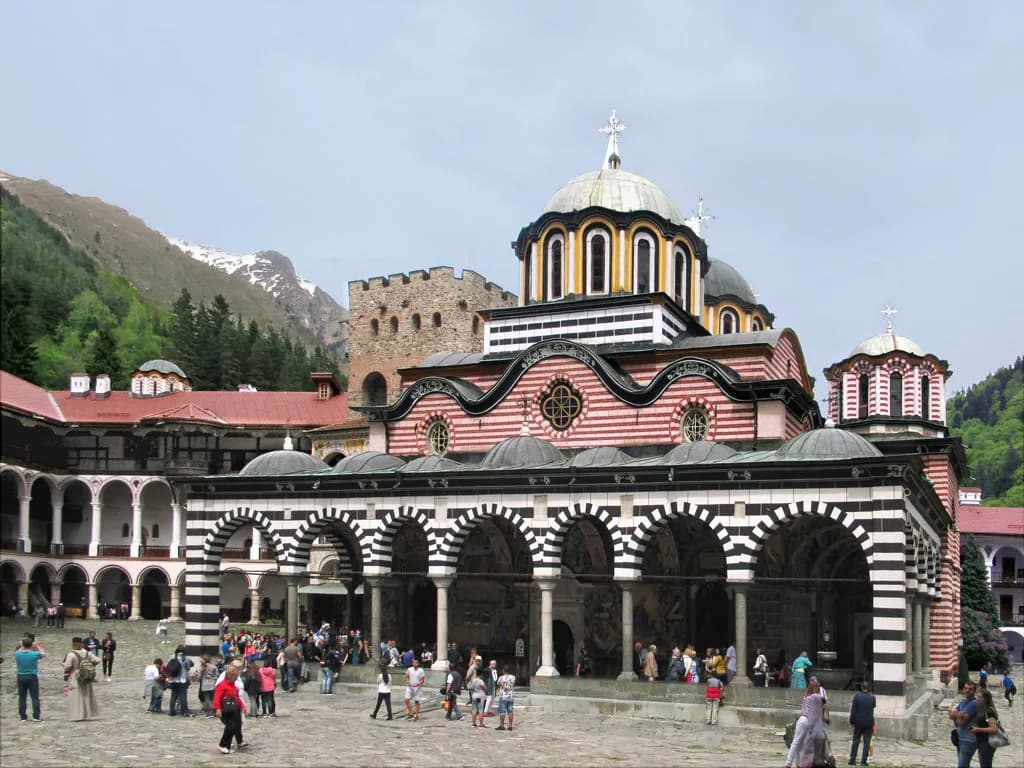
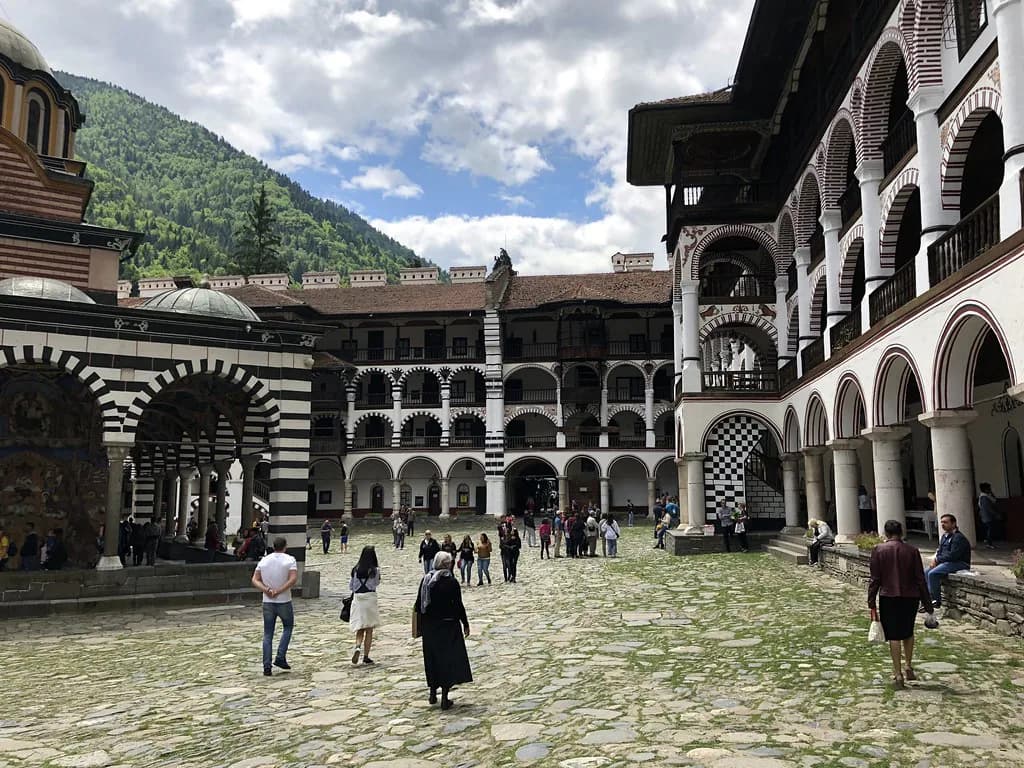
Rila Monastery is the country's most visited religious site, a walled complex of striped arcades and frescoes tucked into a valley south of Sofia. It works as a half-day or full-day trip from the capital and pairs badly with a serious hike, so give it its own slot.
The Seven Rila Lakes are a different outing entirely. You ride a chairlift to the plateau, then walk a circuit that reaches roughly 2,500 metres at its high point and takes three to four hours. The cable car runs to the trailhead, and the return adult fare has been reported at around 25 BGN (about 13 euros).
Weather decides everything here. The walking window is broadly June to October, with shoulder-season attempts possible in good conditions and snow closing the high ground outside it. Build a spare day into your plan if the lakes are the centerpiece, because one fogged-in morning can wipe out the hike.
Bansko and the Pirin mountains
Bansko has two identities: a ski town in winter and a hiking and remote-work base the rest of the year. Outside ski season it is cheaper and quieter, with cobbled streets, thermal pools and direct access to the Pirin range.
The headline walk is Vihren Peak at 2,914 metres, a steep day that should start early — a 7am departure by taxi to the trailhead is better than waiting for a shuttle that eats your margin. Go up and down the same way rather than committing to the loop, and keep an eye on the weather, since fog moves in fast.
The thermal mineral pools in town, with several pools at different temperatures, are the reward for the day after a summit. Note that the mountain bus links to Plovdiv are sparse, so plan the exit leg before you arrive or drive yourself.
The Black Sea coast at Burgas
Burgas sits on the coast as a working city with a sea front, a long promenade and good transport links, which makes it a practical base rather than a picture-postcard resort. From here you can reach the resort towns and beaches along the coast by bus or car.
The season matters more here than anywhere else on this route. High summer brings warm water, crowds and higher prices, while spring and autumn leave the coast quiet and some facilities shut. If the beach is the point of the trip, put the coast in July or August and shorten the city time to match.
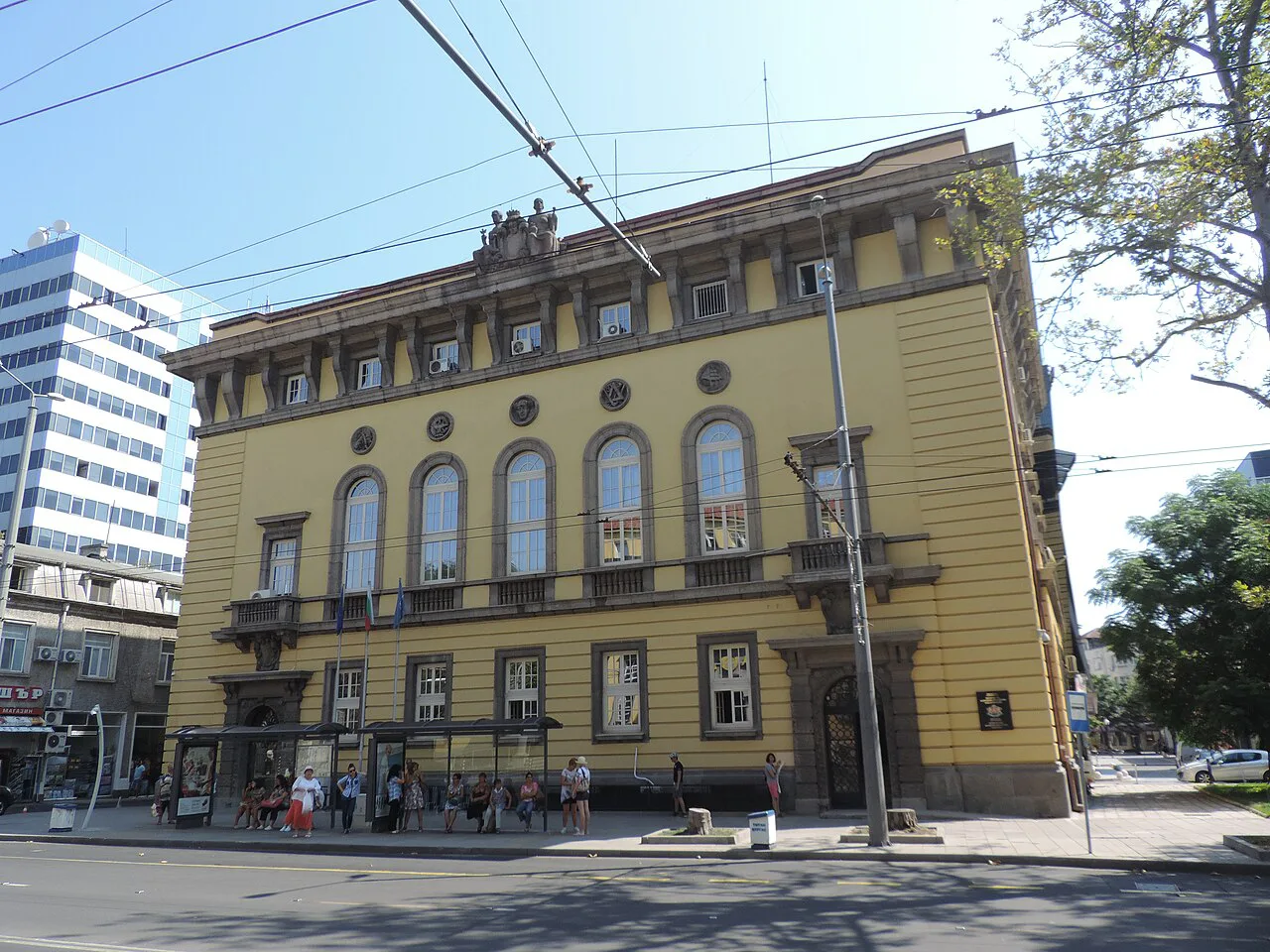
Getting around: buses, car hire and realistic transfer times
Buses connect the main cities, but the network thins out for mountain towns and villages. Sofia to Plovdiv is easy; Bansko to Plovdiv has been reported as a single early-morning service of around three and a half hours, and the Sofia to Bansko corridor has only a couple of morning departures.
In cities, taxi apps work well in Sofia and Plovdiv and are cheap enough to use freely. For the mountain legs and the Rhodopes, a rental car earns its keep by turning a lost morning into a hike; check the pickup point and insurance terms before you commit.
Rail is not the backbone of a Bulgaria itinerary; the useful rail links are limited and slow compared with the bus network. Build your route around buses and driving, and treat trains as a bonus rather than a plan.
When to go: weather and season by season
Late spring and early autumn are the most versatile windows: mild in the cities, open trails in the mountains and no coastal crush. Summer is hot in Sofia and Plovdiv and busy on the Black Sea, but it is the only reliable time for high-altitude hiking.
Winter narrows the trip to cities and ski resorts. Bansko fills with skiers, mountain roads and high trails close, and the coast empties out. If your priority is hiking rather than skiing, avoid December through February entirely.
Typical costs and how long your money lasts
Bulgaria has used the euro since 1 January 2026, so budget in euros rather than the old lev figures you will still see in older guides. Day-to-day costs are low by Western European standards, with the main variable being how much you move around and whether you hire a car.
Paid attractions are modestly priced, with the lakes cable car the clearest documented example at around 25 BGN return, roughly 13 euros, as reported. Everything else — buses, meals, museum tickets — changes, so check current prices and dates with the venue, bus company or museum before you travel.
Drawbacks and common planning mistakes
The biggest mistake is treating Bulgaria as a single-city destination and cramming Sofia, Plovdiv and a mountain day into four days. The second is underestimating transfer time: sparse mountain buses mean one missed service can cost a whole day and a rearranged route.
The third is assuming all mountain plans work all year. The Seven Rila Lakes walk and the Vihren ascent are summer activities, and shoulder-season attempts depend on conditions rather than willpower. Have a city or monastery alternative ready for bad weather.
Finally, expect a reserved manner in Sofia that some visitors read as unfriendliness, and a warmer reception in the mountains. It is a cultural difference rather than a reason to skip the capital, and two days there usually corrects the first impression.
Who each itinerary suits
The five-day trip suits city travelers who want architecture, food and museums, and who are happy to see mountains from a distance. The seven-day version suits hikers with a week to spare who can accept one mountain base and a slightly awkward transfer day.
Ten days suits first-timers who want both cities and real walking without rushing, and fourteen days suits drivers who want to add the Rhodopes or the Danube and travel at their own pace. Anyone traveling with children should probably lean toward the city-heavy version, given the length of the mountain hikes.
Plan Your Visit
Build your Bulgaria itinerary around ten days and three anchors: Sofia, Plovdiv and the mountains. Cut the coast first if time runs short, keep the mountain days summer-only, and secure the sparse Bansko-to-Plovdiv connection before you lock the loop.
Get a clear read on the country before you commit the calendar time; our Bulgaria verdict covers who the destination suits and where it frustrates.
Explore more Bulgaria trip-decision guides
Frequently Asked Questions
How many days in Bulgaria is enough?
Ten days is the sweet spot for a first trip: it covers Sofia, Plovdiv, the Rila Lakes and a Pirin mountain base without rushing. Seven days works with one mountain area, and five days is enough for Sofia and Plovdiv with one day trip.
Is 5 days enough for Bulgaria?
Yes, if you limit yourself to Sofia and Plovdiv. Two days in the capital covers the cathedral, the Red Flat museum and the parks, and three days in Plovdiv covers the old town, Kapana and sunset from one of the hills. It is not enough for serious hiking.
Should I rent a car in Bulgaria or take buses?
Buses work for Sofia, Plovdiv and the main cities. For Bansko, the Rhodopes and the coast, a car removes the problem of sparse timetables and early departures, and it earns its cost on any route with more than two mountain stops.
Is Bansko worth it outside ski season?
Yes, for hikers. The town is quieter and cheaper outside winter, the thermal pools are open, and Vihren Peak gives a demanding summit day from 2,914 metres. The main catch is that onward transport is limited, so plan your exit before you arrive.
What is the best month to go to Bulgaria?
Late spring and early autumn give mild city weather and open mountain trails. For the Seven Rila Lakes and Vihren, the reliable window is June to October, since the high routes close when snow arrives.
Is Bulgaria friendly to Americans?
You will not feel unwelcome, but expectations matter: Sofia locals can seem reserved and blunt at first, while mountain hosts are noticeably warmer. It is a cultural difference rather than hostility, and the cities feel perfectly navigable for English-speaking visitors.
Is it safe to visit Bulgaria right now?
There is no single answer for a country; check the official government travel page for your own country before booking, and rely on it for current guidance rather than blogs.
Sources
Trip-decision notes
Optional updates when we publish or revise a destination verdict.
You might also like
Continue reading
More guides you'll find useful