Bulgaria eSIM: Should You Buy One Before You Land?
A travel eSIM gets you online in Sofia before the baggage carousel. Weigh the cost and coverage trade-offs against a local Bulgarian prepaid SIM.
On this page
Yes, a Bulgaria eSIM is worth buying before you fly if your trip is a short city break, a beach week or a multi-country Balkans route where you want data the moment you land. Install it at home on Wi-Fi, switch it on after arrival, and you skip the airport SIM queue entirely. The trade-off is that data-only plans give you no Bulgarian number, so anything that needs a local line still has to be solved another way.
The case for waiting and buying locally is stronger than most travelers expect. Bulgaria's three operators sell prepaid bundles through their own shops, and A1 and Vivacom hold up better once you leave Sofia for mountain roads or the Rhodope villages. Which option wins depends on how long you stay, whether you need calls, and whether you are driving.
The verdict: who a Bulgaria eSIM suits
Buy an eSIM before departure if you are in Bulgaria for a few days, arriving at Sofia, Varna or Burgas, and mainly need maps, messaging, ride-hailing and booking confirmations. A data-only plan is the simplest thing to set up and works alongside your home SIM, so bank verification codes still reach your normal number. If you are still deciding on the trip itself, our take on whether Bulgaria is worth visiting covers what the country rewards and where it frustrates.
Choose a local prepaid SIM instead if you are staying longer, expect to burn through data, or want a Bulgarian number for accommodation check-ins, delivery apps and local calls. Local SIMs require passport registration at purchase, which is normal in Bulgaria and quick in an operator store. The practical difference is that a shop assistant can adjust your bundle, while an eSIM is fixed once bought.
Travelers on a self-drive route through the mountains should weigh coverage hardest of all. Signal thins out on the roads toward Bansko, in Rhodope villages and on longer drives near the Serbian and Turkish borders, so offline maps matter more than a few extra gigabytes. If you are renting a car, build that into the same pre-trip admin session as your data plan.
What a travel eSIM actually is
An eSIM is a digital SIM profile your phone downloads over the internet instead of a plastic card you insert. Your phone must be eSIM-capable and unlocked for other networks, and you activate the plan by scanning a QR code or using the provider's app. Because most modern phones hold several profiles at once, you can run travel data on the eSIM while your home line stays active for calls and texts.
Purchasing happens online before you travel, which is the whole point: the plan is ready when you land, and you avoid airport queues, language barriers and roaming charges from your home network. Providers recommend installing while you have reliable Wi-Fi and switching the line on after arrival, since activation timing varies by plan. Data-only plans are the cheapest route; voice-and-data plans cost more but solve reservations and verification texts.
The three Bulgarian networks and where each works best
Bulgaria runs on A1, Vivacom and Yettel, and all three deliver solid 4G in cities and tourist areas. A1 is the strongest overall once you leave the main centers, which makes it the sensible pick for road trips, smaller towns and remote routes. Vivacom is close behind and a very solid choice for Sofia, Varna and Burgas.
Yettel is fine for a Sofia weekend or a simple beach trip but lags on isolated valleys and mountain detours, so it is the weakest option for a long self-drive itinerary. Travel eSIMs connect through whichever local partner network the provider has deals with, so the network behind your plan is not always obvious from the sales page. If network choice matters to you, read the product details from your eSIM provider before buying, rather than assuming you will land on A1.
Coverage from Sofia and Plovdiv to the Black Sea and the mountains
Expect strong 4G and growing 5G in Sofia, Plovdiv, Varna and Burgas, and treat 5G as an urban bonus rather than something to plan around. Coastal resorts, monastery sites and historic towns are generally well covered, which is why a beach week or a city-and-heritage loop rarely exposes gaps. The picture changes the moment you head into the Pirin or Rhodope Mountains.
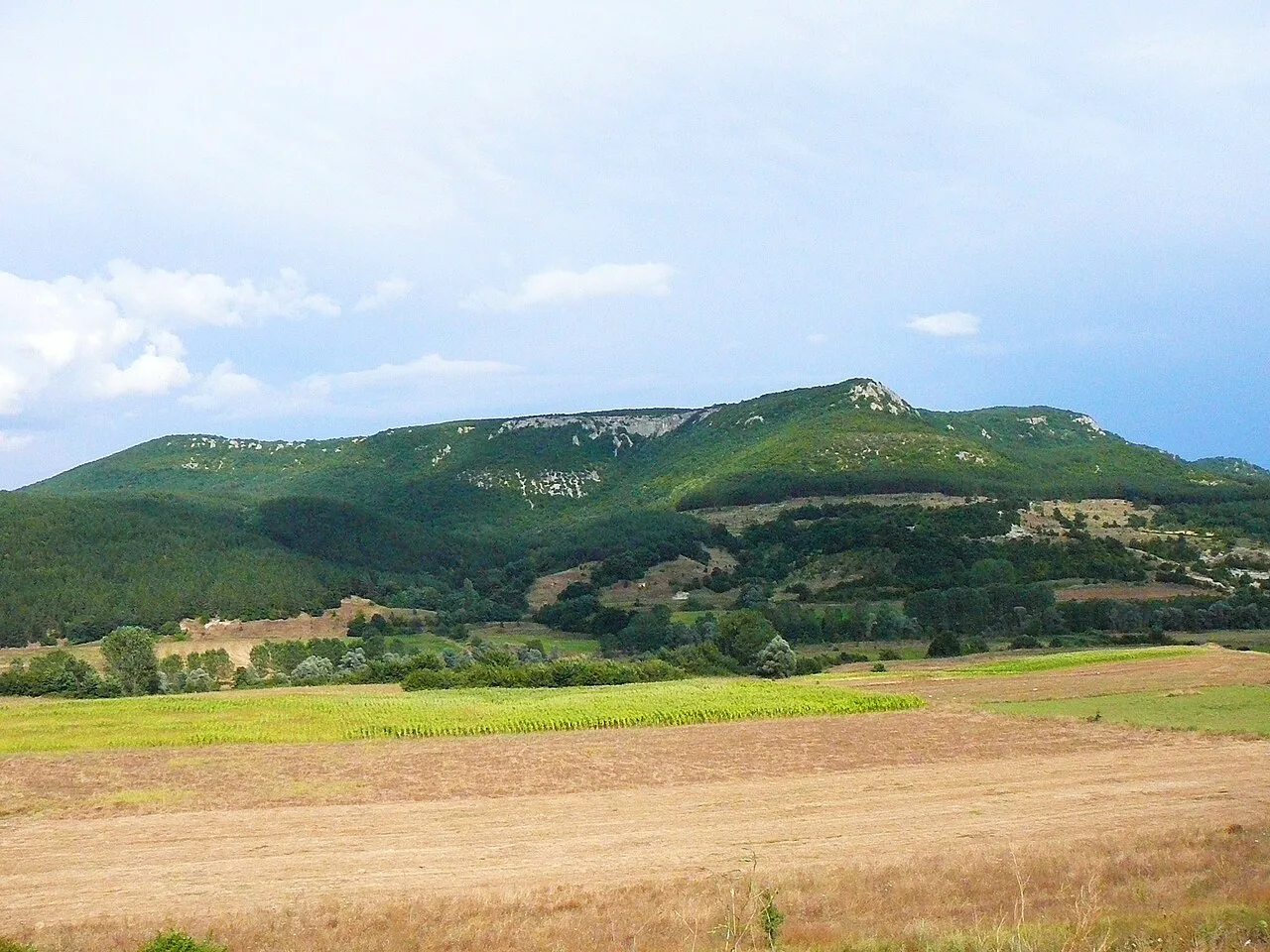
Mountain regions can have limited coverage, and rural roads can drop signal quickly even where towns nearby are fine. Download offline maps before a hike or a long mountain drive, and do not count on live navigation through remote valleys. Cafés and restaurants commonly offer free Wi-Fi, but treating that as your backup only works if you are stationary.
Where you go in the country shapes the data question more than the plan does. If you are still choosing a route, the best places to visit in Bulgaria sets out which towns and regions reward the driving time.
How much data a trip really uses
Light use, meaning maps, messaging, email and the occasional booking, fits comfortably in a small plan over a week in a city. Navigation and live traffic burn allowance faster than most people expect, so a self-drive itinerary deserves a generous data plan rather than the cheapest one. Uploads, video calls and hotspot sharing push you into the larger tiers.
Season matters too. A summer Black Sea trip involves more photo uploads and booking apps than a spring city break, and Bulgaria in August is peak season for exactly that kind of usage.
Data-only versus voice and SMS plans
Data-only plans cover maps, messaging apps, email, translation and transport bookings, which is the bulk of what a traveler does. They cost less and are the default recommendation for a short break. What they do not give you is a phone number, so restaurant reservations, taxi calls and any service that sends a code to a Bulgarian line remain unsolved.
Voice-and-data plans add a number and calling allowance, useful if you want to ring a guesthouse or a taxi dispatch. A middle option is keeping your home SIM active for bank codes and two-factor texts while running data on the eSIM, which solves most verification problems without paying for a voice plan. Decide which of those three you need before you shop, because the plan mix on offer is wide and easy to overbuy.
Plan prices on the market
Travel eSIM pricing changes constantly and varies by provider and by the country you buy from, so treat any figure as a snapshot rather than a rate. In October 2026 one comparison site listed Bulgaria plans from roughly a dollar for a small week-long allowance up to around twenty-one dollars for a 50 GB, 30-day plan. At the heavy-user end, a seven-day unlimited plan was listed at about eight dollars, with the caveat that speeds may be throttled after heavy use.
Regional Europe plans sold by UK and international providers are often priced in pounds and cover dozens of countries, which is worth comparing if your trip continues into Romania, Greece or Turkey. A single regional plan usually beats swapping SIMs at every border, and the same decision applies if you are weighing is Romania worth visiting alongside a Bulgarian leg. Check the allowance and validity period rather than the headline price, since short-validity plans expire mid-trip more often than travelers expect. If overall trip cost is your deciding factor, is Bulgaria cheap works through the rest of the budget.
When a local prepaid SIM still wins
A local SIM wins when you want a Bulgarian number for calls, accommodation check-ins or delivery apps, or when you are staying long enough to use a lot of data inside the country. It also suits travelers who prefer buying a top-up voucher or sorting out a problem face to face. Local bundles often include EU roaming, but the roaming allowance is usually smaller than the domestic allowance.
The gap between airport counters and city shops is the other reason to wait. Airport counters are convenient, but operator shops in town usually have better bundles and clearer advice, and foreign payment cards sometimes fail on top-ups where cash or in-store payment works. If your route begins at the airport and heads straight out, that convenience may be worth the premium.

Passport registration and buying a SIM in Bulgaria
Prepaid SIM purchases in Bulgaria normally require passport registration, so bring ID if you plan to buy locally. Activation usually happens in the store with that ID, which is why the process is quick but not anonymous. Come with your passport and a little patience for the paperwork and you will walk out connected.
Bulgaria has used the euro since 1 January 2026, so any bundle price you see quoted in leva is historical and worth converting or ignoring. Ask the shop assistant to confirm the euro amount and what the bundle includes before paying. Money questions are best settled against the operator's own price list rather than a general guide.
EU roaming: what your Bulgarian plan does across the border
Bulgaria is in the EU, so many local prepaid bundles include EU roaming, and travel eSIMs sold as Europe plans work across member states without changing anything. The catch is that the roaming allowance is typically smaller than the domestic one, so a large Bulgarian bundle does not translate into the same volume in Greece or Romania. If your route is mostly outside Bulgaria, buy a regional plan instead of a Bulgaria-specific one.
For itineraries that cross into non-EU neighbors such as Serbia or Turkey, check whether those countries are included at all, because many Europe plans stop at the EU border. A quick look at how Bulgaria sits in a wider Balkans route helps you decide how much cross-border data you actually need.
What to set up before you leave home
Install the eSIM while you have reliable home Wi-Fi, label the line clearly in your phone settings, and keep your home SIM active for calls and codes. Download offline maps for the regions you will drive through, and screenshot your booking confirmations. Then switch the data line on after landing rather than at the departure gate, so activation starts when you actually arrive.
If you are picking up a car, sort out your data plan and your rental paperwork in the same session, since both are easiest to handle before you fly. Our guide to renting a car covers the driving side; data is what keeps the navigation running once you leave the airport.
Plan Your Visit
The short answer: buy a Bulgaria eSIM before you fly for a city break, a beach week or a multi-country route, and choose a local prepaid SIM from A1 or Vivacom if you are staying longer, driving into the mountains, or need a Bulgarian number. Either way, arrive with offline maps and a way to receive verification texts.
Match the plan to the season and the route rather than to the cheapest listing. If you are traveling in the shoulder months, Bulgaria in May and Bulgaria in October give you good conditions with fewer crowds and lighter data needs than high summer.
Explore more Bulgaria trip-decision guides
Frequently Asked Questions
Do I need a Bulgaria eSIM if my home plan already includes EU roaming?
Not necessarily. If your home plan gives you a usable EU roaming allowance, you can travel on that alone. A separate eSIM is worth it when your home allowance is small, your provider charges daily fees, or you want data ready the moment you land without touching your main line.
Will an eSIM work in the Bulgarian mountains?
Expect gaps. Cities, coastal resorts and main roads generally have solid 4G, but coverage can thin out on mountain roads toward Bansko, in Rhodope villages and on longer drives near the Serbian and Turkish borders. Download offline maps for hiking and remote driving days regardless of which plan you buy.
Is a Bulgaria eSIM cheaper than roaming?
Usually, if your home network charges daily roaming fees or high out-of-bundle rates. A travel eSIM lets you buy a fixed data allowance in advance, so the cost is clear before you go. Compare the total for your trip length rather than the per-day headline.
Can I keep my normal number while using a Bulgaria eSIM?
Yes, on a phone that supports dual SIM. Run travel data on the eSIM and leave your home line active for calls and verification texts, which keeps bank codes and two-factor messages working while you avoid roaming data charges.
Do I need a Bulgarian phone number for taxis and bookings?
Often not, since apps and online booking cover most needs. A voice-and-data eSIM or a local prepaid SIM helps if you want to ring a guesthouse, a taxi dispatch or a restaurant directly, and some local services send confirmation codes to a Bulgarian number.
What ID do I need to buy a local prepaid SIM in Bulgaria?
Your passport. Prepaid SIM purchases in Bulgaria normally require passport registration, and activation usually happens in the operator store with that ID. Airport counters are convenient, but city shops typically offer better bundles and clearer advice.
Which Bulgarian network should my eSIM connect to?
A1 is the strongest overall outside the main centers, with Vivacom close behind and particularly solid in Sofia, Varna and Burgas. Yettel is fine for city use but weaker in remote areas. Travel eSIMs use whichever partner network the provider has deals with, so check the product details if network choice matters.
Should I buy a regional Europe plan instead?
If your trip continues into Romania, Greece or Turkey, a regional plan often beats swapping SIMs at each border. Check which countries are covered and whether non-EU neighbors are included, since many Europe plans stop at the EU border. For a Bulgaria-only trip, a country plan is simpler.
Sources
Trip-decision notes
Optional updates when we publish or revise a destination verdict.
You might also like


Continue reading
More guides you'll find useful