Best Cities in Bulgaria: 10 Places Worth Your Time
Bulgaria's best cities, chosen for what they actually offer: Sofia, Plovdiv, Varna, Veliko Tarnovo, Nesebar, Melnik and more, with who each one suits.
On this page
The best cities in Bulgaria fall into three clear groups: Sofia and Plovdiv for urban culture and history, Varna and Nesebar for the coast, and Veliko Tarnovo, Melnik, Bansko and the Rhodope villages for landscape. Pick one group plus one contrast and you have a trip; try to cover all three in a week and you will spend it on buses. This guide gives a straight verdict on each place, names the sight or neighbourhood that justifies the stop, and says who should go elsewhere.
If you are still weighing the country itself, our guide to whether Bulgaria is worth visiting settles the bigger question before you build an itinerary. The short version: yes, for travelers who value architecture, mountains and low prices over polish and speed. The detail is in the individual cities below.
Why Bulgaria's cities reward a shortlist, not a grand tour
Bulgaria is small on the map but slow on the ground. Mountain roads twist, buses between secondary towns run a few times a day, and the most rewarding old quarters are pedestrian and cobbled, which means you see them on foot and reach them by road. Sofia, Plovdiv and Varna anchor the transport network; everywhere else is a branch line.
The practical consequence is that a two-week trip should hold three or four bases, not eight. Plovdiv works as the southern hub, Veliko Tarnovo as the northern one, and Varna or Burgas as the coastal one. Add Melnik or the Rhodope villages only if you are driving, because public transport to them is thin.
Prices are the other reason to slow down. Bulgaria has used the euro since 1 January 2026, which removes the old conversion guesswork, and everyday costs remain modest by Western European standards. Our guide to whether Bulgaria is cheap breaks down what a day actually costs, from coffee to museum tickets.
How this list is judged
Each city is assessed on four things: whether it has a distinct character rather than a generic main street, how much of it you can walk, what day trips it unlocks, and how much time it genuinely needs. A place that only justifies two hours is listed as a stop, not a base.
Length of stay is the filter most travelers get wrong. Plovdiv can absorb three days; Nesebar is a half-day peninsula; Kovachevitsa is a morning and a slow lunch. Matching time to place matters more than counting sights, and the national ranking of Bulgarian cities by population tells you nothing about which are pleasant to visit.
Sofia: big-city energy, Roman ruins and the gateway to Rila
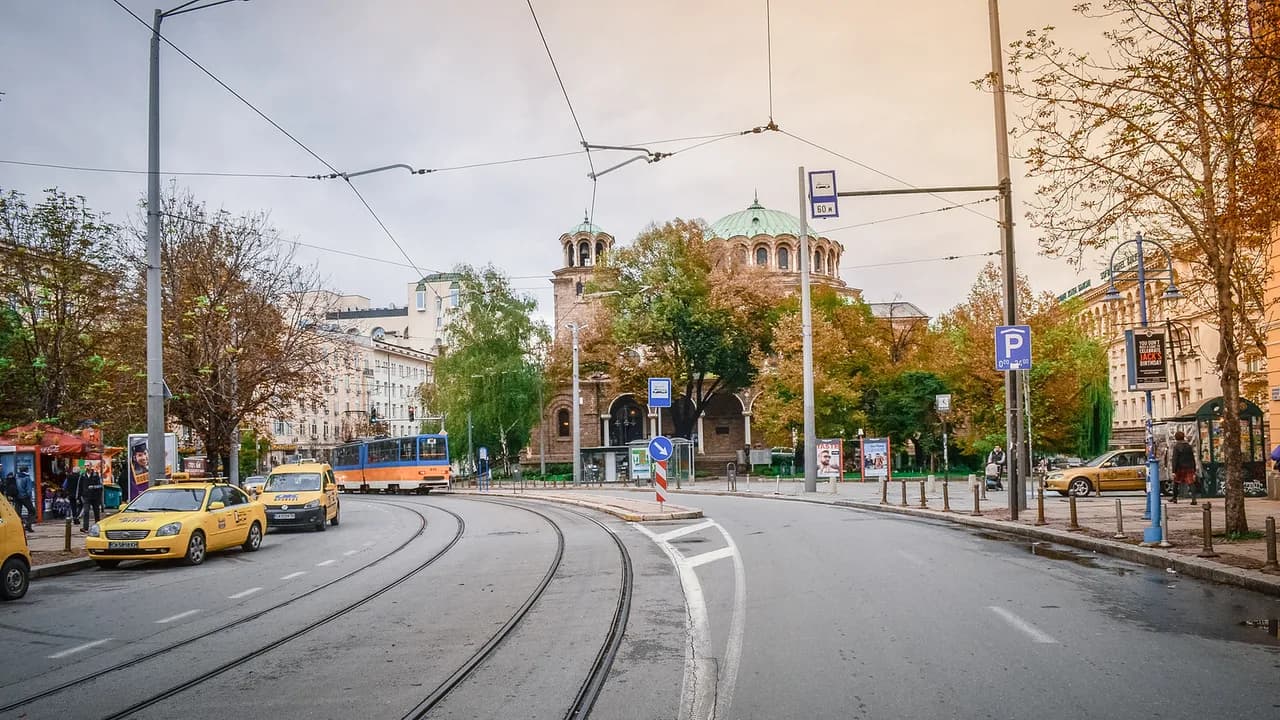
Sofia is the practical starting point for most trips and a better city than its workaday reputation suggests. Roman ruins sit beside the metro entrances, the Aleksander Nevski cathedral anchors the skyline, and the pedestrian Vitosha Boulevard gives the centre a lived-in bustle. Two full days covers the centre comfortably.
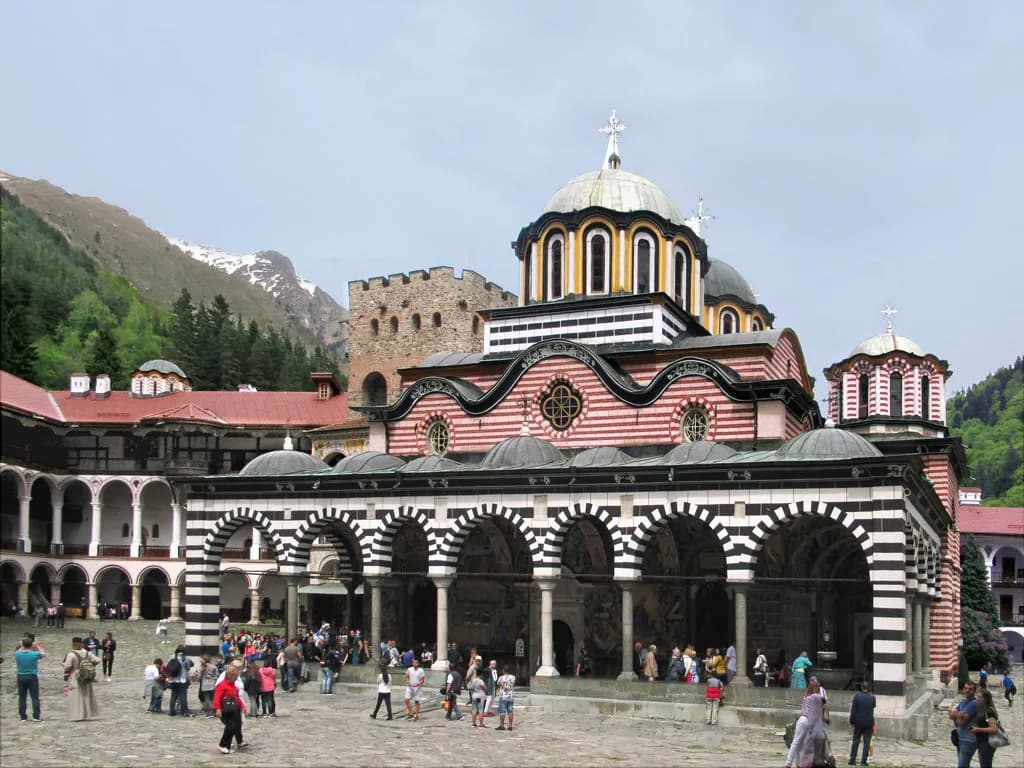
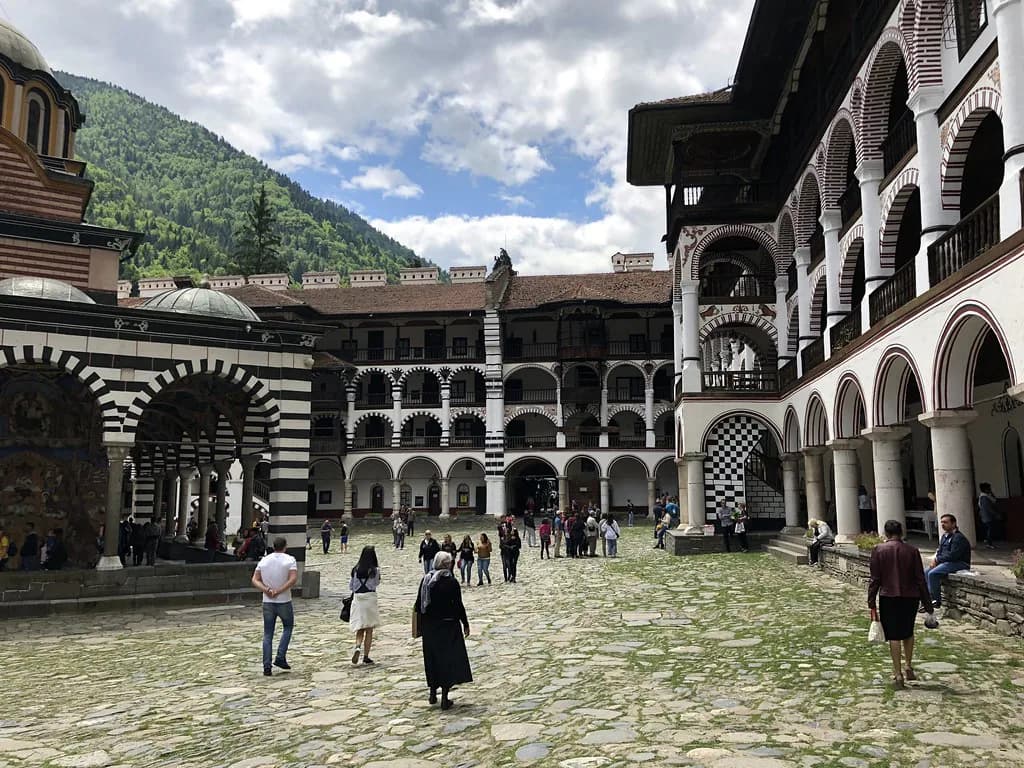
The city's real value is as a launchpad. Rila Monastery and the Vitosha mountain above the city are realistic day trips, and the airport puts the whole country within a few hours by road. Base here first, then move on.
Skip Sofia as a leisure destination if you want old-town charm from the first hour; Plovdiv or Veliko Tarnovo deliver that faster. Sofia suits city people, museum-goers and anyone flying in and picking up a car.
Plovdiv: the Roman theatre, Kapana and the best base for the south
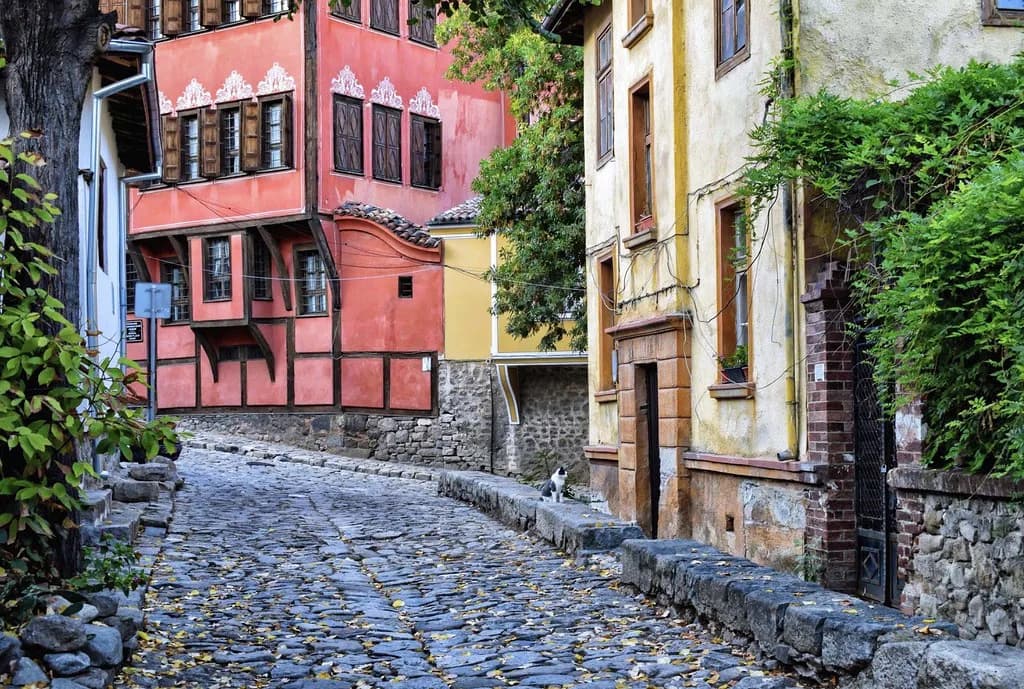
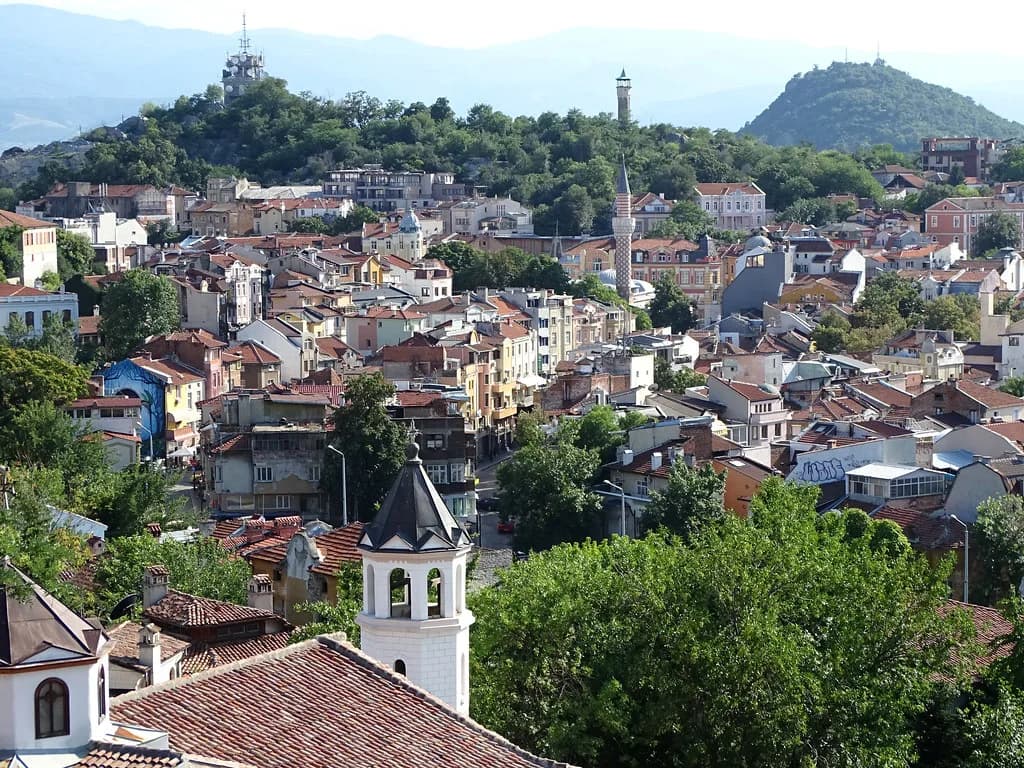
Plovdiv is Bulgaria's most rewarding city for a short trip. The Roman theatre cut into the old town hillside still hosts performances, the cobbled Old Town is a dense layer of Revival-era houses, and the Kapana quarter has turned into the city's creative and café district. Give it two to three days.
Its position makes it the southern hub. Melnik, the Rhodope foothills and the Upper Thracian Plain are all reachable from here, and the city is a natural stop between Sofia and the mountains. If April suits your calendar, our guide to Bulgaria in April covers what the season does to city and countryside.
The drawback is heat and crowds in high summer, when the Old Town's stones radiate and the theatre district fills. Late spring and early autumn are kinder. Plovdiv suits culture-first travelers and anyone building a southern loop.
Veliko Tarnovo: the fortress, the old craft street and Arbanasi
Veliko Tarnovo was the medieval capital of the Second Bulgarian Empire, and the ruined Tsarevets fortress on its hill is the reason to come. Below it, the old craft street of Samovodska Charshia sells pottery and sweets in restored houses, and the views over the Yantra river gorge are the postcard image of the city. Two days is right.
Arbanasi, a village of stone houses and painted churches just above the city, makes an easy half-day addition. The town's steep streets punish heavy luggage, so pack light or accept a short taxi from the station. Autumn suits it well; our guide to Bulgaria in October explains why.
Choose Veliko Tarnovo over Sofia if you want drama and history in a compact town. Skip it if you depend on frequent trains, because connections north are workable but not dense.
Varna: Black Sea city, the Sea Garden and the Roman baths
Varna is a real city with a beach attached, not a resort. The Sea Garden, a long landscaped park along the cliffs, is where locals walk in the evening, and the Roman baths are among the largest surviving in Europe. The archaeological museum holds the gold of the Varna necropolis. Two days covers the city itself.
In summer the city becomes a gateway to the whole coast, which is both its strength and its weakness. July and August bring crowds and higher prices; our guide to Bulgaria in August sets out how the season behaves. Outside those months Varna is calmer and cheaper.
Varna suits travelers who want urban life plus swimming without committing to a resort. If you are weighing the city itself, our Varna verdict settles whether the coast's biggest urban stop earns its place on your route. Skip it if you want empty beaches or a quiet old town; head for Nesebar or the smaller coastal towns instead.
Nesebar: the UNESCO peninsula and why it works as a day trip from Burgas
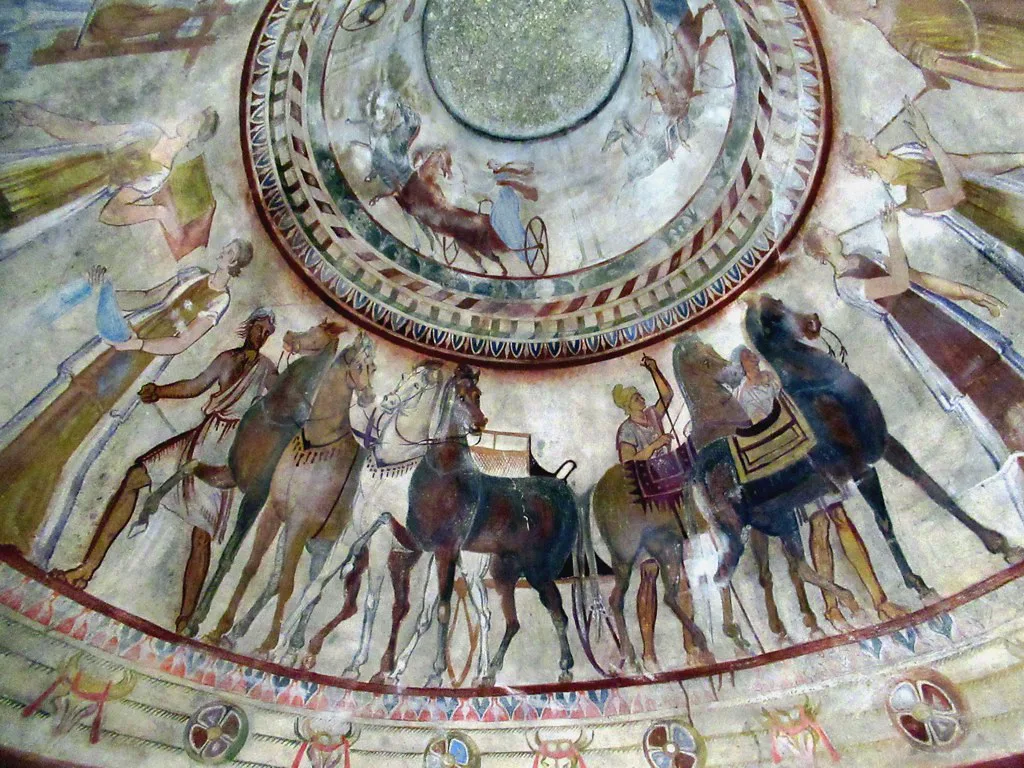
Nesebar is a small peninsula joined to the mainland by a narrow isthmus, packed with medieval churches and timber houses and listed by UNESCO. It is genuinely lovely and genuinely busy, because everyone on the southern coast visits at once. Arrive early or late in the day.
Treat it as a half-day or a day trip from Burgas rather than a base. Staying on the peninsula is charming but expensive and hemmed in; the mainland side is where the beach hotels are. June and September give you the architecture without the peak crush, and our guide to Bulgaria in September explains the shift.
Nesebar suits photographers and history-minded beach-goers. Skip it if crowds ruin a place for you; the same architecture is quieter in Melnik or the Rhodope villages, though not coastal.
Bansko: the mountain town that is not only a winter stop
Bansko is best known for skiing on Pirin, and the old town behind the resort is a compact grid of stone houses and mehanas that many visitors never reach. In summer the same base gives access to Pirin National Park trails and the surrounding villages, which is when the town is at its most pleasant.
The trade-off is a resort sprawl of hotels between the old town and the lifts, and a price jump in ski season. Outside winter, Bansko is a good value mountain base. It suits hikers and shoulder-season travelers more than summer beach seekers.
Melnik: Bulgaria's smallest city and its wine cellars
Melnik is technically the smallest city in Bulgaria and the centre of its most important wine region, with vineyards on the approach road. The main street climbs between traditional houses toward the eroded sand pyramids that frame the town, and the Kordopulova House, built in 1754, is the standout building.
The wine museum on the main street charges 3 leva (about €1.5) for its exhibition on production, and local wineries run tours that end with a tasting. Above town, a 10- to 15-minute climb reaches the Virgin Bogoroditsa Spileotisa Monastery and the best viewpoint over the pyramids. Half a day to a full day is enough.
Getting there without a car is the catch. Sofia to Melnik is 181 km, roughly 2.5 hours by road, and the bus takes around 3.5 hours for 14 leva. Rozhen Monastery, about 4.5 km away, is a worthwhile add if you have wheels.
The Rhodope villages: Shiroka Laka, Kovachevitsa and Leshten
The Rhodope Mountains hold Bulgaria's most atmospheric villages, and they are a mountain contrast to the cities rather than a substitute. Shiroka Laka, halfway between Smolyan and Devin, is an elongated village of stone and timber houses where the old bridge is the classic image, and it hosts kukeri masquerades on the first Sunday in March. Its ethnographic museum opens seasonally, roughly April onward.
Kovachevitsa is the most remote of the group, with a single road in and out, cobbled lanes where driving is not allowed and a short walk to a viewpoint over the rooftops. Leshten, a few minutes away, has more restaurants and the Kavkova House museum. Dolen is quieter still and takes at most two hours.
Two practical constraints shape a visit: there is no ATM in Kovachevitsa, Leshten or Dolen, so carry cash, and the roads make a car the only sensible way to link them. Sofia to Kovachevitsa is about 220 km and just over three hours; Plovdiv is closer at around 150 km.
These villages suit slow travelers, walkers and anyone who wants rural Bulgaria without a resort. Skip them on a short first trip unless you are driving and can spare two nights.
The verdict: which city suits a first trip, a slow traveler or a beach-and-culture week
For a first trip of a week to ten days, take Sofia for two nights, Plovdiv for three with a Melnik or Rhodope day, and Veliko Tarnovo for two. That gives you city, ruins, mountains and a fortress without a single punishing transfer.
For a slow second trip, base in Plovdiv and rent a car for the Rhodope villages and Melnik, then finish on the coast at Nesebar or Varna in June or September. For a beach-and-culture week, split Varna and Nesebar, and add a day inland to Veliko Tarnovo if you can spare it.
Travelers who want polish, reliable late transport and a curated old town should look at Croatia or Slovenia instead; Bulgaria's charm comes with rough edges. If you are still deciding, our verdict on whether Bulgaria is worth visiting covers the trade-offs honestly.
How many days to give each city
Sofia needs two days for the centre and one more for Rila Monastery. Plovdiv deserves three, including Kapana evenings and the Old Town. Veliko Tarnovo takes two with Arbanasi. Varna takes two, Nesebar half a day to a day, Bansko two to three in summer, Melnik a day, and each Rhodope village a few hours with a night to spare.
Add travel days honestly. A Sofia to Plovdiv transfer is short, but Plovdiv to the Rhodope villages is a half-day drive, and anything involving secondary mountain roads eats more time than the distance suggests. Build in one buffer day per week.
Getting between the cities: buses, driving and distance realities
Buses connect Sofia, Plovdiv, Varna, Burgas and Veliko Tarnovo reliably enough for a city itinerary, and they are the cheapest way to move. The gaps appear the moment you leave those lines: mountain villages, Melnik's surroundings and the Rhodope back roads run on sparse schedules.
Driving is the answer for Melnik and the Rhodope villages, but budget for slow roads and mountain passes. The Sofia to Melnik run of 181 km takes about 2.5 hours, and Plovdiv to Melnik is 260 km and closer to four hours. The coastal and central highways are faster.
If you plan to rent, our guide to renting a car in Bulgaria covers what to expect at pickup and on the road. Book the compact for cities and the stronger engine for mountains, not the reverse.
Typical costs by city type
Sofia and Plovdiv sit at the top of the domestic range for food and museums, but the gap to Western Europe remains wide. Varna and Nesebar charge more in July and August, when coastal demand peaks. Mountain villages are cheap for meals but limited in choice, and cash matters.
The one figure worth knowing before you go is Melnik's wine museum at 3 leva (about €1.5). For everything else, check the venue's own price board or website rather than trusting an old figure, since the euro switch changed how some places display prices.
When to go
Late spring and early autumn are the best months for a city-and-village trip. April and May bring green hills and mild city walking; June is warm without the peak crush. September and October are the sweet spot for Plovdiv, Veliko Tarnovo and the coast.
July and August belong to the Black Sea, with Varna and Nesebar at their busiest and hottest. Our guide to Bulgaria in July explains the coastal rhythm and what it costs in crowds.
Plan Your Trip Around One Loop
Build your Bulgaria trip around one loop instead of a checklist: Sofia, Plovdiv and the Rhodope villages in the south, or Sofia, Veliko Tarnovo and the coast in the north. Either gives you a fortress, a Roman city, mountain scenery and good food without burning days in transit.
Before you book, check your own government's travel advice for Bulgaria, then set your route by season, not by wish list. Our guide to the best time to visit Bulgaria covers what each month does to cities, coast and mountains.
Frequently Asked Questions
Which Bulgarian city is best for a first visit?
Plovdiv, for most travelers. It combines a Roman theatre, a walkable old town and the Kapana district, and it works as a base for southern Bulgaria. Pair it with Sofia, which is the easiest arrival city, and add Veliko Tarnovo if you have a week.
How many days do you need in Plovdiv?
Two to three days. Two days covers the Old Town and the Roman theatre; a third lets you slow down in Kapana, visit a museum or two and take a day trip into the Rhodope foothills.
Do you need a car to see Bulgaria's mountain villages?
Yes, for Kovachevitsa, Leshten, Dolen and most Rhodope villages. Roads are the only practical access and bus service is sparse. Shiroka Laka sits on the Smolyan to Devin road, which makes it easier, but a car still saves hours.
Is Sofia or Varna better for a city break?
Sofia is better for museums, Roman ruins and connections to the mountains. Varna is better for a mix of city and sea, with the Sea Garden and the Roman baths. Choose Sofia for a first city break and Varna if you want swimming in the same trip.
What is the prettiest town in Bulgaria?
Melnik and Kovachevitsa are the strongest contenders for a single beautiful place. Melnik has the sand pyramids and Kordopulova House, while Kovachevitsa offers cobbled lanes and a mountain viewpoint. Veliko Tarnovo is the most dramatic of the larger towns.
What is the prettiest part of Bulgaria?
The Rhodope Mountains, for villages, gorges and quiet roads. The Pirin area around Melnik and Bansko is the rival, with wine country on one side and high trails on the other.
Is Bulgaria friendly to Americans?
English is widely spoken in hotels, museums and restaurants in the cities, and Bulgaria is a straightforward destination for US travelers. Check your government's official travel advisory for entry rules before booking, and carry some cash for rural villages.
How many cities can you realistically visit in a week?
Three, with one as a base. Sofia, Plovdiv and Veliko Tarnovo make a comfortable week. Adding the coast or the Rhodope villages means cutting one city or accepting a travel-heavy schedule.
Sources
Trip-decision notes
Optional updates when we publish or revise a destination verdict.
You might also like
Continue reading
More guides you'll find useful