Is Romania Worth Visiting? A Candid Verdict for Travelers
Yes, Romania is worth visiting for medieval towns, Carpathian hikes and low prices. Here is who will love it and who should go elsewhere.
On this page
Yes, Romania is worth visiting, but on its own terms. It rewards travelers who slow down, travel by road and treat distances as part of the trip, and it frustrates those who expect to tick off five cities in five days. The country is large, its trains are slow and its biggest draws sit across Transylvania, the Carpathians, Bucovina and the Danube Delta rather than in one compact loop.
What you get in return is a place that still feels undiscovered next to Western and Central Europe, with well-preserved medieval centers, serious hiking and a price level that encourages you to stay longer. Plan around the geography rather than against it, and Romania delivers far more than its vampire reputation suggests.
The verdict
Romania suits travelers who will give it a week or two, rent a car or accept slow buses, and mix cities with mountains. Give it a linear route: land in Bucharest or Cluj-Napoca, work through Transylvania, and end in the north or east. Trying to cover Bucharest, Brasov, Sibiu, Bucovina and the Danube Delta in five days means most of your trip happens through a windshield.
The country's reputation as a budget destination holds up. Hostel dorms run 50–70 RON a night, a sit-down meal 10–80 RON and a Bucharest metro day pass 8 RON, so costs stay low even when you add paid castle and museum visits. Just budget for the transfers, which are where a Romanian trip quietly gets more expensive than expected.
Who will love it
Hikers get the Fagaras Mountains, the highest range in the Southern Carpathians, with a ridge traverse that ranks among Europe's longest continuous high-mountain routes and peaks above 2,500 meters (8,200 feet). Brasov pairs a preserved medieval center with Mount Tampa, a hilltop viewpoint reachable on foot in under an hour or by cable car for 18 RON round trip.
History buffs can string together Sighisoara's UNESCO-listed citadel, Sibiu's Brukenthal Museum and walls, Peles Castle near Sinaia and the painted monasteries of Bucovina, eight of which form a collective UNESCO World Heritage Site. Road-trippers get a country built for driving, with Maramures' wooden churches and gates and the wildlife-rich lakes of Northern Dobruja both best explored by car.
Budget travelers are the third clear winner. Romania is cheap enough that a backpacker can survive on roughly 140 RON a day and a midrange traveler on about 265 RON, covering dorm beds, lunches out and slow trains between cities.
Who should choose somewhere else
If your holiday must fit into four days and you want everything within walking distance, skip Romania and pick a compact Central European city instead. The same goes for travelers who refuse to drive or take slow transport: the highlights are spread across regions hundreds of kilometers apart, and the train network is cheap but not fast.
Travelers who want beaches as the main event, polished resort infrastructure or a checklist of five-star sights in one square mile will find Romania thin. It is a country of dispersed, often low-key attractions, and its charm depends on giving them time rather than racing between them.
The headline sights: Transylvania's three cities
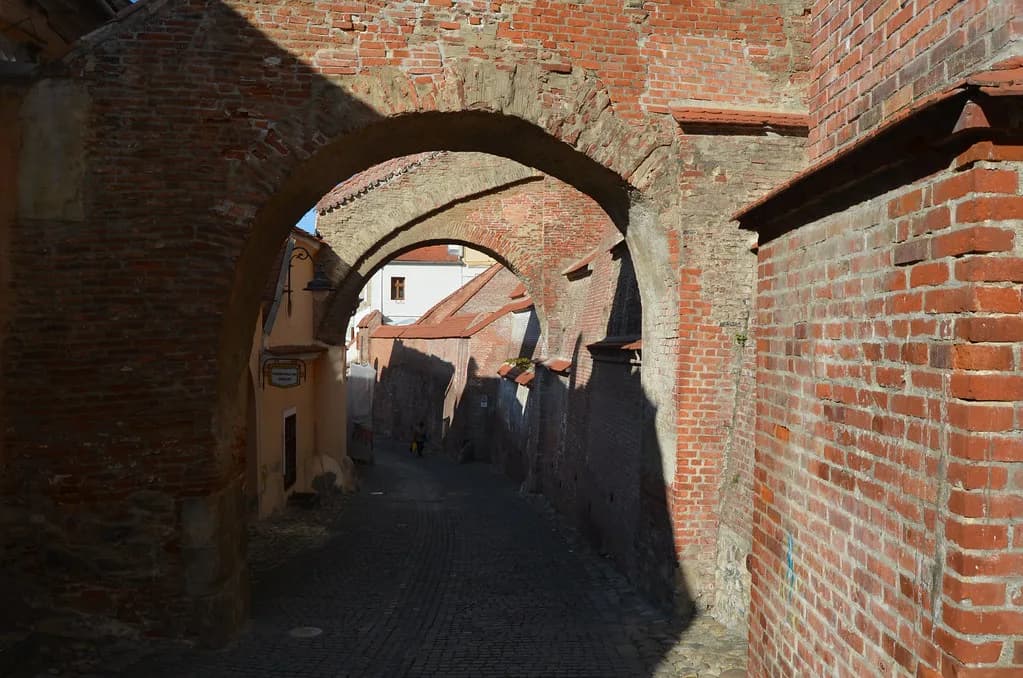
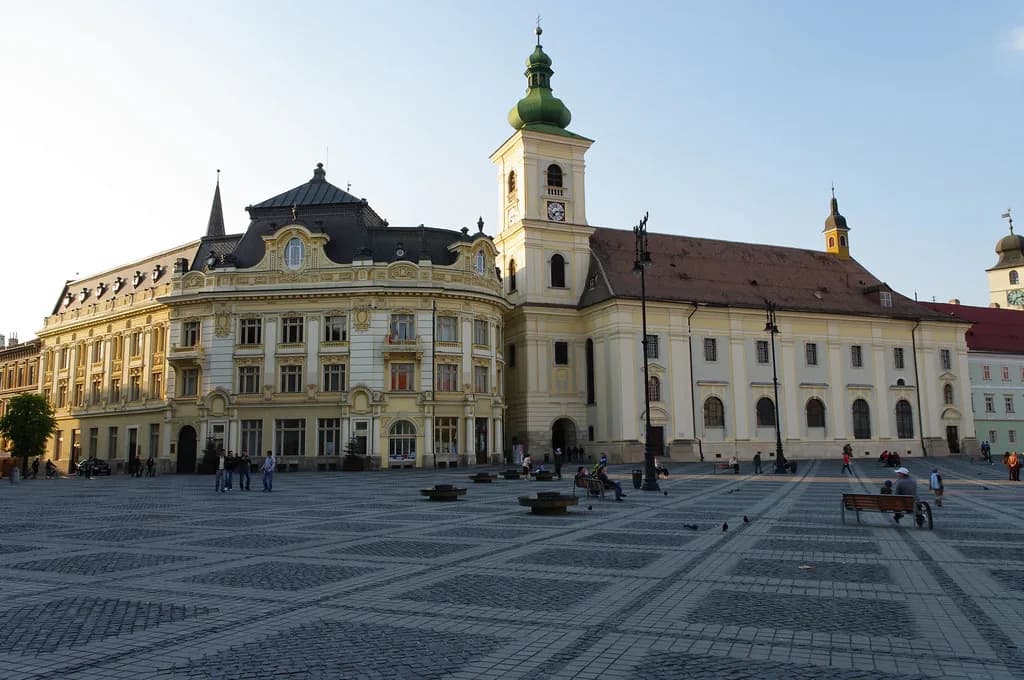
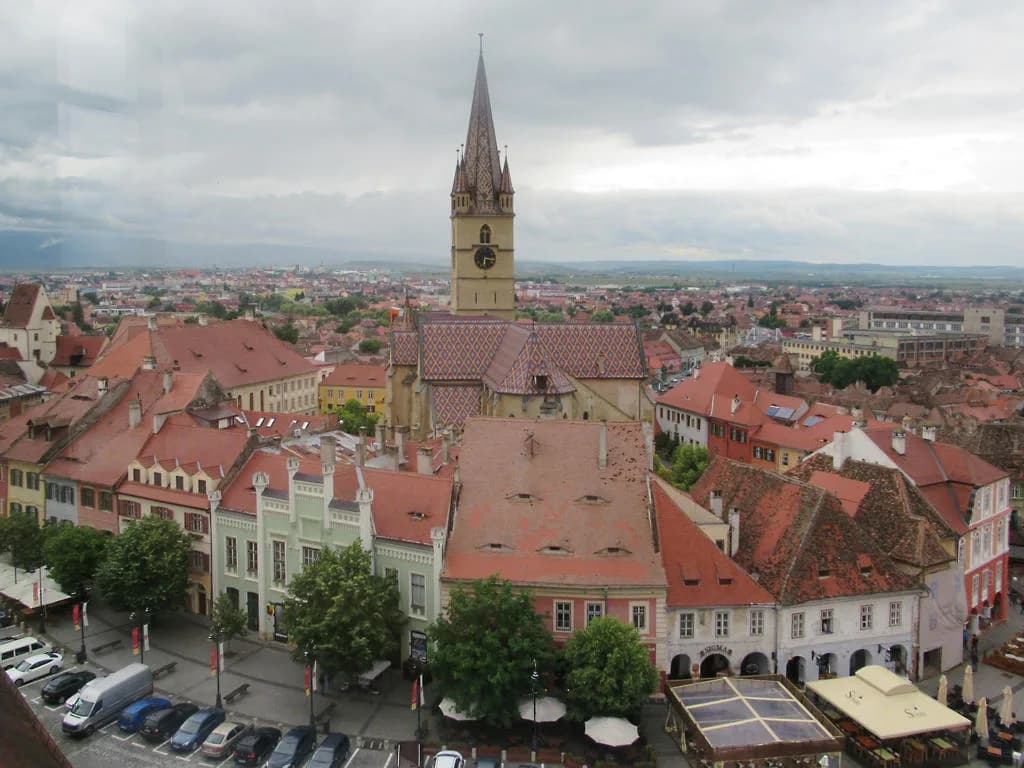
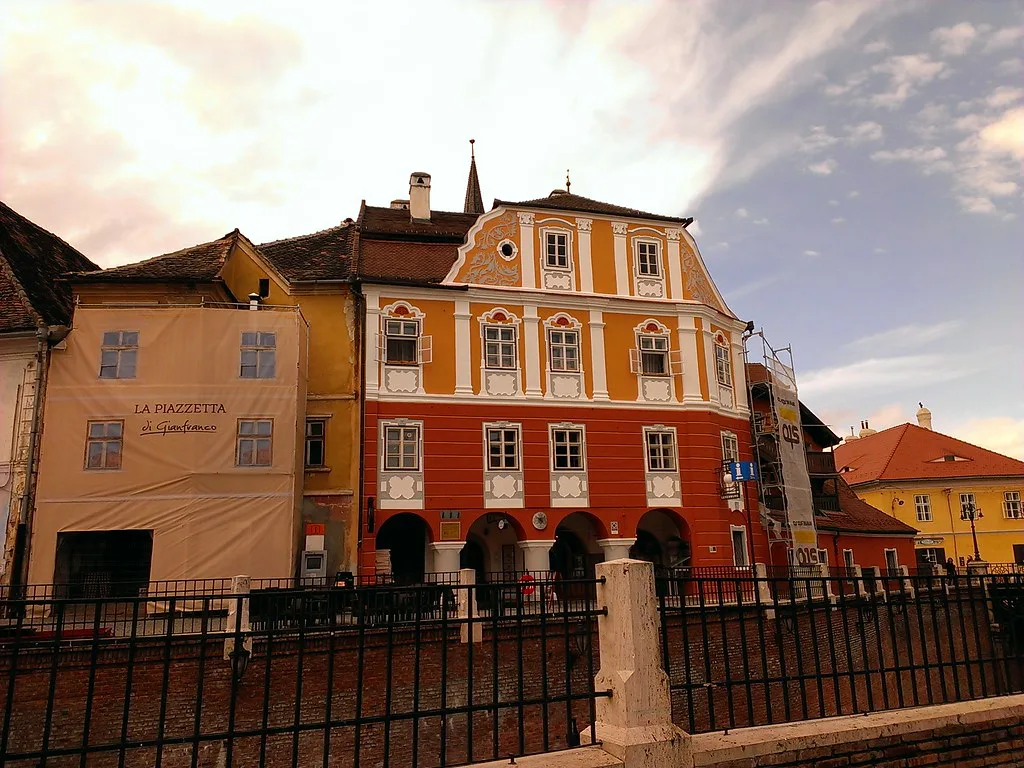
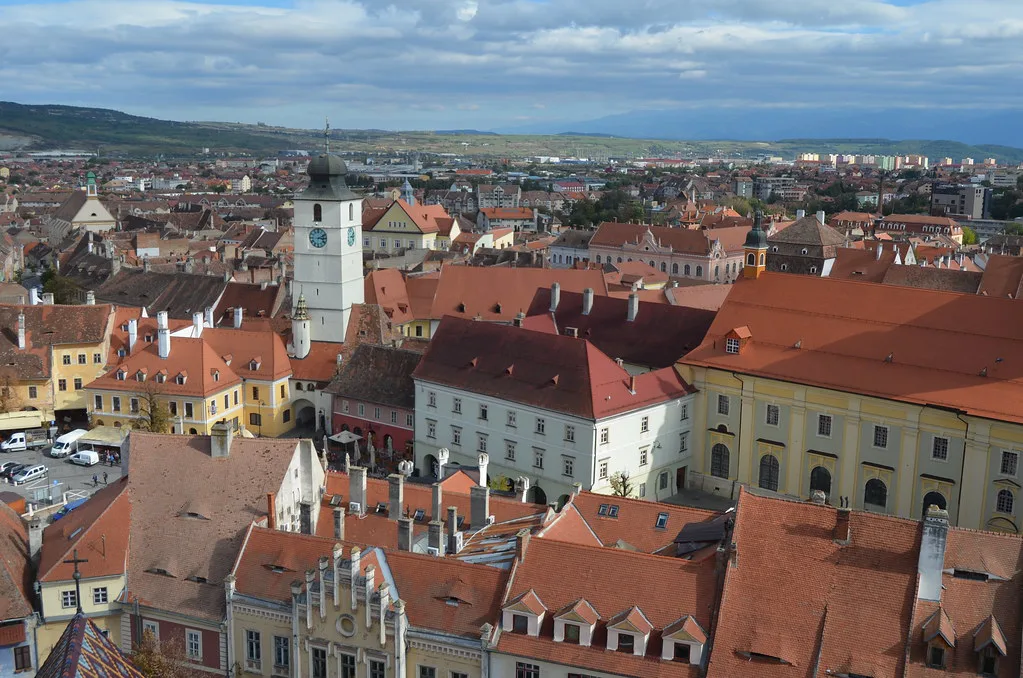
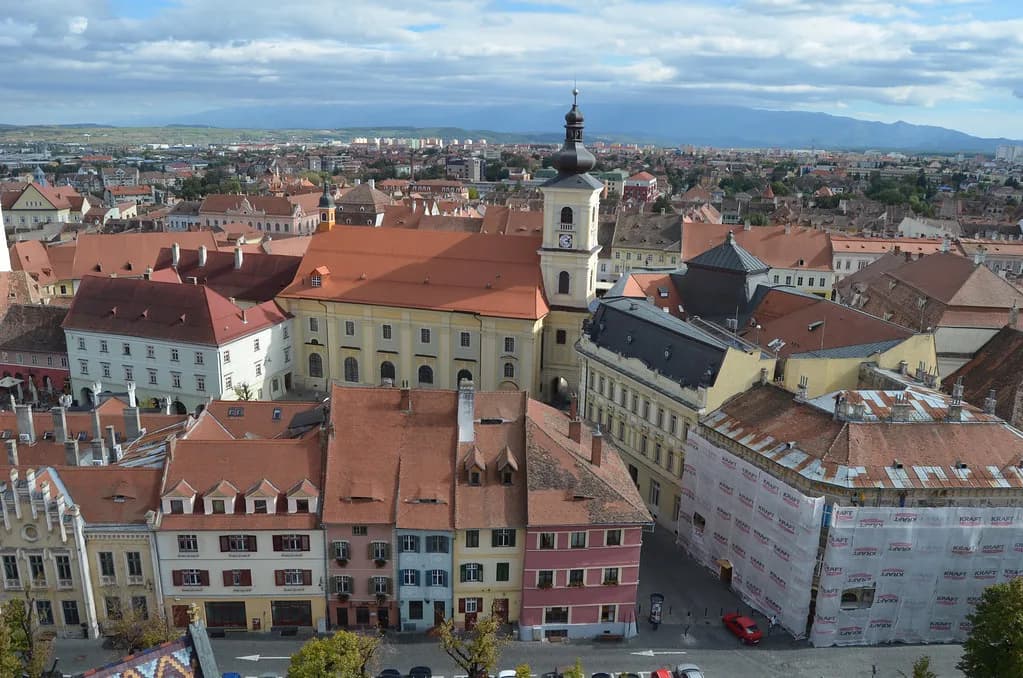
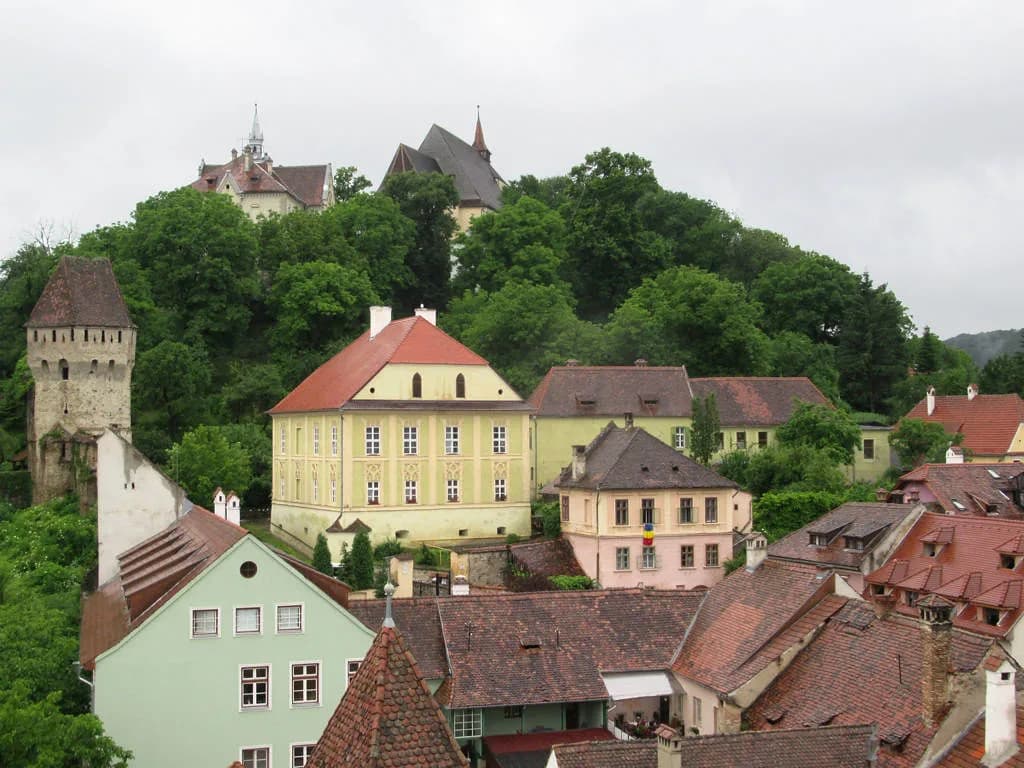
Brasov is the best base in Transylvania: a well-preserved old town ringed by the Carpathians, with hiking on Mount Tampa and day trips to Bran and Peles within reach. Sibiu, the former regional capital, has cobbled squares, castle walls and the distinctive eyebrow dormers that earned it the nickname The City with Eyes; the Brukenthal Museum and the Citadel are the anchors. Sighisoara, a UNESCO site, is the most photogenic of the three, with guild towers, the Scholars' Stairway and the clock tower climb.
The practical trade-off is that these three cities sit on different rail lines. Brasov to Sighisoara is a straightforward run, but adding Sibiu means a slower connection or a drive, which is why renting a car makes the region far easier.
If you are still choosing between the country's highlights before committing to a route, our list of the best places to visit in Romania ranks the cities, mountains and delta stops side by side.
Bucharest: what it offers and what it does not
Bucharest is a real city rather than a tourist stage set, mixing Neoclassical and Beaux-Arts buildings with communist-era concrete blocks. Its sights are substantial: the vast Palace of Parliament, the Romanian Patriarchal Cathedral with its original interior paintings, Revolution Square, the open-air Village Museum and the Ceausescu Mansion.
What Bucharest does not offer is a tidy medieval quarter. Travelers report spending one or two days here before moving on to Sinaia for Peles Castle and then Brasov, and that framing is about right: it is a gateway and a city break, not the reason you came to Romania.
Castles and the Dracula question
Peles Castle at Sinaia is the standout, a lavishly decorated royal retreat built for King Carol I in the 1870s and the first castle in Europe wired for electricity. Tickets are tiered: 50 RON for the ground floor, 100 RON to add the first floor and 150 RON for all three levels, with temporary exhibitions free.
Bran Castle trades on the Dracula association, but it was never Vlad the Impaler's castle, so go for the building and the landscape rather than the myth. The genuine Vlad connection is Sighisoara, his birthplace, where the clock tower and citadel towers deliver more than any vampire branding.
Mountains and nature
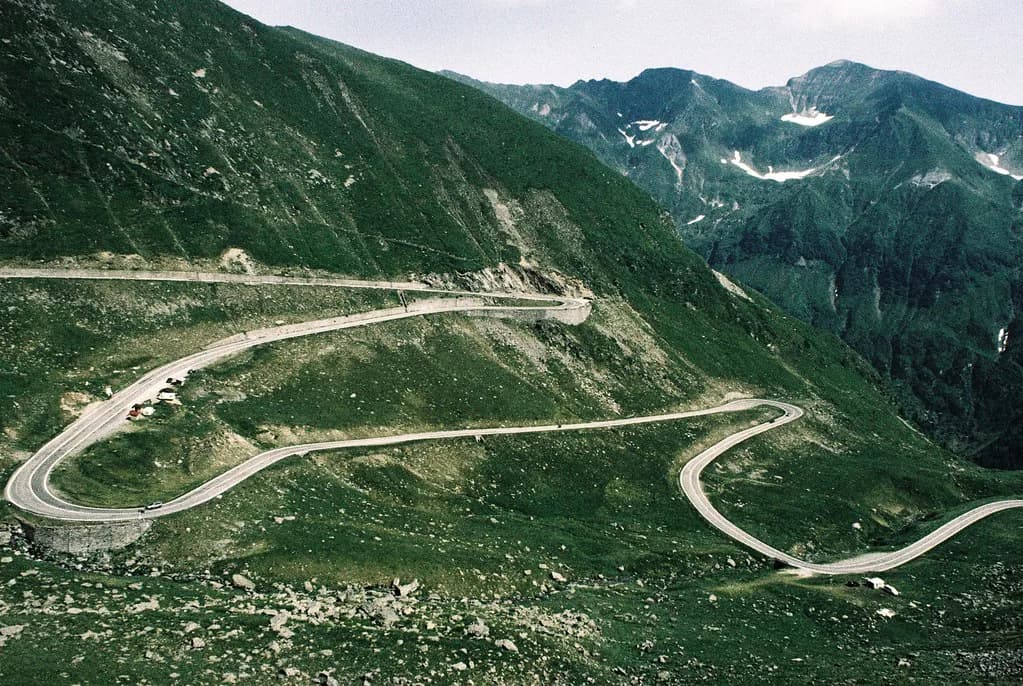
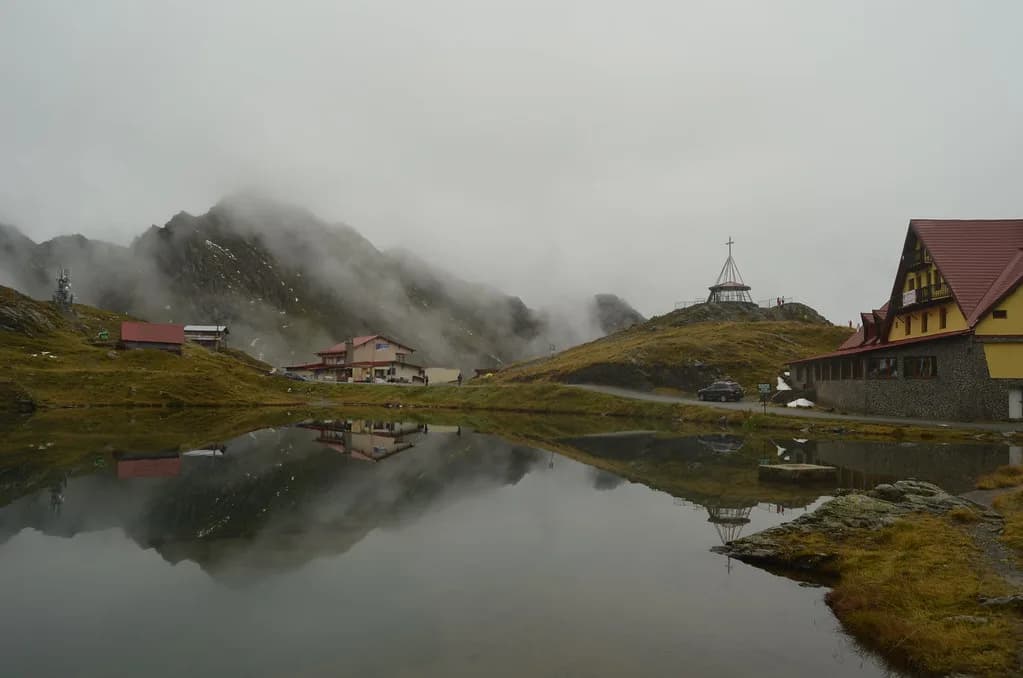
The Fagaras range is the country's hiking centerpiece, with multi-day ridge routes over Moldoveanu, Negoiu and Vista Mare. For something shorter, Balea Lake sits about 90 minutes from Sibiu and offers marked trails of roughly five and nine hours, plus a bus link from the city for around 90 RON.
Salina Turda, a converted salt mine near Cluj-Napoca, is the odd, family-friendly stop: an underground lake with rowboats, mini-golf and a Ferris wheel, priced at 50 RON on weekdays and 60 RON at weekends. Cluj-Napoca itself is a lively university city and a useful flight hub for the northwest.
Beyond Transylvania
Bucovina's painted monasteries in the northeast carry elaborate 15th- and 16th-century exterior frescoes and are a UNESCO collective site, best seen by car over two or three days. Maramures, further northwest, keeps a living tradition of carved wooden gates, wooden churches and the Merry Cemetery's painted crosses, with the Memorial Museum to the Victims of Communism in Sighetu Marmatiei adding a sober counterpoint.
In the southeast, the Danube Delta is Europe's second-largest and best-preserved delta and a UNESCO site, explored by boat: a full-day tour with lunch runs around 210–300 RON, a half-day tour without lunch about 110–150 RON. Nearby Constanta, founded around 600 BCE, is Romania's oldest continuously inhabited city and a natural stop on a Black Sea loop.
Drawbacks
Distance is the main constraint. Romania is a big country, and the compelling stops are scattered across Transylvania, Bucovina, Maramures and the delta, so every itinerary involves long transfers. Trains are the cheapest way to move but they are slow, which makes buses, rideshares or a rental car the realistic choice for a one-week trip.
Peak-season weekends bring Romanians to the same mountain towns and castles that draw foreign visitors, so Brasov and Bran feel busiest in summer and around public holidays. City buses and trams, especially in Bucharest, are also where petty theft is most likely, so keep valuables out of sight on crowded services.
Mountain weather closes in quickly at altitude, and trails above Balea Lake and along the Fagaras ridge are serious terrain rather than strolls. Build a spare day into any hiking plan so a washed-out day does not wreck the schedule.
Weather by month
Transylvania and Bucharest share a continental pattern: warm summers and cold winters, with the mountains noticeably cooler and wetter than the cities at any time of year. Summer is the busiest and most reliable window for hiking, while late spring and early autumn give comfortable temperatures with fewer visitors on the trails and in the citadels.
Winter is genuinely cold inland, and high routes such as the Fagaras ridge and the area around Balea Lake hold snow and ice, so mountain plans need to shift to lower ground. Compare the shoulder months against your own tolerance for rain before locking dates.
How many days you need
One week works if you keep it to Bucharest, Sinaia and Transylvania: a day or two in the capital, Peles Castle en route, then Brasov, Bran, Sighisoara and Sibiu. That is a full week without rushing and gives you one proper hike or a day at Balea Lake.
Two weeks lets you add either Bucovina and Maramures in the north or the Danube Delta and Constanta in the southeast, but not both without a lot of driving. Anyone wanting all four regions should plan on three weeks and a rental car.
Typical costs
Romania uses the leu (RON). Budget travelers can plan on roughly 140 RON a day, midrange travelers about 265 RON and upscale travelers around 440 RON, with the middle band covering a private room, most meals out and paid sightseeing. Castles and attractions add up: Salina Turda at 50–60 RON and Peles at 50–150 RON are typical.
Local transport is inexpensive: city buses and trams cost as little as 2 RON a ride, and a Bucharest metro day pass is 8 RON, with a weekly pass at 30 RON. In Brasov and Cluj-Napoca a single bus ticket runs 2–2.50 RON and a day pass 12–14 RON.
Card acceptance is wide in cities and at larger attractions, but carry some cash for rural guesthouses, small museums and village markets. A quick read on money in Romania saves awkward moments in Maramures and the delta.
Getting there and getting around
Bucharest is the main international gateway, with Cluj-Napoca serving as a second hub for the northwest and cheap flights from across Europe. From Bucharest, trains and buses reach Brasov and Sinaia, making a car-free first few days realistic before you pick up a rental for the countryside.
For the far regions, driving is the difference between a rich trip and a frustrating one: Bucovina's monasteries, Maramures' villages and the Danube Delta's boat jetties are poorly served by public transport. Check the driving rules, vignette and insurance requirements before booking, and remember that rental cars are a theft target in cities.
Sorting out renting a car in Romania is straightforward in the cities and at both main airports, where international chains and local firms compete. Confirm whether your policy includes the cross-border cover you need if your route touches Hungary, Bulgaria or Serbia.
Romania versus its neighbors
Pick Hungary if you want two or three polished cities linked by fast trains and a shorter trip. Pick Bulgaria for Black Sea beaches paired with mountain monasteries, and Serbia for big-city energy in Belgrade with less rural driving. Romania wins when you want the longest, wildest road trip of the group and are willing to trade polish for space and low prices. If you are weighing a smaller, quieter neighbor instead, our Moldova trip guide covers its wine cellars and Soviet-era history.
A combined route makes sense for longer trips: fly into Budapest, cross into Transylvania, and fly out of Bucharest or Cluj-Napoca. That pairing captures both the comfort and the rawness of the region without repeating either.
Verdict by traveler type
Hikers and road-trippers should go, ideally for two weeks with a car. History buffs should go for Transylvania and Bucovina. Budget travelers should go now, while prices and visitor numbers remain well below Western Europe. Families with older children will enjoy Salina Turda, Peles and the Brasov cable car.
Short-break city travelers, beach-first vacationers and anyone unwilling to drive or tolerate slow transport should choose elsewhere. Romania is not difficult, but it is not convenient, and the trip only pays off when you give it time.
Plan Your Trip
Romania is worth visiting if you match its pace: a week or more, a road-based route through Transylvania and one wilder region, and a willingness to let the trains be slow. Book the big sights early, keep mountain days flexible and set your budget in lei from the start.
For entry rules, use the official government travel page for your nationality once, then plan the rest around geography. Get the timing right with our guide to the best time to visit Romania, then build the route around the distances rather than the wish list.
Explore more Romania trip-decision guides
- Best places to visit in Romania
- Money in Romania
- Renting a car in Romania
- Romania in October
- Best time to visit Romania
- Do they speak English in Romania
- Getting around Romania
- Is Romania expensive
- Romania eSIM
- Romania in April
- Romania in August
- Romania in July
- Romania in June
- Romania in May
- Romania in September
- Romania itinerary
- Romania plug type
- Romania vs Hungary
- Tipping in Romania
- Best cities in Romania
- Romania travel tips
- Sofia vs Bucharest
Frequently Asked Questions
Is Romania worth visiting for tourists?
Yes, for travelers with a week or more who want medieval towns, Carpathian hiking and low prices. Travelers who prefer compact, fast-paced city breaks will find the distances between highlights a drawback.
Is Romania cheap to visit?
It is one of the cheaper countries in the region. Backpackers can travel on roughly 140 RON a day and midrange travelers on about 265 RON, with castle and museum tickets adding modest amounts on top.
What is Romania best known for?
Transylvania's medieval cities such as Brasov, Sibiu and Sighisoara, the Dracula association around Bran, Peles Castle, the Fagaras Mountains, Bucovina's painted monasteries and the Danube Delta.
What is the best time to visit Romania?
Late spring and early autumn give comfortable temperatures and thinner crowds for both cities and trails. Summer is the most reliable window for high-mountain hiking, while winter is cold inland and snowbound at altitude.
How many days do you need in Romania?
One week covers Bucharest, Peles Castle and the main Transylvanian cities at a comfortable pace. Two weeks lets you add Bucovina and Maramures or the Danube Delta, and three weeks covers all of it.
Do I need a car to visit Romania?
Not for Bucharest, Sinaia, Brasov and Sighisoara, which work by train and bus. A car makes a real difference for Bucovina, Maramures, the Danube Delta and mountain trailheads.
Sources
Trip-decision notes
Optional updates when we publish or revise a destination verdict.
You might also like
Continue reading
More guides you'll find useful