Romania in May: Weather, Crowds and Whether It's Worth Going
May is one of the best months to visit Romania: mild weather, open mountain trails and thinner crowds than summer. Here is who it suits and what to expect.
On this page
Yes, May is one of the best months to visit Romania, especially if your trip revolves around hiking, driving and medieval towns rather than beach time. Days are mild in the lowlands, the countryside is green, and the June-to-August crowds have not yet arrived. The trade-off is changeable weather, particularly in the Carpathians, and a domestic travel spike around the 1 May public holiday.
The verdict: May is Romania's sweet spot for road trips and hiking
May sits in the narrow window when Romania's lowlands are comfortably warm, the mountain trails are largely walkable and the big sights are not yet overrun. If you want a first trip built around Brașov, Sibiu, Sighișoara and the Făgăraș Mountains, this is close to ideal. It is less compelling if you want Black Sea swimming or guaranteed sunshine every day.
The month suits travelers who treat weather as part of the experience and build flexibility into the plan. It punishes anyone who books a tightly timed castle-and-mountain schedule and expects clear skies. Before committing, weigh the broader case in our Romania verdict: the country rewards slow travel, and May lets you travel more slowly than July does.
Who will love Romania in May
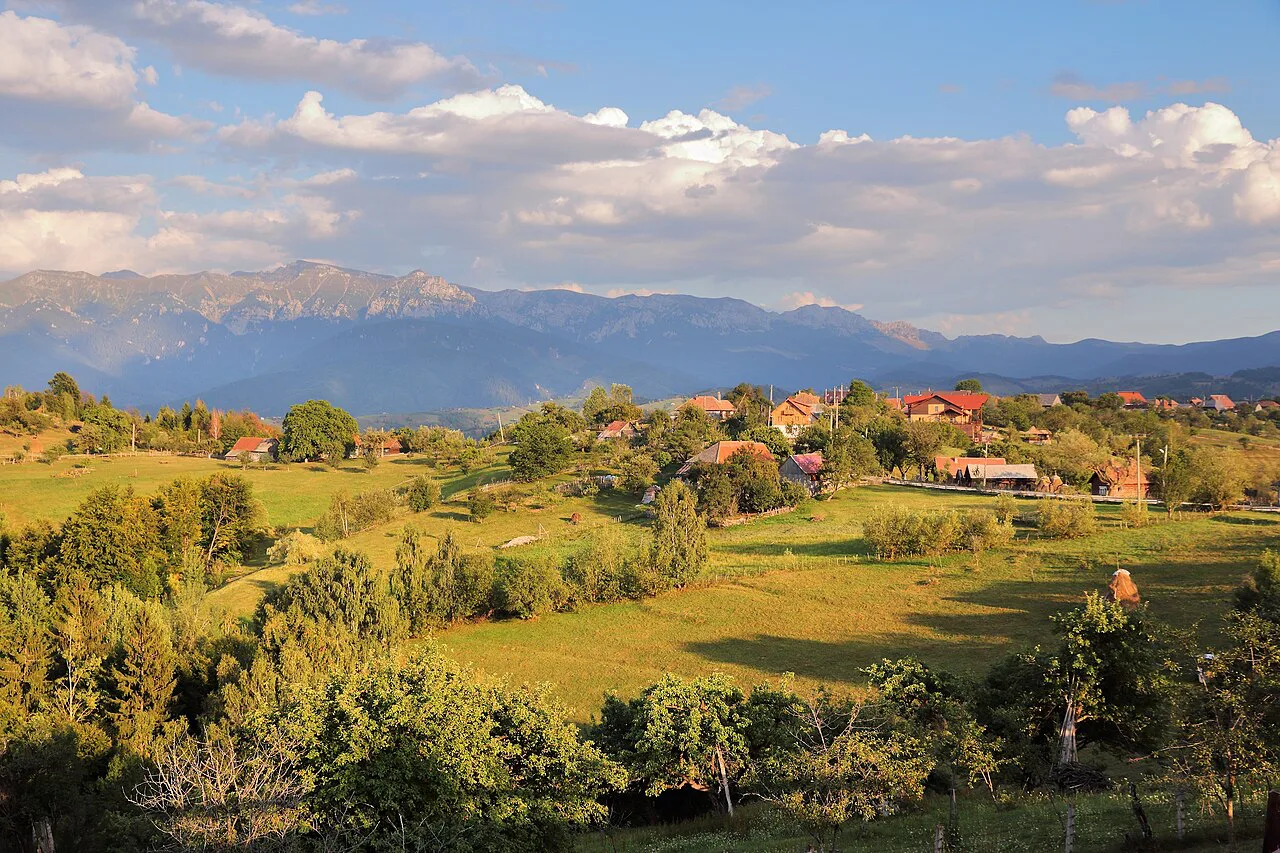
Hikers get the best of it: the Făgăraș ridge, Piatra Craiului National Park and the trails above Brașov are usually free of the deep snow that lingers earlier in spring, and the lower forests are at their greenest. Road-trippers benefit too, because the main routes between Bucharest, Sinaia, Brașov, Zărnești and Sighișoara are straightforward drives and May daylight is long enough to combine a castle stop with a town wander.
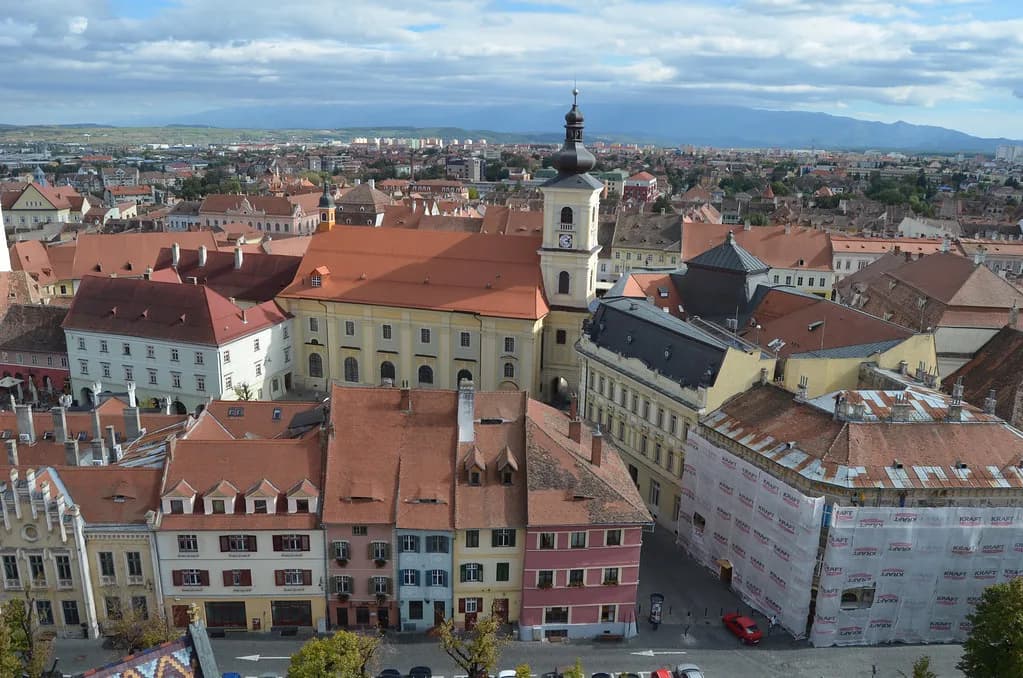
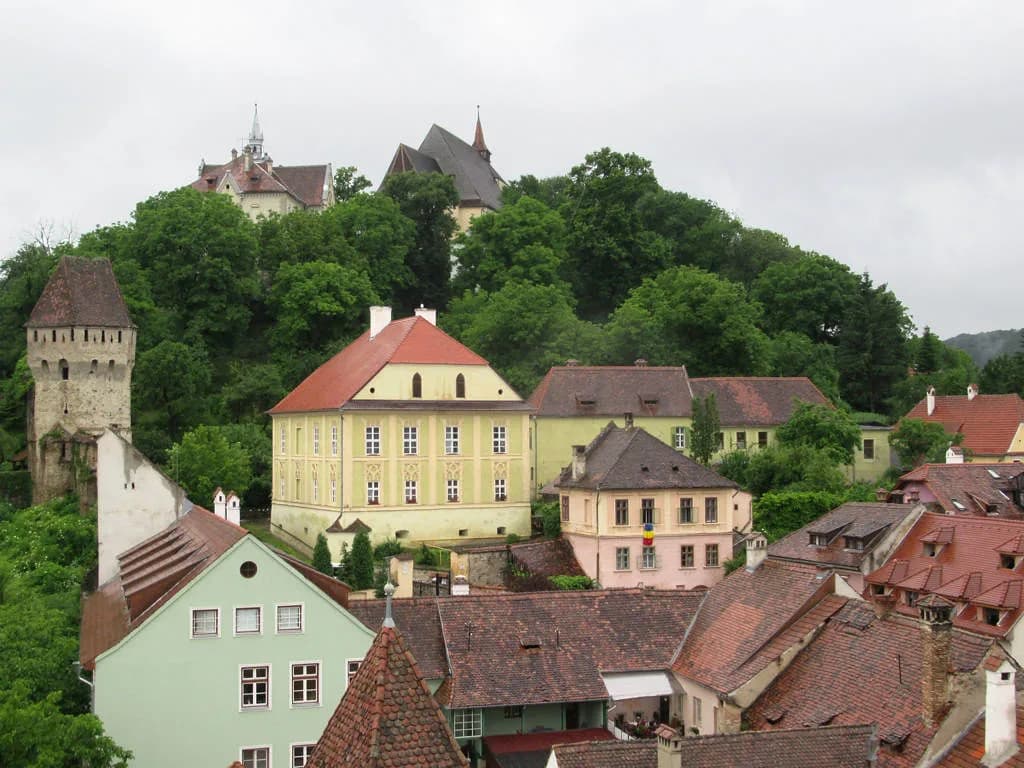
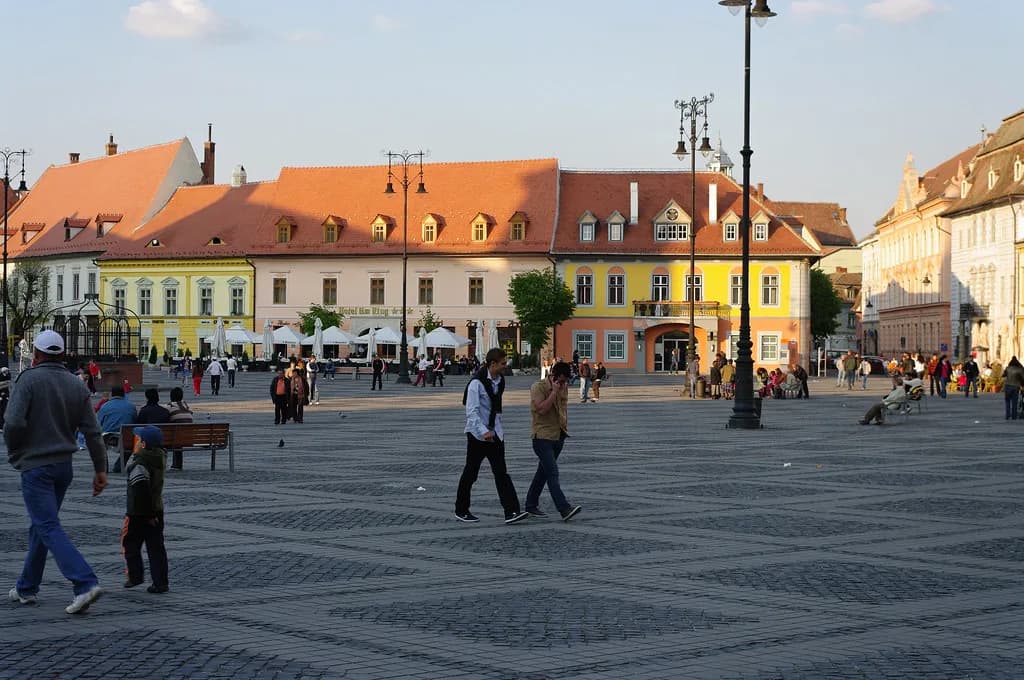
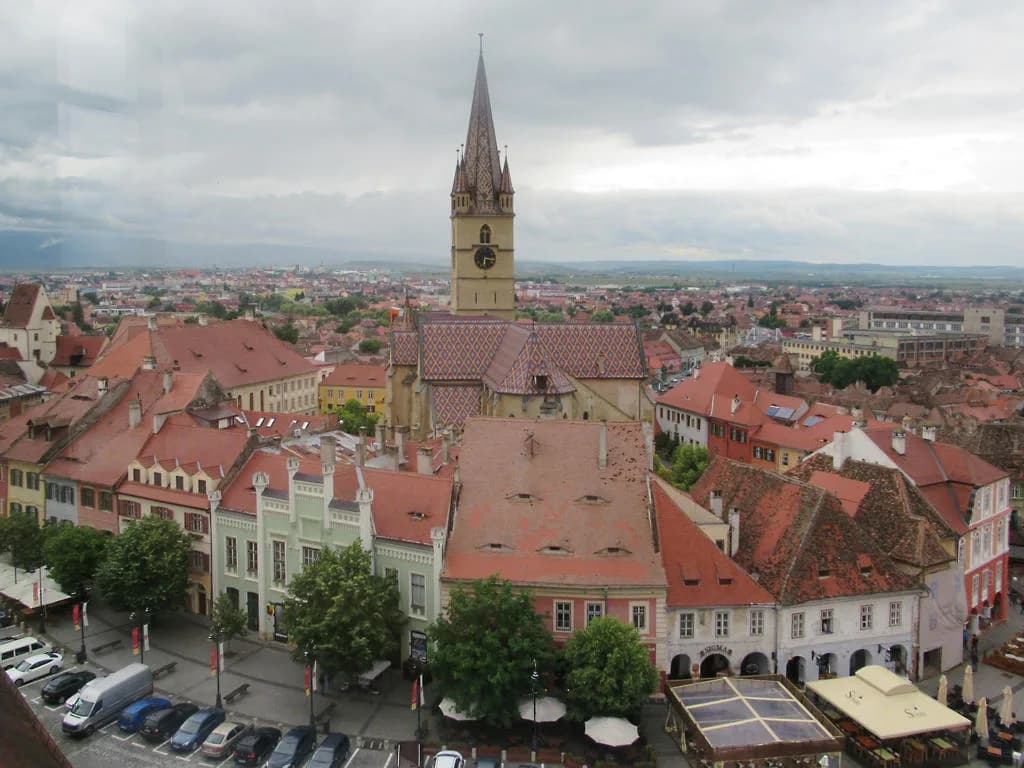
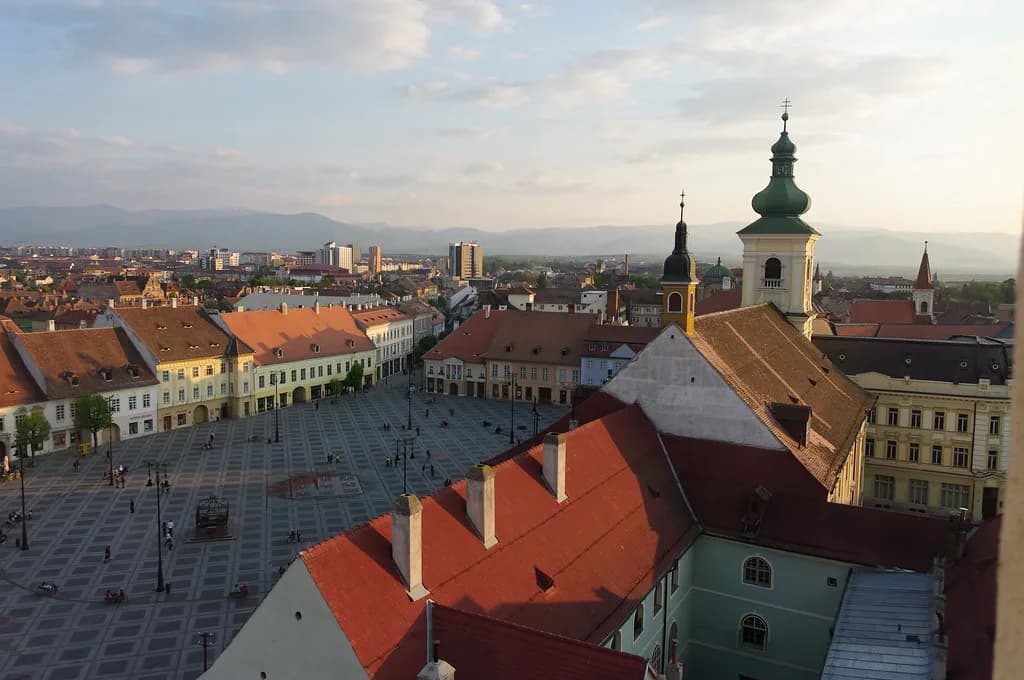
Culture-focused travelers do well in the medieval towns. Brașov's Council Square, Sibiu's Great and Little Squares, and Sighișoara's citadel are pleasant on foot before the summer heat, and Sighișoara's Clock Tower climb is more appealing in mild air. Wildlife travelers should choose conservation-led hide watching in the Făgăraș landscape over roadside bear feeding, which is spectacle rather than wildlife tourism.
Who should pick another month
Beach travelers should look at July or August instead. The Black Sea resorts around Constanța and Vama Veche are seasonal places, and May water is cold enough that swimming is a short dip at best for most people. If sunbathing is the point of your trip, May is the wrong month.
Anyone who wants a fixed, predictable itinerary should lean toward June or September, when conditions settle. May in the mountains is genuinely variable: a warm afternoon in a valley can turn into cold wind and cloud on a ridge within hours. Travelers with limited mobility or a fear of uneven, muddy paths should also think twice about the high trails this early.
Weather in May: Bucharest, Brașov and the mountains
Treat May as mild rather than hot. Bucharest and the southern lowlands are typically warm enough for light layers and outdoor cafés, while Brașov and the Transylvanian towns sit cooler and often see afternoon showers. Evenings in the old towns still call for a jacket.
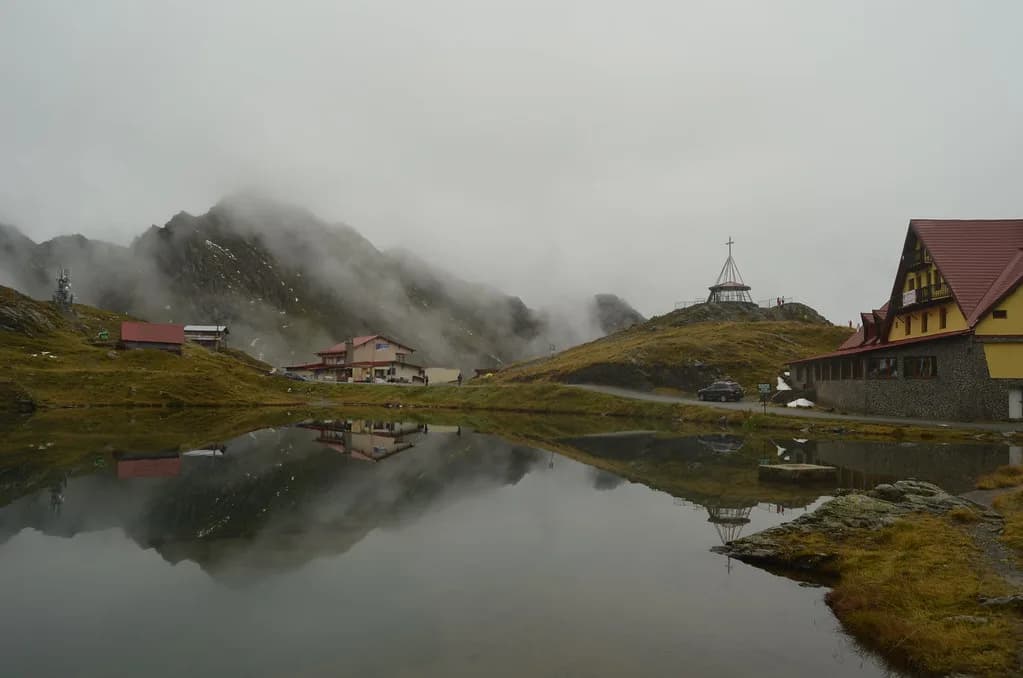
The Carpathians feel colder than any valley forecast suggests. Altitude, wind and cloud do most of that work, and the Făgăraș and Bucegi high ground can hold snow or slush well into spring. Build in a spare day for a mountain hike rather than scheduling it on your only clear window. For context on how May compares with other months, see our month-by-month guidance on the best time to visit.
Rain, sun and why the Carpathians feel colder than the forecast
May rain in Romania tends to arrive as showers and thunderstorms rather than all-day drizzle, which is workable if you plan indoor stops between them. Pair a mountain morning with a castle or museum afternoon so a washout costs you less. Rain also means mud on forest trails and slippery stone on citadel stairs, so footwear matters more than it would in July.
The bigger trap is temperature, not rain. A valley reading of mild weather can be several degrees warmer than a ridge an hour's climb above it, and wind chill does the rest. Pack a windproof layer and a warm midlayer for any day above the treeline, even if you leave the guesthouse in short sleeves.
Prices and crowds before the June–August peak
May generally sits below the June-to-August peak for accommodation and tour demand, though the first days of the month bring a domestic travel surge around the 1 May public holiday. Book that window early if it overlaps your dates, and expect the most popular Transylvanian towns to be busier then than later in the month.
Romania remains an affordable country overall, and May pricing is rarely the thing that breaks a budget. For the currency side, remember Romania uses the leu, not the euro, and card acceptance is wide in cities but thinner in villages. Our guide to money in Romania explains cash, cards and typical costs.
Some entry fees are published and stable enough to budget for. At Peleș Castle in Sinaia, the ground floor costs 50 RON, a tour including the first floor 100 RON, and the ground, first and second floors 150 RON, with temporary exhibitions free. The Tâmpa cable car above Brașov is 18 RON round trip, and Salina Turda charges 50 RON on weekdays and 60 RON at weekends.
How many days you need in May
Ten days is enough for a strong first trip focused on Bucharest, Brașov and the mountains, and it is the length most first-timers should aim for. That gives you city time, two or three medieval towns, a castle day and at least one proper hike without turning the trip into a checklist. A week works if you cut either Bucharest or the far north.
Two weeks lets you add Maramureș or the painted monasteries of Bucovina, but accept that driving distances grow and May weather can eat a day. Trying to combine Transylvania, Bucovina, Maramureș and the Danube Delta in ten days is the classic mistake. For a route built around a realistic ten-day pace, this Romania itinerary is a useful benchmark.
A realistic May route: Bucharest, Brașov, the Făgăraș and Sighișoara
Start with two nights in Bucharest to see the Palace of Parliament, the Village Museum and the Old Town, then pick up a car as you leave the city rather than driving in it. Drive to Sinaia for Peleș Castle and continue to Brașov, roughly a three-hour drive with the stop included. Base in Brașov for Bran Castle, Râșnov Fortress and a day in Piatra Craiului.
From Brașov, move toward Zărnești for the Libearty Bear Sanctuary and mountain lodging, then cross into the Făgăraș for a conservation-led wildlife hide night before continuing to Sighișoara. Add Viscri and Rupea Fortress as a loop from Sighișoara, and return to Bucharest via Snagov Monastery. May daylight makes this sequence comfortable; in November it would not.
Castles and towns that work well in May
Peleș Castle at Sinaia is the highlight of the castle circuit, an elegant royal residence rather than a Dracula set piece, and it rewards a couple of hours. Bran Castle is dramatic but heavily visited and its Dracula connection is mostly tourism; go early and pair it with Râșnov Fortress for wider views and better context. Sighișoara's citadel, Sibiu's squares and Brașov's old town all suit mild May walking far better than August heat.
Cluj-Napoca makes a good western add-on if you are arriving from Hungary or flying in, with a lively university atmosphere and the Alexandru Borza Botanic Gardens, where admission is 15 RON. For a wider shortlist, our pick of the best places to visit in Romania helps you choose between Transylvania, Maramureș and Bucovina.
Mountains and wildlife in May
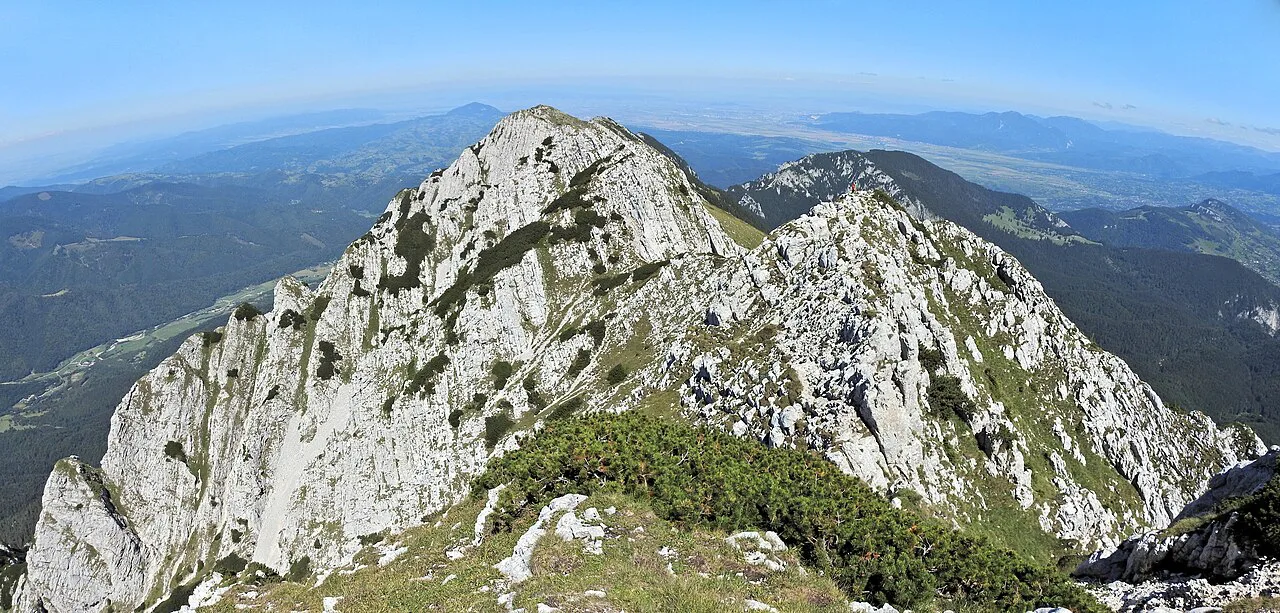
Piatra Craiului National Park offers limestone ridges, gorges and forest walks from Zărnești, and lower routes are the sensible choice in May when upper paths can still be wet or snowy. The Făgăraș Mountains are Romania's big wilderness, best experienced with a guide who knows the weather and the wildlife. This is real mountain terrain, not a scenic backdrop.
For bears, choose a sanctuary visit or a conservation-led hide rather than any experience that feeds animals for tourists. The Libearty Bear Sanctuary near Zărnești runs guided visits and is closed on Mondays, with children under five not admitted. Night tours of Hoia Forest near Cluj-Napoca, priced at 250–475 RON per person, are a different, more theatrical kind of evening.
The Danube Delta and the coast in May
The Danube Delta is at its best in spring, when birdlife is active and the reeds are green, and it is a strong add-on for nature travelers with extra days. Boat tours are the way in: expect roughly 110–150 RON for a half-day trip without lunch and 210–300 RON for a full day with lunch. The delta is a long haul from Transylvania, so treat it as a separate trip or a flight-linked extension.
The Black Sea coast is warming up but not yet beach weather. Constanța, Romania's oldest continuously inhabited city, is worth a stop for its history, and Vama Veche draws a younger, alternative crowd as the season starts. If a beach holiday is the goal, look at July or August; in May the coast is a place to walk, not to swim.
Drawbacks: changeable weather, mud, mountain-road timing and public holidays
May weather is genuinely mixed. Warm spells alternate with cold fronts and thunderstorms, and the mountains can deliver snow, sleet or thick cloud with little warning. Trails get muddy, citadel stairs get slick, and a planned ridge hike may need to become a valley walk. Flexibility is the price of traveling this early.
High mountain roads are a timing question rather than a guarantee. The Transfăgărășan, which climbs past Lake Vidraru and Bâlea Lake, opens only when snow clearance allows, so check its status with the road operator before building a day around it. The 1 May public holiday also concentrates domestic travel; book transport and the most popular towns ahead for that window.
None of this should put you off. It should shape the plan: keep one buffer day, avoid committing to a single high pass, and choose lower-altitude alternatives when the cloud comes down. Travelers who need certainty should look at September instead.
Getting around in May: car versus train
A car is the better choice for a May trip centered on Transylvania's castles, villages and mountain trails, because buses and trains connect the main towns but not the places between them. Pick the car up as you leave Bucharest, not on arrival. Our guide to renting a car in Romania covers the practical side, including pickup points such as Brașov-Ghimbav International Airport.
Trains work if you are sticking to a city-and-town itinerary. Public transport in towns is cheap, with single bus and tram rides costing as little as 2 RON in many places and a Bucharest metro day pass at 8 RON, though vehicles can be crowded. Whichever you choose, the overview in our guide to getting around Romania helps you match the mode to the route.
Typical costs in May
Romania is a budget-friendly destination, and May sits on the cheaper side of the high season without the deep discounts of winter. Backpackers can keep daily spending low with hostel dorms, supermarket food and slow trains, while midrange travelers add private rooms, restaurant meals and a rental car. A lunch menu of soup, main and dessert can cost as little as 30 RON.
Expect to pay more in tourist-heavy Brașov and Sighișoara than in smaller towns, though not dramatically more. The costs that add up fastest are car hire, fuel and guided wildlife or hiking days, not food. Our breakdown of whether Romania is expensive walks through real daily budgets.
Verdict by traveler type
Hikers, road-trippers and travelers who want medieval towns without summer crowds should go in May. It is the best balance of open trails, long daylight and manageable prices. Culture-focused visitors also do well, with castles and old towns comfortably walkable.
Beach travelers, families needing predictable weather and anyone planning a high-mountain traverse should choose later. The Danube Delta rewards spring, but the coast does not. If you want the fullest picture of the country's character before booking, start with our assessment of whether Romania is worth visiting.
Plan Your May Trip
May rewards travelers who plan around weather rather than against it: keep a buffer day, pick lower mountain routes when cloud sets in, and check the Transfăgărășan's status before committing to it. Book the 1 May window early and leave the car hire until you are leaving Bucharest.
The result is a trip with green valleys, walkable medieval towns and trails before the summer rush, at prices below the peak. That combination is hard to beat anywhere in the region this early in the season, though if you are weighing neighbours, it is worth asking is Bulgaria worth visiting for a similar shoulder-season trip.
Frequently Asked Questions
Is May a good time to visit Romania?
Yes. May is one of the best months for a first trip built around Transylvania, the Carpathians and the medieval towns. Days are mild in the lowlands, trails are largely walkable and the summer crowds have not arrived. The trade-offs are changeable mountain weather and a domestic travel surge around the 1 May public holiday.
Is Romania warm in May?
Treat it as mild rather than hot. Bucharest and the southern lowlands are typically warm enough for light layers and outdoor terraces, while Brașov and the higher Transylvanian towns are cooler and more showery. The Carpathians feel colder than the valleys because of altitude and wind, so bring a warm midlayer and a windproof shell for any day above the treeline.
Is May crowded in Romania?
Generally no. May sits before the June-to-August peak, and the most popular Transylvanian towns and castles are quieter than in midsummer. The exception is the first days of the month, when the 1 May public holiday brings a surge of domestic travelers. Book transport and the busiest towns ahead if your dates overlap that window.
How many days do you need in Romania in May?
Ten days is enough for a strong first trip covering Bucharest, Brașov, the Făgăraș Mountains and Sighișoara. A week works if you drop either Bucharest or the far north. Adding Maramureș, Bucovina and the Danube Delta realistically needs two weeks, and even then May weather can cost you a day.
Can you drive the Transfăgărășan in May?
It depends on snow clearance, so treat it as a timing question rather than a guarantee. The road climbs past Lake Vidraru and Bâlea Lake and opens only when conditions allow. Check the status with the road operator before building a day around it, and keep a lower-altitude alternative ready.
Is May cheaper than summer in Romania?
Typically yes. May usually sits below the June-to-August peak for accommodation and tour demand, though the 1 May holiday window can tighten availability. Romania is affordable year-round, and the costs that add up fastest are car hire, fuel and guided outdoor days rather than food.
Is May a good month for hiking in Romania?
It is one of the better months, especially for lower and mid-level routes in Piatra Craiului and the Făgăraș foothills. Upper paths can still be wet or hold snow, and thunderstorms build quickly in the afternoon. A local guide is worth it for a first mountain day, and a buffer day protects against a washout.
Do I need cash in Romania in May?
Romania uses the leu, and cards are widely accepted in cities but less so in villages and small guesthouses. Carry some cash for rural stays, market stalls and tips. ATMs are common in towns, and exchange offices are easy to find in Bucharest and Brașov.
Sources
Trip-decision notes
Optional updates when we publish or revise a destination verdict.
You might also like
Continue reading
More guides you'll find useful