Do They Speak English in Romania? Travel Guide to Decide
English is widely spoken in Romania's cities and by younger travelers, but villages and older generations rely on Romanian. Here is what to expect on your trip.
On this page
Yes, you can travel in Romania speaking only English, and most visitors do. The catch is that the language works best in cities and with younger people, and thins out as you move into villages, mountain areas and older generations.
Romanian is the national language, and Romania's minority communities also speak Hungarian and German in specific regions, so English is a useful bridge rather than a default. Plan for a few situations where a translation app or a handful of Romanian phrases decides whether the conversation works.
The verdict: you can travel Romania in English, with limits
For a trip built around Bucharest, Brașov, Sibiu, Cluj-Napoca and Sighișoara, English is enough. Hotel desks, guided tours, museum ticket counters and city restaurants handle English routinely, and younger staff often switch before you finish your first sentence.
The limits appear when you leave that circuit: a village guesthouse run by an older couple, a produce stall at a small-town market, a bus counter in a provincial station. English is not guaranteed there, and the person serving you may be more comfortable in Romanian or Hungarian than in any foreign language. That is a planning issue, not a reason to skip the country.
Written English is also more common than spoken English in tourist-facing places. Menus in central Brașov and Sibiu usually carry English translations, and major sights post information in several languages, so you can often read your way through a visit even when the conversation is harder.
How widely English is spoken across Romania
Romania's foreign-language profile is dominated by English as the first foreign language taught in schools, with French historically strong among older educated Romanians. The language map of the country records English as the most widely studied foreign language, with French, Italian, German and Hungarian also present regionally, which explains why English is the practical bridge almost everywhere young people gather.
The practical pattern follows age and exposure more than geography. Romanians who grew up after 1990, work in tourism or tech, or live in university cities are far more likely to speak conversational English than people in their sixties and seventies in rural areas.
Travellers consistently describe getting around the country without Romanian, especially on the classic Transylvania route. You will find the same: the friction is occasional and short, not a constant barrier.
Where English works easily: Bucharest, Brașov, Cluj-Napoca, Sibiu
Bucharest is the easiest city for English. The Old Town, the Palace of Parliament tours and the museums around Revolution Square run on international visitors, and the city's tech and startup economy pushes English into everyday working life.
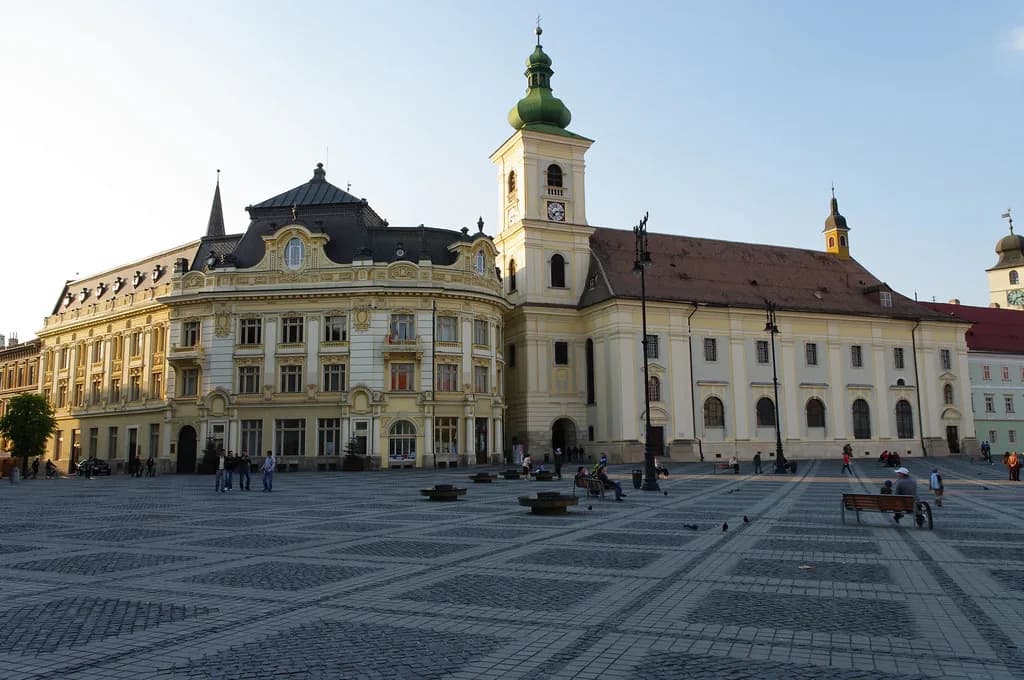
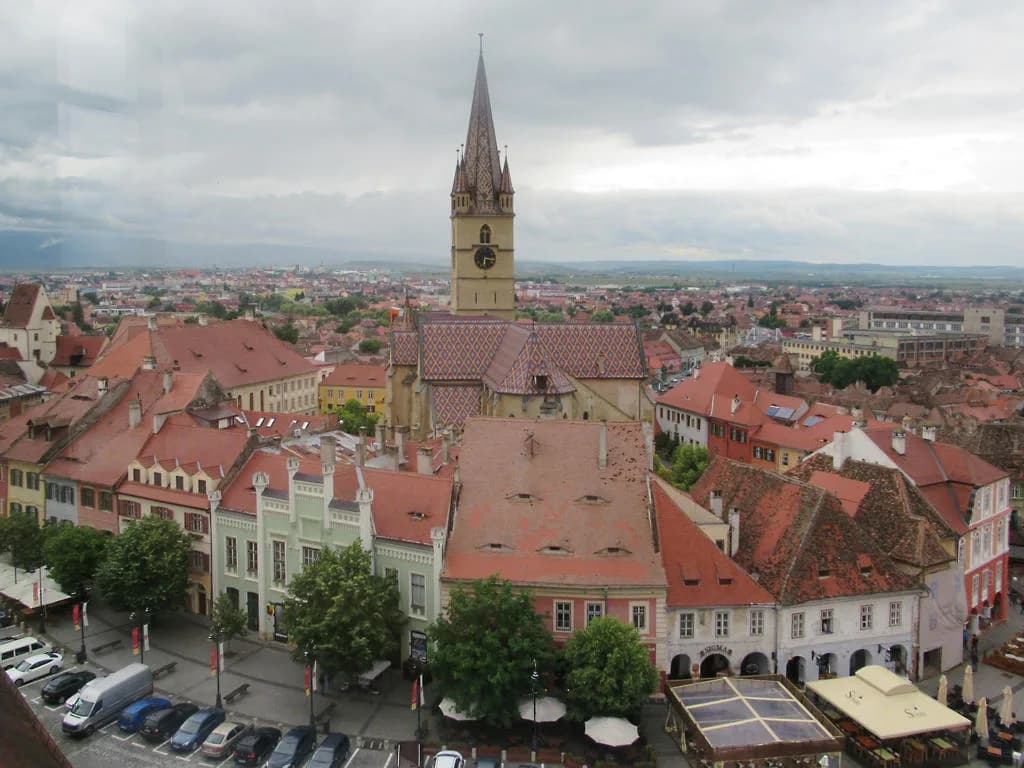
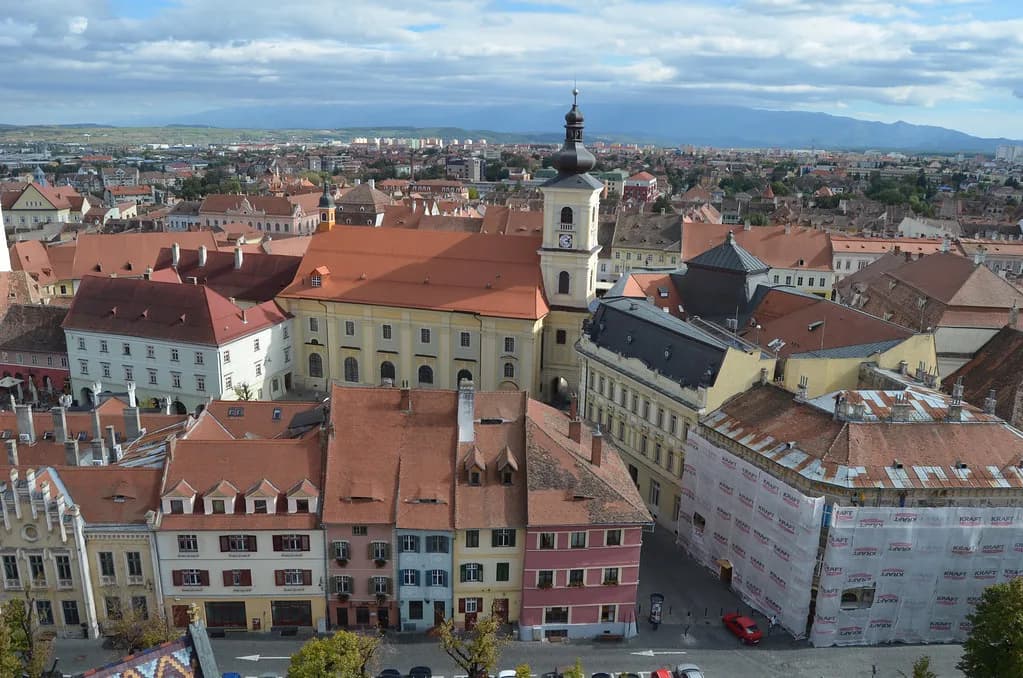
Brașov and Sibiu are close behind, because both live partly on tourism. In Brașov's Council Square, restaurant staff and tour guides move between Romanian and English all evening, and Sibiu's museum and church staff are used to foreign visitors. Cluj-Napoca, a large university city, has a young population and a steady flow of foreign students, so English is common in cafés, bars and shops.
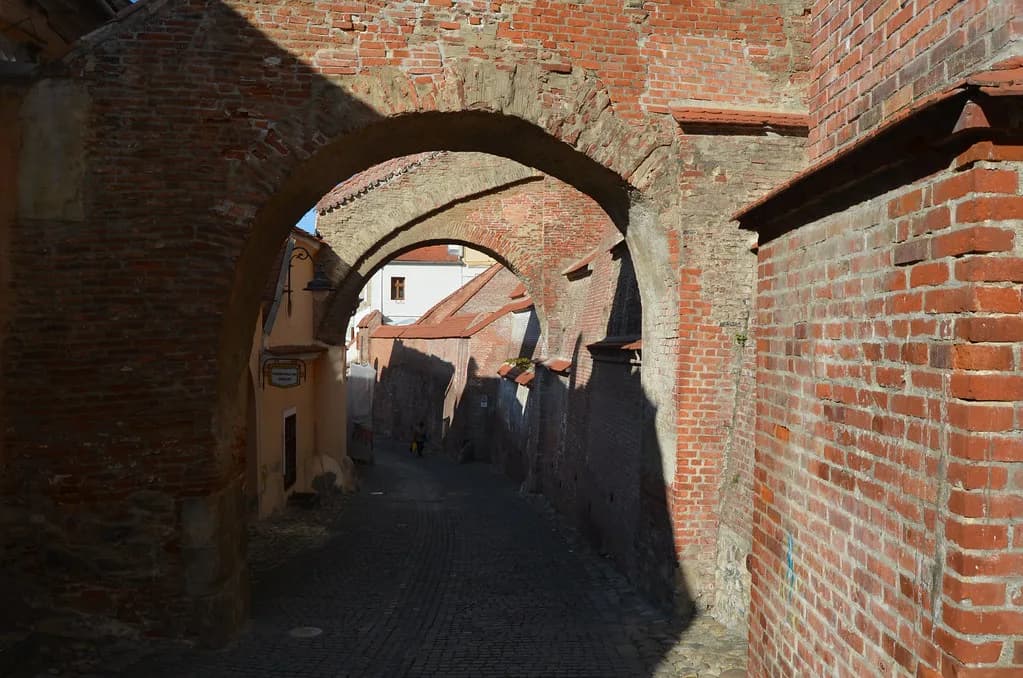
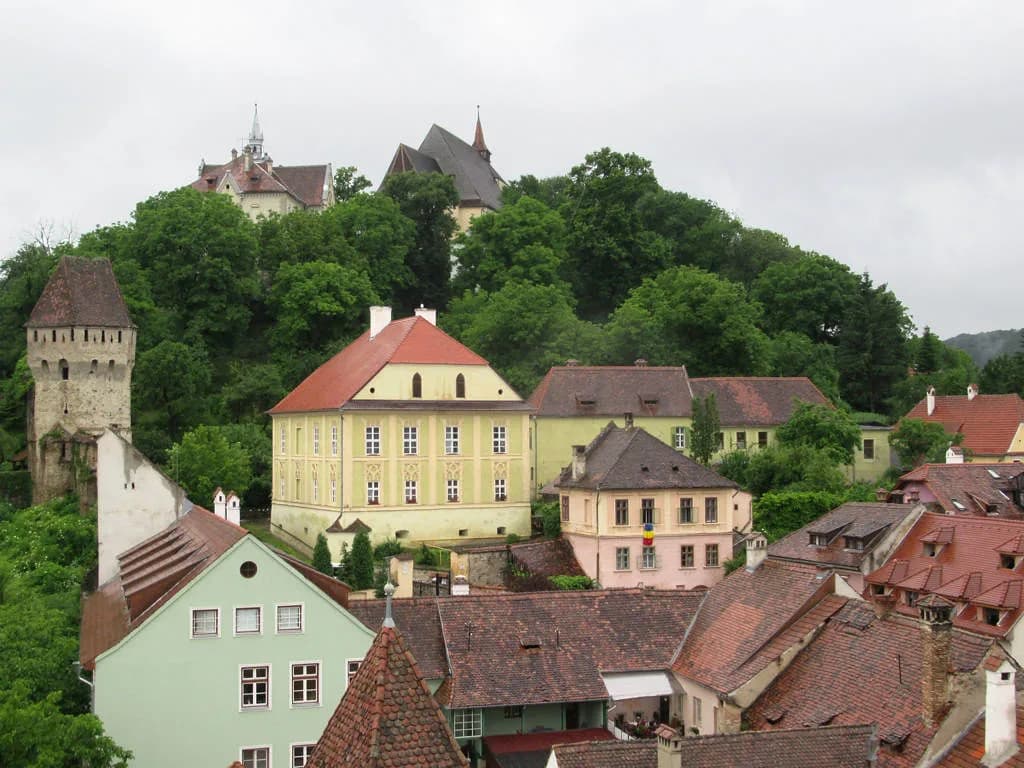
Sighișoara's citadel is smaller but heavily visited, and the Clock Tower and central guesthouses operate comfortably in English. Smaller Saxon towns such as Viscri and Biertan are more mixed: the church caretaker or village guesthouse may speak German before English.
Where Romanian takes over: villages, markets, mountain areas
In Maramureș, Bucovina and the villages around the Făgăraș and Piatra Craiului mountains, English becomes patchy. The people running small pensions, farm gates and village shops may have limited foreign languages, especially outside the peak summer weeks.
Markets are the clearest test. At a produce or cheese stall you may need to point, hold up fingers for quantity and use a translation app for anything unusual. Writing numbers down, or showing the amount on your phone, works better than fast speech in any language.
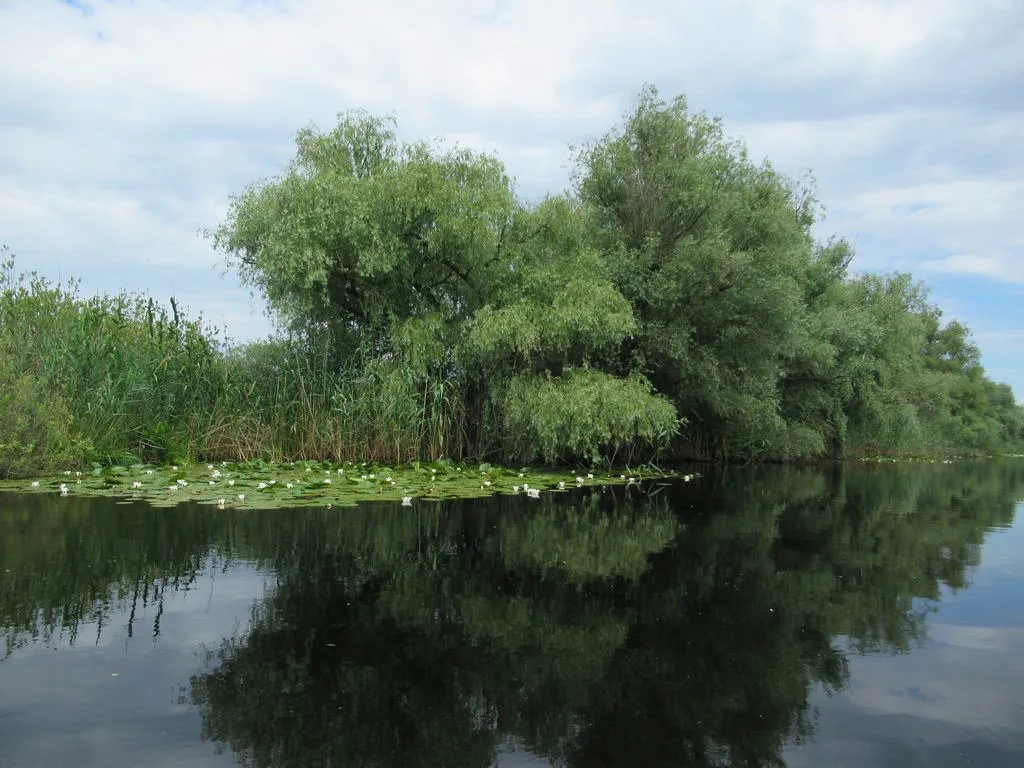
In the Danube Delta and other nature areas, boat operators and guides who deal with foreign tourists usually speak English, while the surrounding village services may not. Booking guided activities in advance solves most of this, because the tour company handles the communication for you. It is still worth checking current prices and departure times before you book, as these shift with the season.
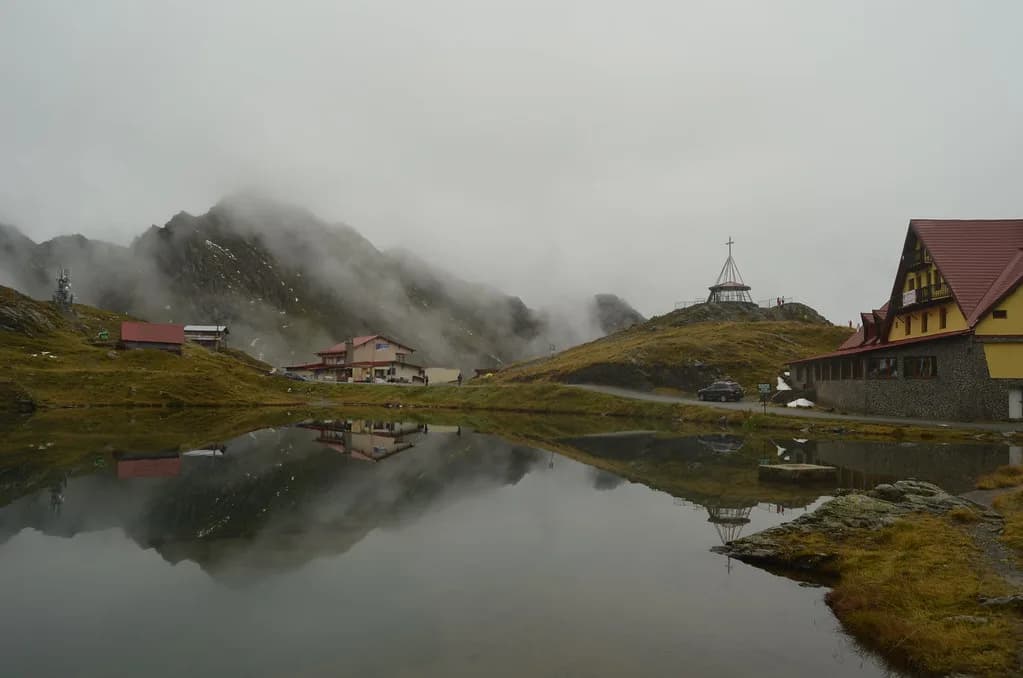
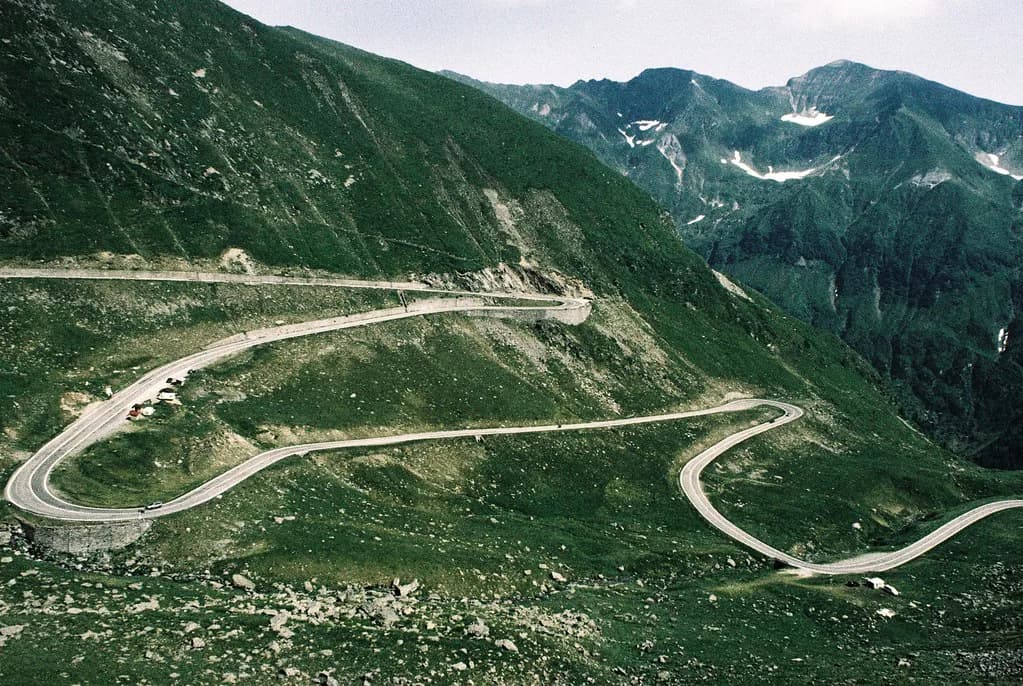
The Transfăgărășan and the high Carpathian trails are places where language matters less than preparation. Trail signage is often in Romanian, and mountain rescue and weather information will be in Romanian first, so carry an offline translation tool and know the Romanian words for the hazards on your route.
Age and generation: who speaks English and who does not
Assume that anyone under about 40 in a city can hold a basic English conversation, and that the odds fall as you move up the generations and out of towns. This is a generational pattern, not a judgment, and it explains most of the awkward moments travellers report.
The gap shows up in small transactions. A young barista in Cluj-Napoca will answer in English without being asked, while an older ticket clerk at a provincial train or bus counter may only have Romanian and a price on a screen. Prepare for the second case with a destination written down and the amount visible.
Other languages you will hear: Hungarian, German, French
Hungarian is widely spoken in parts of Transylvania, particularly in Harghita, Covasna and Mureș counties and in parts of Cluj-Napoca. In those areas a Hungarian phrase can be more useful than English, and place names often appear in both Romanian and Hungarian on signs.
German has a real presence in the Saxon towns of southern Transylvania, including Sibiu, Sighișoara, Mediaș and the villages around Biertan and Viscri, where it survives in church life, signage and older residents' speech. French is understood by some older, highly educated Romanians, but it is not a practical fallback for a normal trip.
Romanian phrases that make a difference
You do not need Romanian, but a few phrases change the tone of an interaction. Start with buna ziua (good day) on entering a shop, multumesc (thank you), va rog (please), and the question vorbiti engleza? (do you speak English?). Those four cover most openings.
For practical moments, learn the numbers one to ten, the words for water, bill and cash, and the phrase for how much. At a market or a rural guesthouse, a slow attempt at Romanian followed by a translation app on your phone is more effective than repeating English more loudly.
Language on transport, in restaurants and at sights
Airport staff and international train station counters in Bucharest handle English, and ride-hailing apps remove most of the conversation from a taxi trip. Municipal buses and trams in cities are self-service with tickets from machines or apps, so language rarely blocks you.
Restaurants split by audience. Central places in Brașov, Sibiu and Bucharest usually have English menus, while neighbourhood restaurants may have Romanian menus only; a translation app with a camera mode handles that quickly. Sights run by national museums often provide English leaflets and labels, though smaller local museums may not.
When you are buying a ticket in person, whether for a castle, a cable car or a bus, write the place name and the number of tickets on your phone screen. Showing two fingers and a destination works at counters across the country when words fail.
Road signs, menus and tickets: reading the language
Road signs follow international conventions and place names are easy to recognize, but a few Romanian words matter for driving: ieșire for exit, intrare for entry, sens unic for one way, and parcare for parking. Roadworks and diversions are announced in Romanian only.
On menus, look for ciorbă (sour soup), mămăligă (polenta), sarmale (stuffed cabbage rolls) and mici (grilled minced meat rolls). Knowing these words lets you order confidently even when no English translation appears, and it makes market shopping far easier.
If you want to learn a little Romanian before you go
Romanian is a Romance language, so anyone with a base in Italian, Spanish or French can pick up basic written vocabulary quickly. A few hours with a free language app before you fly is enough to cover greetings, numbers, directions and food words.
Focus on listening comprehension for numbers and prices rather than grammar. In practice you will hear amounts spoken at counters and markets, and understanding those is worth more than forming perfect sentences.
The verdict by traveler type
City-break travelers staying in Bucharest, Brașov, Sibiu or Cluj-Napoca can rely on English almost entirely, with a translation app as backup. Road-trippers heading into Maramureș, Bucovina or the mountain villages should learn the basics, keep data or offline translation available, and write down destinations and amounts when buying tickets or paying in cash.
Hikers and nature travelers need Romanian for signage and local information more than for conversation, and should plan guided activities where communication is handled. If you are still deciding on the trip itself, is Romania worth visiting lays out who the country suits, and the guide to money in Romania covers what you will be spending, since the country uses the leu rather than the euro. If you are weighing this trip against nearby options, is Bulgaria worth visiting offers a parallel verdict on a neighbouring country.
Explore more Romania trip-decision guides
Frequently Asked Questions
Do they speak English in Romania?
Yes, English is widely spoken in Romanian cities, especially among younger people and anyone working in tourism. Outside the main tourist cities it becomes less reliable, and in villages and among older generations you may need Romanian, Hungarian or a translation app.
Is English widely spoken in Bucharest?
Bucharest is the easiest place in Romania to rely on English, because its hotels, museums, tour operators and tech-sector workforce deal with international visitors daily. Neighbourhood shops and older staff may still speak only Romanian.
Can I travel Romania without speaking Romanian?
You can, and most visitors do. Expect to handle cities, hotels, guided tours and main sights in English, and to need a translation app, written notes or gestures for markets, rural guesthouses and provincial transport counters.
Do older people in Romania speak English?
Generally less than younger people. Many Romanians who grew up before 1990 learned Russian, French or German at school rather than English, so English is less dependable with older people, particularly outside cities.
What language do Romanians speak besides Romanian?
Romanian is the national language, and Hungarian is widely spoken in parts of Transylvania, particularly Harghita, Covasna and Mureș counties. German survives in the Saxon towns of southern Transylvania, including Sibiu and Sighișoara.
Is French spoken in Romania?
French has a long historical place in Romanian education, and some older, highly educated Romanians speak it well. It is not a reliable everyday fallback, and English is a better bet for most travelers.
Do I need to learn Romanian for a trip?
No, but a handful of phrases help. Buna ziua, multumesc and vorbiti engleza? cover most openings, and learning numbers plus words for water, bill and cash makes markets and rural stops much easier.
Sources
Trip-decision notes
Optional updates when we publish or revise a destination verdict.
You might also like
Continue reading
More guides you'll find useful