Romania in July: Worth It, How Hot It Gets and Where to Go
July is Romania's hottest, busiest month. See who it suits, where heat and crowds bite, and how the mountains and Black Sea compare for your trip.
On this page
July is worth it in Romania if your trip is built around the Carpathians and the Black Sea, and a poor fit if you plan to walk southern and eastern cities all day in the sun. The month is the hottest of the year alongside August and sits at the peak of the domestic and regional holiday season, so the same week that opens mountain roads also fills coastal resorts.
The practical move is to split the country by temperature rather than treat it as one climate. Bucharest, the western lowlands, central Transylvania and the Black Sea coast each run at different July averages, and choosing your base around those numbers decides whether you spend the week comfortable or overheated.
The verdict: who July suits and who should shift to June or September
Choose July if the Transfagarasan and high mountain walking are the point of the trip, or if you want the Black Sea at its warmest and liveliest. Skip it if your plan is heavy city sightseeing in Bucharest or the southern lowlands, where the heat is at its most punishing and shade is scarce between sights.
Travelers who want the medieval towns without the peak-season crush are better served by the shoulder months, and our guide to the best time to visit Romania weighs June and September against midsummer on heat, crowds and what stays open. If your dates are fixed to July, build the itinerary around altitude and coastline rather than around a city-to-city circuit.
How hot Romania gets in July, region by region
National July averages run from about 16°C to 29°C (60°F to 84°F), but that range hides sharp regional differences that matter when you are picking a base. The southern and eastern lowlands are the hottest zones, where summer temperatures often reach around 100°F in July and August, while the mountains stay consistently cooler.
Regional July averages put Bucharest at roughly 71°F, western Romania at 67°F, central Romania at 69°F and the Black Sea coast at 79°F. Read those as typical conditions rather than forecasts: a Bucharest afternoon can run far above the monthly mean, and the coast's sea breeze is what makes its higher figure bearable.
For a city-first trip, expect to start early, retreat indoors during the middle of the day and resume in the evening, when terraces stay busy late. In the Carpathians the same July day can feel like a different season, which is why Sinaia, Predeal and the Bucegi plateau work as heat escapes rather than add-ons.
Rain and sunshine: why July is drier than June
July is markedly drier than May and June, so midsummer does not mean washouts across the country. The trade-off is that mountain weather turns storm-prone, with fast afternoon build-ups on the high ridges that can cut short a hike or a cable-car plan.
Plan exposed ridge walks and the Bucegi plateau for the morning and keep a flexible afternoon for towns, caves or a long lunch. On the coast, July is generally reliable beach weather, which is exactly why the resorts fill and why accommodation should be reserved well ahead.
What peak season actually means for crowds and costs
July is peak season, driven partly by summer holidays across neighboring European countries, and Black Sea accommodation along the Romanian Riviera can book out far in advance. Costs rise with demand, though Romania remains a budget-friendly destination compared with much of Western Europe, so the pain is relative rather than severe.
Bran Castle draws heavy day-trip traffic from Bucharest, Brasov and beyond, so arrive at opening or late in the afternoon rather than mid-morning. Pair it with the quieter Peles Castle at Sinaia, where the royal interiors and surrounding forest reward a slower half-day.
Transylvania in July: Brasov, Sibiu, Sighisoara and the citadel festival
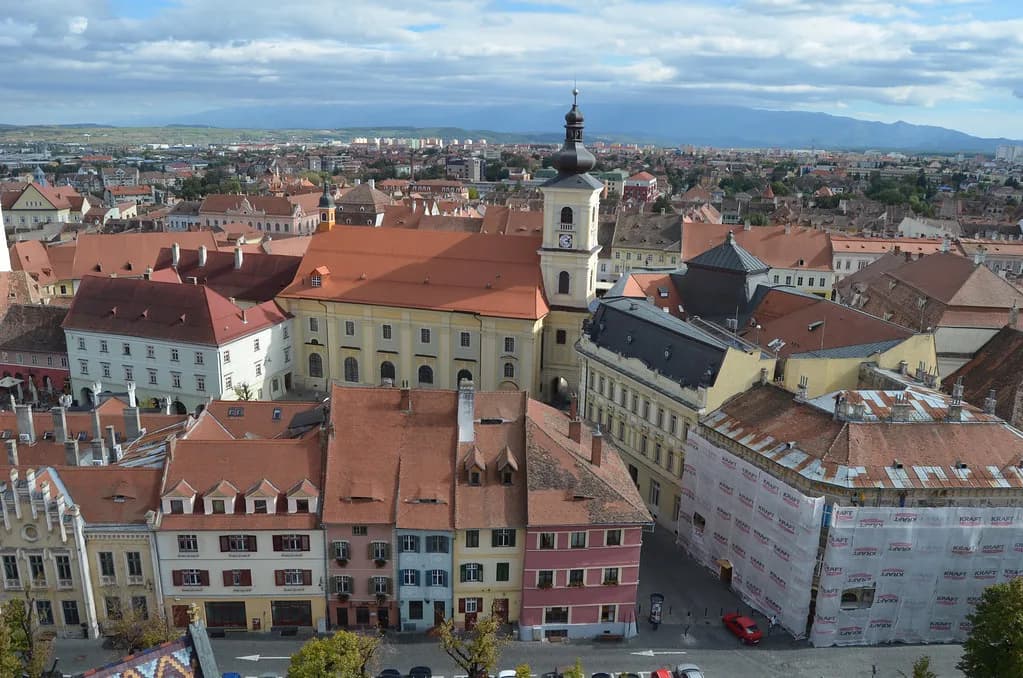
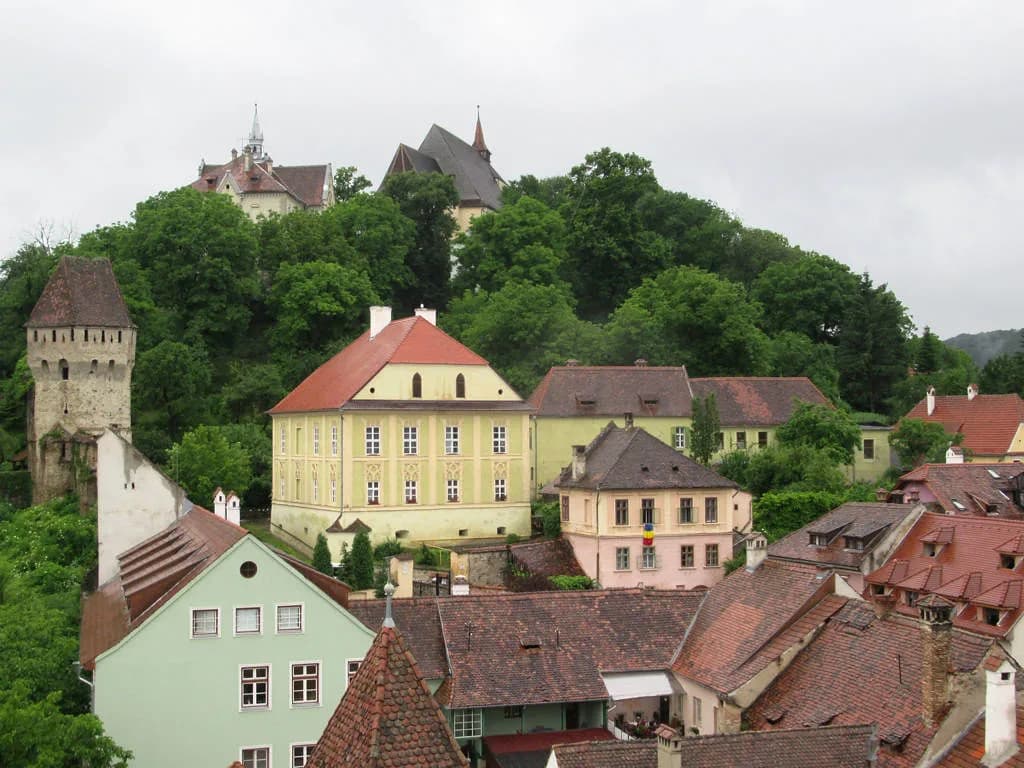
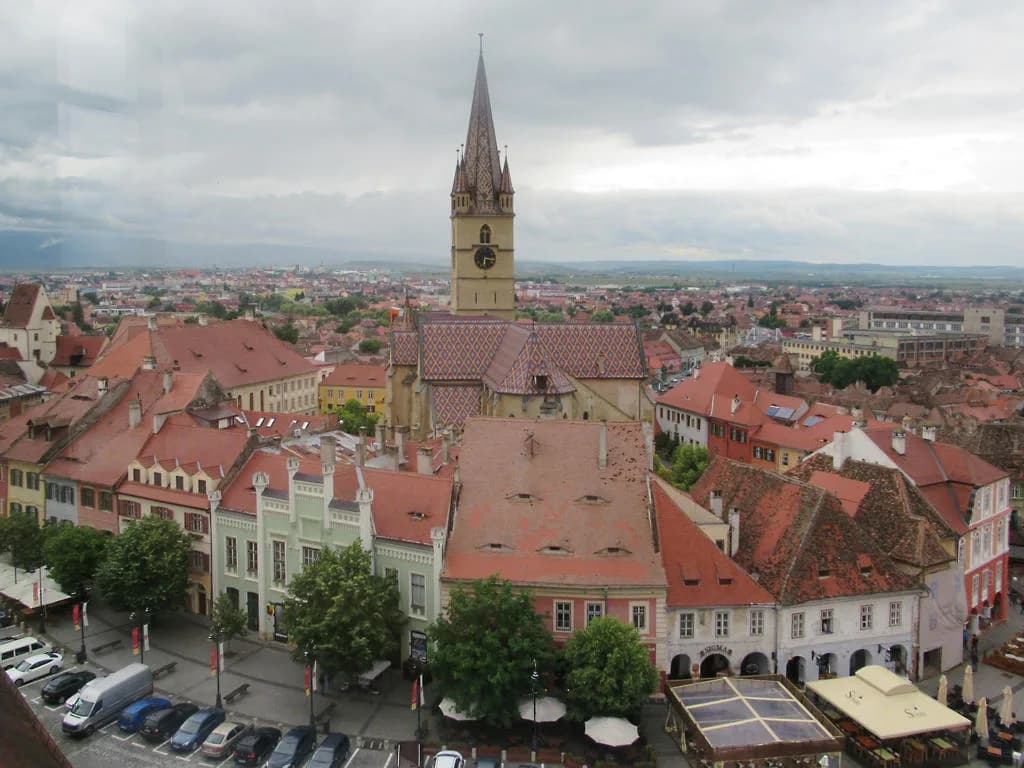
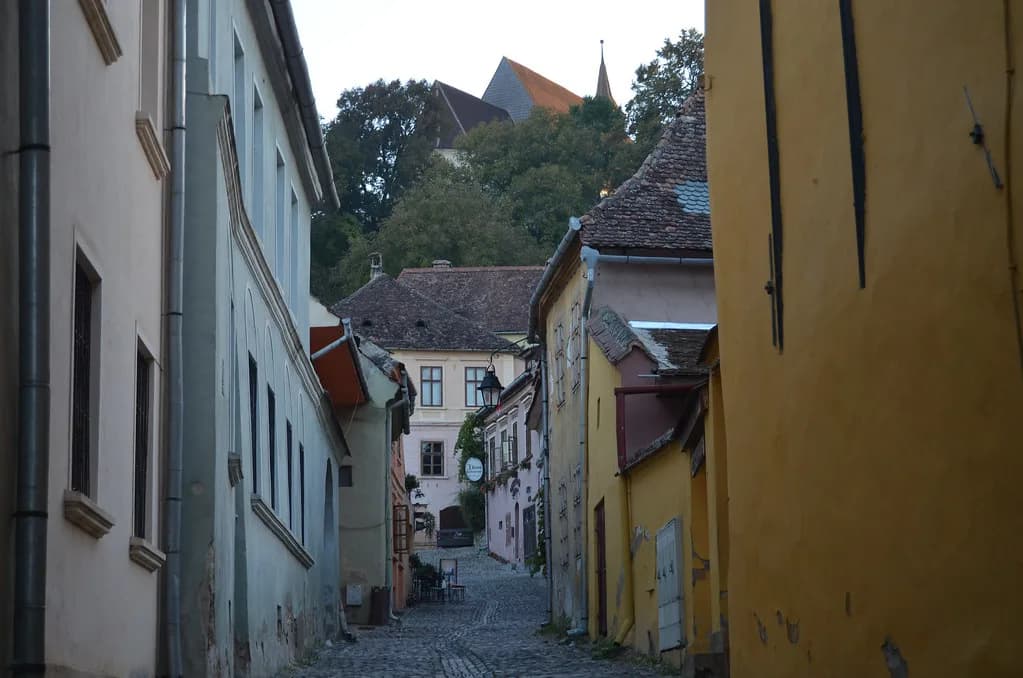
Brasov and Sibiu both sit high enough to keep July evenings pleasant, and their medieval cores are compact enough to walk in a morning before the heat builds. Sighisoara's citadel is the standout, and its Medieval Arts Festival in mid-July fills the walled old town with performances that make a night there worthwhile.
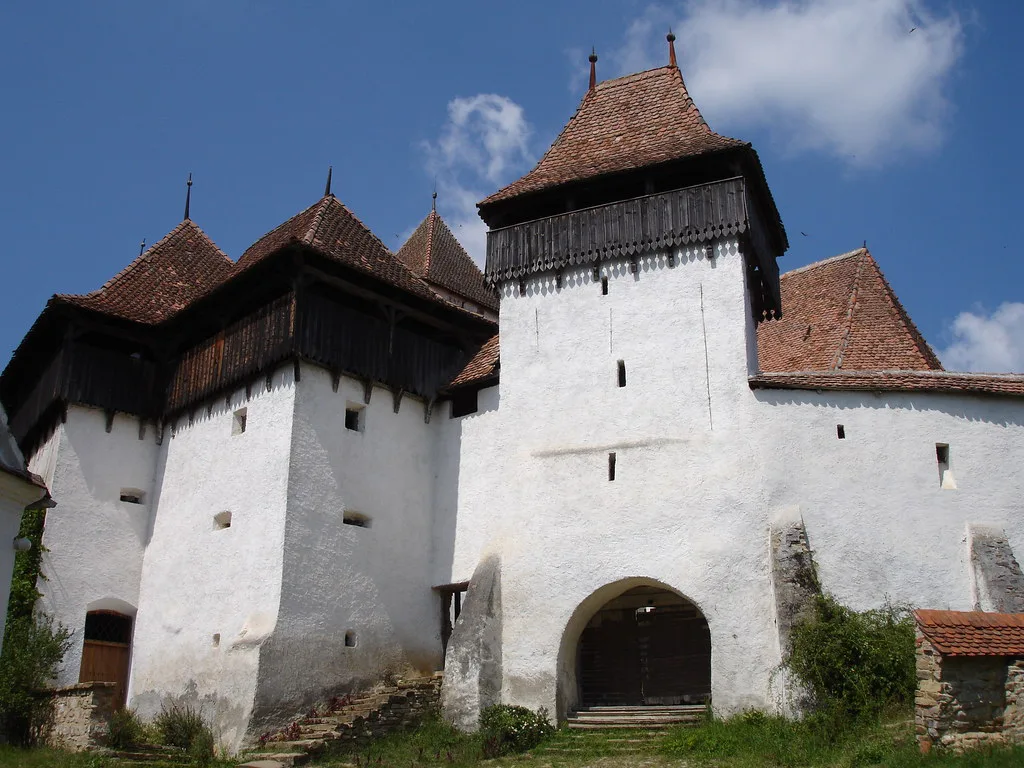
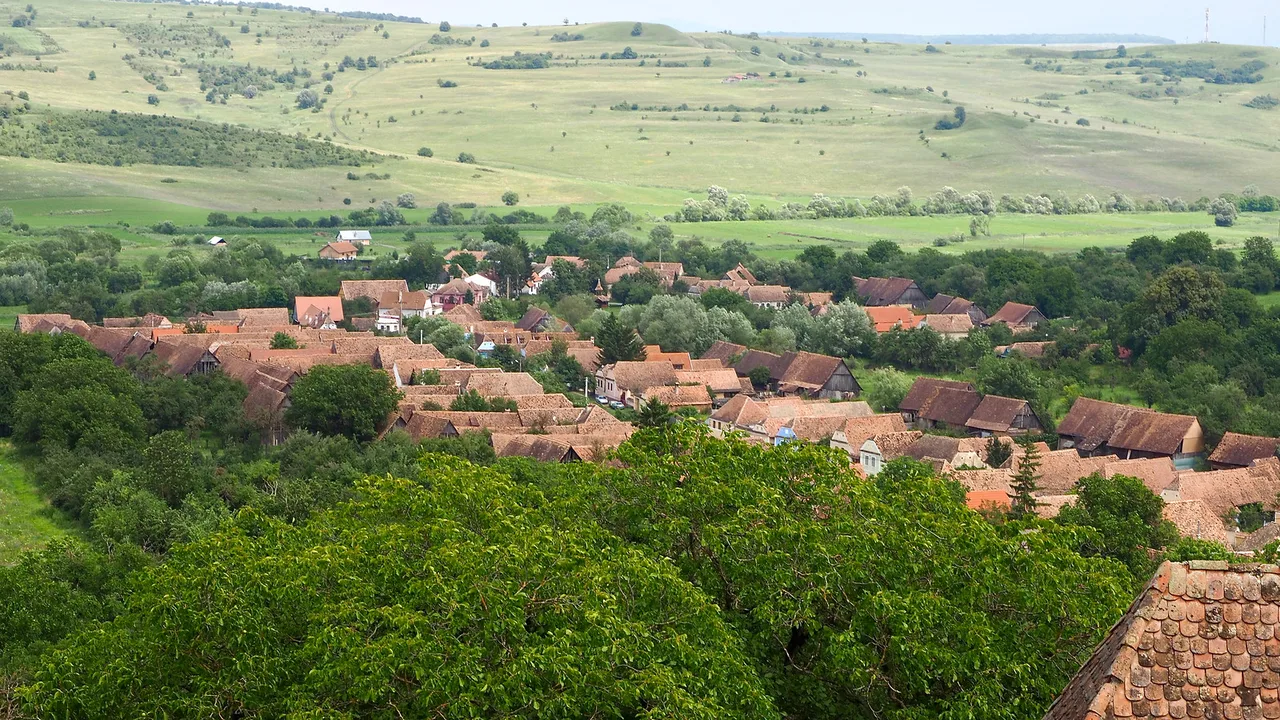
Book Sighisoara accommodation early if your dates overlap the festival, and base yourself in Brasov or Sibiu for the rest of the region. Rural Saxon villages such as Viscri offer a cooler, slower counterpoint, with fortified churches and meadows that are at their greenest in midsummer.
The mountains as an escape: Bucegi cable car, Sinaia and Predeal
The Bucegi Mountains, part of the Southern Carpathians, are the most accessible July escape from Bucharest and Brasov, with a cable car lifting you to a plateau of wind-carved rock formations. Sinaia, Predeal and Paltinis all work as bases, and the higher you sleep, the more comfortable the nights.
Treat the cable car as a one-way uplift and walk down if your knees allow, since queues build on clear weekend mornings. Sinaia also puts Peles Castle within a short walk of the centre, letting you combine a cool mountain morning with a cultural afternoon.
The Transfagarasan and Transalpina: summer-only roads and timing
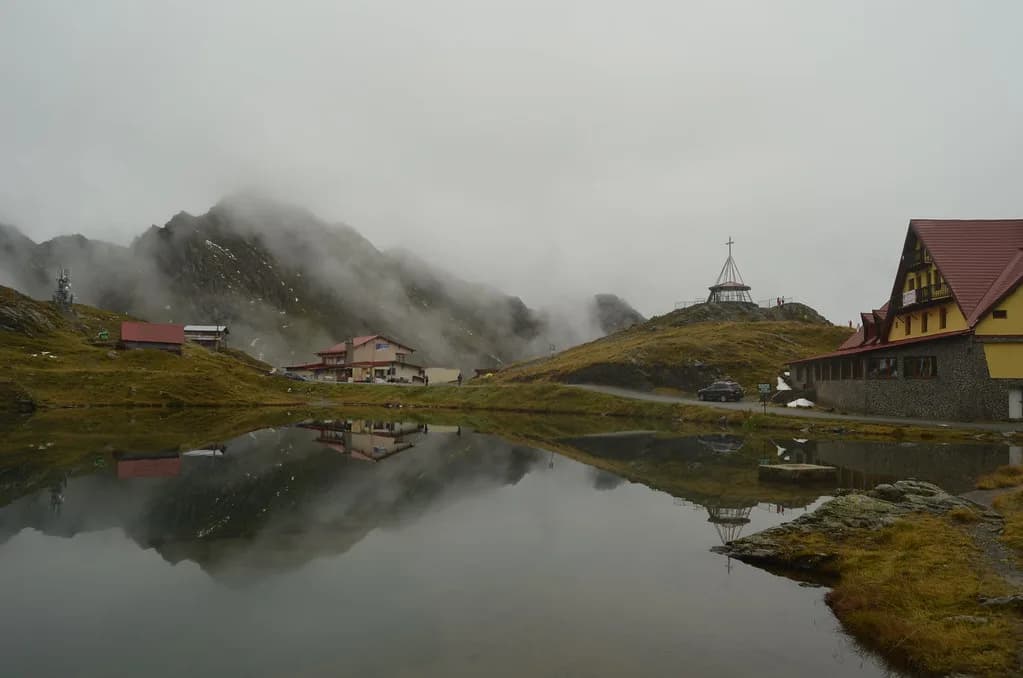
The Transfagarasan runs about 90 km (56 miles) over the Southern Carpathians between Wallachia and Transylvania and is only accessible in the summer months, which makes July one of the few windows to drive it. The route climbs past Balea Lake near its highest point, where you can stop for views, food and a break from the wheel.
Confirm the road's status with the Romanian road authority before committing a day to it, since opening depends on snow clearance rather than the calendar. Driving yourself gives the most flexibility, so weigh the paperwork and mountain-road confidence before you decide on renting a car rather than joining a tour.
The Black Sea coast: Mamaia, Corbu, Vama Veche and Constanta
Romania's coast stretches along the Black Sea, running from family resorts to party towns, so pick by mood rather than by proximity to Bucharest. Mamaia is the club-and-hotel strip, Corbu is the quieter, wilder beach, and Vama Veche keeps its laid-back reputation at the southern end.
Constanta, the coast's historic anchor, rewards a day with its Roman vestiges, old-city mosques and waterfront, and it makes a sensible base if you want culture alongside beach time. July is the month the coast is warmest and busiest, so reserve accommodation early and treat the drive from Bucharest as a substantial trip rather than a quick hop.
Bucovina and Maramures: painted monasteries and rural slow travel
Bucovina's painted monasteries, UNESCO World Heritage Sites in the northeast, are the strongest argument for leaving the tourist belt altogether in July. The region is cooler and quieter than the coast or Bran, and the frescoed exteriors reward unhurried mornings rather than a rushed circuit.
Maramures, to the west, trades painted churches for wooden ones and village life that still runs on hay carts and hand tools. Both regions are slow to reach by public transport, so a car or a guided loop is the realistic way to cover them in a week that also includes Transylvania.
Bucharest in July: the Old Town, terraces and pacing a hot day
Bucharest in July is hot and sticky, and its sights are spread far enough apart that the heat dictates the plan more than any guidebook does. Start with the Romanian Athenaeum and Stavropoleos Church in the cooler morning, retreat indoors around the Palace of Parliament area at midday, and save the Old Town for the evening.
Terraces and bars stay open late in July, which makes the Old Town a better after-dark stop than an afternoon one. Use the city as a transport hub and a two-night bookend, then head for altitude or the coast rather than spending a full week in the capital's heat.
Drawbacks: heat, coach crowds and seasonal limits
The main drawbacks are straightforward: oppressive heat in the southern and eastern lowlands, heavy day-trip traffic at Bran Castle, and coastal accommodation that sells out in advance. Mountain roads add their own constraint, since the Transfagarasan only opens in the snow-free months when clearance allows.
Coastal resorts also vary enormously in character, and a beach town chosen for nightlife will not suit a family with small children. Read the resort descriptions before booking, and if you want the sea without the crowds, aim for Corbu or the shoulder weeks around July rather than the height of the season.
How many days you need in July
Give Romania ten days to two weeks in July if you want both the mountains and the coast, because the distances are long and the heat slows the days down. A tighter week works only if you choose one axis, such as Brasov, Sighisoara and the Transfagarasan, or Constanta and the southern beaches.
A sensible pattern is two nights in Bucharest, three or four across Transylvania, two in the mountains and three on the coast. Build in a spare day for the Transfagarasan, since weather or road status can shift your plan and a fixed itinerary leaves no room to react.
Getting there and getting around in peak season
Bucharest's airport is the main international gateway, while Brasov-Ghimbav International Airport puts Transylvania within reach without a long transfer. Trains link the major cities reasonably well, but rural Bucovina, Maramures and the mountain roads demand a car or an organized tour.
Book intercity trains and long-distance buses ahead in July, when domestic holiday traffic competes for the same seats. For the coast, the drive from Bucharest is short in distance but long in peak-season time, so an early start or a train to Constanta saves hours.
Typical costs in words, plus what the numbers show
Romania remains one of the more affordable countries in the region, but July pushes accommodation and coastal prices toward their annual high. Expect to pay noticeably more for a Black Sea room in peak season than in June or September, and to find the best-value rooms gone if you book late.
The currency is the Romanian leu, and cards are widely accepted in cities and resorts, though rural guesthouses and mountain stalls still prefer cash. Get a sense of daily budgets before you go rather than converting on the fly, since restaurant and transport costs vary sharply between Bucharest, Transylvania and the coast.
Verdict by traveler type
Families do best on the Black Sea in July, with shallow water, resort facilities and plenty of shade, or in the cooler mountain resorts if beach crowds wear thin. Hikers and drivers should head straight for the Southern Carpathians and the Transfagarasan, where July is the reliable season for high routes.
City-focused travelers and anyone who wilts in heat should shift to June or September, when Transylvania's towns stay open but the temperatures and coach traffic ease. If you are weighing a lower-key Balkan alternative for the same midwinter-to-summer decision, our guide to whether is Bulgaria worth visiting covers its own season-by-season trade-offs. Culture-first visitors with July dates fixed should weight Bucovina, Maramures and the Saxon villages over Bucharest and the coast.
Plan Your July Trip
July rewards a trip built around altitude and coastline, with cities treated as short stops rather than the main event. Lock in coastal beds and Transfagarasan days first, then fill the gaps with Transylvanian towns and rural villages where the heat is milder and the crowds thinner.
Check the official Romanian government travel page for entry requirements before booking, and confirm road and cable-car status with the operators closer to your dates. With those two items settled, July is a workable, even rewarding month, provided you plan around the heat instead of against it.
Explore more Romania trip-decision guides
Frequently Asked Questions
How hot is Romania in July?
July is the hottest month alongside August, with national averages of roughly 16°C to 29°C (60°F to 84°F). The southern and eastern lowlands regularly reach around 100°F, while the Carpathians stay noticeably cooler and the Black Sea coast averages about 79°F.
Is July a good time to visit Romania?
It is a strong choice for mountain roads such as the Transfagarasan and for the Black Sea coast at its warmest. It is a weaker choice for long days of city sightseeing in Bucharest and the southern lowlands, where the heat is most intense. Travelers who want medieval towns without the crush often prefer June or September.
Is July crowded in Romania?
Yes, July is peak season. Black Sea accommodation along the Romanian Riviera can sell out well in advance, and Bran Castle draws heavy day-trip traffic from Bucharest and Brasov. Rural regions such as Bucovina and Maramures stay comparatively quiet.
Does it rain in Romania in July?
July is drier than May and June, so midsummer rain is usually less of a disruption than early-summer showers. Mountain areas are storm-prone, with fast afternoon build-ups, so plan exposed hikes for the morning.
Is the Black Sea warm in July?
July is when the Romanian coast is at its warmest and busiest, with the regional average around 79°F. Resorts range from the lively Mamaia strip to quieter Corbu and laid-back Vama Veche, and Constanta adds Roman vestiges and old-city sightseeing.
Is the Transfagarasan open in July?
The Transfagarasan is a summer-only road, and July usually falls inside its open window, but opening depends on snow clearance rather than the calendar. Confirm its status with the Romanian road authority before setting out.
How hot is Bucharest in July?
Bucharest averages around 71°F in July, but that figure understates the afternoons, when the southern lowlands can approach 100°F. Plan sights for the morning and evening, and use the middle of the day for indoor stops such as the Athenaeum and Stavropoleos Church.
How many days do I need in Romania in July?
Ten days to two weeks lets you combine Transylvania with either the mountains or the coast without rushing. In a single week, pick one axis, such as Brasov, Sighisoara and the Transfagarasan, and leave a spare day for weather or road changes.
Sources
Trip-decision notes
Optional updates when we publish or revise a destination verdict.
You might also like
Continue reading
More guides you'll find useful