Is Romania Expensive? What a Trip Really Costs in 2026
Romania is no longer the bargain it was a decade ago, but it is still good value. See what a trip costs by travel style and where prices really bite.
On this page
No, Romania is not expensive by European standards, but it is no longer the cheap-as-chips country of a decade ago. A mid-range traveler should plan on roughly €80–130 per person per day, a budget traveler on €40–60, and a comfortable traveler on €150–250, excluding international flights and assuming two people share a room.
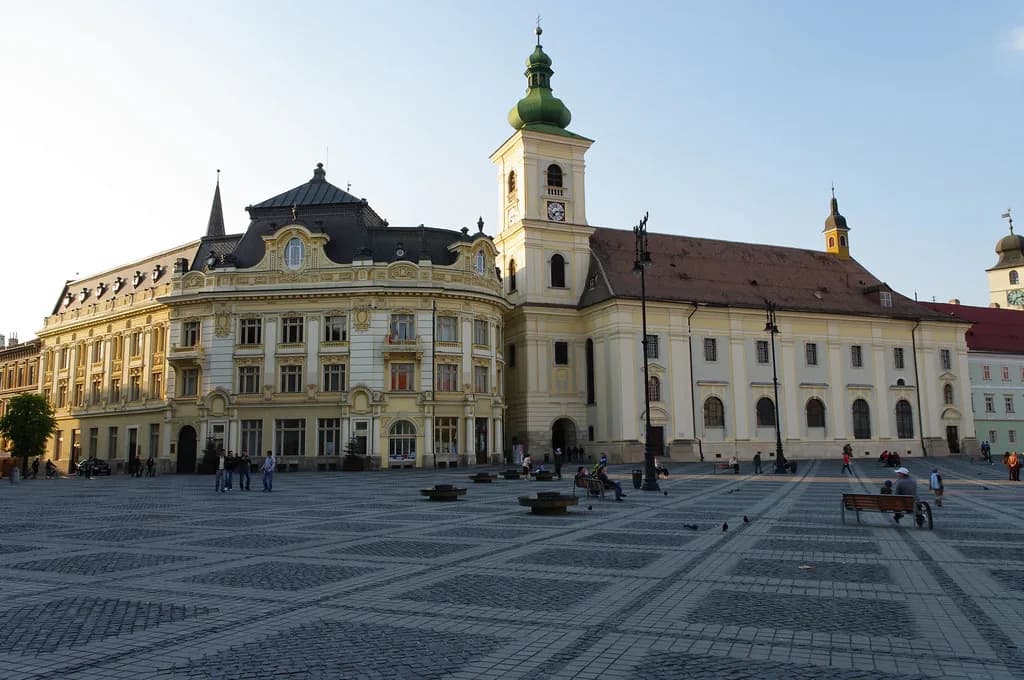
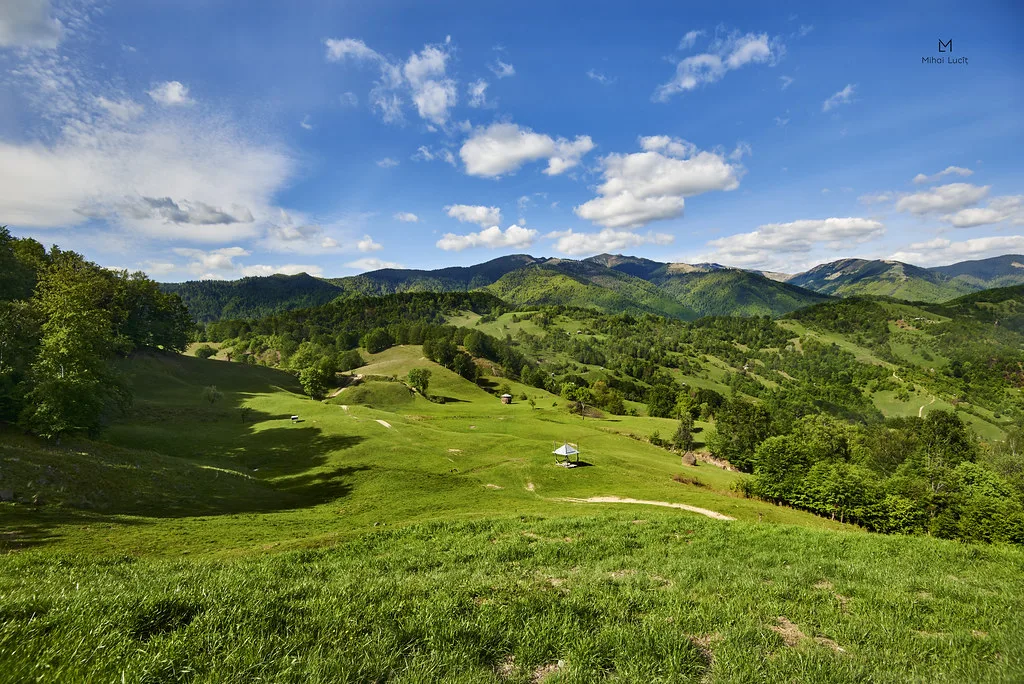
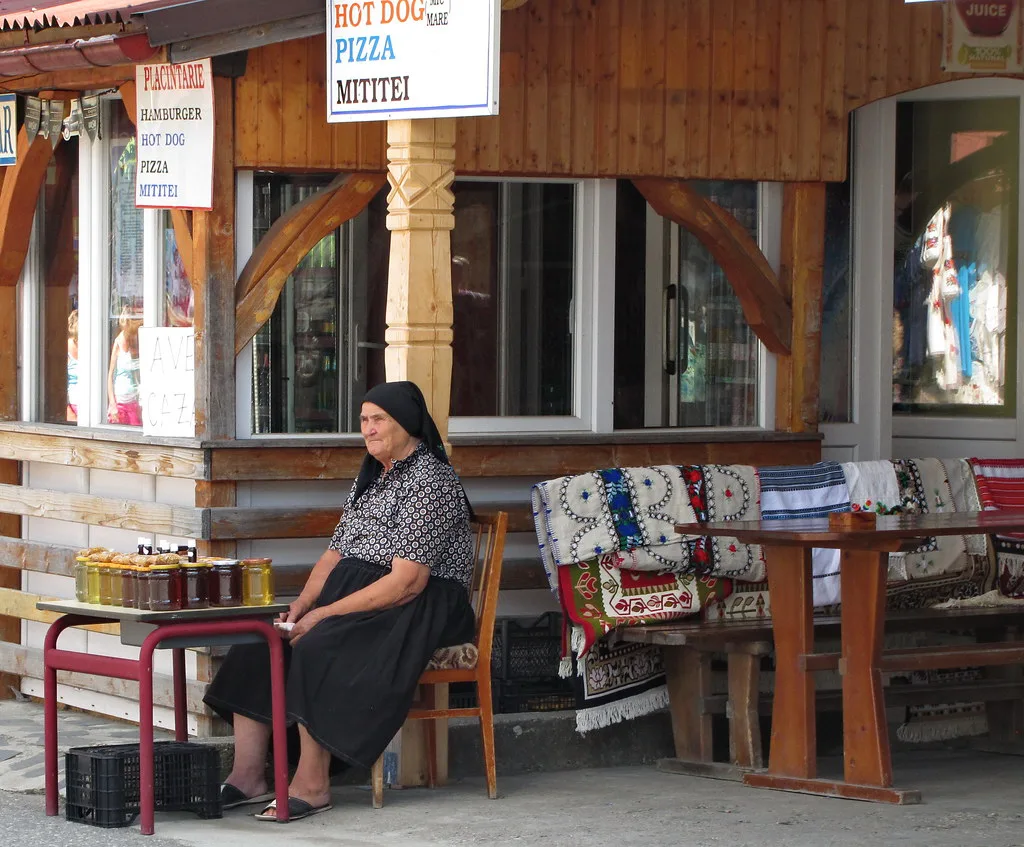
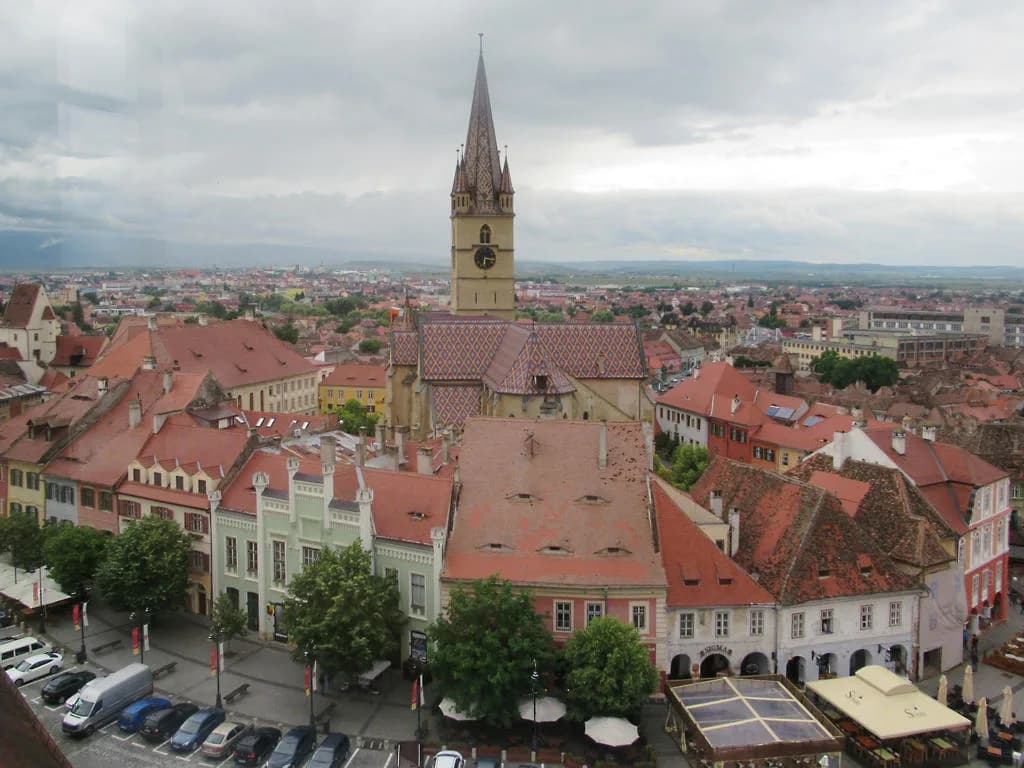
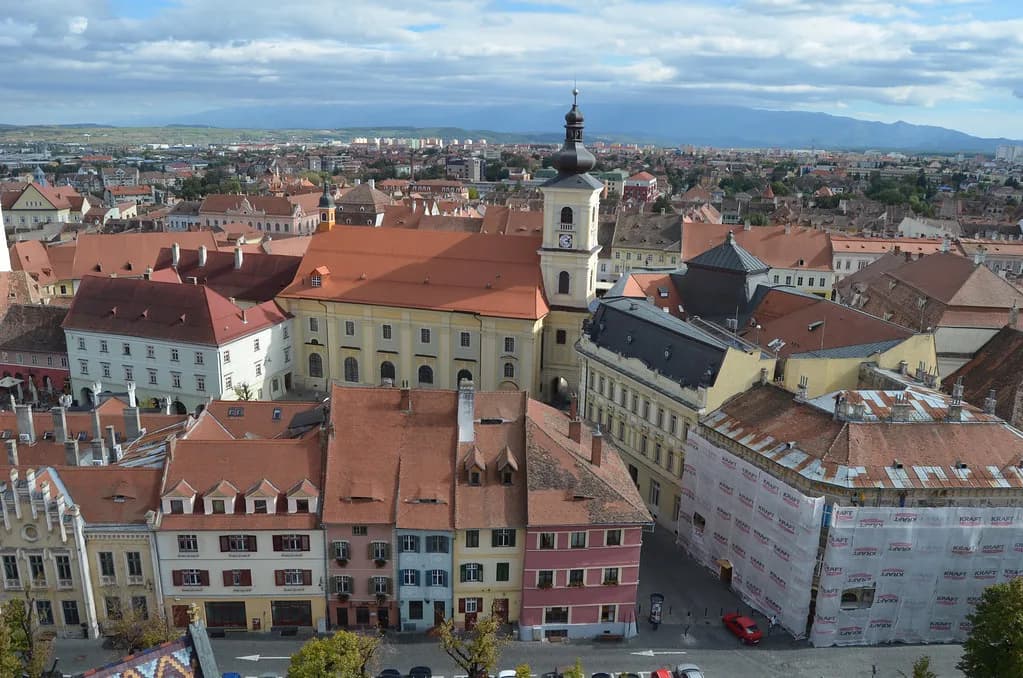
The single fact that decides your budget is where you sleep and eat: central Bucharest, Brașov and Sibiu now charge near-Western-European prices, while guesthouses in Maramureș and rural Transylvania remain startlingly cheap. Plan a hybrid trip — cities for culture, countryside for value — and Romania still undercuts almost everything west of it.
The verdict: cheaper than Central Europe, no longer dirt cheap
Romania sits in the value tier of the EU, not the bargain basement. Compared with its neighbors it undercuts Hungary and the Czech Republic clearly, runs roughly level with Poland, and edges above Bulgaria on everyday costs. Against Italy, France or Germany it is dramatically cheaper, often by around half on the same trip style.
So the honest answer splits: tourist cities are priced like the rest of the EU, villages and rural areas are not. If your image of Romania is €20 hostel beds and €1 coffees, that image is a decade old. If your benchmark is a week in Austria or Italy, you will be pleasantly surprised by the total at the end.
For a wider read on whether the country fits your trip at all, a verdict on whether Romania is worth visiting comes down to what you want from a holiday rather than what you can afford.
What changed since 2020
Three forces pushed Romanian prices up after the pandemic: general European inflation, energy costs and refugee housing demand linked to the war next door, and a tourism boom that let Brașov, Sibiu and the Saxon villages raise prices toward EU norms. Food, fuel and accommodation rose sharply between 2019 and 2025, and central Bucharest hotel rates climbed with them.
The result is a widening gap inside one country. A hip café coffee in the capital now costs several euros, and a boutique room in Brașov's historic center can easily run into three figures in summer, while a Maramureș village guesthouse often throws in a home-cooked dinner that two people cannot finish.
Treat published daily averages as a starting point only. Regional and seasonal swings are large enough that the same itinerary can cost half as much again in July and August, and the December holiday period spikes in Sibiu and Bucharest as well.
Daily budgets by travel style
Budget travelers staying in hostel dorms, eating local food and using public transport should budget €40–60 per person per day. That covers a dorm bed in the €12–20 range, street food and set lunches, and train or bus travel between cities, with free or cheap sights filling the days. Mid-range travelers — comfortable three-star hotels or guesthouses, restaurant meals, a couple of guided day trips and the occasional taxi — should plan €80–130 per person per day. Comfortable travelers in boutique four-star hotels with multiple guided experiences and a rental car or private transport land around €150–250.
All of these figures exclude international flights and assume double occupancy; solo travelers pay a premium because a single room rarely costs half a double. Underlying grocery and restaurant prices across the country are catalogued on cost-of-living databases if you want a second reference point for the everyday items.
Accommodation: what drives the bill
Accommodation is the biggest variable in a Romanian budget. A private room in a hostel is cheap by regional standards, a budget two-star hotel and a mid-range three-star sit in the modest middle, a boutique four-star costs noticeably more, and a five-star in Bucharest is the priciest option of all, priced per night.
The cheapest lever is location. Staying ten minutes outside the historic core cuts rates by 30–40 percent; in Bucharest that means residential Floreasca, Cotroceni or Dorobanți rather than the Old Town, and in Brașov the Schei district, a short walk from Council Square. Ride-hailing is cheap enough that the trade is painless.
Season matters as much as neighborhood. Expect to add 20–30 percent to accommodation in Brașov, Sibiu and on the Black Sea coast in July and August, and book early or shift to May, June, September or October for better rates.
Food and drink: where the value still is
Food remains the part of a Romanian trip that still feels genuinely cheap. Street food such as covrigi and mici costs just a few euros, bakery pastries even less, and a casual restaurant main with a drink stays modest. A mid-range sit-down meal runs higher, and fine dining in Bucharest, Cluj or Sibiu costs noticeably more again. The best-value habit is meniul zilei, the weekday set lunch advertised by restaurants aimed at office workers and students. For a low, fixed price you get soup, a main and sometimes dessert, freshly cooked and traditional; tourist restaurants on the main squares rarely advertise it.
Know where the markup lives: Bucharest's Lipscani quarter, the central squares of Brașov and Sibiu, and anywhere with a view of a headline sight. Walk five minutes in any direction and similar quality drops 30–50 percent.
Romania still uses its own currency, the leu, so card acceptance and exchange practice belong to the money planning for Romania rather than to the cost of the trip itself.
Getting around: trains, cars and the vignette
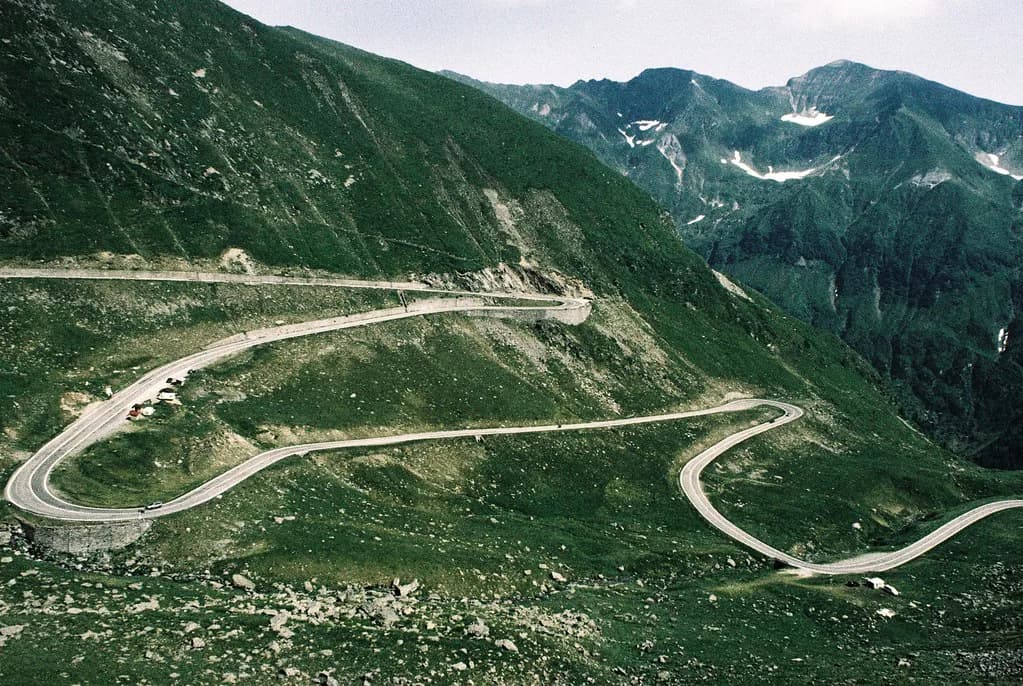
Trains are cheap and reliable on the classic corridor. Bucharest to Brașov takes 2.5–3 hours in second class, and the legs onward to Sighișoara, Sibiu and Cluj-Napoca are all modestly priced too. First class costs only a little more and is worth it on longer legs. For rural areas — Maramureș, the Saxon villages, the Transfăgărășan — you need a car, and renting a car in Romania is affordable for a compact, with fuel adding a modest amount per liter. A highway vignette, the rovinieta, is mandatory on national roads. The rovinieta is the classic money trap: it is inexpensive for ten days, but the fine for driving without one is steep and is checked electronically. Most rental companies include it, so verify at pickup and buy online at erovinieta.ro if it is missing. Buses and BlaBlaCar fill the gaps where trains are slow or absent: Bucharest to Brașov by shared ride is cheap and takes about 2.5 hours. In cities, use Bolt rather than hailing a taxi, and never take a taxi that approaches you at the airport — the number-one tourist scam.
Entry fees and tours
Sightseeing is rarely the item that breaks a Romanian budget. Most museum tickets are cheap and even major museums stay modest, while castle entries such as Peleș, Bran and Corvin are low-priced; buying online saves queueing. Group walking tours range from free to a few euros, half-day group tours are moderately priced and full-day group tours cost more, which covers most castle and Saxon-village excursions. Private day tours with a guide and transport cost noticeably more for a small group of two to four people, so the per-person price falls sharply as you add travelers. Specialist guiding costs more for good reason: certified mountain guides with rescue training and wildlife guides who track bears command higher day rates, and that expertise is generally worth paying for rather than improvising. If castles are your priority, compare the best places to visit in Romania before committing to a route.
Sample trip totals
A five-day Bucharest, Brașov and castles trip can be done on a modest budget, rises to a mid-range outlay, and costs noticeably more for a comfortable version, covering four nights' accommodation, food, local transport, activities and incidentals. A seven-day classic Transylvania loop with two guided day trips follows the same pattern, from a budget figure through mid-range to comfortable. Longer ten-day itineraries adding Maramureș or the Danube Delta scale up from there, with the delta trip best slotted outside the cold months.
These totals assume two people sharing and exclude flights. A solo traveler should add meaningfully to the accommodation line, and anyone travelling in peak summer should add the seasonal premium on top.
How Romania compares with its neighbors
Romania's typical mid-range daily budget is lower than Hungary, the Czech Republic and Poland, making it cheaper than those three. Bulgaria is slightly cheaper than Romania, while Western Europe is in a different league entirely.
The practical verdict: Romania wins for travelers who want mountains, medieval towns and rural culture at a lower total spend than a Central European circuit, and lose narrowly to Bulgaria for the tightest budgets. If you are weighing the region's best-value destinations, it is also worth asking is Bulgaria worth visiting for a direct comparison on the same trip style. If you are balancing cost against things to do, Romania gives more variety per euro than almost anywhere in the region.
When to go to pay less
May, June, September and October are the sweet spot: good weather, thinner crowds and accommodation without the summer premium. July and August add 20–30 percent to rooms in Brașov, Sibiu and the Black Sea coast, and the December holiday period spikes prices in the cities that lean on their Christmas markets.
Shoulder seasons also suit specific trips: Romania in April is quieter and greener in the lowlands, while Romania in October brings autumn color to Transylvania and comfortable walking weather around Peleș Castle. Both cut your nightly rate compared with high summer.
What isn't cheap in Romania
Several things surprise first-timers. A nice dinner with wine in Bucharest's Old Town costs roughly what it would in Vienna or Berlin, central boutique hotels in Brașov run into three figures in summer, and airport taxis that approach you can charge several times the Bolt fare.
Multi-day private guided tours are the single biggest expense a visitor can choose, running from a high four-figure sum per person all-inclusive, and car rental with a one-way drop-off adds a modest surcharge. Domestic flights between Bucharest and Cluj, Timișoara or Iași are cheap booked ahead but not negligible on short notice.
None of these are reasons to skip Romania; they are reasons to plan the expensive parts deliberately instead of discovering them at checkout.
Who Romania suits on a budget, and who should look elsewhere
Romania suits travelers who mix city culture with countryside time, who are happy on trains and shared rides, and who want mountains, castles and village life without Western European prices. It also suits anyone willing to trade a central hotel address for a ten-minute walk or a cheap Bolt ride.
It suits less well travelers who insist on five-star polish throughout, who want everything within walking distance of a single square, or who plan to eat only in tourist zones — you will pay EU-capital prices for a trip that no longer feels like a bargain. Travelers chasing the absolute lowest daily spend in the region should look at Bulgaria first.
If you have decided to go, the next practical questions are how long to stay and where to base yourself, and the best time to visit Romania shapes both your route and your nightly rate.
Plan Your Visit
Budget Romania as a mid-range European country with cheap countryside, not as a backpacker bargain. Set your daily figure around the mid-range mark per person, stay outside the historic core, eat where locals eat at lunch, and use trains or shared rides between cities.
Then spend the savings where they matter: a certified guide in the mountains, a castle day trip, or a few nights in Maramureș where your room rate includes dinner. That combination delivers the version of Romania most travelers come home talking about.
Explore more Romania trip-decision guides
Frequently Asked Questions
How far does $100 go in Romania?
A day of spending money in Romania goes noticeably further outside the tourist core. In a city center, a single nice dinner with wine can absorb much of a day's budget, while in a village guesthouse the same money stretches across a bed, a home-cooked dinner and lunch. Plan around the daily tiers by travel style and keep the splurges for one planned evening.
How much does a meal cost in Romania?
Street food and bakery items cost a few euros, a casual restaurant main with a drink typically falls in the single-digit-to-low-double-digit euro range, and a mid-range sit-down meal with a starter and drink costs more. The weekday set lunch, meniul zilei, is the best-value full meal and is advertised by restaurants away from the main squares.
Is Romania cheap for Americans?
Yes, relative to the US and Western Europe, though the dollar-to-leu exchange rate moves and you should look up the current rate before you travel. The daily tiers by travel style, from budget hostels up to boutique hotels, give a realistic planning baseline that excludes flights. The countryside stretches any figure much further than Bucharest or Brașov.
Is Romania expensive compared with Hungary or Bulgaria?
Romania is typically cheaper than Hungary and the Czech Republic, roughly level with Poland, and slightly more expensive than Bulgaria on a mid-range daily budget. Against Italy, France or Germany it is dramatically cheaper. Your own total depends mostly on how much of the trip you spend in tourist-city centers.
How much does a one-week trip to Romania cost?
A week in Romania depends on your travel style and route, and the sample seven-day Transylvania loop is the closest benchmark to plan from. A comfortable version with boutique rooms and several guided trips sits at the top of the range, while trains, guesthouses and set lunches keep it near the bottom. Add a seasonal premium if you travel in July or August.
What is the biggest hidden cost in Romania?
The rovinieta, the mandatory road vignette, is inexpensive to buy but carries a substantial fine if you drive without one, and it is checked electronically. Buy it through the official erovinieta.ro portal or have your rental company confirm it is included before you drive. Airport taxis that approach you are the other common trap; use ride-hailing apps or official dispatch instead.
Do I need cash in Romania?
Romania uses the leu rather than the euro, so you will handle a local currency even though cards are widely accepted in cities. Carry a modest amount of cash for rural guesthouses, markets and small establishments, and read up on exchange and ATM practice before you arrive.
When is the cheapest time to visit Romania?
May, June, September and October combine reasonable weather with accommodation rates well below the July–August peak, when rooms in Brașov, Sibiu and the Black Sea coast rise by 20–30 percent. Late autumn and early spring are cheaper still but colder and quieter, with some rural businesses operating reduced hours.
Sources
Trip-decision notes
Optional updates when we publish or revise a destination verdict.
You might also like
Continue reading
More guides you'll find useful