Is Albania Worth Visiting? An Honest Verdict for 2026
Albania is worth visiting for quiet Ionian beaches, Butrint and Berat at low prices — if you can accept rough edges. Here is who should go, and who should not.
On this page
Yes, Albania is worth visiting, with one condition: you go for the unpolished version of the Mediterranean rather than the finished one. The country pairs a long Ionian coastline of sand and pebble coves with Ottoman towns, a Roman-era city and mountain country, all at price levels well below Croatia or Greece. The travelers who end up disappointed are usually the ones expecting Greek polish and Croatian transport; the ones who thrive here book around those gaps instead of fighting them.
The verdict: who Albania suits and who should pick elsewhere
Albania suits travelers who measure a trip by what they see rather than how smoothly they get there. If you want to wander a UNESCO-listed Ottoman town, swim off a quiet Ionian beach in the same week, and pay noticeably less than you would in Greece or Croatia, this is one of the strongest value destinations in Europe right now. It rewards flexibility and a tolerance for improvisation more than it rewards careful itinerary planning.
Albania does not suit travelers who want a resort-style beach week with polished transfers, or anyone whose trip falls apart when a bus runs late or a road turns slow and winding. The same thin tourist infrastructure that keeps crowds low at places like Butrint and Berat also means fewer comforts than neighboring Greece and Croatia offer. Families with fixed schedules and travelers who prefer everything pre-booked should weigh Greece or Croatia first.
A middle path exists for the undecided: treat Albania as a coast-and-heritage trip of a week to ten days rather than a full-country tour. Pick one Riviera base and one or two inland towns, and the country's rough edges stop mattering because you are not covering long distances every day. That shape also keeps the trip cheap, since your spending concentrates on a handful of places.
What makes Albania different from Croatia and Greece
The difference is not scenery alone, it is crowds and cost. Albania sits on the same Adriatic and Ionian seas as its better-known neighbors, with comparable water and cliffs, but its beaches and heritage sites see far fewer visitors. That translates into both a calmer experience and a lower bill, since the country has not yet priced itself at western Mediterranean levels.
The trade-off is service and structure. Croatia and Greece have dense bus and ferry networks, polished old towns and a deep bench of hotels; Albania has a growing but thinner version of all three, and you will feel the gap most when connecting distant points. Albania also uses the lek, not the euro, so visitors arriving from Croatia, Montenegro or Greece need to reset their mental budget rather than assume their cash works as before.
Cultural texture adds a third distinction. Layers of Illyrian, Greek, Roman, Byzantine and Ottoman history sit in the same small country, visible in ruined cities, hilltop castles and stone alleyways. That density, visited without queues, is the thing Albania offers that its polished neighbors cannot match.
The Albanian Riviera: Ksamil, Himarë, Dhërmi, Borsh and Qeparo
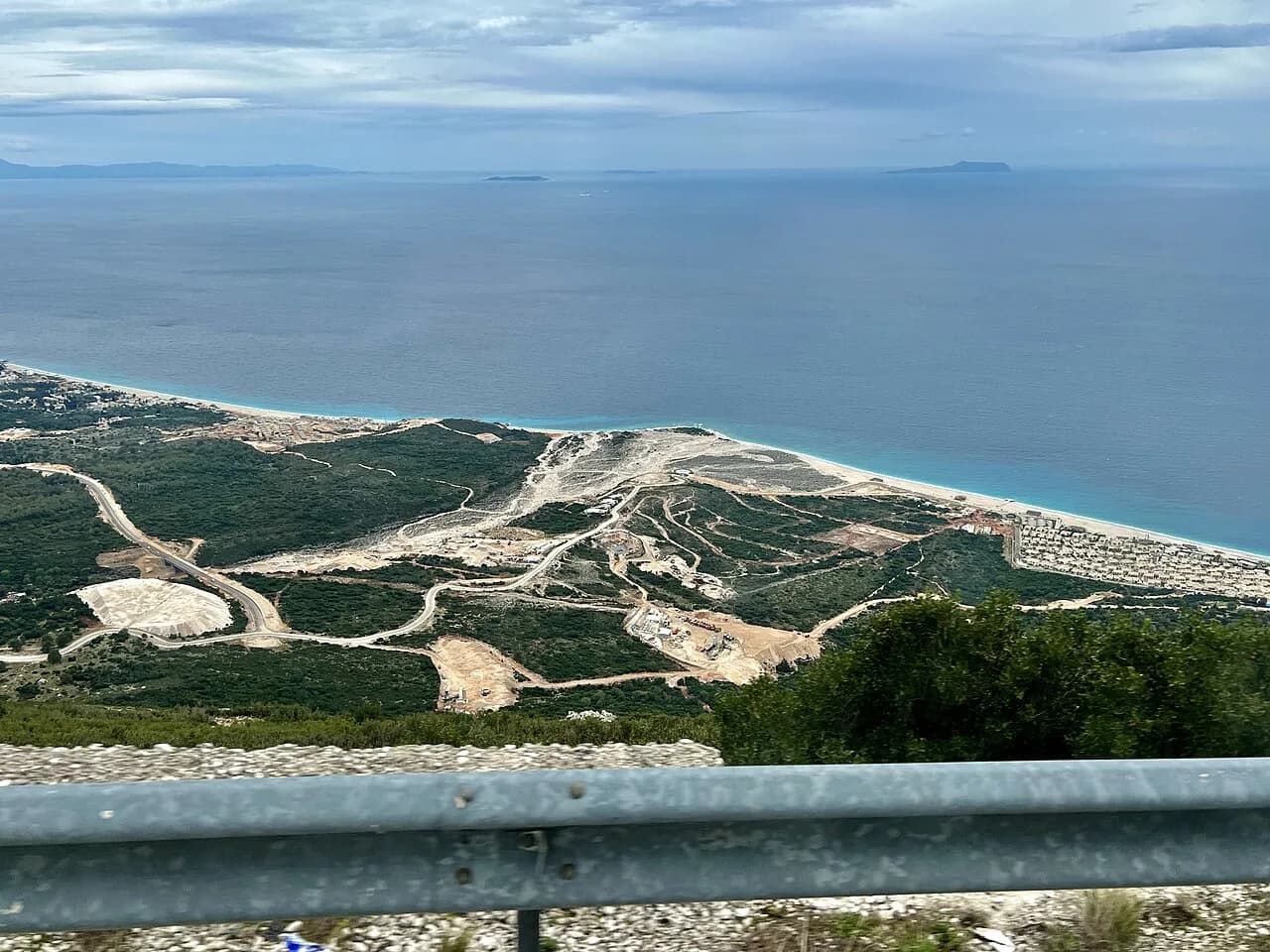
The Riviera stretches along the Ionian from Vlorë to Sarandë, and the beaches differ enough that you should pick a base rather than treat the whole coast as one destination. Ksamil, near the Greek border, has white sand and shallow bright water that suits swimmers who want calm entries. Himarë is a working coastal town with a long beach and a waterfront promenade, which makes it the most convenient base for a mixed group.
Dhërmi draws the beach-bar crowd on its main stretch, but quieter coves open up once you walk beyond it — worth knowing if you want the scenery without the music. Borsh and Qeparo are the low-key options, with pebble beaches, space between umbrellas and a more local feel. Beach surfaces vary between sand and pebble along this coast, so bring footwear you can swim in if you plan to move between them.
Base selection matters for a second reason: the coast road is slow and winding, so splitting a week between three or four Riviera towns means spending much of it in the car. Choosing one base and taking day trips keeps the trip relaxed, and it is also where renting a car in Albania pays off, since a vehicle lets you reach the quieter coves that buses do not serve.
If you want a shortlist beyond the headline beaches, Gjipe Beach and the other stops in our guide to the best places to visit in Albania are the ones that consistently reward the extra effort to reach. The pattern holds across the coast: the further you get from the main road, the emptier the water.
Ancient and Ottoman heritage: Butrint, Berat, Gjirokastër, Apollonia and Rozafa Castle
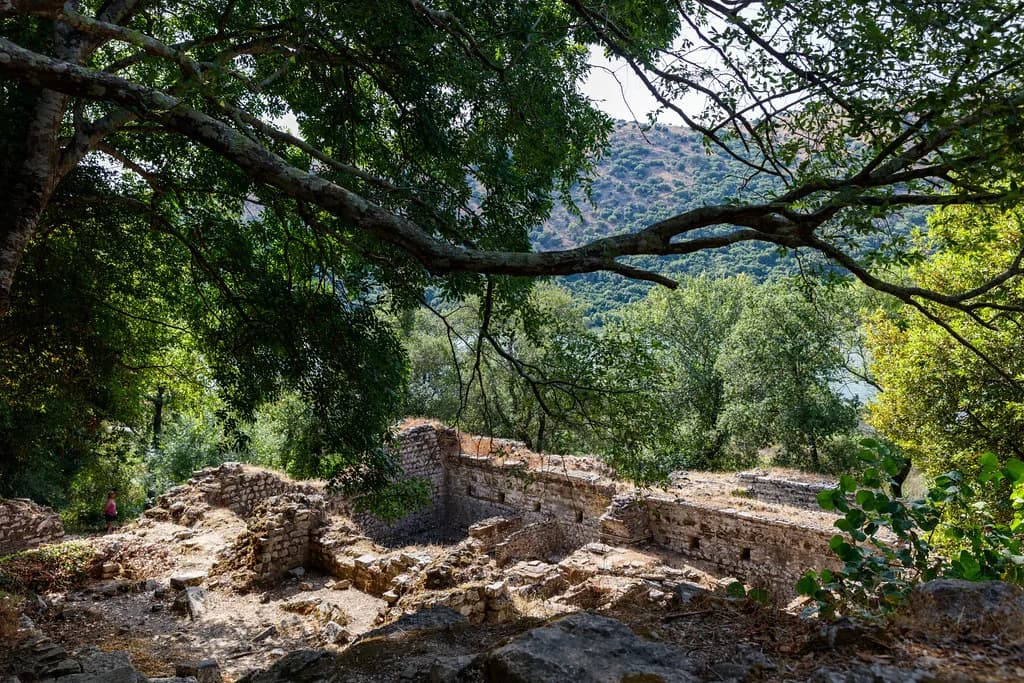
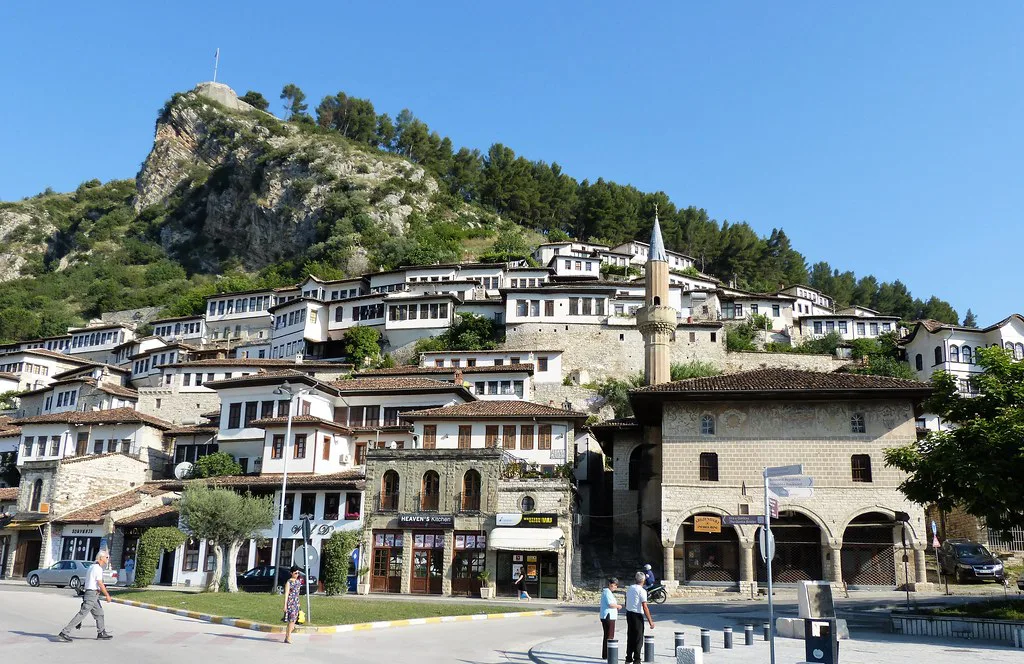
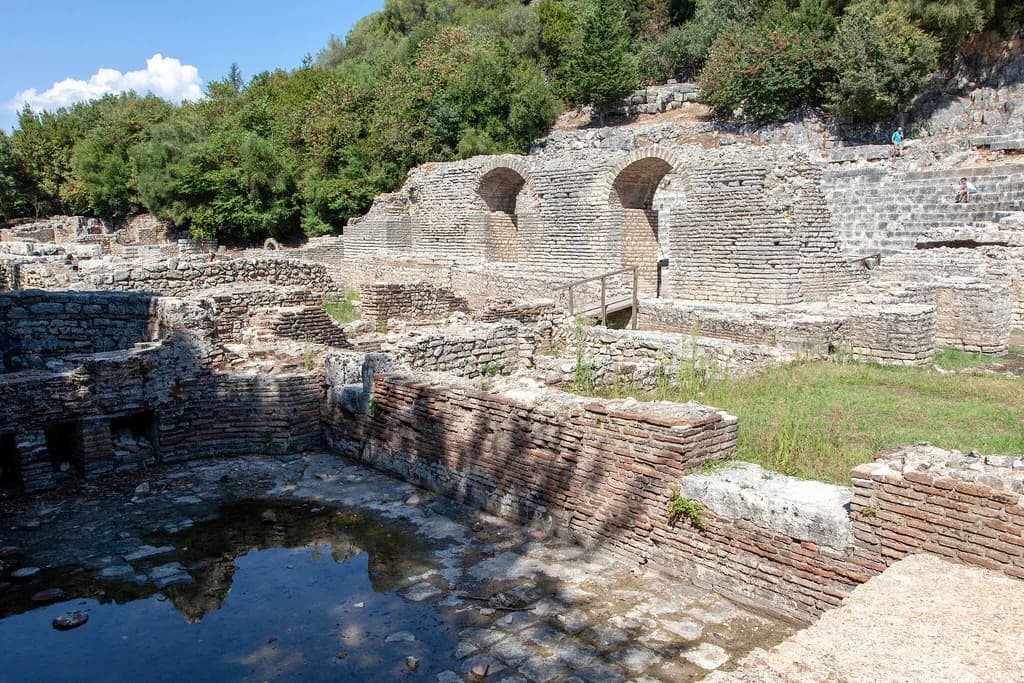
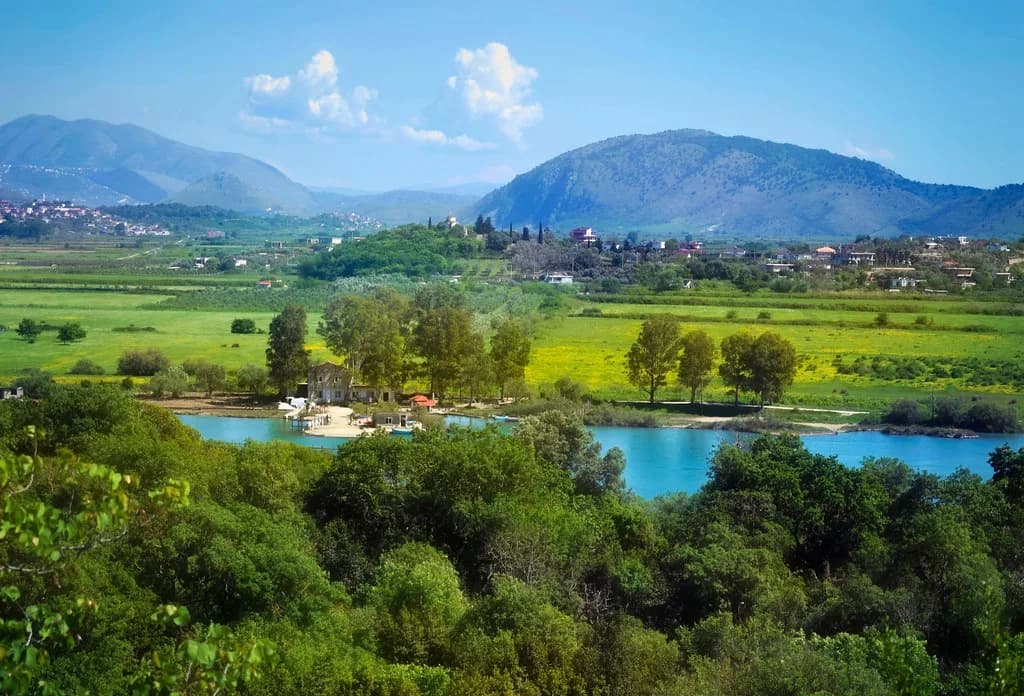
Butrint, near Sarandë, is the country's flagship archaeological site: a ruined city layered through Greek, Roman, Byzantine and later periods, set among trees and water. Pair it with Gjirokastër, the stone Ottoman town on the hillside, and Berat, known for its stacked white houses above the river, and you have Albania's heritage core in three stops.
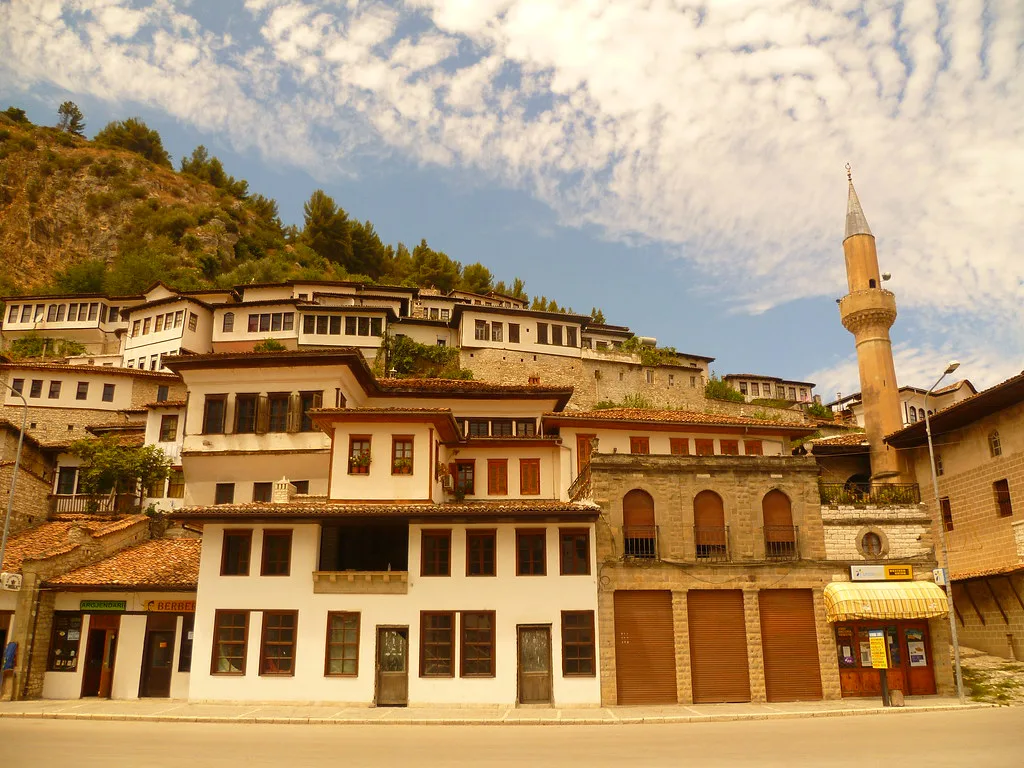
Berat and Gjirokastër are both UNESCO-listed museum towns, and their appeal is wandering rather than ticking off sights: steep cobbled lanes, carved doors and views over roofs. Apollonia, inland near Fier, is the quieter classical counterpoint, while Rozafa Castle above Shkodër in the north gives you walls, water views and far fewer visitors than similar fortresses elsewhere in Europe.
Spread these across the map and the distances add up, which is the practical limit on a heritage-focused trip. Butrint and Gjirokastër combine easily as a southern loop from Sarandë, while Berat works as an inland stop between Tirana and the south. Rozafa and Shkodër sit on a separate northern axis, so save them for a longer trip rather than squeezing them in.
Tirana and the Blloku neighborhood
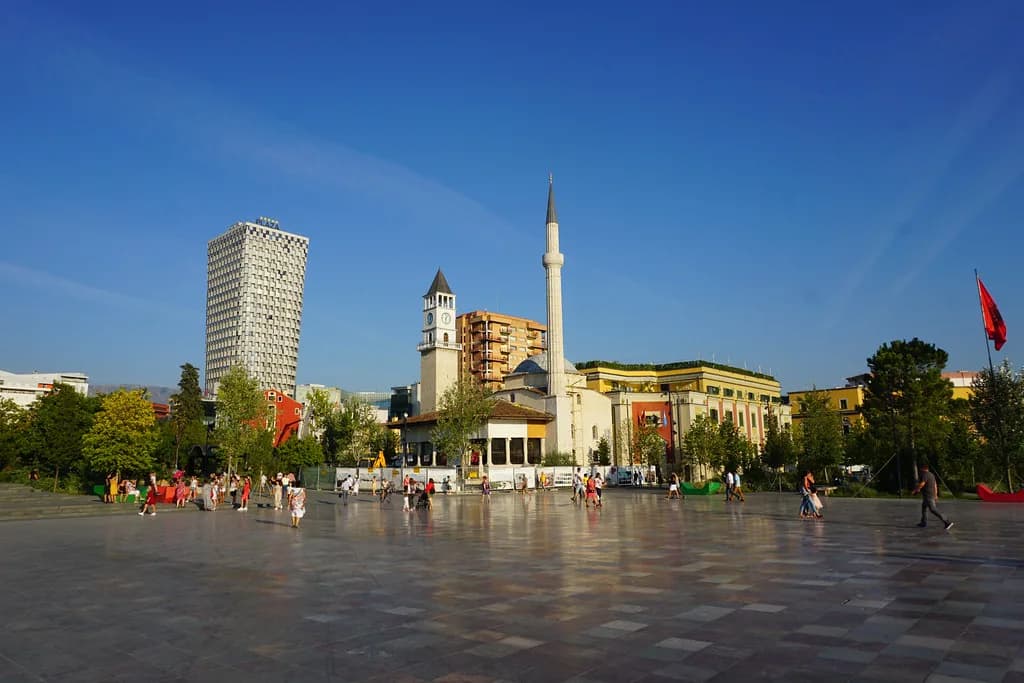
Tirana works best as a one- or two-night arrival rather than the emotional center of the trip. The Blloku neighborhood, once closed to ordinary residents, is now the capital's bar-and-cafe district and the easiest place to spend an evening. Beyond that, the city is a mix of colorful facades, broad squares and a young, energetic street life rather than a checklist of monuments.
Whether the capital deserves more of your time is its own decision, and is Tirana worth visiting depends on how much you value urban energy over coastline. Travelers who treat cities as a break between beaches usually find one full day enough; those interested in the country's modern history and design will want two.
Mountain landscapes for walkers
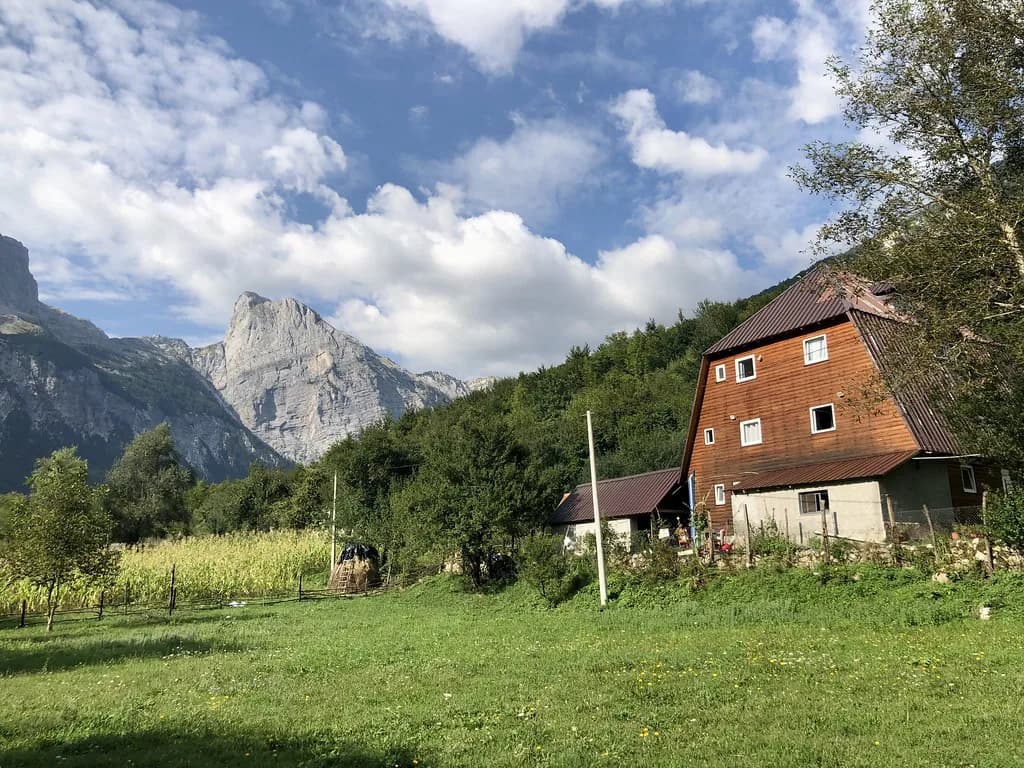
Albania's north is the reason hikers keep returning: the Accursed Mountains offer valley walks, guesthouse-to-guesthouse routes and high passes that feel far removed from the coast. Walkers should plan around guided or self-guided routes rather than expecting marked trails at every junction, and should build in weather days.
The practical constraint is access, not scenery. Mountain roads are slow, some routes rely on seasonal transport, and the walking season runs shorter than the coastal one. That makes the mountains a separate trip or a committed add-on rather than a spontaneous day out from the beach.
Drawbacks: rough edges, seasonal rhythm and infrastructure limits
Albania's infrastructure is the honest counterweight to its appeal. Intercity roads are often single-carriageway and slow, buses run on informal timetables, and some coastal places thin out sharply outside summer. None of that ruins a well-planned trip, but it will punish anyone trying to cover the whole country in a week.
Seasonality is the other trap. Beaches and their bars are a summer phenomenon, while the heritage towns stay open year-round but lose some options in the cold months. Booking the coast in July or August means accepting heat and the busiest weeks; going in shoulder season means quieter water and a narrower choice of services.
Keep expectations calibrated on service, too. Family-run guesthouses and local restaurants deliver warmth and character, but they are not hotel-grade operations, and English is less universal in rural areas than in Tirana. Treat those as part of the experience rather than a defect, and the same conditions that feel like inconvenience elsewhere read as authenticity here.
Weather by month and the best time to visit
Albania's coast is typically Mediterranean: hot, dry summers and mild, wetter winters, with the inland towns colder in winter and hotter in mid-summer than the sea suggests. Most travelers will find May, June, September and October the most comfortable window, with warm water and a more relaxed pace than the July-August peak. July and August bring the warmest sea and the liveliest coast, at the cost of heat and busier beaches.
Weigh that against your priorities rather than chasing an ideal month. Spring means fresher landscapes and fewer swimmers; autumn means warm water with fewer crowds and a shorter queue for everything. For the full month-by-month reasoning, our guide to the best time to visit Albania sets out the trade-offs in detail.
The mountains follow a different calendar from the sea, with a shorter usable season and cooler conditions at altitude. If your trip combines coast and hiking, put the mountains earlier in the season and the beach later, when the sea has warmed.
How many days you need
A week is the shortest trip that lets Albania work: two or three nights on the Riviera, one in Gjirokastër or Berat, and a night in Tirana at either end. That covers one archaeological site, one Ottoman town and enough beach time to feel like a holiday rather than a survey. Fewer than five days means choosing coast or heritage, not both.
Ten days to two weeks allows a second base and a slower pace. Add the northern mountains for hiking, a longer stay in Berat and Gjirokastër, or a few extra Riviera coves, and the trip still stays affordable because daily costs are low. The limit is usually patience for road travel, not money.
Resist the temptation to book a grand loop. With slow roads and limited transport, a trip that touches five regions in twelve days spends much of it traveling. Two or three bases linked by short hops is the shape that keeps Albania enjoyable.
Typical costs and how far the lek goes
Albania is a low-cost destination for Europe, with accommodation, food and local transport priced well under Croatia or Greece. Budget travelers can eat cheaply at family-run restaurants and stay in guesthouses without feeling they are roughing it, while mid-range travelers get far more comfort per dollar than on the Adriatic's western shore.
Prices are quoted in lek, so set your expectations in that currency rather than euros. Cards are accepted in Tirana and larger coastal businesses but less so in small towns and rural guesthouses, so carry cash for those. If you want the numbers broken down line by line, our guide to whether Albania is expensive works through what a trip actually costs in 2026.
The biggest cost lever is timing, not thrift. July and August prices on the coast climb, while June, September and October keep both prices and crowds in check. Travelers who can move their dates will get more for the same budget without changing anything about how they travel.
Getting there and getting around
Most trips start with a flight into Tirana, which is the practical hub for the whole country, or a flight into Corfu for the southern coast. Buses are the main way to move between cities, with minibuses filling gaps to smaller towns, but timetables are informal and departures fill up. Rental cars give the most freedom on the Riviera, where bus service is thin and beaches sit off the main road.
Distances look short but drive long. Coastal and mountain roads are often single-carriageway, and the Vlorë-to-Sarandë stretch in particular takes longer than the map implies. Ferries and crossings to Corfu or Italy are another option for the far south, best planned around the ferry companies' published schedules.
For a coast-and-town itinerary, a car for the Riviera section and buses for the Tirana-Berat-Gjirokastër legs is a sensible split. If you plan to drive yourself, our guide to renting a car in Albania covers the rental agencies and road conditions worth knowing before you book.
Albania or its neighbors: a trade-off comparison
Against Greece, Albania trades polish for space. Greece offers better infrastructure, a wider range of hotels and islands with reliable ferries; Albania offers comparable water and far fewer people on the beach, plus ruins you can wander cheaply. If your priority is a beach holiday with seamless logistics, Greece wins; if it is novelty and value, Albania does.
Against Croatia, the trade is crowds and cost. Croatia's Adriatic coast is beautiful but busy and increasingly expensive, particularly in summer; Albania's Riviera is quieter and cheaper but less connected and less refined. Croatia works better for a short fly-and-flop trip, Albania for a trip with more curiosity and more time.
Against Montenegro, the difference is scale and variety. Montenegro packs big scenery and easy driving into a small country; Albania is bigger, rougher and offers more distinct regions for the same effort. Travelers wanting a compact coast-and-mountains trip may prefer Montenegro, while those who want to explore will find more to do in Albania.
Verdict by traveler type
Budget backpackers, walkers and travelers who want unpolished coast with history in the same week should go, and go soon before infrastructure and prices catch up. They will find the country's thinner services a fair exchange for quiet beaches and uncrowded ruins, and they can stretch a modest budget across a two-week trip.
Families wanting a fixed resort week, travelers short on time, and anyone who needs reliable transport or full accessibility should choose Greece or Croatia instead. Albania is not hostile to those travelers, but it demands flexibility they may not have, and a beach holiday that depends on improvisation is not a relaxing one.
Couples, hikers and first-time Balkan visitors should treat Albania as a strong second-trip destination or a two-week main trip in itself. Pair the Riviera with Berat and Gjirokastër for a balanced route, or add the mountains if you have more time than budget.
Plan Your Visit
Albania is worth visiting if you want a Mediterranean trip where the sea and the ruins are not competing with tour groups, and you accept roads and services that are less polished than the neighbors'. Book shoulder-season dates, choose one Riviera base, and keep a car or a bus plan for the southern coast rather than assuming you can wing it.
If that trade-off sounds wrong for your trip, Greece and Croatia will serve you better, and that is a useful decision too. If it sounds right, the return is a country that still feels like a discovery rather than a package.
Explore more Albania trip-decision guides
Frequently Asked Questions
Is Albania worth visiting?
Yes, for travelers who want quiet Ionian beaches, Ottoman towns like Berat and Gjirokastër and low costs, and who can tolerate thinner transport and service than Greece or Croatia offers. It is a poor fit for a fixed resort week or a very short trip.
What is Albania like for holidays?
Holidays here combine a long sandy-and-pebble coast with heritage towns and mountain walking. It is not a polished resort destination; family-run guesthouses, local restaurants and informal transport are the norm, and the pace is slower than on the Croatian coast.
Are there beaches in Albania?
Yes, the Albanian Riviera runs along the Ionian Sea from Vlorë to Sarandë. Ksamil has white sand and shallow water, Himarë has a long beach with a promenade, Dhërmi is known for beach bars, and Borsh and Qeparo are quieter pebble options.
What are the must-sees in Tirana?
The Blloku neighborhood is the capital's cafe and bar district and the easiest place to spend an evening. Tirana works well as a one- or two-night stop; travelers more interested in the coast usually find a day enough.
When is the best time to visit the Albanian Riviera?
May, June, September and October bring comfortable conditions and fewer people. July and August have the warmest sea and liveliest coast but more heat and busier beaches. The mountains have a shorter season than the coast.
How many days do you need in Albania?
A week covers one Riviera base, one Ottoman town and Tirana. Ten days to two weeks lets you add a second base or the northern mountains. Fewer than five days means choosing between coast and heritage.
Is Albania cheap compared with Croatia and Greece?
Albania is a low-cost destination by European standards, with lower prices for accommodation, food and local transport than Croatia or Greece. Costs rise on the coast in July and August, so shoulder-season dates stretch a budget further.
Should I pair Albania with Kosovo?
Kosovo is a realistic add-on for travelers with extra time, though it uses the euro while Albania uses the lek. It works best as a separate northern leg rather than a day trip, given the road distances involved.
Sources
Trip-decision notes
Optional updates when we publish or revise a destination verdict.
You might also like
Continue reading
More guides you'll find useful