Is Kotor Worth Visiting? Honest Guide to Kotor, Montenegro
Kotor is worth visiting for its fortress hike, walled Old Town and quiet Perast days, but cruise crowds and rocky beaches mean it is not for everyone.
On this page
Yes, Kotor is worth visiting, but for a specific kind of trip: two nights based inside the walls, an early start up St. John's Fortress, and a half day in Perast. Anyone expecting a beach resort or a relaxing car-free stroll through an empty medieval town should look at Budva or the quieter corners of the bay instead.
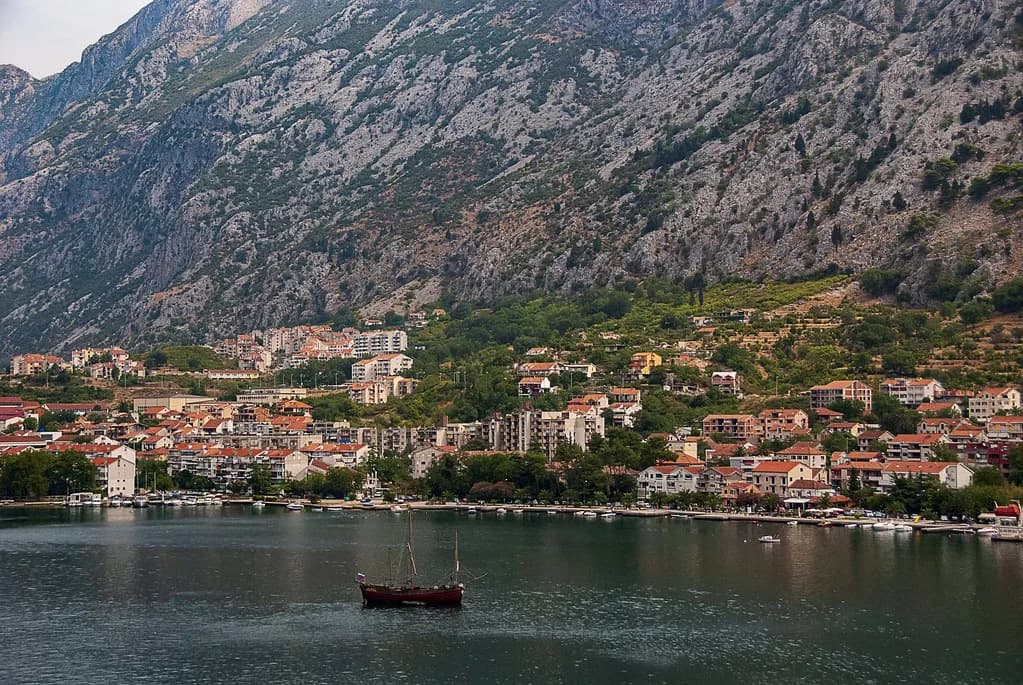
The town is small, with roughly 13,000 residents, and it sits at the end of a bay ringed by limestone cliffs that make even a short walk feel theatrical. That geography is the whole appeal, and it is also the constraint: everything good here involves either stairs or a short bus ride.
The verdict: who Kotor suits and who should go elsewhere
Kotor suits travelers who want a compact, walkable UNESCO-listed Old Town, a genuinely strenuous viewpoint hike, and easy access to a calmer second town. It rewards early risers, because the experience changes completely once the morning tour groups are inside the walls.
Skip it as a base if you want sandy beaches, lazy days by the water, or a car you can park easily next to your accommodation. The town is walled and pedestrian, and the swimming nearby is on pebble and rock rather than sand.
Cruise passengers with three or four hours ashore can see the Old Town comfortably, but a fortress climb plus Perast in that window is a push. If your ship time is tight, treat Kotor as a walking-and-coffee stop and save the hike for a land-based return.
What makes Kotor worth the trip
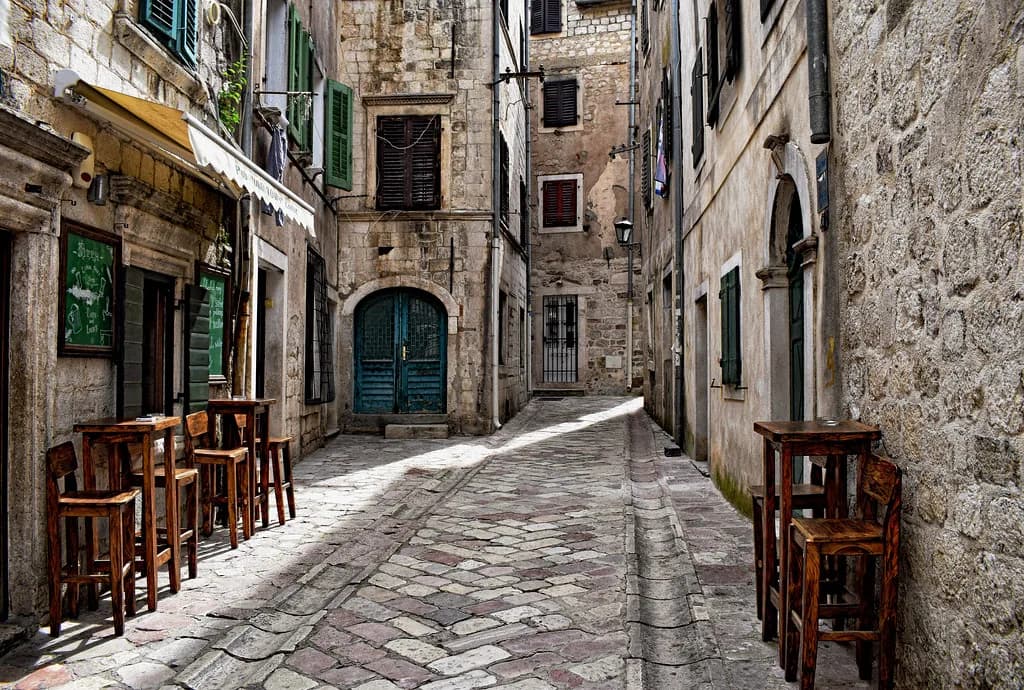
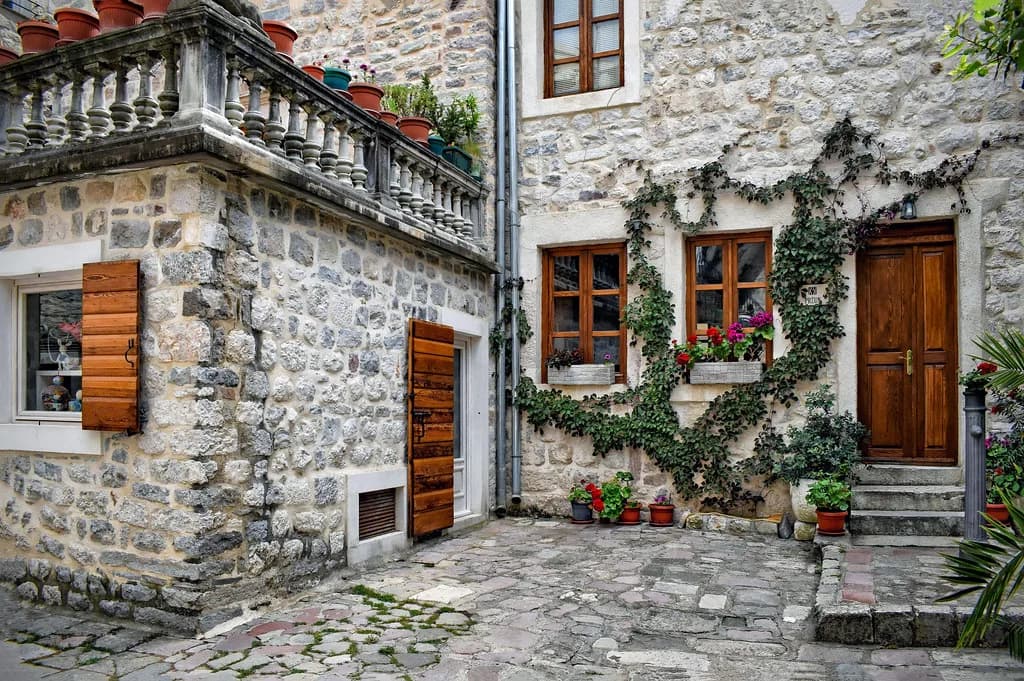
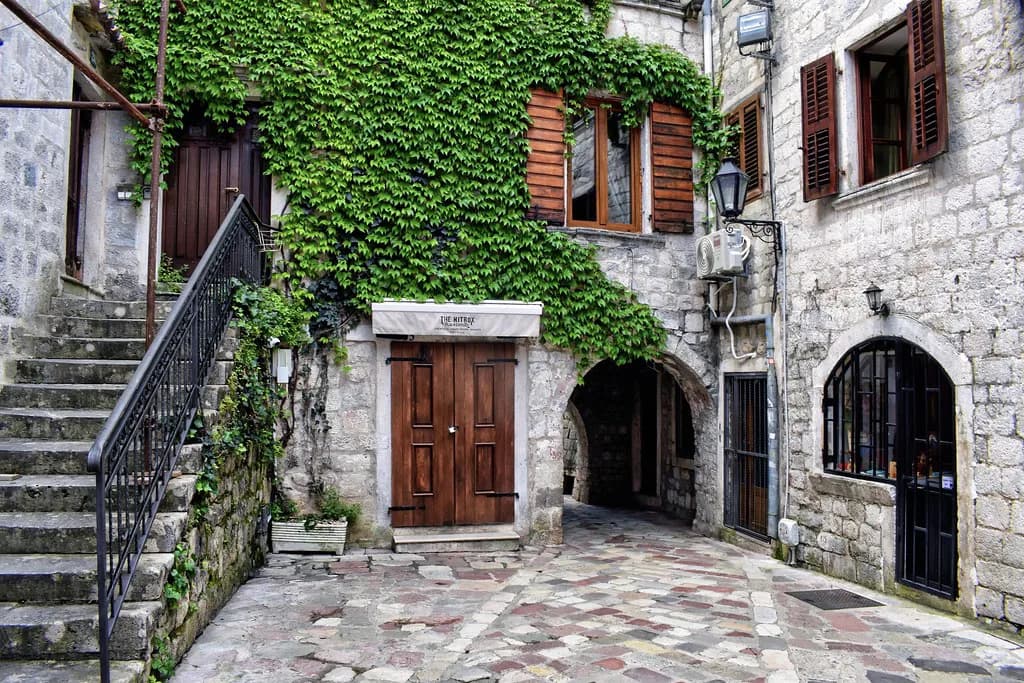
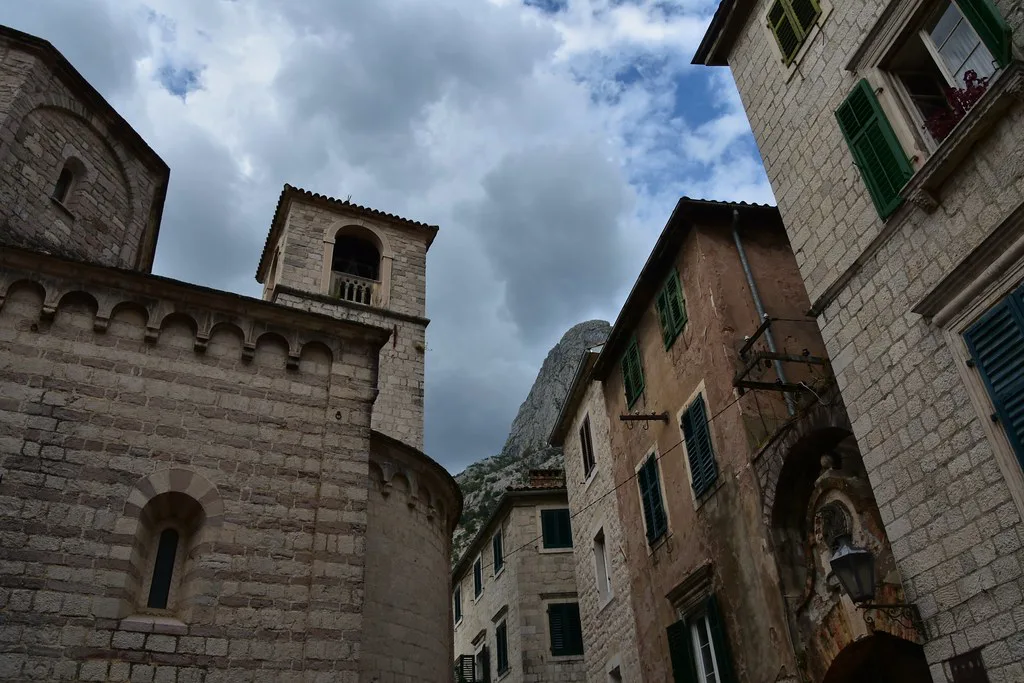
The Old Town is one of the best-preserved medieval cores in the Balkans, and it earned UNESCO World Heritage status in 1979, which has restricted development inside the walls. That protection is why the lanes still feel like a town rather than a film set with shops bolted on.
Inside the walls you can cover Saint Tryphon's Cathedral, Saint Nicholas' Church, Saint Luke's Church, the Maritime Museum and the small Cat Museum in a single unhurried loop. The south side of town, toward the Gurdic Spring, is noticeably emptier than the main square by the Sea Gate.
Set against that, the town is modest in scale: an hour or two of wandering covers most streets, and the shopping is thin compared with Mostar or Sarajevo. The reason to stay longer is the mountain and the water, not the shops.
The fortress hike up St. John's Fortress and the Ladder of Cattaro alternative
Climbing to St. John's Fortress, also signed as Kotor Fortress or the Castle of San Giovanni, is the single best thing you can do here. The walled route runs roughly 1,350 steps up the mountainside, with entry points near the River Gate and behind Trg od Salate, and the top is reached in about 45 minutes of steady climbing.
The official stairs carry an entrance fee, which one account puts at 8 euros for hikers starting within the 8 am to 8 pm window. Another older account gives 3 euros, so treat any figure as indicative and bring cash.
The free alternative is the Ladder of Cattaro, an old caravan trail that starts to the right of the bridge after you leave the Old Town at Trg od Drva and cross the river Škurda. It zig-zags up past small cafes before joining the main path through a window in the fortifications, a short scramble that is not ideal with small children.
Whichever route you take, start early: the steps are narrow with little room for passing, shade is scarce, and by late morning the path is busy and hot. The Church of Our Lady of Remedy sits partway up and is worth the pause on the descent.
If you only want the view, you do not need the summit. Turning around halfway still gives you the classic shot over the bay, and the town walls near the Old Town can be walked for free with almost no climbing.
Kotor's Old Town: squares, churches and quiet southern lanes
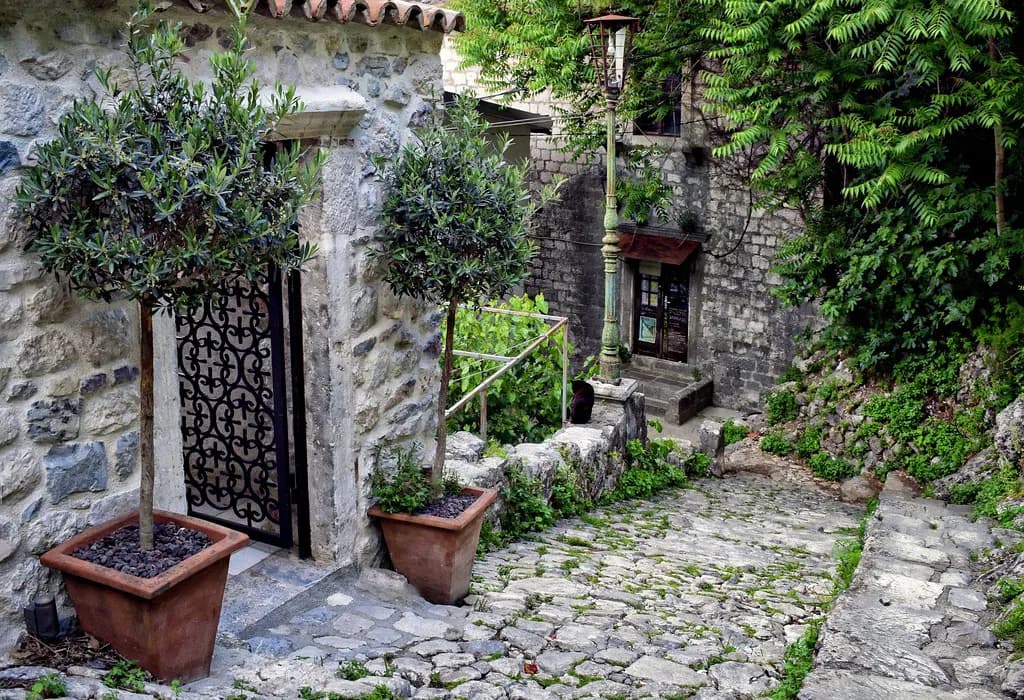
The Old Town is small enough that the best approach is to get deliberately lost: coffee on a square, lunch in a side lane, and a slow loop past the churches. Trg od Oružja near the Sea Gate carries the crowds, while the lanes toward the southern spring stay calm even in high season.
Guided walks of about an hour are offered, with more departures in busy months than in the shoulder season, and they add the history that plaques do not. Book a few hours ahead rather than assuming you can join on the spot.
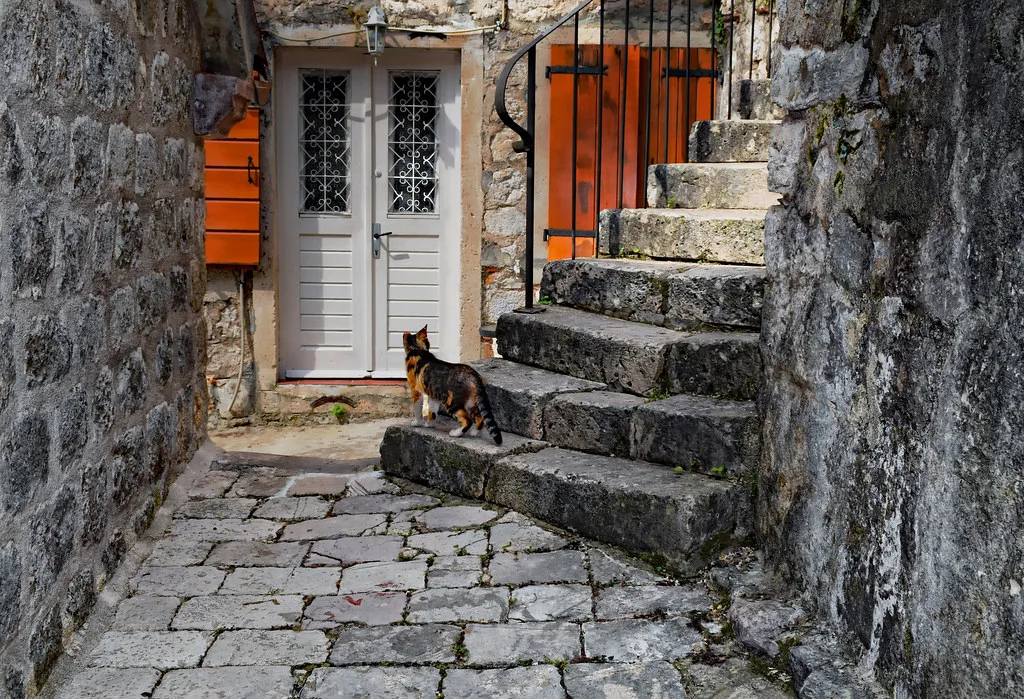
The cats are part of the experience rather than a gimmick, and the Cat Museum charges only a token entrance fee, with proceeds going toward maintaining the town's cats. It takes about fifteen minutes, so pair it with something else rather than making it the afternoon.
Perast and Our Lady of the Rocks as a half-day add-on
Perast, a short ride up the bay, is smaller, cheaper and quieter than Kotor, with no cruise traffic and a waterfront lined with restaurants. Many visitors end up preferring it to Kotor itself, which is reason enough to give it half a day rather than an hour.
Buses and boats run between the two, with one-way tickets reported at about 2 euros, and boats to Our Lady of the Rocks leave from Perast harbor at roughly 5 euros return. Both figures are the kind of thing that moves with the season, so confirm at the dock.
Our Lady of the Rocks is a man-made island with a church, sitting just offshore from Perast; the natural island beside it holds the Saint George Benedictine Monastery. Boats leave from the harbor and tickets are bought on the spot, which makes this an easy add-on rather than a planned excursion.
The bay and the beaches: what swimming here is actually like
Beaches around Kotor are pebble and rock, not sand, so water shoes make the difference between a pleasant swim and a careful shuffle. Sunbeds and umbrellas are rented on the beach, with one account quoting 10 euros per bed and 5 euros per umbrella.
The setting compensates: you swim looking across the water at mountains and small stone houses rather than at a row of hotels. Combine a morning hike with an afternoon on the beach and you have used the town well.
Boat trips on the bay range from group excursions to private hires, and one couple paid 12 euros for an hour in a glass-bottomed vessel with a swim stop. That is a low-cost way to see the bay from the water without committing a whole day.
Drawbacks: cruise-ship crowds, peak-season prices and stairs
Cruise ships shape the rhythm of the day. Groups typically fill the center from late morning into the afternoon before heading back to their ships, so the town is at its most crowded exactly when day visitors are most likely to be there.
May to September is the crowded stretch, and accommodation in Kotor runs high for Montenegro in high season, with double rooms easily above 70 euros a night on one account. If you want to know whether Kotor is expensive for your dates, compare shoulder-season rates before you fix a base.
There is no cable car or shortcut to the fortress, and the alternative trail is rougher than the stairs. Anyone with knee trouble, small children or a fear of heights on uneven ground should plan on the free lower walls instead of the summit.
How many days you need in Kotor
One full day covers the Old Town and either the fortress or Perast, not both done well. Two nights is the sweet spot: hike early on the first morning, wander the town when the groups leave, and give Perast and the island a half day.
A third night only pays off if you are using Kotor as a base for the wider bay and the coastal road. If you are working out whether to add a day or move on, how many days in Kotor covers the trade-offs between a single night and a longer stay.
Cruise passengers with a few hours should pick one thing: the Old Town on foot, or the lower walls for the view. Trying to squeeze in the summit and a boat trip usually means rushing both.
When to go: seasons and crowds month by month
Summer is hot and exposed on the ascent, with little shade on the steps and the strongest sun on the mountainside through the middle of the day. Spring and early autumn give you the same views with cooler climbing and thinner crowds in the lanes.
Late spring and September are the practical picks for hikers and for anyone wanting a table in Perast without waiting. If you are weighing exact months against crowds and prices, the best time to visit Kotor sets out the case month by month.
Winter quiets the town down considerably, and some seasonal businesses scale back, so expect a narrower choice of places to eat. The bay is still dramatic in low cloud, and the fortress is still there for anyone prepared for wet stone.
Typical costs and where the money goes
Montenegro uses the euro, which simplifies budgeting. Your main variable costs are the fortress entry on the official stairs, boat and bus fares to Perast and the island, sunbed hire, and accommodation, which is the line that swings most between seasons.
For a sense of the whole picture rather than individual tickets, Is Kotor Expensive? What a Trip to Kotor Really Costs breaks down where the money actually goes on a short stay.
Getting there: Tivat, Dubrovnik and the coastal road
Tivat airport is the closest arrival point, roughly seven kilometers from Kotor according to one account, which puts it within a short taxi or bus ride of the Old Town. Dubrovnik involves a border crossing and a longer coastal transfer, which is worth weighing against flight availability.
Arriving by road along the bay is part of the trip: the water sits close to the road, and the cliffs rise on the far side for most of the drive. Allow extra time in summer when the coastal route slows down.
If you are comparing routes, operators and transfer times, how to get to Kotor lays out the realistic options from both airports and from the Croatian border.
Kotor or Budva: which Montenegrin base fits your trip
Budva offers sand, a bigger beach scene and more nightlife, at the cost of the modern apartment blocks that have grown up around its coast. Kotor offers a protected medieval core and the best hike in the country, without a proper beach.
Base in Kotor if you want scenery and walking; base in Budva if swimming and evening entertainment come first. For the full comparison of crowds and character, see Kotor vs Budva before you book. If your real question is whether Budva itself holds up, is Budva worth visiting covers it separately.
Dubrovnik is the other comparison most travelers make, and it is a different proposition: grander architecture and higher prices, with far heavier summer crowds. Kotor gives you a similar walled-town feel on a smaller, cheaper scale.
Kotor for families, hikers, couples and cruise passengers
Hikers and fit couples get the most out of Kotor, especially those who start the fortress climb early and spend the afternoon on the water. Families with small children should stay on the free lower walls and the Old Town squares, since the upper steps and the window scramble on the alternative route are awkward with little ones.
Couples looking for a quiet base should sleep inside the walls and take dinner in Perast, where there is no cruise traffic and the waterfront is calmer. Cruise passengers should plan around the crowd peak, doing the Old Town early and saving the museum or a long lunch for the middle of the day.
If Kotor is one stop on a wider trip, is Montenegro worth visiting zooms out to whether the coast and mountains justify the journey at all. For most first-timers, Kotor is the strongest single reason to come.
Final verdict
Kotor is worth visiting, and the version that works is two nights inside the walls, an early climb up St. John's Fortress before the heat and the crowds, and a slow half day in Perast with a boat out to Our Lady of the Rocks. Go for the mountain, the water and the medieval lanes, not for a beach holiday.
Choose Budva instead if sand and nightlife are the point, and Dubrovnik if you want grander architecture and will pay for it. Otherwise, give Kotor a couple of days and start early; how to get to Kotor, Montenegro sorts the transfer before you commit.
Explore more Kotor trip-decision guides
Frequently Asked Questions
Is Kotor worth visiting for a day?
Yes, but a day only stretches to the Old Town plus one of the two highlights. Pick either the fortress climb or a half day in Perast, and spend the rest wandering the lanes once the morning groups have moved on. Trying to do both usually means rushing the best parts.
Is Kotor expensive compared with the rest of Montenegro?
Kotor is one of the pricier places to stay in Montenegro, especially from May to September, when rooms inside the walls command a premium. The fortress entry, local buses and boat fares to the island are modest. Accommodation is the line that moves most.
How many days do you need in Kotor?
Two nights is enough to do it properly: one early morning for St. John's Fortress and the Old Town, and a half day for Perast and Our Lady of the Rocks. Add a night only if you want to explore the wider bay by car.
Is the hike to St. John's Fortress difficult?
It is a steady climb of roughly 1,350 steps with little shade, taking about 45 minutes for a reasonably fit walker. It is not technical, but solid shoes matter and the steps are narrow where people pass. Turning around halfway still gives you the view.
Is Kotor crowded when cruise ships arrive?
Yes. Groups tend to fill the main square and the lanes around midday before heading back to the ships in the afternoon. Early mornings and late afternoons are noticeably calmer inside the walls.
Is Kotor or Budva better for a first trip to Montenegro?
Kotor wins for scenery, a protected Old Town and the best hike on the coast; Budva wins for beaches, swimming and a livelier evening. If you want both, split your stay rather than commuting between them.
Are there beaches in Kotor?
There is swimming close to town, but on pebble and rock rather than sand, so bring water shoes. Sunbeds and umbrellas are rented on the beach. For sand and a proper beach scene, Budva is the better base.
Is Perast worth adding to a Kotor trip?
Yes, and it is easy to reach by bus or boat. It is smaller, calmer and cheaper than Kotor, with no cruise traffic and boats out to Our Lady of the Rocks from the harbor. Many visitors prefer it to Kotor itself.
Sources
Trip-decision notes
Optional updates when we publish or revise a destination verdict.
You might also like
Continue reading
More guides you'll find useful