Is Kotor Expensive? Real Costs for a Kotor Trip
Kotor is the priciest stop on Montenegro's coast, yet it still undercuts Dubrovnik. Here is what food, the fortress climb and a night out actually run.
On this page
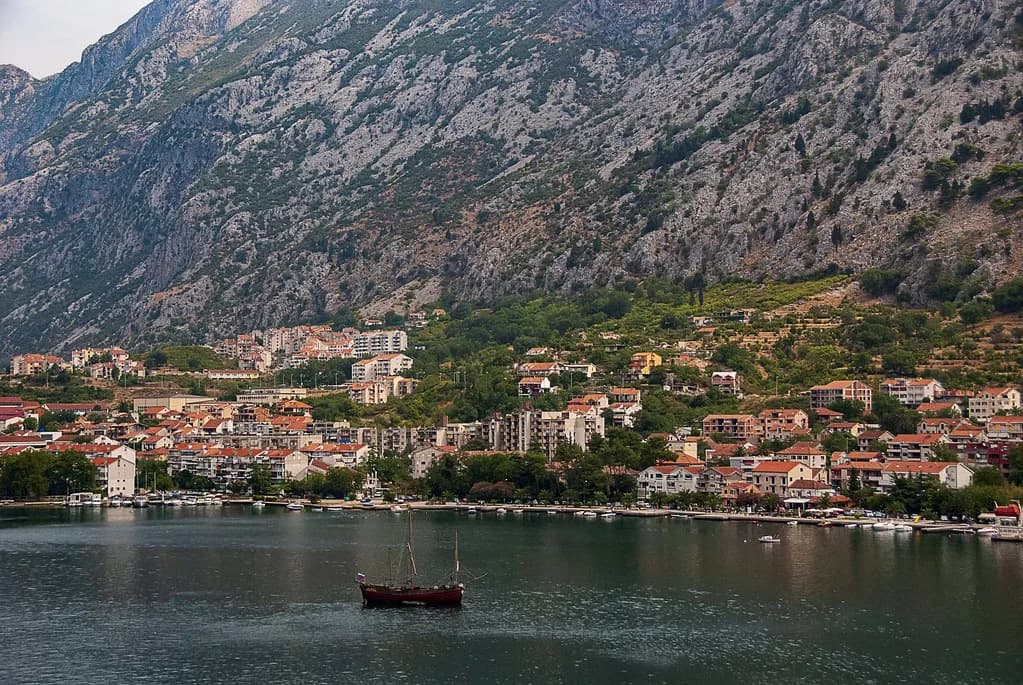
Yes, Kotor is expensive by Montenegrin standards, and no, it is not an expensive destination by European ones. The walled town on the Bay of Kotor charges the highest prices in Montenegro, yet a plate of seafood, a beer and a climb up the city walls together still cost less than a modest dinner in Dubrovnik. The question is really where your money goes, because a handful of paid extras add up faster than food does.
This guide separates the price level from the specific charges: what the fortress and the cable car take out of your day, what an Old Town meal looks like against a back-street one, and how the trip from Croatia or from Tivat shapes your budget before you even arrive. Montenegro uses the euro, which makes the arithmetic easy but the prices feel steeper than in dinar or lek countries next door.
The verdict: expensive for Montenegro, moderate for Europe
Kotor sits at the top of the Montenegrin price ladder. Travelers who have toured the rest of the country notice it immediately, because set meals elsewhere drop to a fraction of what the Old Town charges. If your benchmark is the Balkans, Kotor is the splurge; if your benchmark is the Adriatic coast of Croatia or Italy, it is a bargain.
The clearest evidence comes from eating out. A shared seafood platter in Kotor, with local specialties such as salted fried fish, black risotto, calamari and prawns, came to about €15, while a large cheese plate cost €10. Outside Kotor, set meals were around €7, which tells you how much of the town's price tag is simply location. Beer and wine track the same pattern: roughly €3–4 in Kotor against as little as €2 elsewhere in Montenegro. A bottle of water can reach €1. None of these figures will break a trip, but they explain why a week in Kotor costs more than a week in the north of the country.
Who Kotor's prices suit and who should base elsewhere
Kotor's prices suit travelers who want a compact, walkable, UNESCO-listed base with mountains and water in the same frame. It also suits anyone comparing the trip to Dubrovnik, because the same budget buys more here. Budget backpackers can still manage, provided they eat away from the Old Town and treat the paid sights as choices rather than obligations.
If your priority is a cheap beach holiday, the calculus changes. Budva, half an hour down the coast, is the resort town with the beaches and the nightlife, and it is worth pricing both before you commit. Travelers who mostly want to swim and sleep inexpensively will find Kotor's premium hard to justify; travelers who want the fortress, the bay and the old streets will find it reasonable.
Anyone weighing whether the town justifies its reputation should read our Kotor verdict before budgeting, since the cost question only matters if the place appeals. The honest answer is that most first-time visitors get their money's worth in a day and a half of walking the walls and the squares.
What the euro means for your budget
Montenegro is not in the European Union but uses the euro, and that single fact shapes how the country feels on your card statement. There is no favorable exchange rate to soften the Old Town's restaurant prices, and no local currency to make a coffee look cheap.
For American and British travelers, the practical consequence is that you should budget in euros from the start rather than converting from a Balkan currency you never hold. Carry some cash for small purchases and the fortress entrance, and treat card acceptance in the Old Town as convenient but not universal.
Typical costs: budget, mid-range and comfort days
At the tightest end, a backpacker can hold a day to roughly €20, and a very disciplined one might squeeze it toward €12 by cooking, walking everywhere and skipping paid attractions. That budget assumes hostel-style sleeping, bakery lunches and no cable car ticket; add either paid sight and the figure jumps.
Mid-range couples should plan around a comfortable private room, one restaurant meal a day in or near the Old Town, and one paid activity, which places Kotor well below a comparable day in Croatia. Comfort travelers who want waterfront dinners and boat tours will spend more, but the ceiling is low by western European standards because the underlying food and transport costs are modest.
The variable that catches people is not the meal but the extras: entrance fees, boat trips, adventure activities and the transfer from the airport. Those are the lines where Kotor starts to look expensive, and they are the ones to decide on deliberately rather than on impulse.
Eating out in Kotor: Old Town versus the back streets
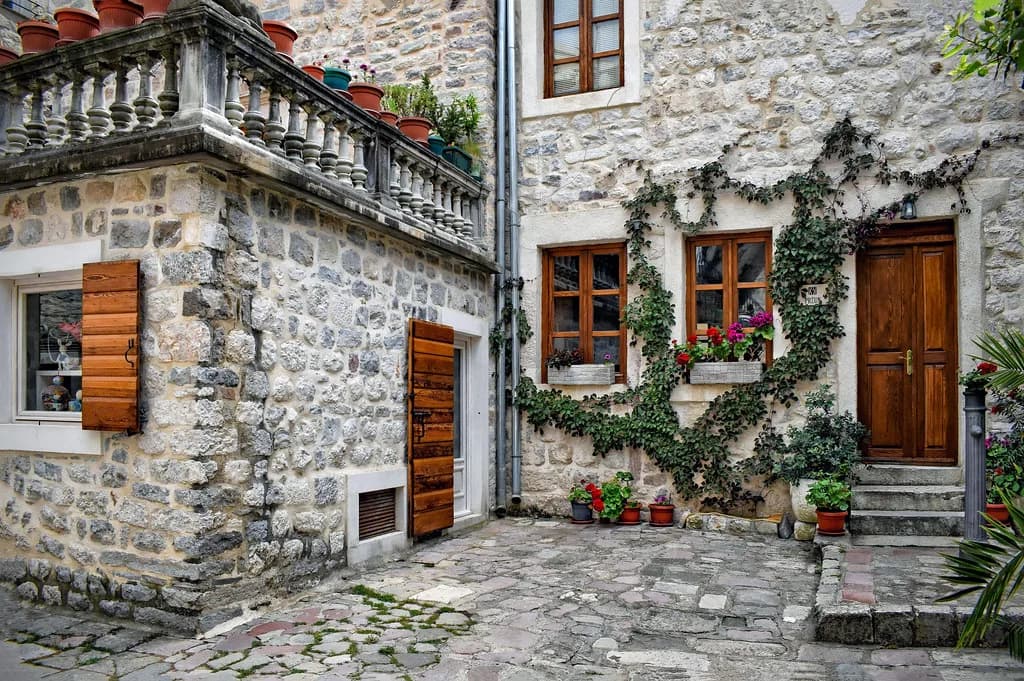
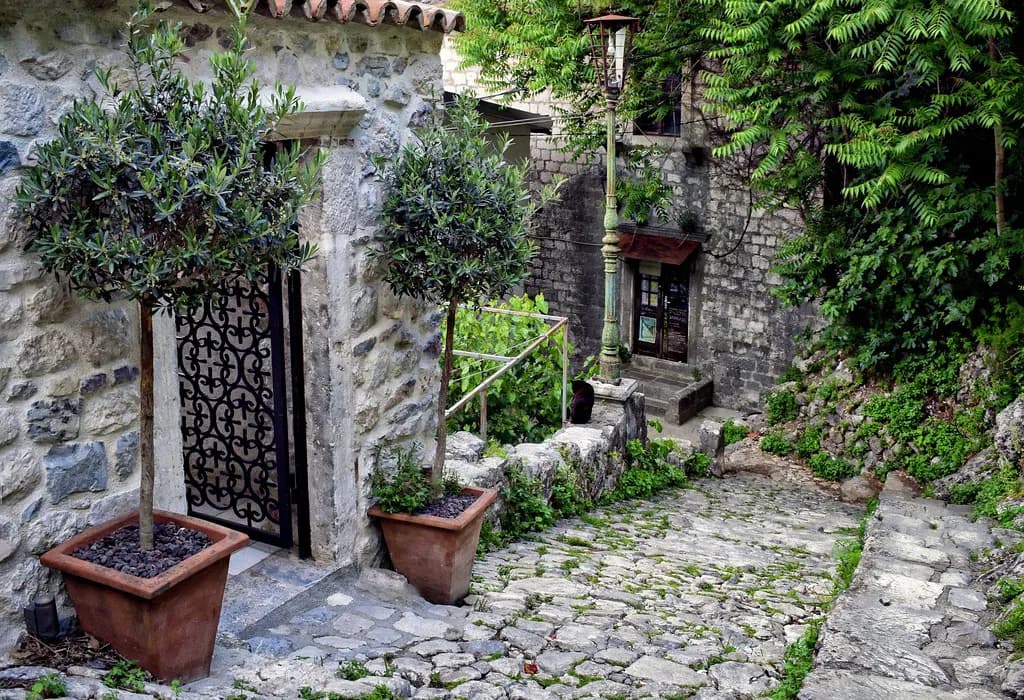
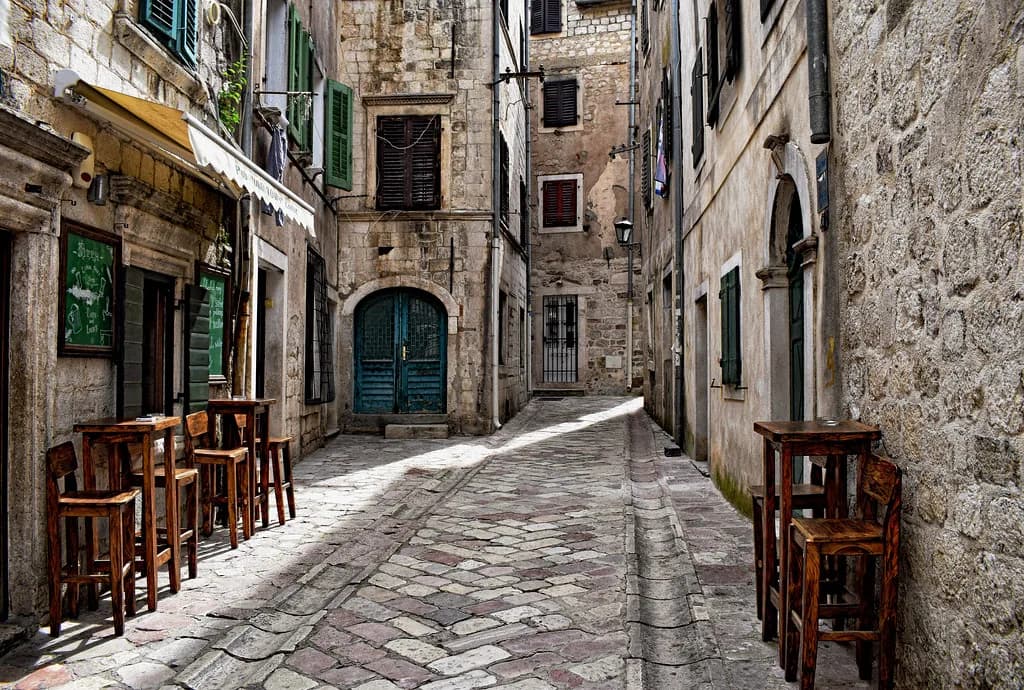
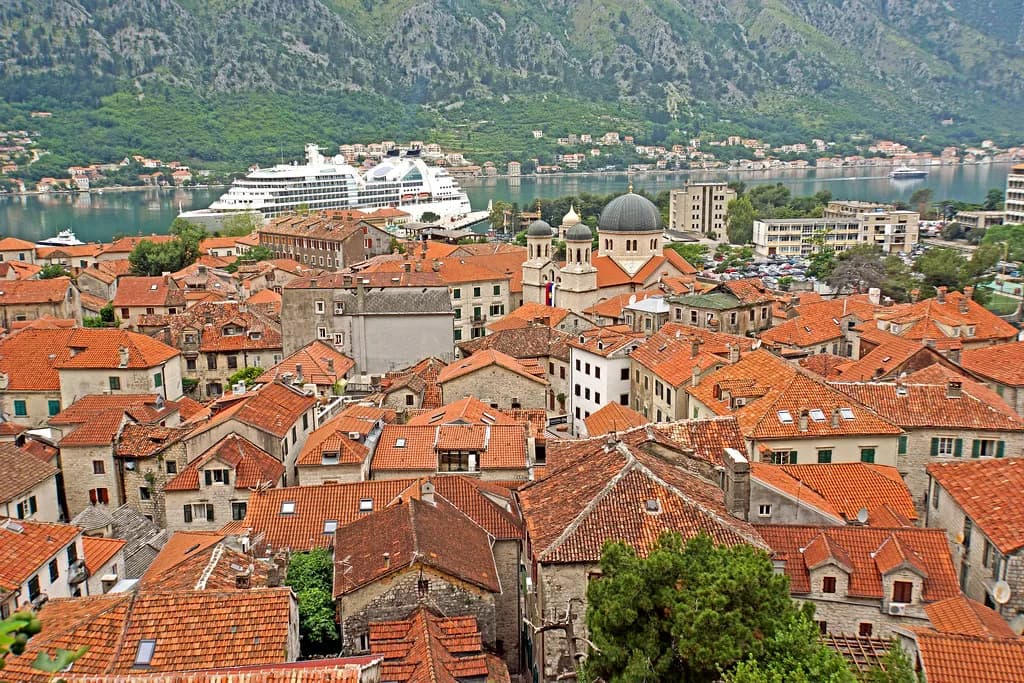
Inside the walls, you pay for the setting, and the setting is genuinely lovely. The Old Town is small enough to wander for days, with Venetian architecture, churches and cats in every alley, and a restaurant table in one of those lanes is part of the experience. Budget travelers who stay inside the walls for every meal will feel the premium.
A short walk out of the Old Town changes the arithmetic. Cheap eats, bakeries and local restaurants up the main road serve the same cuisine at lower prices, and a bakery breakfast is the cheapest way to start a day. Montenegrin food runs to meat, seafood, cheese and a strong Italian influence, with Njegusi prosciutto and soft local cheese among the things worth paying for.
Drinks follow the same geography. A pint of Nikšićko or a glass of wine runs a few euros in Kotor and less elsewhere, so a night out is cheap by any European measure as long as you are not ordering imported wine in a square.
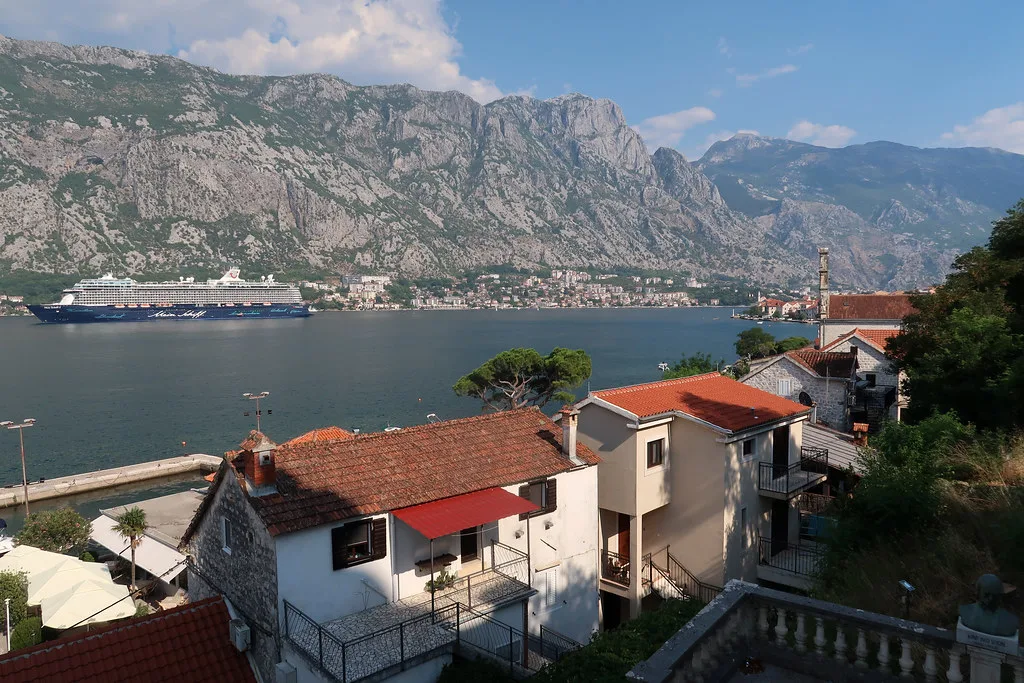
The fortress climb and the cable car: what the paid sights cost
Climbing to St. John's Fortress above the town is the signature Kotor activity and the cheapest big-ticket item on the list. Entry to the walls and the trail is €3, and the walk itself, with its switchbacks and ruined buildings, takes a couple of hours with stops. It is steep, hot in summer and not for anyone with bad knees, but the view over the bay is the reason most people come.
The cable car is the newer, pricier attraction, with one-way tickets starting at around €15 and rising in peak season. The ride lasts about ten minutes and delivers the widest view of the Bay of Kotor available without a long hike. If you only pay for one thing in Kotor, the fortress is the better value; the cable car is the better view for people who cannot or will not climb.
Adventure activities are where costs escalate quickly. Canyoning, via ferrata and paragliding trips start from roughly £80 or $90 and go up, which makes them the single biggest discretionary line in a Kotor budget. Book only what you would regret missing, since the free version of the same landscape, walking the walls or swimming in the bay, costs nothing.
A day trip to Sveti Stefan is the other notable fee: the island is closed to non-guests and the beach carries a €75 charge. Most travelers see it from the viewpoint above and move on, which is the sensible budget decision.
Beer, wine and coffee: what a night out runs
A night out in Kotor is inexpensive relative to western Europe and expensive relative to the rest of Montenegro. Beer by the bottle or draught is the default, wine by the glass is widely available, and rakia, the fruit brandy of the region, is often offered rather than ordered. Sip it; it is strong.
The atmosphere question matters more than the price. Kotor is not a party town, and its evenings are built around dinner and a drink in the Old Town rather than clubs. Travelers looking for nightlife should compare what Budva charges before choosing a base, since the resort town carries its own seasonal premium.
Getting to Kotor: Dubrovnik versus Tivat versus Podgorica
The arrival route is often the biggest single cost decision. Flying into Dubrovnik and traveling overland is a common budget move because flights to Croatia are cheaper and more frequent, with the drive to Kotor taking just under two hours by private transfer and longer by bus because of the border stop. A private shuttle from Dubrovnik Airport to Kotor runs around €80 and can be shared.
Tivat Airport is about 15 minutes from Kotor but has fewer and often pricier flights, while Podgorica is roughly an hour and a half away and is the capital's main gateway. The trade-off is simple: pay more for a short transfer or pay less to fly and spend the saving on the road. Buses from elsewhere in the region are the cheapest option, with a Mostar to Kotor service costing about €24. Comparing the options in our guide to how to get to Kotor, Montenegro is the fastest way to see which route wins on your dates.
Getting around: walking, buses and why taxis are the trap
Within Kotor you walk. The Old Town is pedestrian-only, the bus station is under ten minutes from its gate, and almost everything else in town is within a short stroll. That makes the local transport budget close to zero, which offsets some of the restaurant premium.
Taxis are the one place where Kotor's costs can spike without warning, and reports of very high fares for short rides are common enough to treat the meter with suspicion. Have your accommodation arrange any necessary ride, or use the buses along the bay. There are no trains to Kotor itself.
How long you stay determines how much of this matters. Two nights keeps the paid sights and the Old Town meals close together and limits the number of restaurant dinners you pay for, which is why our guide to how many days in Kotor matters as much as any price list.
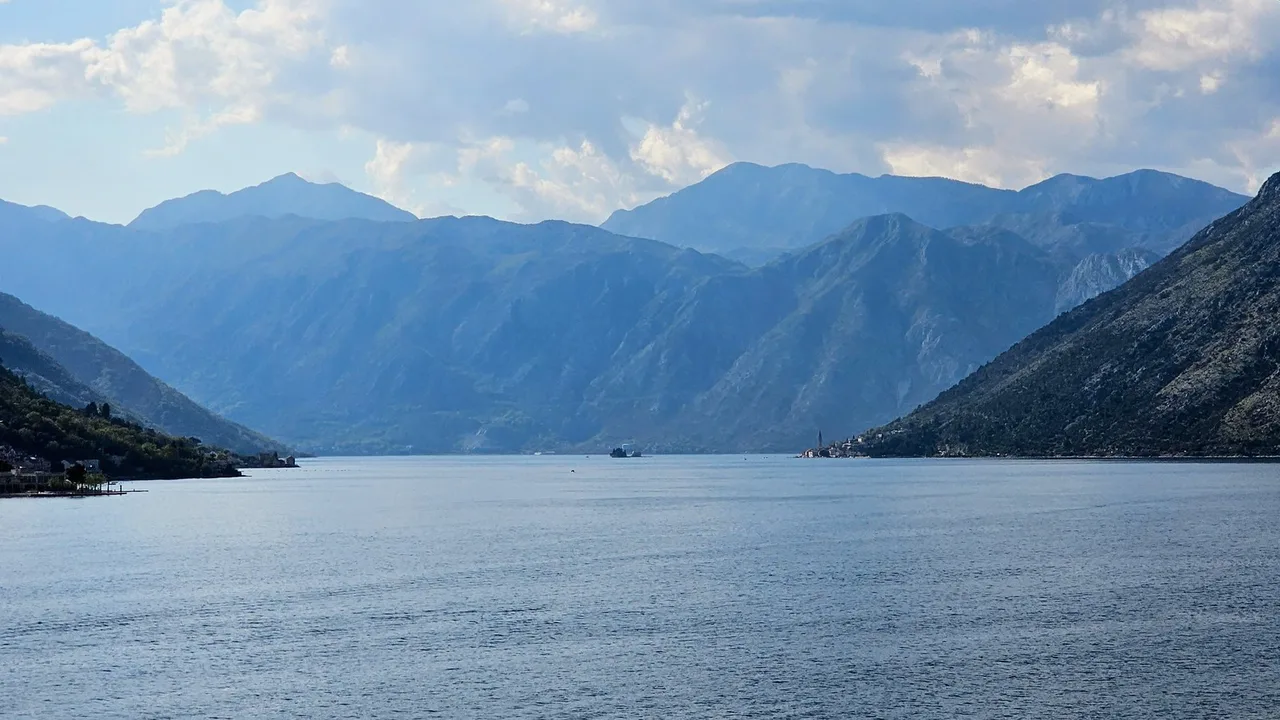
Day trips that stretch your money: Perast, Budva, the bay loop
Kotor rewards travelers who use it as a base, because the best-value days are the ones that cost almost nothing. Perast, a short bus or boat ride around the bay, is known for the artificial island and the church of Our Lady of the Rocks, and the villages around the water are free to wander. A circular bike route around the bay involves a short ferry hop between Lepetane and Kamenari.
Budva is the beach counterpart, half an hour away by road, and Herceg Novi sits at the other end of the bay. Further afield, tours reach Tara Canyon and Durmitor National Park, and organized day trips are the easiest way to see them without a car. Each of these adds transport cost but replaces a day of Old Town restaurant spending, so the net effect on your budget is often neutral, and weighing Kotor vs Budva on price and mood is worth an evening before you book.
Kotor versus Croatia on price
The comparison most travelers are actually making is Kotor against Dubrovnik. Croatia has used the euro since 1 January 2023, so there is no currency advantage, and Dubrovnik's Old Town is the more crowded and more expensive of the two. Kotor's walled town is more compact and, by most accounts, calmer to walk.
On food, the gap is real: a shared seafood platter and a plate of cheese in Kotor cost less than a comparable meal inside Dubrovnik's walls. On accommodation and tours, the gap narrows. The practical verdict is that Kotor gives you a similar Adriatic experience for noticeably less, provided you do not add a cable car ticket and a Sveti Stefan beach fee to the same day.
Where Kotor costs catch people out
Cruise ships are the invisible cost multiplier. When a large ship docks at the head of the bay, the Old Town fills with guided groups, restaurants get busier and the atmosphere thins. Early mornings and late evenings are cheaper in spirit if not in price, and staying overnight rather than day-tripping is the single best way to get value from Kotor.
Season matters too. Summer is hot, busy and priced at its peak, while spring and early autumn bring fewer people and better conditions for hiking. Kotor in September and Kotor in May are the months where the balance usually works best, with warm water at one end and manageable heat at the other.
The last trap is the beach assumption. Kotor's own shore is a small pebbly strip rather than a beach destination, and travelers who budget for lazy beach days may find themselves paying for transport to better swimming spots around the bay.
Is Kotor expensive? The final answer by traveler type
Budget backpackers: Kotor is manageable but not the cheapest stop in Montenegro. Sleep outside the Old Town, eat where locals eat, walk the walls instead of riding the cable car, and a day can stay cheap by regional standards. Anyone who wants the cheapest possible Balkan week should spend more of it inland or in the north.
Mid-range couples: Kotor is good value. One nice dinner a day, a private room and one paid sight fit comfortably inside a Croatian coastal budget, and the bay scenery comes free. Comfort travelers will find the ceiling low and the setting hard to beat, though the cable car and adventure trips are where the bill grows.
The final verdict: Kotor is expensive for Montenegro and moderate for Europe, and it is worth the premium if you stay overnight and use the town as a base rather than a day trip. If your trip is mostly about cheap beaches, base yourself elsewhere on the coast and visit Kotor for a day.
Explore more Kotor trip-decision guides
Frequently Asked Questions
Is Kotor expensive compared with the rest of Montenegro?
Yes. Kotor is the priciest stop on the Montenegrin coast, with restaurant meals and drinks costing noticeably more than in towns outside the bay. Set meals elsewhere in the country run well below what the Old Town charges, so travelers touring Montenegro should expect Kotor to be the high point of their food spending.
How much does it cost to climb the Kotor fortress?
The city walls and the trail up to St. John's Fortress carry a modest entry charge that has historically been small enough to make it the best-value paid sight in town. Confirm the current fee at the ticket point near the Old Town gate, since it is set locally. The lower bastions inside the Old Town are free to walk.
Is the Kotor cable car worth the ticket price?
It depends on your knees. One-way tickets are priced from a mid-teens euro figure and rise in peak season for a ride of about ten minutes, which is steep for the duration but delivers the broadest view of the bay. If you can do the fortress climb, that is the better value; if you cannot, the cable car is the view.
Is Kotor cheaper than Dubrovnik?
Yes, on food and drink, and the gap narrows on accommodation and tours. Croatia has used the euro since 2023, so there is no currency advantage on the Croatian side. A shared seafood platter and a cheese plate in Kotor cost less than a comparable meal inside Dubrovnik's walls.
Can you visit Kotor on a budget?
Yes, with discipline. A backpacker can keep daily spending in the low twenties of euros by staying outside the Old Town, eating bakery food and local restaurant meals, walking everywhere and treating the paid sights as choices. Skipping the cable car and adventure activities is what keeps the figure low.
How much is a bus from Dubrovnik to Kotor?
Prices vary by operator and season, so check the schedule and fare with the bus company or your accommodation before you travel. The overland route takes just under two hours by private transfer and longer by bus because of the border crossing.
Do you need cash in Kotor?
Carry some. Montenegro uses the euro, and while cards are widely accepted in the Old Town, small purchases, the fortress entrance and local buses are easier with cash. Withdraw from a bank ATM rather than a standalone machine to limit fees.
Is Kotor worth it if I am on a tight budget?
Yes, if you use it as a base rather than a luxury stop. The Old Town, the bay, the churches and the lower bastions cost nothing, and the best day trips around the bay are cheap. The town's reputation for expense comes from its restaurants and paid attractions, both of which you can control.
Sources
Trip-decision notes
Optional updates when we publish or revise a destination verdict.
You might also like
Continue reading
More guides you'll find useful