Is Montenegro Cheap? An Honest Verdict on Costs for 2026
Montenegro is cheaper than Western Europe but not always cheap on the coast in July and August. Here are realistic daily budgets and where costs bite.
On this page
Yes, Montenegro is cheap by Western European standards, and no, it is not cheap by Balkan ones. Expect to spend noticeably less than you would in Croatia, Italy or France for the same coastal scenery, but more than you would in Bosnia and Herzegovina or Serbia for a meal, a room and a bus ticket. The single biggest variable is not your taste in restaurants but where and when you go: Kotor, Budva and Tivat in July and August behave like a different country from Durmitor or Lake Skadar in June.
The verdict: cheap by Western European standards, mid-priced by Balkan ones
Against Croatia, Italy or France, Montenegro still looks like a bargain: the same Adriatic water, the same limestone mountains, and a bill that lands well below what a comparable coastal week would cost further north. Against Bosnia and Herzegovina or Serbia it loses that edge, because everyday restaurant and accommodation prices run a little higher. Budget travelers who have been moving through the Balkans often find Montenegro the first place where the numbers start to climb.
The country also has a split personality that no single average captures. Inland, in the mountains around Durmitor, Žabljak and Lake Skadar, prices feel closer to the rest of the Balkans. On the Bay of Kotor and the Budva Riviera in high summer, they do not. Treat the coast and the interior as two separate budgets and the planning gets much easier.
Who will find Montenegro good value, and who should budget more
Hikers, kayakers, backpackers and anyone who builds a trip around national parks will find Montenegro excellent value. Trails, viewpoints, old towns and beaches cost little or nothing, and a day spent walking the Durmitorring or swimming off the coast can end with a very small bill. Hostels and simple rooms start low, and bakeries and local eateries keep food cheap.
Couples who want a sea-view room in Kotor Old Town or a beachfront hotel in Budva in August should plan for comfort-tier spending rather than budget-tier. Families on a school-holiday schedule get hit twice: peak accommodation rates and peak car-rental rates at the same time. Anyone comparing Montenegro with Greece or Croatia on price alone will still come out ahead, but the gap is narrower than the brochure suggests.
How much a day costs: budget, mid-range and comfort
Per person per day, including accommodation, food, local transport and basic activities but excluding international flights, the usual bands are roughly €40–€70 for a budget traveler, €70–€150 for mid-range, €150–€250 for comfort and €250–€400 and up for luxury. Those are typical ranges rather than fixed 2026 rates, so treat them as a planning frame. What each band buys changes sharply between May and August.
A budget day usually means a hostel or simple room, bakery breakfast, one casual meal out, buses or shared transport and free activities such as swimming, hiking or wandering an old town. A mid-range day adds a private apartment or mid-range hotel room, a sit-down dinner and a paid boat trip or park entry. The comfort tier buys sea views, Old Town addresses and guided excursions.
Where the money goes: rooms, food, transport and paid activities
Accommodation is the biggest line item and the one that swings hardest with season. Simple rooms and hostels sit at the bottom of the range, budget apartments and mid-range hotels in the middle, and boutique or sea-view properties at the top, with July and August pushing everything upward. In coastal towns, the difference between a waterfront address and a village ten minutes inland is often the difference between blowing the budget and not.
Food is where Montenegro still feels affordable. Coffee typically lands in the low single digits in euros, a bakery snack costs a couple of euros, and a local meal away from the promenade is a modest outlay. Casual restaurants and waterfront seafood places cost noticeably more, which is why locals eat a street back from the sea.
Transport is the line item travelers most often underestimate. The country is compact, but the bay, the mountains and the winding roads make every journey slower than the map implies, and renting a car for the whole trip when you only need it for the mountain leg is an easy way to overspend. Fuel is priced per liter and varies with the market rather than the season.
Food and drink prices: bakeries, local meals, coffee and waterfront restaurants
The cheapest good eating in Montenegro is the bakery counter: burek, pastries and a yogurt make a breakfast for a few euros, and every town has one. Local restaurants serving riblja čorba, grilled squid or jagnjetina ispod sača charge moderate prices, while seafood restaurants on the waterfront in Kotor or Budva charge tourist prices for the view as much as the fish. A glass of Vranac or Krstač with dinner is inexpensive by Western European standards.
Markets are worth using for picnic supplies: Njeguši cheese, pršut, tomatoes and fruit cost less than supermarket equivalents and make a better lunch on a hike or a beach. Wine in shops is cheap enough that a bottle with a balcony view is a normal evening rather than a splurge. Alcohol in bars and restaurants costs more, but rarely in the range that would surprise a visitor from Italy or Croatia.
Transport costs: car rental, fuel, buses and airport transfers
Car rental runs from roughly €25 to €70 per day depending on season and vehicle, and it is the single purchase that most changes what you can see. A car unlocks Durmitor, Lake Skadar and the mountain roads between them, but it also means parking in Kotor and Budva, which is scarce and priced accordingly in summer. If you are weighing whether to drive, renting a car in Montenegro is the decision worth making before you book flights. Buses are the budget option between coastal towns and inland cities, with fares that stay low; the hop from Budva to Kotor is only a few euros, and the train from Podgorica toward Virpazar is cheaper still. Airport transfers from Tivat or Podgorica run from about €20 to €80 depending on distance, so a shared shuttle or a bus into town can halve the arrival cost. Travelers flying into Dubrovnik should price the cross-border transfer before committing.
The coast-versus-inland price split: Kotor, Budva and Tivat against Durmitor and Lake Skadar
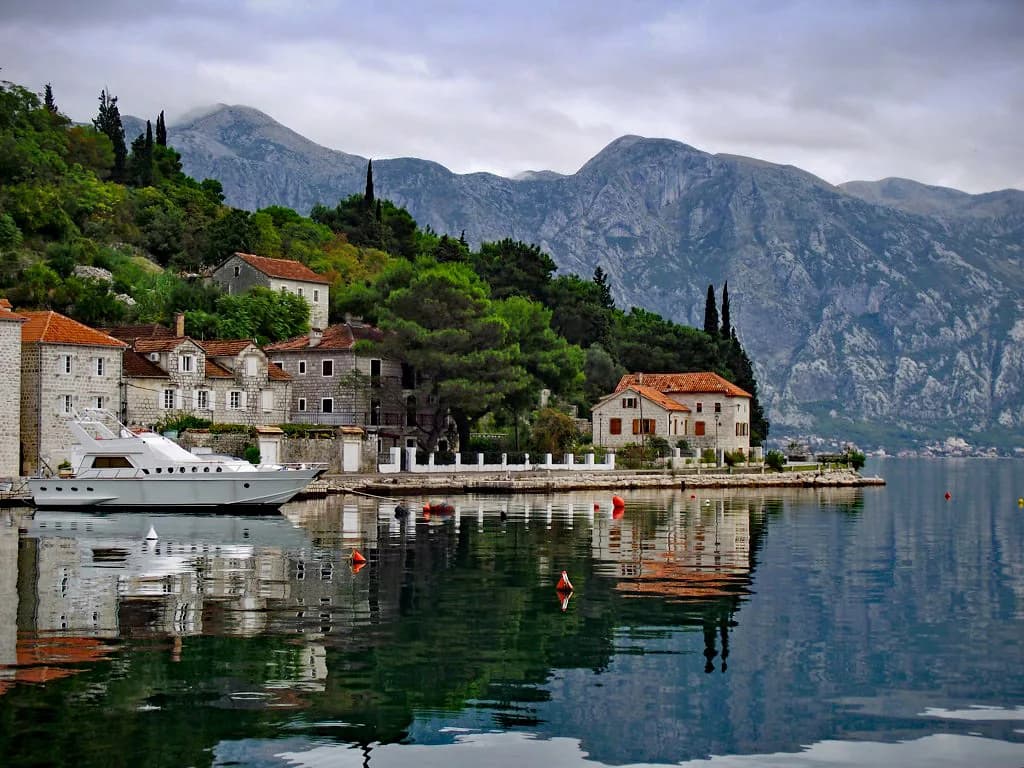
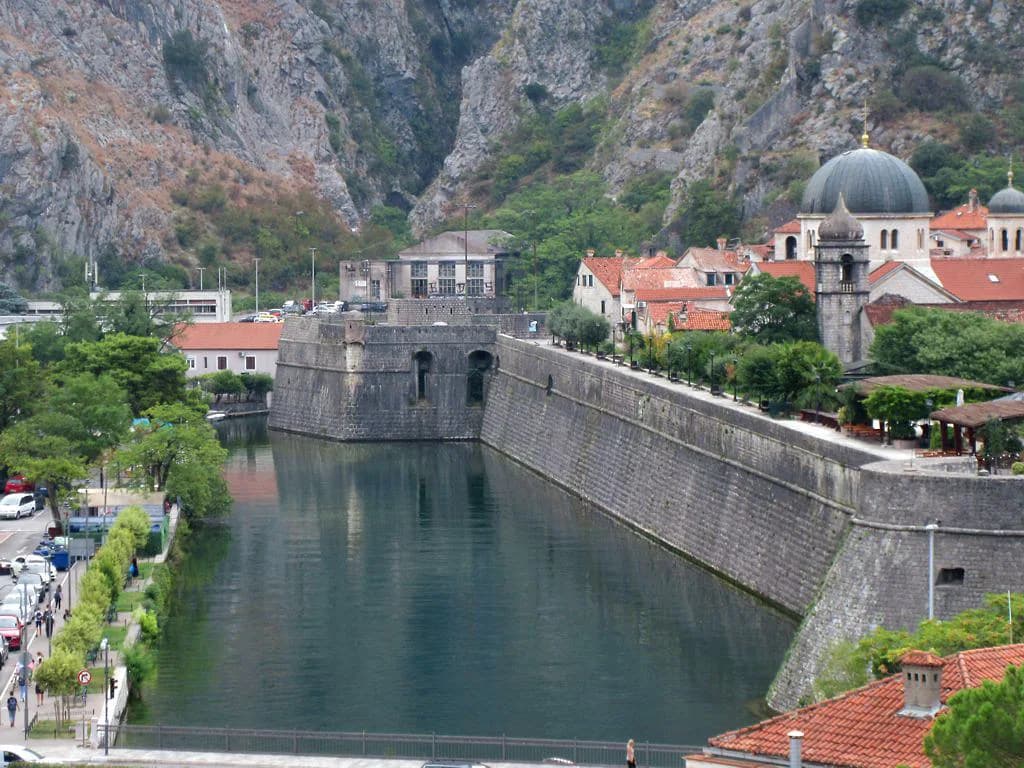
Kotor is the most expensive base on the bay, driven by Old Town addresses, the cruise-ship trade and limited parking. Staying in Dobrota or a nearby village a short walk along the water usually cuts the room rate without cutting the view. How expensive Kotor is depends almost entirely on whether you insist on sleeping inside the walls.
Budva has more beds and more competition, so mid-range apartments are easier to find, but prices near the beach and the nightlife strip climb fast in July and August. Bečići and the villages behind the town offer better value for the same coastline. If Budva is your base, is Budva expensive is mostly a question of how close to the sand you want to sleep.
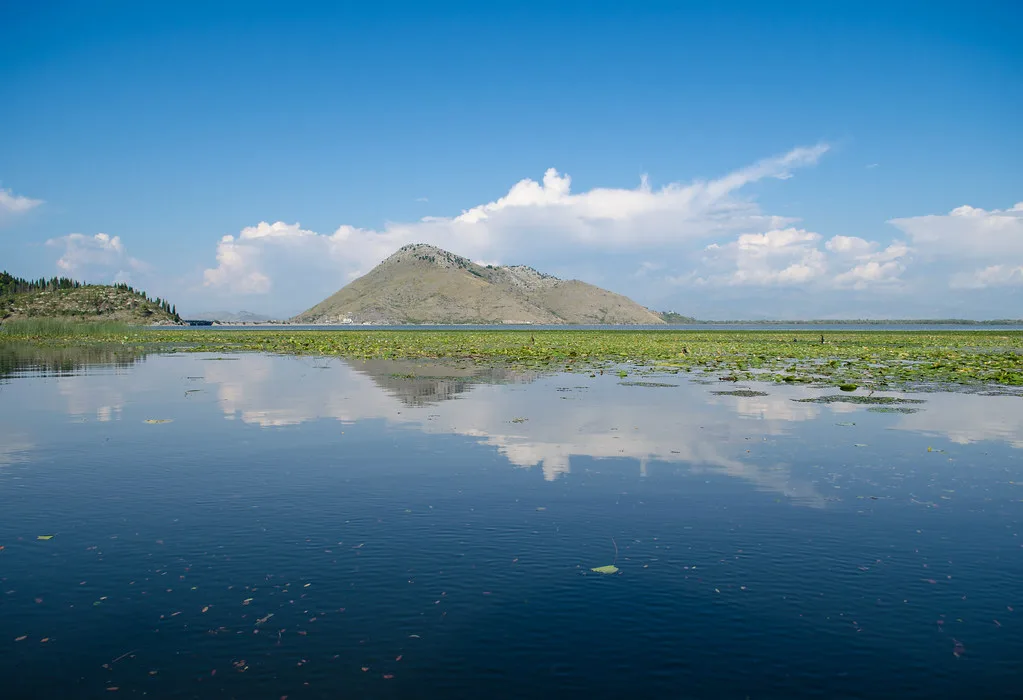
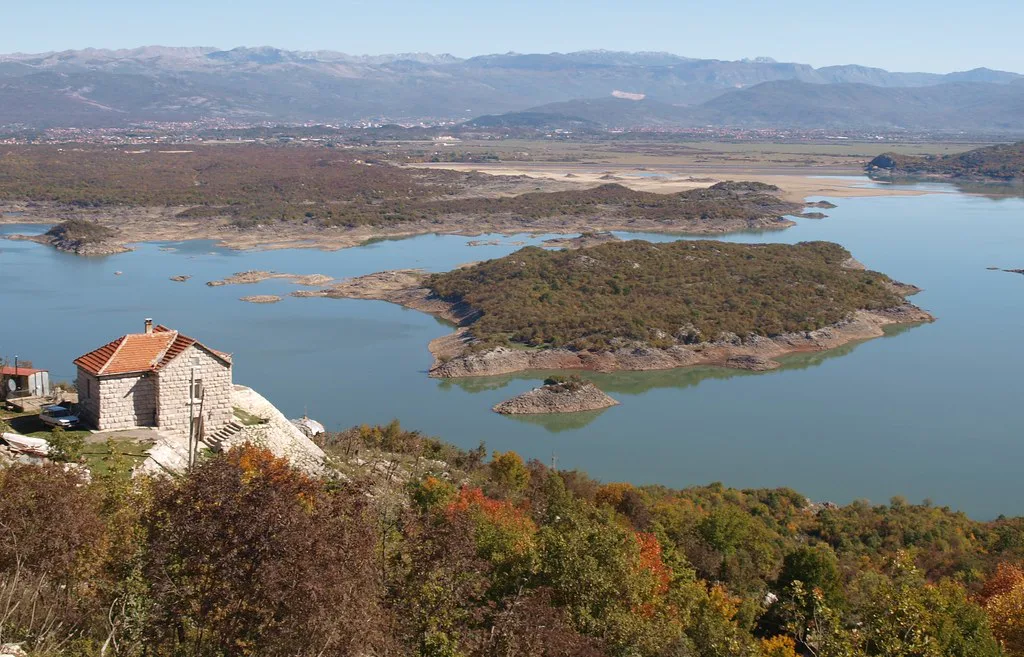
Inland, the picture flips. Durmitor, Lake Skadar, Nikšić and the smaller mountain towns charge less for rooms and food, and the best experiences, hiking, viewpoints, kayaking, are the cheapest ones. Tivat sits at the pricier end of the coast, shaped by the marina and the airport, so it works better as a transport hub than as a budget base.
How much a week costs: three-day, one-week and ten-day trip estimates
Sample totals for mid-range travelers, excluding flights, run to roughly €180–€450 per person for a short three-day coastal stay, €600–€1,300 for a balanced week, and €900–€1,800 for a ten-day coast-and-mountains road trip that includes car rental, a boat tour and national park entry. Budget travelers can come in below those figures and comfort travelers above them. The biggest swing factors are season and how early you book coastal rooms.
A week split between the Bay of Kotor and Durmitor usually delivers more for the money than a week parked on one beach, because the mountain half costs less and the driving between them is short. Build the plan around one paid boat trip, one national park and free walking the rest of the time. A Montenegro itinerary that alternates coast and interior tends to keep the daily average down.
Cheapest months versus the July and August spike
April, May, early June, September and October are the value months: the same scenery, fewer people and softer room rates, with June and September offering the best balance of weather and price. July and August are the most expensive months on the coast, with hotels, apartments, car rentals and popular tours all at their peak. The difference between a late-June week and an August week can be the largest single saving in your budget.
Shoulder-season travel has its own trade-offs: some beach bars and boat operators run reduced schedules outside the summer peak, and mountain weather is less predictable in spring and autumn. The Bay of Kotor is at its best for walking in May and September, when the heat is manageable and the crowds thinner. For a mountain-focused trip, midsummer is the reliable window for high-altitude trails.
Drawbacks: peak-season prices, slow mountain roads and cash-only corners
Three things routinely blow a Montenegro budget. The first is arriving in Kotor or Budva in August without a reservation, when last-minute rates are at their worst. The second is underestimating drive times: the bay road and the mountain passes take far longer than the distance suggests, which can turn a cheap day trip into a paid overnight. The third is assuming every small operator takes a card.
Cards are widely accepted in towns and tourist areas, but cash still matters for parking, small cafés, rural restaurants and markets. The euro is the currency, so there is no exchange loss on arrival from the eurozone, but non-euro visitors should plan how to draw cash without piling up fees. Practical detail on cards, ATMs and payments is in our money in Montenegro guide.
Ways to keep costs down without wrecking the trip
Stay slightly outside the headline addresses, in Dobrota rather than Kotor Old Town, Bečići rather than the Budva waterfront, or a guesthouse near Lake Skadar, and put the saving into one good experience instead of a room you barely use. Book coastal accommodation early rather than last-minute, when summer rates are at their least forgiving. Eat where the locals eat, a street back from the promenade, and use bakeries for breakfast.
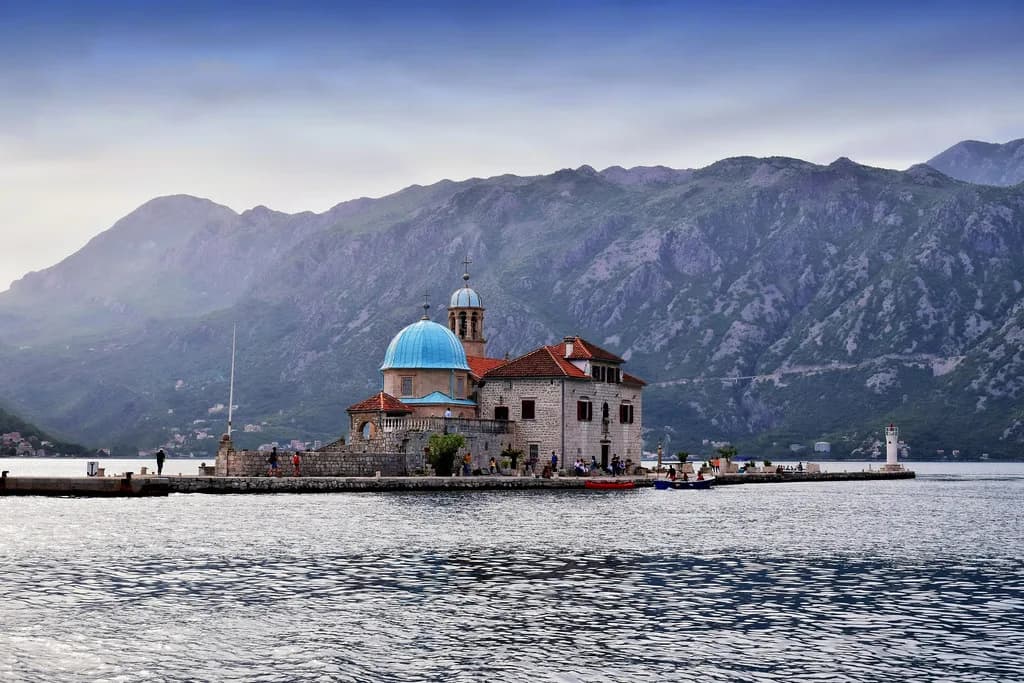
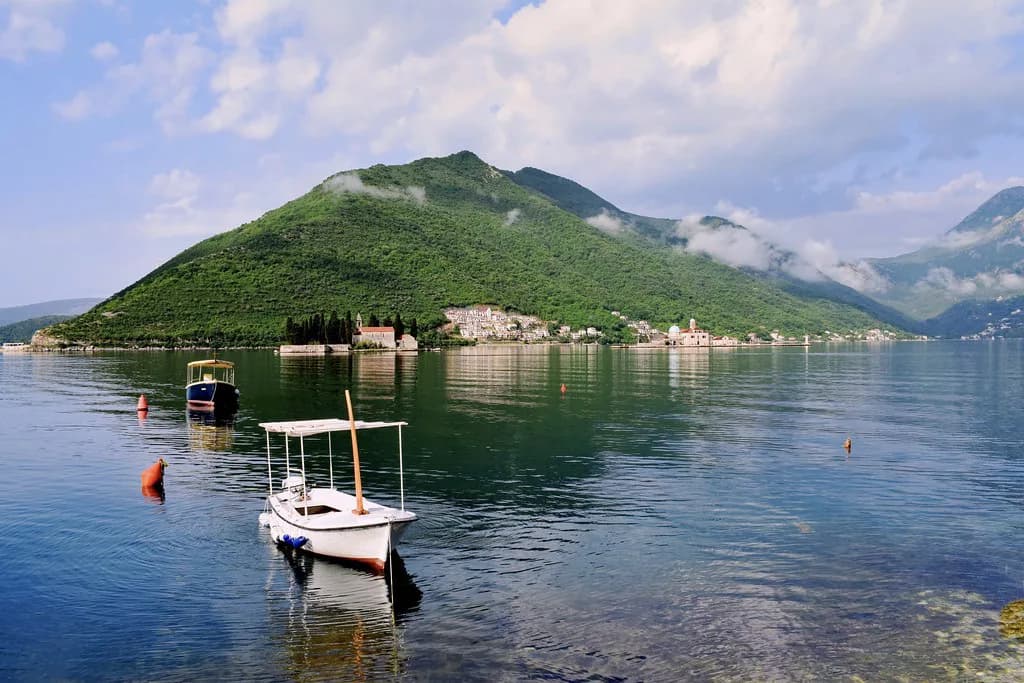
Rent a car only for the days you actually need it, for the Durmitor and Lake Skadar legs, and use buses along the coast where parking is painful and expensive. Mix free nature, viewpoints, beaches and old towns, with one or two paid excursions such as a boat trip to Our Lady of the Rocks or a guided rafting day. That mix keeps the trip interesting and the daily spend low.
Other costs travelers ask about: eating out, wine and living here
Wine is cheap in shops and moderate in restaurants, and a bottle of local Vranac is one of the better-value pleasures in the country. Restaurant bills depend almost entirely on location: a konoba inland charges a fraction of a seafood place on the Kotor waterfront for a comparable meal. Coffee culture is inexpensive and sits at the center of daily life in every town square.
Long-stay visitors and remote workers find the inland cities, Podgorica and Nikšić among them, cheaper for rent and everyday expenses than the coast. That cost-of-living comparison is a different exercise from a holiday budget, and anyone considering a longer stay should look at local listings and the Central Bank of Montenegro rather than tourist price guides. Short trips remain the cheaper way to enjoy the country.
Plan Your Visit
Montenegro rewards travelers who plan around the coast-versus-inland split and the season rather than around a single daily figure. Book coastal rooms early, aim for June or September, put the car rental money into the mountain half of the trip, and the country delivers Adriatic scenery at well under Western European prices. If you are still deciding whether the country earns a place on your route, our Montenegro verdict weighs the coast and the mountains against the alternatives.
Frequently Asked Questions
Is Montenegro cheap for tourists?
It is cheap compared with Western Europe and only mid-priced compared with the rest of the Balkans. Coastal towns in July and August push prices toward the higher end, while the mountains and Lake Skadar stay affordable year-round.
How much does a day in Montenegro cost?
Plan on budget days at the lower end, mid-range days in the middle and comfort days well above that, with accommodation, food, local transport and basic activities included. Season and location move the figure more than personal spending habits do.
Is Montenegro cheaper than Croatia?
Generally yes, for comparable coastal scenery, food and accommodation. The gap narrows in peak summer on the Bay of Kotor and the Budva Riviera, where prices are set with the international market in mind.
Is Montenegro expensive in summer?
July and August are the most expensive months, especially for coastal hotels, apartments, car rental and popular tours. Late June and September usually deliver similar weather at noticeably lower rates.
How much is a week in Montenegro?
A balanced mid-range week typically lands somewhere in the middle four figures in euros per person, excluding flights, depending on season and whether you rent a car. Budget travelers spend less and comfort travelers more.
Is cash needed in Montenegro?
Cards work in most towns and tourist areas, but cash is useful for parking, small cafés, markets and rural restaurants. The euro is the currency, which simplifies things for visitors arriving from the eurozone.
When is the cheapest time to visit Montenegro?
April, May, early June, September and October offer the best value, with June and September the sweet spot for weather and price. Peak July and August rates on the coast are the ones to avoid.
Can I visit Montenegro on a budget?
Yes. Hostels and simple rooms, bakery breakfasts, local restaurants, buses and free nature-based activities keep costs low. The main risks to a budget are peak-season coastal accommodation and a car rented for longer than you need it.
Sources
Trip-decision notes
Optional updates when we publish or revise a destination verdict.
You might also like
Continue reading
More guides you'll find useful