Montenegro Itinerary: How Many Days You Need
A Montenegro itinerary built around how many days you actually have, with coastal and mountain routes, drive times, and honest trade-offs.
On this page
Seven days is the right answer for most first trips to Montenegro. That gives you two or three nights on the Bay of Kotor, two nights in Durmitor National Park around Žabljak, and a night or two on the Budva Riviera or at Lake Skadar, with real driving time between them rather than a blur of one-night stops.
The country is small but the roads are slow, and that is what decides your itinerary. A coastal base and a mountain base are roughly three hours apart, so every extra region you add costs a full day of moving as well as the day you spend there. If you are still weighing whether the trip is worth taking at all, our verdict on whether Montenegro is worth visiting sets out the case before you commit.
The verdict: how many days Montenegro deserves
Give Montenegro a week. Three days is enough only if you want Kotor, Perast and the bay and nothing else; it is a coastal city break, not a country trip. Five days buys you the bay plus either the Budva Riviera or a single push into the mountains, and you will feel the compromise in a single night at each end.
Seven days is the sweet spot because it covers the two things Montenegro does best: the walled Bay of Kotor and the limestone high country around Durmitor. Ten days to two weeks lets you add Prokletije National Park in the east, the remote Maganik range and the wine country around Lake Skadar without rushing, and a fortnight is genuinely comfortable rather than tight.
Seven days is not too long, but a badly built seven days is. The classic mistake is sleeping in a different town every night along the coast, which burns hours on the same stretch of road. Base yourself twice, once on the bay and once in the mountains, and day-trip from each.
Who should shorten this trip and who should extend it
Shorten to three or four days if you are combining Montenegro with Dubrovnik or a wider Balkan loop. The Bay of Kotor alone justifies the detour, and Kotor sits close enough to the Croatian border that a coastal stop costs you little time. Families with small children and travellers who want a single beach base should also trim the mountain leg rather than try to do both halves badly.
Extend past a week if you hike. Durmitor alone holds days of trails, from the easy loop around Black Lake to the summit of Bobotov Kuk at 2,523 meters, and Prokletije and the Maganik Mountains add wilder, emptier routes on rough access roads. Photographers and road-trippers should also add days: the serpentine climb above Kotor and the P14 through Piva Canyon are the kind of roads you want to drive slowly, in daylight.
If your real question is coast versus mountains, the honest answer is that they suit different people. Beach-first travelers can cut the interior entirely and still have a good trip; hikers who spend a week on the Riviera will come home wondering why they skipped the north.
When to go: May to October as the practical window
Late spring to early autumn is when the whole itinerary works. May and early June bring quiet mountain roads and blooming meadows in Durmitor and Prokletije, though high trails such as Bobotov Kuk can hold lingering snow patches into early June. Late June through August is hot on the coast and mild in the high country, with long days that make the big drives easier.
September and October are the best compromise for a mixed coast-and-mountain route: fewer people, stable weather in both halves, and dry trails usually through mid-October before snow returns to high alpine areas like Prokletije. Coastal summers are genuinely hot rather than merely warm: the hiking sources repeatedly warn about midday heat on exposed climbs like the fortress above Kotor, so start early.
Outside that window the trip changes character. Coastal towns stay mild in winter, but mountain roads and high trails become a different proposition and many seasonal businesses on the Riviera close. For a fuller month-by-month breakdown, the best time to visit Montenegro is worth reading before you fix dates.
The four building blocks: Bay of Kotor, Budva Riviera, Durmitor, Lake Skadar
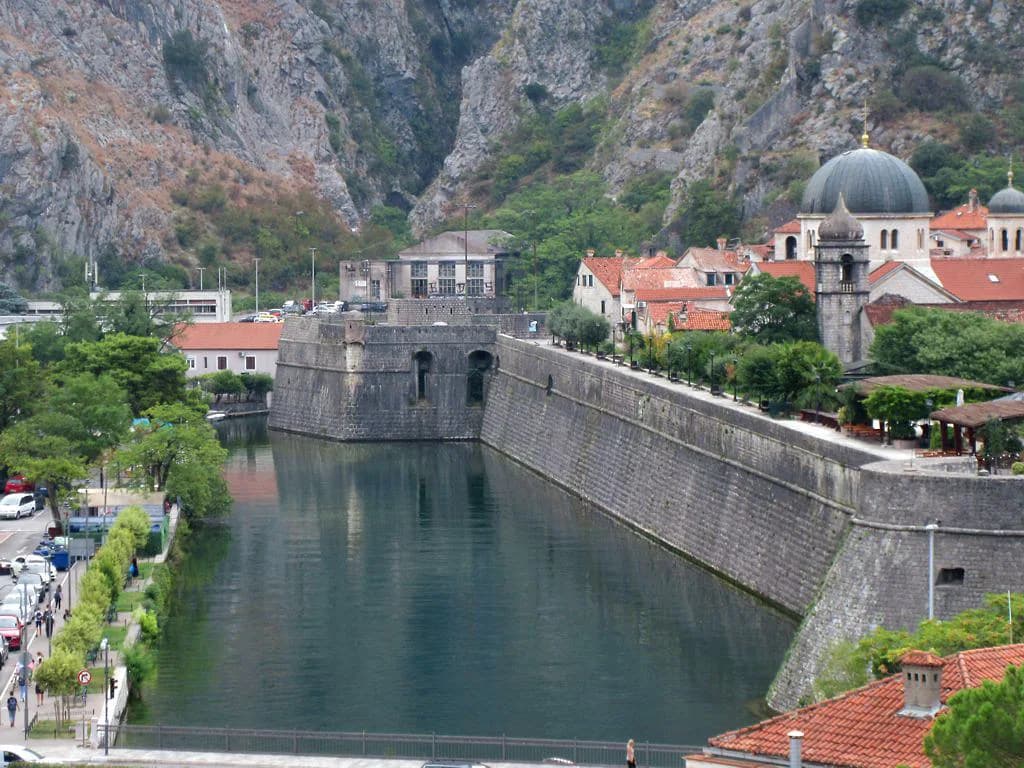
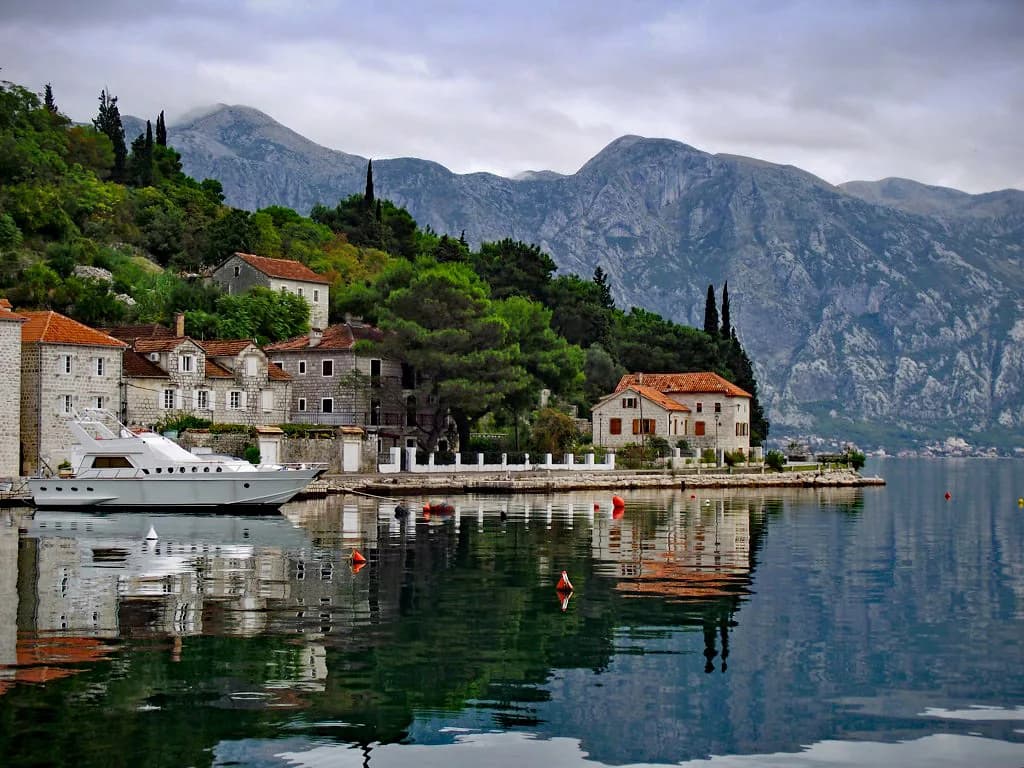
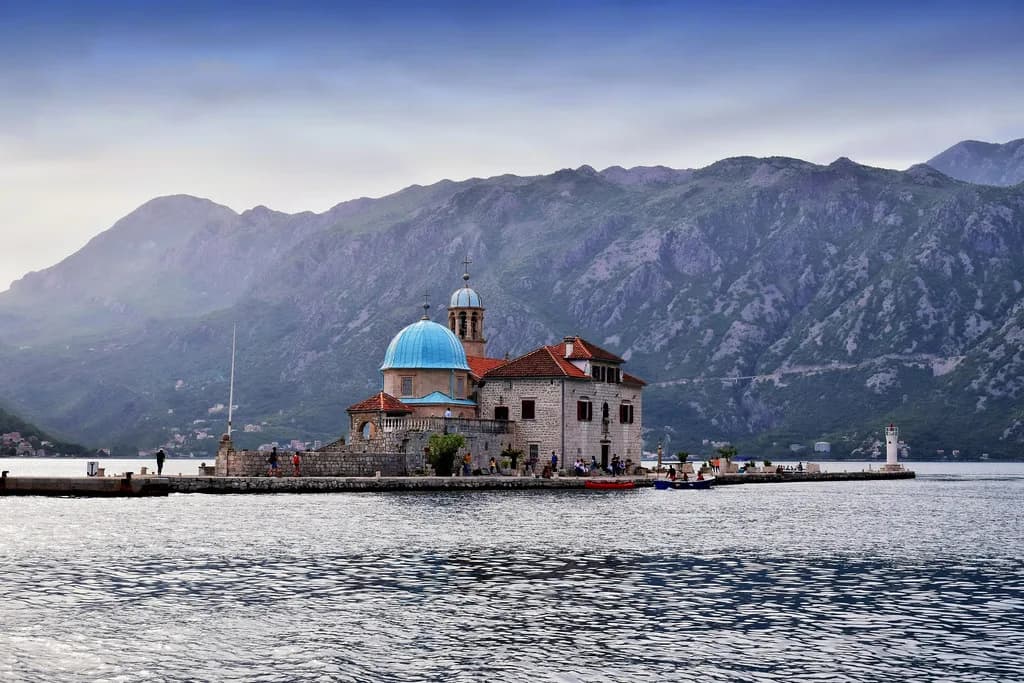
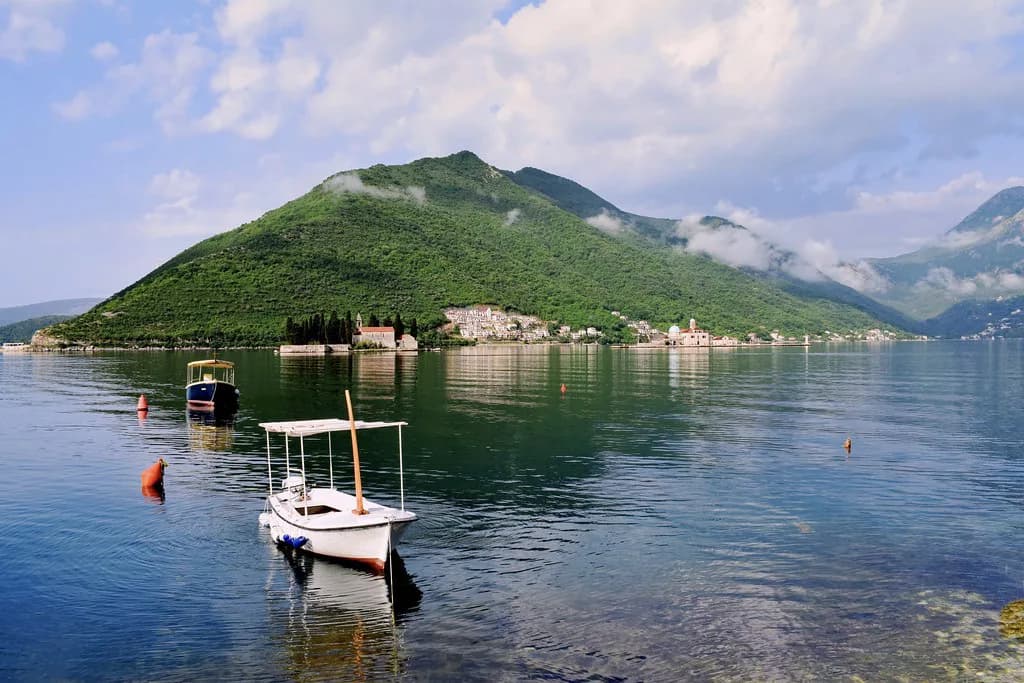
The Bay of Kotor is the anchor: the UNESCO-listed walled town of Kotor, the baroque village of Perast 20 minutes away by car, and the man-made islet of Our Lady of the Rocks with its church of silver votive plates. The fortress hike above Kotor runs 1,350 steps and takes roughly two hours return, and it is the single best view in the country.
The Budva Riviera is the beach half: Budva's own walled Old Town, Mogren Beach under the cliffs, and Sveti Stefan, the fortified islet on a causeway whose terracotta roofs you photograph from the viewpoint above rather than visit, since the island itself is a resort closed to non-guests. Public beaches sit on either side of the causeway.
Durmitor National Park is the mountain half, centered on Žabljak, the highest town in the Balkans, with the easy four-kilometer loop around Black Lake, the Durmitor Ring scenic drive and the climb to Bobotov Kuk. Lake Skadar, the largest lake in the Balkans, adds a completely different landscape of reed beds, water lilies and birdlife, best started from Virpazar.
For a wider ranking of what each place offers and who it suits, our list of the best places to visit in Montenegro covers the same ground in more detail.
A 3-day itinerary: Kotor and the bay only
Day one is Kotor itself: the marble lanes inside the walls, St. Tryphon's Cathedral, and the fortress climb early or late to dodge both the heat and the cruise crowds. Day two is Perast and Our Lady of the Rocks, a short boat ride from the waterfront, with dinner on the water as the bay turns gold. Day three is Lovćen National Park, where a serpentine road with around 25 hairpin bends leads to the Njegoš Mausoleum and sweeping views back over the bay.
This version works because the driving is minimal: Perast is 20 minutes from Kotor, and the airport transfer from Tivat is about 30 minutes. If you add anything, add a second night in Kotor rather than a third destination.
Three days also suits travellers arriving by bus from Dubrovnik, which drops you directly in Kotor with no car needed for the bay itself. What you give up is everything inland: no mountains, no lake, no Riviera beyond a day trip. If you are deciding whether the detour is worth the extra stop, our verdict on is Kotor worth visiting makes the case for this short bay-only version.
A 5-day itinerary: add the Budva Riviera and Sveti Stefan
Keep the first two days on the bay, then move south for two nights in Budva. The morning is Budva's Old Town and citadel walls; the afternoon is Mogren Beach or a short hop to Sveti Stefan for the causeway views and the public beaches on either side. Finish with a slow day heading back via the baroque villages of the bay.
Five days is also the minimum that makes sense if you want one mountain day. Lovćen fits neatly as a full-day tour from Kotor, and the serpentine road up is half the reason to go. Trying to squeeze Durmitor into five days as well is where this itinerary breaks: Kotor to Žabljak is a three-hour drive each way on its own.
A 7-day itinerary: coast plus Durmitor and the Tara Canyon
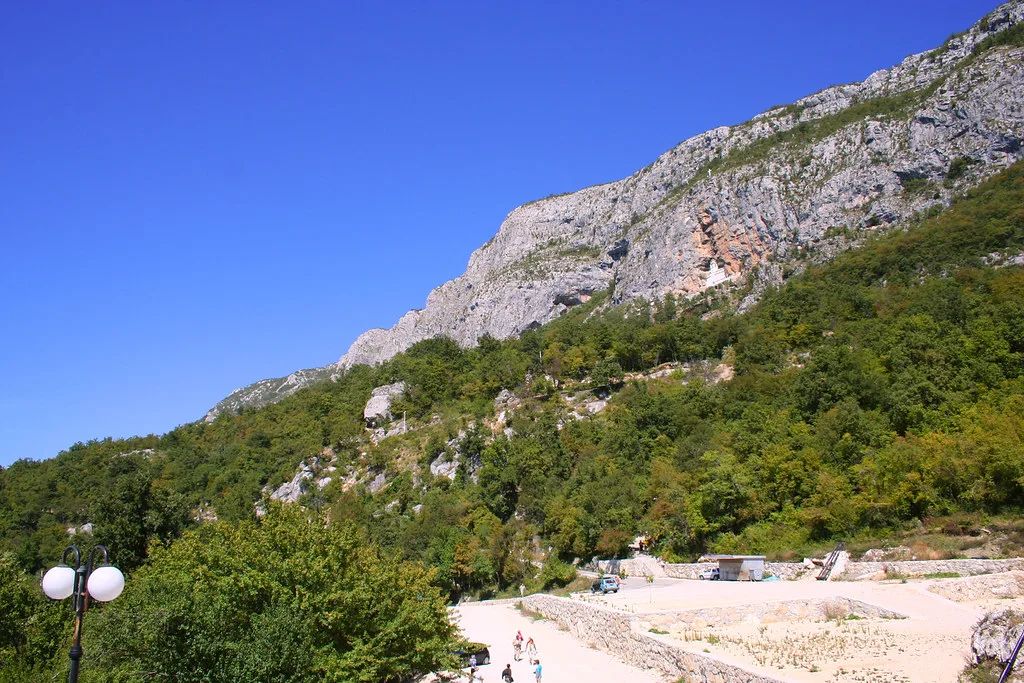
Spend days one to three on the Bay of Kotor, driving the serpentine road out on the morning of day four. The run from Kotor or Perast to Žabljak takes about three hours, and the P14 detour through Piva Canyon and the village of Trsa adds roughly an hour of cliffside road for some of the wildest scenery in the country. Arrive in time for the flat four-kilometer walk around Black Lake.
Day five belongs to Durmitor: either the Bobotov Kuk climb from Sedlo Pass, which is a ten-kilometer return with around 950 meters of gain and five to six hours of walking, or the gentler Prutaš ridge and the 76-kilometer Durmitor Ring drive, which takes two and a half to three hours with photo stops. Day six is the Tara Canyon, where the Đurđevića Tara Bridge spans one of Europe's deepest gorges and rafting trips run from Žabljak.
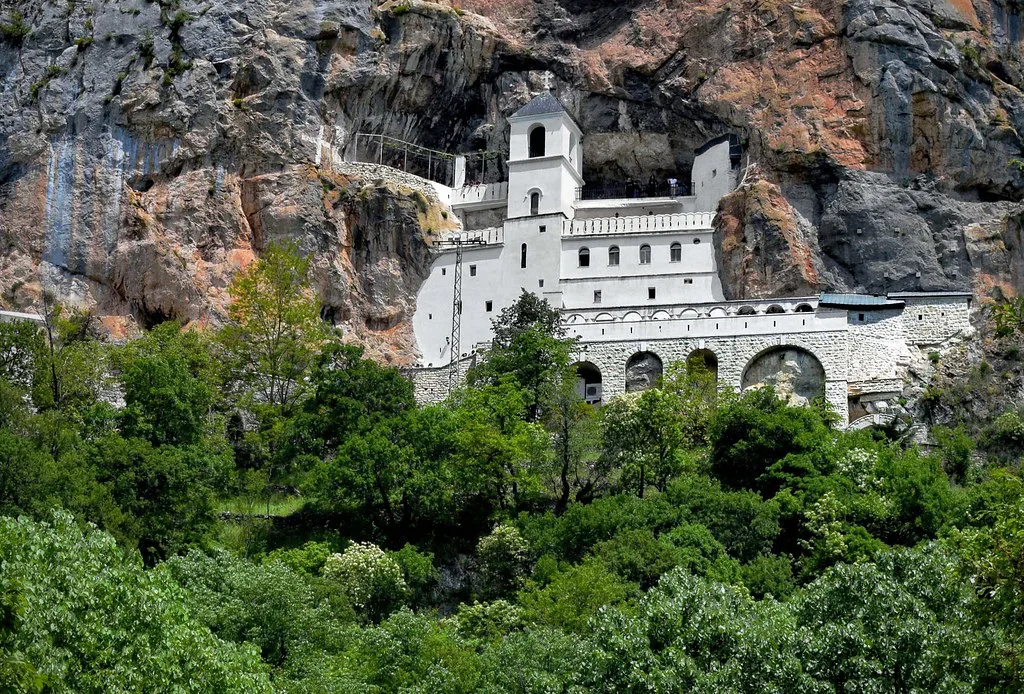
Day seven drives south, with a stop at Ostrog Monastery, the white Orthodox complex built into a vertical cliff face, before returning to the coast or the airport. If you can, extend this by one night in Žabljak; the mountain day that feels rushed is always the one you remember least.
A 10 to 14-day itinerary: adding Prokletije, Maganik and wine country
Two weeks lets you push east into the Accursed Mountains. Prokletije National Park, based around the Grebaje valley, is the wildest hiking in Montenegro, on limestone peaks that straddle the Albanian and Kosovan borders. The Maganik Mountains near Međurječje are wilder still: access is over an hour of rough unsealed road, much of it needing a 4WD, and the summit routes are unmarked, so a local guide is sensible rather than optional.
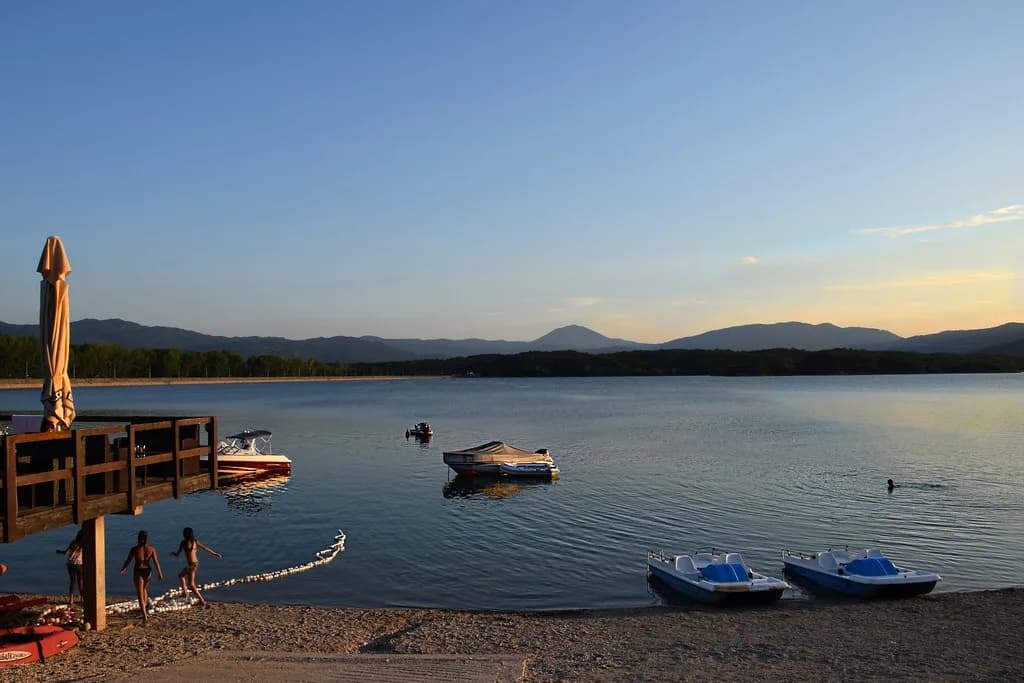
Finish on Lake Skadar, based at Virpazar, with a two- to three-hour boat trip through the lily pads and reed beds, a stop at a lakeside winery for the local Vranac red, and the Pavlova Strana viewpoint for the horseshoe bend of the river. From there it is a short run to the Riviera for a final couple of nights at Sveti Stefan.
This longer version rewards a slower pace, not more stops. Two nights minimum in each of Žabljak, Grebaje and Virpazar keeps the driving reasonable; one-night stands on mountain roads are how people end up seeing Montenegro entirely through a windscreen.
Getting around: car hire versus buses
Rent a car. Buses connect the major coastal towns and run from Kotor or Podgorica via Nikšić to Žabljak in around three hours, but they do not serve national park trailheads or remote valleys, which is exactly where the best of Montenegro is. Car hire from Podgorica or Tivat Airport typically runs around $20–30 per day, which is modest against the time it saves.
Weigh a one-way rental against a loop. Round-trip rentals are typically far cheaper, so a loop starting and ending at the same airport often beats a linear route even if it adds a few hours of driving. If you are arriving from Croatia, picking up at Dubrovnik Airport and dropping in Montenegro is convenient but usually costs more. For the practical side, our guide to renting a car in Montenegro covers the paperwork and cross-border question.
If you would rather not drive, base yourself in Kotor and Perast and use tours and boats for the bay, taking a full-day tour for Lovćen rather than attempting the mountain roads yourself. This is the itinerary that works best without a car; anything involving Durmitor or Prokletije becomes a tour or a long bus-plus-transfer day.
Drive times and the roads that slow you down
Distance means little here; time means everything. Podgorica to Kotor is about 1.5 hours, the airport at Tivat to Kotor about 30 minutes, and Kotor to Žabljak around three hours. The Kotor Serpentine alone, with its 25 hairpins, eats time and energy, so do not schedule a long drive after it.
The Sedlo Pass above Žabljak stands at 1,970 meters and is the trailhead for Bobotov Kuk, which makes it a slow, high-altitude drive as well as a hike. The P14 through Piva Canyon is similarly winding over its roughly 52 kilometers. Plan mountain driving in daylight and add buffer time rather than treating these roads as transit.
Typical costs: car hire, national park entry, boats
National park entry at Durmitor and Prokletije runs around 3€ per day, paid on arrival, and car hire sits at roughly $20–30 per day. Private boat trips around the Bay of Kotor can be arranged the night before from the waterfront; a three-hour private charter was reported at 250€, though group boats to Our Lady of the Rocks cost far less.
A guided day in the Maganik Mountains, including transport over the rough access road, was quoted at 150€ total, which is money well spent where the trails are unmarked. Food is generally gentle on the budget: a shared butcher's plate for two at a Žabljak restaurant came to 20€ and stretched to the next day's sandwiches.
Montenegro uses the euro, which makes budgeting simple for anyone arriving from the eurozone. Cards are widely accepted in restaurants, but smaller guesthouses and mountain stays have traditionally wanted cash, so carry some. Our guide to money in Montenegro explains the practical side.
For a fuller picture of what a week here really costs, including the difference between coastal and mountain spending, see whether Montenegro is cheap in practice.
Drawbacks: cruise-ship crowds, summer heat, spotty signal
Kotor and Budva fill up in July and August, and Kotor's crowds are driven heavily by cruise ships that empty into the Old Town for a few hours. The fix is timing rather than avoidance: walk the walls early in the morning, climb the fortress before the heat, and save Perast for late afternoon, when the day-trippers have gone.
Signal is patchy across the country and worse in the national parks, so download offline maps before you set off and do not rely on live navigation in the mountains. Summer heat on the coast is real, and the exposed climbs above Kotor are unpleasant at midday; the high country, by contrast, stays mild even in August.
Some roads demand respect: the Maganik access needs a serious off-road vehicle, and the mountain passes can close or turn difficult outside the summer season. Build slack into any itinerary that links remote valleys, and treat published drive times as a floor rather than an estimate.
Where the mountains beat the coast, and vice versa
The coast wins on convenience and atmosphere. Kotor, Perast and Budva are walkable, the swimming is good from June to September, and you can build a trip with almost no driving at all. The bay itself, with its twin islands and Venetian walls, is the image most people come for, and it delivers.
The mountains win on space and value. Durmitor offers Dolomites-grade scenery with almost no crowds, and Prokletije and the Maganik are emptier still. Mountain accommodation and food are cheap by European standards, and the walking is the best in the Balkans. The trade-off is dependence on a car and a shorter, more weather-sensitive season.
If you are weighing Montenegro against its more famous neighbor, the honest comparison is that Croatia has the polish and the crowds while Montenegro has the same Adriatic scenery with far fewer people once you leave Kotor. Our Montenegro vs Croatia comparison goes through it town by town.
A verdict by traveler type
Beach-first couples and families: five days, split between Kotor and the Budva Riviera, with Sveti Stefan and Mogren Beach as the set pieces. Skip Durmitor unless someone in the group wants the mountain day, which is a three-hour drive each way.
Hikers and road-trippers: seven days as a minimum, ten to fourteen if you can. Base in Kotor, move to Žabljak for Durmitor, then push east into Prokletije and finish at Lake Skadar, with the Piva Canyon detour and the Durmitor Ring built into the drive days rather than treated as extras.
Short-break visitors from Dubrovnik or a wider Balkan loop: three days on the bay only, and do not apologize for it. Anything more and you are spending your holiday in a car.
Plan Your Trip Around the Days You Have
The number of days decides the itinerary, not the other way round. Three days means Kotor and the bay; five adds the Riviera; seven brings in Durmitor and the Tara Canyon; ten to fourteen opens up Prokletije, Maganik and Lake Skadar. Pick your tier first, then fill it with places rather than moving the tier to fit a wish list.
Book the car early, especially in July and August, confirm national park entry on arrival, and check your government's travel page for Montenegro before you fly. Everything else here is a matter of choosing which half of the country you want to remember.
Frequently Asked Questions
How many days in Montenegro is enough?
Seven days covers the Bay of Kotor and Durmitor National Park without rushing, which are the two strongest parts of the country. Three days works as a coastal break around Kotor and Perast, and five days adds the Budva Riviera or a single mountain day, but you will feel the compromise.
Can you see Montenegro without a car?
Yes, if you stay on the bay. Kotor and Perast are linked by local transport and boats, and Lovćen works as an organized day tour. Durmitor, Prokletije and Lake Skadar are a different matter: buses reach the towns but not the trailheads, so those legs need a tour or a transfer.
Is 7 days in Montenegro too long?
No. Seven days is enough to split between the coast and the mountains with two bases rather than constant packing, and hikers can easily fill a week in Durmitor alone. It only feels long if you spend it driving between one-night stops along the same coastal road.
What is a good itinerary for a trip to Montenegro?
Start with three nights on the Bay of Kotor, including Perast and the fortress climb above Kotor, then drive roughly three hours to Žabljak for two nights in Durmitor with Black Lake and the Tara Canyon. Finish with a night or two on the Budva Riviera or at Lake Skadar.
Is Montenegro as beautiful as Croatia?
The Bay of Kotor matches anything on the Croatian coast, and Durmitor and Prokletije add alpine scenery Croatia does not have. Croatia is more polished and more crowded; Montenegro delivers comparable Adriatic views with far fewer people once you leave Kotor in high summer.
Sources
Trip-decision notes
Optional updates when we publish or revise a destination verdict.
You might also like
Continue reading
More guides you'll find useful