Money in Montenegro: Currency, Cash and Cards for Travelers
Montenegro uses the euro even though it is not in the eurozone. Here is how cash, cards and ATMs work for travelers, plus how to budget for a trip.
On this page
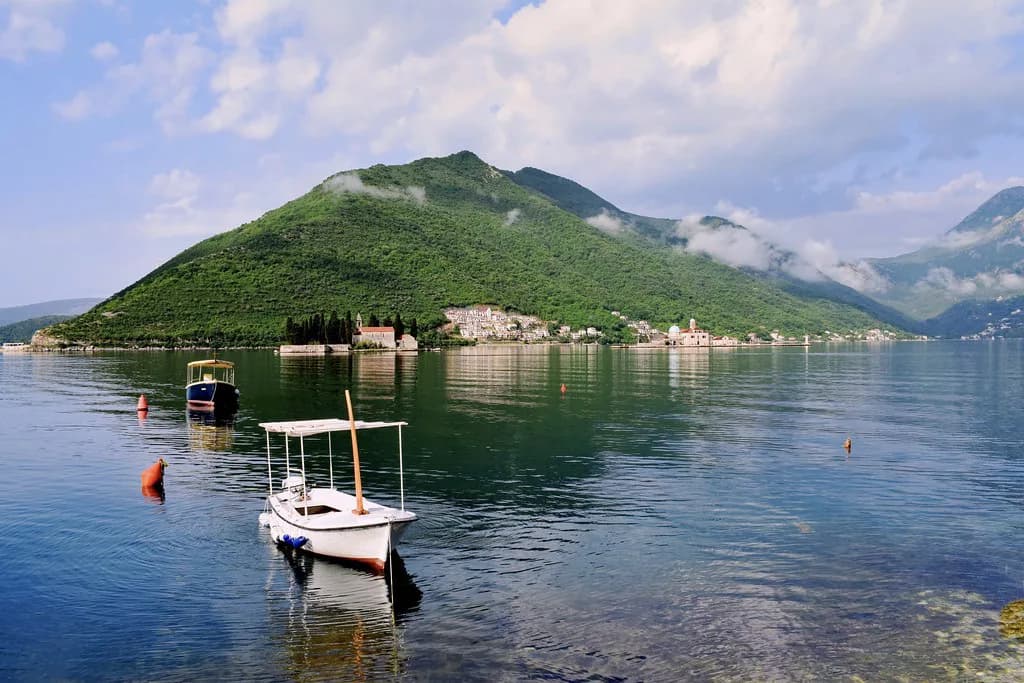
Montenegro uses the euro, so you will pay for coffee in Kotor, a boat trip on the Bay of Kotor and a mountain lunch in Durmitor in the same currency you would use in Paris or Rome. That removes the exchange-desk ritual from your trip, but it does not mean every payment is frictionless. You still need a plan for small transactions, a backup for card machines that fail, and a realistic sense of what a day costs.
This guide covers the practical questions: why Montenegro uses the euro without being in the eurozone, when cash matters, how ATMs and cards behave, how much to tip, and how to budget by travel style. Prices are described in relative terms because costs shift with the season and the coast.
The verdict: euros, a little cash, and no exchange games
Plan on euros, carry a modest amount of cash for small purchases and rural stops, and do not build your budget around currency exchange. Montenegro's use of the euro is the single biggest simplification for travelers, and it removes the classic Balkan routine of comparing exchange rates at every corner. If you are still deciding whether the country fits your trip, our take on whether Montenegro is worth visiting covers the coast-and-mountains trade-offs before you commit.
The practical stance is simple: cards work in most hotels, larger restaurants and supermarkets, while cash remains useful for taxis, markets, small konobas and places in the interior. Treat your card as the default and cash as the backup, not the other way around. That ordering keeps you from carrying more euros than you need while still covering the transactions where a card machine is not on the table.
What currency Montenegro uses and why
Montenegro uses the euro as its currency. It is not a member of the eurozone and does not have a formal agreement with the European Central Bank, according to this account of how the euro arrived in Montenegro. The country moved to the Deutsche Mark in 1999 and then followed Germany to the euro in 2002, so the currency arrived by circumstance rather than treaty.
For travelers, the practical consequence is that Montenegro does not issue its own euro coins or notes. Everything you spend comes from euro cash already in circulation, and prices are quoted in euros everywhere. You will not encounter a parallel local currency, a shadow exchange rate or a requirement to convert at the border, which makes budgeting and mental arithmetic unusually easy for the region.
Cash or card in Montenegro: what to rely on
In Kotor, Budva and Herceg Novi during the summer, card acceptance is broad in hotels, restaurants and shops aimed at visitors, and contactless payments are routine. In the interior and in smaller settlements, acceptance narrows. A guesthouse in the mountains, a roadside stall selling figs or a village bakery may be cash-only, so keep a reserve of smaller notes for those moments rather than a single large bill. The same coast-versus-town split shows up next door if you are weighing is Budva worth visiting against the rest of the Adriatic.
The split matters most on the coast, where a beachside lunch might take a card while the taxi that gets you there does not. Ask before you sit down at a small konoba if you are relying on a card, and keep enough cash for a taxi ride or a market purchase. That habit costs nothing and prevents the awkward search for a cash machine at the end of a meal.
ATMs, banks and withdrawing euros
ATMs are common in Podgorica, Kotor, Budva, Herceg Novi and Tivat, and less so once you leave the main towns. The Central Bank of Montenegro, based in Podgorica, oversees the banking system, which means the ATMs you use are part of a regulated local network rather than a currency-exchange arrangement. Withdraw in towns before heading into the mountains or to remote stretches of coast.
Your own bank's fees and the ATM operator's charges vary, so check the terms with your bank before you travel. Decline any offer to convert the withdrawal into your home currency at the machine, because that dynamic-currency-conversion rate usually works against you. Take out larger amounts less often to minimize per-withdrawal charges.
Tipping in Montenegro: the going rate
Tipping is not compulsory in most places, but it is appreciated in restaurants, cafes and for taxis. A common approach is to round up the bill or leave roughly a tenth in sit-down restaurants when the service is good. That is a guideline rather than a rule, and it is more common in tourist-facing places on the coast than in a village konoba where the bill is small.
For taxis, rounding up to the next convenient amount is usually enough, and for a guided tour or a boat trip a small tip for the guide or skipper is a reasonable gesture. If you are paying by card, mention the tip amount before the card is processed, because adding it afterwards is not always straightforward. Carry a few euro coins and small notes specifically for this purpose.
What a day in Montenegro actually costs
The currency is simple, but the daily budget depends heavily on season and location. A budget traveler who uses buses, eats at bakeries and simple konobas, and stays in hostels or guesthouses can keep daily spending low by Western European standards. A mid-range traveler staying in a coastal hotel in July or August and eating out twice a day will spend considerably more, and the same trip in May or October costs noticeably less.
Rather than pinning your budget to a single figure, build it from categories: accommodation, food, transport and entries. If you want a fuller breakdown of how the country compares with its neighbors, the question of whether Montenegro is cheap is worth reading alongside your currency planning, because the answer changes with the season and the coast.
Should you bring euros or withdraw them there
Bring a small float of euros for your first day, enough to cover a taxi, a coffee and a snack, then withdraw larger sums from ATMs as you need them. Arriving with a few hundred euros in mixed notes means you are not hunting for a cash machine at the airport or paying an unfavorable rate at a hurried moment. If you are driving in from Croatia, note that Dubrovnik Airport is a common arrival point for the southern coast, and our guide to renting a car in Montenegro covers the practical side of that approach.
There is no need to buy euros at home at a premium if your bank offers a fair rate. The bigger risk is arriving with the wrong currency entirely, such as Serbian dinars left over from another stop, which you cannot spend in Montenegro. Check your wallet before you cross the border and convert any leftovers before you arrive.
Money in Kotor and the Bay versus the coast and the north
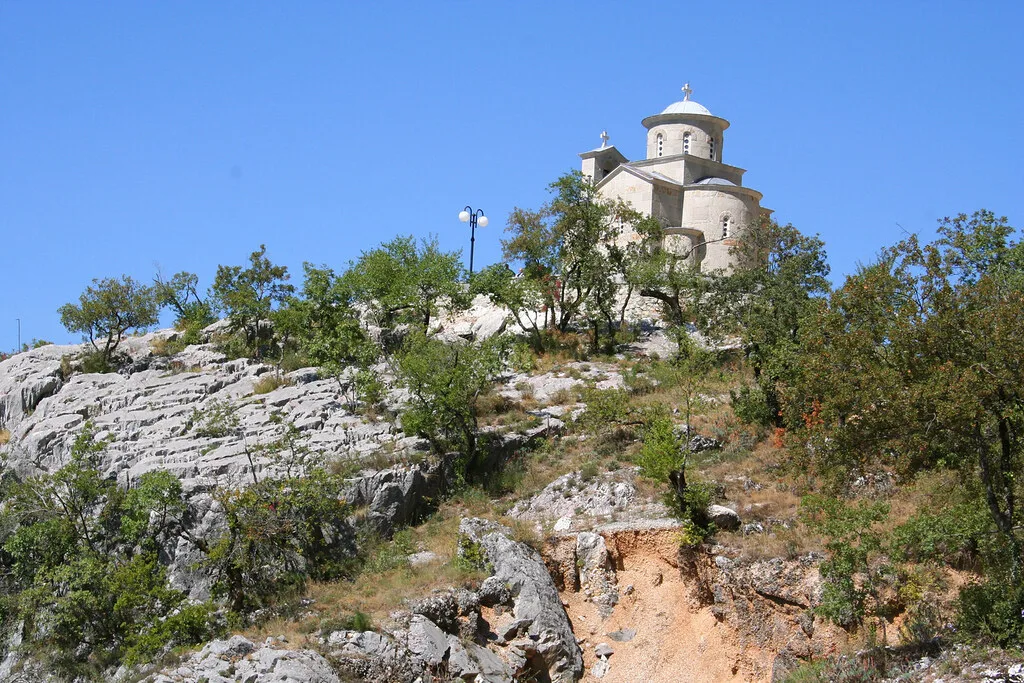
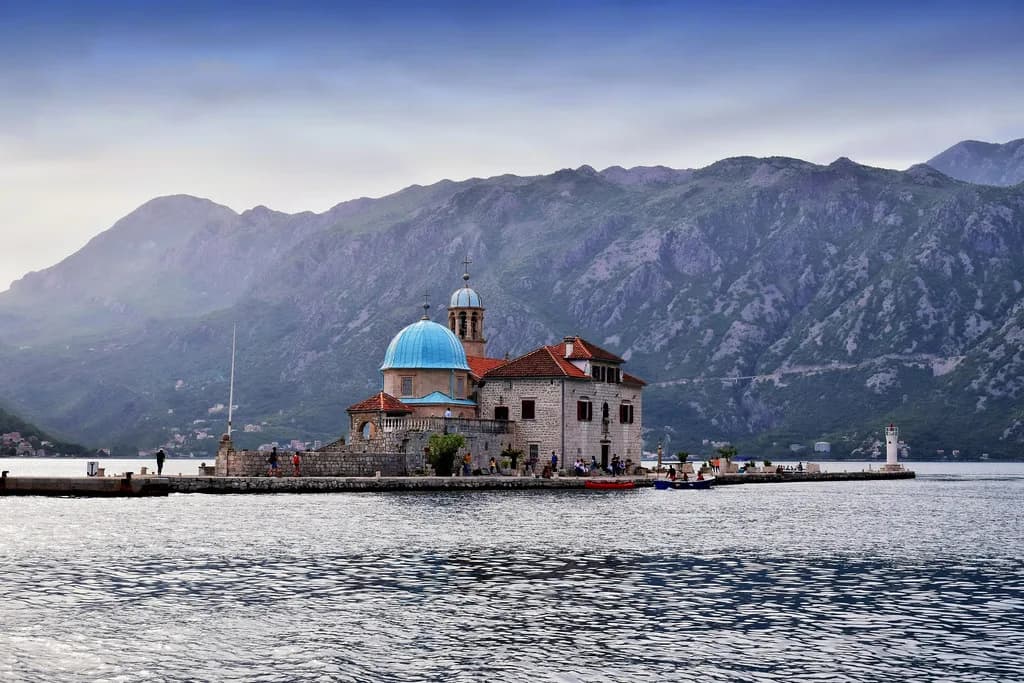
Kotor and the Bay of Kotor see heavy summer traffic from cruise ships and day-trippers, and the businesses that serve them are set up for cards and euros. That convenience comes with peak-season pricing, especially in July and August, when demand from cruise arrivals and coastal visitors pushes up restaurant and taxi costs. Elsewhere on the coast, Budva is similarly card-friendly in summer, while Herceg Novi is a little calmer.
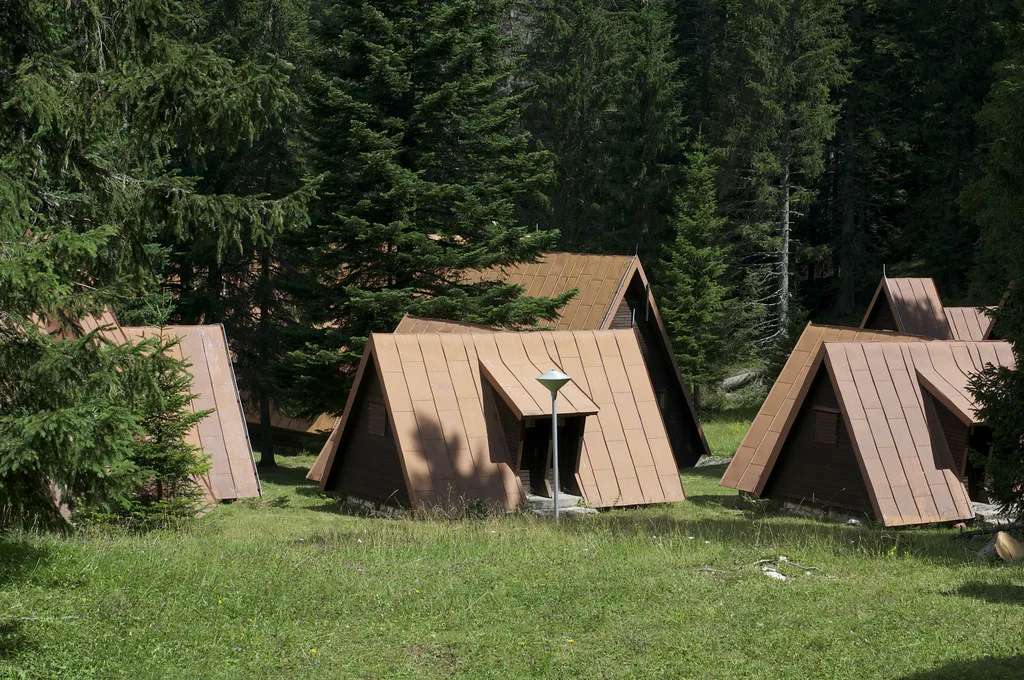
Head north to Durmitor, Žabljak or the Tara Canyon and the money picture changes: fewer ATMs, more cash transactions, and lower prices. Plan to withdraw before you leave the coast and carry enough cash for a couple of days in the mountains, including fuel and park entries. If your dates are flexible, the best time to visit Montenegro explains how May, June and September change both crowds and costs.
Common money mistakes travelers make in Montenegro
The most common mistake is arriving with the wrong currency, usually Serbian dinars or Croatian kuna, neither of which you can spend in Montenegro. The second is relying entirely on cards and then discovering that a small guesthouse or taxi does not accept them. The third is defaulting to cash when the country already uses the euro, so a simple card tap or a euro note covers almost everything without a detour to an exchange desk.
A fourth mistake is under-budgeting for peak season on the coast, when accommodation and restaurant prices rise and a modest daily budget stretches less far. If you are still choosing where to base yourself, our round-up of the best places to visit in Montenegro shows which towns are card-friendly and which are quieter. Planning a route that alternates coast and mountains helps keep cash needs predictable.
Using Your Debit and Credit Cards in Montenegro
If you are travelling with a dog, the practical question is less about currency and more about whether your cards will work wherever you stop. Montenegro uses the euro (EUR), and the country accepts both cash and card as means of payment, with cash and card sharing the status of most-used payment method. That matters on the road: no currency exchange is needed, and the source notes that tourists and citizens could easily use ATMs and tap with Visa Electron cards, which is useful in malls, provinces, or even remote areas like the second-deepest canyon in Europe.
One oddity to keep in mind is that Montenegro is not a European Union member yet it uses the euro, a step taken without a formal agreement with the European Central Bank; Brussels said Montenegro adopted the euro without approval from the European Central Bank. The country is not a full Eurozone member and cannot issue its own euro coins or notes, instead getting all its euros from existing circulation in other countries, according to the currency guide.
Plan for a card-plus-cash split rather than relying on one method. The FOREX country guide lists reference prices that help you budget: a cappuccino in Montenegro costs 16-48 SEK, a one-hour taxi trip 84-179 SEK, and the average tip in a restaurant is 10%. Those figures sit alongside the guide's accepted means of payment, both cash and card, so carrying some euro notes for small purchases while using a card for larger ones fits the local picture.
Plan Your Visit
Montenegro's euro currency removes a layer of hassle that travelers often brace for in the Balkans. Carry a modest amount of cash, rely on cards where they are accepted, and withdraw in towns before heading into the mountains. Keep small notes for tips and taxis, and check with your bank about foreign transaction and ATM fees before you go.
The bigger budgeting question is not the currency but the season and the coast. Pair this with our broader look at whether Montenegro is worth visiting and a sample Montenegro itinerary to see how costs stack up across a realistic route.
Explore more Montenegro trip-decision guides
Frequently Asked Questions
What currency does Montenegro use?
Montenegro uses the euro. It is not a member of the eurozone and has no formal agreement with the European Central Bank, but the euro is the currency in everyday use and prices are quoted in euros throughout the country.
Can I use my credit card in Montenegro?
Cards are widely accepted in hotels, larger restaurants and supermarkets in Kotor, Budva, Herceg Novi, Tivat and Podgorica. Acceptance is thinner at small konobas, village shops, taxis and in the interior, so carry some cash as a backup.
Do I need cash in Montenegro?
You need some cash, but not a large amount. Carry enough for taxis, markets, small restaurants and rural purchases, and rely on cards for hotels and larger bills. Withdraw more before heading into the mountains, where ATMs are fewer.
How much should I tip in Montenegro?
Tipping is not compulsory and usually not added to the bill. Rounding up or leaving roughly a tenth in sit-down restaurants is a common approach, and rounding up the fare is usual for taxis. Carry small notes for tips.
Is Montenegro cheaper than Croatia?
Montenegro is generally less expensive than Croatia, especially outside the peak summer season, but the gap narrows in July and August on the coast. Both use the euro, so the comparison is straightforward once you account for season and location.
Should I bring euros to Montenegro or withdraw them there?
Bring a small float for your first day and withdraw larger sums from ATMs in towns as you need them. There is no need to buy euros at a premium at home, and you should not arrive with Serbian dinars or other non-euro currency.
Are ATMs easy to find in Montenegro?
ATMs are common in Podgorica, Kotor, Budva, Herceg Novi and Tivat, and less so in the interior and smaller coastal settlements. Withdraw before heading to Durmitor, Žabljak or remote stretches of coast, and check your bank's foreign ATM fees.
Sources
Trip-decision notes
Optional updates when we publish or revise a destination verdict.
You might also like
Continue reading
More guides you'll find useful