Is North Macedonia Expensive? Honest Costs for a 2026 Trip
No, North Macedonia is one of Europe's cheaper destinations. See what budget, mid-range and comfortable days look like and where your money actually goes.
On this page
No, North Macedonia is not expensive. It ranks among the more affordable countries in Europe for visitors, with lower restaurant and transport costs than most Western European destinations, which is why it suits budget travelers and long Balkan road trips.
The money question that actually matters is not whether the country is cheap but where your budget goes. Food and buses rarely sting; peak-summer nights on Lake Ohrid and a rental car are the two line items that quietly reshape a week's spending.
The verdict: cheap by European standards, with caveats
Day-to-day travel here is inexpensive rather than merely reasonable. Restaurant meals, public transport and activities all sit well below Western European levels, and there is little of the tourist-price inflation that marks headline Balkan destinations.
One published estimate puts a day in the country at roughly twenty-five to sixty dollars depending on comfort level. Treat that as a planning bracket rather than a quote, since it depends heavily on season and whether you carry a rental car.
If price is the deciding factor for your trip, the short answer is that this country rewards you. For the wider case, our take on whether North Macedonia is worth visiting covers what you get for the money.
What a day costs at three levels
A budget day means hostel or guesthouse beds, bakery breakfasts, casual kebapi lunches, buses between towns and one paid sight. That pattern keeps spending low and is entirely realistic outside peak Ohrid.
A mid-range day adds a private room, a sit-down dinner with a glass of local wine, a taxi or two and a car for part of the trip. Comfort level means lakeside rooms in Ohrid in season, guided excursions and restaurant meals twice a day, where the total climbs toward the top of published ranges.
Use the three tiers to sanity-check your own plan rather than as fixed prices. Travelers who mix a cheap inland base with a short lakeside splurge consistently spend less than those who book the whole week on the water in July.
Where your money goes: food, transport, sights, car hire
Food is the biggest saving. Everyday dishes such as tavče gravče, burek and shopska salad are cheap staples, while kebapi and grilled meats remain casual, low-cost meals even in city restaurants.
Transport is the second saving: buses link most major towns, are widely used and are inexpensive, with Skopje as the hub for domestic and international routes. Taxis within cities are cheap for short hops, and ride-hailing works through local apps such as Wizi Taxi and Nase Taxi Skopje rather than Uber or Bolt.
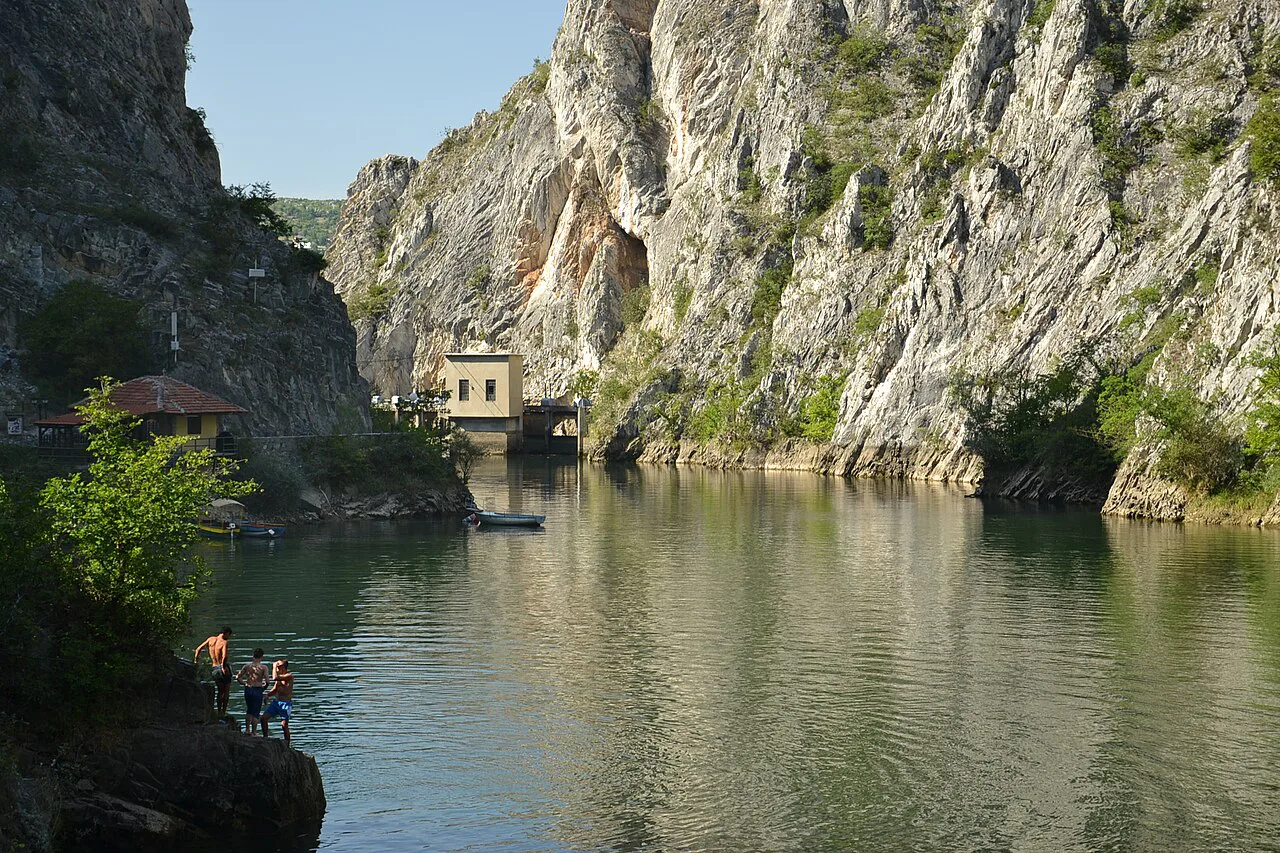
The one splurge that can double a week's spend is a rental car. It unlocks Matka Canyon, Galičica and the national parks, but adds fuel, parking and stress in Skopje traffic, so weigh it against bus-plus-occasion
Eating and drinking: what is worth paying for
The country's food splits neatly into cheap daily eating and one genuine treat. Burek from a bakery, ajvar with bread, shopska salad and a plate of kebapi are the everyday low-cost meals that keep a day's food bill small.
Ohrid trout is the dish worth budgeting for. It is the region's best-known specialty, priced above the everyday menu, and best treated as one memorable lakeside dinner rather than a nightly habit.
Coffee culture keeps costs down too, since long café sits are part of the rhythm of the day and rarely carry big-city prices. Smoking indoors remains common, so terrace seating is often the more pleasant option.
Getting around on a budget: buses, taxis and rental cars
Buses are the default for budget travel between towns, and Skopje anchors both domestic and international routes. For short urban hops, metered official taxis and the local apps cover most needs cheaply.
A rental car pays off when your plan leans on nature: Matka Canyon, Galičica and Mavrovo are far easier with your own wheels. As a rough guide, driving Skopje to Ohrid takes about two and a half to three hours on a scenic route, so fuel and time add up on a short trip.
Driving outside cities is straightforward on generally good roads, but central Skopje is aggressive and stressful, which argues for picking up a car at the edge of the capital or at the airport rather than driving through it. Compare quotes through the rental desks at Skopje International Airport before committing.
Skopje vs Lake Ohrid: where the same money buys more
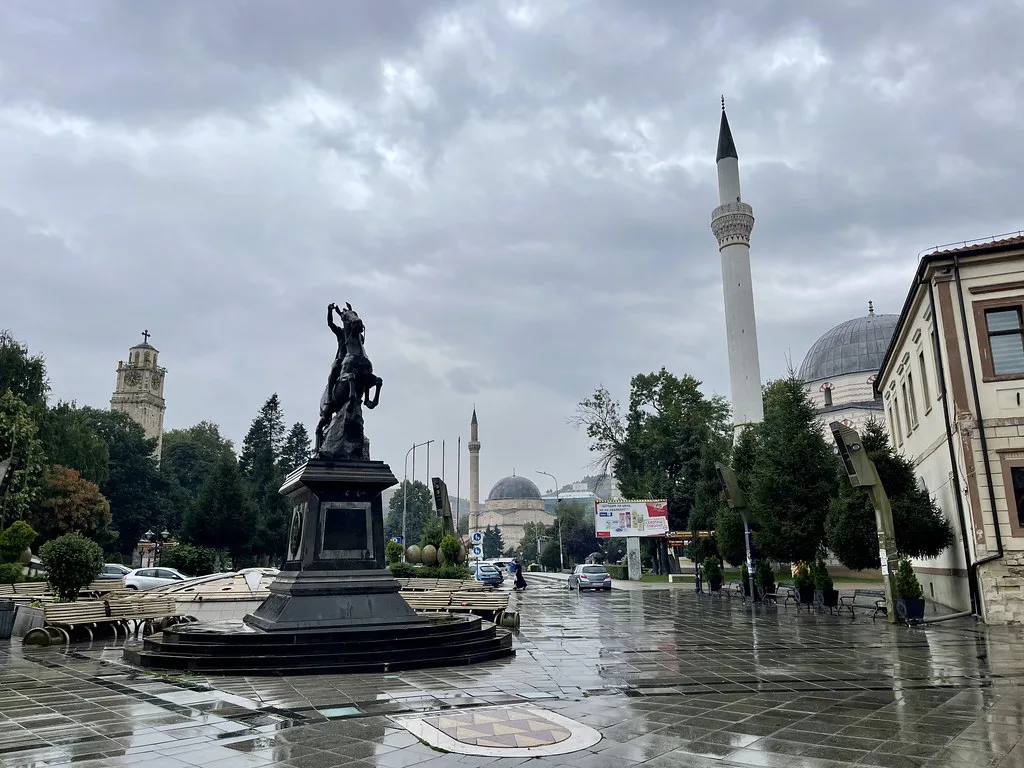
Skopje is the cheaper base. City restaurants, bakeries and public transport stay inexpensive year-round, and the capital has no strong seasonal price spike, which makes it a sensible place to spend extra nights.
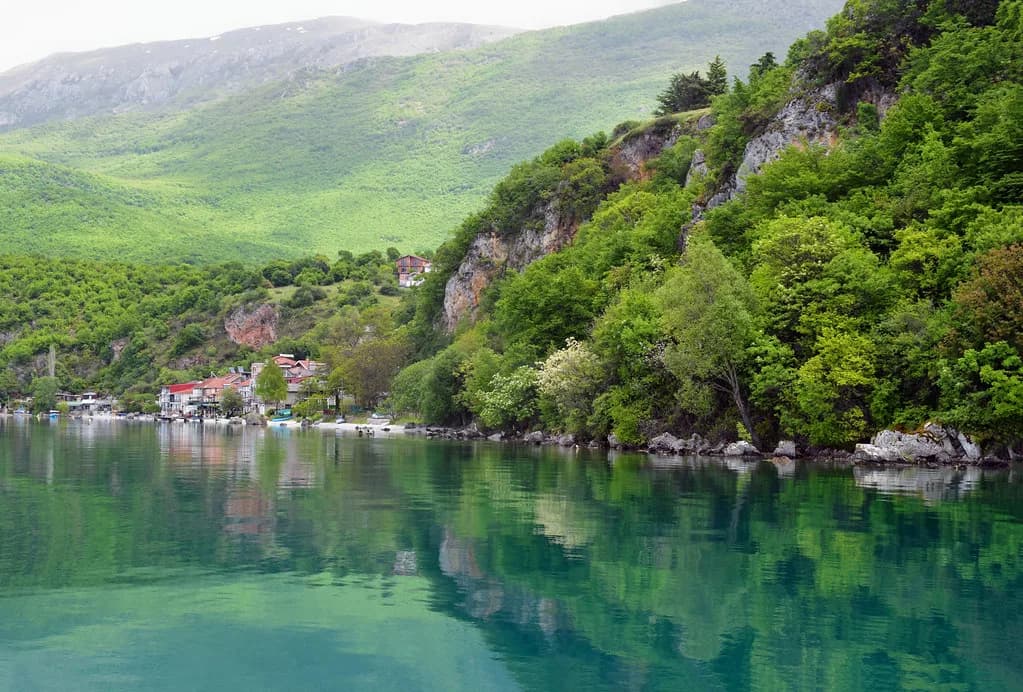
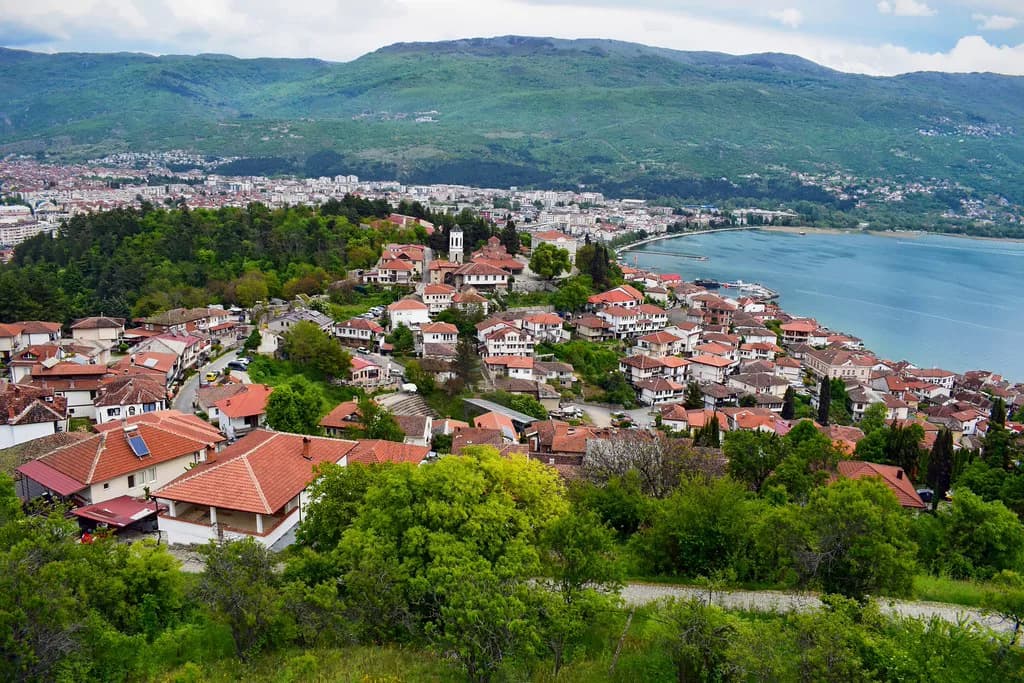
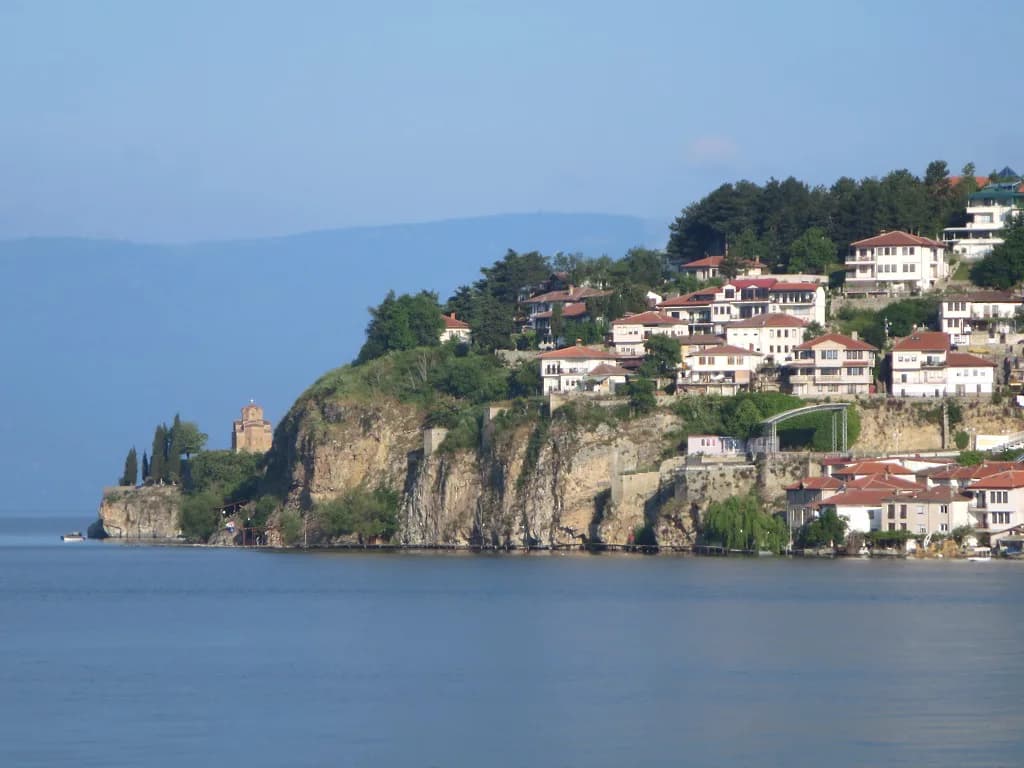
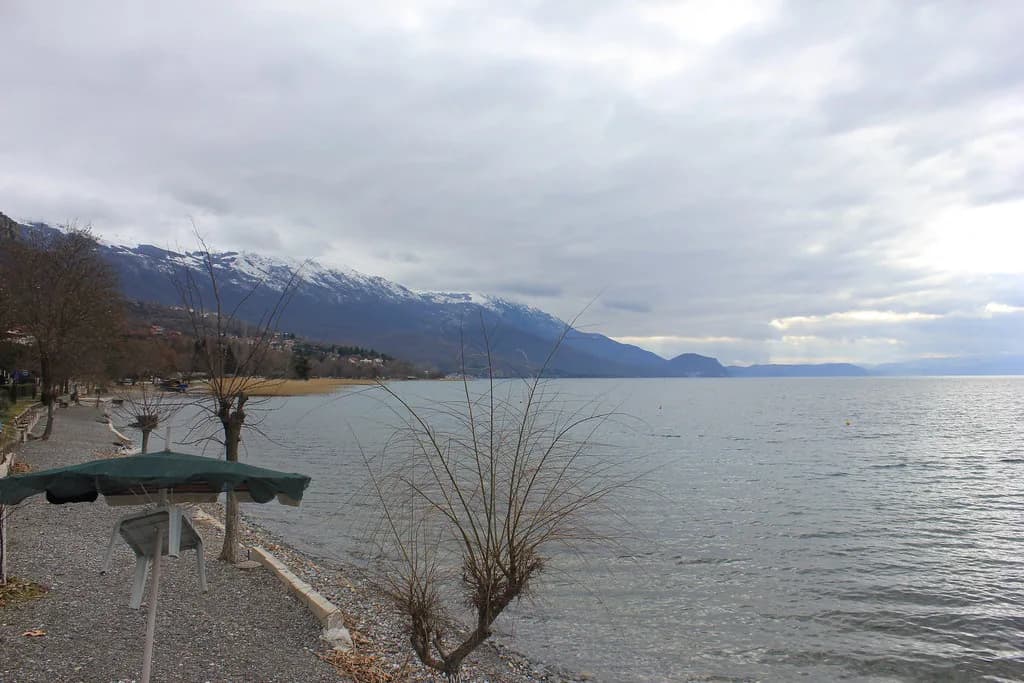
Lake Ohrid costs more because it is the country's headline destination, and the gap widens in summer when lakeside rooms and waterfront tables command a premium. Out of peak season the difference narrows and Ohrid becomes good value for what it offers.
A practical split is to base cheaply in Skopje for city days and shift to Ohrid for a shorter stretch, spending the saved money on the lake itself. Which towns deserve your nights is covered in our guide to the best places to visit in North Macedonia.
Money practicalities: the denar, cards versus cash, ATMs
North Macedonia uses the denar (MKD), not the euro, so budget in the local currency and expect small change to matter. Cards work in hotels, many restaurants and larger cafés, but cash is still useful for bakeries, taxis, parking, markets and smaller villages.
ATMs are easy to find in cities and tourist areas, so there is no need to carry large amounts. Withdraw modestly, keep small notes for everyday purchases and rely on cards for bigger bills.
When North Macedonia costs more: July and August on Lake Ohrid
Summer is when the country stops feeling uniformly cheap. July and August bring intense heat to Skopje and peak demand on Lake Ohrid, where swimming, festivals and outdoor dining pull in crowds and lift accommodation prices.
May, June and September are the value sweet spot: warm enough for the lake and hiking, without the August price peak or the city heat. Evenings near the lake and in the mountains can turn chilly, so a layer earns its place. For a fuller month-by-month view, read the best time to visit North Macedonia.
Who should pick a different destination if price is the decider
Choose North Macedonia if you want low daily costs, mountain and lake scenery, Ottoman-era towns and affordable food without a tourist premium. It suits slow travelers, budget backpackers and anyone building a longer Balkan route on a tight daily spend.
Look elsewhere if you want guaranteed beach weather, polished resort infrastructure or a car-free lakeside holiday in high summer at the lowest possible price. Neighboring Adriatic or Greek coast destinations deliver that, at a higher cost, and if you're weighing a nearby alternative, it's worth asking is Albania worth visiting for a comparable Balkan budget.
If your dates are flexible, the cheapest version of this trip pairs spring or early autumn weather with a Skopje base and short lake stays. Work out how many days you have first, then let the season set the budget.
Plan Your Trip Around the Costs
The honest answer is that North Macedonia is cheap, provided you spend your nights sensibly and treat a rental car as a tool rather than a default. Food, buses and city days keep costs low, while peak Ohrid and summer demand are the two places a budget can slip.
Build your plan around spring or early autumn, carry some denar for small purchases and reserve the car for the national-park days. Read the best time to visit before locking in dates, then check current bus timetables and rental terms with the company you book through.
Explore more North Macedonia trip-decision guides
Frequently Asked Questions
Is North Macedonia expensive for tourists?
No. It is one of the more affordable countries in Europe, with low restaurant and transport costs compared with Western Europe. The exceptions are peak-summer Lake Ohrid and a rental car, which can raise a week's spend noticeably if you take both.
How much does a day in North Macedonia cost?
Published planning estimates put a day at roughly twenty-five to sixty dollars depending on comfort level, covering a bed, food and local transport. Your total depends on season, whether you stay on Lake Ohrid in July or August, and whether you rent a car.
Is North Macedonia good for budget travel?
Yes. Inexpensive buses, cheap bakeries and casual grilled meals, affordable city taxis and free or low-cost sightseeing make it easy to travel on a small daily budget. Staying inland and visiting the lake briefly keeps costs lowest.
Do you need cash in North Macedonia?
It helps. The currency is the denar, and cards work in hotels, restaurants and larger cafés, but small bakeries, taxis, parking and village businesses often run on cash. ATMs are easy to find in cities and tourist areas, so withdraw small amounts as you go.
Is Lake Ohrid expensive?
It costs more than inland towns, and July and August are the priciest stretch for lakeside rooms and waterfront dining. Outside peak season the gap narrows, and Ohrid becomes good value for a destination of its quality.
How many days do you need in North Macedonia?
About a week covers the main highlights: Skopje, Lake Ohrid, Matka Canyon and a national park. A longer trip suits slow travel, and stretching the days lowers your average cost per day since transport is spread across more time.
Do you need a car in North Macedonia?
Not for Skopje and Ohrid, which buses serve cheaply. A car pays off for Matka Canyon, Galičica and Mavrovo, but adds fuel, parking and stressful city driving, so weigh it against occasional taxis and buses.
Sources
Trip-decision notes
Optional updates when we publish or revise a destination verdict.
You might also like
Continue reading
More guides you'll find useful