Best Time to Visit North Macedonia: When to Go Guide
Late May, June and September are the best months to visit North Macedonia, with warm days, cooler lake evenings and thinner crowds at Ohrid and Skopje.
On this page
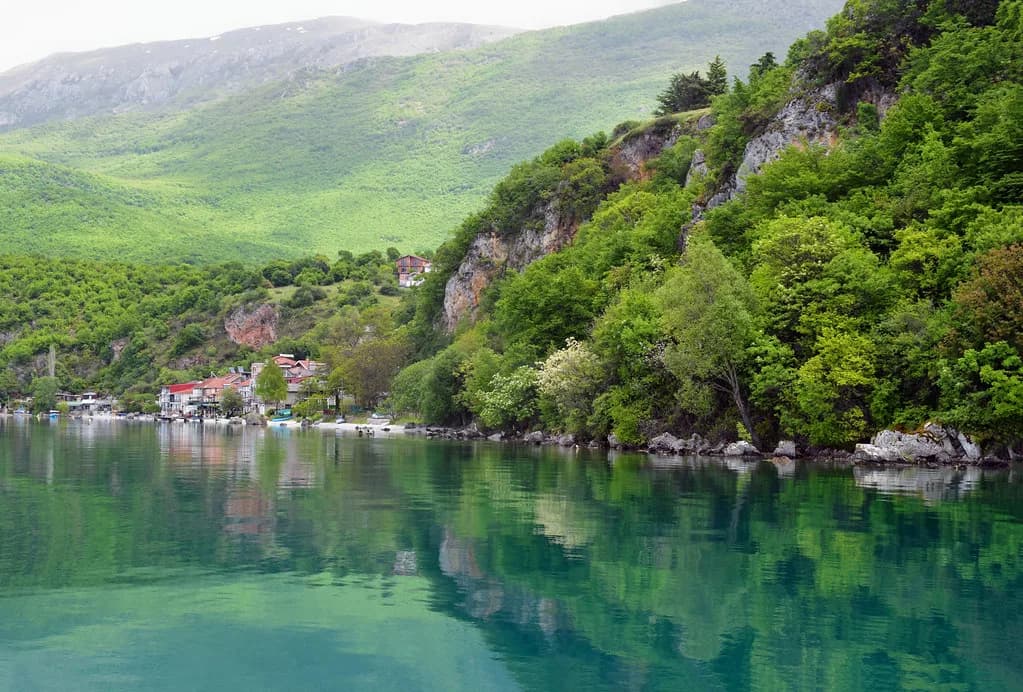
For most trips, the best time to visit North Macedonia is late May through June, or September into early October. Days are warm without the punishing plains heat of midsummer, Lake Ohrid is comfortable for walking rather than just swimming, and the main sights are busy but not overwhelmed. July and August work if swimming and long lake evenings are the point of the trip, and you accept 30 °C (86 °F) afternoons around Skopje.
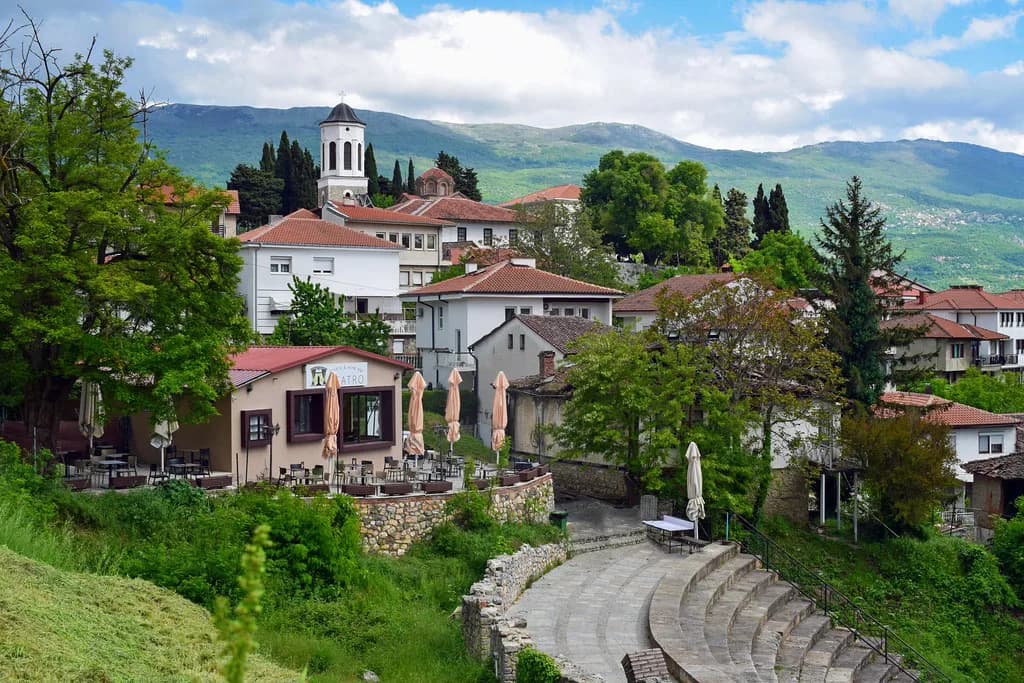
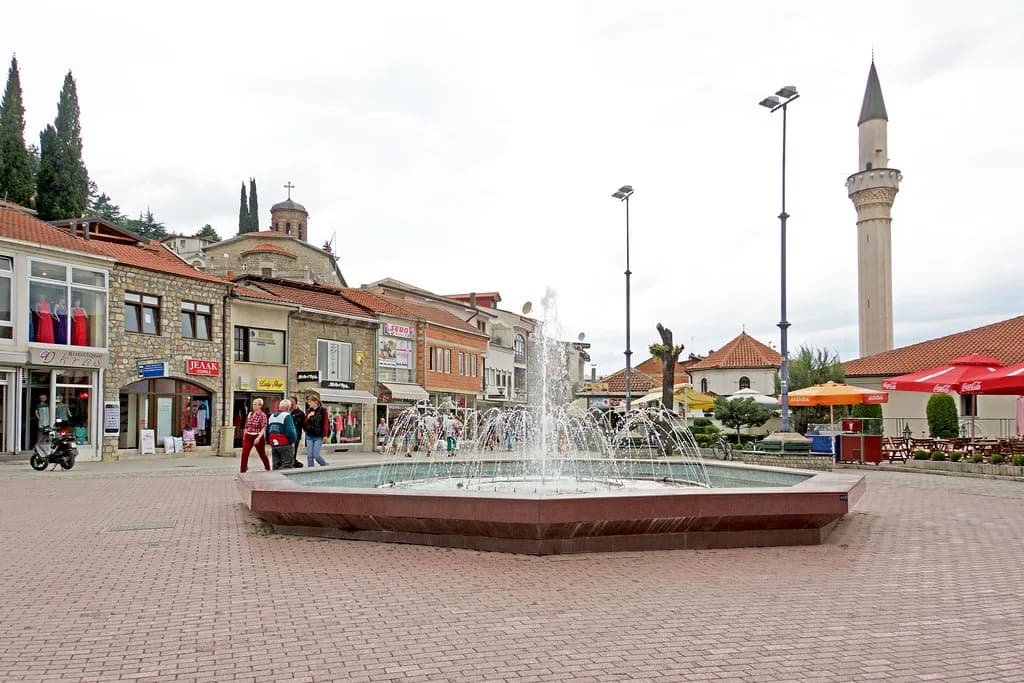
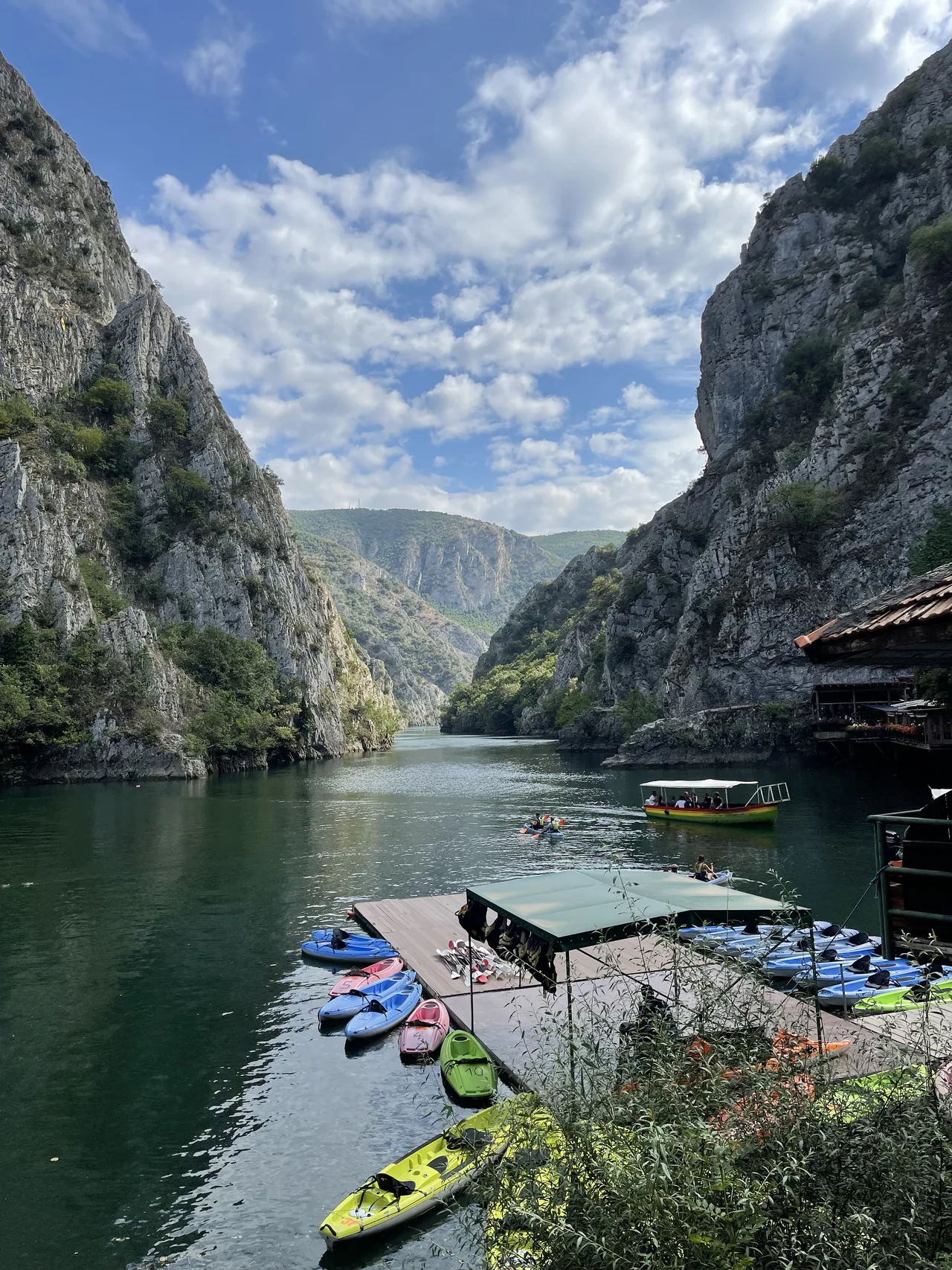
The country does not have one climate, which is why a single best month is misleading. The north around Skopje is continental, the south around Ohrid and Bitola is milder and Mediterranean-influenced, and the mountains run their own schedule with spring arriving late and snow holding on high ground. North Macedonia as a whole rewards a trip built around one region rather than a rushed loop, and the case for going at all is easy to make on the strength of Ohrid, Matka Canyon and the Skopje bazaars.
The verdict
Choose late May, June or September for a first trip. These months give you the widest choice of things to do, the most reliable walking weather at Lake Ohrid and Matka Canyon, and enough daylight to combine a city stop in Skopje with the lakes and mountains. Late May still carries spring greenery and unsettled afternoons; September keeps summer warmth with cooler nights and a calmer feel at the lakeside towns.
Pick July or August only if you want to swim in Lake Ohrid and do not mind heat on the plains. Pick December to February if your plan is a Skopje city break or snow in the mountains rather than a lakes-and-canyons trip. If you are still weighing whether the country deserves a slot in your Balkans route, our take on whether North Macedonia is worth visiting lays out what you gain and what you give up against Greece, Albania and Bulgaria next door.
What kind of climate North Macedonia has
Mountains split the country into distinct zones, and the contrast is sharpest between north and south. The north has a temperate, continental feel, while the south is milder and warmer, with hot, dry summers in the plains and much softer winters than the north. That means a July day in Skopje and a July day on the Ohrid shore are different experiences, and a mountain village at the same latitude can be cool and wet.
Annual precipitation runs around 700 mm, with more of it falling in the north, and heavy winter snowfall in northern and mountain areas can slow road travel. Spring in the high mountains starts later, often at the end of March, and warm weather only settles in during April. Plan a mountain segment for late spring or early autumn, and keep the lakes and cities for the hotter months.
Spring (March to May)
Spring warms quickly. March averages about 13 °C (56 °F) by day and 3 °C (37 °F) at night in Skopje, rising to 18 °C (64 °F) in April and 23 °C (73 °F) in May, with rain on only a handful of days each month. April nights can still drop to around 5 °C (41 °F), so a warm layer earns its space in the bag. Hills are green, the bazaars and canyon paths are quiet, and accommodation is easier to find than in high summer.
The trade-off is mountain access. Snow can linger on high ground into early spring, and spring arrives in the mountains later than on the plains. If your plan leans on Matka Canyon walks, Ohrid's lakeside paths and lowland towns, May is a strong month; if it leans on high ridges, push the mountain days towards June. For a broader look at which stops deserve your days, see the best places to visit in North Macedonia.
Summer (June to August)
June is the sweet spot of summer: about 27 °C (81 °F) by day and 14 °C (57 °F) at night in Skopje, with roughly 13 hours of daylight and moderate rain. July and August climb to about 30 °C (86 °F) by day, with August nights around 15 °C (59 °F) and barely any rain, which is why locals head for the mountains and the lakes. Evenings by Lake Ohrid stay cool enough for a jacket, and the water is at its most inviting.
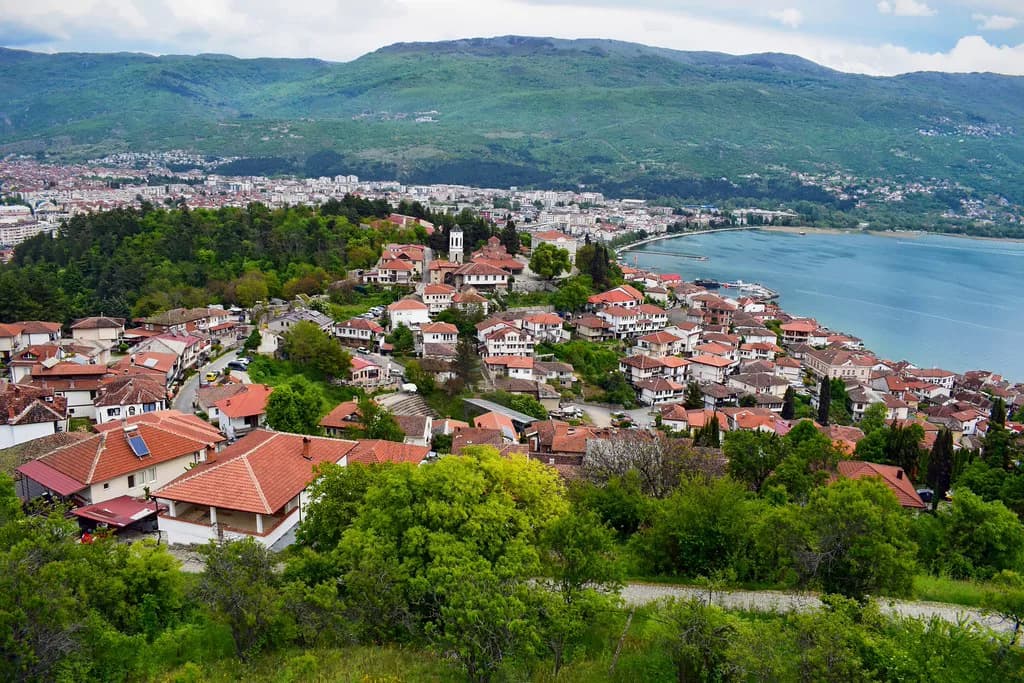
This is also the busiest stretch at Ohrid and on the Skopje streets, and prices at the lakeside peak. Start sightseeing early, keep afternoons for swimming, shade or a canyon drive, and expect the Matka Canyon approach and Ohrid's old town lanes to be shared with plenty of other visitors. If you are cost-sensitive, compare summer rates against the shoulder months before committing, and read how expensive North Macedonia is for a sense of where the money goes.
Autumn (September to November)
September is the strongest shoulder month. Skopje averages about 26 °C (79 °F) by day and 12 °C (54 °F) at night, the plains stay hot well into the month, and nights turn cool enough for a proper evening layer. Lake Ohrid is still warm enough to swim early in the month, the summer crowds thin, and the light on the water and hills is at its best for photography.
October cools to about 19 °C (67 °F) by day and 8 °C (46 °F) at night, and the rains begin in the Ohrid area. November drops to roughly 11 °C (52 °F) with 3 °C (38 °F) nights, and mountain tops start collecting snow. If you want autumn colour without the wet, aim for the first half of September into early October and build flexibility into any mountain day. The best time to visit Albania follows a similar pattern if you are extending south.
Winter (December to February)
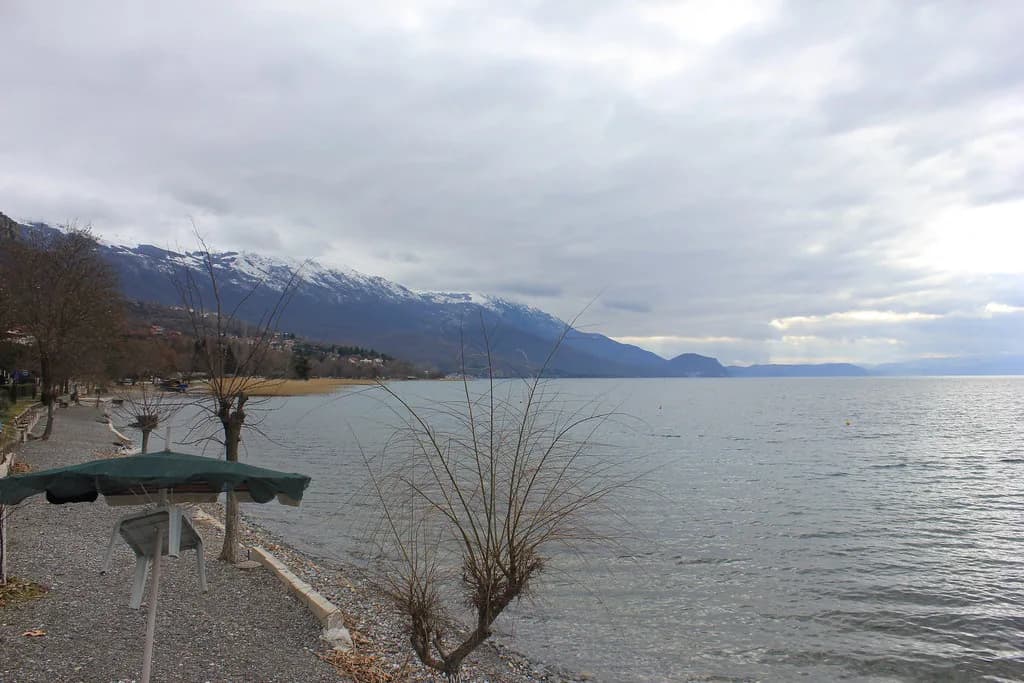
Skopje in December averages about 6 °C (42 °F) by day, and January is the coldest month at roughly 4 °C (40 °F) with nights near -3 °C (27 °F). Snow is possible but the plains usually stay clear, while the northern mountains and ski areas around Mavrovo and Kruševo collect proper snow. Days are short, with about six to seven hours of daylight, which shapes how much you can fit in.
Winter suits a city break in Skopje with its bazaar, museums and cafés, or a snow-focused mountain stay. Lakeside towns go quiet, and some lakeside and mountain businesses wind down for the season. If winter is your window, keep the trip compact and check mountain road conditions before setting out. For sun and warmth, aim elsewhere in the calendar.
Month-by-month averages for Skopje
These are typical averages for Skopje, not forecasts, so treat them as a planning baseline rather than a promise for your dates.
March: 13 °C / 56 °F by day, 3 °C / 37 °F at night, about 3 rain days and 37 mm. April: 18 °C / 64 °F and 6 °C / 43 °F, 3 rain days and 46 mm. May: 23 °C / 73 °F and 10.5 °C / 51 °F, 5 rain days and 67 mm. June: 27 °C / 81 °F and 14 °C / 57 °F, 4 rain days and 53 mm. July: 30 °C / 86 °F and 15 °C / 60 °F, 3 rain days and 40 mm. August: 30 °C / 86 °F and 15 °C / 59 °F, 1 rain day and 23 mm.
September: 26 °C / 79 °F and 12 °C / 54 °F, 3 rain days and 42 mm. October: 19 °C / 67 °F and 8 °C / 46 °F, 2 rain days and 31 mm. November: 11 °C / 52 °F and 3 °C / 38 °F, 3 rain days and 51 mm. December: 6 °C / 42 °F and -1 °C / 30 °F, with a couple of snowy days and 29 mm. January: 4 °C / 40 °F and -3 °C / 27 °F, 36 mm. February: 8 °C / 46 °F and -1 °C / 30 °F, 34 mm.
Shoulder-season trade-offs
The shoulder months buy you comfort and space, but not everything is running at full tilt. Lakeside and mountain businesses often scale back outside high summer, and transport to remoter spots is thinner. Build a shortlist of the sights that matter most, such as the Ohrid old town, the Bay of Bones or the canyon boat trip, and confirm that the specific operator is running during your dates before you lock the route.
Late May and early October are the most forgiving compromises: enough warmth for walking and swimming, fewer people at the headline sights, and more reliable opening of seasonal places than in the depths of winter. If you only have one window, take one of those two.
Crowds and prices by season
Lake Ohrid and Skopje are busiest in July and August, when domestic and regional visitors arrive together. Prices at the lakeside peak along with demand, while May, June, September and October generally offer better value. You can read how expensive North Macedonia is for a fuller breakdown of day-to-day costs, but the broad picture is that shoulder months stretch your budget further than midsummer.
Autumn and spring also make it easier to find a room without planning months ahead, though the most popular lakeside places still fill on warm weekends. If you are travelling on a tight budget, September is often the best value month.
Weather by region
Skopje sits on a plain and gets the hottest summer days and coldest winter nights of the main destinations. Ohrid and Bitola in the south are milder, with cooler summer nights by the water and softer winters. The mountains around Mavrovo and Kruševo are cooler and wetter year-round, with late springs and early snow.
That difference matters for planning. A week that combines Skopje, Matka Canyon and Lake Ohrid will feel like several seasons, so pack for range rather than a single climate. The national tourism board and local operators publish seasonal information for specific sights, and park authorities issue mountain conditions.
Best month by traveler type
First-timers: late May, June or September, when you can pair Skopje, Matka Canyon and Ohrid without heat stress. Lake swimmers: July or August for warm water, though early September is a quieter alternative. Hikers: June and September for the best balance of dry trails and comfortable temperatures, with mountain spring arriving later.
City-break visitors: April, May, September or October for comfortable walking and café weather in Skopje. Skiers: the winter months for snow around Mavrovo and Kruševo. Shoulder-season bargain hunters: late May and September into early October.
How many days you need
Three to five days cover the core: Skopje, Matka Canyon and Lake Ohrid. Add two to four days for Bitola, Kruševo or the mountains, and longer if you want to slow down on the lake. A spring or autumn trip gives you more usable daylight than winter, so the same number of days goes further.
If your window is short, cut travel time rather than sights: Skopje and Ohrid are the two anchors, and Matka Canyon fits neatly into a Skopje day. Our North Macedonia itinerary shows how to sequence them without doubling back.
Getting there and around in each season
Skopje and Ohrid both have airports, and buses connect the main towns. Mountain roads can be affected by winter snow, so build flexibility into any winter mountain leg. If you plan to drive, renting a car in North Macedonia gives you access to the lakes and villages that buses serve less often.
Summer brings the most frequent services and the most competition for seats, while spring and autumn are quieter on the roads. In winter, check current conditions with the local mountain rescue services and road authorities before any mountain drive, and keep a day spare.
When to Book
Book late May, June or September unless swimming or skiing is the point of the trip. Those months give the best combination of weather, access and value, and they suit the country's mix of city, lake and mountain. July and August are for lake swimming and early starts; winter is for Skopje and the snow.
Explore more North Macedonia trip-decision guides
Frequently Asked Questions
What is the best month to visit North Macedonia?
Late May, June and September are the strongest months for most trips. Days are warm without midsummer heat, Lake Ohrid is comfortable for walking and early swimming, and the main sights are less crowded than in July and August.
Is September a good time to visit North Macedonia?
Yes. September averages about 26 °C (79 °F) by day in Skopje with cooler nights, the plains stay warm, and Lake Ohrid is still swimmable early in the month. Crowds thin compared with August, and prices ease at the lakeside.
How hot is North Macedonia in July and August?
Skopje averages about 30 °C (86 °F) by day in both months, with nights around 15 °C (59 °F) and very little rain. Lake Ohrid is cooler by the water, and mountain areas are cooler still. Start sightseeing early and keep afternoons for shade or swimming.
What is the weather like in North Macedonia in December?
Skopje averages about 6 °C (42 °F) by day and -1 °C (30 °F) at night in December, with a couple of snowy days. The northern mountains and ski areas around Mavrovo and Kruševo collect proper snow. Days are short, so plan a compact trip.
Is Mavrovo worth visiting in winter?
Mavrovo is a mountain area that attracts snow in winter, making it a base for skiing and winter scenery. Check snow and road conditions with local operators before you go, since access and facilities vary through the season. It suits travellers who want mountain time rather than a lakeside break.
Does it rain much in North Macedonia in autumn?
September is fairly dry, with about 3 rain days in Skopje and around 42 mm. October brings about 2 rain days and 31 mm, but the Ohrid area becomes wetter as the season advances. November is the dampest of the autumn months, especially in the south.
Should I visit Ohrid in summer or shoulder season?
Summer gives you the warmest water and liveliest lakeside atmosphere, but it is the busiest and priciest stretch. Late May, June and September offer comfortable walking, swimmable water early and late in the season, and far more space in the old town lanes.
Sources
Trip-decision notes
Optional updates when we publish or revise a destination verdict.
You might also like
Continue reading
More guides you'll find useful