Is Slovenia Worth Visiting? An Honest Verdict for Your Trip
Yes, Slovenia is worth visiting for alpine lakes, karst caves, a Venetian-style coast and a walkable capital. Here is who it suits and who should skip it.
On this page
Yes, Slovenia is worth visiting for most travelers, on one condition: you rent a car and give the country at least four or five days. The country covers roughly 7,800 square miles, smaller than New Jersey, yet it stacks Julian Alps peaks, glacial lakes, underground river canyons and a short Adriatic coast within a couple of hours of each other. Travelers who want a city break alone will find Ljubljana charming but small; travelers who want to hike, swim and drive mountain passes will find one of the best-value nature destinations in Central Europe.
The verdict: yes, with one condition
Slovenia earns its reputation as an underrated destination because so much variety sits so close together. In a single day you can walk a car-free old town in Ljubljana, ride a boat to a church island on Lake Bled and eat seafood in Piran on the coast. The condition is mobility: many of the best landscapes lie off the public transport network, so a rental car changes the trip from a series of towns into a proper road trip.
The trade-off is that Slovenia is no longer a secret. Lake Bled fills up on sunny summer weekends and holidays, and the most famous caves run on timed group tours. Outside July and August, and outside the Bled bottleneck, the country still feels remarkably calm for its proximity to Venice and the Croatian coast.
Who will love Slovenia
Hikers, cyclists and photographers get the most from Slovenia. Triglav National Park, the Soča Valley and the Logar Valley offer trails from riverside strolls to serious alpine routes, and the Vršič Pass road is a destination in itself. Wine travelers should aim for Goriška Brda in the west for white varietals and the Štajerska hills around Maribor in the east, where the world's oldest living grapevine grows in the Lent district.
Families and first-time Europe travelers do well here too. Distances are short, English is widely spoken, and the mix of castles, caves and lakes keeps children engaged. The one caveat is that popular sights involve stairs, walking and occasionally steep climbs, so plan lighter days around the cave tours.
Who should choose somewhere else
Skip Slovenia if your ideal trip is a big-city break. Ljubljana has a lovely pedestrian core and a castle hill, but it is a small capital, and two days covers it comfortably. Travelers chasing world-class museums, major monuments or nightlife will get more from Vienna, Budapest or Prague.
Skip it, too, if you refuse to drive and want to reach remote trailheads. The train network is old and slow, and buses are run by more than 20 different operators, which makes rural connections fiddly. Public transport works between towns and cities, but the wildest places in the Julian Alps effectively require a car.
Four regions within a few hours
Slovenia sits where the Alps meet the Mediterranean, the Pannonian plain and the Dinaric karst. The northwest is alpine, with Lake Bled, Lake Bohinj and Triglav National Park. The southwest holds the karst plateau around Postojna and Škocjan, and the coast runs from Koper through Izola to Piran.
The east is gentler: rolling wine hills, the Drava River and historic towns such as Maribor and Ptuj. That compactness is the core argument for visiting. You can ski or hike in the morning and eat fish by the Adriatic in the evening, without a long transfer between them.
Ljubljana: the compact capital
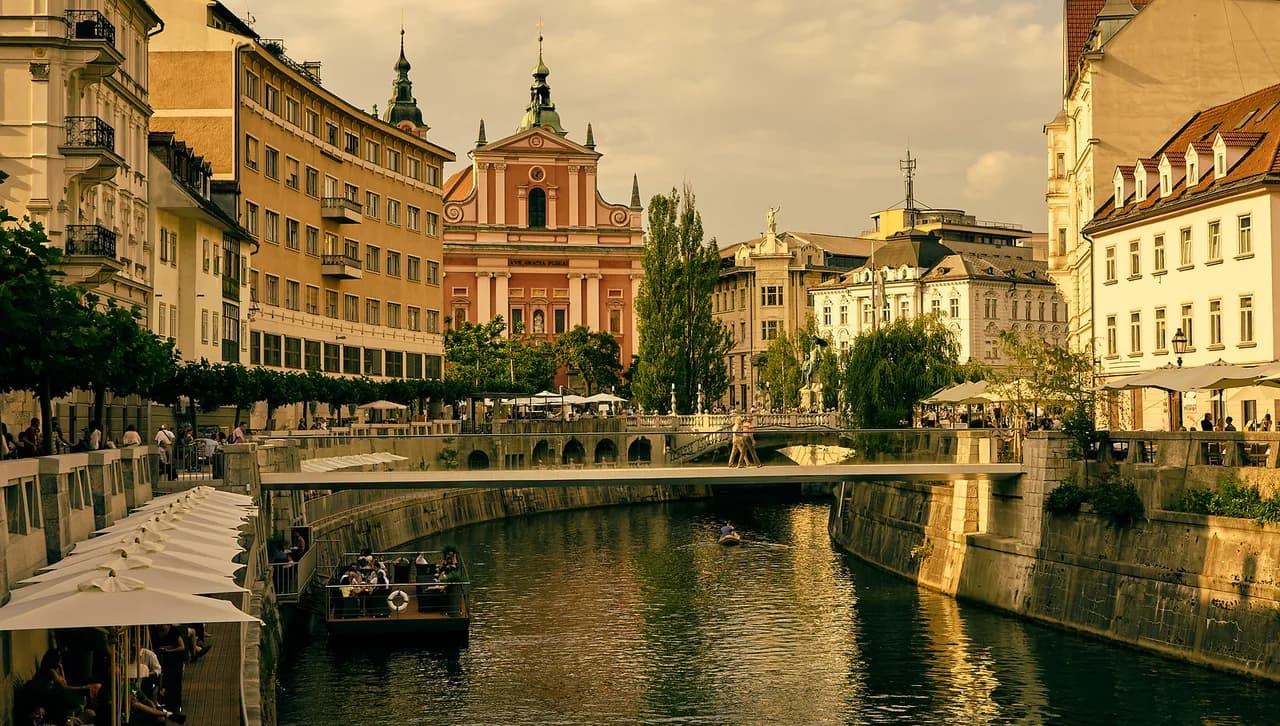
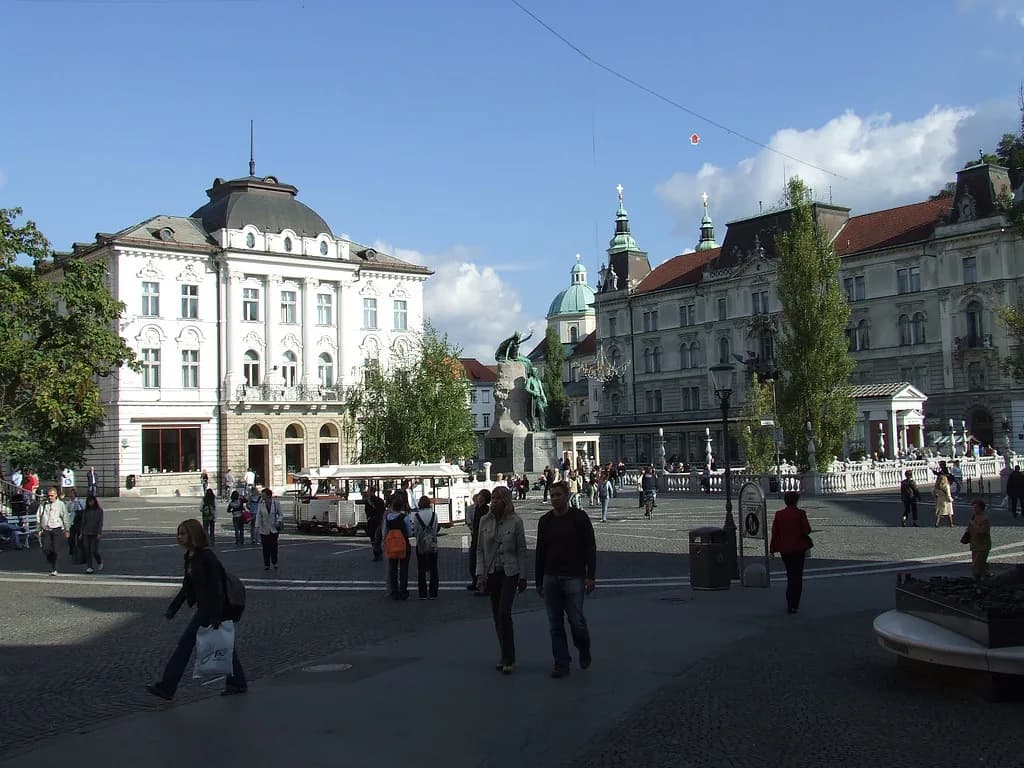
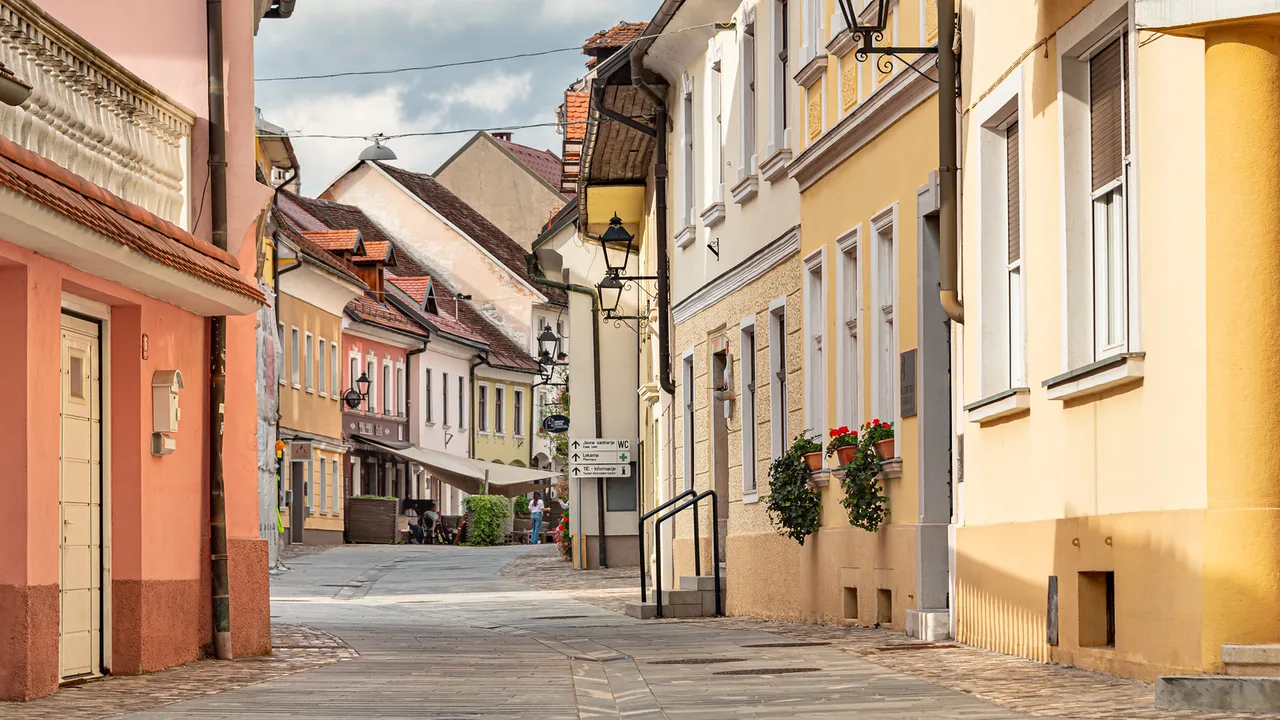
Ljubljana is the easiest introduction to the country. The old center is largely pedestrian, built around the Ljubljanica River, with Jože Plečnik's Triple Bridge and the Dragon Bridge as landmarks and Prešeren Square as the meeting point. Ljubljana Castle sits above the rooftops and holds one of the country's best-known fine-dining restaurants.
Treat the city as a base rather than the main event. Its compact size means you can see the center on foot in a day, then use it for day trips toward Bled, the karst caves or the coast. Ljubljana Jože Pučnik Airport is the main international gateway, and renting a car on arrival is the simplest way to start a loop.
Lake Bled and Lake Bohinj: the alpine lakes
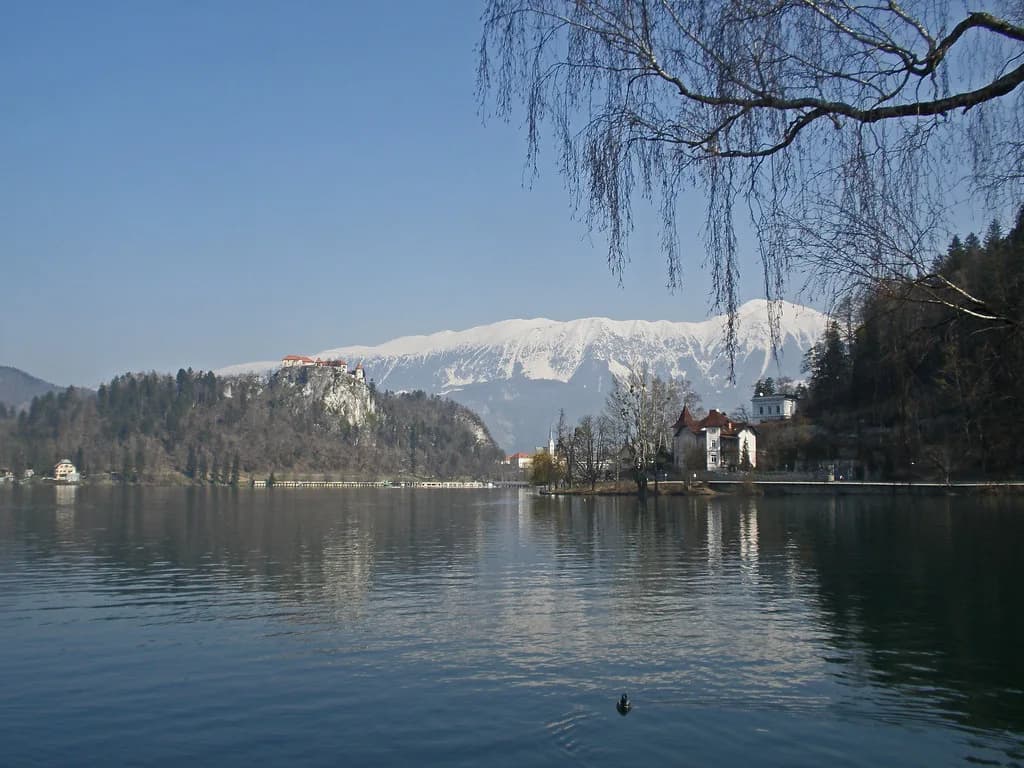
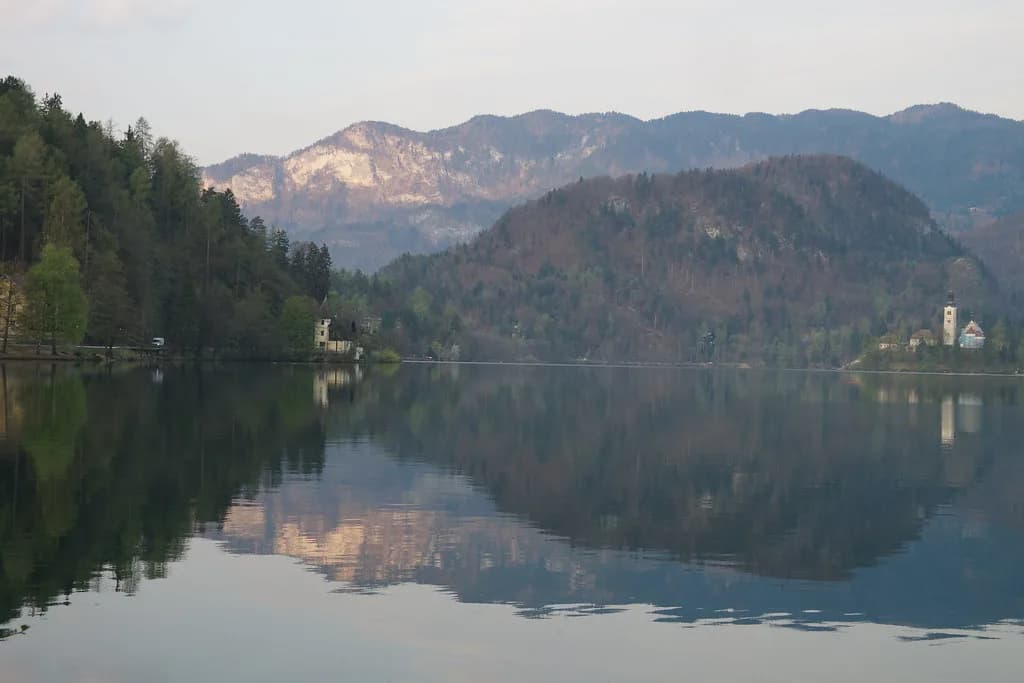
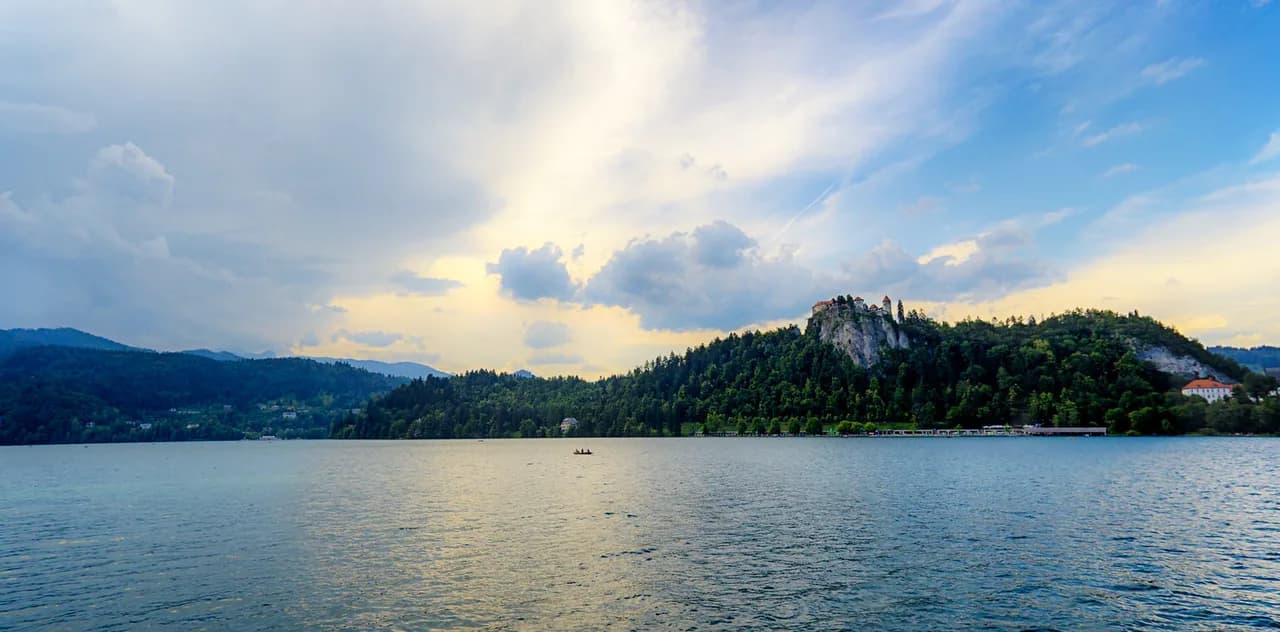
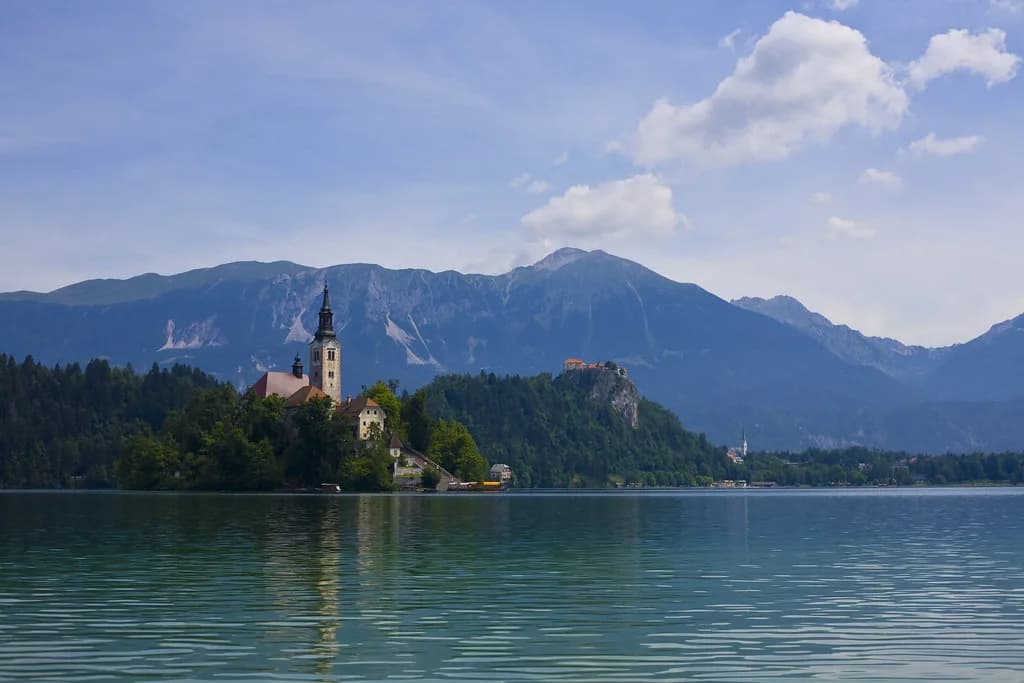
Lake Bled is the postcard: a turquoise glacial lake with a tiny island church, a cliff-top castle and the Julian Alps behind it. Walk the lakeshore path, take a traditional pletna boat to the island, and climb to Bled Castle for the view. It is also the country's busiest sight, so go early or visit outside the summer peak.
Lake Bohinj, a short drive deeper into Triglav National Park, is the quieter alternative. The lake is larger, the shoreline less developed, and swimming, kayaking and paddleboarding are all on offer in summer. Hikers can follow the Mostnica Gorge up toward the Voje waterfall, a favorite half-day route with local families.
The Julian Alps and Triglav National Park
Triglav National Park is the reason many travelers come. Around Kranjska Gora you can circle Lake Jasna for a classic view of Triglav, Slovenia's highest peak, and visit the emerald springs of the Zelenci Nature Reserve. The Vršič Pass road climbs high into the mountains and is one of the country's great drives, though it demands attention behind the wheel.
The Soča Valley on the western side is known for startlingly clear water and whitewater sports, while the Logar Valley offers an easy taste of alpine scenery from a single road. Expect winding roads, shared use with cyclists and motorcyclists, and trails that are often steeper than they look on a map.
Postojna Cave, Predjama Castle and the Karst
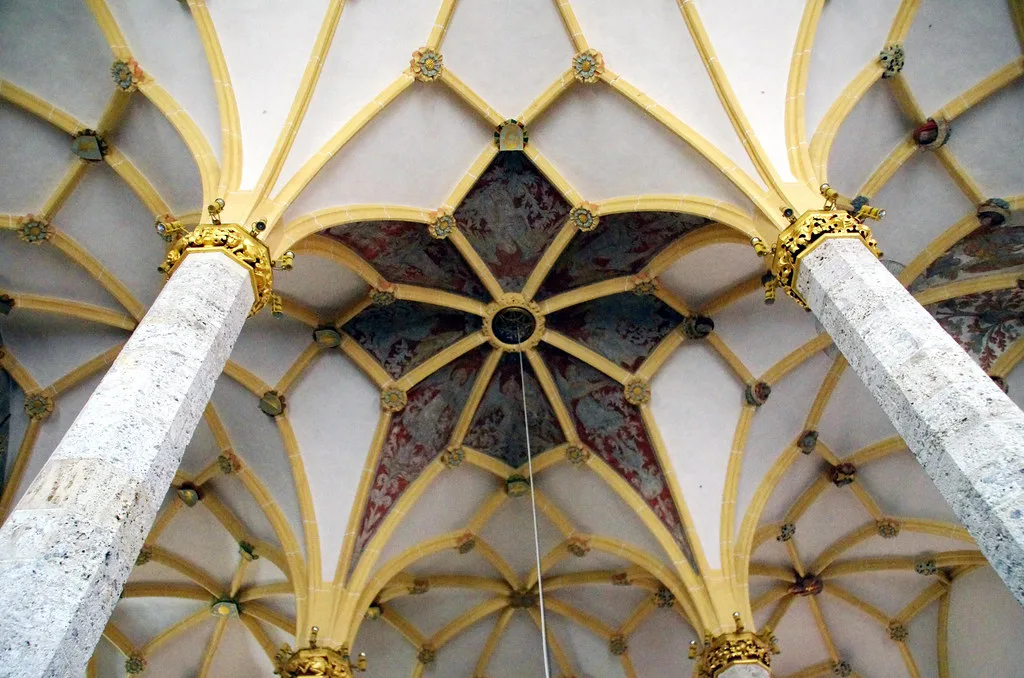
Postojna Cave is the big-ticket underground experience. Visitors ride an electric train through the first stretch and then walk a wide, lit path through the chambers, which makes it far more accessible than a wild cave. It is polished and popular, and the guided format keeps things moving.
Predjama Castle, minutes away, is the visual highlight: a medieval castle wedged into a cliff face above a cave system, with a museum inside. The more adventurous alternative is Škocjan Caves Regional Park, a UNESCO-listed system with a vast underground canyon and a bridge above the roaring Reka River. Škocjan involves more walking but delivers a wilder experience.
Piran, Koper and the short Adriatic coast
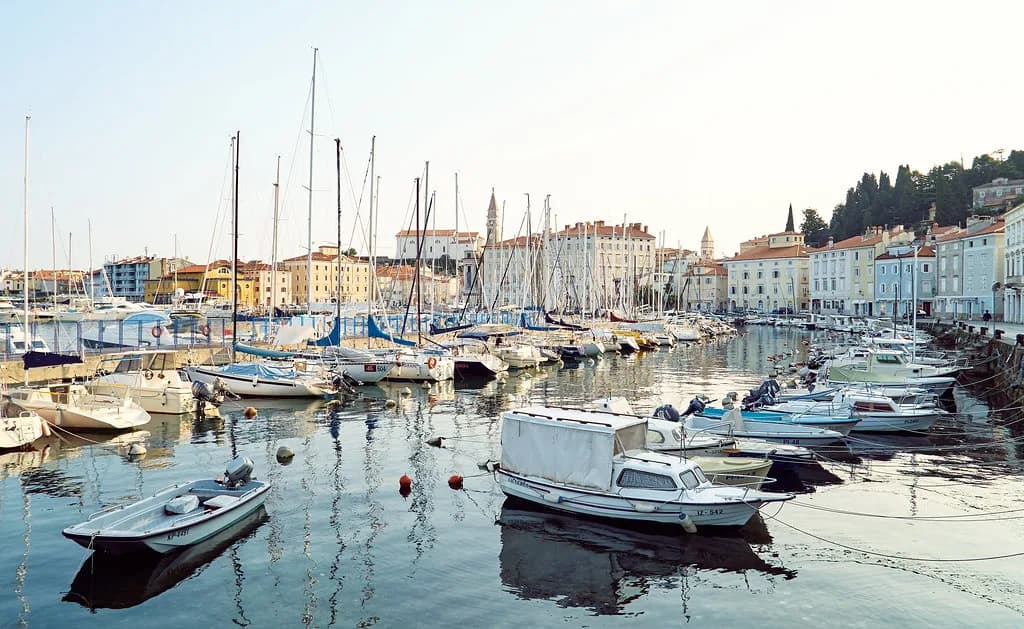
Slovenia's coast is short, but Piran makes it count. A Venetian-influenced old town wraps around Tartini Square, seafood restaurants line the marina, and a walk up to St. George's church and the town walls rewards you with red rooftops and open sea. Piran suits slow wandering rather than checklist sightseeing.
Koper is the larger working port, with a compact old town and a modern seafront promenade, and it is a practical base for exploring the Istrian hinterland. Between Piran and Izola, the Strunjan Nature Reserve offers a pebble beach below flysch cliffs, reached by a steep 20-minute descent. The climb back is the price of the quiet.
Maribor, Ptuj and the eastern wine country
Eastern Slovenia gets a fraction of the foreign visitors, and that is part of the appeal. Maribor, the second-largest city, spreads along the Drava River, with the riverside Lent district as its oldest quarter and the world's oldest living grapevine as a local emblem. The surrounding Štajerska hills produce serious white wines.
Ptuj is often called the oldest town in Slovenia, with Roman roots and a castle above the Drava, and it makes an easy half-day stop. The west's Goriška Brda, by contrast, is a landscape of terraced vineyards toward the Italian border, where the mix of alpine and Mediterranean air shapes crisp white wines.
Drawbacks: crowds, weather and rural infrastructure
Summer concentrates visitors at Bled and Postojna, and sunny weekends bring domestic day-trippers too. Away from those hotspots, even in July and August, the country rarely feels overrun. Spring and early autumn usually means fewer people, softer light and easier parking, though mountain weather can swing quickly.
Rural logistics are the other friction point. Outside Ljubljana and the larger towns, smaller businesses often prefer cash, and some farm stays and wineries keep limited online information. Road signage exists but varies, and navigation apps occasionally send drivers down unpaved tracks, so check that a route is a real road before committing.
Driving brings its own obligations. Slovenia charges tolls on motorways, and foreign-registered cars need a vignette; rental cars collected in Slovenia normally come with one. An International Driving Permit is required alongside a home license for non-Slovenian drivers, even if it is rarely requested.
Typical costs and how far your money goes
Slovenia uses the euro, and it sits in the middle of the regional price range: cheaper than Italy, Austria or Switzerland, and pricier than most of the Balkans. Food and outdoor activities are the value, with many hikes, lakes and viewpoints free. Expect to spend most on accommodation, rental cars and cave tickets, and less on everyday meals and coffee.
Cash still matters outside the cities. Cards work at hotels and most restaurants in Ljubljana and other larger towns, but smaller places and market stalls may prefer notes and coins, so keep some on hand. Travelers who share meals will also stretch the budget, since portions can be generous.
Getting there and getting around
Most travelers fly into Ljubljana Jože Pučnik Airport, while Venice, Trieste, Zagreb and Vienna offer alternative gateways. From Ljubljana, trains and buses reach Zagreb, Budapest and Venice, and buses extend the reach further. Across the country, the rail network is scenic and cheap but slow, and buses cover more ground through a patchwork of regional companies.
For a trip that includes the lakes, the coast and the karst, a car is the practical choice. Rent in Ljubljana or at the airport, keep the car for the loop, and use the pedestrian centers on foot since many old towns are car-free. Travelers staying in cities only can manage without one and rely on buses.
How many days you need
Five to seven days is the sweet spot. That allows two nights around Bled or Bohinj for the lakes and a Julian Alps day, a day for Postojna and Predjama, a night in Ljubljana and a night on the coast at Piran. Add two to three days for the Soča Valley or the eastern wine country if you want a slower pace.
A three-day trip is possible but means choosing one region. A week is enough to drive a full loop without rushing, and ten days lets you add hiking days, a wine tasting in Goriška Brda and a relaxed coastal finish. Remember that every relocation costs time on winding roads.
Slovenia or Croatia? The trade-offs
Croatia wins on coastline scale, island ferries and historic cities such as Dubrovnik and Split. Slovenia wins on alpine and karst scenery, short distances and a capital you can walk in an afternoon. Croatia's peak-season crowds along the Adriatic are heavier, while Slovenia's busiest bottleneck is concentrated at Bled. If you are weighing the Istrian side of that coast, our Pula trip guide covers a Roman port that pairs neatly with a Slovenian loop.
For a two-week trip, the two countries combine well: fly into Ljubljana, loop the lakes and caves, then cross into Istria or continue toward Zagreb. Choose Croatia alone for a beach-and-island holiday, and Slovenia alone for mountains, forests and caves.
Verdict by traveler type
Nature lovers, hikers, photographers and wine travelers should go without hesitation; the density of landscapes is hard to match for the distance covered. City-break travelers should treat Slovenia as a two- or three-day component of a wider European trip rather than the main event. Budget travelers will find it reasonable but not cheap by Balkan standards.
Families will enjoy the caves, lakes and castles, provided they pace the walking and book cave tours ahead in peak season. Travelers who want beaches and nightlife should look to Croatia or Greece. Almost everyone else should go soon, because Slovenia balances its green reputation with growing visitor numbers, and it remains calm for now.
Plan Your Visit
Book cave tours and Bled boat trips ahead for July and August, arrange a rental car with a vignette before you land, and leave room for an unplanned day in the hills. Check visa and entry rules on your government's official travel page if you need them, since the rules depend on your nationality and passport.
Pick your season deliberately: late spring and early autumn for hiking and fewer crowds, high summer for swimming in Bohinj and the coast. Whatever you choose, pair a city day with a mountain day, and Slovenia will justify the detour from its better-known neighbors.
Explore more Slovenia trip-decision guides
- Best Places to Visit in Slovenia
- Best Time to Visit Slovenia
- Is Slovenia Expensive? What a Trip Actually Costs
- Renting a Car in Slovenia
- Slovenia in April
- Slovenia in August
- Slovenia in July
- Slovenia in June
- Slovenia in May
- Slovenia in October
- Slovenia in September
- Slovenia Itinerary
- Money in Slovenia
- The Best Cities in Slovenia
Frequently Asked Questions
Is Slovenia worth visiting for a first trip to Europe?
Yes. Short distances, widespread English and a mix of castles, caves, lakes and a walkable capital make it manageable for first-timers. It suits travelers who want scenery over big-city museums, and a rental car makes it much easier.
How many days do you need in Slovenia?
Five to seven days covers Ljubljana, Lake Bled or Lake Bohinj, the Julian Alps, Postojna Cave and Piran without rushing. Ten days lets you add the Soča Valley and the eastern wine country at a relaxed pace.
Do you need a car to travel around Slovenia?
For cities and larger towns, no; buses and trains work. For the lakes, mountain passes and trailheads, a car saves hours and reaches places public transport does not serve well, so most visitors rent one for at least part of the trip.
Is Slovenia expensive?
It sits in the middle: cheaper than Italy or Austria and more expensive than most Balkan countries. Food and outdoor activities are good value, while accommodation, car rental and cave tickets take the largest share of a budget.
What is Slovenia best known for?
Lake Bled and its island church, the Julian Alps and Triglav National Park, the karst caves at Postojna and Škocjan, the Venetian-style town of Piran, and a compact, pedestrian-friendly Ljubljana.
Which is more beautiful, Slovenia or Croatia?
They offer different scenery. Slovenia has alpine lakes, forested mountains and dramatic caves; Croatia has a long island-studded Adriatic coast and historic cities. Choose Slovenia for mountains and caves, Croatia for beaches and islands, or combine both.
Is Slovenia worth visiting in summer?
Yes, for swimming, hiking and long days, but expect the biggest crowds at Lake Bled and Postojna Cave. Go early in the day, book tours ahead and spend time in less-visited areas such as Bohinj or the Soča Valley.
Sources
Trip-decision notes
Optional updates when we publish or revise a destination verdict.
You might also like
Continue reading
More guides you'll find useful