Slovenia in May: Weather, Crowds and If It's Right
May may be Slovenia's best month: warm days, open mountain passes, long evenings and pre-season prices, with rain and a late-May holiday surge the trade-offs.
On this page
Yes, May is the month to book if you want Slovenia's outdoors without the summer crush. Days are mild rather than hot, the hiking and cycling season is fully open, and the big July and August crowds have not yet arrived. The catch is rain, and a short holiday-weekend surge late in the month.
May sits at the front of the window that runs through June and September, when you get reliable warmth without peak-season pricing. As one Slovenian operator puts it, May ranks among the best times of year for cycling holidays, day trips and the country's wide network of hiking trails, with no scorching heat and sightseeing conditions that are hard to beat. If your trip is mostly cities, caves and castles, the month matters less; if it is mountains, lakes and rivers, May is close to ideal.
The verdict on May
May is Slovenia's sweet spot for hiking, cycling and lake country, and a perfectly good month for the short Adriatic coast. Temperatures are pleasant rather than punishing, daylight is long, and accommodation has not yet jumped to summer rates. The main trade-off is unsettled weather: spring here means rain, and the mountains make their own.
Treat May as a flexible month rather than a guaranteed one. Build in a wet-day plan such as a Karst cave or a city day, and keep mountain plans movable by a day or two. If you want the highest confidence of dry, warm weather, June or September suit better; if you want lower prices and elbow room, May wins.
Who May suits and who should choose another month
Hikers, cyclists, rafters and couples who want Lake Bled without coach-loads will get the most from May. Families with school calendars often find late May workable, and budget travelers benefit from pricing that has not yet peaked. If your priority is swimming in the Adriatic or long, hot beach days, wait for July or August.
Choose another month if you are coming primarily for high-altitude ridge walking, which can still meet old snow early in May, or if you want guaranteed sunshine for a short trip. Before committing, read whether Slovenia is worth visiting at all — May rewards travelers who like the country's outdoors, and does less for those who mainly want cities.
How warm May gets
Expect mild, changeable spring weather rather than settled summer heat. In the lowlands around Ljubljana and Maribor, daytime temperatures are typically comfortable for walking, while the Julian Alps and the Soča Valley run noticeably cooler and can turn cold after rain. The coast around Piran and Koper is the mildest corner, but the sea itself is still cool by most people's standards. Slovenia's April figures give the shape of the season: average daily temperatures of about 12°C (54°F) inland, roughly 10°C (50°F) in the west and 6°C (43°F) in the mountains, with rain on around half the days in the west, and May builds on that. Pack a waterproof shell and a warm mid-layer whatever the forecast. Our month-by-month guide to the best time to visit Slovenia sets May against June and September.
Daylight is a real gift in May: long evenings let you hike later, eat outside and drive mountain roads without racing sunset. Use the extra hours for the longer lake loops and valley walks rather than squeezing them into a short afternoon. Rain tends to arrive in showery bursts rather than all-day soaking, so a flexible daily plan beats a rigid one.
Mountain roads and the Vršič Pass
The Vršič Pass, the high road linking Kranjska Gora with the Soča Valley through the Julian Alps, is the single most useful seasonal marker for a May trip. It typically opens to cars toward the end of April, which means May is the first full month you can drive it. That transforms what is possible: you can cross between the lakes and Bovec in one scenic drive instead of looping around.
Opening does not mean summer conditions. Snow can linger on shaded verges and higher ground, and the pass can close again in bad weather, so ask locally on the day before committing. Elsewhere, valley walks, gorge trails and lower mountain paths are generally ready by May; high ridge routes are better left for later in the season. Our Slovenia in June guide covers the point where everything, including the highest trails, is usually in play.
Ljubljana in May
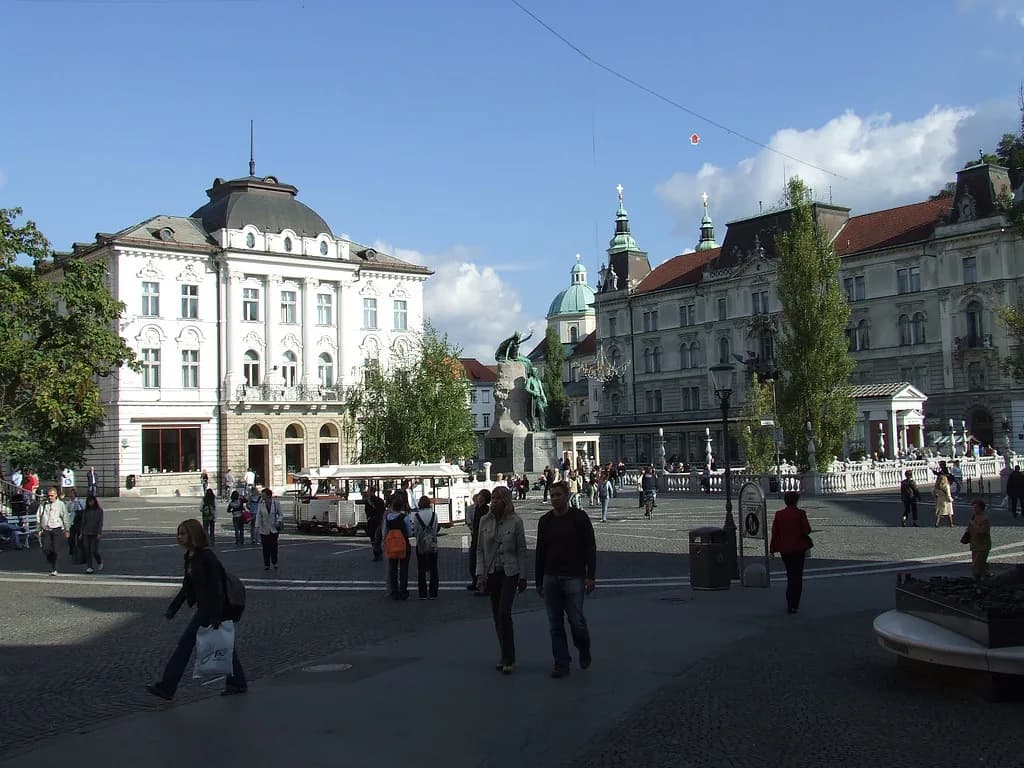
Ljubljana is a compact, pleasant city for a couple of days in May, when café terraces along the river come into their own. Walk the historic core, cross the Triple Bridge, climb to the castle for the view, and spend an afternoon in the museums and galleries if it rains. The city is small enough to cover on foot or by bike.
Time your visit for a Friday and you get the Open Kitchen street-food market, the outdoor food festival that runs every Friday through the warmer months and draws locals as much as visitors. It is a good, low-cost way to eat well without booking. For what a Ljubljana day costs beyond lunch, see whether Slovenia is expensive.
Lake Bled and Lake Bohinj
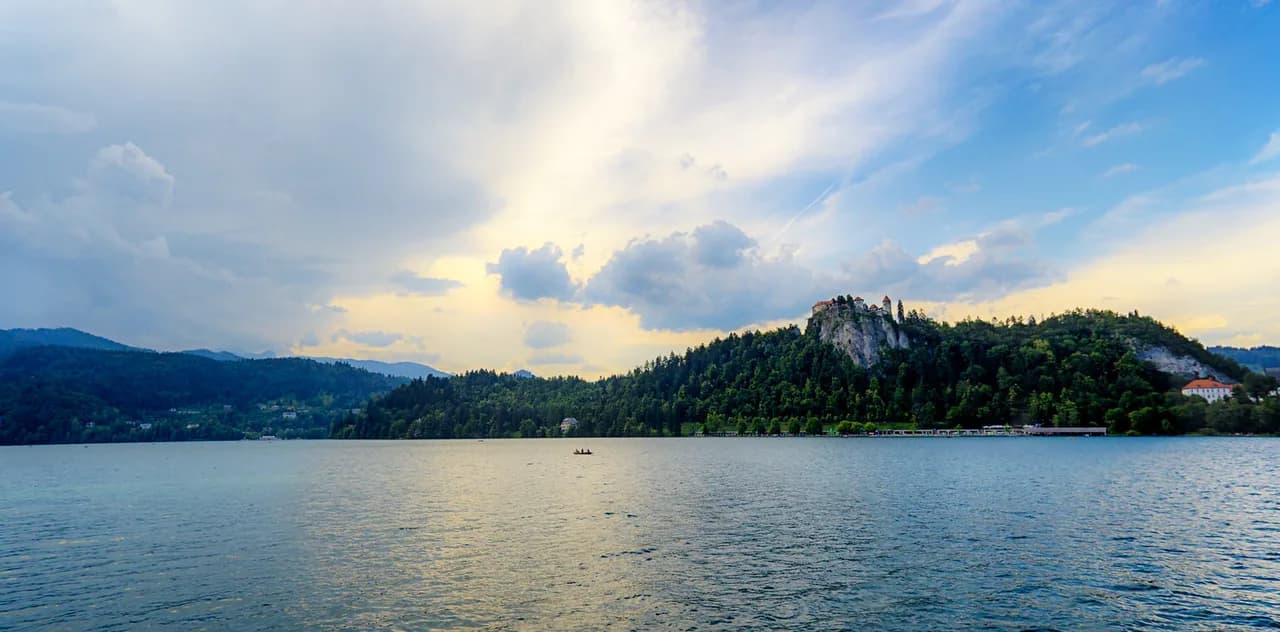
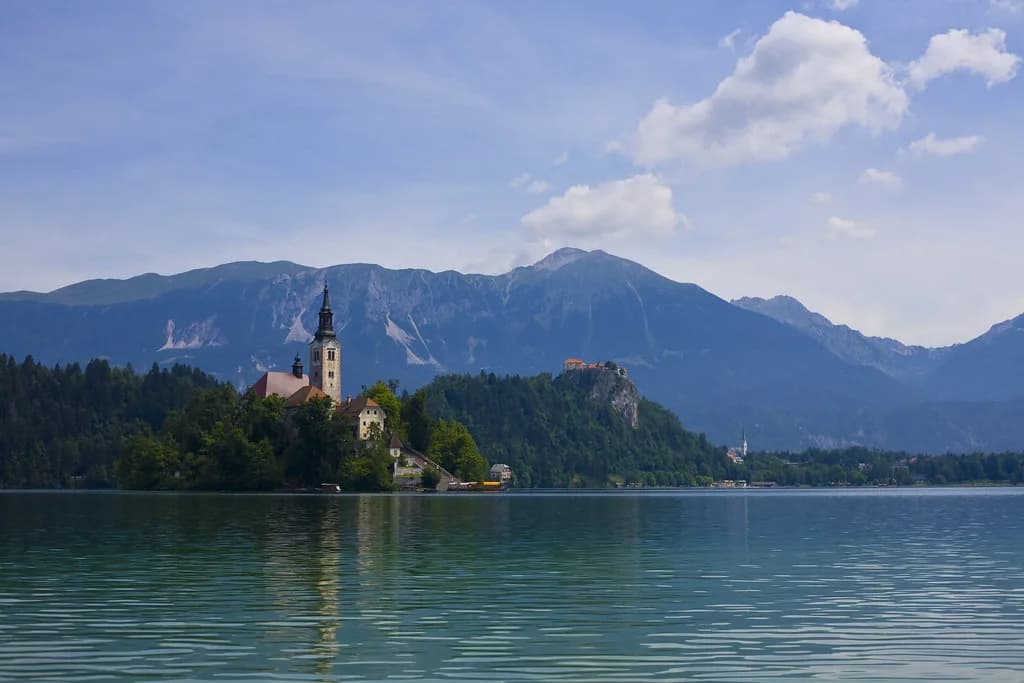
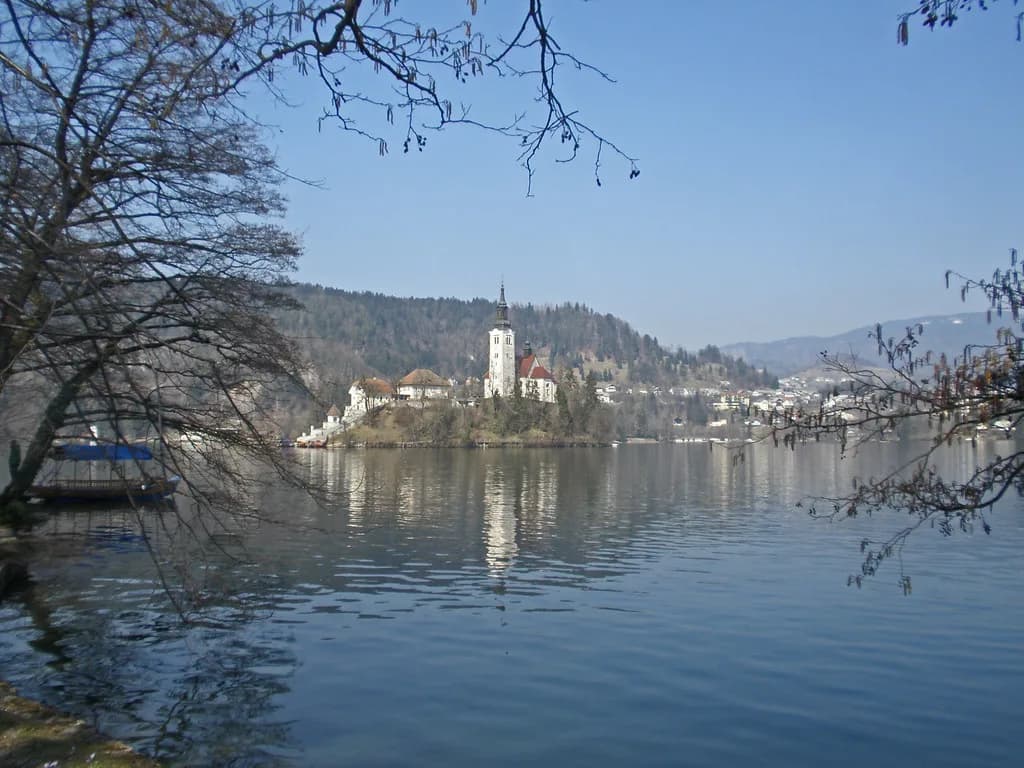
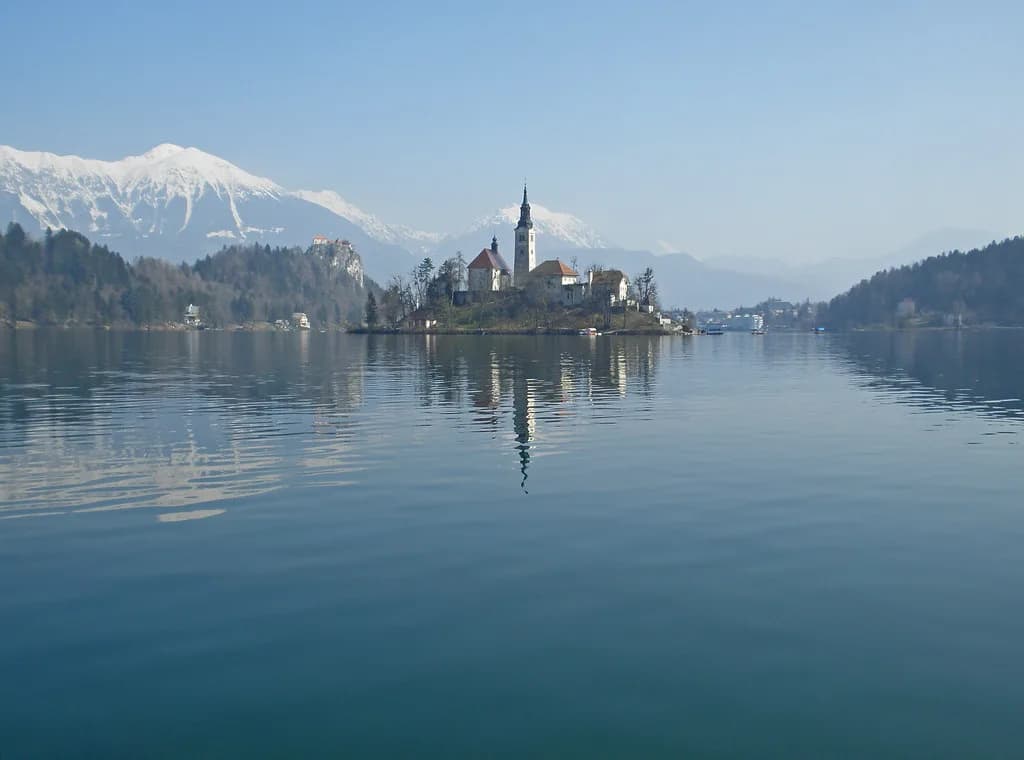
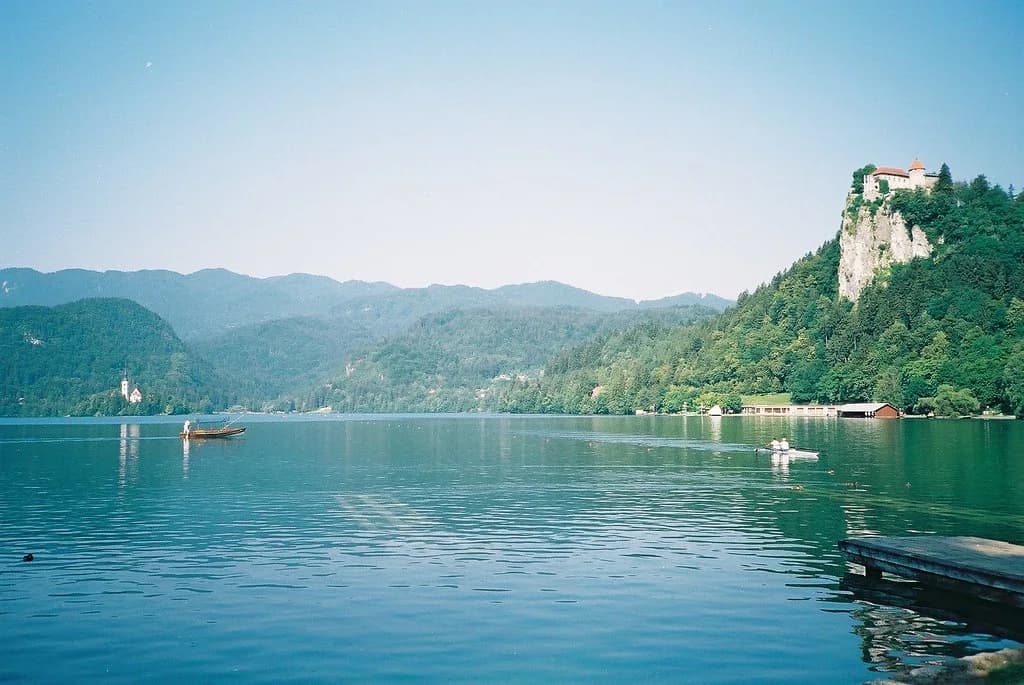
Lake Bled is the postcard, and in May you can walk the shore path and row to the island without the shoulder-to-shoulder summer feel. It is still the busiest single sight in the country, so go early in the day. Lake Bohinj, a short, scenic drive deeper into Triglav National Park, is the quieter, wilder counterpart and a better base if you want stillness.
Bohinj's International Wild Flower Festival fills May with guided botanical walks, events and food built around the alpine flora of the villages around the lake. It is a genuine reason to choose Bohinj over Bled in this month, and it pairs well with the lake's walking and cycling routes. If you are weighing which lakes to prioritize, our guide to the best places to visit in Slovenia helps.
The Soča Valley and Bovec
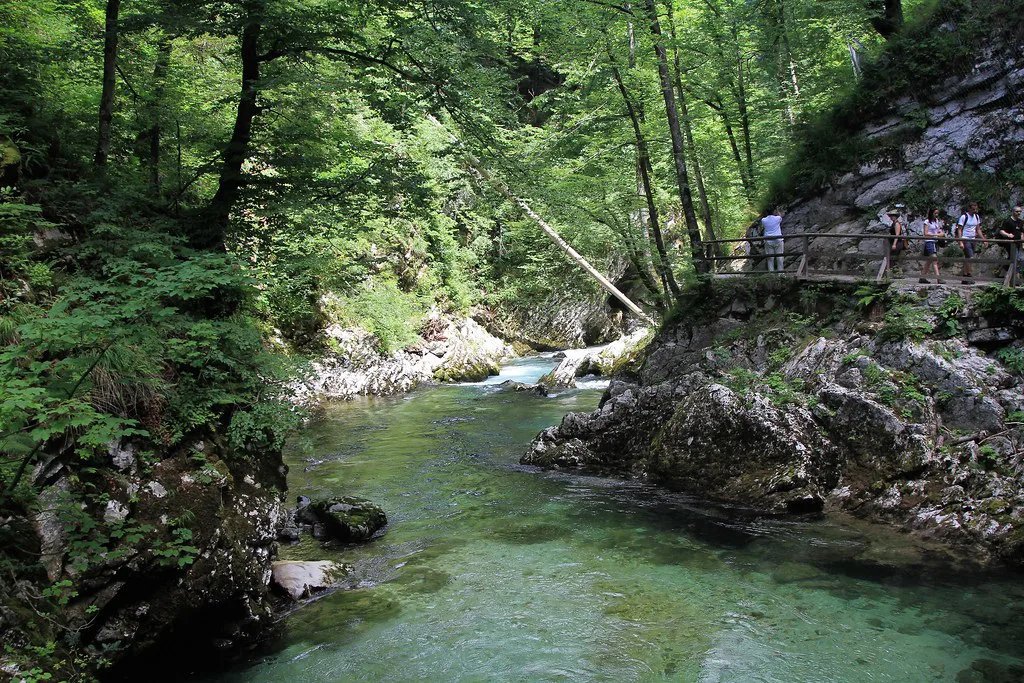
May is prime rafting and kayaking season on the Soča, because snowmelt swells the river to its most energetic. The water is cold and fast, so book with a licensed operator who supplies wetsuits and briefs you properly. Bovec is the activity hub, with operators running trips on the river and hikes to nearby waterfalls.
On foot, the Tolminka Gorge and Boka Waterfalls give you big scenery without technical difficulty, and the Great War memorials and fortifications around Bovec add a historical layer to the walks. Mountain weather here changes fast, so start early and carry rain gear. Our Slovenia in June guide covers how the valley shifts once summer settles in.
The short coast
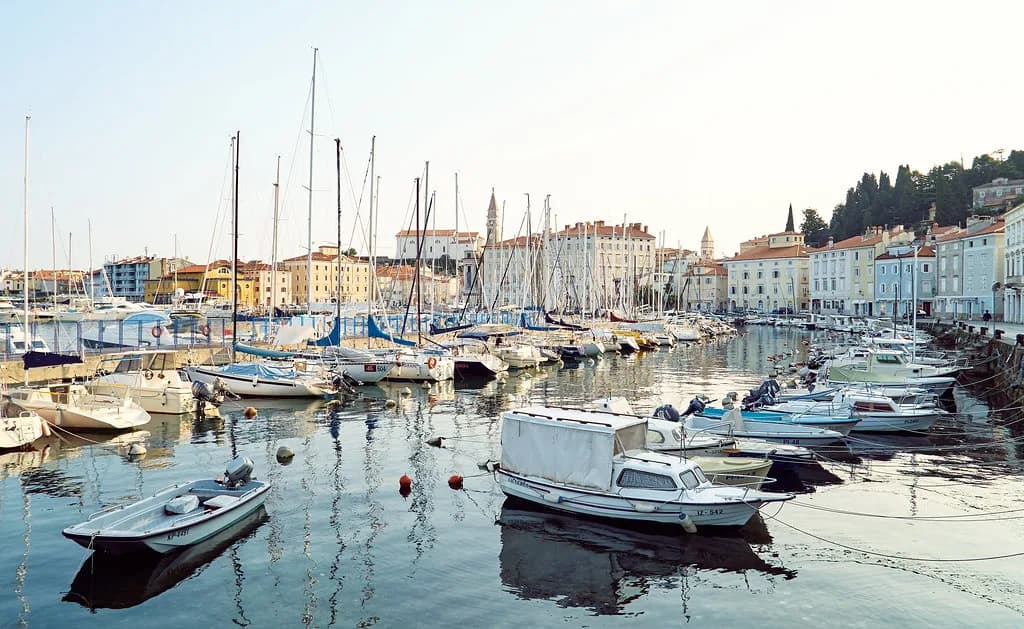
Slovenia's short Adriatic shoreline packs in four distinct stops. Piran is the Venetian-looking highlight, with a walled old town, a small harbor and a beach at Fiesa; Izola is smaller and quieter; Koper has the most working-city feel and a handsome main square; Portorož is the resort, with spas and a promenade. A day or two covers the lot. If you are weighing a longer Istrian run south of the border, see whether Pula is worth visiting.
May is good for walking the coast, cycling between towns and eating seafood on the waterfront, but the sea is still cool for most swimmers and beach weather is a gamble. Treat swimming as a bonus rather than the plan. If the sea is your priority, our Slovenia in July guide covers the warmest water and the busiest beaches.
Karst caves for a wet day
When rain sets in, head underground. Škocjan Caves, a UNESCO-listed system with a vast collapsed doline and a river gorge, is the more dramatic visit; Postojna is the bigger, more theatrical show, with a train ride into the cave. Both are guided and near each other in the Karst region southwest of Ljubljana.
Book cave tickets ahead in the run-up to a holiday weekend, since slots fill and entry is by timed tour. Caves are cool year-round, so bring a layer even on a mild May day. A wet afternoon here is a far better use of time than waiting out the rain in a café.
Eastern Slovenia: Maribor, Ptuj and Pohorje
Eastern Slovenia gets a fraction of the attention paid to the lakes, and May is a fine time to explore it. Maribor, on the Drava, is a lively university city with wine country at its edge and the world's oldest producing vine at the Old Vine House. Ptuj, the country's oldest town, has a hilltop castle and a handsome old core.
The Pohorje hills above Maribor offer walking, peat bogs, small lakes and waterfalls on trails that are quiet in May, and the surrounding Štajerska wine roads are ideal for a relaxed tasting day. Use Maribor as a base for both. If you are short on time, compare this region with the west in our guide to the best cities in Slovenia.
What May costs and when to book
May sits in shoulder season, so accommodation is generally well below the July and August peak and availability is far better. Flights and rooms tend to be cheapest early in the month. The exception is the late-May holiday weekend, when domestic travelers fill Bled, Bohinj and the coast; book those nights well ahead.
Beyond lodging, plan for park entry, cave tours, activity operators and fuel. Postojna Cave tickets and Škocjan Caves tour prices are published by the caves themselves, Triglav National Park entry is handled by the park authority, and fuel prices are set nationally, so check current ticket prices directly with each site rather than relying on older figures. For a sense of overall daily spend, from coffee to a rental car, read is Slovenia expensive.
Crowds and the real constraints
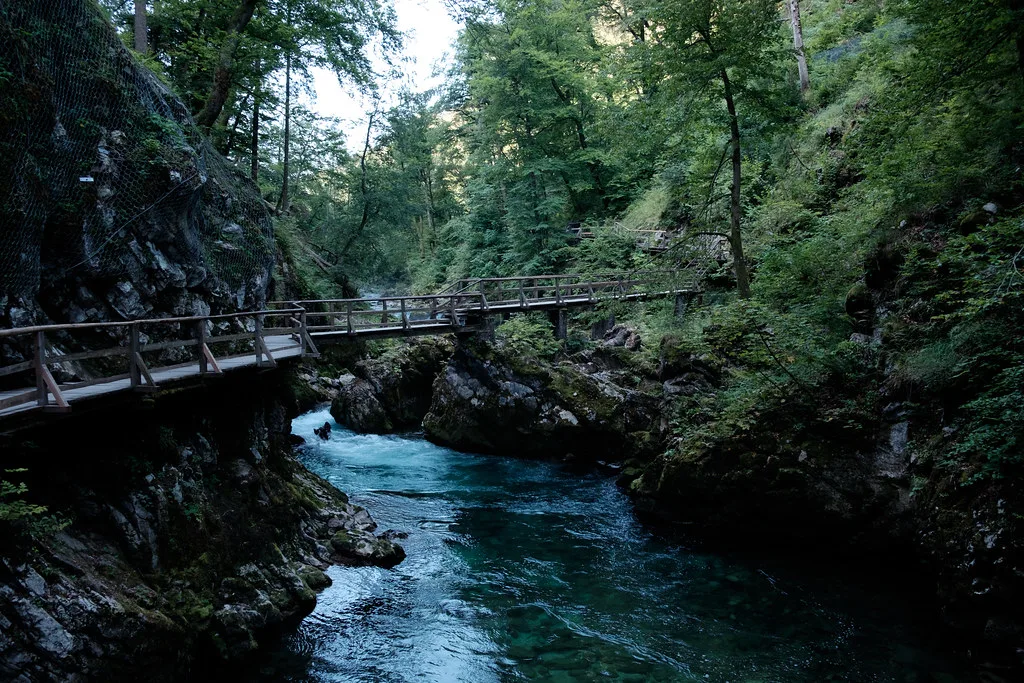
You will share Bled, Vintgar Gorge and Piran with other visitors in May, but nothing like the summer volume, and the smaller towns and eastern regions feel genuinely quiet. The bigger constraint is the weather and what it does to trails, rivers and mountain roads. Snowmelt can make upper trails muddy and rivers high; rain can close gorge walkways.
Plan one flexible day per three, keep a cave or city fallback ready, and ask at tourist offices or with activity operators about current conditions before setting out. Fewer crowds also mean some seasonal businesses are still shaking off winter, so confirm that a specific operator is running before you build a day around it. The best time to visit Slovenia comparison shows how May's crowds stack up against the rest of the year.
Getting there and around
Ljubljana Jože Pučnik Airport is the main gateway, with a growing summer timetable and connections to London, Paris and other European hubs. The airport is a short drive from the capital, but public transport to the lakes and valleys is thin, and many of the best stops are awkward without a car. For most May itineraries, especially anything involving the Soča Valley or the east, renting a car is the practical choice — see our guide to renting a car in Slovenia.
A car unlocks the Vršič Pass crossing, the wine roads and the flexibility to chase better weather. You will need a vignette for motorways, and mountain roads demand care in rain and lingering snowmelt. If you prefer trains and buses, base yourself in Ljubljana and Bled and keep the scope tighter.
How many days you need
Give Slovenia five to seven days in May to cover Ljubljana, Bled and Bohinj, the Soča Valley and a taste of the coast without rushing. Four days works for a city-and-lakes trip; ten days lets you add the Karst caves and eastern Slovenia's wine country. Whatever the length, build the itinerary around a couple of fixed anchors and leave the rest movable for weather.
Start with our Slovenia itinerary for a proven route, then adjust for May's conditions: put the mountains early if the forecast is dry, and keep a cave day in reserve. The extra daylight means a well-planned week feels longer than it does in spring's darker weeks such as those covered in our Slovenia in April guide.
Drawbacks stated plainly
Rain is the honest downside. May is a wet month in much of the country, especially the west, and the mountains can produce sudden cold spells. The Adriatic is cool rather than inviting for swimming, and early May still limits the highest trails through lingering snow. Crowds are lower, but they spike around the late-May holiday weekend.
None of this should put you off if you come prepared: a waterproof jacket, warm layers, flexible plans and a tolerance for a wet afternoon. If you want dry, settled heat and warm sea, look at our Slovenia in July and Slovenia in August guides instead.
Verdict by traveler type
Hikers and cyclists: go in May. Trails and roads are open, temperatures are made for effort, and the Vršič Pass opens toward the end of April, so a May trip is usually the first full month to drive it. Couples: May is excellent for Bled, Bohinj and Ljubljana before the summer crowds. Families: late May works well, with long days and plenty of outdoor options, but keep a wet-day backup. Budget travelers: shoulder-season prices help, though the holiday weekend is the exception. Beach-first travelers should choose July or August.
Plan Your Visit
May is one of the best months to see Slovenia, especially if your trip is built around the outdoors. Warm-but-not-hot days, long evenings, open mountain roads and lower prices outweigh the rain, provided you keep plans flexible. If beaches and guaranteed sunshine top your list, shift to July or August.
Fix a loose route — Ljubljana, the lakes, the Soča Valley and a slice of coast or east — book the late-May weekend early, and confirm mountain road conditions on the day. Then compare May with the alternatives in our best time to visit Slovenia and lock your dates.
Explore more Slovenia trip-decision guides
Frequently Asked Questions
Is May a good time to visit Slovenia?
Yes. May is one of the best months for hiking, cycling and visiting the lakes and rivers. Temperatures are mild, daylight is long and the summer crowds have not yet arrived. The trade-off is rain, especially in the mountains and the west, so build a flexible day or two into your plan.
Is May or June better for Slovenia?
May gives you fewer crowds, lower shoulder-season prices and the wild-flower season around Bohinj, but rain is more likely. June usually brings settled, warmer weather and full access to the highest mountain trails, at the cost of rising prices and more visitors. Choose May for space, June for reliability.
How much rain should you expect in May?
Plan for wet weather. Spring in Slovenia is changeable, and the west and mountains can see rain on many days, often as showers rather than all-day downpours. Bring a waterproof shell and a warm layer, and keep a cave or city day in reserve for the wettest spell.
Can you swim in Slovenia in May?
The sea along the Adriatic coast is typically still cool for most swimmers in May, and alpine lakes are colder still with snowmelt feeding them. Lake Bled and Lake Bohinj are beautiful to walk around, row on and photograph, but swimming is best seen as a bonus rather than the reason to come.
Can you drive the Vršič Pass in May?
Typically yes. The Vršič Pass usually opens to cars toward the end of April, so May is the first full month for the crossing between Kranjska Gora and the Soča Valley. Conditions can still turn wintry, so ask locally on the day before committing to the drive.
How many days do you need in Slovenia in May?
Five to seven days is a comfortable length for Ljubljana, Bled and Bohinj, the Soča Valley and a taste of the coast. Four days covers a city-and-lakes trip, while ten days lets you add the Karst caves and the wine country around Maribor.
What is there to do in Slovenia in May besides hiking?
Cycling, rafting and kayaking on the Soča, the Open Kitchen street-food market in Ljubljana on Fridays, the International Wild Flower Festival in Bohinj, wine tasting around Maribor and exploring the Karst caves. Rainy days are well covered by Škocjan and Postojna.
Does May feel crowded in Slovenia?
Generally no. May is shoulder season, so Bled, Vintgar Gorge and Piran are busy but manageable, and the eastern towns are quiet. The exception is the late-May holiday weekend, when domestic travelers fill popular spots and you should book ahead.
Sources
Trip-decision notes
Optional updates when we publish or revise a destination verdict.
You might also like
Continue reading
More guides you'll find useful