Slovenia in June: Weather, Crowds and Whether to Go
Slovenia in June brings warm valley days, opening alpine trails and lighter crowds than July and August. Here is who should go and what to expect.
On this page
Yes, June is a strong month for Slovenia — arguably the best of the summer trio for a first trip. Days are long, valleys are warm, waterfalls still carry spring volume, and the mid-July to late-August crush has not yet arrived, according to seasonal planning guidance. The trade-off is altitude: lower and mid-level trails are in season while high Alpine routes and via ferrata often wait until late June.
Plan June by elevation rather than by a single verdict on the month. Early June suits gorges, rivers and lake towns like Bled and Bohinj; late June adds the high Triglav and Soča routes. If you are still deciding whether the country earns a trip at all, is Slovenia worth visiting lays out the case for and against before you commit dates.
The verdict on Slovenia in June
June is a pre-peak month, and that is its whole appeal. You get summer warmth on the coast and at the lakes, full daylight, and far more breathing room than July and August bring to Bled, Bohinj, the Soča Valley and Piran. Prices sit below the mid-July to late-August peak, though the country uses the euro and you should expect normal European summer rates rather than bargains.
The month works best for travelers who want variety in one trip: a lake morning, a gorge walk, an afternoon in Ljubljana and a hill village for dinner. It suits hikers who accept valley and mid-level trails with a possible snow line above. It is weaker for anyone whose main goal is a high Alpine traverse or a via ferrata on a fixed early-June date.
Who will love it in June
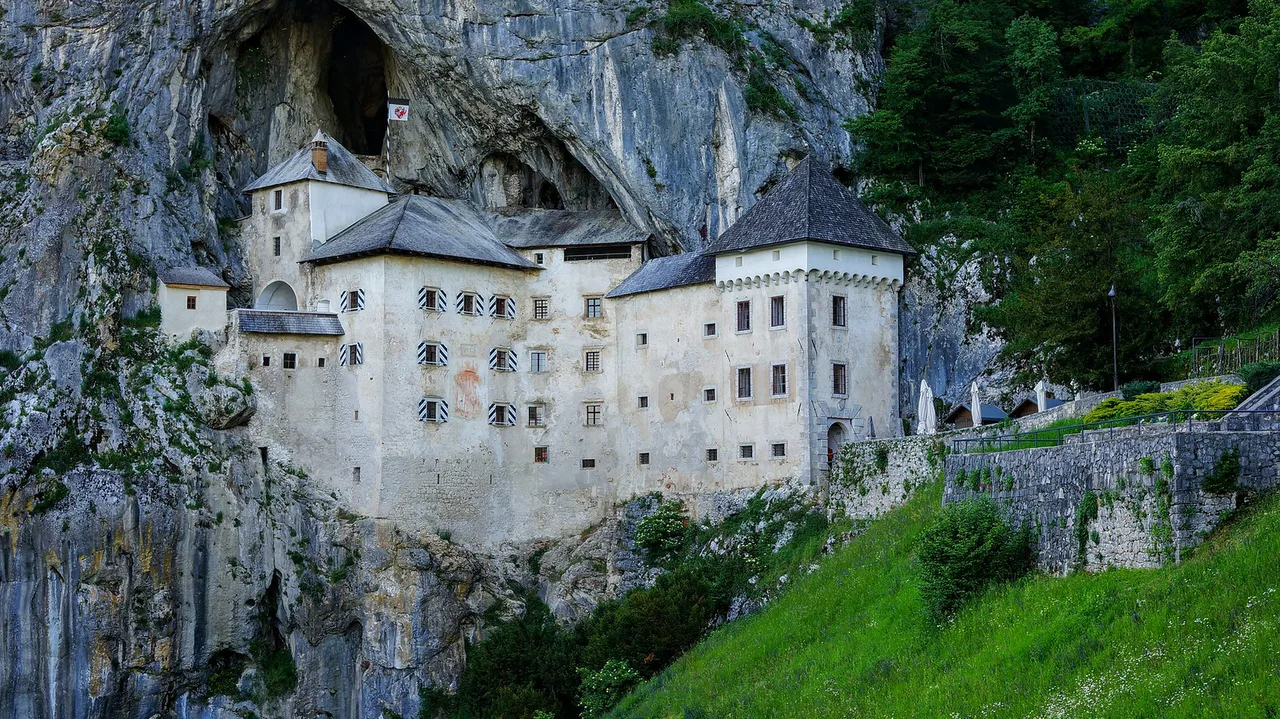
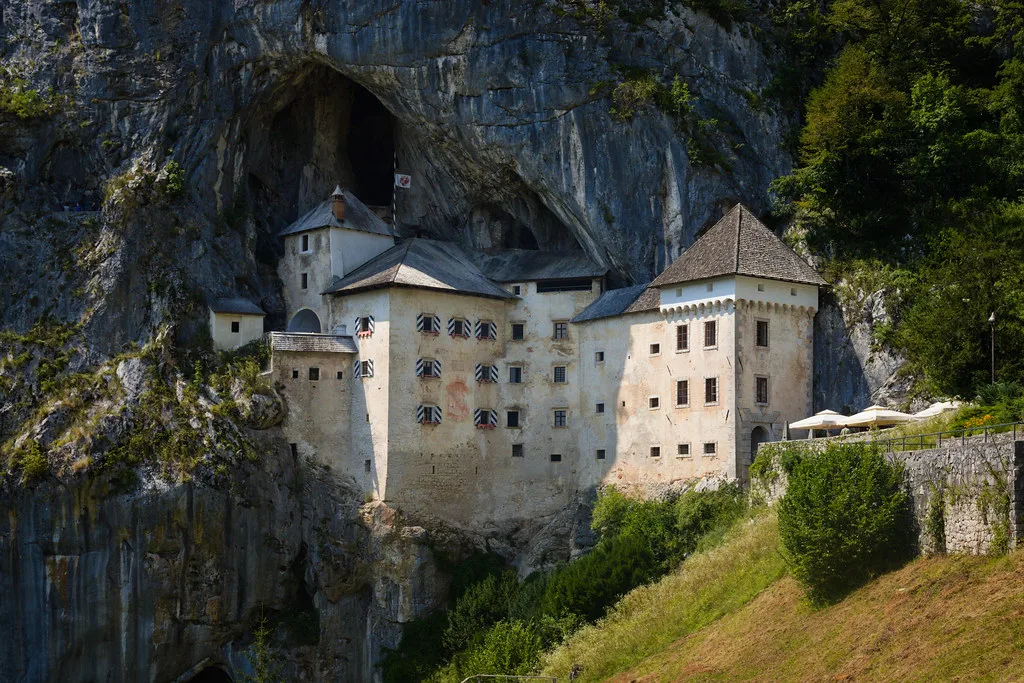
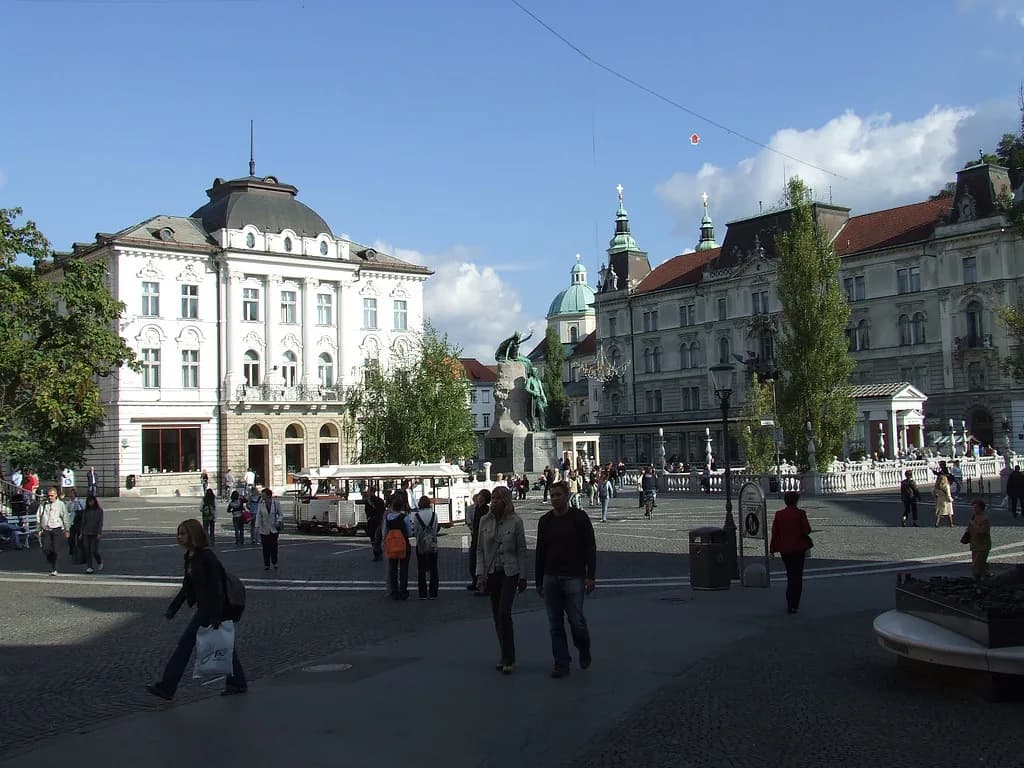
First-time visitors win most in June. You can cover Lake Bled, Lake Bohinj, Vintgar Gorge, the Postojna and Škocjan caves, Ljubljana and two or three Adriatic days around Piran without the peak-season queueing that defines late July. The longer days let you start early, rest at midday and still have light for an evening walk.
Waterfall and gorge chasers also do well, because rivers still run high from spring melt and rain. Pekel Gorge, Mostnica Gorge and the Vintgar corridor are at their most dramatic in late spring and early summer, though spray makes boards and rock slippery after storms. Families with school-age children get warm lakes and open outdoor attractions before the crowds tighten.
Cyclists and slow road-trippers get the best version of the month: quiet lanes in the Vipava Valley, the Karst villages, and the Parenzana trail between the coast and the interior. Self-drive trips are easier now than in August, when narrow valley parking fills early; if you want that flexibility, renting a car in Slovenia for the Alpine and Soča chapters is the clean solution.
Who should pick a different month
Skip June if high Alpine hiking is the point of the trip and your dates are fixed in the first half of the month. Routes above roughly 2,000 m and via ferrata typically open from late June through September, and old snow and ice can linger on ridge lines long after the valleys are green. September gives you open high routes with calmer crowds than midsummer.
Choose another window if you want guaranteed beach weather. June is swimmable on warmer days along the Piran and Portorož coast and at the lakes, but the sea is warmest in July and August, when the crowds and hotel rates also peak. Wine and harvest travelers should wait for the golden hills of September and early October.
June weather around the country
Expect roughly 25°C (77°F) by day and around 12°C (54°F) at night, with about eight rainy days across the month, based on third-party climate averages for Slovenia. Treat those as typical conditions, not a forecast: June is a convective month, so mornings are often clear and storms build through the afternoon.
Where you are matters as much as the date. Ljubljana and the lowland valleys are warm and humid; the Julian Alps and the high Karst run several degrees cooler, and mountain weather can turn in an hour. The Adriatic strip around Piran and Portorož is the mildest corner, with sea breezes that soften the afternoon heat.
Build your day around the pattern rather than fighting it: gorges and exposed ridges in the morning, cities or caves when storms threaten, and a late-afternoon swim when the cloud breaks. Keep one buffer day per week if hiking matters, because a single storm day can close a planned route.
Waterfalls and gorges in early summer
June is a strong gorge month because spring flow has not yet dropped to summer levels. Mostnica Gorge above Bohinj and Pekel Gorge near Žalec give you mossy walls, deep pools and dramatic water without the August heat on the approach. Expect spray, slick boards and the need for proper shoes rather than sandals.
Vintgar Gorge near Bled is the famous one and the busiest; go at opening rather than late morning, when tour groups arrive. The same advice applies in the narrower Soča side valleys, where parking pressure is the real constraint in summer. After heavy rain, banks and boardwalks can be unstable, so keep to marked paths rather than edging closer for a photo.
Hiking in the Alps as trails open
By June the trail map splits into three tiers. Low valleys and short walks are open across the country; mid-level ridges and easier peaks generally come into season from May through October; high Alpine routes and via ferrata usually wait for late June through September. Plan a June hiking day from the tier you can actually reach rather than from a summit photo.
The Julian Alps around Kranjska Gora, Bovec and the Soča Valley are the classic base for alpine days, while Bohinj and the Pokljuka plateau give gentler height gain. Mountain huts open with the high season, so late June is the safer bet than early June for anything involving a hut stay or a long ridge. Carry layers; a warm valley morning does not mean a warm summit.
If you only have a few days, pick one alpine area and one lake base rather than connecting three mountain valleys. The distances look short on the map but the roads are slow and winding, and a rushed mountain day in changeable weather is the most common way a June trip goes wrong.
Lakes and the coast in June
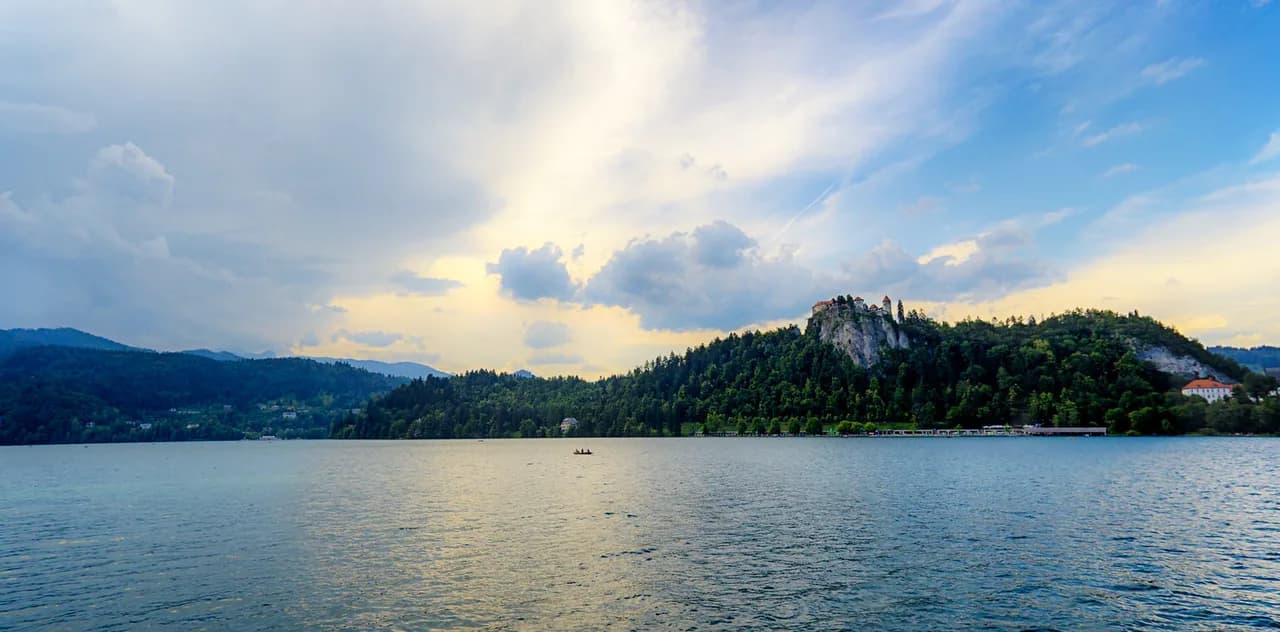
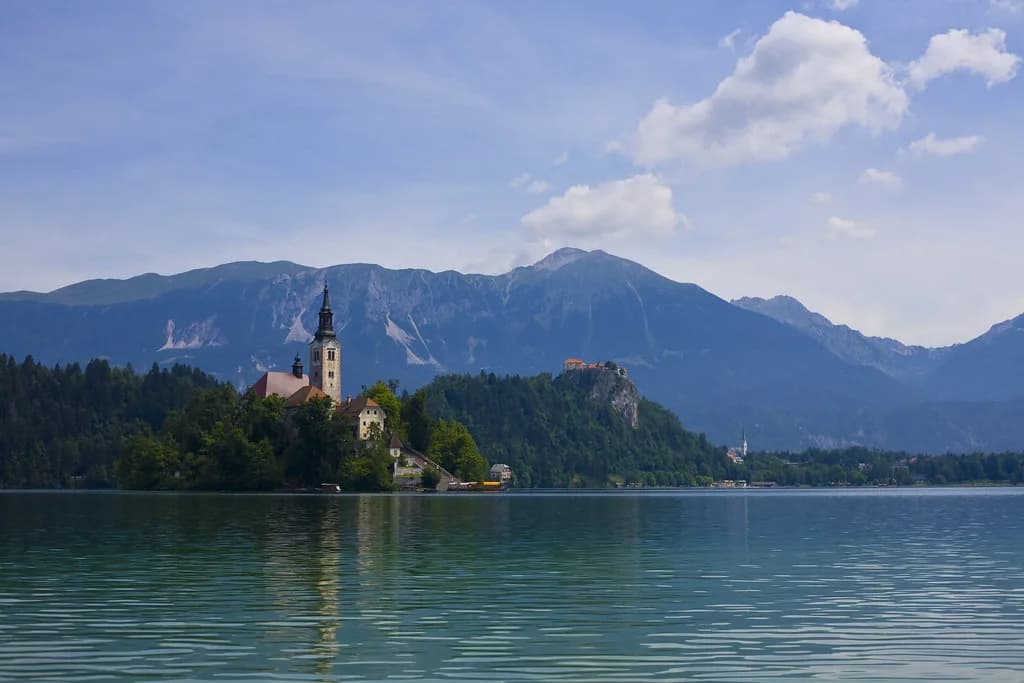
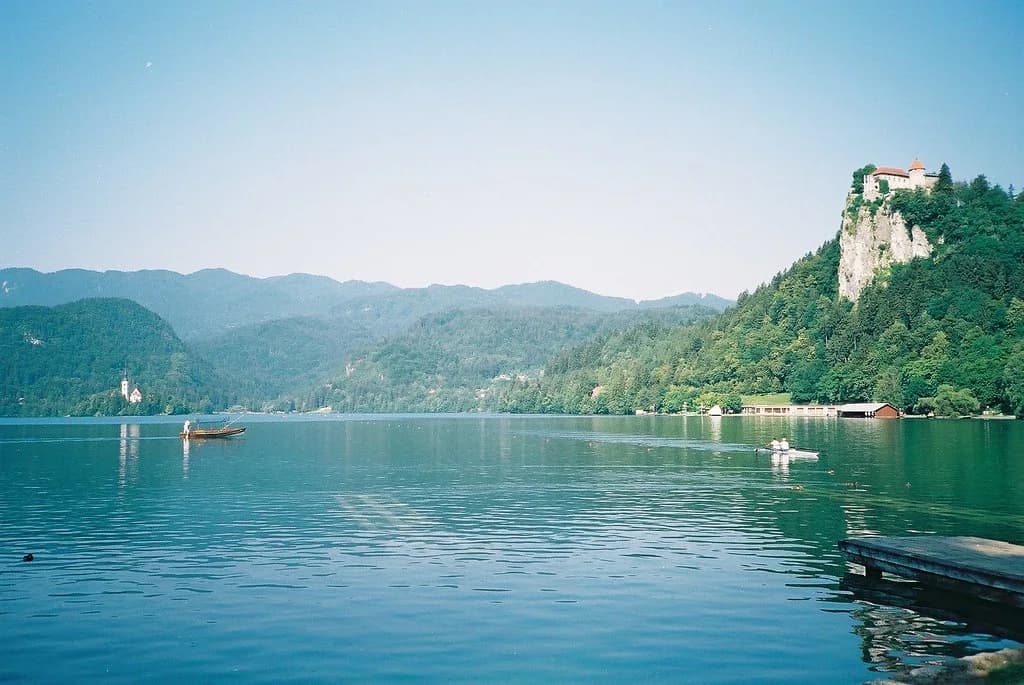
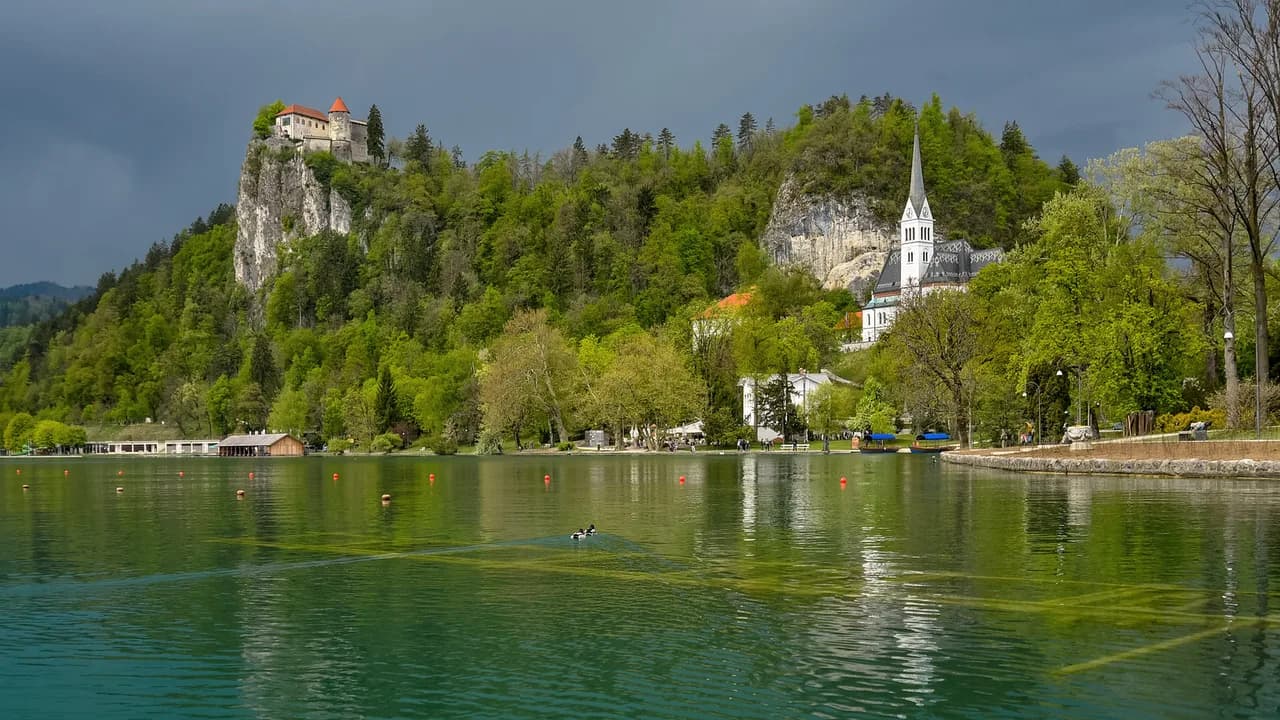
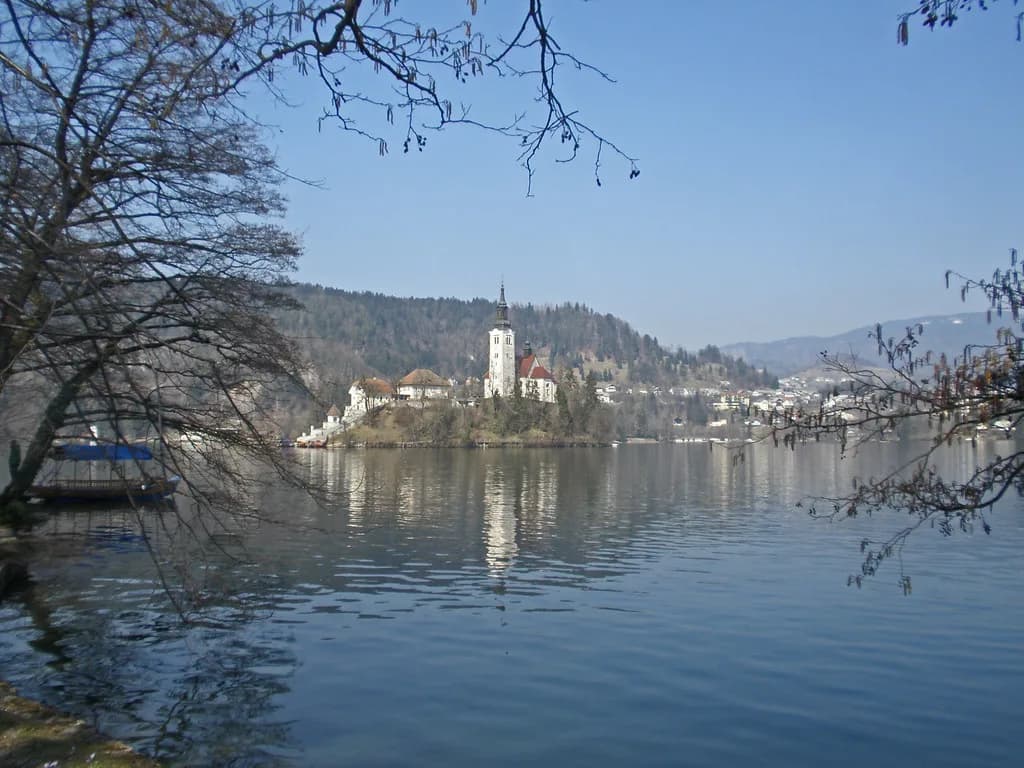
Lake Bled and Lake Bohinj both feel like summer by mid-June: the water is cold but swimmable for the hardy, rowing boats are out, and the lakeside paths are pleasant without August volume. Bled is the photogenic, busier option; Bohinj is quieter, larger and better for a full day on the water and trails.
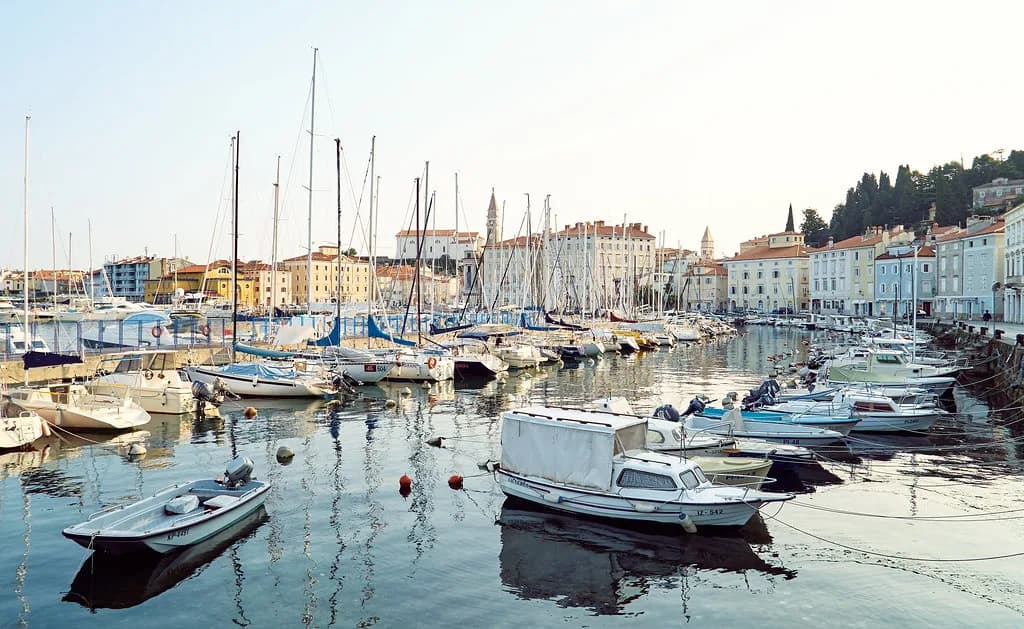
On the coast, Piran is the highlight: a Venetian-style old town on a peninsula with stone lanes, a small swimmable bay and views across to Croatia. Portorož next door is the sand-and-resort alternative. Swimming is realistic from June to September, but June is a gamble of warm days and cool ones, so treat a swim as a bonus rather than the plan.
A pattern that works well in June: two or three Alpine or lake days, then a coastal decompression of two days before flying home. If you are weighing the lakes against the mountains for a longer stay, the best time to visit guide compares the months by trip style, from waterfall chasing to warm-water swimming.
Crowds and prices before peak season
June is quieter than midsummer but not empty. Weekend weather turns both locals and visitors toward Bled, Bohinj and the Soča Valley, and the narrow valley car parks fill early. Heat builds in the lowlands, so plan cities for morning and evening and keep river or mountain plans for the middle of the day.
On cost, June behaves like a shoulder month: below the highest summer rates in Bled, Bohinj, the Soča Valley and Piran, but above spring and late autumn. Slovenia uses the euro, so there is no exchange-rate surprise for eurozone travelers. Entry formalities for your nationality are set out on the official government page and are worth reading before booking.
How many days you need
A week is the honest minimum for a June trip that includes mountains, lakes and the coast. Ten days lets you add a Karst cave day and two coast nights without racing. With only four or five days, stay in two bases — Ljubljana plus Bled or Bohinj — and accept that the Soča Valley or Piran will wait for another trip.
Structure the days by altitude. Give early June to valleys, gorges and lakes; hold high routes for later in the month if your dates fall then. If you are building a summer loop rather than a June-only trip, Slovenia in July shows how the same bases change once the crowds and heat arrive.
Getting around and getting there
Slovenia is manageable without a car if you keep bases compact. Buses and trains link Ljubljana with Bled, the coast and the main towns, but remote Alpine valleys, including much of the Soča, are where public transport thins out and a car changes the trip most. For the mountain chapters, picking up a rental in Ljubljana or at Ljubljana Jože Pučnik Airport and keeping it for that stretch is the simplest plan.
Driving brings its own logistics: a vignette is required for motorways, mountain passes are slow and winding, and parking in lakeside towns is limited in summer. Arrive early in Bled, Bohinj and the narrow Soča valley villages, or use shuttle services where they run. None of this is a reason to skip the mountains in June; it is a reason to plan the first hour of each day.
If you would rather travel by rail and bus, base yourself in Ljubljana and Bled, with a coast day from Koper or Piran. You will see fewer remote corners but spend less time on logistics, which in a changeable month is a real advantage.
Typical costs in June
Budget for a mid-range European trip rather than a budget one. Accommodation, restaurants and outdoor activities in the lakes and Soča hot spots carry tourist-country prices, and June sits below peak but above shoulder-season spring rates. Self-catering and inland towns are the practical ways to hold costs down.
Prices for specific tickets, gorge entry fees, cave admissions and mountain hut stays change, so check current prices and dates before you travel. Day-to-day spending is in euros, and cards are widely accepted in towns; carry some cash for rural parking, small huts and village pay machines.
June or September?
September is often called the best balance of the year: warmer sea, calmer rhythm, stable days and open high routes before huts begin closing by mid-October. June is greener, fresher, and earlier in the season — better for waterfalls and long daylight, worse for anyone set on high Alpine objectives early in the month.
The verdict by traveler type: families with school holidays and a first visit should choose June for the lakes and lower trails; hikers set on via ferrata and high ridges should choose September; travelers who want the coast at its warmest and quietest should also lean September. If your June dates are fixed, plan around water, gorges and mid-level trails rather than the tallest summits.
Practical drawbacks to plan around
Rain and storms are the main June risk: afternoon downpours make gorges slippery and close in exposed ridges fast. Snow on high ground is the second, and it lasts later than the valley greenery suggests. Parking pressure in Bled, Bohinj and the Soča valley villages is the third.
The upside of all three is the same: a June trip built around valleys, water and lakes, with one flexible day and an early start, runs well. Compare it with May for a drier-shouldered, quieter version, or with August if you accept peak crowds for peak summer.
Plan a June trip
June is the right call for most first-time visitors: warm, green, long-light and noticeably calmer than the July and August crush, with open lakes, strong waterfalls and mid-level trails. The compromise is the highest Alpine terrain, which is only just opening, and the afternoon storms that can rewrite a hiking day.
Plan two or three compact bases, keep one buffer day, hold alpine ambitions for later in the month, and use an early start to beat both the weather and the car parks. If you want the wider verdict on the country before committing, start with the case for whether Slovenia is worth visiting. If you are still comparing Adriatic options once the trip is booked, the question of whether Rovinj is worth visiting covers a nearby Istrian alternative to the Slovenian coast.
Explore more Slovenia trip-decision guides
Frequently Asked Questions
Is June a good time to visit Slovenia?
Yes, for most travelers. June gives warm valley days, long daylight and open lakes and low trails, with lighter crowds and lower prices than July and August. The main limitation is the high Alpine terrain, where routes and via ferrata often wait until late June.
What is the weather like in Slovenia in June?
Expect roughly 25°C (77°F) by day and 12°C (54°F) at night, with around eight rainy days across the month. This is a typical climate picture, not a forecast, and the mountains run cooler with fast-changing conditions.
Is June crowded in Slovenia?
Less than midsummer, but weekends in Bled, Bohinj and the Soča Valley still fill up quickly. Start early to find parking in the narrow valleys, and plan cities for morning or evening when the lowland heat builds.
Can you swim in Lake Bled in June?
The lakes are swimmable for hardy swimmers by mid-June, though the water is still cold and the warmest conditions arrive in July and August. Treat a swim as a bonus rather than the reason to choose the month.
Is it better to visit Slovenia in June or September?
June suits families and first-time visitors who want green valleys and waterfalls; September suits hikers after high routes and travelers who want the warmest, calmest coast. Both months are far quieter than July and August.
Do you need a car in Slovenia in June?
Not for a Ljubljana, Bled and coast trip — trains and buses cover those. A car makes a real difference in the Soča Valley and remote Alpine valleys, where public transport thins out and stops are spread apart.
How many days should you spend in Slovenia in June?
A week is the minimum for lakes, mountains and a short coast stay; ten days allows a cave day and two nights on the Adriatic. With four or five days, keep two bases and cover Ljubljana plus Bled or Bohinj.
Sources
Trip-decision notes
Optional updates when we publish or revise a destination verdict.
You might also like
Continue reading
More guides you'll find useful