Slovenia in April: Weather, Crowds and Whether It's Worth It
April in Slovenia means mild valleys, snow up high, quieter lakes and lower prices than summer. See what's open, how warm it gets and who should wait.
On this page
April is a good month to visit Slovenia if your plan centers on Ljubljana, the Adriatic coast and low-level walks, and a poor one if you came for high Alpine hiking. The country warms up unevenly, so the same week can feel like early spring in the capital and full winter above the treeline. Choose your region first, then lock in the dates.
The trade-off is straightforward. You get the last stretch before summer pricing and crowds build, plus spring landscapes that later months cannot match, in exchange for changeable rain and no realistic swimming. This guide splits Slovenia into its four practical weather zones so you can decide whether April's value window fits your trip.
The verdict
Book April for Ljubljana, Piran and Portorož, the Karst caves, and lake paths at Bled and Bohinj where the shoreline is already clear. Skip it if Triglav National Park's high routes are the point of your trip, because snow lingers on the upper trails and many mountain facilities run on a reduced shoulder-season footing. The month rewards travelers who treat altitude as the deciding variable rather than the calendar alone.
The upside is real: this is the last month before peak-season rates step up, so the same itinerary usually costs less and feels less crowded than in June, July or August. The downside is equally real, with rain fronts moving through and a sea that stays bracingly cold even on the coast. If you need guaranteed sunshine and warm water, April is the wrong month.
Who April in Slovenia suits, and who should book May or September instead
April fits city-breakers, photographers chasing blossom and wildflowers, walkers who are happy on valley and lakeside paths, and budget-conscious travelers who want shoulder-season rates. It also suits travelers who base in one region for a few days rather than moving daily, since a single rainy day is easy to absorb when you are not hauling bags between towns.
Book May instead if you want high Alpine hiking, rafting on the Soča, or reliably warm days for long outdoor days. By May the rains have eased, attractions that closed for winter are open, and the mountain trails are clearing, which is why spring travel in Slovenia firms up from that month onward. If you want the settled weather with thinner crowds than midsummer, September is the stronger choice.
Families with small children and anyone whose priority is swimming should look at later months. Those who mainly want Ljubljana's cafés, museums and riverside streets, or the Venetian-flavored coast, will find April far more pleasant than the July crush.
April weather: Ljubljana, the coast, Lake Bled and the Julian Alps
Treat Slovenia as four zones rather than one national average. The Ljubljana basin is mild but volatile, the Adriatic coast and the Vipava Valley side run warmer and drier, Lake Bled sits cooler, and the Julian Alps remain genuinely cold with snow at altitude. Packing for one zone and expecting it to hold across the country is the most common April mistake.
For May, temperatures give a useful read on the direction of travel: the western belt from Nova Gorica toward northern Istria averages roughly 13–19°C (55–66°F), the Ljubljana interior spans about 9–21°C (48–70°F), and the western mountains sit near 10°C (50°F) on average. April is a step cooler than these figures in every zone, so plan on layers and a waterproof shell rather than shorts.
For the April figures themselves, use the monthly climate normals published by the Slovenian Environment Agency for Ljubljana, Bled, Portorož and Kredarica, the high-Alpine station. Those normals give you typical highs, lows and rain days by station, which is far more useful than a single countrywide number.
Rain, sunshine and the sea: why swimming waits
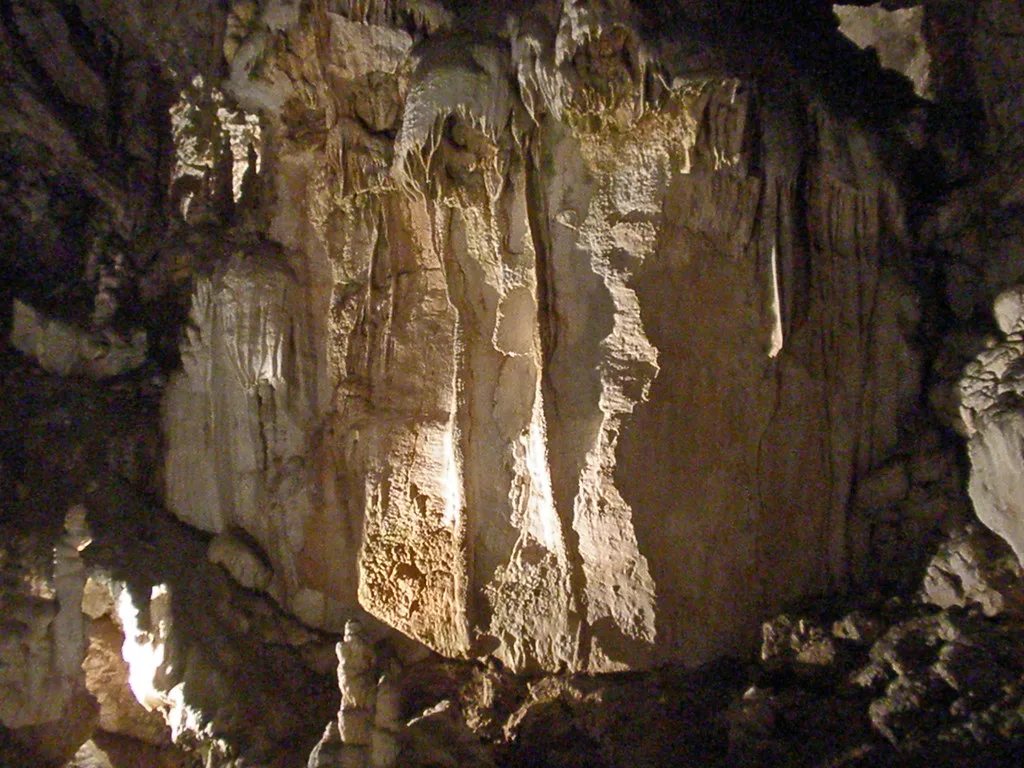
April is a wet, unsettled month, with passing fronts that can deliver a soaking morning and a bright afternoon in the same day. That variability punishes tight itineraries and rewards flexible ones: keep one indoor option per day, such as Postojna Cave or a Ljubljana museum, and swap it in when the sky turns.
The Adriatic is at its coldest in early spring, and the Gulf of Trieste is only described as warm enough for the brave in May, when it reaches around 18°C (64°F). April water is colder still, so plan on walking the Piran shoreline and the Sečovlje salt pans rather than swimming.
Spring arriving: wildflowers, blossoming orchards and greening valleys
April's strongest argument is the landscape itself. Fruit trees bloom in Goriška Brda and the Vipava Valley, meadows across the Karst and around Velika Planina turn green, and the Soča runs full and clear with snowmelt. This is the month for slow drives and short walks through wine country rather than summit days.
Wildflower season peaks in the Alps as spring climbs, and Bohinj's guided walks and flower-focused excursions cluster around late spring, with the International Wildflower Festival described as a two-week May event. Come in April and you get early blooms with fewer organized groups; wait for May and you get the festival programming.
Ljubljana and Central Slovenia in April
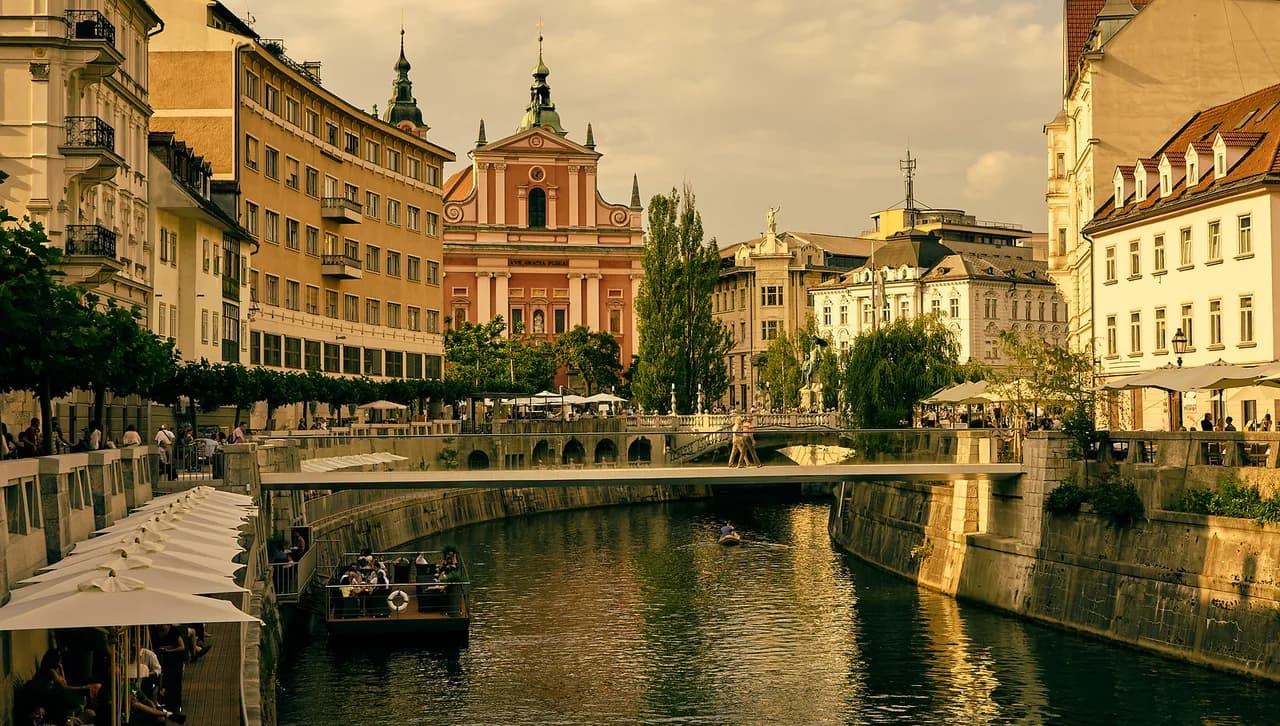
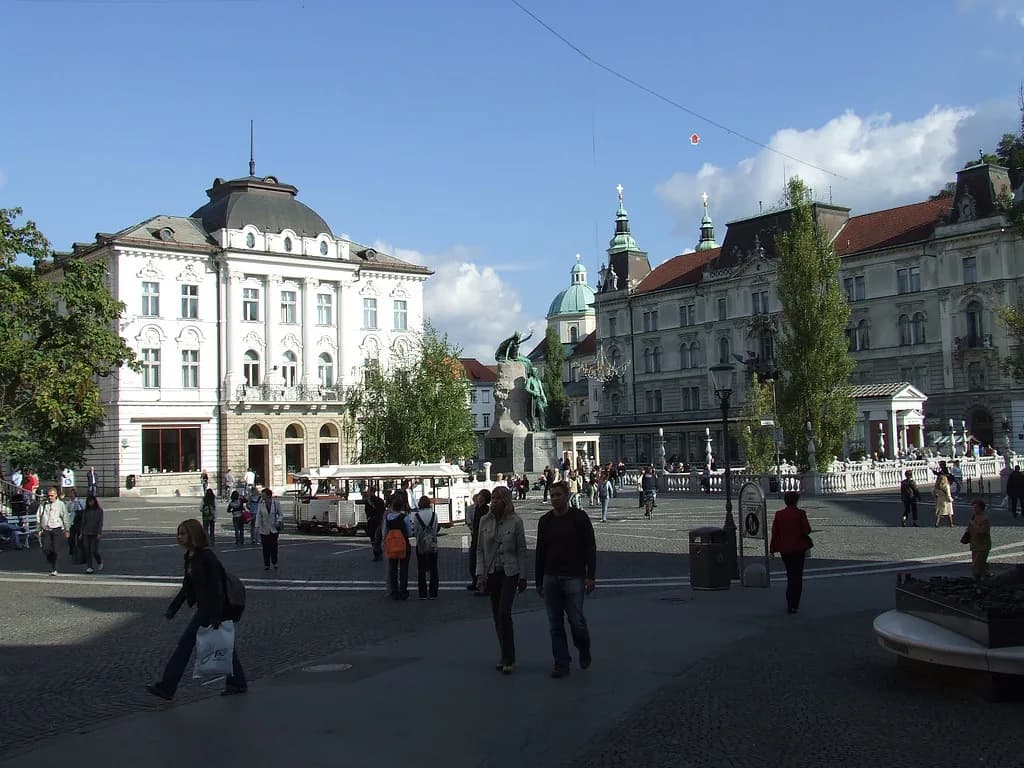
Ljubljana is the safest April base in the country. The old core around the Ljubljanica, the castle hill, and Jože Plečnik's bridges and market are all walkable and largely weather-proof, and restaurant reservations are still easy to come by before the summer rush. Use the city for day trips to Bled, Kamnik, Škofja Loka and Velika Planina rather than relocating every night.
Spring also brings Ljubljana's outdoor food market and walking events, which fill the city on weekends without the midsummer density. If you are weighing whether the country as a whole earns a trip, the case is strongest when the capital and its short-hop day trips are the backbone. Our Slovenia verdict lays out the full argument for and against.
Lake Bled, Lake Bohinj and the Julian Alps: what's walkable and what's snowbound
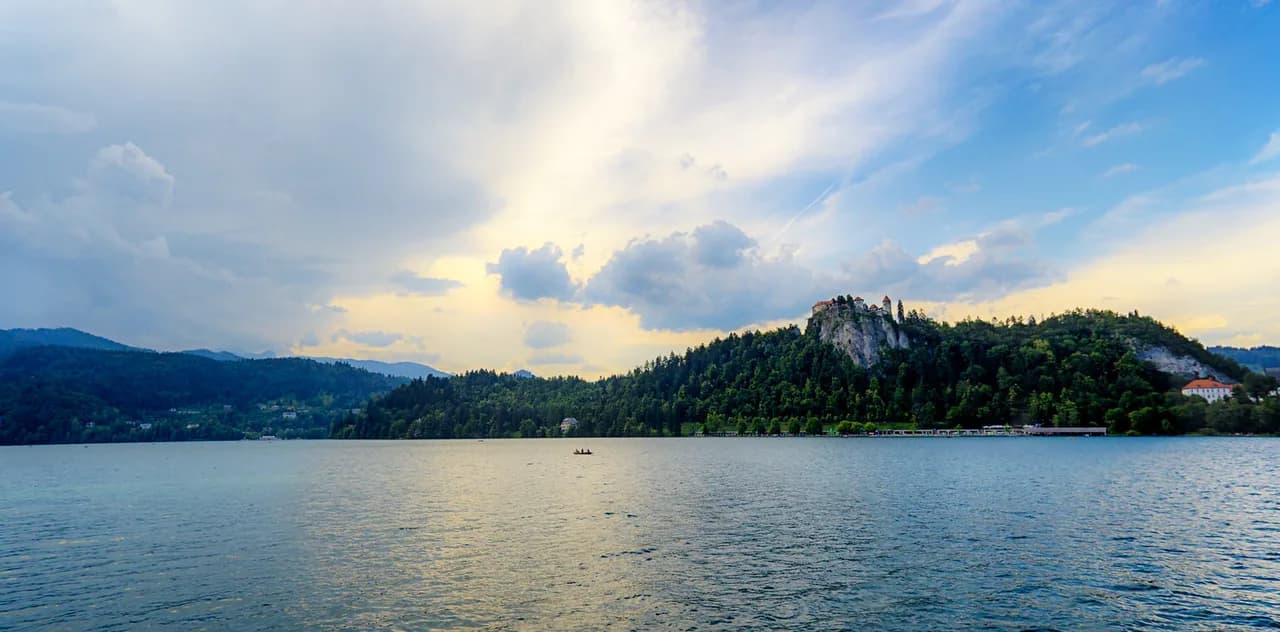
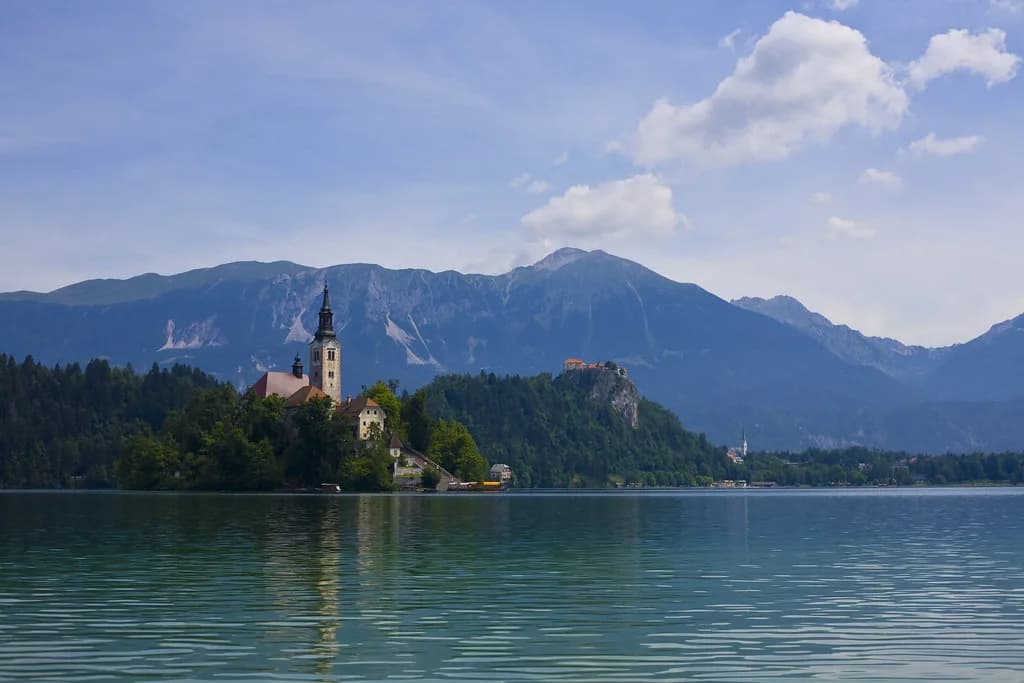
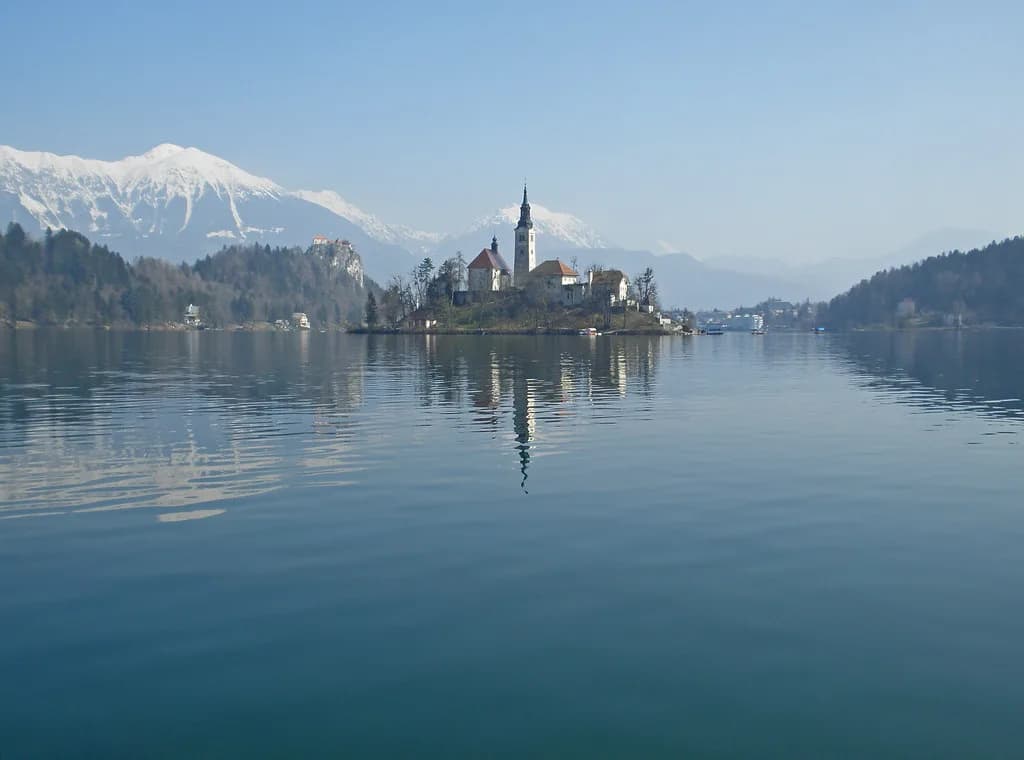
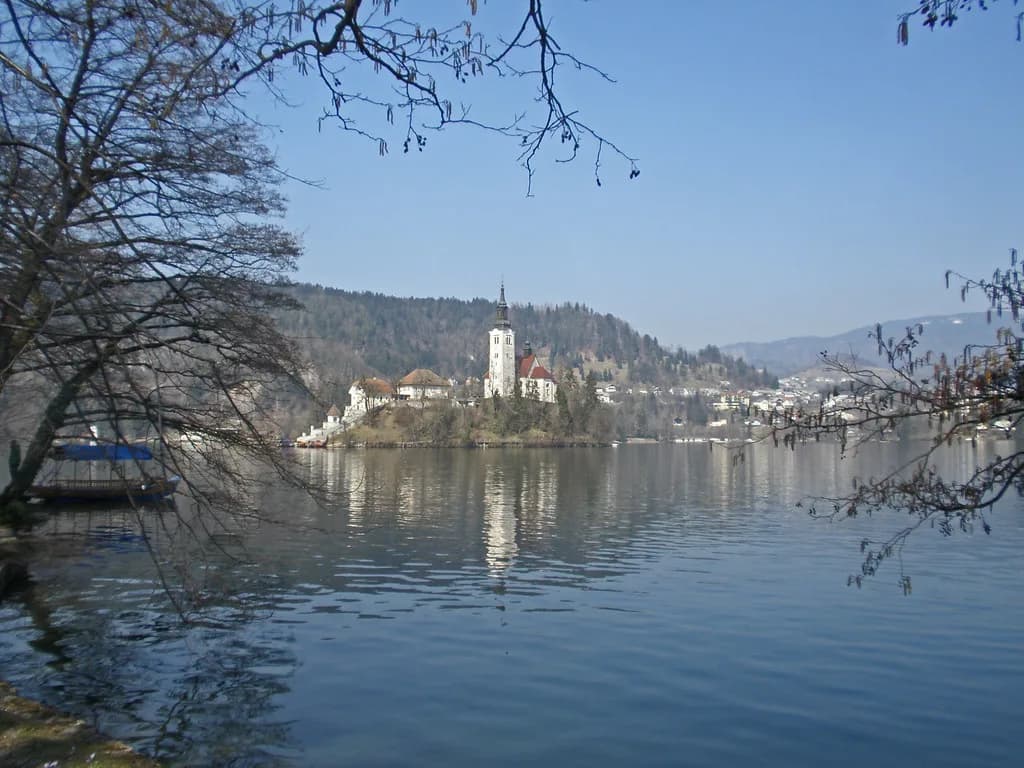
The lakes are excellent in April. Bled's shoreline path, the climb to the castle viewpoint and the flat circuits around Bohinj are usually clear, and the water, islands and churches look their best without July's queues at the boats. Expect cool mornings and a real chance of rain, but the low routes deliver.
Above the valleys, the picture flips. High Julian Alps routes and Via Alpina-style traverses hold snow into late spring, and mountain huts and cable-assisted access operate on shoulder-season schedules. Plan valley walks, gorges and the Vintgar area rather than summit attempts, and treat any high route as a decision for the week itself, not a fixed booking.
If you want a five-day or week-long plan that mixes the lakes with the coast and Karst, base the first half in Ljubljana or Bled and keep a spare day for weather. Our Slovenia itinerary sketches the routing logic.
The Soča Valley and Bovec before the summer rafting rush
The Soča Valley is gorgeous in April, with turquoise water, empty roads and waterfalls running hard, and Bovec is quiet before the summer adventure season. Rafting and kayaking depend on water levels and outfitter schedules rather than the calendar, so ask at a local adventure outfit in Bovec when you arrive rather than assuming the season has started.
This is where April's rainfall is a feature rather than a bug: the valleys and gorges are at their most dramatic. Keep drives flexible, since mountain roads can be affected by late snow and wet conditions, and favor the lower Soča sections over high passes.
The coast: Piran, Portorož and the salt pans
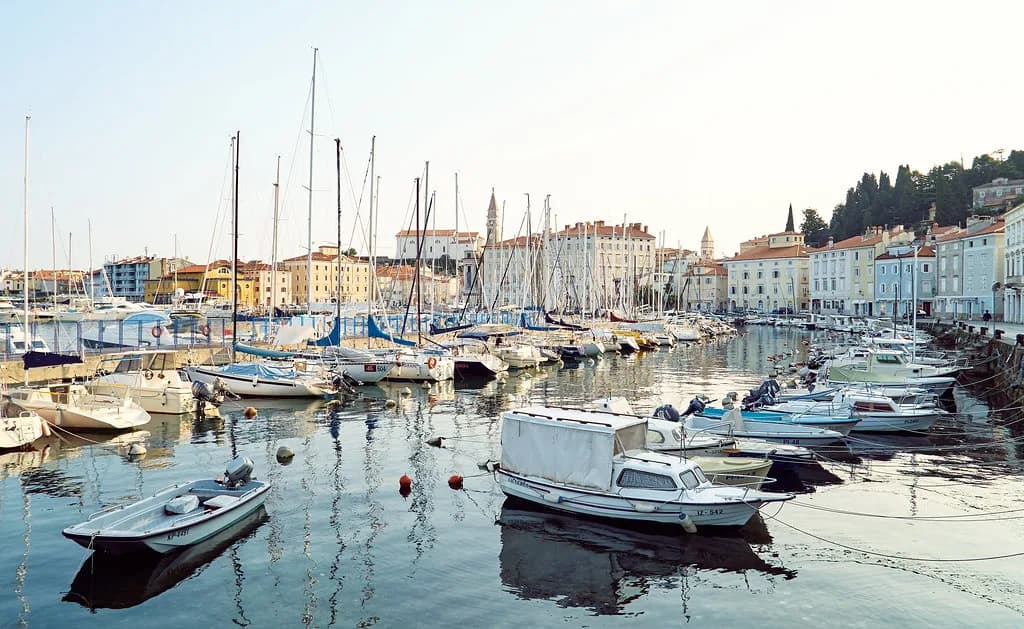
The 47-kilometer coastline is Slovenia's driest April option and its most underrated one. Piran's Venetian square, the town walls and the shore path to Portorož make an easy, compact day, and the Sečovlje salt pans are at work with spring birds passing through. Go before the summer beach crowds arrive.
Prices on the coast in April sit below the summer peak, and you can usually walk into restaurants that require booking in July. The compromise is that beach clubs and some seasonal waterfront places run limited hours, so build the day around the towns and the salt pans rather than a beach setup.
The Karst: Postojna Cave, Predjama Castle and Lipica
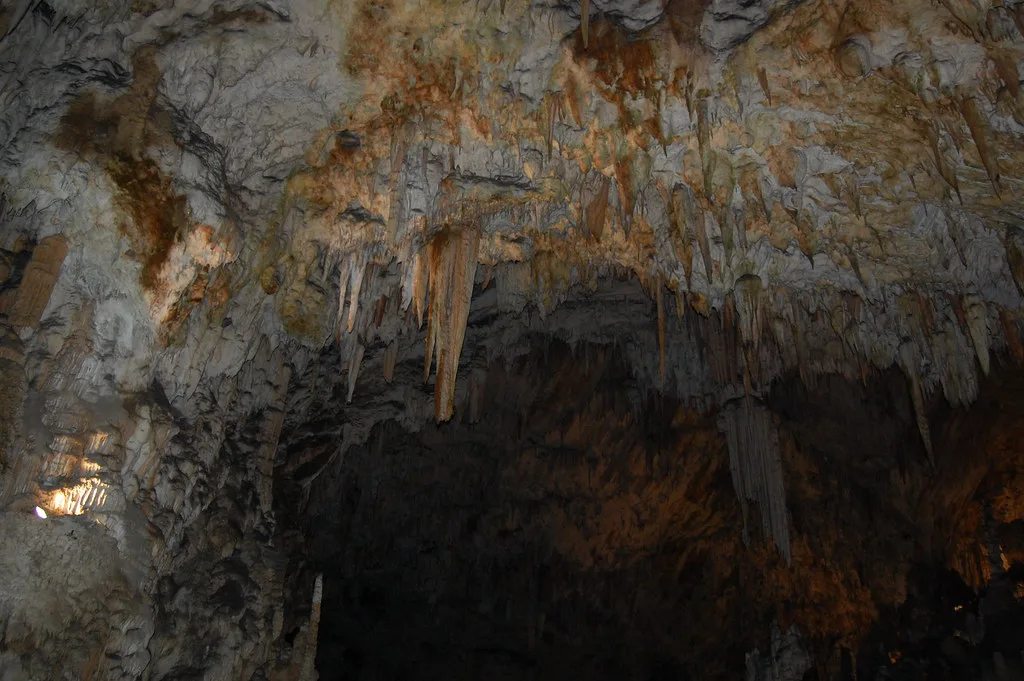
The Karst is April-proof. Postojna Cave and Predjama Castle are indoor and semi-indoor attractions that work in any weather, and the cave's constant temperature makes a rainy day genuinely comfortable, though you still need a warm layer for the underground sections. Lipica, the historic home of the Lipizzaner breed, rounds out a day in the same area.
Book cave entries for the day rather than weeks ahead in April, since demand is lower than in summer, and check the official operator's site for the day's tour times. Pair the cave with a Karst village lunch and a short vineyard walk in Brda or the Vipava Valley if the weather holds.
Crowds and costs: why April undercuts June to August
April is the last month before peak-season prices climb, when decent room rates and flight deals are still findable and major sights are less busy than in June, July and August. Expect the widest savings outside Ljubljana and the lakes, where supply is smaller and shoulder rates hold up better.
For the ticket prices, cave entries, vignettes and transport fares that matter to your budget, use the official operator or Slovenian Tourist Board pages, since these change by season. The currency is the euro throughout the country, which keeps cross-border budgeting simple if you continue into Croatia or Italy.
How many days you need in April
Give April at least five full days and ideally seven. Two nights in Ljubljana with a day trip to Bled, one night at Bohinj or in the Soča Valley, and two nights split between the Karst and the coast makes a comfortable loop without racing the weather. Fewer than four days leaves no room for a washed-out day.
If your priority is hiking, add days only in the valleys and treat any high route as optional. If your priority is food and wine, spend the extra time in Goriška Brda and the Vipava Valley, where April is quiet enough to taste seriously. Ten days lets you add Maribor, Ptuj and the Pohorje without rushing.
Getting around Slovenia in April: trains, buses and mountain roads
Slovenia is compact and public transport works for the Ljubljana–Bled–Bohinj axis plus the coast, but April timetables are thinner than summer ones and some seasonal links start later in spring. Check Slovenian Railways (SŽ) or the relevant bus company's site for the specific route and date instead of assuming a summer frequency.
A car gives you the Karst, Brda and the Soča Valley far more easily, and April traffic is light outside Ljubljana. The catch is mountain roads and passes, which can still be affected by late snow, so keep high-altitude drives optional and confirm conditions before setting out.
Drawbacks: changeable weather, seasonal closures and limited high-mountain access
The honest downsides are rain, cool evenings, cold sea and a mountain network that is only half open. Some seasonal facilities, boat services and mountain huts keep reduced spring schedules, and high trails stay snowbound, which rules out the very itineraries many travelers picture when they book Slovenia.
None of this ruins a valley-and-coast trip, but it does mean April punishes rigid plans. Build slack into the schedule, keep an indoor day in reserve, and treat the higher Alps as a bonus rather than the centerpiece.
April versus May and September: a verdict by traveler type
Hikers and rafters: choose May or September, when the Soča season is running and trails are clear, even though both cost more and draw more people. City-breakers and couples: April wins, with quiet streets, lower rates and Ljubljana at its most livable. Families and beach-seekers: wait for later summer, since the sea and waterfront amenities are not ready. If you are weighing a wider regional loop, our Hungary verdict makes a useful comparison for the same shoulder-season decision.
Budget travelers and photographers: April is the sweet spot, with blossom, full rivers and pre-peak pricing. If you want the settled version of the same trip, September delivers it with warmer water and drier days.
Plan Your April Trip
April earns its place as Slovenia's value month, provided you aim it at Ljubljana, the coast, the Karst and valley-level walks. Book flexible accommodation, keep one indoor day in reserve, and treat the high Julian Alps as closed until later spring. Travelers who need guaranteed sun or summit hikes should shift to May or September.
Before you book flights, decide which region anchors the trip, then build the route around it rather than trying to cover the whole country in a week of unsettled weather. That single decision does more for an April trip than any packing choice.
Explore more Slovenia trip-decision guides
Frequently Asked Questions
Is April a good time to visit Slovenia?
Yes, if you plan around the valleys and the coast rather than the high Alps. Ljubljana, Lake Bled's shoreline, the Karst caves and Piran all work well, and prices and crowds sit below the summer peak. It is a weak choice for high Alpine hiking, rafting and swimming.
How warm is Slovenia in April?
April is mild in the lowlands and cool in the mountains, noticeably cooler than May, when the coast averages roughly 13–19°C (55–66°F), Ljubljana about 9–21°C (48–70°F) and the western mountains around 10°C (50°F). Plan on layers and rain gear across every region.
Does it rain a lot in Slovenia in April?
April is unsettled, with passing fronts that can bring a wet morning and a bright afternoon. Rain is spread across the country, with the coast generally drier than the mountains. Build one indoor option into each day so a wet spell does not derail the trip.
Can you swim in Slovenia in April?
No, not comfortably. The Adriatic is at its coldest in early spring and is only described as warm enough for the brave in May, when it reaches around 18°C (64°F). April is better for walking the Piran shoreline and the Sečovlje salt pans.
Is April better than May for visiting Slovenia?
April is better for lower prices and thinner crowds; May is better for open mountain trails, rafting and warmer days. If your trip depends on hiking or the Soča Valley, May is the stronger pick. If it is mostly cities, lakeside paths and the coast, April delivers good value.
How many days do you need in Slovenia in April?
Plan on five to seven days. Two nights in Ljubljana with a Bled day trip, a night at Bohinj or in the Soča Valley, and two nights across the Karst and coast make a sensible loop. Fewer than four days leaves no room for a rained-out day.
What should I skip in Slovenia in April?
Treat high Julian Alps routes, summit attempts and Via Alpina-style traverses as off the table, since snow lingers above the valleys. Rafting and cable-assisted mountain access depend on the operator's spring schedule, so confirm with them directly.
Sources
Trip-decision notes
Optional updates when we publish or revise a destination verdict.
You might also like
Continue reading
More guides you'll find useful