Renting a Car in Slovenia: Is It Worth It and What It Costs
Renting a car in Slovenia pays off for the Alps and the Karst, less so for Ljubljana. See what it costs, the age rules and when to skip the car.
On this page
Yes, renting a car in Slovenia is worth it if your trip is about the Julian Alps, the Karst plateau or the wine hills, and not worth it if you are spending most of your time in Ljubljana. The country is small enough that a single week of driving strings together Lake Bled, the Soča Valley and the caves without long transfers. The cost side is more forgiving than in Western Europe, with comparison sites showing small cars from roughly €13 to €22 a day at Ljubljana and the airport.
The verdict: who should rent and who should not
Rent if you want Triglav National Park, the Soča Valley, the Vršič Pass, Logarska Dolina, Goriška Brda or the cave-and-castle circuit around Postojna and Predjama, because buses reach these places rarely and slowly. Skip the car if your plan is a Ljubljana city break with a day trip to Lake Bled, since the capital's center has restricted driving zones and limited parking, and the bus and train do that run well. Before you commit, weigh the country itself with our take on whether Slovenia is worth visiting.
The honest trade-off is that a car buys scenery at the price of logistics. Mountain roads narrow quickly, roadside fuel stops thin out in the highlands, and someone has to stay sober to drive. If your group is two adults sharing the wheel and splitting costs, the daily rate is easy to justify; a solo traveler on a three-day city trip will find the math much less kind.
Where a car earns its keep
Triglav National Park is the strongest argument for renting. Lake Bohinj, the Soča Valley and the Vršič Pass are awkward or impossible to combine by public transport in a day, and the drive over the pass itself is the sight. Logarska Dolina in the north is a remote alpine valley that rewards anyone with their own wheels.
The Karst region south of Ljubljana holds Škocjan Caves, Postojna Cave and Predjama Castle, and rural bus service there is thin enough that a car saves you hours. Goriška Brda, the rolling vineyard country near the Italian border, is best at your own pace with room for a tasting stop. These are the pages where the car pays for itself in time rather than money.
If your priorities are spread across the country rather than fixed on the Alps, look at the best places to visit in Slovenia before you choose a car class. A compact car handles every paved road on this list, and moving up to an SUV mostly costs you fuel and money.
Where a car becomes a liability
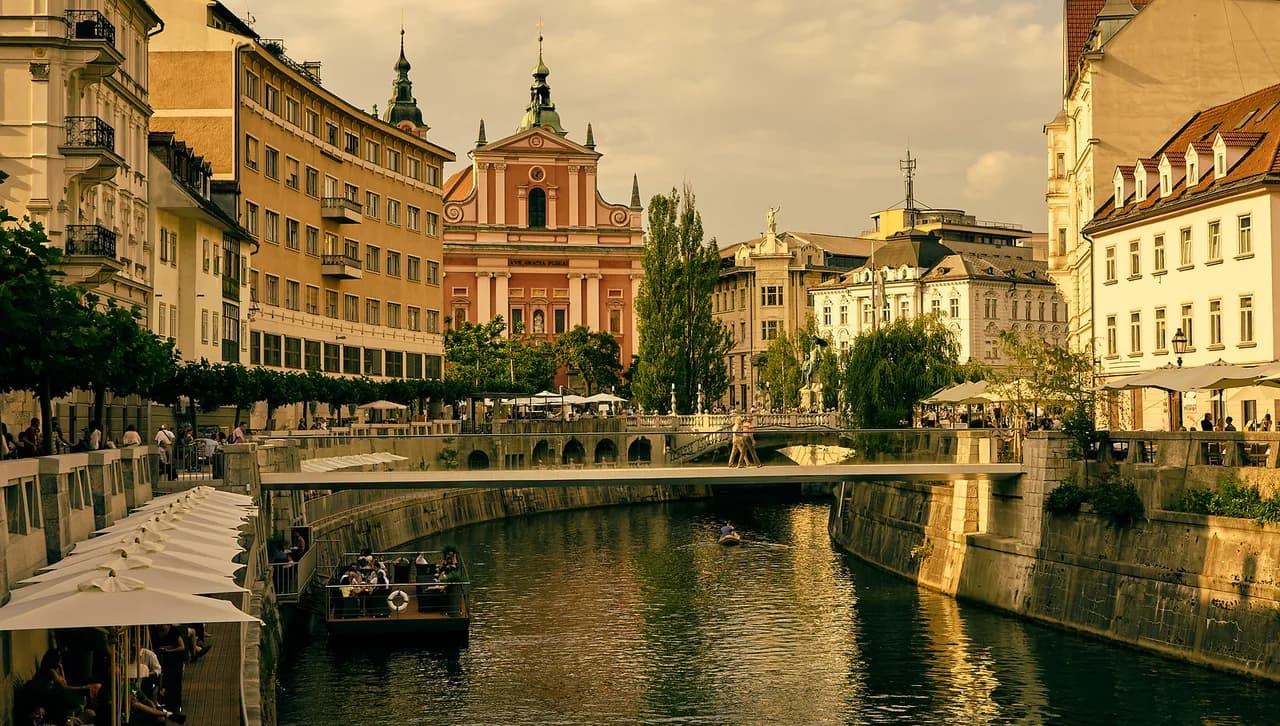
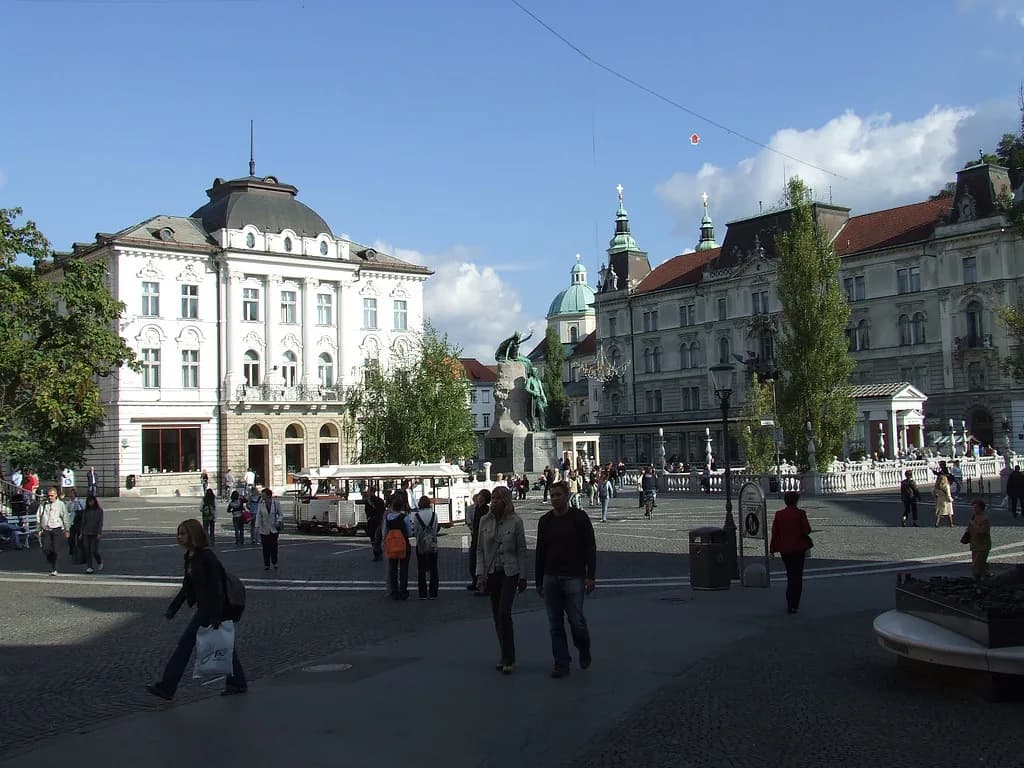
Ljubljana is the clearest case against driving. The compact center has restricted driving zones and limited parking, one-way streets are common, and garage parking on the outskirts with a walk in is usually the easier routine. Use the city's buses or simply walk, and pick up the car only when you leave.
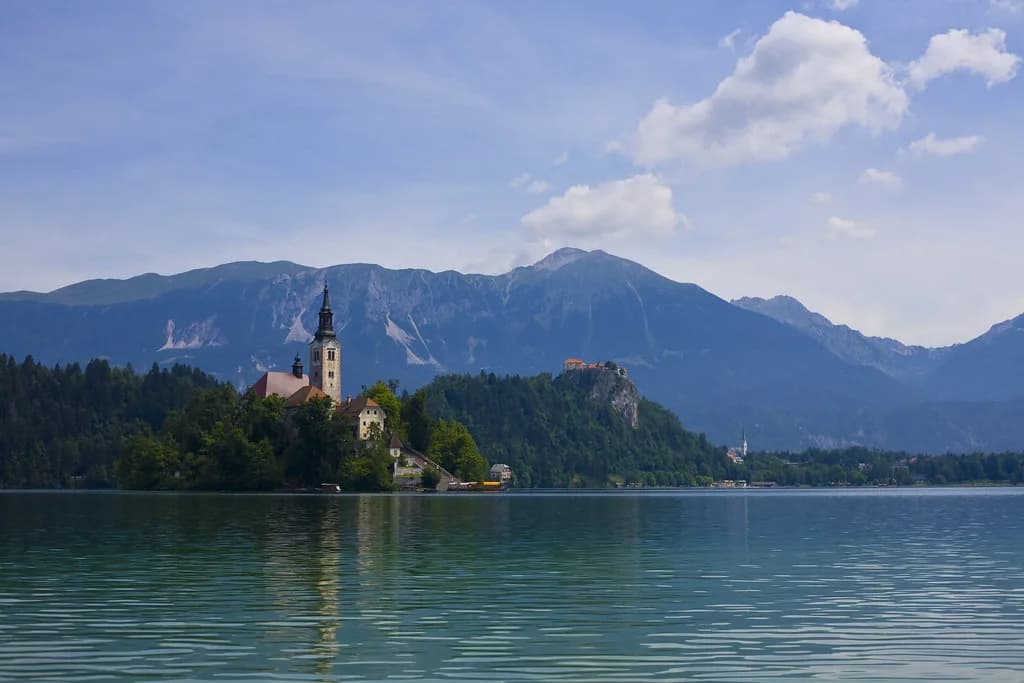
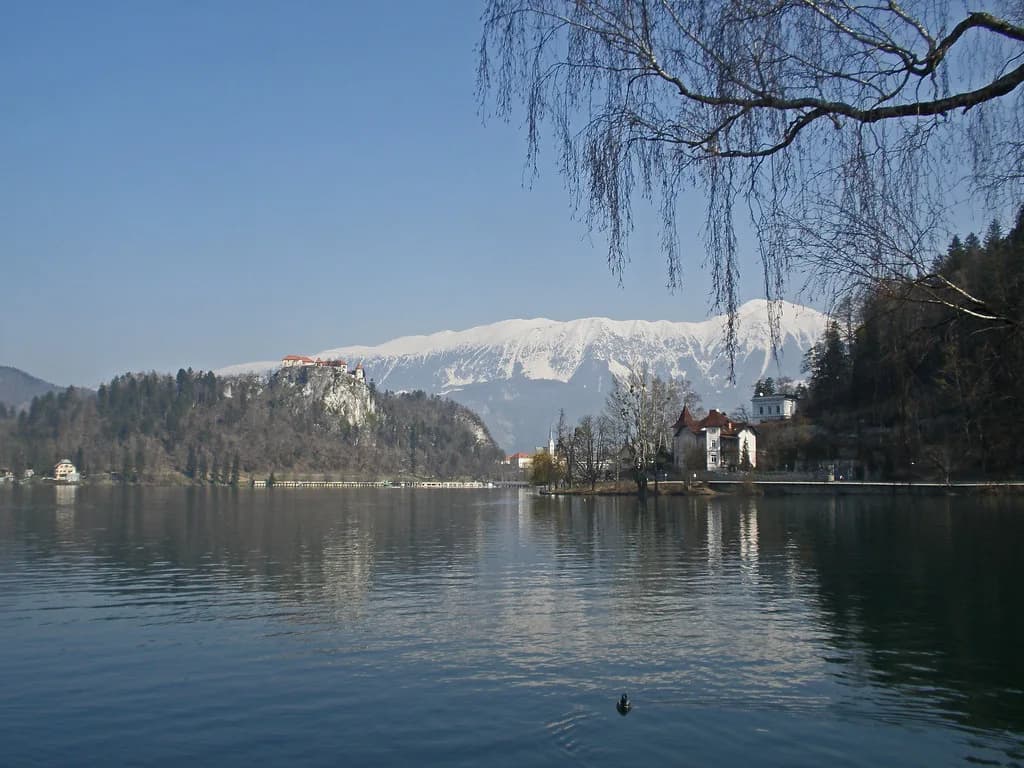
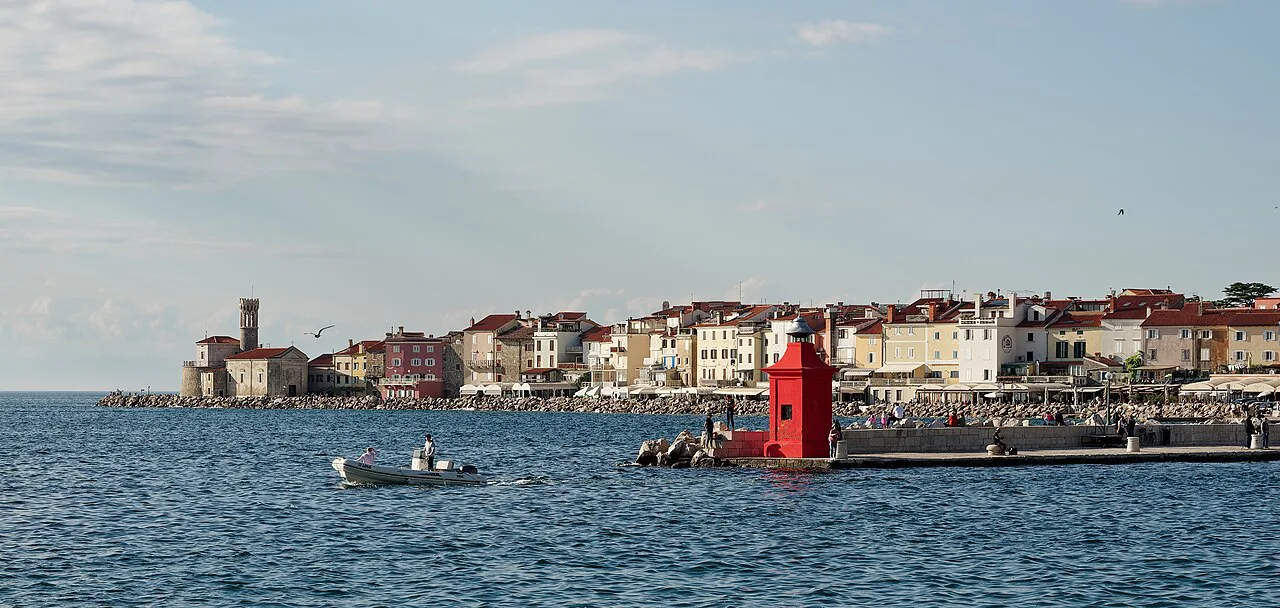
Lake Bled and Lake Bohinj jam up in high summer, and the lakeside parking you most want is the first to fill. The coast around Koper and Piran has the same problem in July and August, where a rental car spends the day looking for a space. Arrive early, or base yourself nearby and cycle or take the bus in.
Rental requirements: licence, ID and age rules
You need a valid driving licence, a passport or ID and a credit card in the main driver's name, and the deposit is blocked rather than charged unless there is damage. Debit cards are often refused, so bring a credit card with enough headroom for the hold. Non-EU drivers should carry an international driving permit alongside their national licence.
Slovenian law sets the driving age at 18, but rental companies apply their own floors. One operator reports a minimum rental age of 21, a standard maximum of 60 and an allowance up to 70 with a senior-driver fee, while other suppliers set different bands. Treat age rules as a supplier policy, not a legal fact, and confirm the band that applies to you when you book.
What it costs
Comparison sites list small and compact cars from around €13 to €22 per day in Ljubljana and at Ljubljana Jože Pučnik Airport, with automatics and electric models slightly higher. Those are quoted lead-in rates, not a promise, and they move with the season and how far ahead you book. Read the fuel policy and the excess carefully before you choose on price alone.
October is consistently the cheapest month for a rental, and August the most expensive, with average rates climbing steeply in high summer. That tracks the wider question of when to go, so pair the rental decision with the best time to visit Slovenia. If your dates are flexible, the shoulder season cuts both the car and the crowds.
Budget beyond the daily rate. The vignette, fuel and any young-driver or senior-driver surcharge sit on top, and an after-hours airport pickup can carry its own fee. If you are weighing the whole trip rather than just the car, our guide to whether Slovenia is expensive puts these numbers in context.
Picking up the car
Ljubljana Jože Pučnik Airport, known locally as Brnik, has desks in the terminal and at the rental center across from arrivals, and it is the obvious choice if you fly in and drive straight to the Alps. Ljubljana railway station has city-center offices a short walk from the platforms, which suits anyone arriving by train and leaving the city the same day. Compare the airport's convenience against the station's easier escape from traffic, and check the pickup point on your voucher.
Maribor and Koper work as secondary hubs if your route runs east or along the coast, and one-way rentals can be cheaper when a company needs to move a car between cities. Search with the different-drop-off option enabled and the saving often appears on selected routes. Do not count on a one-way deal being available on your exact dates.
Highways, the vignette and the rules of the road
Slovenian highways are tolled through a vignette sticker, sold at fuel stations, border crossings and online, and driving without one carries heavy fines. Posted speed limits vary by road type, so follow the signs rather than a single figure; seatbelts are mandatory for everyone and hand-held phone use is prohibited. The blood-alcohol limit is 0.05 percent, and effectively zero for drivers with under three years of experience.
Buy the vignette before you join the motorway, not after, and keep the receipt. If your rental includes one, confirm that in writing so you are not caught by a check. This is the single most common way first-time renters in Slovenia end up paying far more than the daily rate.
Mountain roads and winter conditions
Alpine roads are narrow and winding, tunnels and high bridges come with their own speed limits, and fog settles in the river valleys in fall, winter and spring. Wildlife, especially deer and wild boar, crosses forested roads at dawn and dusk and more often in autumn, so moderate your speed and give the car ahead room. Carry offline maps, because the signal drops in the high valleys.
One operator reports winter tyres as mandatory from 15 November to 15 March or whenever snow conditions apply, with snow chains recommended in the mountains. Treat that as the reported requirement and follow the signage and the rental company's own briefing. A summer car with summer tyres has no business on the Vršič Pass in a cold snap.
Driving to Croatia and across borders
Crossing from Slovenia into Croatia is legal and popular, but you must tell the rental company before you go, because insurance cover has to be extended. Bring your passport or ID, a Green Card as proof of international cover, and be ready to pay a cross-border surcharge. Croatia's own limits apply once you cross, including tighter drink-driving rules, so read up before you drive. If the Croatian coast is on your route, our guide to whether Pula is worth visiting covers one of the easiest stops south of the border.
Undeclared border crossings are the expensive mistake to avoid, because an accident abroad without the right cover can leave you liable for the whole car. Put the crossing in writing at the counter and keep the paperwork in the glovebox. If your route only brushes the border, decide before pickup and not at the frontier.
Automatics, electric cars and one-way rentals
Manual gearboxes dominate the cheapest classes, and an automatic typically costs more and books out earlier in peak season. Electric models appear in most fleets at a modest premium, and they suit city-to-city driving better than long mountain days where charging points are sparse. If you cannot drive a manual, reserve the automatic well in advance rather than hoping to upgrade at the desk.
One-way rentals are worth testing on your exact dates, since companies discount them to reposition cars. The catch is a drop-off fee on many routes and a smaller choice of vehicle. Compare the one-way total against a return loop before you decide that a repositioning deal saves money.
Car versus bus and train
Slovenia's buses and trains are cheaper than car rental, connect Ljubljana, Bled, Koper and Maribor reliably, and let you read instead of watching the road. What they do not do is reach the Soča Valley, Logarska Dolina and Goriška Brda at a useful pace, and timetables thin out in the evening. Match the transport to the trip rather than the other way around.
A workable hybrid is a few days of public transport in Ljubljana followed by a car collected on departure for the alpine half of the trip. That avoids parking in the capital while giving you the freedom where it matters. If you want a fixed shape for the week, start from this Slovenia itinerary and add a car only to the rural legs.
How many days you need with a car
Four to six days behind the wheel covers Ljubljana, Bled, Bohinj, the Vršič Pass and the Soča Valley without rushing, and three to five more suit a slower Karst-and-wine route via Postojna, Škocjan and Goriška Brda. Cut the range if you are driving in winter or with young children, because short daylight and mountain roads slow every leg. The mistake is trying to see the whole country in three days and spending them all in the car.
If your trip falls in the shoulder months, the weather and the rental prices both favor you; check what Slovenia in April looks like for a sense of the spring conditions on the passes.
Practical mistakes that cost money
The four recurring errors are skipping the vignette, refusing the deposit hold at the counter, failing to photograph existing damage before you drive off, and crossing into Croatia without declaring it. Each one turns a cheap rental into an expensive story. Inspect the car in daylight, photograph every panel and keep the images until the deposit is released.
The verdict by traveler type
Families and hikers get the most from a car here: Triglav National Park, Bohinj and Logarska Dolina reward the flexibility, and a compact with unlimited mileage does the job. Couples on a short city break should skip it and use buses for Bled. Wine-focused slow travelers should rent a small car for Goriška Brda and the Karst, and older drivers should settle the age band with the supplier before booking, since caps vary.
For entry rules, use your own government's travel page for Slovenia once before you fly; everything else about the drive is a question of season, route and the paperwork you settle at the counter.
Explore more Slovenia trip-decision guides
Frequently Asked Questions
Do you need a car to visit Slovenia?
No for Ljubljana, Bled and the coast, where buses and trains are adequate and parking is a hassle. Yes if you want the Soča Valley, the Vršič Pass, Logarska Dolina, Goriška Brda or the Karst caves, where public transport is thin and slow.
How much does it cost to rent a car in Slovenia?
Comparison sites show small and compact cars from roughly the low teens to low twenties in euros per day, with automatics and electric cars higher. October is the cheapest month and August the most expensive, and the vignette, fuel and any driver surcharges come on top of the daily rate.
Can I drive a rental car from Slovenia to Croatia?
Yes, but only if you declare the crossing to the rental company and have the insurance extended, often for a surcharge. Carry your passport or ID and a Green Card as proof of international cover, and remember Croatian speed and alcohol limits apply once you cross.
Do I need a vignette to drive in Slovenia?
Yes if you use the motorways. Buy the sticker at a fuel station, border crossing or online before you join the highway, keep the receipt, and check whether your rental already includes one.
Can you rent a car in Slovenia if you are over 70?
Age bands are set by the supplier, not by Slovenian law beyond the legal driving age of 18. At least one operator caps standard rentals at 60 and allows drivers up to 70 with a senior fee, so confirm your band with the company you book.
What is the best month to rent a car in Slovenia?
October is typically the cheapest month for a rental, with November next, and August the most expensive. Shoulder-season dates also mean quieter roads and easier parking at Bled, Bohinj and the coast.
Is it cheaper to rent a car in Ljubljana or at the airport?
City-center and airport rates differ by supplier and season rather than by a fixed rule, so compare both pickup points on the same dates. The airport suits an immediate drive to the Alps, while the railway station offices suit arriving by train.
Do I need winter tyres in Slovenia?
Winter tyres are reported as mandatory from 15 November to 15 March or whenever snow conditions apply, with chains recommended in the mountains. Follow the signage and your rental company's briefing, and do not take a summer-tyre car onto the alpine passes in cold weather.
Sources
Trip-decision notes
Optional updates when we publish or revise a destination verdict.
You might also like
Continue reading
More guides you'll find useful