Is Slovenia Expensive? Real Trip Costs and a Clear Verdict
Slovenia is mid-priced for Europe: cheaper than Italy or Austria, pricier than the Balkans. Here are realistic daily budgets, ticket prices and trade-offs.
On this page
No, Slovenia is not an expensive country by Western European standards, but it is not cheap either. Expect prices close to Central Europe and clearly below Italy, Austria or Switzerland, with a modest premium over Croatia and the rest of the Balkans.
The short answer depends on where you sleep and how many big-ticket sights you add. Most travelers land in the middle of the scale: a few paid attractions, a mix of restaurants and supermarkets, and public transport or a small rental car.
The verdict: where Slovenia sits on the European price scale
Slovenia uses the euro, so there is no currency conversion to absorb and no cash-FX tax built into your holiday. Costs feel close to Central European levels and well under Italy or Austria for similar lakes, mountains and old towns.
The country suits three types of traveler equally well: backpackers using hostel dorms and free hikes, mid-range couples doing one paid cave or castle a day, and drivers who want alpine scenery without alpine prices. Anyone hoping for Balkan-level bargain prices will be disappointed, especially around Bled in July.
What a day costs: three realistic budgets
As a working reference point, budget travelers staying in hostel dorms, cooking most meals and taking free hikes can keep daily spending low, with occasional paid activities pushing the total up. Mid-range travelers moving to private rooms or budget hotels, eating out once a day and taking a cable car or cave tour spend roughly double. Comfort-level travelers in hotels, eating out twice daily and driving a rental car spend considerably more, though still usually below comparable Italian or Austrian trips.
Read those figures as per-person rates covering accommodation, food, local transport and one activity. Flights from the US or UK are separate and swing the total far more than any daily saving you make on coffee.
Typical costs for accommodation, food and drink
Accommodation is the largest line item. Hostels cluster at the cheap end, budget hotels and private rooms cost more, and lakeside properties around Bled or Bohinj jump sharply in July and August. As a sanity check on overall price levels, Slovenia's living costs run far below Western Europe's capitals, which is why mid-range travel here feels affordable without being bargain-basement.
Food is where budget travelers save easily. Supermarkets are well stocked, bakery lunches are cheap, and a casual sit-down meal costs noticeably less than in Italy or Austria, while a nice restaurant dinner in Ljubljana or on Lake Bled prices like a mid-range European city. Coffee and local beer stay inexpensive almost everywhere, which keeps city days pleasant.
For a sense of what a longer, home-cooking stay looks like, one slow month in the Julian Alps around Kranjska Gora shows how much cheaper groceries and self-catering are than restaurant eating, and how much of the budget goes to accommodation.
Sights and activities: what the big names cost
Slovenia's headline attractions carry real but manageable ticket prices. Bled Castle admission is 13 EUR, Ljubljana Castle is 13 EUR including a return funicular ride, Predjama Castle is 13.80 EUR, Postojna Cave is 25.80 EUR, and the combined Postojna-Predjama ticket is 35.70 EUR. Škocjan Caves guided tours start from 18 EUR. The Velika Planina gondola from Kamniška Bistrica costs 17 EUR round trip and lands you on a shepherd plateau that feels far removed from a paid attraction. Ljubljana Card options are priced from 31 to 45 EUR depending on duration and bundle castle entry, the funicular, museums and city transport, so the card pays off only if you plan several paid sights in a short stay.
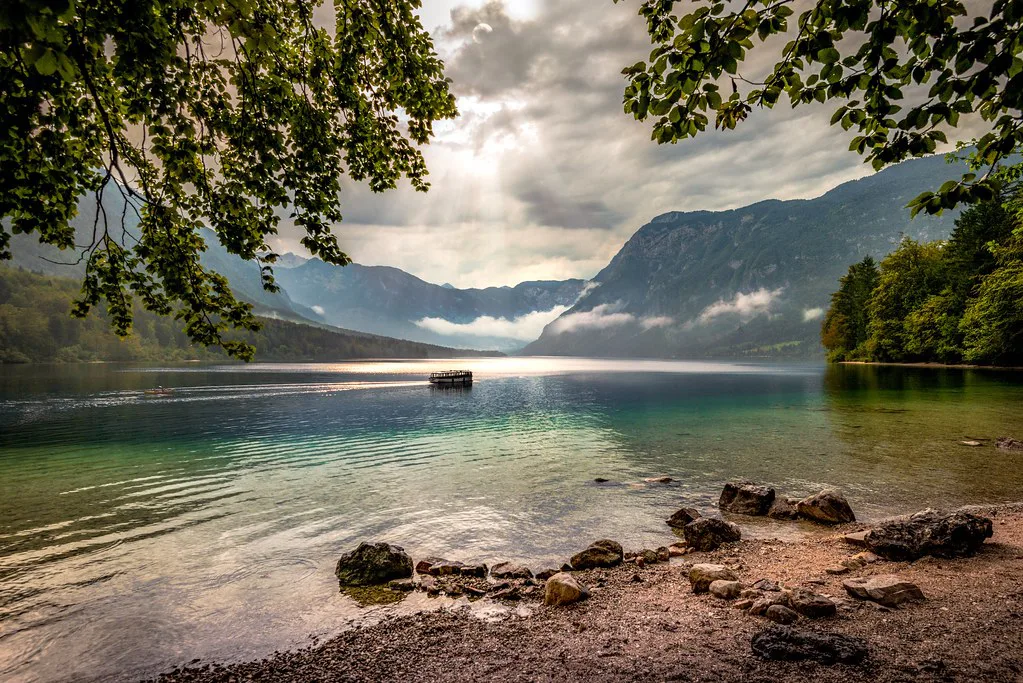
Everything outdoors is where Slovenia gets cheap. Triglav National Park entry is free, hiking trails cost nothing, and the Soča Valley and Lake Bohinj deliver full days of scenery for the price of a packed lunch. That free-versus-paid split is what makes the country feel reasonable even when Bled Castle and Postojna Cave add up.
Getting around: bus, train and car
Public transport is cheap and usable. Buses from Ljubljana to Bled take about 90 minutes and cost 5 to 9 EUR, trains cover the same route in an hour for around 5 EUR, and the bus to Koper runs 8 to 13 EUR against 11 EUR by train. The trip from Ljubljana to Zagreb is roughly 12 to 18 EUR by bus.
A rental car typically costs around 25 to 30 EUR per day for a multi-day booking and opens up Triglav National Park, the Vipava Valley wine roads and the villages between Lake Bled and Kranjska Gora that buses reach slowly or not at all. Slovenia's motorway system requires a vignette, and rental companies usually supply one; if you are weighing whether to drive at all, our guide to renting a car in Slovenia covers the practical trade-offs.
Is Slovenia cheaper than Italy or Austria?
Yes, noticeably. Comparable alpine lakes and mountain villages on the Italian or Austrian side of the border cost more for accommodation, lift passes and restaurant meals, and Slovenia's entry tickets sit below Italy's headline sights. You give up some polish and a wider restaurant scene for that saving.
Against the Balkans, the comparison flips. Croatia, Bosnia and Herzegovina, Serbia and North Macedonia offer cheaper food and rooms, so anyone building a long regional trip should treat Slovenia as the pricier start or finish and plan the cheaper days afterwards. On the Croatian side of that route, the Istrian port of Pula makes an easy next stop if you are weighing whether to keep costs low, so check is Pula worth visiting before locking the order of your trip.
Ljubljana, the Alps and the coast: where money goes furthest
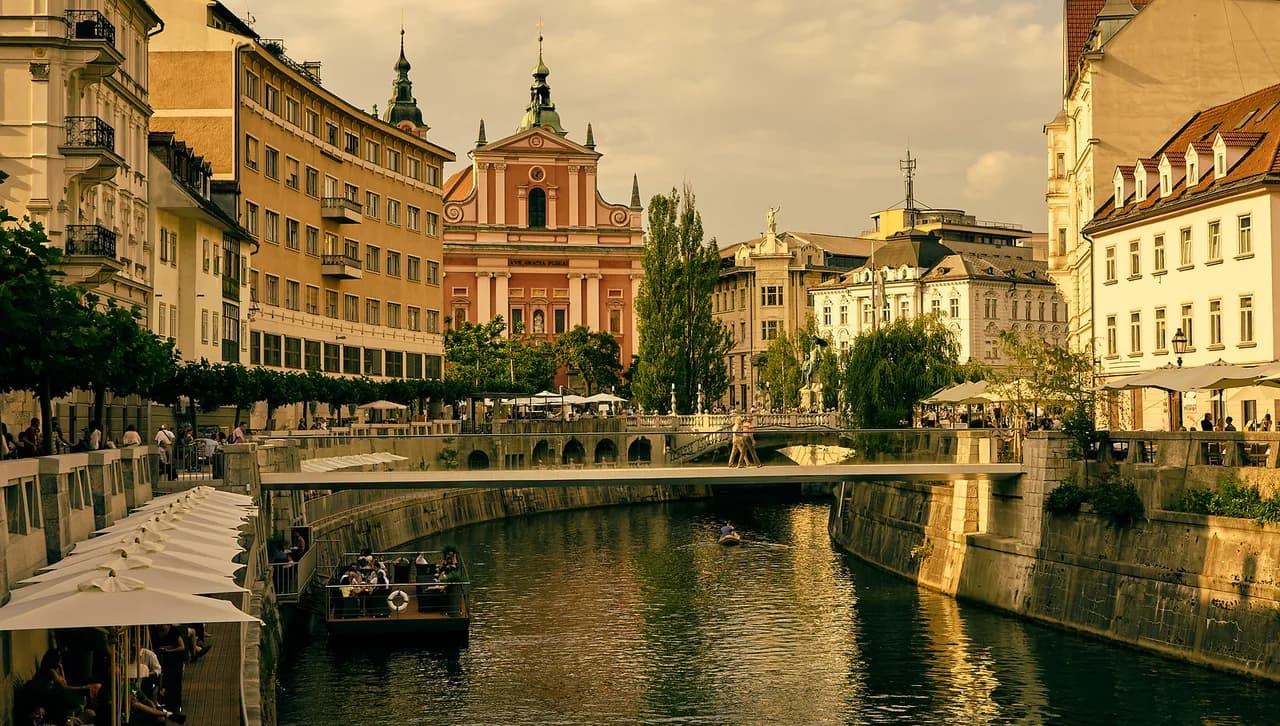
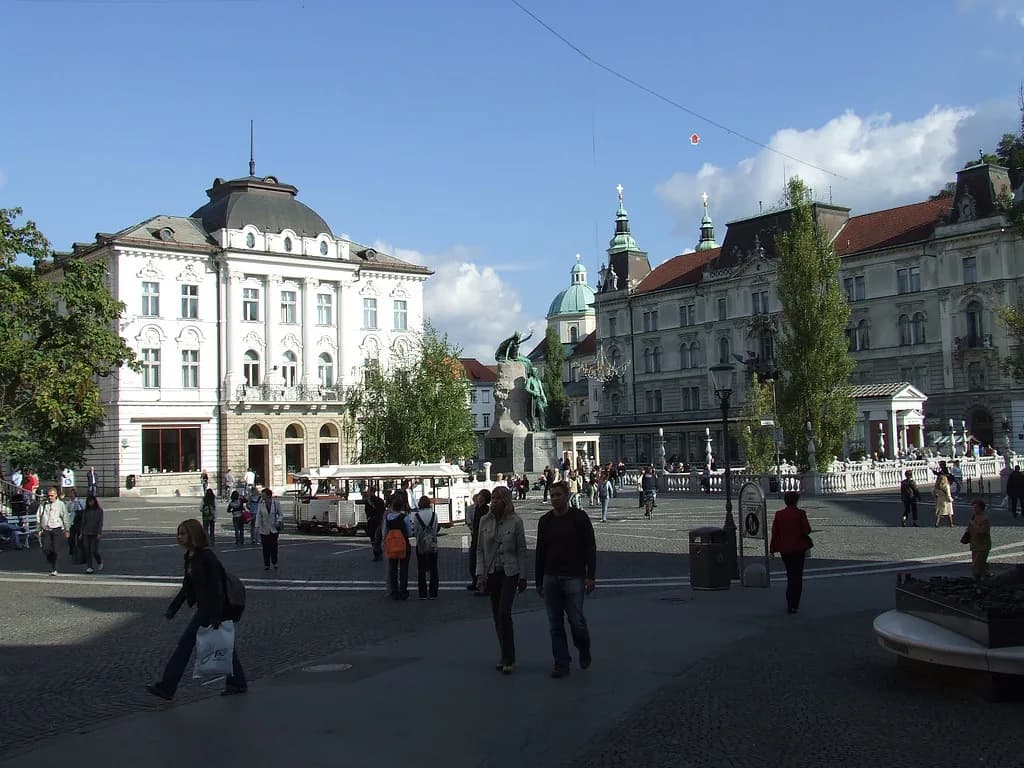
Ljubljana is the best value base for a city break: compact, walkable, with cheap city buses, plenty of budget eats and a castle ticket that includes the funicular. Prices rise the moment you sleep beside Lake Bled in summer, where you pay for the view rather than the room.
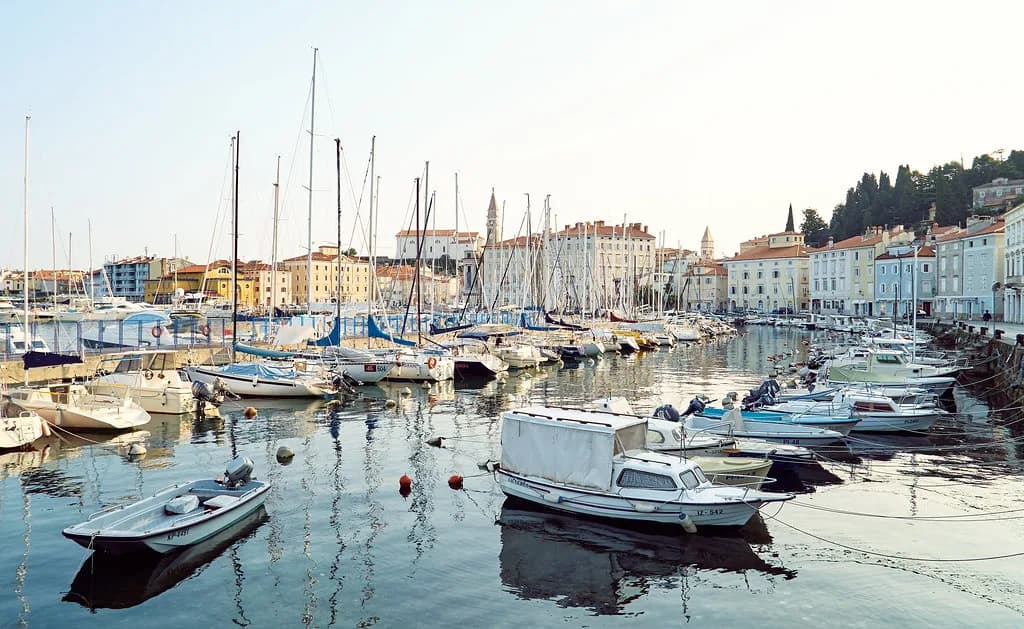
The Alps around Lake Bohinj and the Soča Valley spread your budget furthest if you hike, because the scenery is the attraction and lift tickets are optional. The short coast at Piran and Koper is mid-priced and quieter than Croatia's Adriatic towns, which makes it a reasonable add-on rather than a splurge.
Ways to keep costs down
Shift your stay to late spring or early autumn to keep accommodation prices sane and the weather pleasant; the best time to visit Slovenia section on this site details the shoulder-season windows around Bled and the coast. Book caves and castles directly and skip the Ljubljana Card unless you plan three or more paid sights in a single day.
Eat your main meal at lunch, buy groceries for breakfast and hike days, and use buses or trains for Ljubljana, Bled and Koper instead of picking up a car. In Ljubljana, the compact center makes walking the default, and the free walking tour costs only a tip.
Drawbacks that cost you
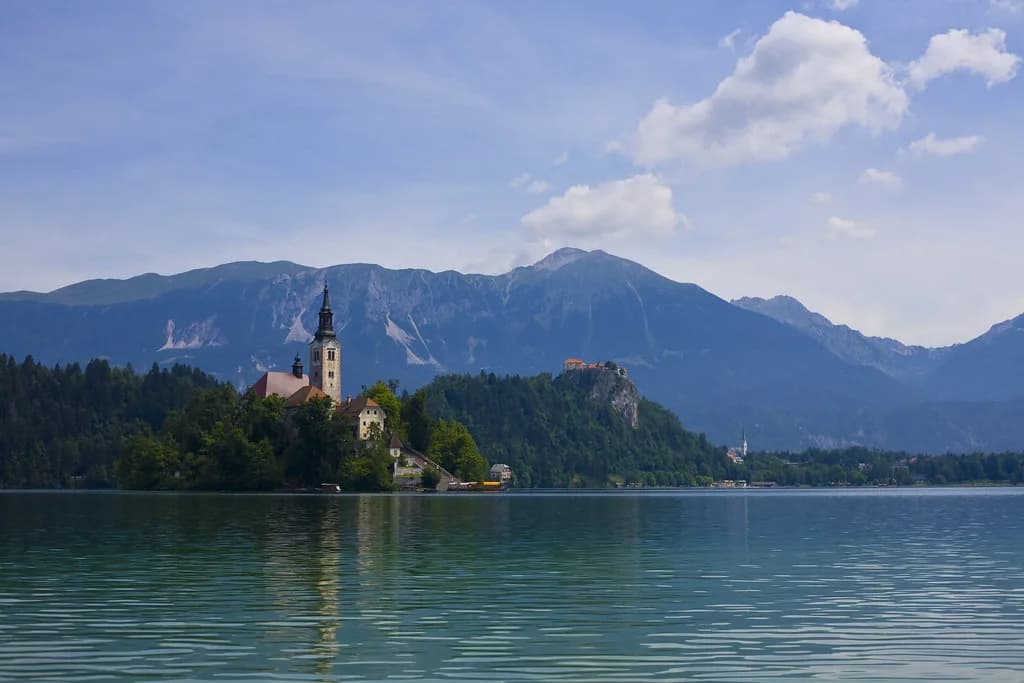
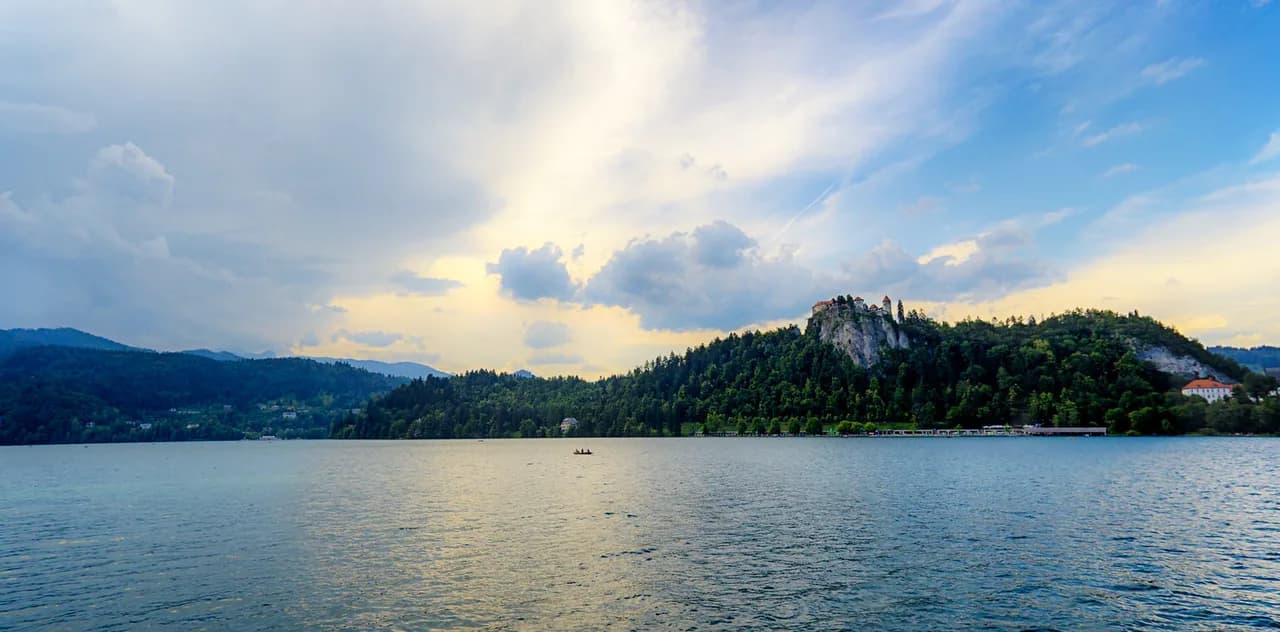
Lake Bled in July and August is Slovenia's price shock: rooms, parking and lakeside meals climb while the island church and castle fill with day-trippers. Sights such as Postojna Cave and Bled Castle have fixed tickets that add up fast on a short trip.
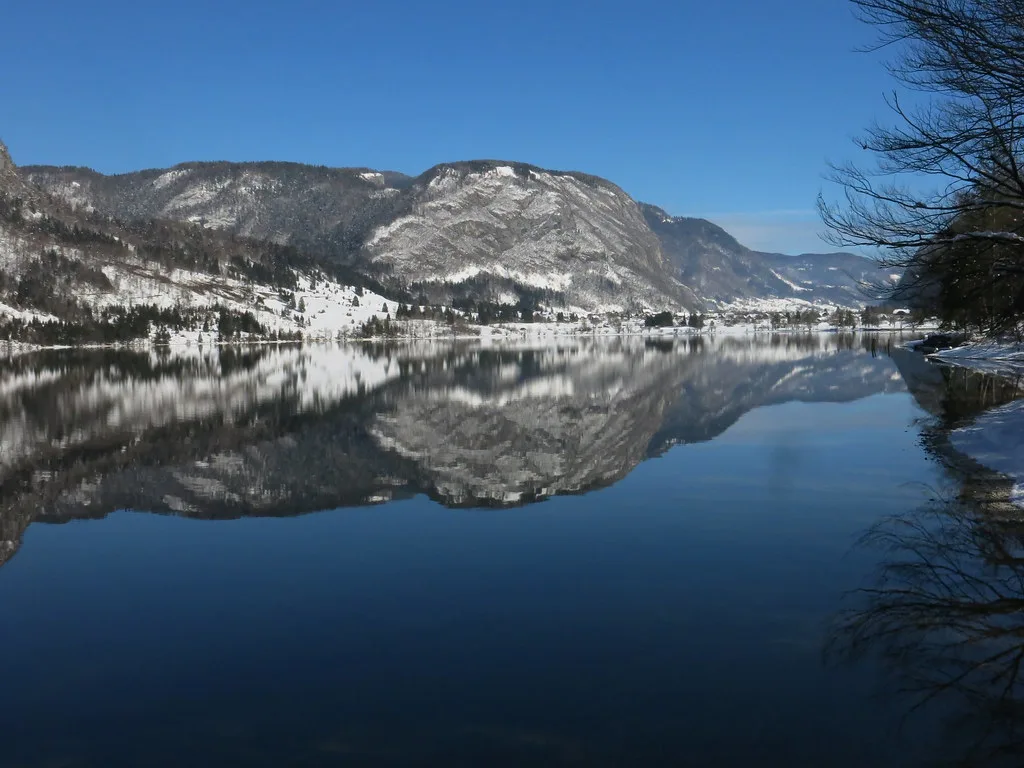
Winter shuts down parts of the mountain infrastructure outside ski areas, so a cheap off-season trip can mean limited access and fewer open cafes in smaller alpine villages. Peak-season Bled and the Julian Alps in ski weeks are where budgets blow out, while April or October reward you with lower prices and more flexibility.
Who should choose somewhere else
If you want a bargain-priced Balkans trip, head to Bosnia and Herzegovina, Albania or North Macedonia and treat Slovenia as a possible add-on, not the core. Travelers looking for beach holidays should know the coast is charming but short, and Croatia or Greece deliver more sand for the effort.
Summer crowds at Bled irritate travelers who want solitude, but shifting to Lake Bohinj, the Soča Valley or an April visit solves it. Anyone on a tight budget who still wants alpine scenery will get more for their money here than in Austria or Italy.
Bringing a dog to Slovenia: what it adds to the bill
A reader question the cost figures above don't answer is what travelling with a dog does to a Slovenian budget. The clearest line item in the sources comes from northern Slovenia, where a month based in a two-bedroom house overlooking Lake Jasna near Kranjska Gora included 50.90 EUR (59.81 USD) in one month for Luna, the dog travelling with the writer, covering vet bills and supplies. That figure was rising month by month because of Luna's pancreas medication, so it is a real-world example of ongoing costs rather than a one-off charge.
The same budget shows how the pet line compares with the rest of a trip: accommodation for the month came to 582.15 EUR, groceries to 239.13 EUR, eating and drinking out to 66.44 EUR, and entertainment and activities to just 5.06 EUR. In other words, the dog's vet bills and supplies were close to the whole month's spending on activities. The writer also notes that hiking the nearby mountains was free, which matters if you plan days around walking with a dog rather than paid attractions.
For context on what pet costs sit against, the broader Slovenia figures put average living costs at about 1,590 USD per month for one person in 2026, with average monthly groceries of 307 USD per person and dining out averaging 145 USD per person. A meal at an inexpensive restaurant costs approximately 13 USD. Those numbers are general living costs rather than travel quotes, but they help you judge whether a 50.90 EUR pet month is proportionate for your own budget. Lake Bled, Predjama Castle and Triglav National Park appear in the travel guide as the headline stops, and none of the sources list pet fees for them, so build your own estimate around the vet and supply figure rather than assuming attractions will add a dog surcharge.
Plan Your Visit
Slovenia is moderately priced rather than expensive: real money goes on a handful of iconic sights and high-season lakeside beds, while hiking, old towns and public transport stay cheap. Budget travelers can travel comfortably on a modest daily sum, and mid-range travelers get alpine scenery for less than the neighbors charge.
Decide your priorities first, then your season, then your base, and the cost question answers itself. Our Slovenia verdict lays out whether the country earns a place on your trip at all, and the Slovenia itinerary shows how many days make sense once you commit.
Explore more Slovenia trip-decision guides
Frequently Asked Questions
Is Slovenia expensive compared with Italy?
No, Slovenia is generally cheaper than Italy for accommodation, restaurant meals and major sights, especially in the Alps and around Lake Bled. You trade some polish and a denser restaurant scene for lower prices.
How much does a meal cost in Slovenia?
Casual meals and street food are inexpensive, mid-range restaurant mains sit at typical Central European levels, and a full dinner in Ljubljana or on Lake Bled costs more. On a budget, supermarket and bakery lunches keep daily spending down.
How much money do I need per day in Slovenia?
Budget travelers staying in dorms and cooking most meals spend modestly, mid-range travelers roughly double that with private rooms and paid sights, and comfort travelers spend more again. Add flights separately, since they swing the total more than daily costs.
Is Lake Bled expensive?
Bled is Slovenia's most expensive lakeside base, especially in July and August, when rooms and parking climb. Staying in nearby villages or visiting in spring or autumn cuts the cost sharply.
Is Slovenia cheaper than Croatia?
Slovenia is generally pricier than inland Croatia and the Balkans, while Croatia's Adriatic coast in high season can cost as much or more. Slovenia's short coast at Piran is usually calmer and better value than the busiest Croatian resorts.
Is Slovenia worth the money?
Yes, for travelers who value alpine scenery, caves and compact old towns without Austrian or Italian prices. Anyone seeking a bargain beach holiday gets more value in the Balkans or Greece.
Sources
Trip-decision notes
Optional updates when we publish or revise a destination verdict.
You might also like
Continue reading
More guides you'll find useful