Slovenia in September: Weather, Crowds and Whether to Go
Slovenia in September brings warm days, cool nights and real rain. See typical temperatures by region and which weeks suit hiking, swimming or cities.
On this page
Yes, September is a good month to visit Slovenia, and for many travelers it is the best of the year. Daytime temperatures stay warm enough for hiking and sea swimming, the summer holiday crowds thin out after the first week, and prices soften outside the peak. The catch is rain: September is one of the wetter months across much of the country, so you need a plan that tolerates a washed-out day.
The country is small enough to combine the Adriatic coast with the Julian Alps in a single week, but doing so in September means packing for two climates. Portorož on the coast averages around 24°C (75°F) by day, while Kranjska Gora in the northwest averages about 18°C (64°F), according to long-term climate averages. Plan the coast for warmth and the mountains for walking, and accept that rain can hit either.
The verdict
Go in September if you want hiking, lake days and coastal swims without July and August crowds. It is the month where the whole country is still open and the light is long enough for full days out, yet the roads around Lake Bled and the Vršič Pass are calmer. It is a weaker choice if your trip depends on guaranteed sunshine or on long, hot beach afternoons.
Treat September as a shoulder month with summer leftovers rather than a summer month. Expect warm afternoons, cool evenings in the hills and at least a couple of wet days in a week. Build one flexible day into the itinerary so a rainy spell can be swapped for a city or a museum instead of a mountain ridge.
Who will love it
Hikers get the best of it. Trails in Triglav National Park and the Julian Alps are usually clear of snow, daytime temperatures are comfortable for climbing, and afternoon thunderstorms are less frequent than in midsummer. The Soča Valley around Bovec is a strong base for river walks and via ferrata, though it is also one of the wetter corners of the country in September.
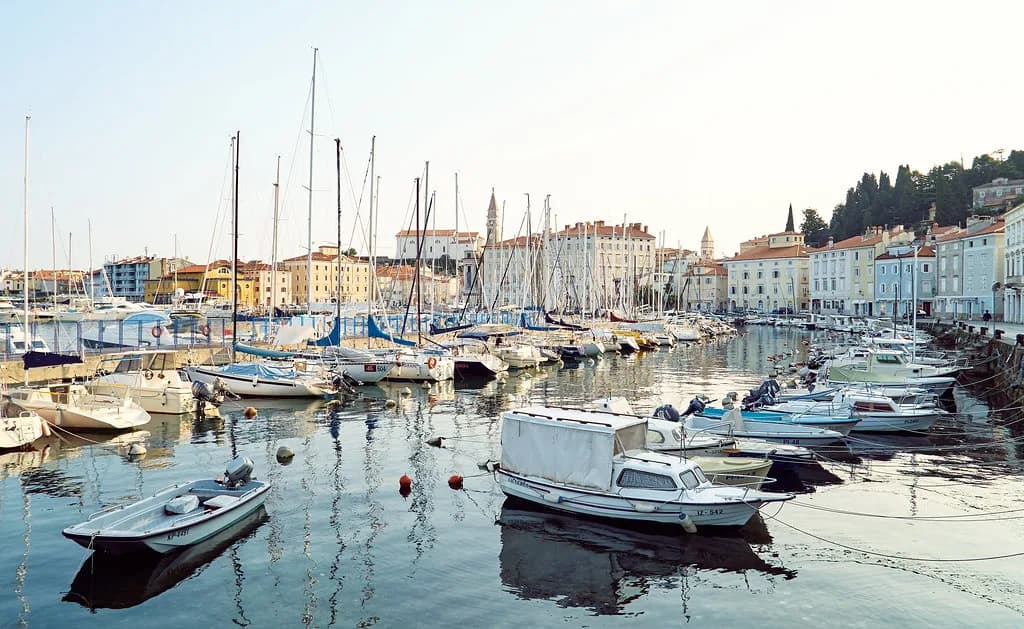
Swimmers and boaters should head for the short Adriatic coast. Portorož, Piran and Koper keep the mildest September conditions, with Portorož averaging around 24°C (75°F) by day and 18°C (64°F) at night. That is warm enough for most people to swim comfortably in the early part of the month, and the beaches are far quieter than in August.
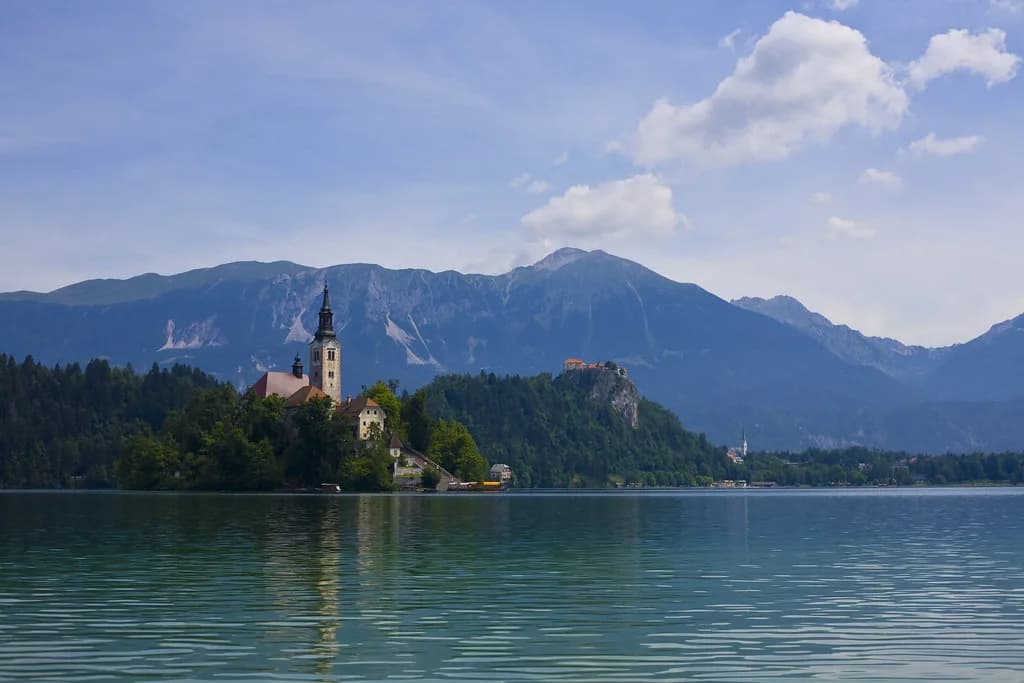
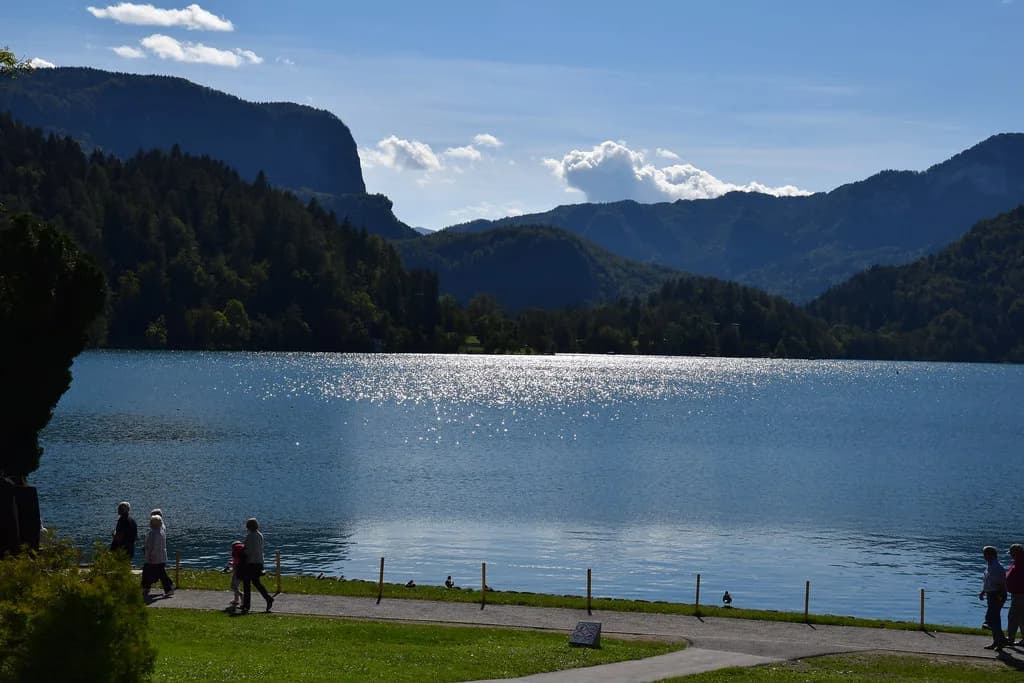
City-and-lake travelers do well too. Ljubljana is pleasant for wandering, Lake Bled and Lake Bohinj are photogenic in early autumn light, and the wine country of Primorska and the Vipava Valley is heading into harvest. Drivers benefit most, since rural Slovenia rewards a car far more than the train network does.
Who should pick another month
Sun-seekers who want a beach holiday with reliable heat should look at July or early August instead. September on the coast is warm but changeable, and the sea is starting to cool from its summer peak. If your image of a Slovenia trip is sunbathing every day, the odds are against you.
Anyone who needs dry days for a multi-day trek should weigh May and June. Those months are greener and often drier in the mountains, and the daylight is longer. September is the better pick if you want fewer people, softer prices and a mix of coast and mountains rather than a single long hike.
Typical September weather by region
Ljubljana averages around 21°C (70°F) by day and 11°C (52°F) at night in September, with roughly 132 mm (5.2 in) of rain over about 13 rainy days. That combination makes the capital a comfortable city stop but a risky base for daily mountain plans. Use it for the start or end of a trip and keep the outdoor days for clearer weather.
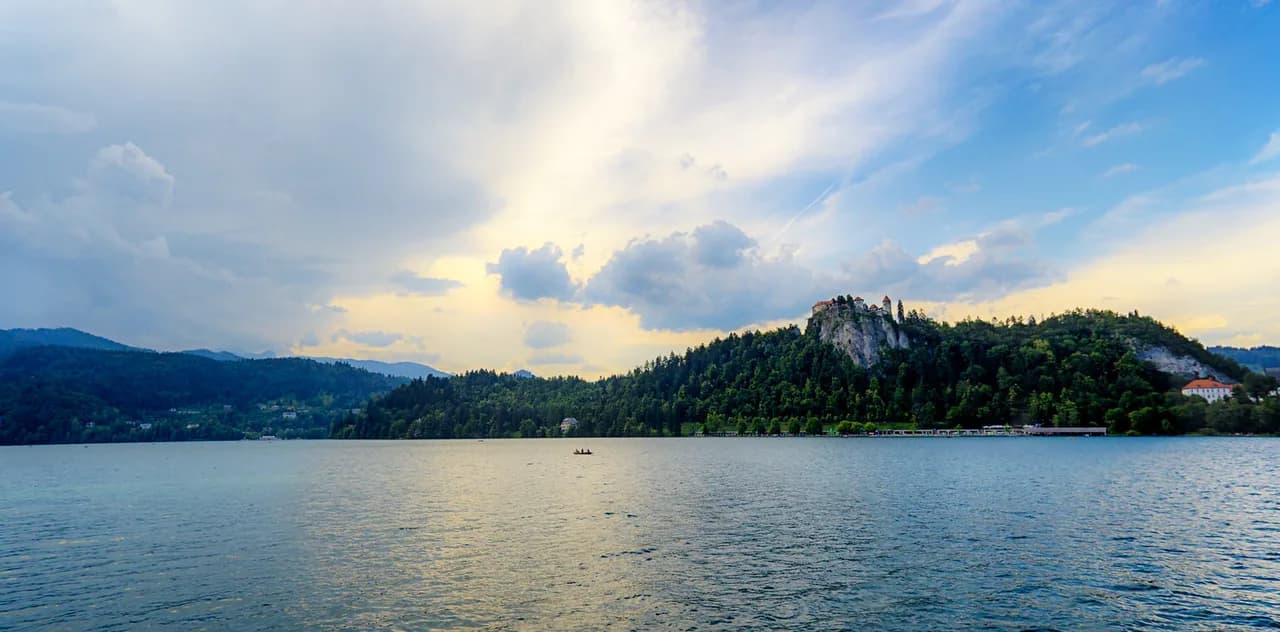
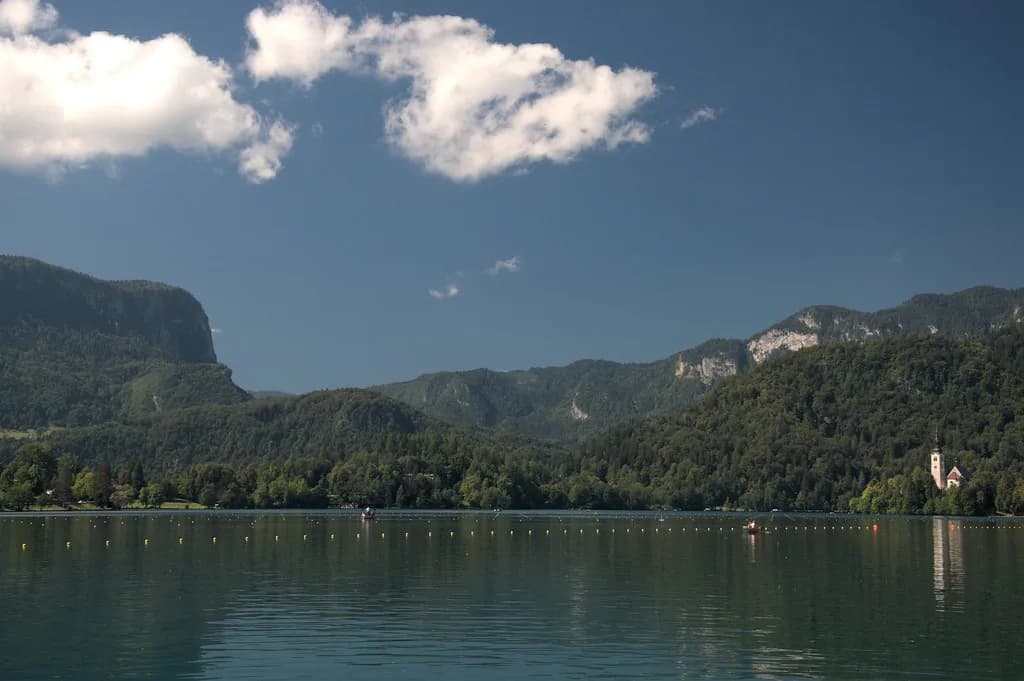
Lake Bled runs slightly cooler, averaging about 19°C (66°F) by day and 10°C (50°F) at night, with around 157 mm (6.2 in) of rain. Lake Bohinj is similar at roughly 19°C (66°F) and 176 mm (6.9 in). Both lakes are lovely in September, but plan the boat trips and viewpoints for the brighter half of each day.
Kranjska Gora is the coolest of the popular bases at around 18°C (64°F) by day and 9°C (48°F) at night, with about 167 mm (6.6 in) of rain. Nights in the alpine valleys can feel distinctly cold, so a warm layer matters even when the afternoon is mild. The Vršič Pass road and the trails above the village are usually still open and walkable.
The coast is the outlier. Portorož averages around 24°C (75°F) by day and 18°C (64°F) at night, with roughly 154 mm (6.1 in) of rain but about 223 hours of sunshine across the month. That is the sunniest of the main destinations in September and the best bet for beach time.
Rainfall and sunshine: what the numbers actually mean
September rainfall in Slovenia ranges widely, from around 91 mm (3.6 in) in Šalovci in the northeast to around 200 mm (7.9 in) in Ilirska Bistrica in the south. That spread matters more than the national average. Choosing a region with a drier profile can make the difference between a washed-out week and a good one.
Sunshine hours tell the other half of the story. Ljubljana gets around 182 hours in September and Kranjska Gora around 179, while Portorož reaches about 223. Higher sunshine hours do not guarantee dry days, but they suggest more usable afternoons. If you only have a week, favor the coast for the sun and the interior for the walking.
Rain in September often arrives as heavy showers or a frontal spell rather than an all-day drizzle. That makes it manageable: a wet morning in Bled can become a dry afternoon in Ljubljana, an hour away by road. The practical rule is to keep the car flexible and not pre-book every outdoor day.
How many days you need
A week is the right length for a first September trip that combines Ljubljana, Lake Bled and the coast. That gives you two city days, two lake or mountain days and two coastal days, with one spare day for rain. Ten days lets you add the Soča Valley or the wine country without rushing.
A long weekend works if you stay in one region. Base in Lake Bled for alpine walks, or in Piran or Portorož for the coast, and skip the cross-country drives. Trying to see Ljubljana, the Julian Alps and the Adriatic in three days means spending most of it in the car. If you are also weighing a hop across the border, our Pula trip guide covers whether is Pula worth visiting is the right call for a short coastal break.
What September unlocks
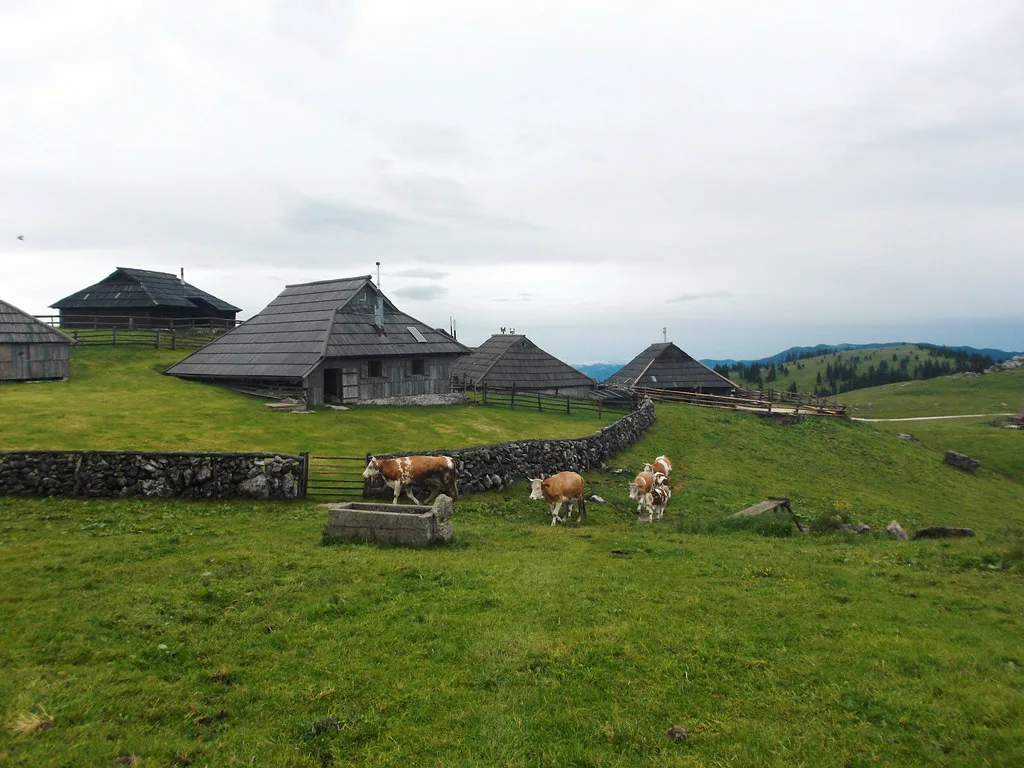
Hiking is the headline. Trails in Triglav National Park, around Lake Bohinj and above Kranjska Gora are usually in good condition, and the summer heat has passed. Mountain huts tend to stay open into the early autumn, though it is worth checking the specific hut before relying on it for a night.
Sea swimming on the Adriatic is still realistic, especially in the first half of the month around Piran, Portorož and Koper. The sea has had all summer to warm up, and Portorož still averages around 24°C (75°F) by day. Locals often swim into late September, but the second half of the month is less certain.
Wine country is at its best. The Vipava Valley, Goriška Brda and the hills around Maribor are in harvest, and the light is good for driving between vineyards. September is a strong month for tastings and rural stays, with fewer visitors than in July and August.
Drawbacks
Rain is the main one. Ljubljana and Lake Bled both average well over 100 mm (3.9 in) in September, and Bled sees around 13 rainy days. That is enough to derail a tightly scheduled hiking trip unless you leave slack. Elaborate itineraries with a different mountain every day are the first thing to cut.
Nights are cool, especially in the alpine valleys where Kranjska Gora drops to around 9°C (48°F). Evenings outdoors need a jacket, and camping in the mountains becomes less comfortable as the month goes on. Days are also shorter than in midsummer, so late-afternoon starts on long trails are a bad idea.
Some summer infrastructure winds down. Lake swimming areas, boat services and mountain facilities start to reduce their hours as the season ends, and the pattern varies by operator. Confirm the specific lake boat, cable car or hut you plan to use before you build a day around it.
Crowds and timing: early or late September
Early September still feels like summer. The first week often holds warm coastal weather, the lakes are busy but not packed, and most seasonal services are running. If swimming and warm evenings matter, aim for the first ten days of the month.
Late September is quieter and more autumnal. Crowds drop noticeably after the middle of the month, prices soften and the light turns golden, but rain becomes more likely and mountain nights get cold. Hikers and photographers get the better deal; beach-focused travelers should not push their luck.
Travelers weighing exact dates often compare late September with early October, and the honest answer is that the weather can go either way. Early October is usually cooler and wetter, with shorter days. September gives you more margin for a warm spell, which is why it edges out October for a mixed hiking-and-coast trip.
Getting around in September
A car is the most practical way to see the country in September, particularly for the Julian Alps, the Soča Valley and the wine regions. Buses connect the main towns, but rural timetables thin out outside summer. Renting from Ljubljana Jože Pučnik Airport is the usual starting point for a road-based trip.
Trains work well for the Ljubljana–Lake Bled corridor and for reaching Maribor, but not for the mountains. For a city-and-lake trip without a car, base in Ljubljana and Bled and use buses for day trips. For anything involving trailheads or vineyards, drive.
Typical costs in September
September pricing sits between peak summer and deep autumn. Accommodation and car hire are usually cheaper than in July and August, especially after the first week, while restaurants and attractions hold steady. Expect mid-range rather than budget prices in Bled and on the coast, which remain the most expensive corners of the country.
Fares, entry tickets and tolls change, so check the specific operator or venue for the current charge rather than budgeting from memory. The overall level is moderate by Western European standards, with the coast and Lake Bled the costliest and the east and rural interior the cheapest.
Getting there
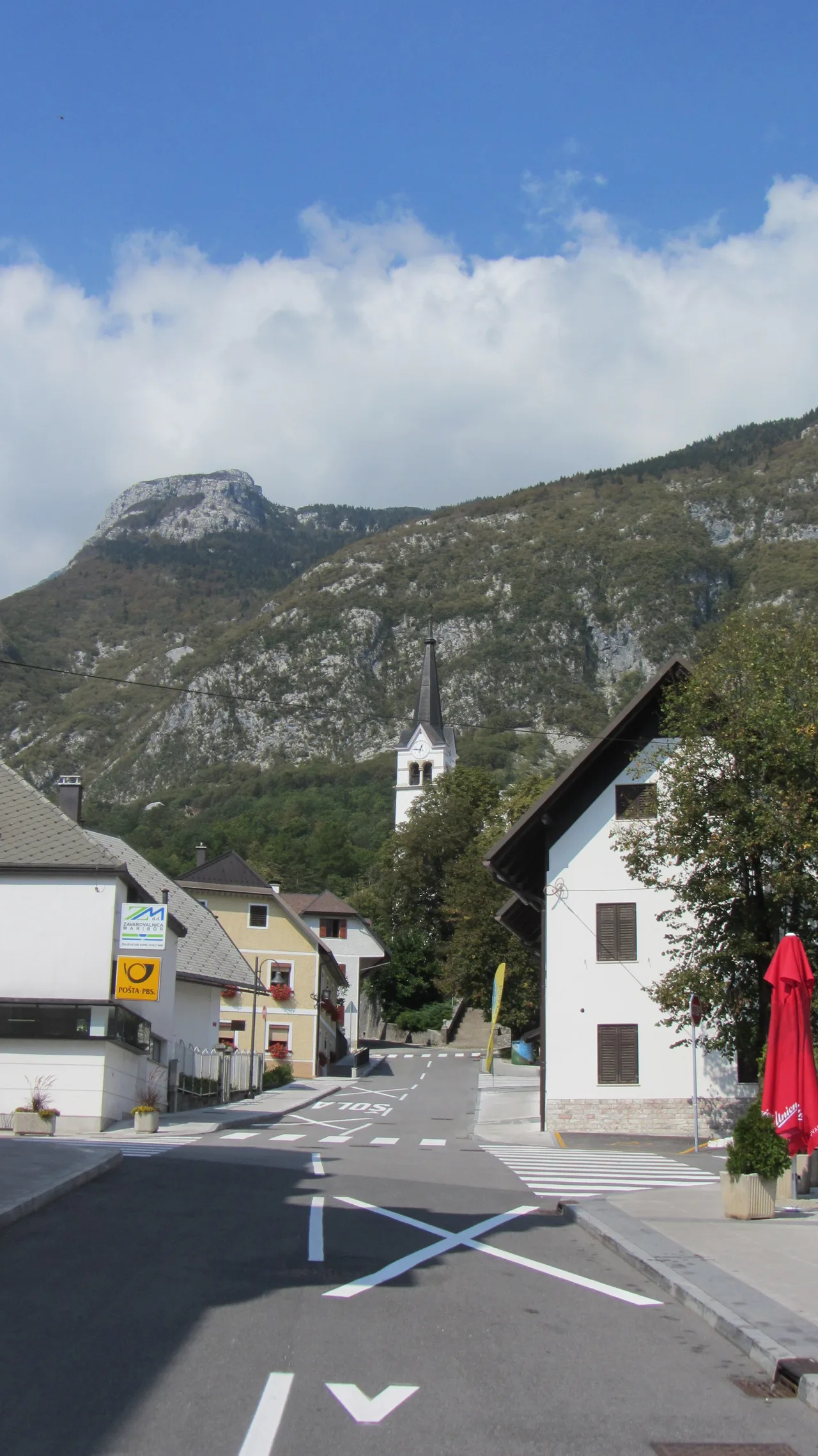
Ljubljana Jože Pučnik Airport is the main gateway, with onward road access to Bled in under an hour and to the coast in about an hour and a half. Trieste and Venice airports in Italy are realistic alternatives for the coast, and Zagreb works for the east. Distances are short, so flying into a neighboring country is often no slower.
For entry rules and documents, use your own government's official travel page for Slovenia rather than secondary sources. That is the only reliable place for current requirements.
September versus May and June
May and June are greener and often drier in the mountains, with longer days and spring wildflowers. September is warmer on the coast, better for swimming and harvest season, and quieter than June. Both are excellent shoulder months, and the choice comes down to whether you prioritize alpine walking or the Adriatic.
If you want both hiking and swimming in one trip, September wins because the sea has had all summer to warm up. If you want wildflower meadows, long daylight and fresher trails, choose June. May is the quieter option but colder on the coast.
September versus July and August
July and August deliver the most reliable heat, the warmest sea and the fullest range of services, at the cost of crowds and peak prices around Bled and the coast. September trades a little warmth and some reliability for space, lower prices and better hiking conditions. For most travelers who are not chasing a pure beach holiday, September is the better trade.
Verdict by traveler type
Hikers: go in September, ideally in the first three weeks, and keep a spare day for rain. Beach-goers: go in early September and head straight for Portorož, Piran or Koper. City-breakers: September is excellent for Ljubljana, with comfortable temperatures and manageable crowds, and a day trip to Bled is easy.
Families with young children should lean toward the coast in early September, where the sea is still swimmable and the weather is mildest. Wine and food travelers should aim for mid-to-late September when harvest is underway. Anyone who needs guaranteed dry weather should look at June instead.
Plan Your September Trip
September is one of the two best months for a Slovenia trip, alongside June, and the best if you want hiking and sea swimming in the same week. Book the first half of the month for warmth and the coast, the second half for quiet trails and autumn light. Leave one day unplanned for rain and you will enjoy the rest far more.
Explore more Slovenia trip-decision guides
Frequently Asked Questions
Is September a good time to visit Slovenia?
Yes. September combines warm days, thinner crowds than July and August, and lower prices outside the peak. It is strongest for hikers, drivers and travelers who want to mix the coast with the Julian Alps, and weaker for anyone who needs guaranteed sunshine.
What is the average temperature in Slovenia in September?
It varies by region. Ljubljana averages around 21°C (70°F) by day and 11°C (52°F) at night, Lake Bled about 19°C (66°F) and 10°C (50°F), Kranjska Gora about 18°C (64°F) and 9°C (48°F), and Portorož about 24°C (75°F) and 18°C (64°F). These are long-term climate averages, not forecasts.
Does it rain a lot in Slovenia in September?
September is one of the wetter months across much of the country. Ljubljana averages around 132 mm (5.2 in) over about 13 rainy days, Bled about 157 mm (6.2 in), and Kranjska Gora about 167 mm (6.6 in). Rainfall ranges from around 91 mm (3.6 in) in Šalovci to around 200 mm (7.9 in) in Ilirska Bistrica.
Can you swim in Slovenia in September?
On the Adriatic coast, yes, especially in the first half of the month around Portorož, Piran and Koper, where daytime averages stay around 24°C (75°F). The sea is at its warmest after summer, but late September is less reliable. Lake swimming is possible but colder as the month progresses.
Is early or late September better for Slovenia?
Early September suits swimmers, beach-goers and anyone who wants summer warmth, with most seasonal services still running. Late September brings fewer crowds, softer prices and autumn light but more rain and cold mountain nights. Hikers and photographers generally prefer the second half.
How many days do you need in Slovenia in September?
A week covers Ljubljana, Lake Bled and the coast with one spare day for rain. Ten days lets you add the Soča Valley or the wine regions without rushing. A long weekend works only if you stay in a single region.
Sources
Trip-decision notes
Optional updates when we publish or revise a destination verdict.
You might also like
Continue reading
More guides you'll find useful