Best Places to Visit in Slovenia: 12 Worth-the-Trip Picks
The best places to visit in Slovenia, ranked by what they deliver: Lake Bled, Ljubljana, Piran, the caves and the east, with honest trade-offs for each.
On this page
The best places to visit in Slovenia cluster in three zones: the alpine north around Bled, Bohinj and Triglav National Park; the Karst and coast in the southwest, where Postojna, Škocjan, Piran and Koper sit within an hour of each other; and the overlooked east around Maribor and Ptuj. A compact country of roughly 7,800 square miles means you can link two zones in a single day of driving, but it also means most itineraries try to do too much.
This list is ranked by what each place actually delivers for a first-time visitor, not by how it photographs. Lake Bled earns its fame but not a whole week; Ljubljana is a real city you can walk end to end; the east rewards anyone who trades a second lake day for wine hills and a Roman-era town. Where a place has a catch, the catch is stated plainly.
The verdict: who Slovenia suits and who should go elsewhere
Slovenia suits travelers who want variety over depth: mountains, caves, a Venetian-flavored coast and a small capital within short drives. It is a strong pick for a first trip to the region, for couples and for anyone who values well-kept trails, clean water and easy logistics over big-city energy. If you want a week of beach life, Croatia's Dalmatian coast delivers more coastline per day; if you want high-alpine drama at scale, Austria's Tyrol goes bigger. For a neighbouring comparison on whether a similar short, varied trip pays off, see whether is Hungary worth visiting.
The trade-off is scale. Slovenia's headline sights are small, so crowds concentrate hard in July and August and around Bled in particular. Travelers who hate queueing for a boat or a cave slot should aim for the shoulder months, when the alpine light is still good and the coast is swimmable. The broader case for the country is laid out in our Slovenia verdict.
How to read this list: north, Karst and coast, and the east
Think of the country as three trip shapes. The alpine north is Bled, Bohinj, Kranjska Gora and Triglav National Park, all within about an hour of each other. The Karst and coast run from Postojna and Škocjan down to Piran, Izola and Koper, with Ljubljana in the middle as the natural hinge. The east is Maribor, Ptuj and the Drava wine country, the part most foreign itineraries skip.
Place names matter here: Bled, Bohinj and Kranjska Gora are distinct bases, not neighborhoods of one resort, and Piran, Izola and Koper are three separate coastal towns with different characters. Picking one base per zone and day-tripping from it beats moving hotels every night.
Ljubljana: the compact capital
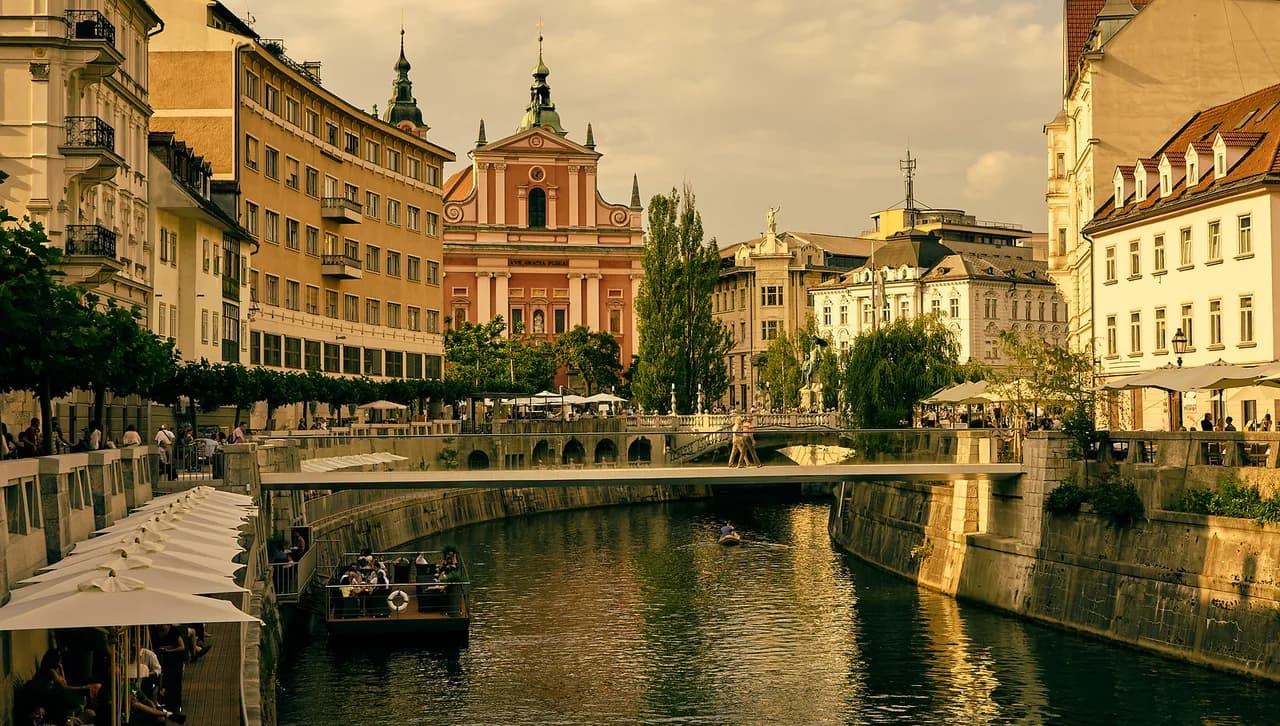
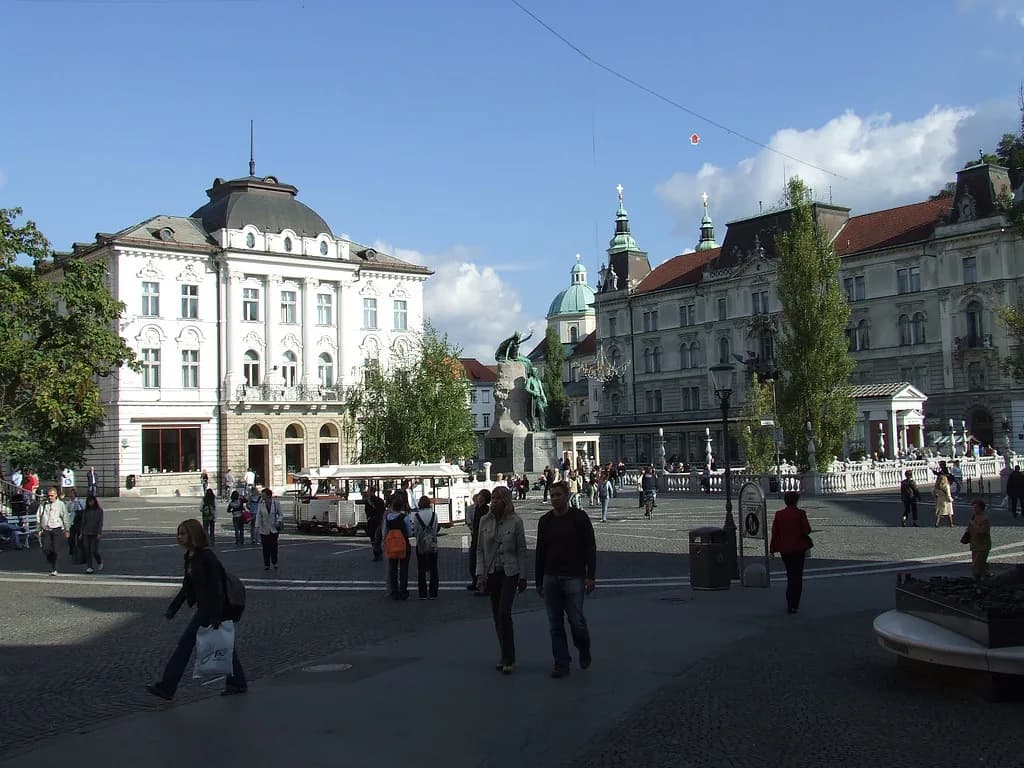
Ljubljana is the easiest city in the region to like. The old center is largely pedestrian, the Ljubljanica runs through it, and the architect Jože Plečnik's Triple Bridge and Dragon Bridge anchor a walkable loop between Prešeren Square and the riverside cafés. Ljubljana Castle sits above the old town, with a fine-dining restaurant, Strelec, inside the complex.
Two nights is enough for the city itself, which makes it a good place to land, unpack and recover before heading to the mountains or the coast. The catch is that Ljubljana is a small capital, not a big-city break; anyone expecting Vienna-scale museums and nightlife will run out of things to do by day three.
Lake Bled: the postcard and its crowds
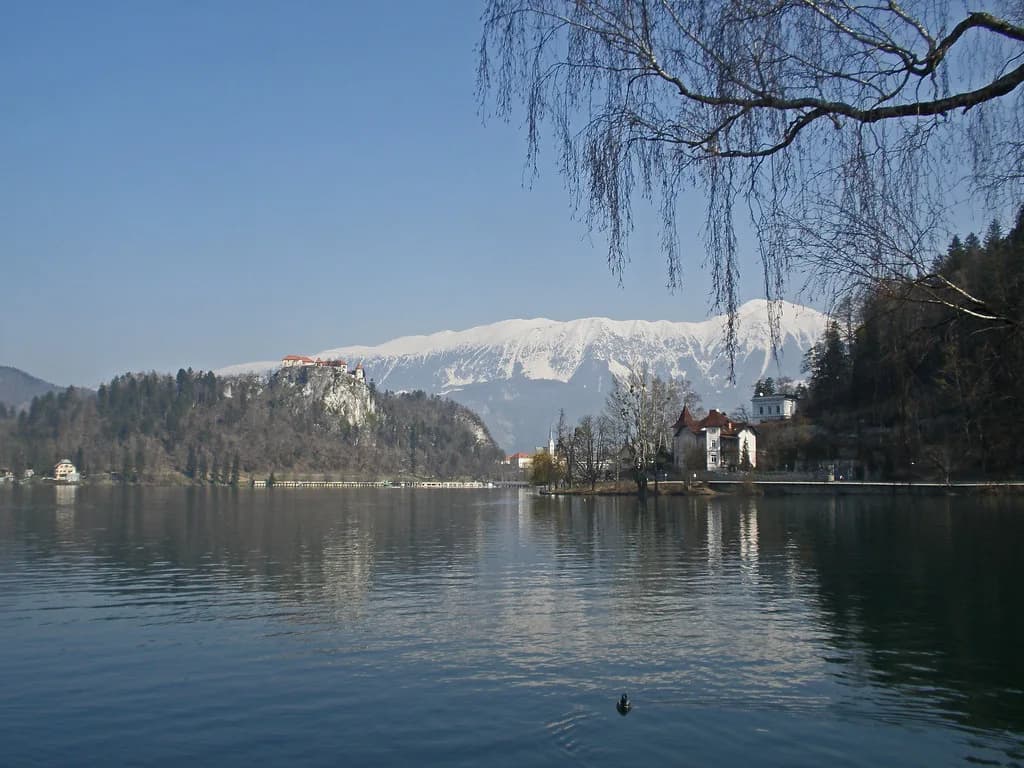
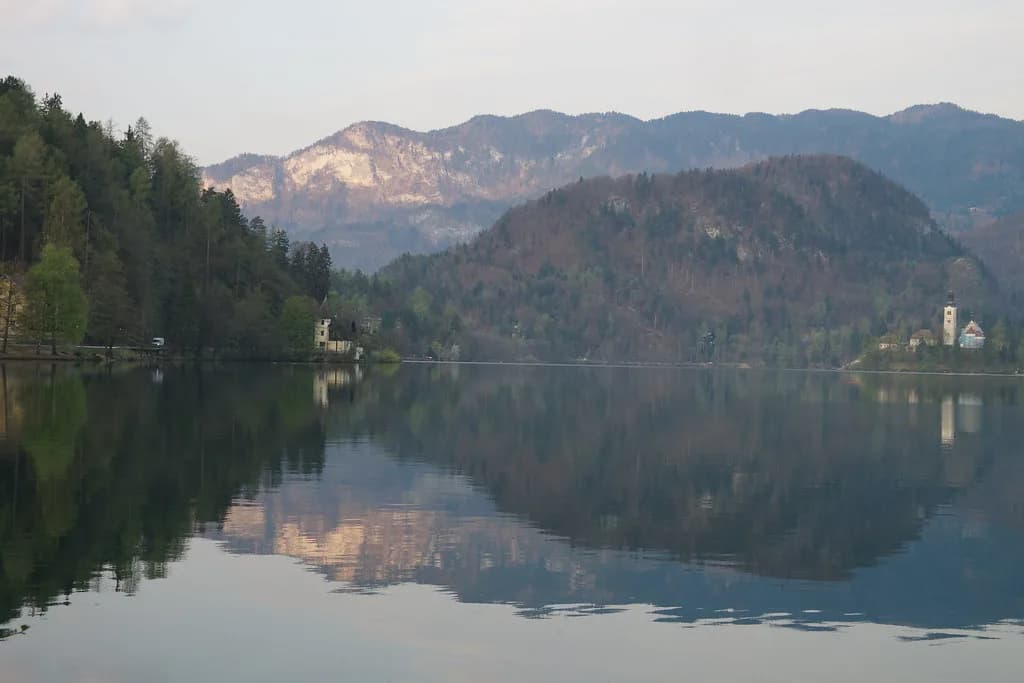
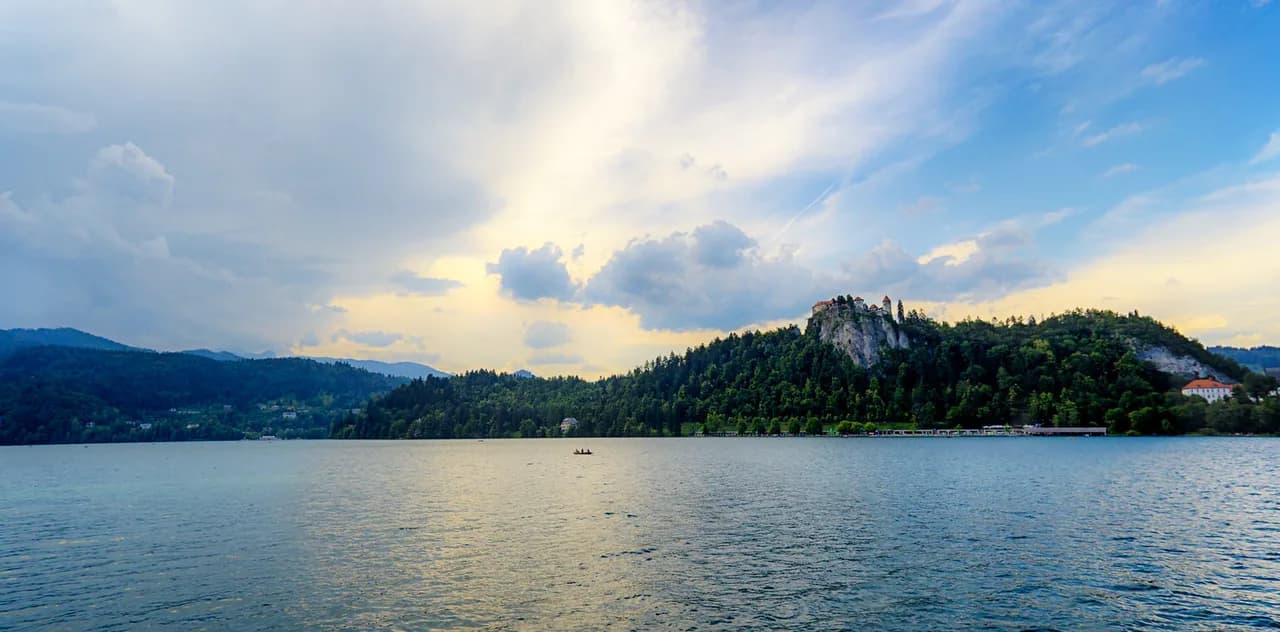
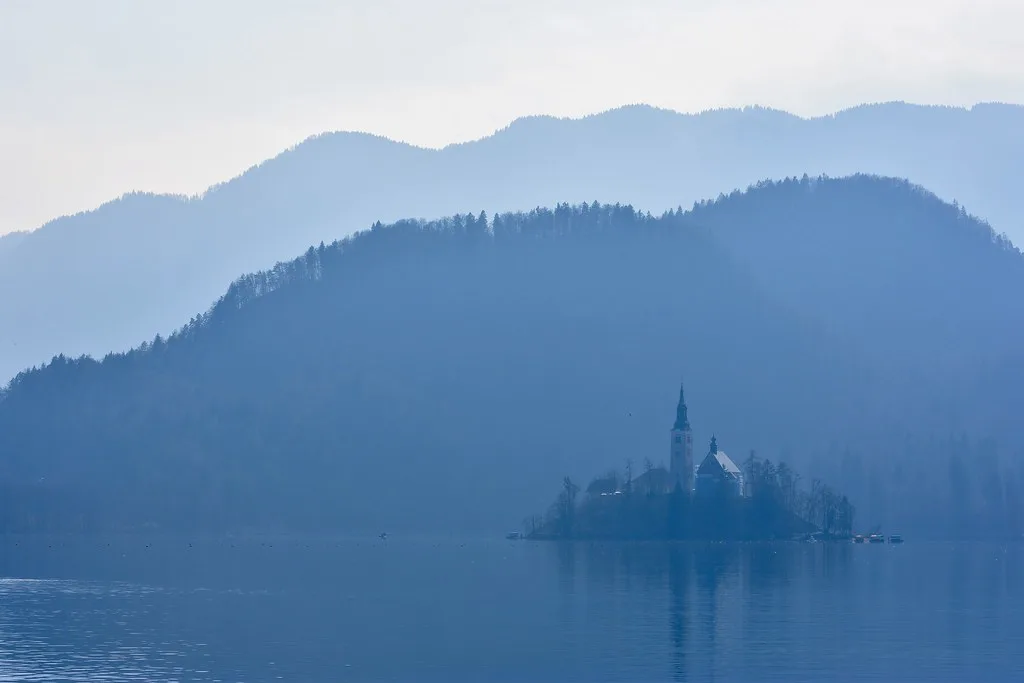
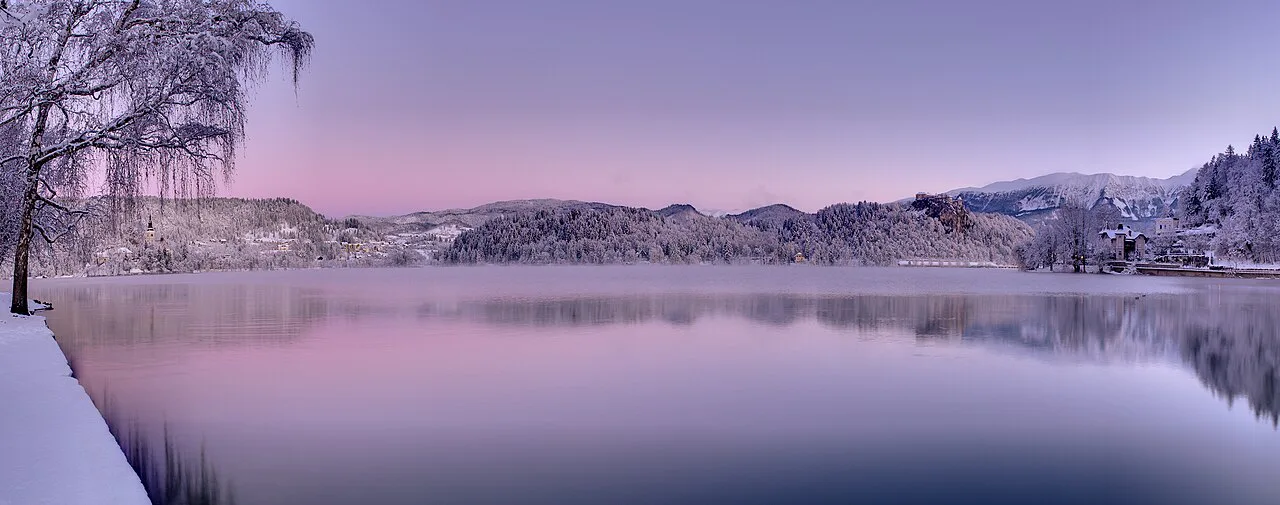
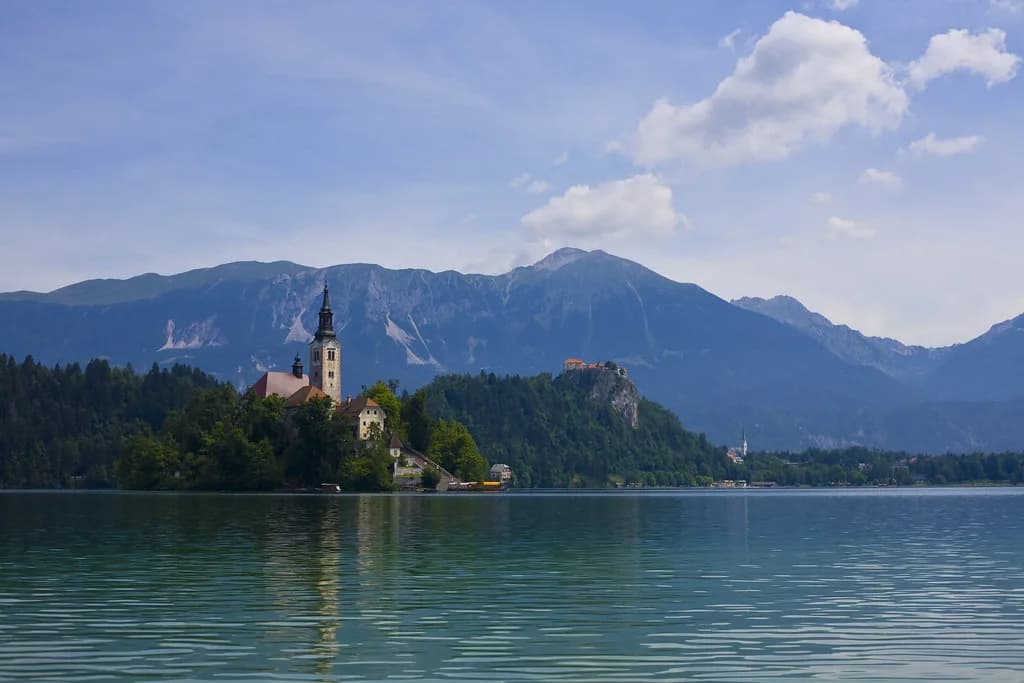
Bled is the image most people carry of Slovenia: a turquoise glacial lake with a small island church, a cliff-top castle and the Julian Alps behind. Walk the lakeshore path, take a traditional pletna boat to the island, and climb to Bled Castle for the view back over the water. The cream cake is the local ritual and worth one slice.
The catch is timing. Bled draws heavy day-trip traffic from Ljubljana and fills on sunny weekends and holidays, and summer accommodation books out well ahead. Come early in the morning or stay overnight to see the lake without the coach groups. If you are weighing dates, the best time to visit Slovenia covers how the seasons change the lakes.
Lake Bohinj and Triglav National Park: the quieter alpine alternative
Bohinj is the answer for anyone who finds Bled too polished. The lake is larger and sits fully inside Triglav National Park, with swimming, kayaking, paddleboarding and hiking straight from the shore. The Savica waterfall, a 78-meter drop that fed generations of Slovenian poetry, is the classic outing, and the Mostnica Gorge walk toward Voje is the best half-day hike in the area.
Bohinj is popular with Slovenian holidaymakers more than foreign tour groups, so it feels calmer even in peak season. The trade-off is fewer restaurants and hotels than Bled and a car-dependent layout if you want to reach trailheads beyond the lake.
Kranjska Gora, Lake Jasna, Zelenci and the Vršič Pass
Kranjska Gora is a small alpine town that works as a base rather than a destination in itself. Lake Jasna, a few minutes away, gives you the classic view of Triglav across still water, and the Zelenci Nature Reserve, a 15-hectare marsh with an emerald spring lake, is a short walk on a wooden boardwalk. The Vršič Pass road climbs above them, past the Russian Chapel, a memorial to prisoners who built the road.
The pass is the draw and the limitation: it is a mountain road with tight hairpins, and it is not a place to rush or to drive at night. In summer it can be busy with cyclists and motorbikes; outside the warm months, conditions change fast. Treat it as a scenic half-day, not a transit shortcut.
Postojna Cave and Predjama Castle
Postojna Cave is the big-ticket underground visit: a 24,340-meter karst system where an electric train covers the first 3.2 kilometers and you walk the remaining 1.8 kilometers on a wide, lit path. It is genuinely spectacular and genuinely busy, and many Slovenians consider it overpriced and crowded, but few visitors have seen anything like it. A few minutes away, Predjama Castle is built into a 123-meter cliff face and holds a museum inside.
The two sights pair naturally in one day from Ljubljana, and a shuttle links them for travelers without a car. Book cave entry slots ahead in summer, since the train departures are timed and popular slots sell out. The castle is the quicker visit; the cave is the one that eats your morning.
Škocjan Caves: more walking, bigger drama
Škocjan Caves Regional Park protects a limestone system with roughly six kilometers of passages, collapsed sinkholes and one of the largest underground chambers in the world, where the Reka River cuts a canyon you cross on a narrow bridge. It is a UNESCO-listed site and a more physical visit than Postojna: you walk, and you feel the scale of the void rather than riding past it.
Choose between the two caves rather than doing both unless you are a cave enthusiast. Škocjan wins on drama and walking; Postojna wins on accessibility and the train ride. Both run guided tours on fixed schedules, so plan the rest of the day around your slot.
The coast: Piran, Koper, Izola and Moon Bay
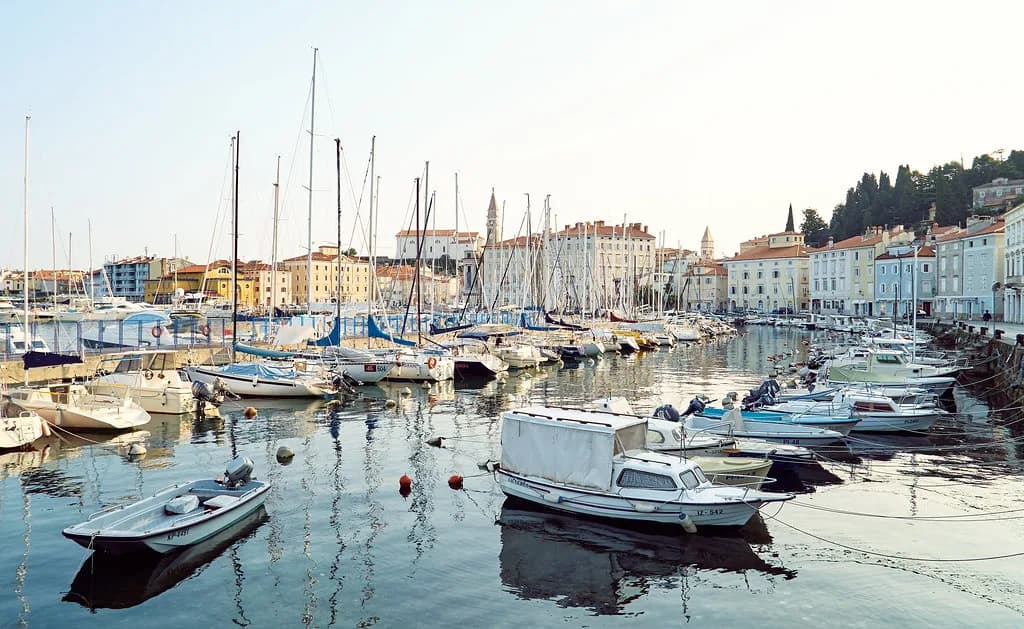
Piran is the coast's showpiece, a Venetian-influenced tangle of lanes around Tartini Square, with St. George's Parish Church and the old town walls giving the best view over the red roofs and open sea. Koper is the larger, working port town, useful as a base for the Istrian hinterland and the Marezige wine fountain, while Izola sits quietly between the two.
Slovenia's coast is short, roughly 47 kilometers, so this is a day or two of your trip, not a beach week. The upside is that Strunjan Nature Reserve, between Piran and Izola, holds Moon Bay, a pebble beach below 80-meter flysch cliffs reached by a steep 20-minute descent. The climb back up is the filter that keeps it quiet.
Maribor and Ptuj: the Drava and the oldest vine
Maribor is Slovenia's second city, with a riverfront Lent district on the Drava, the world's oldest living grapevine in its center, and the Pohorje hills rising just south for hiking and biking. Ptuj, half an hour away, claims the title of Slovenia's oldest town and has a compact old core that foreign tourists largely miss. The surrounding Štajerska hills are wine country, with tastings in the cellars.
The east rewards travelers with a car and an extra day, and it is where you escape the Bled crowds entirely. The trade-off is that it lacks a single must-see icon, so it suits people who enjoy towns, wine and slow afternoons more than checklist sightseeing.
Škofja Loka, Velika Planina and the Soča Valley
Škofja Loka, a pastel old town on the road between Ljubljana and Bled, makes the best lunch stop in the country and takes an hour to walk. The Soča Valley, farther west, is the emerald-river country of the Julian Alps, with canyon viewpoints and suspension bridges along the water. Both work as detours rather than bases on a short trip.
The Soča's beauty comes with cold water: even in August the river is bracing, so plan on looking more than swimming. Access to the best river viewpoints and trailheads is by road, which is where the car question becomes decisive.
How many days you need
Four days gives you Ljubljana, Bled and one cave, with the coast cut. Seven days allows Ljubljana, Bled or Bohinj, Postojna and Predjama, and Piran, which is the classic first loop. Ten days adds either the Soča Valley or the east around Maribor and Ptuj, and that is the point at which the trip stops feeling rushed. A full Slovenia itinerary maps these combinations day by day.
The mistake to avoid is treating the country as a series of one-hour hops. Distances are short, but mountain roads are slow and cave tours are timed, so two big sights a day is a realistic ceiling. If you have four days, cut the coast before you cut Bohinj in favor of a second Bled day.
Getting around: rail, bus and the car question
Trains connect the main towns and tickets are inexpensive, with the national carrier Slovenske železnice running scenic routes and no journey costing more than 20 euros. The network is old and slow, though, and buses are far more extensive, run by more than 20 companies, with Nomago, Arriva and Marprom among the larger operators. Neither reaches the mountain landscapes that define the trip.
For Bohinj, the Vršič Pass, the Soča Valley and the wine hills, a car is close to essential. Renting a car in Slovenia covers the practical side: pick-up points, cross-border rules and what the mountain roads demand. Rail and bus work well for a Ljubljana–Bled–Postojna–Piran line if you accept the trade-off of missing the wildest places.
Typical costs and money
Slovenia uses the euro, so there is no currency exchange friction coming from most of Western Europe. Train tickets are the standout bargain, capped at 20 euros on the national network, while cave entries, boat rides and castle admissions are the costs that add up. Expect higher prices around Bled than in the east or the Soča Valley.
For a realistic budget by category, from budget rooms to cave tickets and restaurant meals, our breakdown of whether Slovenia is expensive walks through the numbers. The short version: it sits below Italy and Austria and roughly level with Croatia's inland towns, with Bled the outlier.
Drawbacks: crowds, cold water and mountain roads
Peak summer concentrates crowds at Bled, Postojna and Piran, and Piran in particular fills when cruise ships call at Koper. Cave visits run on fixed tour times, so a missed slot can cost you half a day. The alpine lakes and the Soča are cold even in high summer, which surprises swimmers used to the Adriatic.
Mountain roads such as the Vršič Pass are slow, narrow and unsuitable for a rushed schedule, and winter conditions close off the highest routes. On the coast, the beaches are pebble and concrete platforms rather than sand. None of this ruins a trip, but all of it argues for fewer bases and more time in each.
Who should skip which place
Skip Bled entirely if you want solitude and swap it for Bohinj. Skip the coast if you have under five days, since two nights there cost you a mountain day. Skip Postojna if you dislike guided groups and take Škocjan instead, and skip Ljubljana's second night if you would rather spend it in the wine hills around Ptuj.
Families do best around Bled and Bohinj, where lakeside paths and boat rides are easy. Hikers should base in Bohinj or Kranjska Gora, wine travelers in Maribor, and anyone with a week and a car should add the east. Travelers who want a two-week beach holiday should book Croatia and visit Slovenia as a four-day add-on instead.
Plan Your Trip
Build your Slovenia trip around two bases, not five: Ljubljana for the center and caves, and either Bled, Bohinj or Piran for the second half. Book cave slots and Bled accommodation before you set dates, and decide on the car early, because it determines whether Bohinj and the Soča are in or out.
The country rewards travelers who slow down and skip something. Cut one icon, add one small town, and Slovenia will feel less like a checklist and more like the reason people keep returning to this corner of the Alps.
Explore more Slovenia trip-decision guides
Frequently Asked Questions
What is the most beautiful part of Slovenia?
The Julian Alps around Triglav National Park, particularly Lake Bohinj and the Soča Valley, deliver the most dramatic scenery. Lake Bled is the most photographed single view, while Piran offers the best coastal scene. Most travelers rate Bohinj higher than Bled once they have seen both.
What should I not miss on a first trip to Slovenia?
Ljubljana's old town, Lake Bled, one cave, either Postojna or Škocjan, and Piran form the essential first loop. Add Predjama Castle if you visit Postojna, since it is minutes away. The east around Maribor and Ptuj is the best addition for anyone with more than a week.
How many days are enough for Slovenia?
Seven days covers the main loop of Ljubljana, Bled or Bohinj, the caves and Piran without rushing. Four days works if you cut the coast, and ten days lets you add the Soča Valley or the eastern wine country. Two sights a day is a realistic pace given mountain roads and timed cave tours.
Is Slovenia as beautiful as Switzerland?
The alpine scenery is comparable in character, with limestone peaks, glacial lakes and clear rivers, but on a smaller scale. Slovenia adds a short coast and karst caves that Switzerland lacks. Switzerland has larger glaciers and higher peaks, while Slovenia feels more compact and less expensive.
Do I need a car to see the best places in Slovenia?
A car is close to essential for Bohinj, the Vršič Pass, the Soča Valley and the eastern wine hills. Ljubljana, Bled, Postojna and Piran can be linked by train and bus. Renting for part of the trip and using rail for the rest is a workable compromise.
Which is better, Lake Bled or Lake Bohinj?
Bled has the postcard island church and castle but draws heavy day-trip crowds. Bohinj is larger, sits inside Triglav National Park and feels calmer, with better hiking from the shore. Choose Bled for a first visit and Bohinj for quiet, swimming and trails.
Sources
Trip-decision notes
Optional updates when we publish or revise a destination verdict.
You might also like
Continue reading
More guides you'll find useful