Best Time to Visit Slovenia: Month-by-Month Guide
May and September are the best months for most Slovenia trips, with mild weather and thinner crowds. Here is how every season compares before you book.
On this page
Go in May or late September. Those two windows give you mild walking weather, lakes warm enough to swim by the autumn trip, and crowds that thin out compared with the July and August crush. Slovenia uses the euro, so there is no currency juggling between Ljubljana, the Julian Alps and the short Adriatic coast.
The catch is that Slovenia packs alpine, inland and coastal climates into a country you can cross in a few hours. June can be wet in Ljubljana and the western interior while the Adriatic coast is already beach-ready, and the Julian Alps around Bled and Kranjska Gora run noticeably cooler than the lowlands. Picking a month means deciding which of those three Slovenias you actually want.
The verdict: May or September
For a first trip built around Lake Bled, Ljubljana and a slice of the Julian Alps, May and September are the strongest picks. May brings comfortable daytime temperatures and wildflower-covered valleys, and September keeps enough summer warmth that the lake is still pleasant for a swim. Both months sit outside the peak-season friction that makes July and August feel crowded. If you are weighing a similar shoulder-season call on the Adriatic, our Pula trip guide covers the same trade-off for Croatia's Roman port.
If you must choose one, take late September. The summer rush has cleared, the water holds its warmth, and you can walk up viewpoints like Ojstrica and Mala Osojnica without a queue of tour groups behind you. Early May is the close second, better for wildflowers and waterfall volume but colder in the lakes.
Who each season suits
Hikers and walkers should aim for May, June or September, when trails in Triglav National Park and the Soča Valley are clear and the days are long. Swimmers are best served by July, August and early September, when Lake Bled and Lake Bohinj are reliably warm enough to get in. Skiers should look at Kranjska Gora, Rogla, Vogel or Pokljuka in the winter months rather than Lake Bled itself.
Wine travelers should plan around the autumn harvest in Goriška Brda and the Vipava Valley, when vineyards run tastings and the foliage turns. Festival-goers have two good windows: June, for the Ljubljana Jazz Festival and Medieval Days at Bled Castle, and late July for Bled Days. Budget travelers should lean toward late September, when accommodation rates ease after the summer peak.
Spring (March to May): alpine melt and quiet trails
Spring arrives unevenly. May is the month to target, with daytime temperatures typically in the high teens to low twenties Celsius, which makes cycling routes like the Radovna Valley and the villages around Zirovnica and Lesce genuinely pleasant. The lake water is still cold for swimming, so treat spring as a walking and sightseeing season rather than a swimming one.
The trade-off is altitude. Snow can linger on higher Julian Alps trails into late spring, so a May hike may mean choosing lower routes around Lake Bohinj rather than high passes. In exchange you get quiet paths, full waterfalls and none of the summer parking scramble.
Summer (June to August): long days and peak friction
June is the sweet spot of summer: warm, bright and still slightly ahead of the July and August crush. Expect temperatures around 25 to 30°C (77 to 86°F) in the lowlands, while Ljubljana and the western interior see some of the year's wettest weather in June. The Adriatic coast at Piran, Izola and Koper is warm and beach-ready by June.
July and August bring the best swimming and the most competition for space. Parking around Lake Bled is strictly regulated and fills early, so arrive before mid-morning or use the park-and-ride and shuttle instead of circling Blejska cesta. Restaurant terraces and the main lakeside paths are busiest in the middle of the day, so shift your walking to early morning or evening.
Autumn (September to November): the year's sweet spot
September is the month to book if you want warm water without the crowds. The lake retains its summer heat, viewpoints are calm, and accommodation rates drop noticeably compared with July and August. October shifts the appeal toward foliage and food, with the Julian Alps forests turning gold and the wine harvest running in Brda and the Vipava Valley.
November is the quietest and cheapest of the autumn months, but daylight shortens fast and higher trails can see early snow. The Maribor area is worth timing for the Old Vine Festival, which celebrates the city's historic vine with tastings and folk performances. If your trip is built on hiking rather than wine, aim for September rather than November.
Winter (December to February): snow and short days
Winter suits skiers and anyone who wants a quiet, snow-dusted lake. Kranjska Gora, Rogla, Vogel and Pokljuka are the resorts to build a trip around, and Lake Bled becomes a calm base rather than a swimming destination. Daylight is short, so plan one main activity per day instead of long multi-stop drives.
The drawback is that lower-altitude attractions and mountain roads can be limited by snow, and some lakeside businesses run reduced hours. If winter atmosphere rather than skiing is your goal, February's Kurentovanje carnival in Ptuj is a reason to head east. Otherwise, treat winter as a specialist season for snow sports rather than a general sightseeing window.
Weather by month across three Slovenias
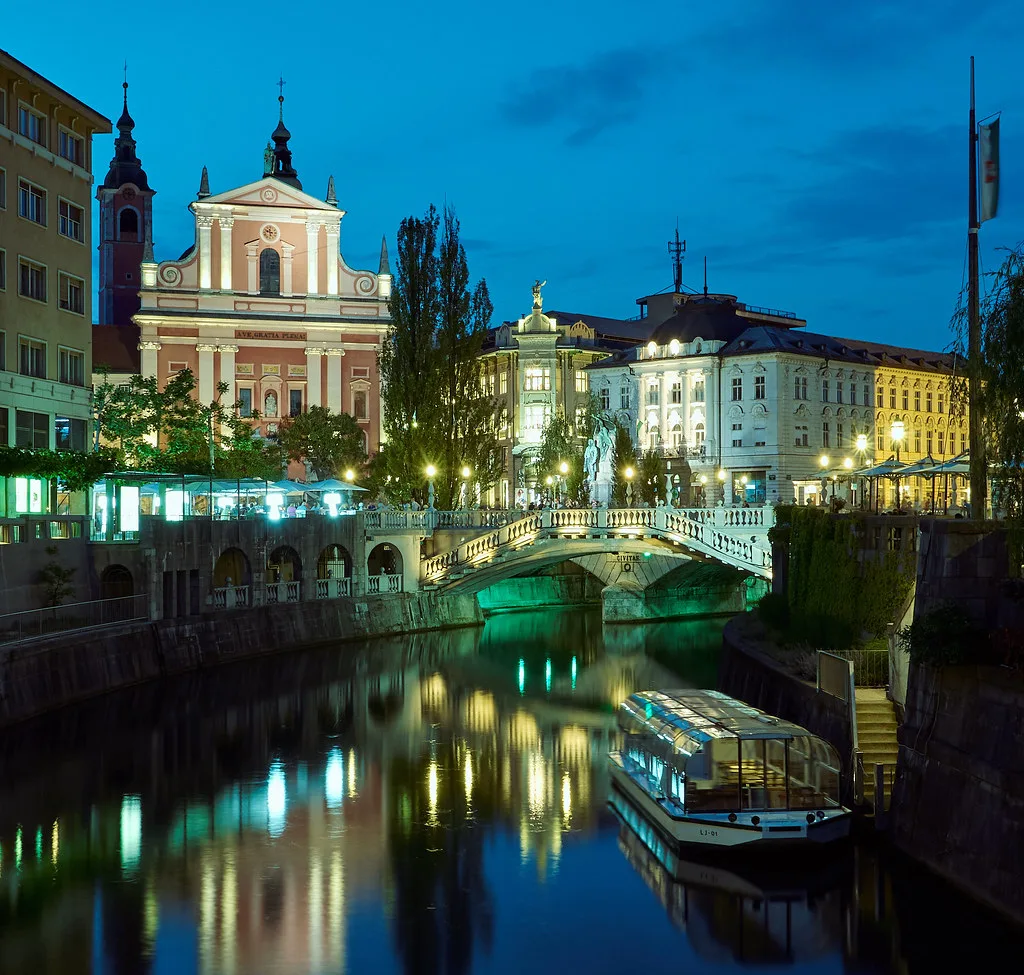
Slovenia's weather varies more by region than by month. In June, the coast sits roughly between 16 and 23°C (61 to 73°F), Ljubljana and the western interior range from about 13 to 24°C (55 to 75°F), and the alpine northwest around Bled and Kranjska Gora runs roughly 8°C cooler again. Use those figures as typical conditions, not forecasts, and build in a wet-weather alternative for inland days.
For a month-by-month planning table, the national weather service publishes climate normals for Ljubljana, the alpine stations and the coast, which is a more reliable base than a single blog post. Check those normals against your dates, then decide whether your trip is coast-first, Alps-first or city-first.
Lake Bled and Lake Bohinj: when the water is swimmable
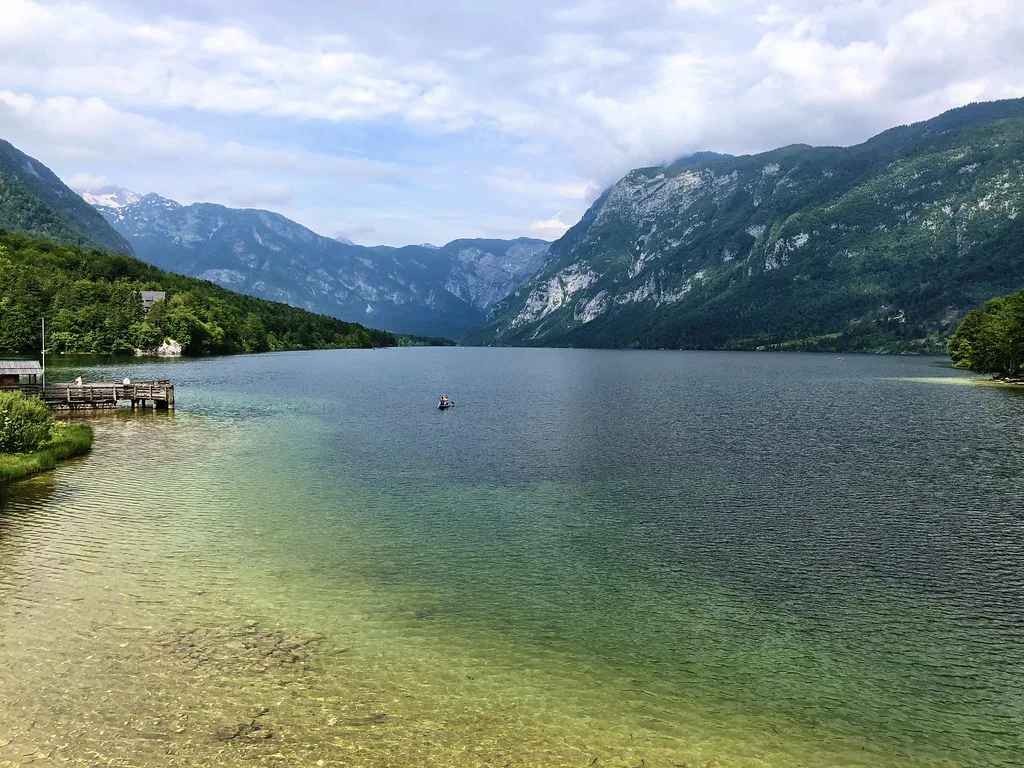
The swimming window is July, August and early September. By late September the water is still warm from the summer, but the crowds have gone, which makes it the best combination of comfort and calm. May and June are for walking the shore path and rowing rather than swimming.
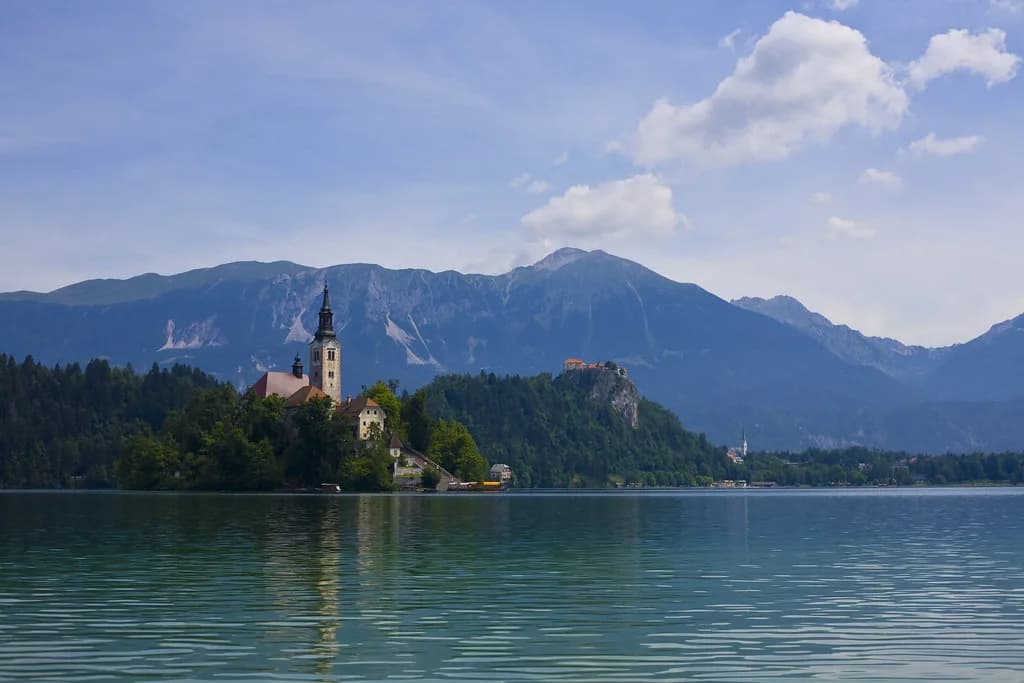
Bled's most famous water experience is the pletna boat ride out to the island church, a round-trip per person that is paid in cash at the boat. Bled Castle charges a separate entrance ticket that includes the museum and printing works. Budget for both if you want the classic Bled day, and note that the castle sits above the lake rather than on it.
The coast: Piran, Izola and Koper in season
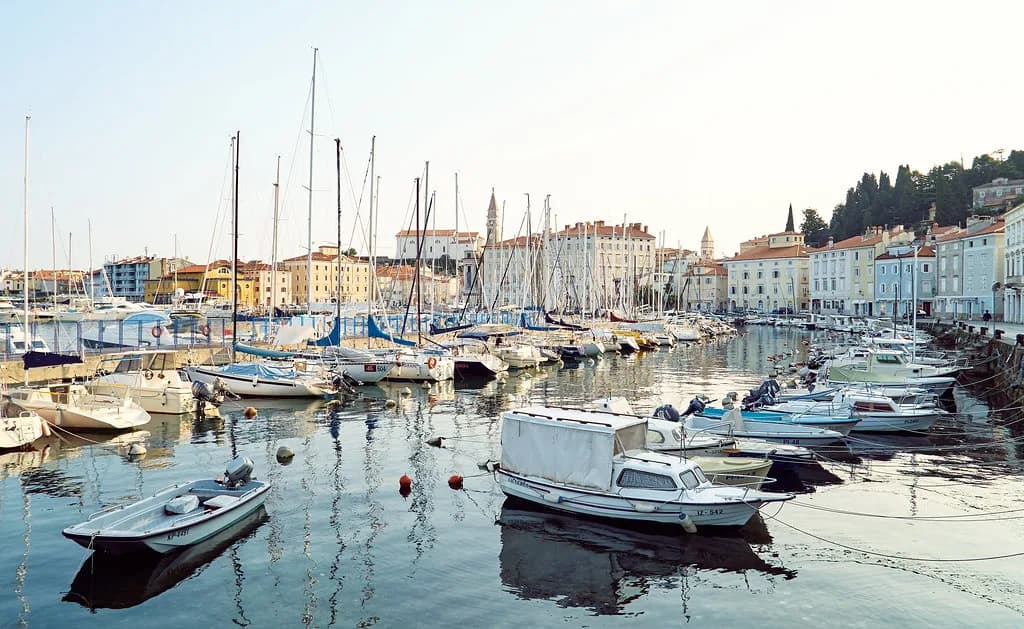
The Slovenian coast is short but rewarding. Piran delivers Venetian Gothic lanes and sea views, Izola is the quieter alternative, and Koper has the Praetorian Palace and a more workaday feel. June is already warm enough for the beach here, while the interior may still be wet.
July and August bring the warmest sea and the most visitors, with parking in Piran notoriously tight. Consider basing yourself outside the old town and walking in, or visiting in June or September when the coast is pleasant and less packed.
Crowds, parking and prices at Lake Bled in July and August
Summer at Lake Bled is a logistics exercise as much as a scenic one. Parking near the lake is limited, regulated and fills before mid-morning in peak season, and the municipality runs park-and-ride lots with a shuttle to the lakefront. The parking charge is a per-day fee rather than a small hourly top-up, so it pays to arrive once and stay rather than drive in and out.
Accommodation and rental rates peak alongside the crowds, and drop noticeably by late September. If Bled is on your list in July or August, book early and plan to move around on foot or by shuttle rather than by car. Outside peak season the same roads feel entirely different.
Festivals and events worth planning around
June is dense with events: Medieval Days at Bled Castle at the start of the month, the Ljubljana Jazz Festival at Križanke, the Lace Festival in Idrija and Maribor's Lent Festival. Late July brings Bled Days, when thousands of illuminated eggshells float on the lake. Autumn brings the wine harvest and the Old Vine Festival in Maribor, and February brings Kurentovanje in Ptuj.
Festival timing is worth building a trip around, but exact dates shift year to year. The organisers publish confirmed dates on their own event pages, so lock your travel dates after those are announced rather than the other way round.
How many days you need by season
With a week you can cover Ljubljana, Lake Bled, Lake Bohinj and a day in the Julian Alps at a comfortable pace. In summer, add the coast and a cave visit only if you accept longer drives, since Postojna, Škocjan and Predjama sit between the capital and the sea. A five-day trip works well as a Ljubljana-Bled-Bohinj triangle in any season.
In winter, cut your driving ambitions in half. Short daylight and snow-affected roads make multi-region days stressful, so a four- or five-day ski-focused trip around Kranjska Gora or Vogel is more realistic than trying to see the whole country.
Getting there and getting around in each season
Ljubljana Jože Pučnik Airport is the main gateway, with Bled a short drive north and the coast a couple of hours away. A car gives you the most freedom for the Alps, the wine country and the coast, but parking rules and summer traffic make Bled easier without one in peak season. Buses and trains connect Ljubljana with Bled and the coast reasonably well year-round.
Winter driving needs care on mountain roads, and some passes and high routes can close in snow. If you plan to ski at Vogel or Pokljuka, check road conditions locally and allow extra time. In summer, the main friction is parking rather than distance, since nowhere in Slovenia is more than a few hours from anywhere else.
Typical costs by season
Slovenia's cost profile shifts with the season more than with the destination. Summer and ski-season weekends are the most expensive, shoulder months offer better value, and November is the quietest and often the cheapest window. Bled is the priciest base in high season, while Lesce and Zirovnica nearby tend to be a little gentler on the wallet for the same views.
The fixed costs are modest and worth budgeting for: a castle entry at Bled and a pletna boat ride add up, and summer parking near the lake is a daily charge rather than pocket change. Beyond that, restaurant and accommodation prices vary widely by season and region, so confirm rates directly with the venue when you book.
Drawbacks and honest trade-offs
No month is perfect. July and August bring crowds, traffic and premium prices around Lake Bled; May can be cold in the water and snow-bound on high trails; June can be wet in Ljubljana and the western interior even while the coast is sunny; November is cheap but short on daylight; winter limits road access.
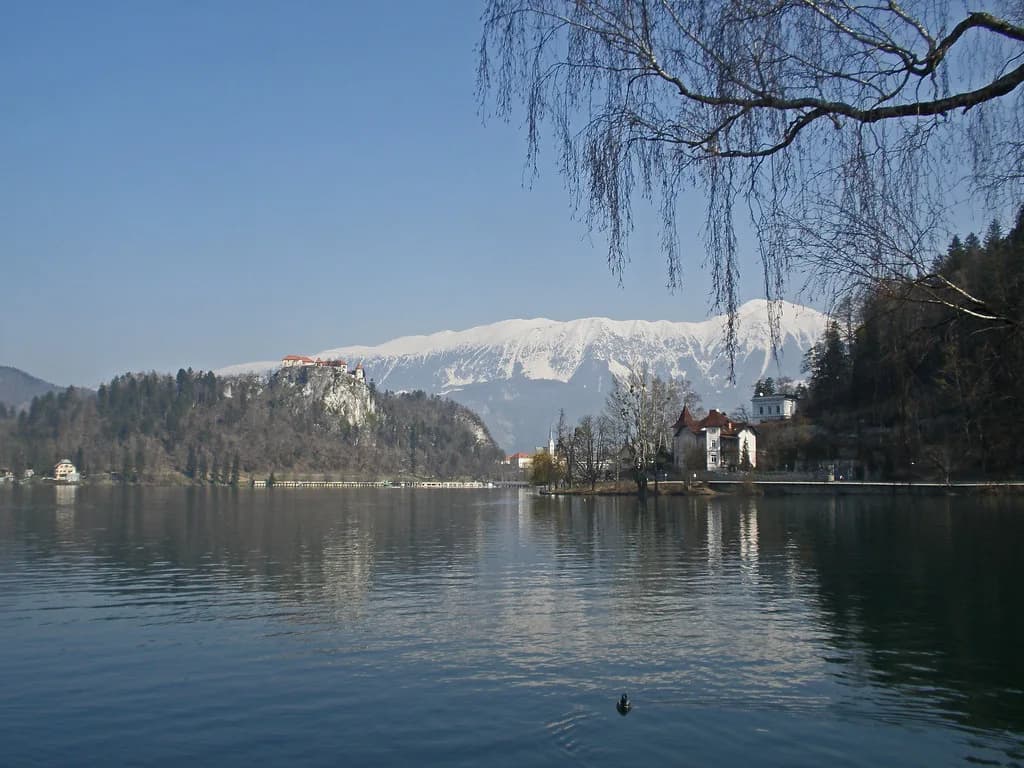
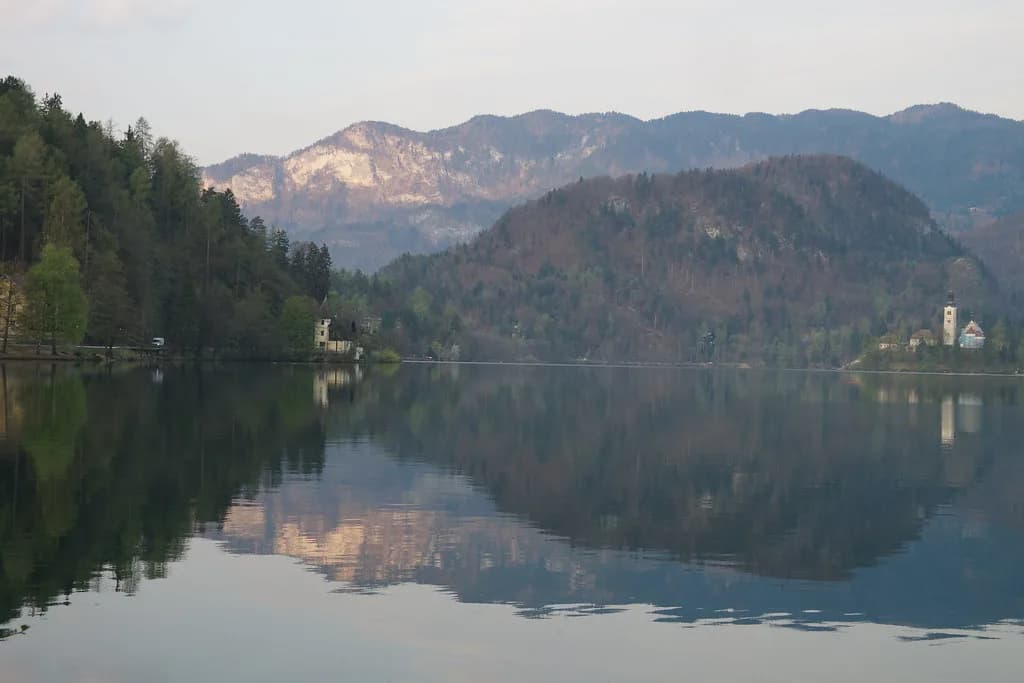
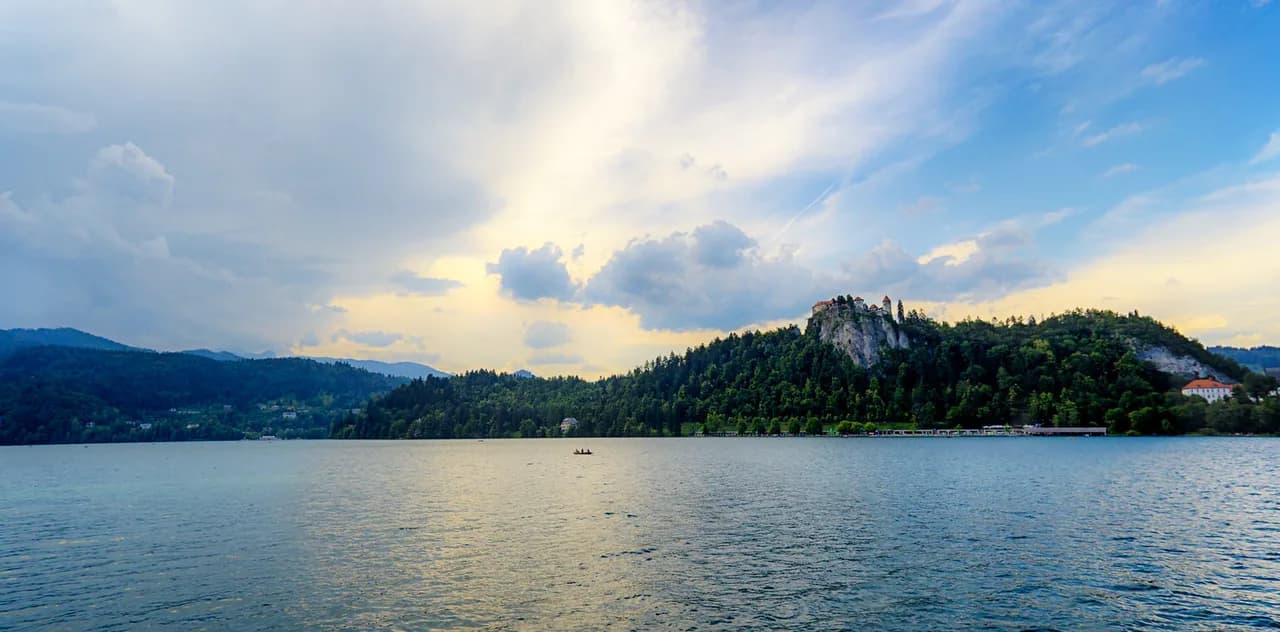
The lake itself is smaller and busier than photographs suggest, and the classic island view is a short walk up a steep path rather than a solitary spot in peak season. Late September is the closest thing to a compromise-free window, which is why it keeps coming up as the answer.
Verdict by traveler type
Families with young children should aim for late August or early September, when the lakes are warm and the crowds have thinned. Hikers should take May or September. Swimmers should take July or early September. Wine travelers should take September or October, and skiers should take January or February around Kranjska Gora, Rogla or Vogel.
Budget travelers get the best value in November and late September, accepting shorter days in exchange. If you have only one chance to choose a single month for a general first trip, make it September, and book around the wine harvest if food and drink matter to you.
Plan Your Visit
Slovenia rewards good timing more than most destinations. May and late September give you the best balance of weather, water temperature and breathing room, while July and August trade calm for the warmest swimming and the busiest lakesides.
Decide which Slovenia you are visiting first, coast, Alps or city, then pick the month that suits it, and treat the alpine northwest as a few degrees cooler than everywhere else. That single decision will do more for your trip than any itinerary tweak.
Explore more Slovenia trip-decision guides
Frequently Asked Questions
When is the best month to visit Slovenia?
Late September suits most trips best. The summer crowds have gone, the lake is still warm enough to swim, and viewpoints are calm. Early May is the strong alternative for hikers and wildflowers, and July or August work if swimming is the priority.
Is April a good time to visit Slovenia?
April is quiet and green, good for lower-level hiking and sightseeing, but the lake water is too cold to swim and higher alpine trails may still hold snow. May is the better spring month for most travelers.
When can you swim in Lake Bled and Lake Bohinj?
The reliable swimming months are July, August and early September. Late September still holds summer warmth in the water and is the calmest of the swim windows, while May and June are better for walking and rowing than for getting in.
When is ski season in Slovenia?
The winter months suit skiing at resorts such as Kranjska Gora, Rogla, Vogel and Pokljuka. Lake Bled works as a quiet base rather than a ski destination. Exact opening dates for lifts and slopes vary by resort and snow conditions.
Is Slovenia crowded in July and August?
Yes, especially around Lake Bled. Parking near the lake is limited and fills early, accommodation rates peak, and the main paths are busy through the middle of the day. The coast at Piran also gets tight for parking in high summer.
Is autumn a good time for Slovenia's wine regions?
Autumn is the best time for wine. The harvest runs in Goriška Brda and the Vipava Valley, vineyards offer tastings, and Maribor hosts the Old Vine Festival. October adds foliage in the Julian Alps alongside the harvest.
How many days do you need in Slovenia?
A week covers Ljubljana, Lake Bled, Lake Bohinj and a day in the Julian Alps comfortably. Five days works as a tighter Ljubljana-Bled-Bohinj loop, and winter trips are better kept short and focused on one ski area.
Which month is best for hiking in Slovenia?
May, June and September are the strongest hiking months, when trails in Triglav National Park and the Soča Valley are usually clear and days are long. High routes can hold snow into late spring, so early May is better for lower trails.
Sources
Trip-decision notes
Optional updates when we publish or revise a destination verdict.
You might also like
Continue reading
More guides you'll find useful