Slovenia in August: Weather, Crowds and Whether to Go
August in Slovenia brings hot days, warm lakes and peak crowds at Bled and the coast. See the typical weather, the drawbacks and who should pick June or September.
On this page
August is the month Slovenia makes its strongest case for a summer trip: the lakes are warm enough to swim, the alpine trails are clear of snow, and the coast is at its hottest. It is also the month when Lake Bled, Ljubljana and the Primorska coast absorb the most visitors and the highest prices. Whether that trade is worth it depends entirely on which Slovenia you want.
The country packs three climates into a space you can drive across in a few hours, so no single August forecast applies everywhere. The Julian Alps cool down sharply at night, the Ljubljana basin turns hot and storm-prone, and the short Adriatic coast stays mild into the evening. Plan your base around the weather you actually want, and you will get far more out of the month.
The verdict: who August suits
August suits swimmers, hikers and travelers who want long daylight hours and a full activity menu rather than empty viewpoints. It does not suit anyone allergic to crowds at headline sights or to paying high-season rates. If your trip hinges on having Lake Bled's viewpoint to yourself, pick another month; if it hinges on swimming and rafting, August is as good as Slovenia gets. Weigh the wider case in our guide to whether Slovenia is worth visiting before you lock dates, and weigh the same late-summer crowd trade-off against another Adriatic option with our Pula trip guide.
The month is also the peak of the tourist influx that runs through June, July, August and September, so you are competing for beds, parking and boat slots at the same time as everyone else. Booking lakeside and coastal accommodation well ahead matters more in August than in any other month. Travelers with flexible dates usually do better by shifting into late June or early September, both of which keep most of the warmth with fewer people.
What August weather feels like by region
The published climate charts tell the story better than a national average. Ljubljana's typical August range is roughly 15°C to 26°C (59°F to 79°F) with around 136 mm of rain, which means warm afternoons interrupted by real downpours rather than drizzle. The city is enjoyable in August, but build indoor options into your days.
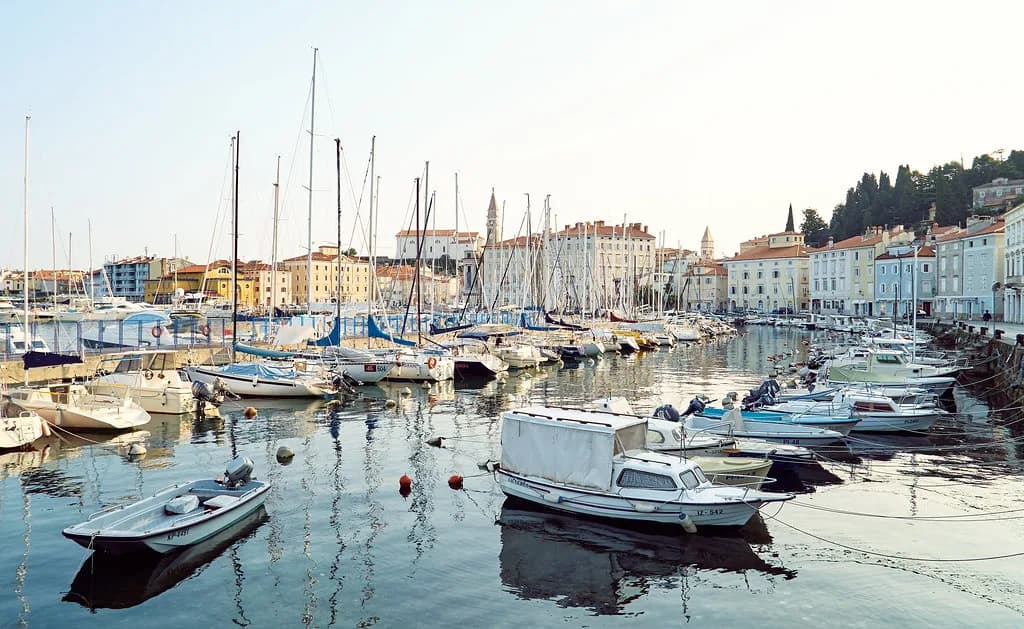
On the coast, Piran's normal August figures sit near 17°C to 29°C (63°F to 84°F) with about 75 mm of rain, making the Primorska strip the most reliably hot and dry part of the country. Inland, the Julian Alps average roughly 10°C to 21°C (50°F to 70°F) with around 156 mm of rain, so mountain villages are cool at night and frequently wet. Pack for three different climates if you plan to cross the country.
The bora, or burja, is a year-round feature of the coastal and Karst region rather than an August event, and it can arrive in any season. Treat it as a reason to keep coastal plans flexible, not as something you can schedule around. The warmer sea and beach weather are real draws, but the wind is part of the package on this stretch of the Adriatic.
The coast versus the Alps: choosing your base
Pick the coast if your priorities are swimming, seafood and mild evenings in Piran or Koper. Pick the Alps if you want hiking, rafting and cool nights around Lake Bohinj, Bovec and the Soča Valley. Splitting the trip between the two is realistic given Slovenia's size, but each move costs you half a day.
The cities sit between the two: Ljubljana is a natural first or last stop and works well for a day trip to Postojna Cave, while Kranj and Kranjska Gora make useful bases for the northwest. For a broader shortlist of where to sleep and what each region offers, see the best places to visit in Slovenia.
Lake Bled and Lake Bohinj in peak season
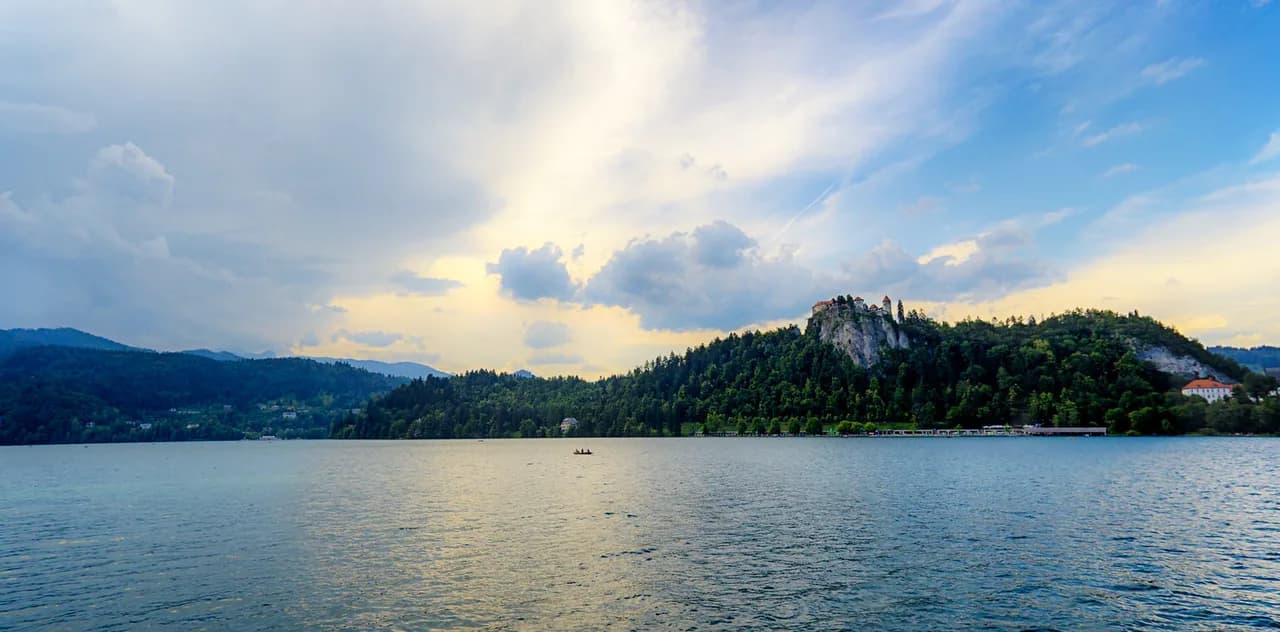
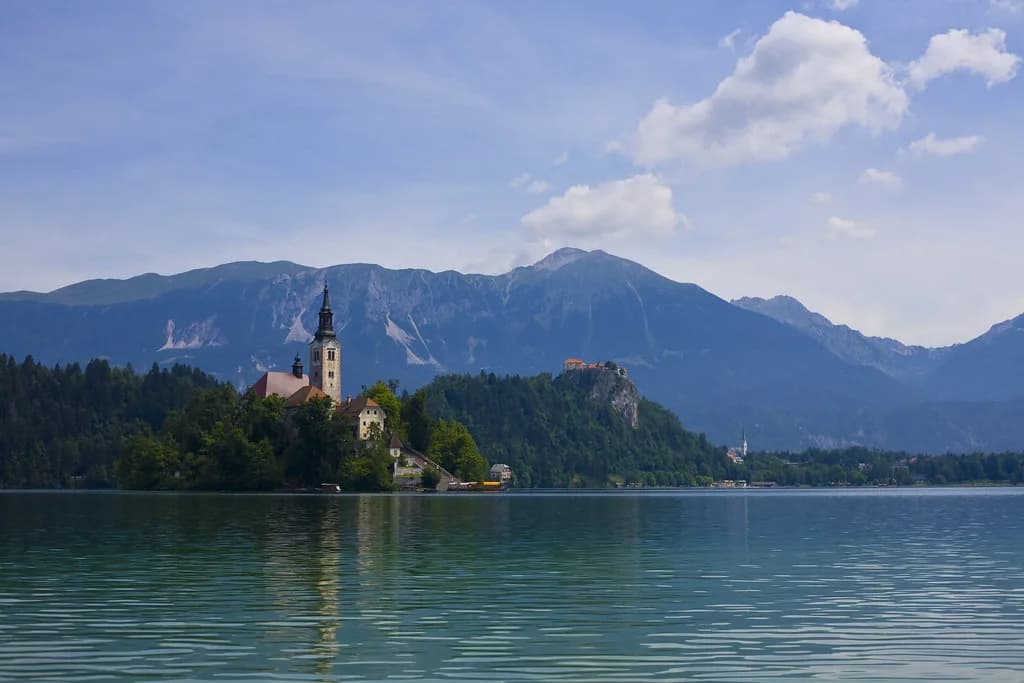
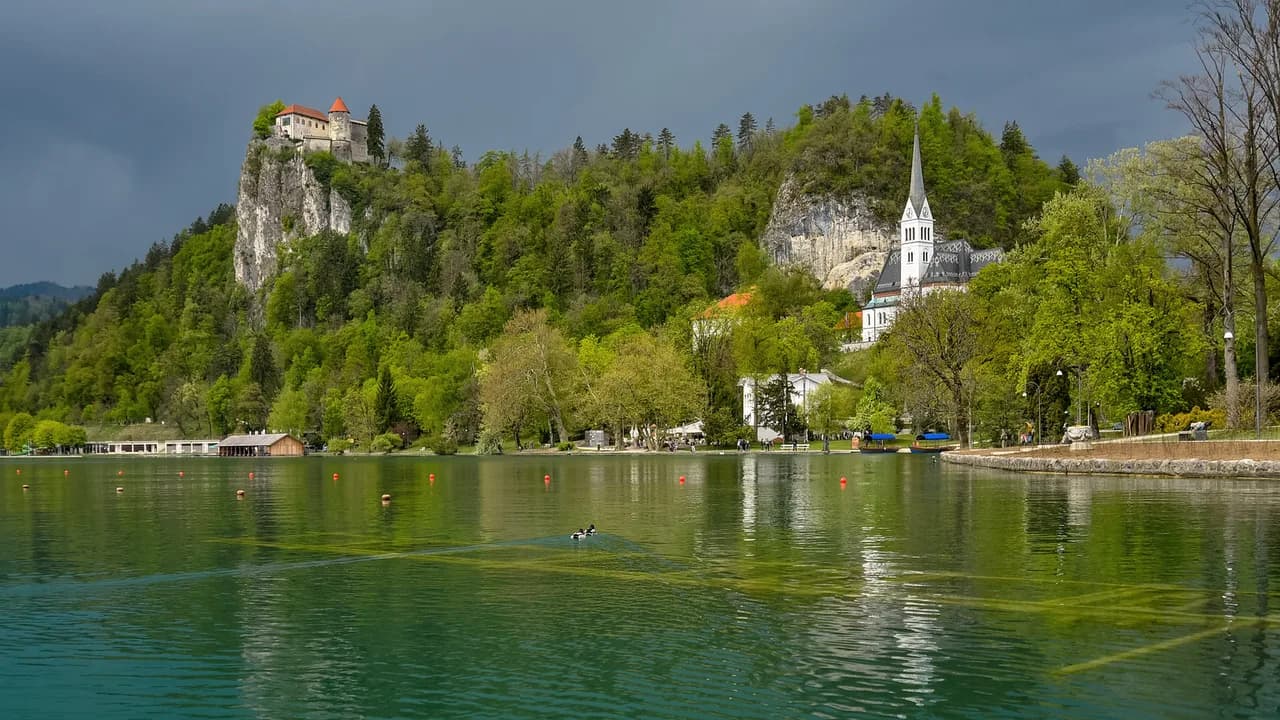
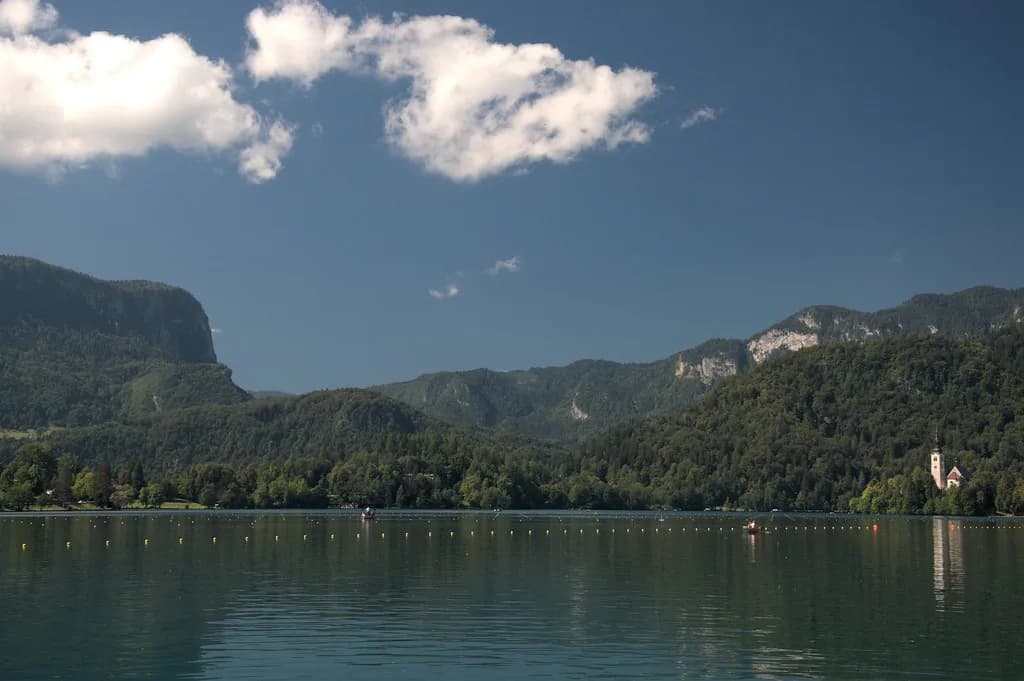
August is when Bled is at its most crowded, and weekends between May and September already draw heavy day-trip traffic. The lake is warm enough for swimming, the rowboat and pletna crossings to the island run in full swing, and Vintgar Gorge is a short trip away. Arrive early in the morning or stay overnight to see the lake before the coaches arrive.
Bohinj, 30 minutes further into Triglav National Park, is quieter and less developed, though August still brings local day-trippers. The panoramic electric boat across the lake costs €9 one way or €14 return, and the Vogel cable car up to the ridge runs €29.50 return for adults. Both give you the lake without fighting for a parking space at the water's edge. If you want the lake without the peak-week crush, our Lake Bohinj comparisons for July explain how the same places feel a few weeks earlier. Swimming and paddling are the main August attractions, with kayak and paddleboard rental at both ends of the lake. The Savica Waterfall trail costs €4 at the entrance and takes roughly an hour on foot from the lake.
Ljubljana in August
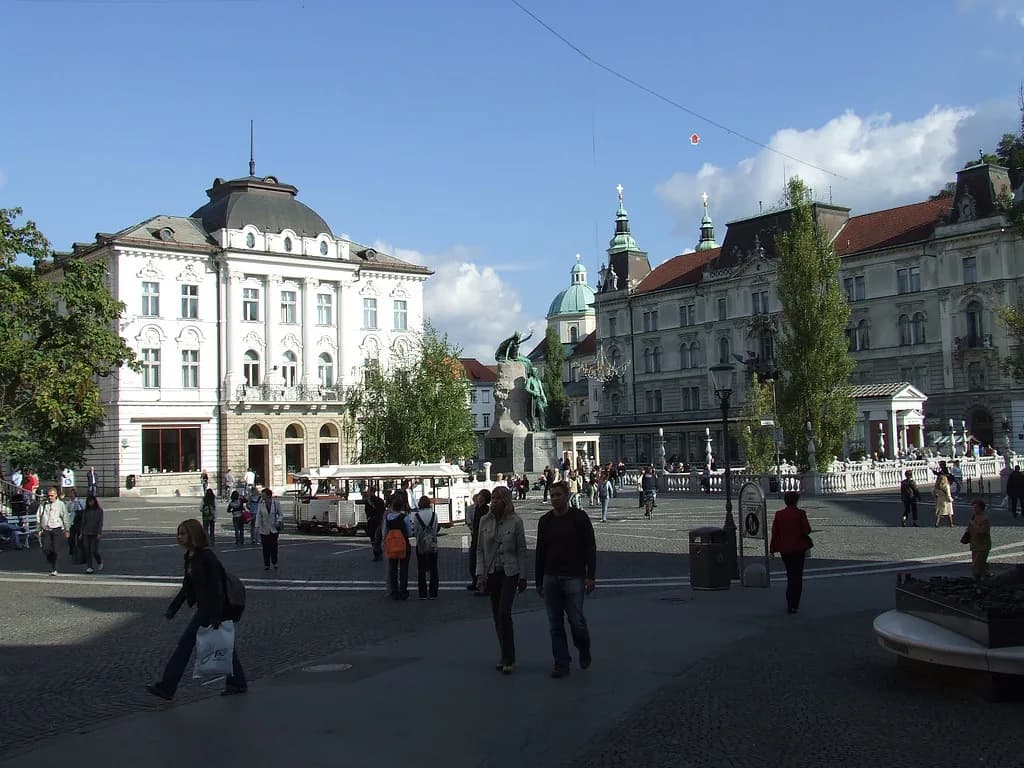
The capital is at its liveliest in summer, with street performers, open-air cinema at the castle and a Friday world food market running through the season. The old town along the Ljubljanica is pedestrian-only and easy to cover in a day, with Ljubljana Castle on the hill above and Tivoli Park a 20-minute walk from the center.
A one-hour Ljubljanica boat trip costs around €14 per adult, a pleasant way to cool off in the afternoon heat. The Central Market sells produce and cheese daily except Sundays, and the covered hall below holds the fish market. August afternoons can turn stormy, so keep a museum or a long lunch as a backup.
The Julian Alps and Soča Valley
August is prime season for hiking and rafting around Bovec and the Soča Valley, with snowmelt-fed rivers still running well and trails clear high up. Afternoon thunderstorms are common in the mountains in August, so start early and be off exposed ridges by mid-afternoon. Conditions in the Alps can change quickly even in summer, and a windproof layer earns its place in your day pack.
Kranjska Gora and the Vršič pass road give access to the highest parts of the range, while Lake Jasna makes a short, easy stop. Guided rafting and canyoning operators in Bovec run through the season. Book activity slots ahead in August, when the best guides fill up.
Caves as a hot-day option
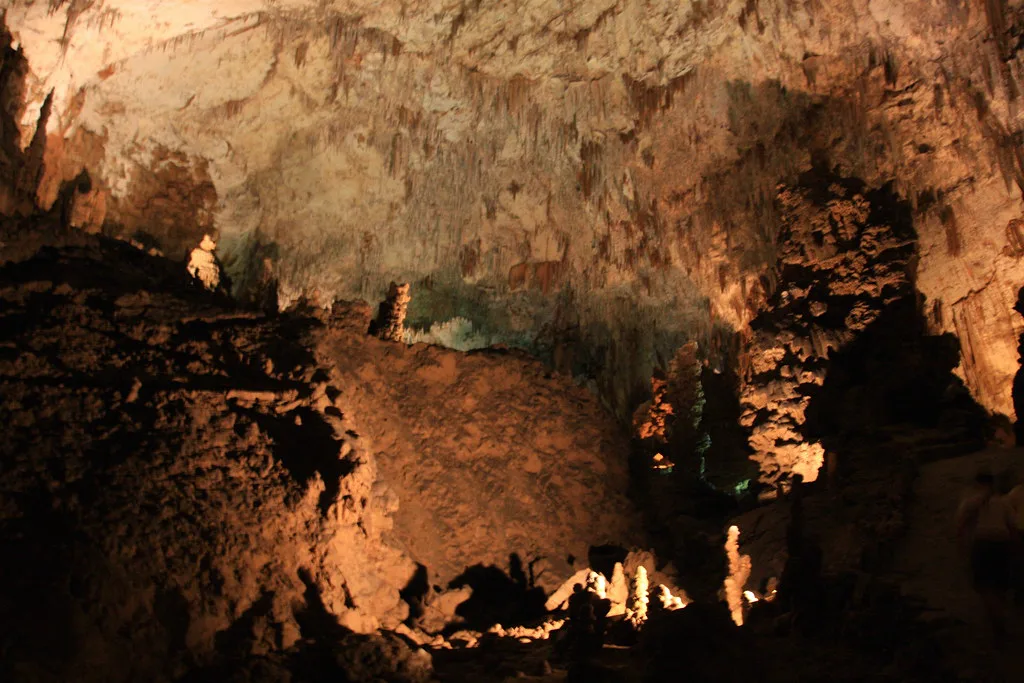
Postojna Cave and Predjama Castle make an obvious August choice when the heat or rain gets in the way, and the cave system is one of the largest in Europe. A combined ticket runs about €41.90, the cave tour takes around 90 minutes, and a shuttle to the castle costs about €2 each way in cash. Book the cave online in advance to secure a tour time.
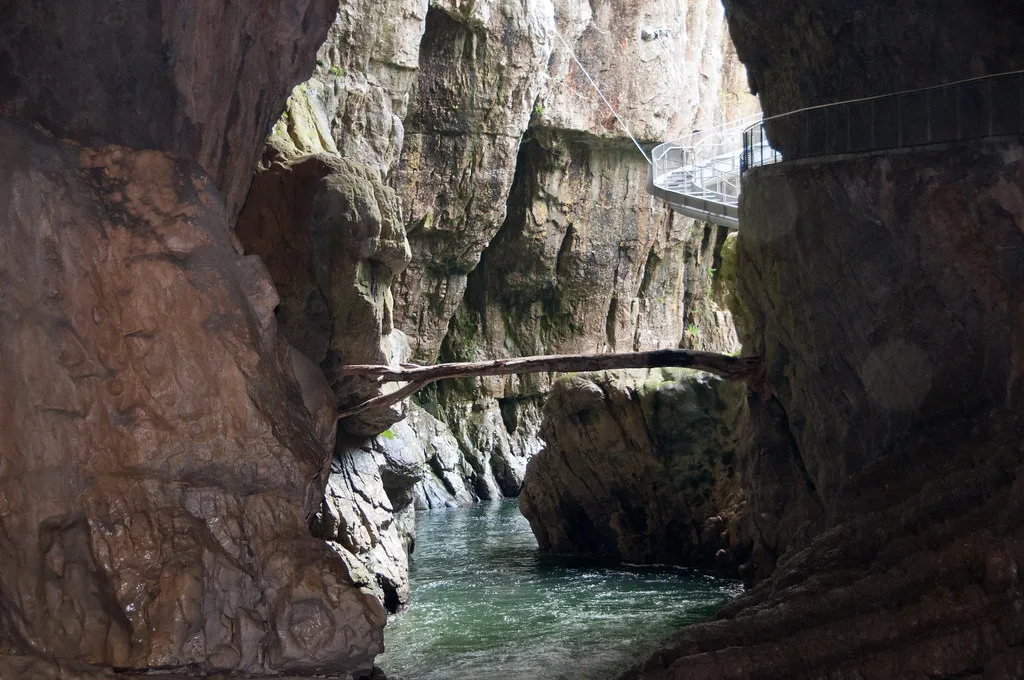
The UNESCO-listed Škocjan Caves offer a wilder, less developed alternative, with a huge underground canyon rather than a train ride. Both are reachable by bus or train from Ljubljana if you would rather not drive. Either works as a half-day escape from the August heat.
Long days and what you can fit in
August gives you the longest usable evenings of the year, which changes how much you can realistically do. You can hike in the morning, swim in the afternoon and still have daylight for a late dinner in Piran or Ljubljana. That extra light is one of the strongest arguments for August over the shoulder months.
Use it to spread out the busy sights: visit Lake Bled early, do the cave tour or a museum in the hot middle of the day, and save the coast or the river for the evening. Trying to hit three headline sights before lunch is what makes August feel exhausting.
Crowds and booking pressure in the peak weeks
August sits inside Slovenia's busiest visitor window, and Italian holidaymakers plus cruise passengers push up prices and pressure in the Primorska region. Accommodation near Bled and on the coast is tightest now, and popular activities sell out. Reserve the cave tour, boat trips and any guided rafting before you arrive.
The upside is that Slovenia's crowds are modest by the standards of larger European destinations, and once you leave the headline lakes the country absorbs visitors easily. Hiking routes and smaller towns stay comfortable even in peak weeks. If you want hard numbers on what a trip costs, our guide to whether Slovenia is expensive sets out the typical spend.
Drawbacks worth knowing
The honest drawbacks are heat in the cities, afternoon storms in the mountains, and demand-driven prices at Bled and on the coast. Parking at the lakes is a genuine headache in August, and the bora can disrupt beach days on the Karst coast without warning. None of these ruin a trip, but they should shape how you plan it.
Those same conditions favor travelers who book early, start early and keep a flexible indoor option for each day. If crowds are your main concern, June and September deliver most of the same weather with noticeably thinner traffic.
How many days you need
A weekend covers Ljubljana and one day trip, but a week is the realistic minimum for the full spread of capital, caves, Lake Bohinj and Lake Bled. With seven days you can give Bohinj and Bled two nights each and still fit Postojna and a gorge walk. Ten days lets you add the Soča Valley or the coast without rushing.
In August, add a buffer day if you are relying on mountain weather or planning a boat day. A single washed-out afternoon is easier to absorb in a longer trip than in a tight weekend.
Getting around without a car versus renting one
Buses and trains reach Ljubljana, Bled, Bohinj and Postojna, and Arriva is the main operator on the Ljubljana–Bled corridor. In summer, buy tickets in advance to secure a seat. A car gives you far more access to Vintgar Gorge, the Soča Valley and smaller alpine villages, at the cost of parking stress in August.
The bus from Ljubljana Jože Pučnik Airport into the city takes about 45 minutes and costs around €4, with tickets bought from the driver outside baggage claim. Public transport plus a couple of organized day trips is a genuinely workable August plan. If you rent a car, collect it at the airport rather than in the city center.
Who will love August and who should choose June or September
Swimmers, rafters, festival-goers and families with school holidays will get the most from August. Hikers do well too, provided they start early and accept afternoon storms. City-breakers who mainly want Ljubljana will find the capital lively and manageable rather than overwhelming.
Crowd-averse travelers, photographers chasing empty viewpoints at Bled and anyone on a tight budget should shift to late June or September. September keeps the warmth for swimming and cycling while the main holiday rush recedes. Compare the two options in our guide to the best time to visit Slovenia if your dates are still open.
Plan Your Visit
August earns its reputation as Slovenia's fullest month: warm lakes, long evenings and reliable access to the Alps and the coast. It is also the month when booking early and starting early make the biggest difference to how the trip feels. Decide first whether you want to swim, hike or simply wander a city, then choose your base accordingly.
If you are still weighing whether the country is right for you at all, our overall Slovenia verdict covers the argument for and against. For entry rules, use the official government travel page. Then set your dates around the kind of August you actually want.
Explore more Slovenia trip-decision guides
Frequently Asked Questions
Is August a good time to visit Slovenia?
Yes, if you want warm lake swimming, clear alpine hiking and long evenings. It is the busiest and most expensive month at Lake Bled, Ljubljana and the Primorska coast, so book ahead and start early. Travelers who dislike crowds do better in late June or September.
How hot is Slovenia in August?
The coast is the hottest region, with Piran typically ranging from about 17°C to 29°C (63°F to 84°F). Ljubljana averages roughly 15°C to 26°C (59°F to 79°F), while the Julian Alps are cooler at around 10°C to 21°C (50°F to 70°F). These are normal conditions, not a forecast.
Can you swim in Lake Bled in August?
Yes. August is one of the warmest months for the lakes, and Bled and Bohinj both draw swimmers through the season. Lake Bohinj is quieter and less developed, making it the better choice if you want space in the water.
Does it rain in Slovenia in August?
Yes, and the mountains see the most of it. The Julian Alps average around 156 mm in August, Ljubljana about 136 mm and Piran roughly 75 mm. Rain usually arrives as afternoon showers or storms rather than all-day drizzle.
How many days do you need in Slovenia in August?
A week is a realistic minimum for Ljubljana, the caves, Lake Bohinj and Lake Bled. Ten days lets you add the Soča Valley or the coast without rushing. Add a buffer day if mountain weather or a boat trip matters to your plans.
Is it better to base yourself in Ljubljana or Bled in August?
Ljubljana gives you transport links, city life and easy day trips to Postojna and Bled. Bled puts you beside the lake before the day-trippers arrive. Many travelers split the week between the two rather than choosing one.
Sources
Trip-decision notes
Optional updates when we publish or revise a destination verdict.
You might also like
Continue reading
More guides you'll find useful