Best Cities in Slovenia: 10 Towns Worth Your Time
Slovenia's best cities and towns, ranked by character and payoff: Ljubljana, Bled, Piran, Ptuj, Škofja Loka and more, with how long each one deserves.
On this page
Ljubljana is the only place in Slovenia that feels like a city, and it is the base most trips should start from. Everything else on this list is a town, a lakeside village or a hill settlement, and that is exactly why the country works so well: you can pair a walkable capital with an alpine lake, a Venetian-flavored port and a medieval square without long drives. Treat the list as a set of bases and day trips rather than a checklist, and you will spend your time in places rather than on the road.
The verdict
Give Ljubljana two nights, pick one alpine base between Bled and Bohinj, and add Piran if you want the coast. That trio covers the range of the country and leaves room for a day trip to Škofja Loka or the caves. If you have a full week, add Ptuj or Maribor in the east for wine country and a slower pace. For a wider read on whether the country justifies the trip at all, our case for whether Slovenia is worth visiting covers the trade-offs.
The honest split: Ljubljana, Bled, Bohinj and Piran earn an overnight. Koper, Škofja Loka, Kamnik and Kranjska Gora work better as half-day or one-night stops, and Ptuj and Maribor suit travelers heading east anyway. Bled is the one place where crowds change the experience, so plan it around early mornings and late afternoons. Travelers weighing when to go should read the best time to visit before booking, since lakeside towns and the coast peak at different moments.
How this list is sorted: cities versus towns versus lakeside villages
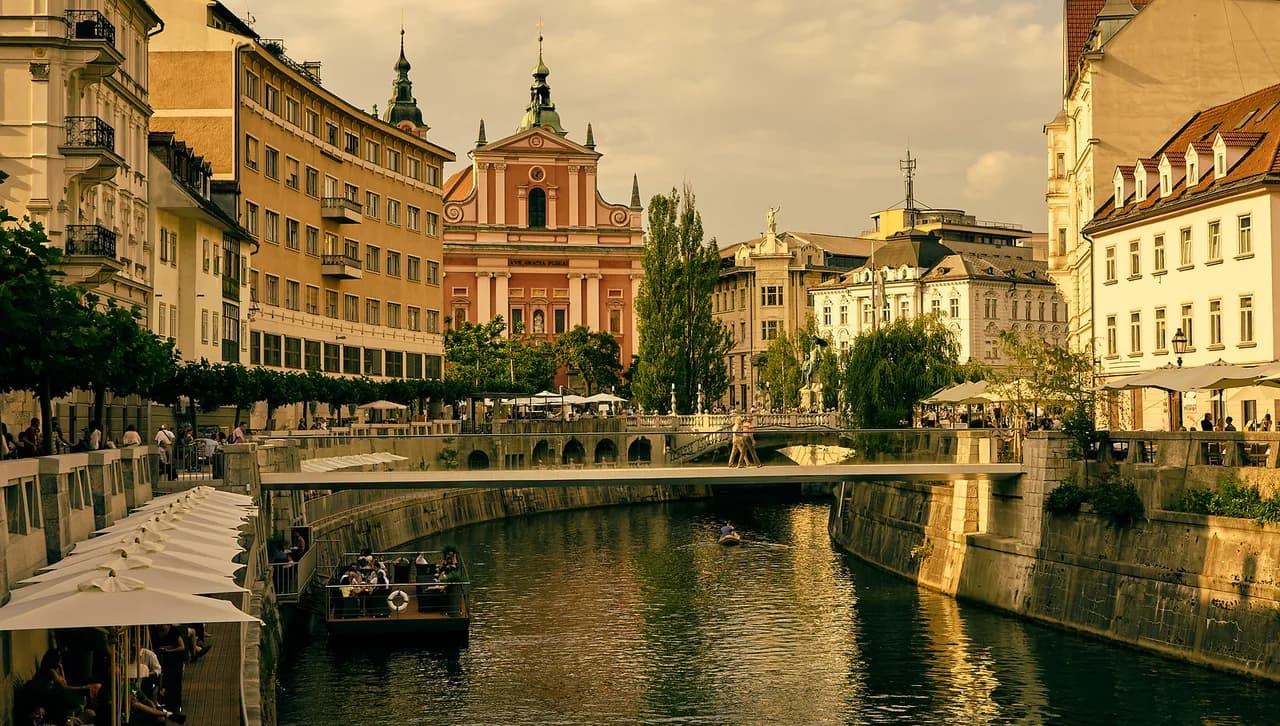
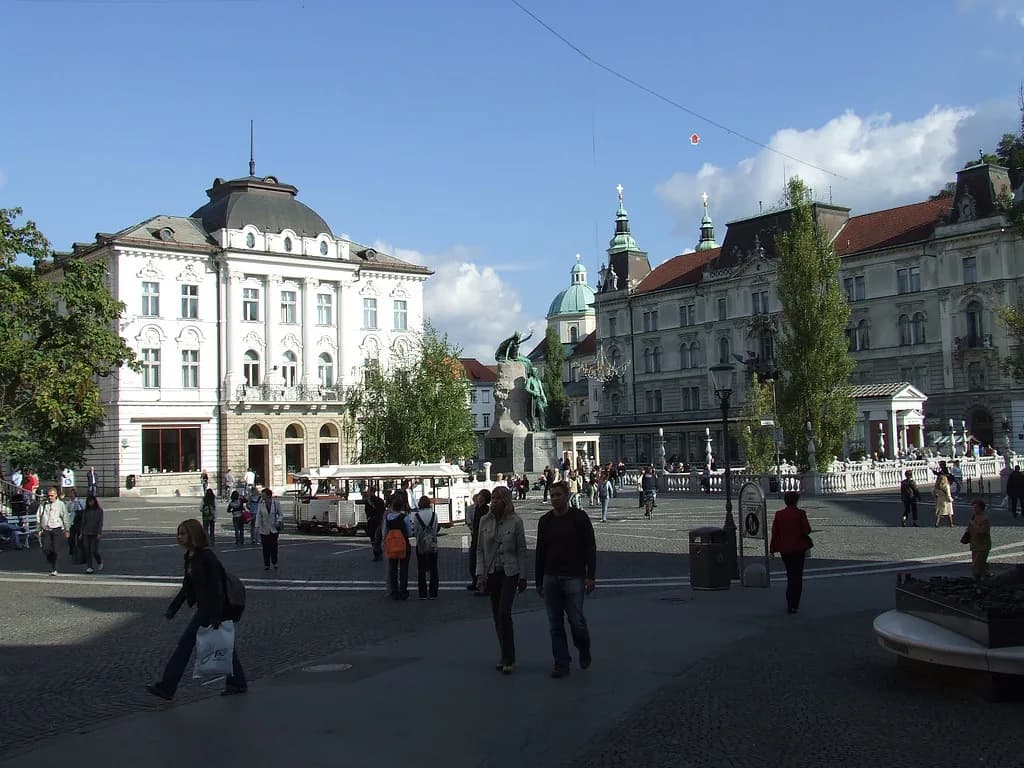
Only Ljubljana is a genuine city by size, and even there the center is car-free and easy to walk end to end, with the riverside between Triple Bridge and Cobbler's Bridge as the busiest, most sociable stretch. Bled and Bohinj are lakeside villages inside or beside Triglav National Park, Piran and Koper are small coastal towns, and Ptuj, Škofja Loka and Kamnik are historic market towns. The ranking below weighs character and things to do against how much time each place actually absorbs, not population.
Ljubljana: the walkable capital
Ljubljana rewards walking rather than sightseeing. Aim for the Ljubljanica riverside, where cafes spill onto the embankment between Triple Bridge and Cobbler's Bridge, then climb to the castle for the view over the red roofs. The old center is closed to cars, which keeps the mood calm, and the market and Plečnik's architecture fill a full day without rushing. Two nights is right; one day is enough only if you skip the museums.
Ljubljana is also the transport hub, with the train station a short walk from the river and frequent connections onward. If you plan to rent a car and leave the city, sort the paperwork before you arrive rather than at the counter; renting a car in Slovenia covers the airport pickup points, tolls and the paperwork that catches people out.
Lake Bled: the postcard island
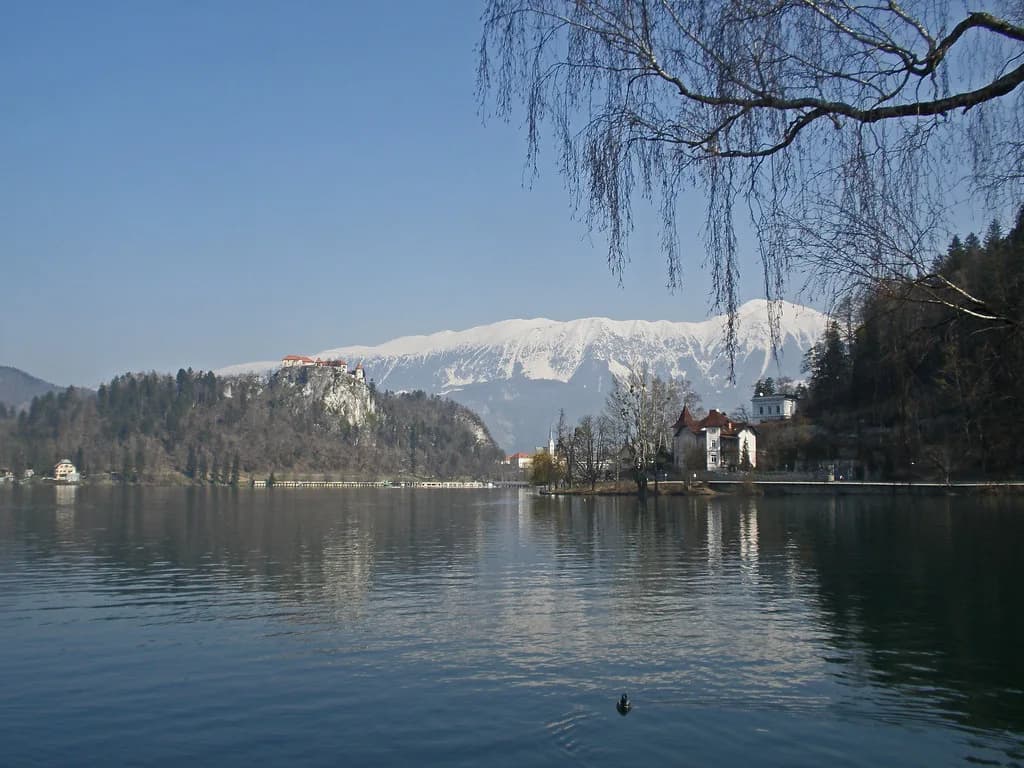
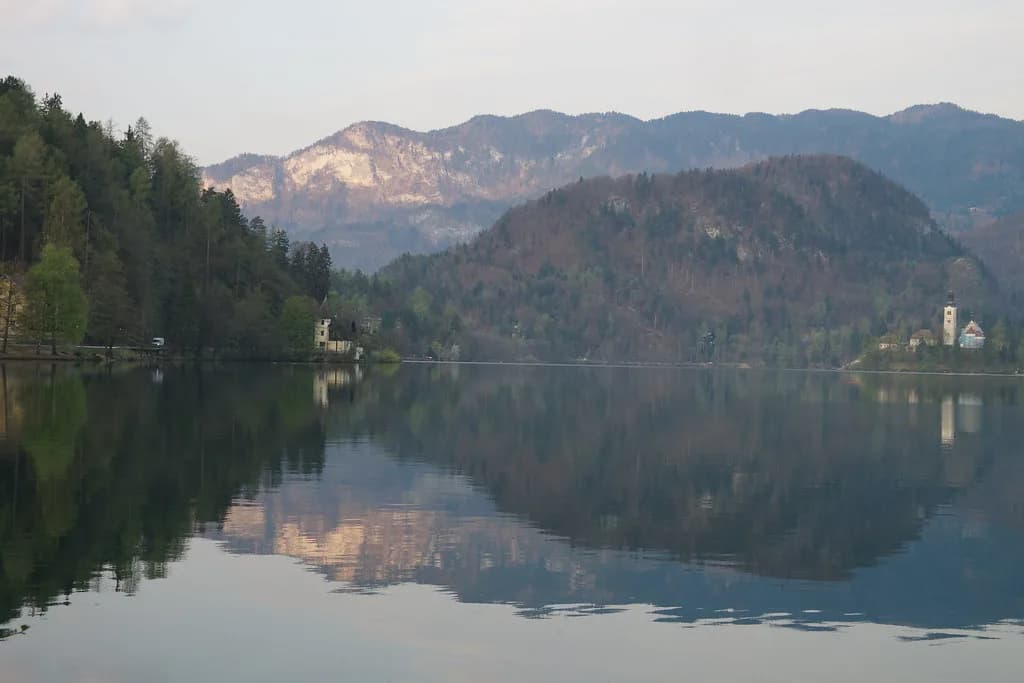
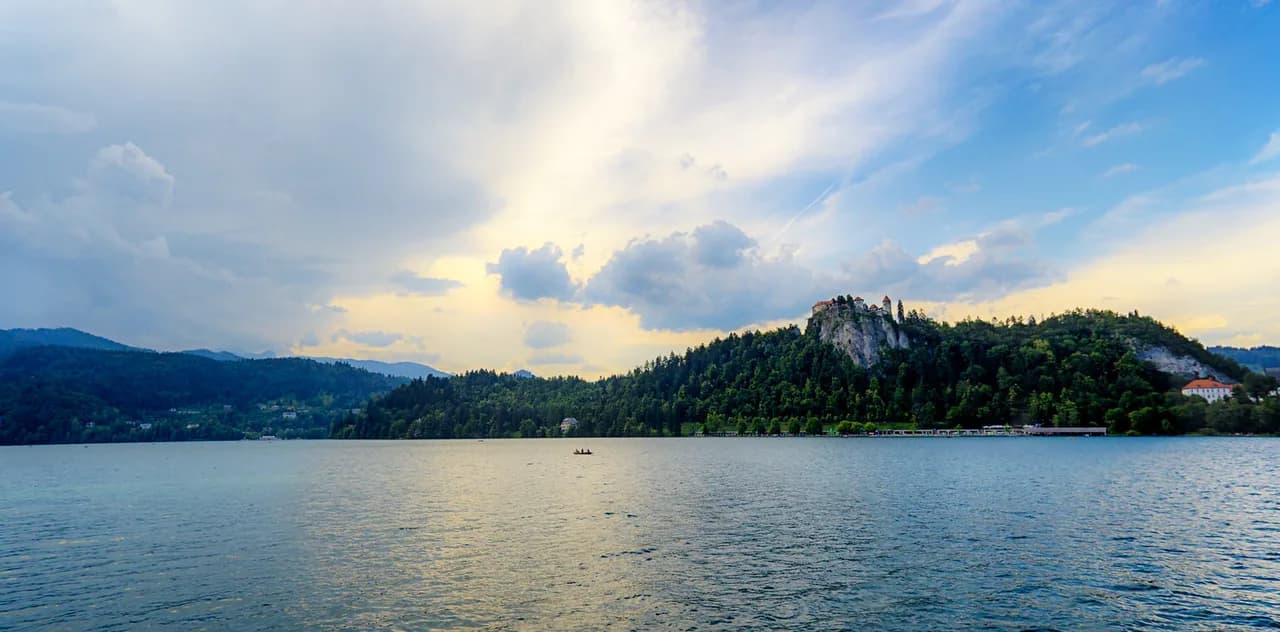
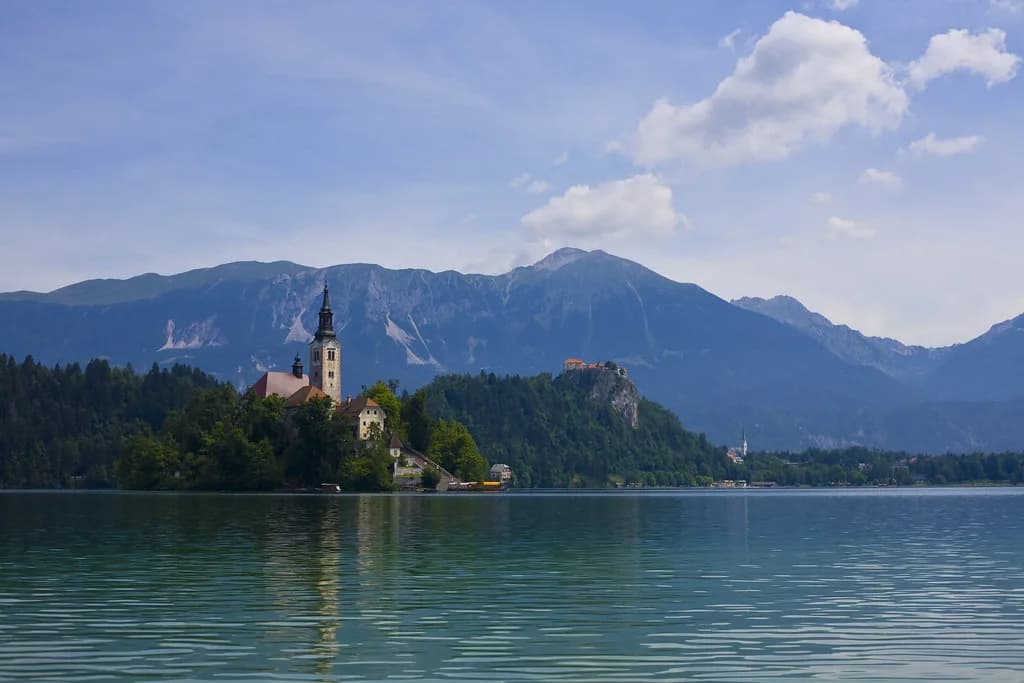
Bled is the image that sells the country: a church on an island, a castle on a cliff and the Julian Alps behind. Walk the full loop around the lake for changing angles, and take a traditional pletna boat or row yourself to the island. It is the most heavily visited place in Slovenia, so mornings and evenings are calmer and midday in summer is not.
Bled works as a base for Vintgar Gorge, Lake Bohinj and Savica Waterfall, all within a short drive or a local bus ride. The gorge walk is beautiful but the exit is not where you enter, so plan the return leg before setting off or you will add miles on foot. Budget two nights if you want the lake plus one valley day, and treat Bled town itself as an evening rather than a destination.
Lake Bohinj: quieter, wilder alpine base
Bohinj sits deeper inside Triglav National Park and trades Bled's polish for stillness. The water is clear and cold, paddleboarding is the best way to see the mountains all at once, and the Vogel Cable Car gives high viewpoints without a long hike. Ribčev Laz is the main village, and Savica Waterfall is at the western end of the lake, reached on foot via a stepped trail through the trees.
Choose Bohinj over Bled if you want swimming, hiking and quiet evenings; choose Bled if you want the postcard and more restaurants. The lake rarely feels crowded even in high season, which is the argument for sleeping here and day-tripping to Bled rather than the reverse. Two or three nights suits hikers; one night is enough for a taster.
Piran: the Adriatic old town
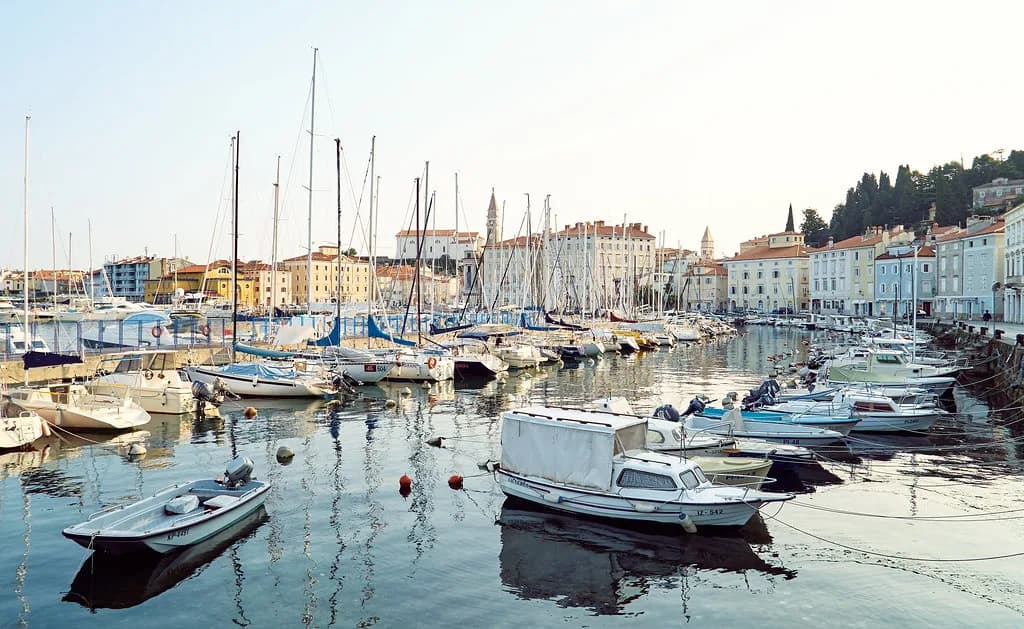
Piran is the prettiest town on Slovenia's short coast, a peninsula of narrow alleys, Venetian-style facades and Tartini Square at the center. Climb the town walls or the bell tower of St. George's Church for views over the red roofs and out to sea, then eat seafood near the harbor. The old town is car-free, so you park outside and walk in, which is part of the charm.
Piran makes a natural end to a trip that began in the Alps, and it pairs with the salt pans and the short coastline rather than with a beach holiday. One night is enough to see the town properly; two if you want a slow day of swimming and wandering. Travelers arriving from Ljubljana by bus should check the seasonal timetable before committing, because coastal services thin out outside summer.
Koper: Venetian architecture without Piran's crowds
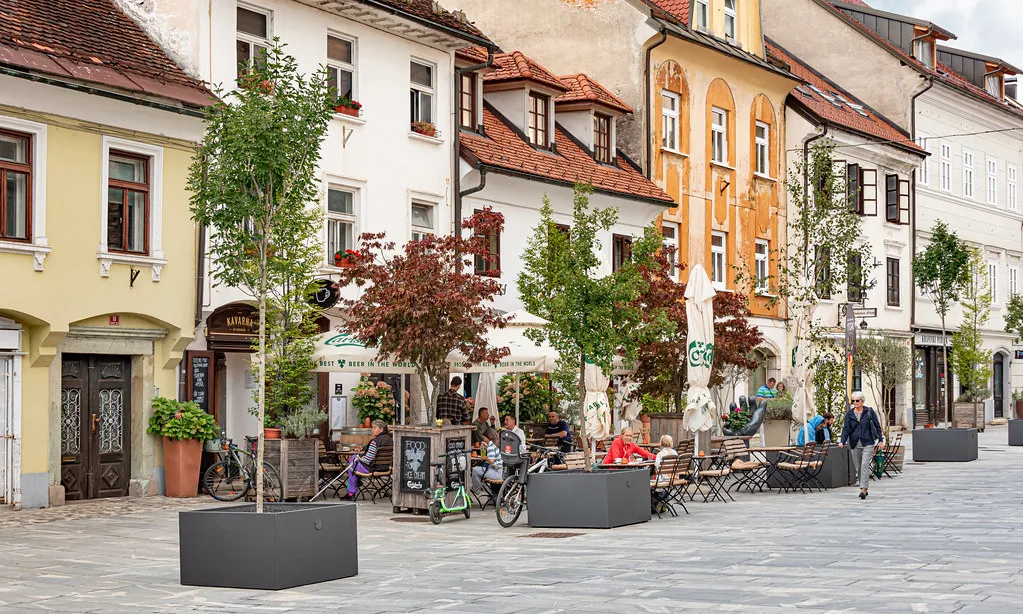
Koper is a working port with a compact old town, and it feels more lived-in than Piran. Tito Square holds the Venetian-era palaces, and the bell tower gives a view over the harbor and rooftops. It lacks Piran's postcard perfection, which is exactly why it stays calm in August, and the flat old town is easy to cover on foot in an afternoon.
Treat Koper as a half-day stop or a base if you want the coast without the crowds. It works well as a first or last night before crossing to Italy or Croatia, since the town is close to the border and easy to walk. If you only have time for one coastal town and you want the classic image, pick Piran; if you want space and local life, pick Koper. Readers weighing a similar call across the border can use our guide to whether Rovinj is worth visiting, which sizes up a Venetian-flavored Istrian port on the same shortlist.
Ptuj: Slovenia's oldest town
Ptuj claims the title of Slovenia's oldest town, and its castle museum above the red rooftops is the reason to climb the hill. The medieval streets stay quiet even in summer, and the Drava riverside gives the town a slower rhythm than the alpine resorts. It is the strongest argument for adding the east to a Slovenia itinerary.
Ptuj suits travelers who have already seen the lakes and want history and wine rather than scenery. Use it as a base for the surrounding wine hills, and give it one full day plus a night. If you are short on time, it is the first place to cut from a one-week trip, because the journey east costs you half a day each way.
Škofja Loka: the medieval square near Ljubljana
Škofja Loka is a preserved medieval town about half an hour from Ljubljana, with a colorful main square, a castle museum and the Capuchin Bridge over the river. It is small enough to walk in a couple of hours but pretty enough to justify the trip. This is the best day trip from the capital if you want a town rather than a landscape.
Come on a weekday if you can, when the square belongs to locals rather than excursion groups. Combine it with a stop at a nearby gorge or simply stay for lunch and head back for the evening in Ljubljana. It does not need an overnight unless you are using it as a quiet base outside the city.
Kranj and Kamnik: two short-stay towns close to the airport
Kranj sits close to Ljubljana Jože Pučnik Airport and works as a practical first or last night, with an old town core and a river gorge on the edge of the center. Kamnik, northeast of the capital, has a pedestrian main street, a small castle hill and access to the Velika Planina meadow and the Kamnik gorge. Neither is a destination in its own right, but both beat a rushed airport run.
Pick Kamnik if you have a spare afternoon before a flight and want mountains without a long drive; pick Kranj if you need to be near the terminal. Each needs a few hours, not a day. Travelers building an alpine route should place them at the start or end of the trip rather than in the middle.
Maribor and the east: wine hills and a slower pace
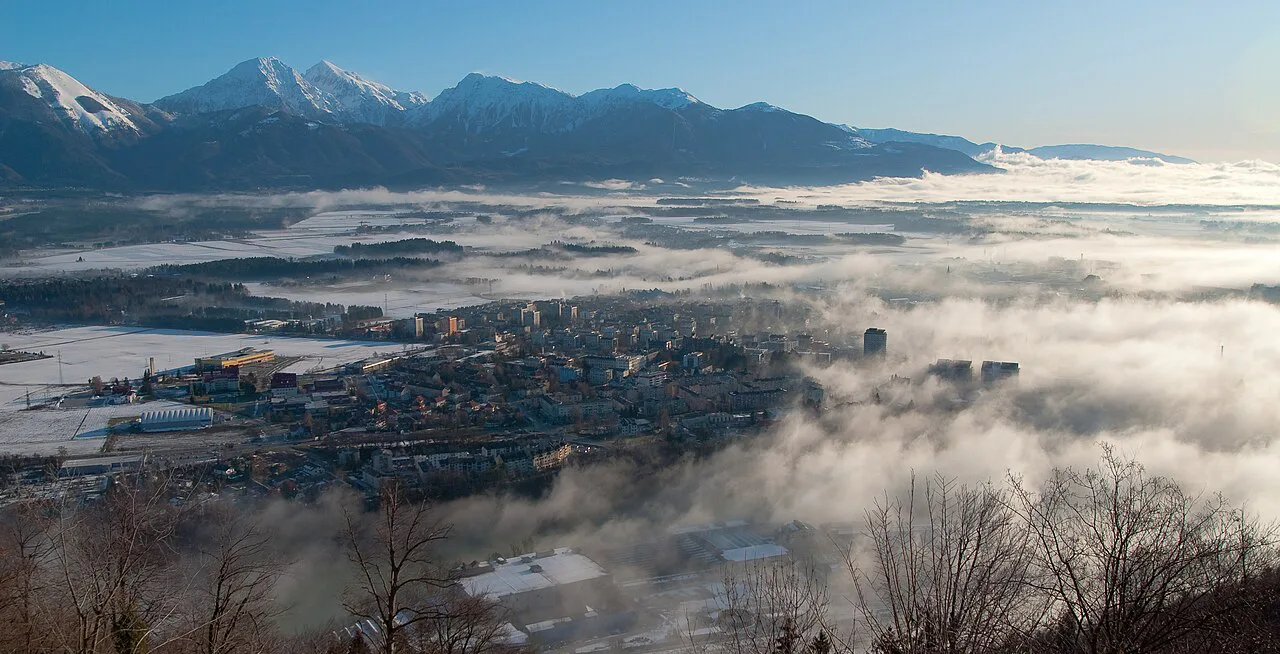
Maribor is Slovenia's second city, set on the Drava with a riverside promenade, an old town and wine country on its doorstep. The surrounding hills produce white wines, and the pace is noticeably slower than the lakes. It suits travelers who have been to Ljubljana and want a different side of the country.
Maribor needs a night and a day, more if you plan wine tasting in the hills. It pairs naturally with Ptuj, which is close enough to combine into an eastern loop. Skip it on a short first trip: the travel time from the coast or the Alps eats a day that is better spent at Bohinj or Piran.
How many days each place needs
Ljubljana: two nights. Bled: two nights if you use it as a base, one if you only want the lake. Bohinj: two to three for hikers. Piran: one to two. Koper: half a day. Ptuj: one night plus a day. Škofja Loka: half a day. Kranj or Kamnik: a few hours. Maribor: one night plus a day. Add these up before you book and the shape of the trip becomes obvious.
A realistic one-week route is Ljubljana, Bled or Bohinj, then Piran, with Škofja Loka as a day trip. Ten days lets you add the east. Trying to include everything in five days means most of your memories will be of the car.
Getting between them: buses, trains and driving
Slovenia is small, and driving is the fastest way to link the lakes, the coast and the east, but parking near Bled and Piran is the main friction. Buses connect Ljubljana with Bled, Bohinj and the coast, and the train works well for the capital and Maribor. For a car-free trip, base in Ljubljana and use buses for day trips. Before you commit to a rental, check what a trip actually costs, since fuel, tolls and parking add up quickly, and is Slovenia expensive breaks those figures down.
If you are choosing between the lakes and the coast, remember the distances are short: Bled to Ljubljana is under an hour by road, and Ljubljana to Piran is a couple of hours. That compactness is why a two-base trip works better than a new hotel every night. Travelers who want more landscape ideas beyond the towns can browse the best places to visit in Slovenia for gorges and valleys.
Who should pick which
First-timers: Ljubljana plus Bled, with a day trip to Škofja Loka. Hikers: Bohinj or Kranjska Gora as a base, with Triglav National Park trails from the door. Wine drinkers: Goriška Brda in the west or Maribor and Ptuj in the east. Families: Bled for the lake and boats, or Koper for an easy, flat coastal town. Couples: Piran for the old-town evenings and Bohinj for quiet water.
Travelers who dislike crowds should sleep in Bohinj and visit Bled early, and skip Koper only if they want the postcard rather than the port. Anyone with less than four days should choose one region and stop moving. The country rewards depth more than coverage.
Drawbacks worth knowing
Bled is the busiest place in the country in summer, and the town fills with day-trippers from mid-morning. Piran's old town is car-free, which means parking outside and walking with luggage. Bohinj is quiet enough that some restaurants and services thin out outside the high season. The east is genuinely slower, and that includes transport links.
The coast is short, so Piran and Koper absorb most of the summer demand, and prices in the lakes and on the coast sit above inland towns. Slovenia uses the euro, which removes currency friction but not the seasonal price gap. Plan around early mornings and shoulder weeks rather than fighting the peak.
Plan Your Visit
Start with two nights in Ljubljana, then choose one alpine base and one coastal town. Bohinj over Bled for quiet, Bled over Bohinj for the postcard, Piran over Koper for atmosphere, Koper over Piran for space. Add Ptuj or Maribor only if you have the days to spare.
Book the lakes and the coast for the shoulder months if you want calmer streets and easier parking, and keep the east for a second trip. That structure gives you the country's range without spending your holiday in transit.
Explore more Slovenia trip-decision guides
Frequently Asked Questions
What is the best city to base yourself in Slovenia?
Ljubljana is the best base for a first trip: it is walkable, car-free in the center and connected by bus and train to Bled, Bohinj and the coast. For a nature-focused trip, base in Bohinj or Bled instead and treat the capital as a stopover.
Is Ljubljana worth visiting?
Yes, for two nights. The riverside between Triple Bridge and Cobbler's Bridge, the market and the castle hill fill a day and an evening comfortably, and the compact center means you walk rather than commute. One day is enough only if you skip the museums.
Is Lake Bled a city?
No. Bled is a lakeside town beside Triglav National Park, and it is the most visited place in Slovenia. It behaves like a resort: busy in the middle of the day in summer, calmer in the morning and evening, and it works well as a base for the surrounding gorges and lakes.
How many days do you need in Ljubljana?
Two nights covers the old town, the riverside, the castle and a museum without rushing. Add a third day if you want a day trip to Škofja Loka or a bike tour, both of which are easy from the capital.
Which Slovenian towns are best for a day trip from Ljubljana?
Škofja Loka is the best town day trip, with a medieval square and the Capuchin Bridge about half an hour away. Kamnik works if you want a pedestrian main street and access to Velika Planina, and Bled is possible in a day but deserves an overnight.
Is Piran or Koper better to visit?
Piran for atmosphere: narrow alleys, Tartini Square and the town walls, with a car-free old town. Koper for space and a working port with Venetian palaces on Tito Square. Choose Piran for a first coastal stop and Koper if you want fewer crowds.
Do you need a car to visit Slovenia's cities?
Not for the main route. Buses link Ljubljana with Bled, Bohinj and the coast, and the train serves the capital and Maribor. A car helps for Vintgar Gorge, the Soča Valley and the east, where connections are thinner and parking near Bled and Piran is the main hassle.
Sources
Trip-decision notes
Optional updates when we publish or revise a destination verdict.
You might also like
Continue reading
More guides you'll find useful