Slovenia Itinerary: Decide Your Days and Route
Slovenia rewards five to seven days: Ljubljana, Lake Bled and Bohinj, Triglav National Park, the Soča valley and Piran. Here is how to route them by car.
On this page
Five days is the working minimum for a Slovenia itinerary: enough for Ljubljana, Lake Bled and a fast look at the coast, provided you drive and keep moving. Seven days is the honest number, because it lets you add Triglav National Park and the Soča valley without spending every afternoon in the car. Anything under four days means choosing one region and skipping the rest.
The single biggest decision is not which sights to list but whether you rent a car. Slovenia's highlights are strung between alpine valleys, a small capital and 47 kilometers of Adriatic coast, and the road links are good, which is why so many independent itineraries assume a vehicle. If you want the background on whether the country justifies the trip at all, our take on whether Slovenia is worth visiting sets out the case before you commit.
The verdict
Go for a week if you can, and drive. A seven-day loop of Ljubljana, Lake Bled, Lake Bohinj, the Vršič Pass and the Soča valley, finishing in Piran, is the version of Slovenia that matches its reputation: green, mountainous and varied within short drives.
Five days works, but only with a trade-off. One published five-day route runs Piran to Škofja Loka to Ljubljana, then out to Logarska Dolina and Velika Planina before Lake Bled, and returns via Kobarid and Lake Bohinj, which is efficient but leaves little slack. You see the headline sights and skip the second layer.
Anyone who wants long hikes, cave systems and unhurried evenings by the water should take seven to nine days or accept that they are sampling rather than exploring. Travelers with three days should pick either the alpine north or the coast and Ljubljana, never both.
Who should follow this route, and who should pick something else
This itinerary suits drivers who like mountain scenery, short hops between bases and a mix of one small city, one coast town and a lot of national park. Slovenia packs a Swiss-style landscape into a country you can cross in an afternoon, and self-drive itineraries of five to nine days with three bases are the common pattern.
Skip it if you want beach holidays, big-city culture or public transport that reaches every valley. The coast is one short strip, Ljubljana is a day's walk, and the best mountain viewpoints sit at the end of narrow roads where a car matters. Families with very small children and travelers who dislike hairpin driving may prefer to base at Lake Bled and day-trip rather than tour.
If your real question is whether the country earns a slot at all against Croatia or Austria, settle that first, then use this page for routing. For a wider shortlist of stops by region, the best places to visit in Slovenia covers the candidates that did not make this route.
How many days you need, and what each extra day buys
Three days: Ljubljana and Lake Bled only. Four days: add Vintgar Gorge and Lake Bohinj. Five days: add the coast at Piran or the Soča valley, not both.
The sixth and seventh days are the ones that change the trip's character. They add the Vršič Pass crossing, the Soča River stops around Kobarid, Tolmin Gorge and Kozjak Waterfall, plus a slower morning at Lake Bohinj. A nine-day version, built around bases at Lake Bled, Ljubljana and Piran, is what a relaxed road trip looks like in practice.
One warning on pace: a published route runs Lake Bled to Vintgar Gorge, Lake Jasna, the Vršič Pass and the Soča River in a single day, with a strenuous side hike and sharp bends crowded by cyclists. That day is achievable but it is not restful, and the Lake Bled to Ljubljana road can add up to two hours when traffic builds.
When to go
Mid-May to early October is the practical window, with milder temperatures and long daylight for hiking. Spring arrives with residual snow in the high valleys, so early-season visits mean burnt-back vegetation and some closed high paths rather than green meadows.
July and August are warmest and busiest, with higher prices at the paid attractions and queues at the popular gorges and caves. June and September balance open trails with smaller crowds, and are the months to aim for if you have flexibility. The best time to visit Slovenia breaks down the trade-offs month by month.
If your dates are already fixed, month pages help more than general advice: Slovenia in May for green valleys and thinner crowds, Slovenia in June for long days, Slovenia in September for warm water and quiet roads, and Slovenia in October for autumn color and cool mornings.
Getting there and getting around
Ljubljana Jože Pučnik Airport is the entry point for most fly-in trips, with direct connections from a handful of European cities including London, Paris, Amsterdam, Frankfurt, Munich and Zurich. Flying into Venice or Zagreb and driving in is the alternative for longer itineraries that combine countries.
Then choose your transport honestly. Roads are in good condition and driving is straightforward, which is why renting a car is the default for short trips with several bases. Buses and trains connect the cities, but reaching Vintgar Gorge, Velika Planina, the Vršič Pass or the Soča valley stops by public transport takes planning and time you may not have.
Two distances shape the plan. Piran to Škofja Loka is about 162 kilometers and 2 hours 20 minutes by car, and Ljubljana to Logarska Dolina is roughly 1 hour 30 minutes in the other direction. Do not book a single night on the coast if you are also touring the Alps in the same week.
A 5-day Slovenia itinerary, day by day
Day 1: Piran in the morning, then drive north to Škofja Loka and sleep in Ljubljana. In Piran, walk Tartini Square, climb to St George's Church and its bell tower, and add the city walls for the view back over the terracotta rooftops.
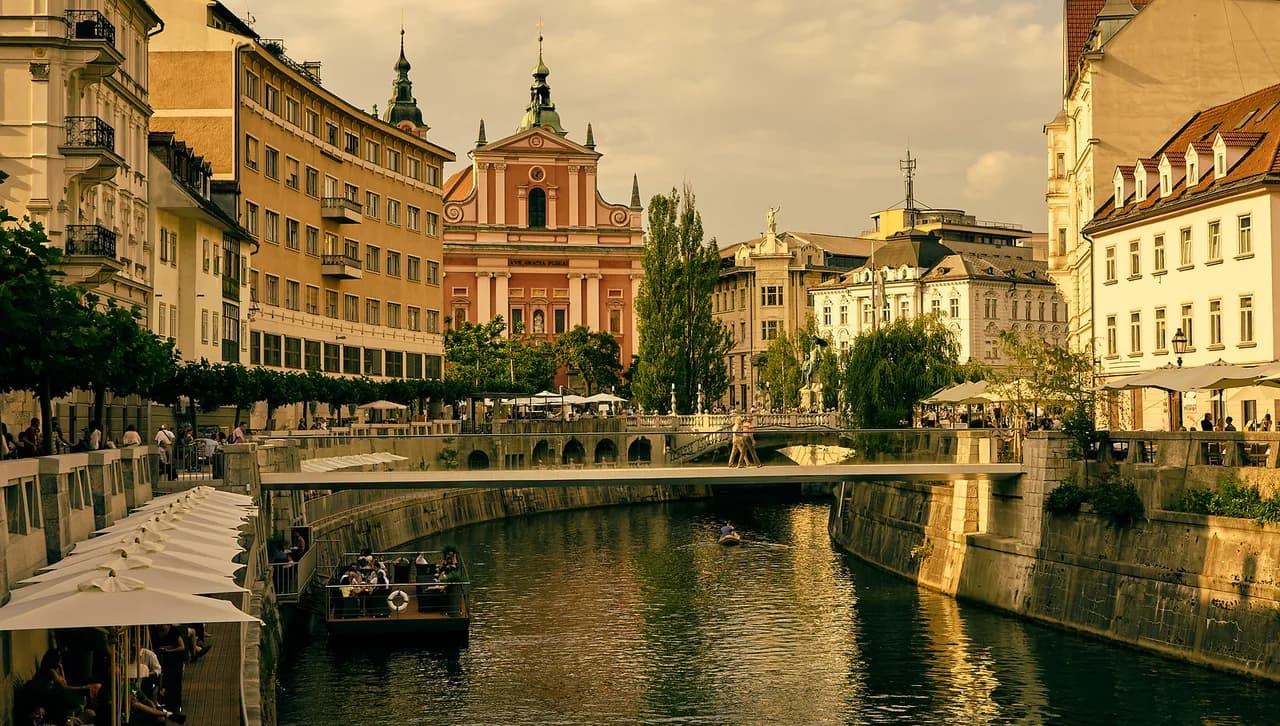
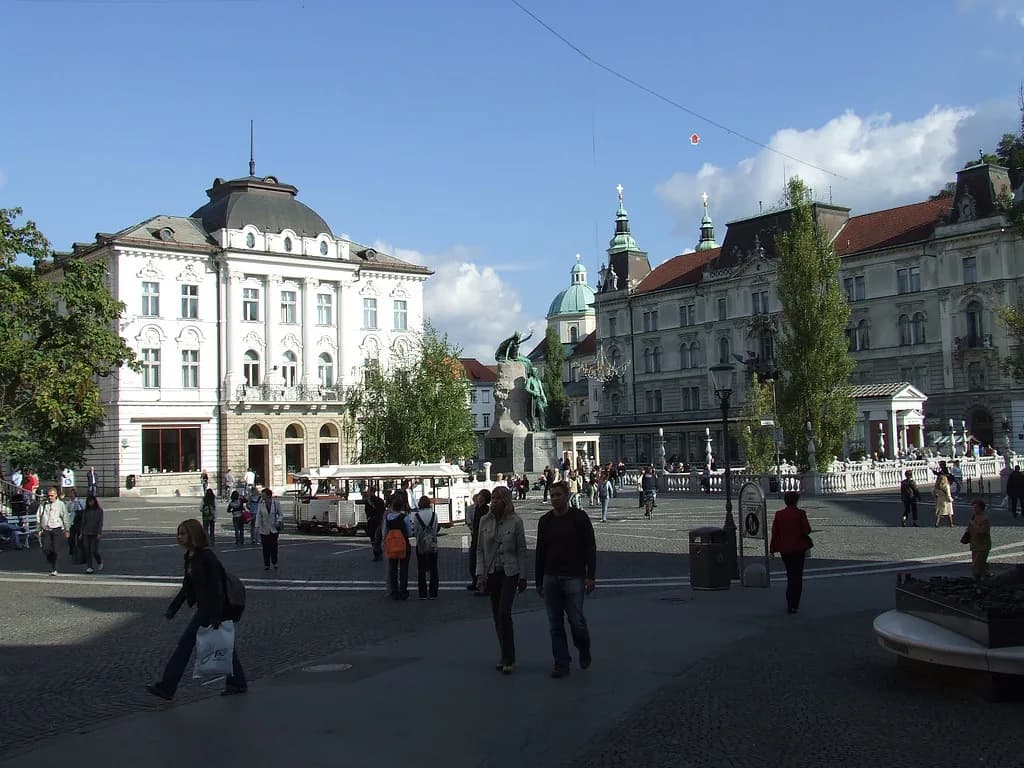
Day 2: Ljubljana on foot. Tivoli Park, Congress Square, Prešeren Square and the Triple Bridge, the cathedral, the market, Butcher's Bridge, the Dragon Bridge and a walk up to the castle for the view. It is small and flat, so one full day covers the center without rushing.
Day 3: north to Logarska Dolina and the Solčava panoramic road, then Velika Planina, then Lake Bled. This is the heaviest driving day of the short plan, around 170 kilometers and four hours of wheel time before you count stops; the cable car and chairlift combination up to Velika Planina saves a steep walk.
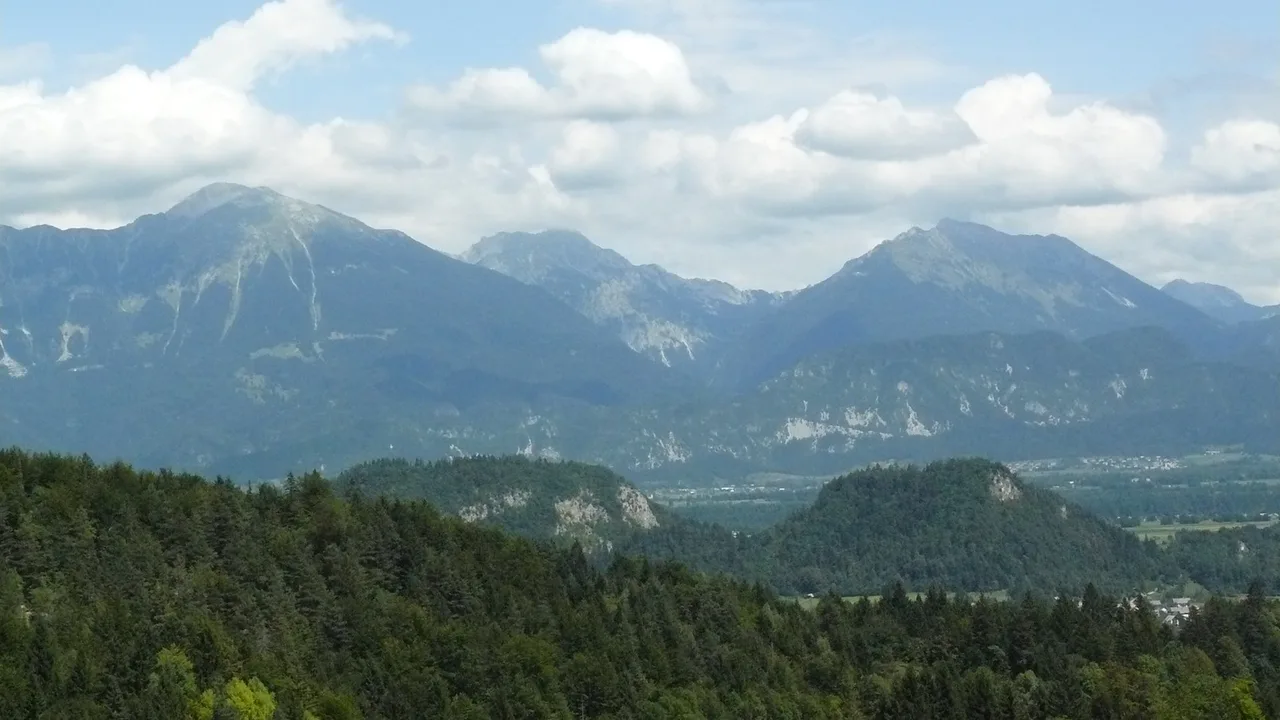
Day 4: Lake Bled, Vintgar Gorge and the Vršič Pass. Walk part of the lake shore, take the short climb to the Ojstrica viewpoint for the classic view, then drive the pass toward Kobarid with stops at Lake Jasna and the Soča River. Sleep in Kobarid.
Day 5: Kozjak Waterfall, the Soča River, Tolmin Gorge and Lake Bohinj before returning to Ljubljana. It is a full day with short walks rather than long hikes, and it ends with the quieter lake, which many travelers prefer to Bled.
A tighter five-day variant starts in Ljubljana and spends the last night in Piran instead, routing Ljubljana, Triglav National Park, Lake Bled, the caves and castle, then the coast. Choose it if the sea matters more than the Soča valley.
A 7-day itinerary that adds Triglav National Park and the Soča valley
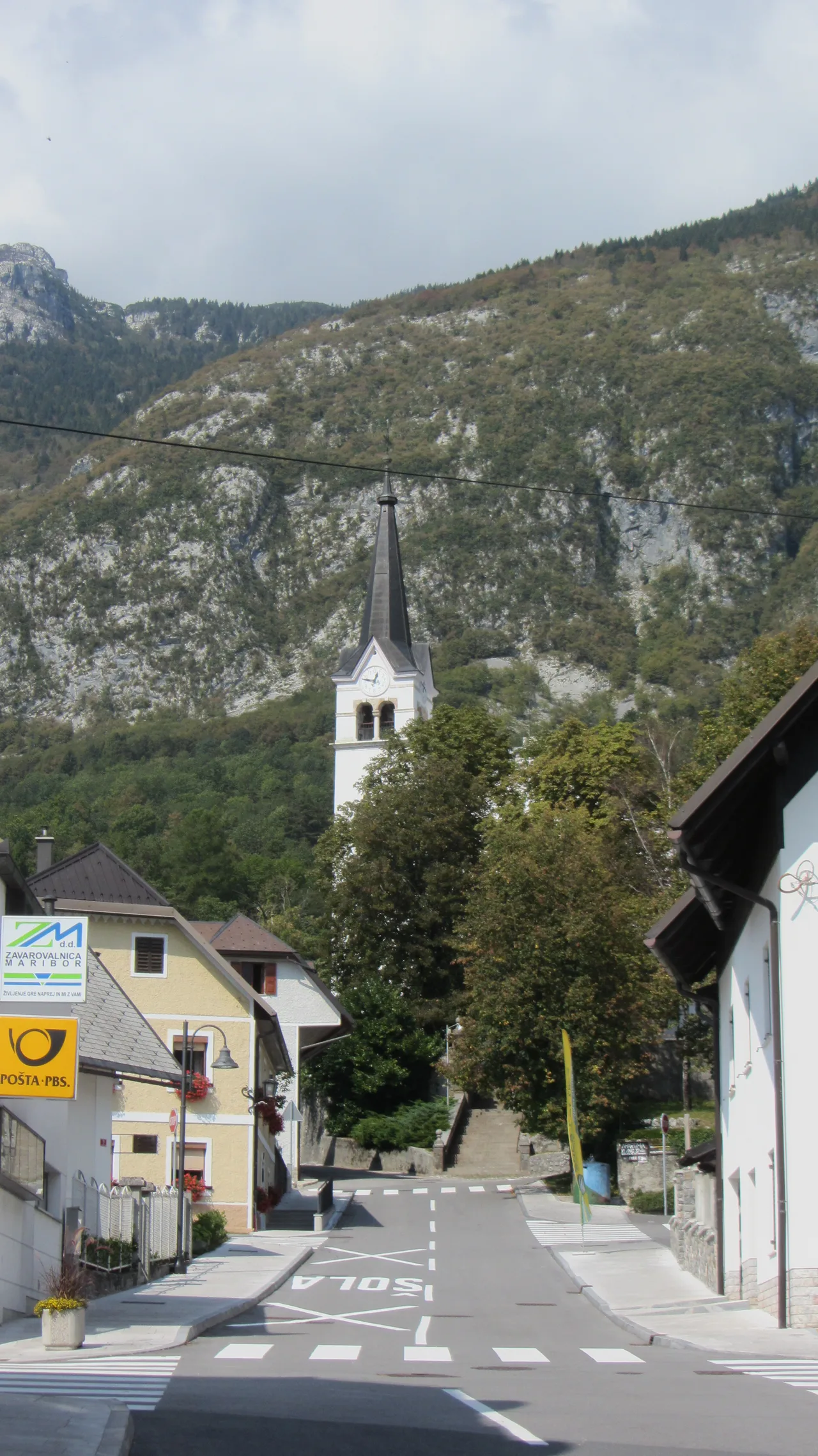
Days 1 and 2: Ljubljana and Škofja Loka, with an optional detour to Postojna Cave and Predjama Castle if you are arriving from the south. Day 3: Logarska Dolina and Velika Planina, sleeping at Lake Bled. Day 4: Bled itself, the island church and the castle terrace.
Day 5: Vintgar Gorge early, then Lake Bohinj via Ribčev Laz, with the cable car at Vogel for the plateau views over the lake. Day 6: the Vršič Pass and the Soča valley, with Kozjak Waterfall and the Napoleon Bridge, sleeping in Kobarid. Day 7: Tolmin Gorge and a slow return, or push to Piran if the coast is non-negotiable.
Adding a night at Bohinj rather than Bled changes the trip more than adding a sight. Bled is the postcard and the crowds; Bohinj is the same water without the coach traffic, and it puts Triglav National Park at the start of your day instead of 40 minutes away.
Where Ljubljana fits
Ljubljana needs one full day and no more on a first trip. The center is compact and walkable: the Triple Bridge, Prešeren Square, the cathedral, the market colonnade and the riverside cafés fill a morning and afternoon comfortably.
The castle is the one sight to calibrate. The funicular ride is fun and the views justify the climb, but the interior draws mixed reactions from travelers who expected more than a modest museum and events space. Treat it as a viewpoint with a building attached and you will not be disappointed.
If you have a spare half day, Metelkova Mesto, the former barracks turned art and music quarter, is worth an hour for the murals, though it is quiet in daylight. Tivoli Park is the other easy filler, with long paths and rose beds that suit a slow morning before a drive.
Lake Bled and Lake Bohinj: which one to base at
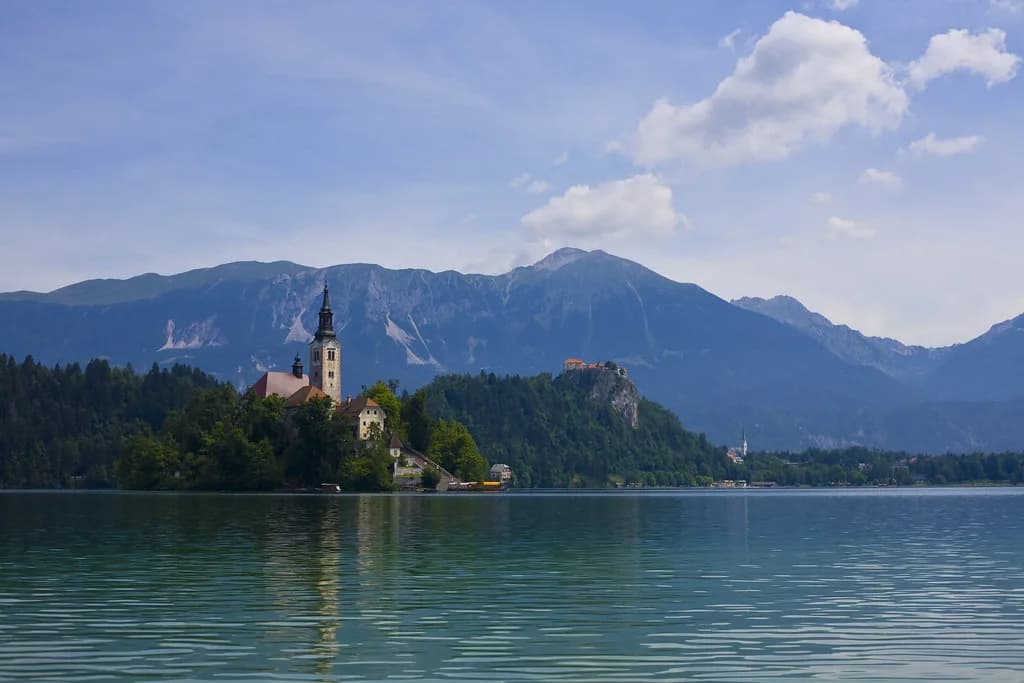
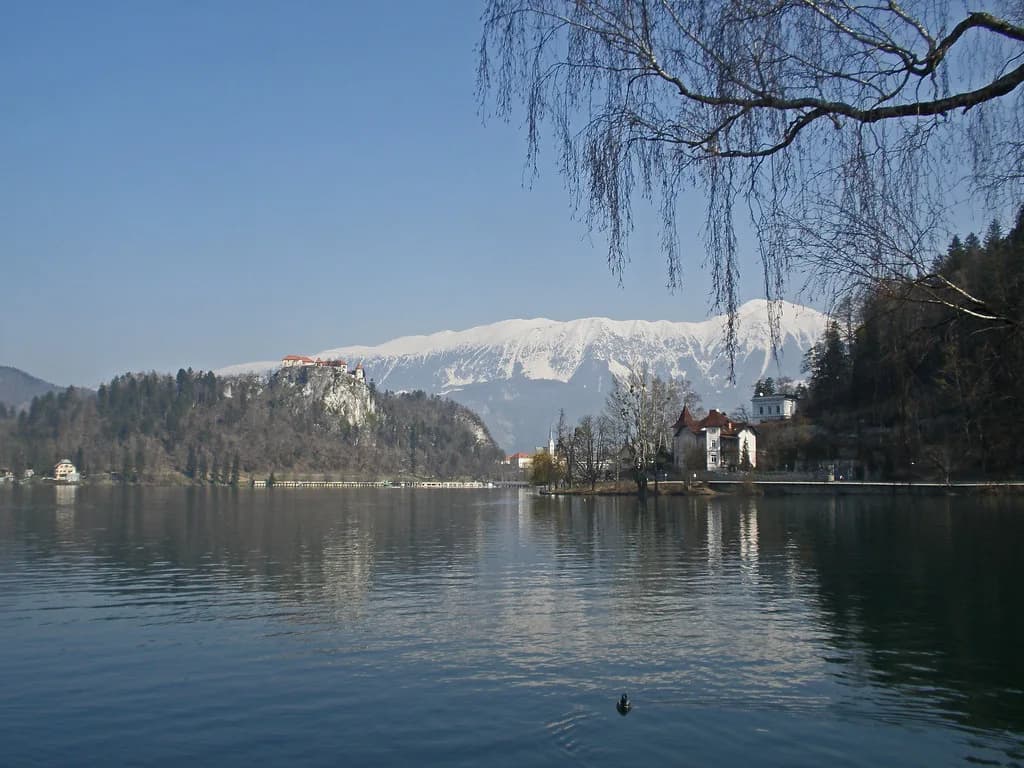
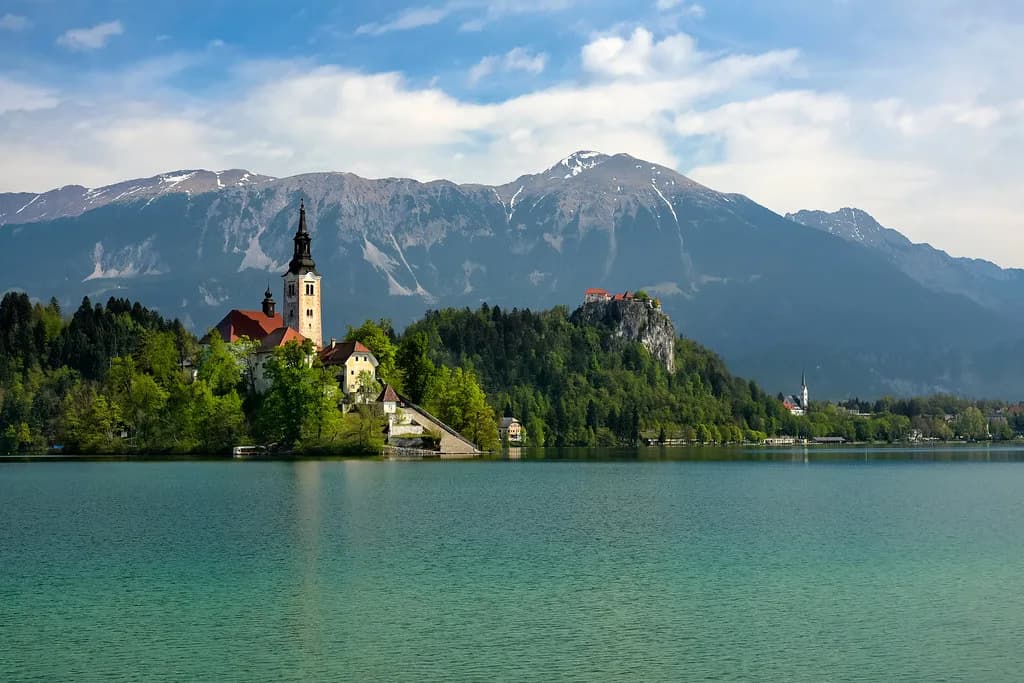
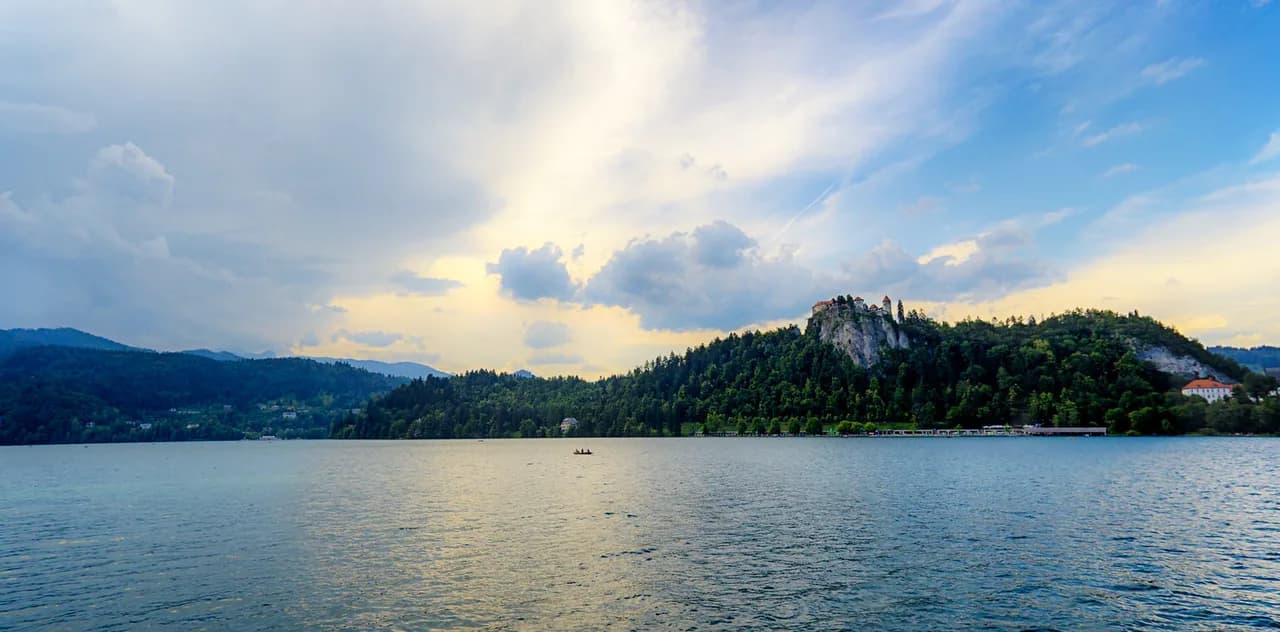
Lake Bled is the image you came for: a small island with a church, a cliff-top castle and a six-kilometer shore path that takes a leisurely two hours. It is also the busiest corner of the country, with paid parking around the lake and crowds at the viewpoints on summer afternoons.
The classic shots cost effort. Ojstrica is a short but steep climb from near the campsite, under 3.5 kilometers round trip, and you will share the rock with others at sunset. Get there early or accept a crowd in the frame.
Lake Bohinj is the better base for a seven-day trip. Bohinj sits inside Triglav National Park, with the Vogel cable car rising roughly 956 meters to about 1,535 meters in four minutes, and Savica Waterfall a short drive away up more than 500 steps to the viewing platform. It is quieter, greener and better placed for the park.
For a month-by-month read on lake crowds and weather, Slovenia in July and Slovenia in August are the peak-season pages, while Slovenia in April covers the cold-water, thin-crowd version of the same lakes.
The coast: Piran, and why it is often cut
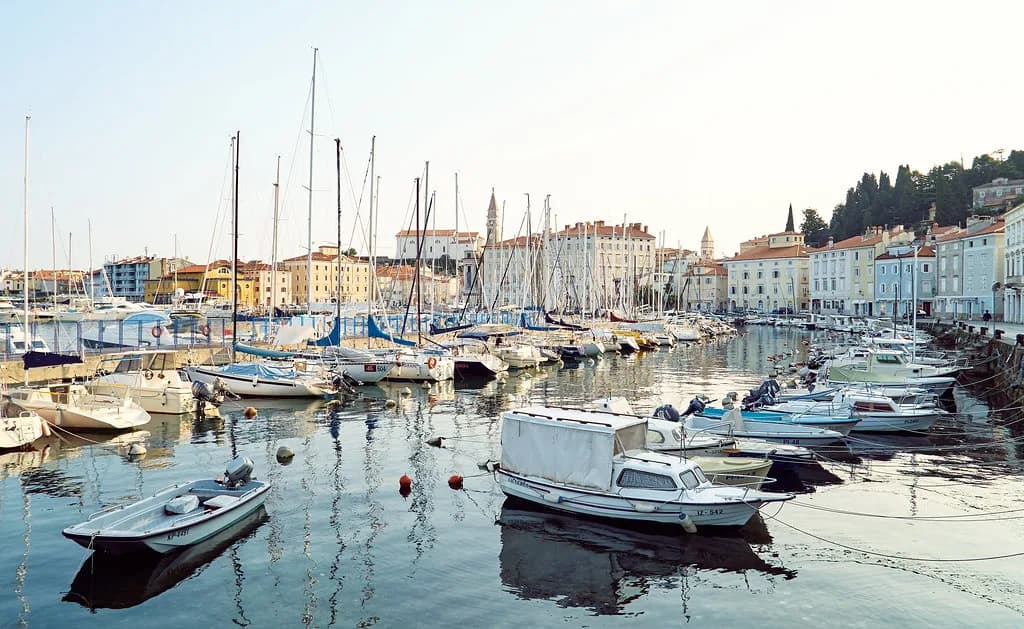
Piran is the most rewarding half day on the Slovenian coast. Tartini Square, the Venetian-style facades, the hilltop church and the walls give you a compact, photogenic town, and the seafood is the best argument for staying the night. The city walls charge a small entry, and parking at Fornače outside the historic center is the normal solution since driving inside is restricted.
It is also the leg that gets cut, and for good reason. Piran sits at the far southwest end of the country, away from the alpine circuit, and a five-day trip that includes it loses either the Soča valley or a relaxed day at Bohinj.
The coast is short: roughly 47 kilometers of Slovenian shoreline, with Strunjan and Portorož a walk or short drive away. If you want a beach day, this is where it happens, but do not expect a long Adriatic run of the kind Croatia offers.
Logarska Dolina and Velika Planina: the northern detour
Logarska Dolina is a glacial valley near the Austrian border, reached on the Solčava panoramic road, a 21-kilometer route with optional extensions. The road narrows and turns unpaved in places, but it is drivable in an ordinary car, and the stops at the Church of the Holy Spirit and the Pastirkovo viewpoint are the ones to plan around.
Velika Planina is a high pasture at around 1,600 meters, known for its shepherd huts and the Snow Mary chapel. The easiest ascent combines a cable car from Kamniška Bistrica with a chairlift, which cuts out a 30-minute walk; in summer the huts are occupied and the cows are out, which is the reason to come.
Drawbacks to plan around
Summer traffic is real. The Lake Bled to Ljubljana road is a 45-minute drive that can stretch by up to two hours once the morning builds, so leave early or travel late. Vintgar Gorge is the other bottleneck: arrive at opening, park in the main lot, and expect a queue for the boardwalk.
The Vršič Pass demands attention. It is the highest pass in the country, with sharp hairpins and a steady stream of cyclists, so drive it in daylight, keep the speed down and do not attempt it as a shortcut at dusk.
Caves and gorges absorb time as well as money. Postojna Cave involves a train ride into the mountain and a guided walk, and groups can be large enough to dilute the experience; Škocjan Caves, a UNESCO site with fewer visitors, is the calmer alternative. Parking at Bled and Piran is paid and, in Piran, outside the center.
Typical costs for the main paid sights
A handful of fees anchor the budget, all in euros. The Piran city walls cost 3 euros, and Fornače parking outside the old town runs 2.6 euros per hour or 26 euros per day. The Velika Planina cable car plus chairlift return is 26 euros, rising to 29 euros in July and August.
Tolmin Gorge entrance is 4 euros. A private rowboat at Lake Bled costs 20 euros for an hour, an alternative to the traditional pletna boats that carry up to 18 passengers. Everything else — food, fuel, cave tickets — varies by season and operator.
For the full picture of daily spending, including meals and fuel, the Slovenia costs guide compares the country with its neighbors. Budget above Croatian inland levels for the alpine north in high season.
Slovenia versus Switzerland, Croatia and Austria
Against Switzerland, Slovenia wins on cost and compactness and loses on scale. You get alpine valleys, lake towns and cable cars without Swiss prices, and you can reach the coast in the same trip, but the peaks are lower and the infrastructure less polished.
Against Croatia, Slovenia trades beach coastline for mountains and gorges. Croatia has the long Adriatic run and island ferries; Slovenia has 47 kilometers of coast, one lovely town in Piran and a far stronger alpine interior. If you are weighing the Croatian side of that coast, our look at whether Pula is worth visiting covers the Roman port that anchors the Istrian peninsula.
Against Austria, the difference is variety per kilometer. Austria has grander high-alpine terrain and more ski infrastructure; Slovenia fits lakes, a karst cave system, a small capital and a slice of sea into a week. For drivers who want a mixed landscape in a short radius, Slovenia is the better use of five days.
Itinerary variants without a car
Without a car, base in Ljubljana and Bled and use buses for the links between them, which are the best-served in the country. Treat Bled as the alpine hub: buses reach Bohinj and the surrounding valleys, and organized day tours cover Vintgar Gorge, the Vršič Pass and the Soča valley.
Expect to drop Logarska Dolina, Velika Planina and the more remote Soča stops, and to pay for tours instead of fuel. Pre-book the popular ones in July and August, when seats fill. A car-free week is realistic; a car-free five-day loop of the whole country is not.
Common itinerary mistakes
Cramming the coast and the Alps into five days, then discovering that the drives eat the afternoons. Treating Lake Bled as a base for Triglav National Park when Bohinj is closer. Booking one night per stop, which turns a holiday into a series of check-ins.
Arriving at Vintgar Gorge or Postojna Cave at midday in August and queueing behind coach groups. Driving the Vršič Pass late in the day. Ignoring the paid parking at Bled and Piran and circling the center instead.
And starting too late. The first hour of the day is worth two in the afternoon at Bled, Vintgar and the Soča viewpoints, which is why every day-by-day plan above begins with an early move.
Plan Your Trip
Build a seven-day loop if you can: Ljubljana, Logarska Dolina and Velika Planina, two nights around Bled and Bohinj, the Vršič Pass and the Soča valley, then Piran or a final morning back in Ljubljana. If you have five days, cut either the coast or the Soča valley and stop trying to see both.
Rent the car, book the paid attractions you care about in high season, and start early. Then check the one open question left: whether Slovenia fits your travel style at all, which our honest verdict covers alongside the reasons travelers skip it.
Explore more Slovenia trip-decision guides
Frequently Asked Questions
How many days do you need in Slovenia?
Five days is the working minimum for a driving trip that covers Ljubljana, Lake Bled and one of either the coast or the Soča valley. Seven days is the honest number, because it adds Triglav National Park, Lake Bohinj and the Vršič Pass without turning every afternoon into a transfer. Three days means choosing one region only.
Is five days enough for Slovenia?
Yes, if you drive and accept trade-offs. A five-day route can take in Piran, Škofja Loka, Ljubljana, Logarska Dolina, Velika Planina, Lake Bled and Lake Bohinj, but it leaves little slack and cuts the Soča valley short. Travelers who want long hikes or unhurried evenings should book seven to nine days instead.
Do you need a car for a Slovenia itinerary?
A car makes the classic itinerary far easier, because the best mountain viewpoints, gorges and valley stops sit at the end of narrow roads that buses reach slowly or not at all. Without one, base in Ljubljana and Bled, use the well-served bus links and join organized day tours for Vintgar Gorge, the Vršič Pass and the Soča valley.
What is the best time of year to visit Slovenia?
Mid-May to early October gives milder temperatures and long daylight for hiking. July and August are warmest but busiest, with higher prices at paid attractions and queues at the gorges and caves. June and September balance open trails with thinner crowds, while early spring can still bring snow in the high valleys.
Should you base yourself at Lake Bled or Lake Bohinj?
Bohinj is the better base for a week: it sits inside Triglav National Park, is quieter than Bled, and puts the Vogel cable car and Savica Waterfall close by. Bled is the postcard and worth a full day for the island church, the shore walk and the Ojstrica viewpoint, but it is busier and its lakeside parking is paid.
Is Piran worth adding to a Slovenia itinerary?
Piran is the best half day on the country's short coast, with Tartini Square, the hilltop church and the city walls, and it deserves an overnight for the seafood and evening atmosphere. On a five-day trip it competes directly with the Soča valley, since it sits at the far southwest end of the country. Choose one.
Is Slovenia as beautiful as Switzerland?
Slovenia delivers a similar mix of alpine valleys, lakes and cable cars at a lower cost and in a much smaller radius, and it adds a short Adriatic coast plus a karst cave system. The peaks are lower and the infrastructure less polished than Switzerland's, so it wins on variety and value rather than scale.
Sources
Trip-decision notes
Optional updates when we publish or revise a destination verdict.
You might also like
Continue reading
More guides you'll find useful