Slovenia in July: Weather, Crowds and Where to Go
July is Slovenia's hottest, busiest month, best for alpine hiking and river swims. See typical temperatures, crowds and which regions to pick or skip.
On this page
July works if you want the highest alpine trails open, warm rivers and lakes for swimming, and long daylight hours to use them. It is also the busiest and hottest month of the Slovenian year, so the choice that matters is not whether to come but which zone to base yourself in.
The country splits into three Julys at once: a hot, dry Mediterranean coast, a close Ljubljana basin, and an alpine northwest where the mercury sits noticeably lower. Treat those as separate trips and July becomes manageable; treat Slovenia as one uniform destination and you will spend the month queueing in heat.
The verdict
July suits hikers chasing Slovenia's highest summits, families who want warm water and short drives, and anyone whose dates are fixed by school holidays. The mountain huts are open, the trails above the treeline are largely clear of snow, and swimming in rivers and lakes is at its best, according to walking specialists at Slotrips.
It suits you less if you hate heat, want quiet old towns, or plan to wing your accommodation. Ljubljana and the coast get genuinely hot at midday, the popular alpine spots fill with walkers, and the best-known sights feel crowded from late morning. Travelers who can move their dates should weigh June or September, when the same landscapes come with fewer people.
If you are still weighing whether Slovenia deserves a trip at all, the honest answer is that the country rewards a week rather than a weekend, and July rewards a region-by-region plan rather than a single base.
Typical July weather, region by region
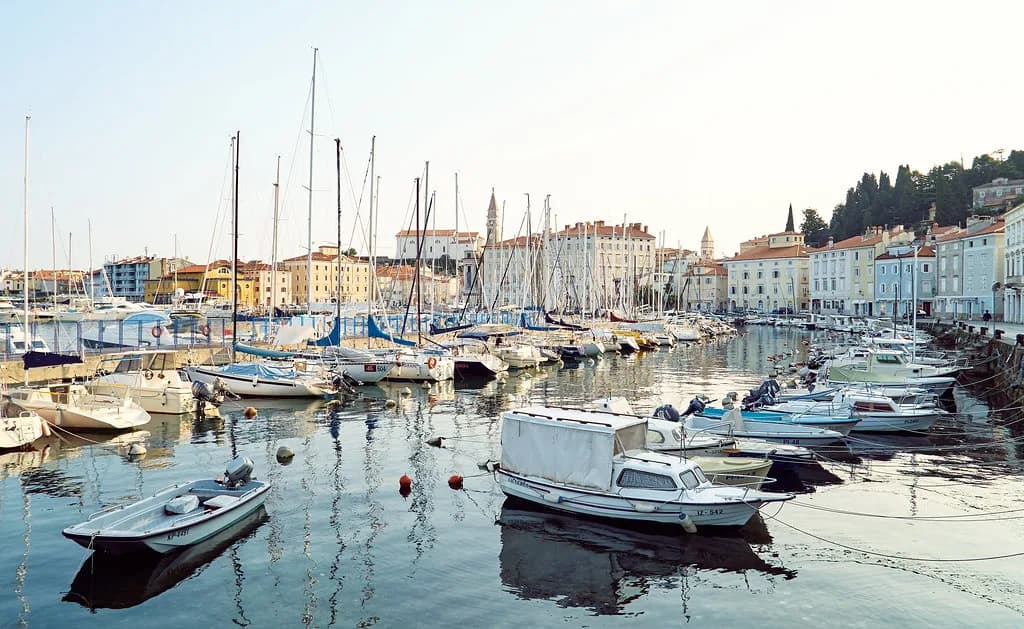
On the Adriatic coast around Piran, Izola and Koper, July brings the warmest sea of the year and daytime temperatures in the low-to-mid twenties Celsius (roughly 61–73°F), which is comfortable for swimming and for wandering the Venetian-style lanes in the evening.
Ljubljana and the western interior run warmer by day, roughly 13–24°C (55–75°F), and July is among the wetter stretches of the year there, so plan indoor or cave options as a backstop. In the alpine northwest around Bled and Kranjska Gora, expect temperatures several degrees cooler again, which is exactly why hikers gravitate there in midsummer.
Treat all of these as typical conditions rather than a forecast, and check the Slovenian Environment Agency (ARSO) outlook for the week you travel. The mountains make their own weather, and afternoon build-ups can arrive fast even on a blue-sky morning.
How busy July gets
July is peak season. Hotels and rooms in the popular spots fill quickly for mid-month dates, so book early rather than gambling on walk-ins. Hiking traffic concentrates on a handful of famous trails while equally well-marked routes nearby stay quiet, so a small shift in where you walk buys a lot of solitude.
Mountain huts in the high ranges typically open from late June to the end of September, weather permitting, so July sits safely inside the window — but beds are limited and should be reserved ahead. Dinner tables in busy tourist towns can also take time to secure at the height of the month.
The practical trade-off is simple: July gives you the fullest access and the warmest water, in exchange for the year's heaviest demand. If your dates are flexible, our guide to September shows what the shoulder season looks like by comparison.
Where to go: the coast versus the Alps
Pick the coast for a different July. Piran is the highlight, a compact Venetian-influenced port with a working salt heritage; Izola is smaller and calmer, and Koper adds 15th-century architecture such as the Praetorian Palace. Swimming, seafood and short drives between them make this the easy family choice, though midday heat pushes activity to morning and evening. If you are weighing the same decision across the border, our guide to is Pula worth visiting covers Croatia's Roman port on the same Adriatic.
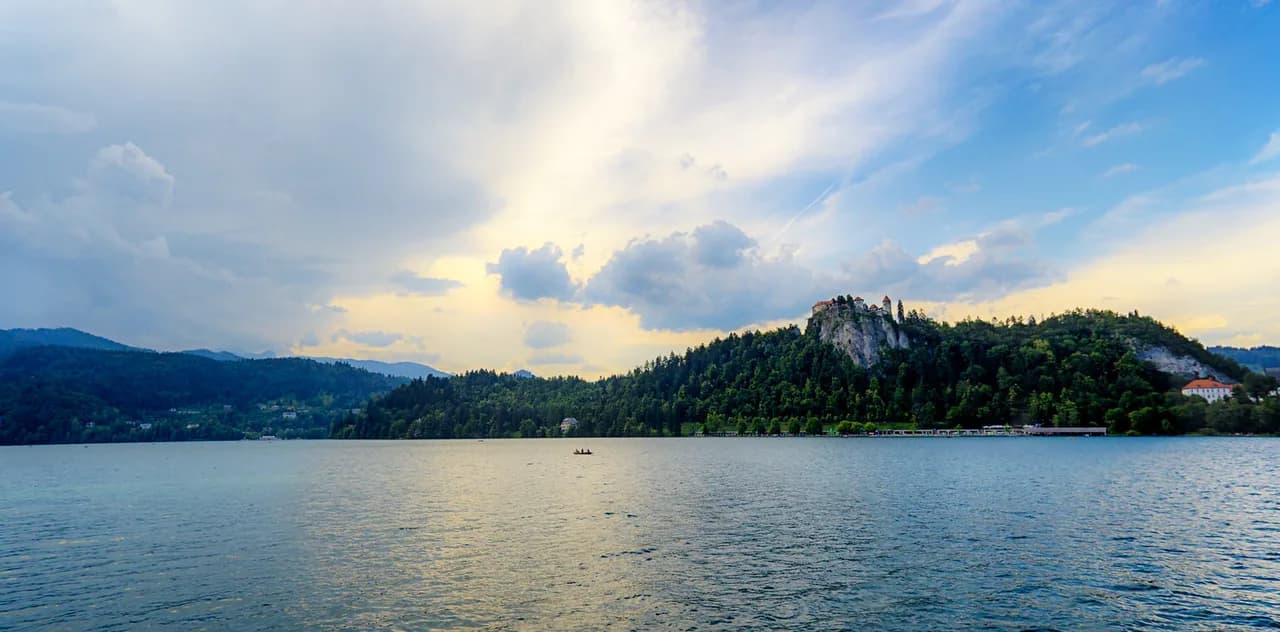
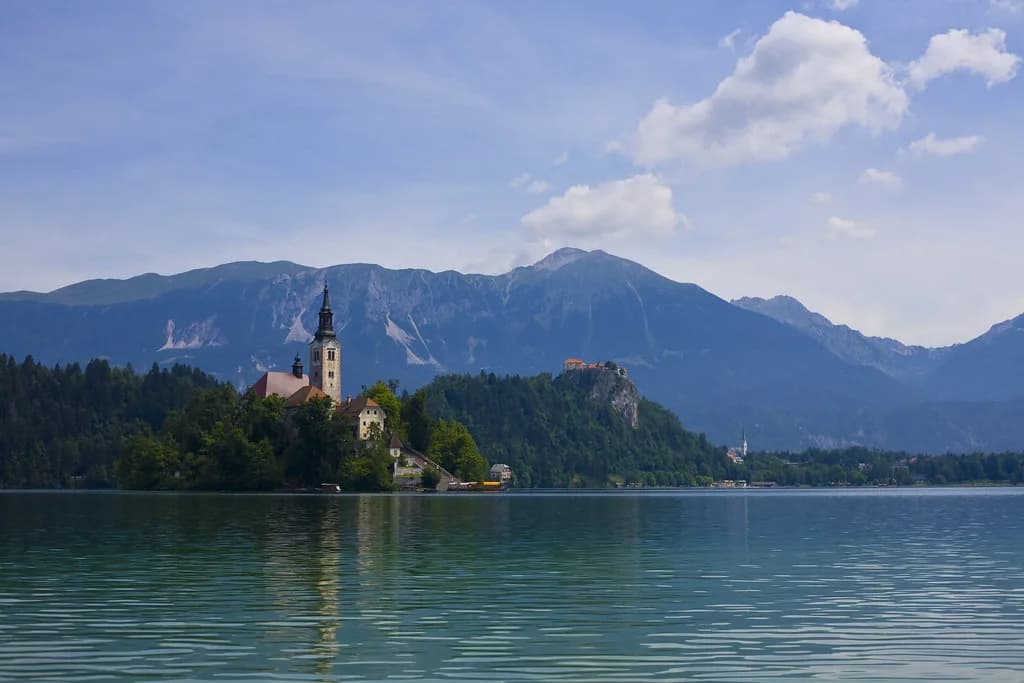
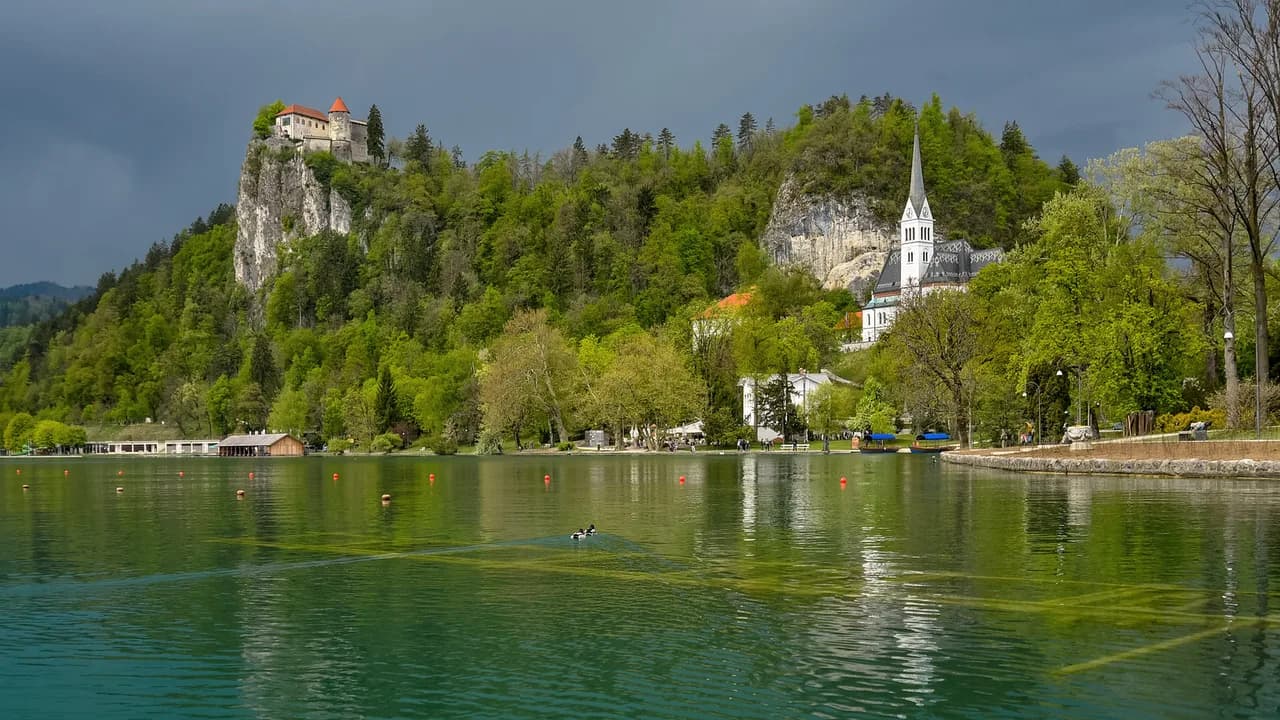
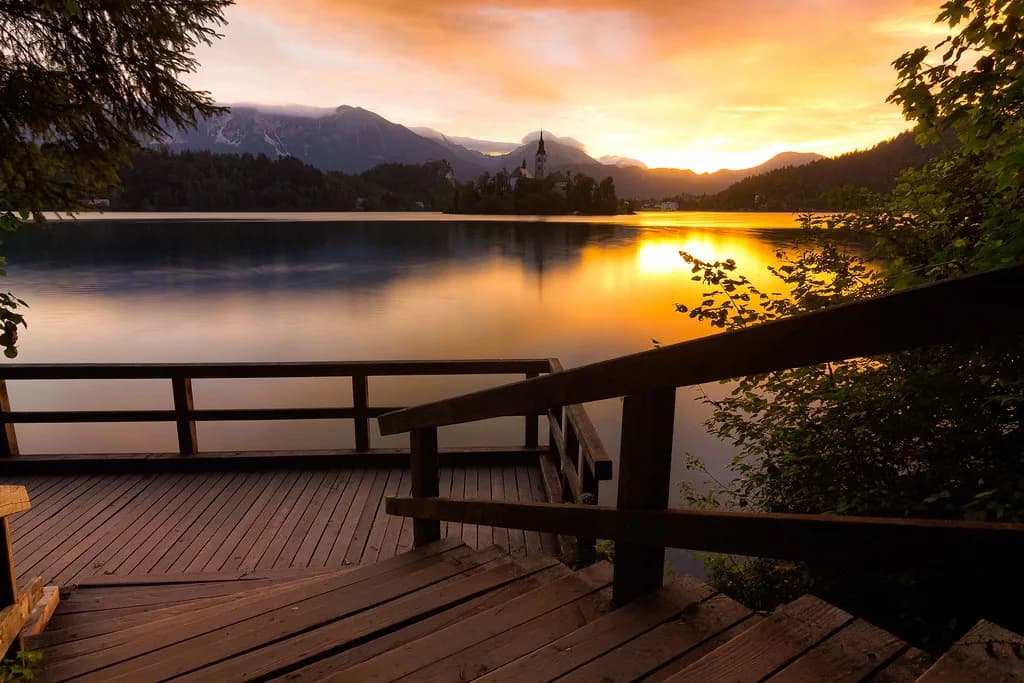
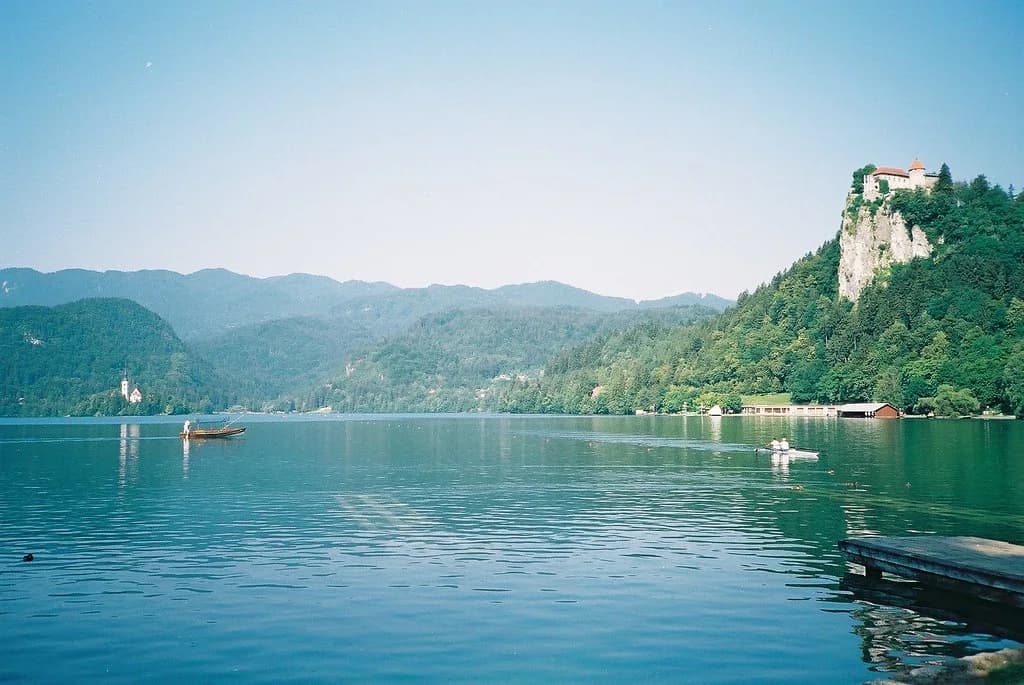
Pick the Alps for hiking and water. Lake Bled is the postcard, Lake Bohinj the quieter sibling inside Triglav National Park, and the Soča Valley around Bovec the centre for rafting and kayaking on emerald water. The Vogel cable car lifts you to around 1,535 m for ridge views without a full day's climb.
Doing both in one July trip works because distances are short — the coast is a little over an hour's drive from Ljubljana, and Triglav National Park sits about an hour north of the capital. It does mean two sets of bookings in peak season, so settle the route before you commit to rooms.
High alpine hiking in July
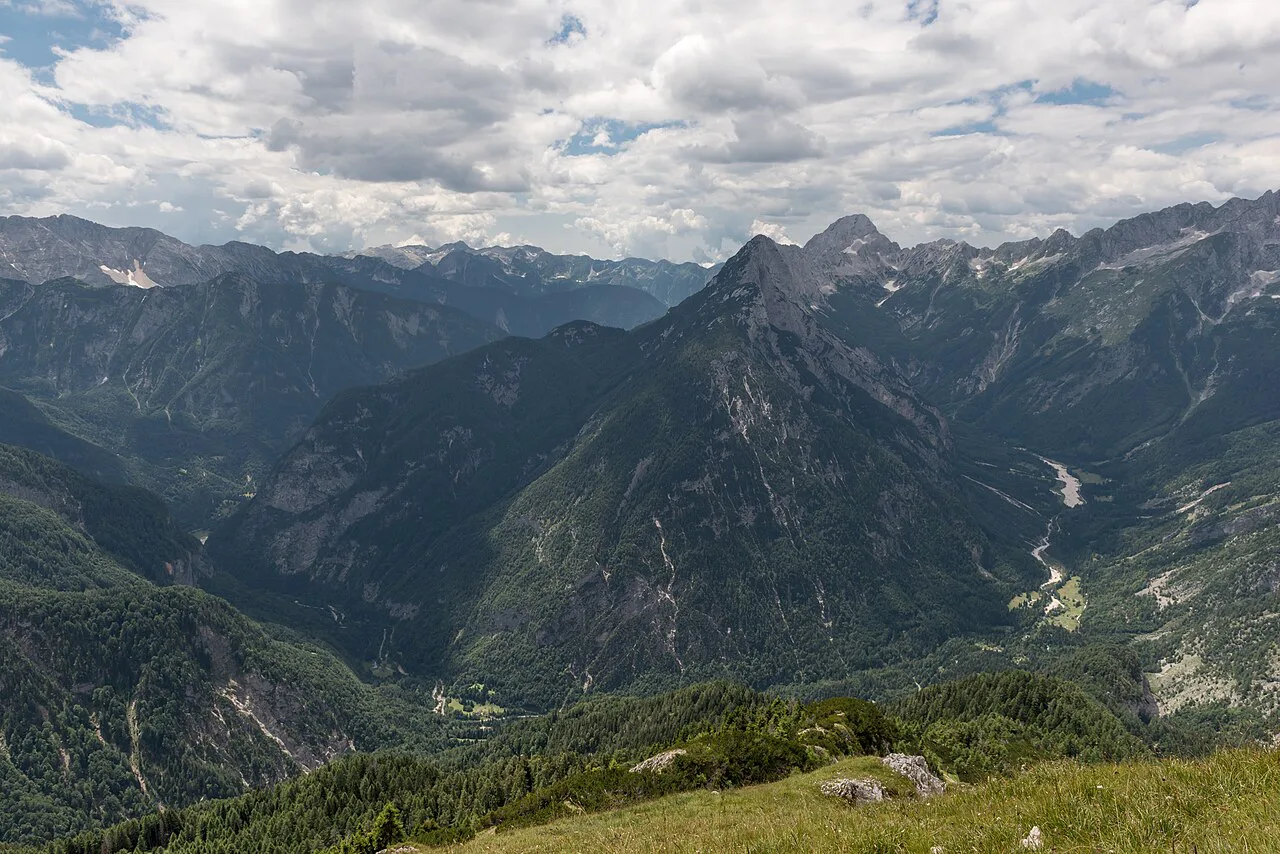
July is when Slovenia's highest summits become viable for most walkers: snow is largely gone from standard routes, the huts are staffed, and alpine pastures are in full summer use. Even so, temperatures high up can approach freezing at night, and cold snaps are possible at any point in the month.
The pattern that governs a July hiking day is the afternoon storm. Locals start between six and seven in the morning and turn back from summits early in the afternoon, because build-ups on exposed ridges are the real hazard. Copy that rhythm rather than setting out at ten and hoping.
Consider the Juliana Trail or the Alpe-Adria Trail if you want long-distance walking below the treeline, where shelter is easy to find and the heat is softer. Carry warm layers regardless of the forecast, and confirm route conditions with hut keepers, who hold the most reliable local picture.
Swimming, rafting and lake days
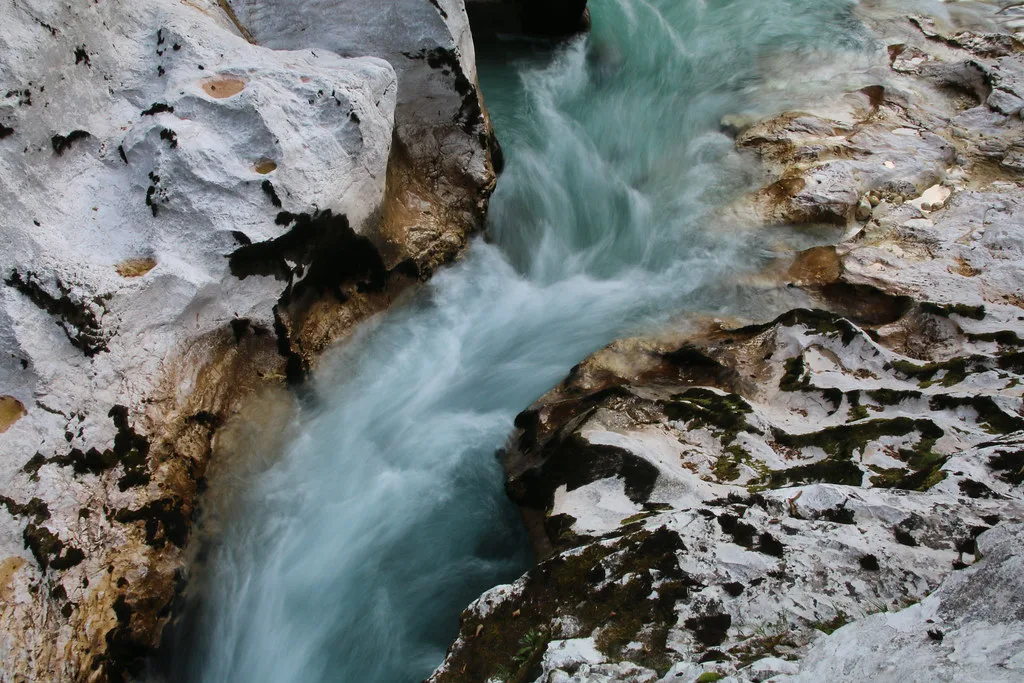
July is the month for water. The Soča River is the rafting and kayaking hub, with guided trips typically running around three hours including instruction, and the emerald colour is the reason people come back. Lake Bohinj offers calmer canoeing, paddleboarding and swimming, with bays at Fužina and Ukanc as the main entry points.
In Ljubljana you can stand-up paddleboard the Ljubljanica straight through the city centre, with tours running daily from April to October and beginner instruction included — an unusual way to see the riverfront without the midday heat. Book a morning slot and you get cooler air and fewer boards on the water.
On the coast, swimming is the main event, and the Adriatic in July is at its most inviting. If you want Slovenia in August instead, expect similar water and even heavier demand.
Rainy-day and heat-escape options
When the heat or a storm arrives, go underground or into the city's shade. Postojna Cave runs a train through chambers and passages on a visit that takes roughly an hour and a half, and the constant cave temperature is a relief in July. Predjama Castle, built into a cliff face nearby, pairs naturally with it.
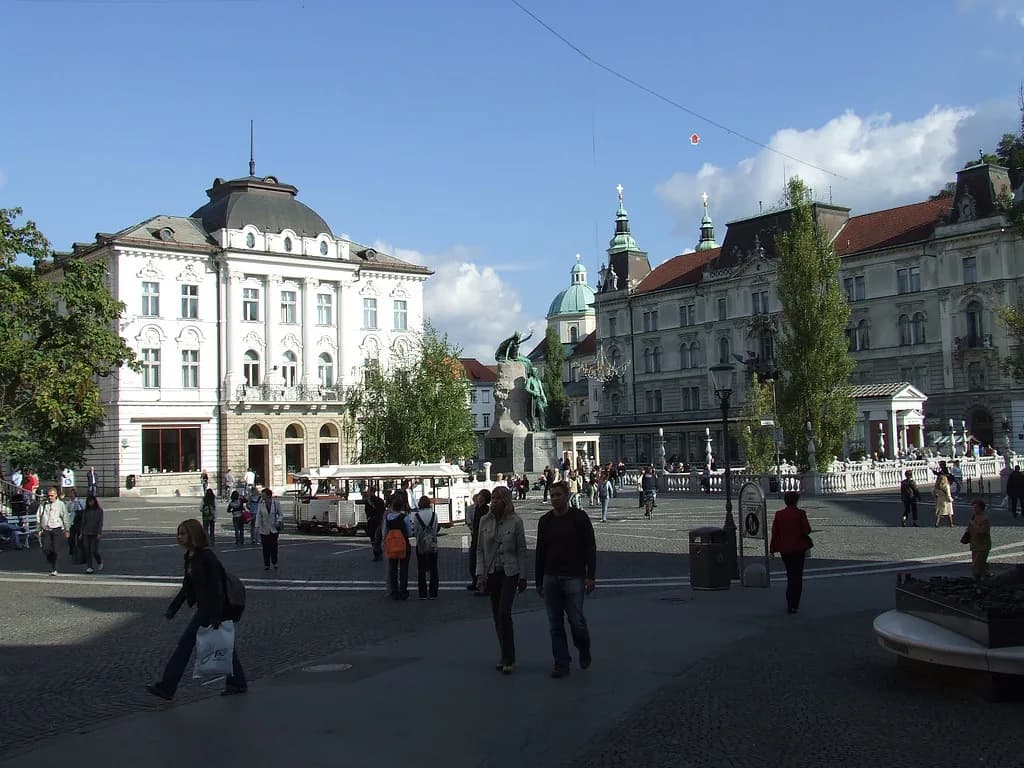
In Ljubljana, the riverside is the city's summer living room: shaded café terraces along the Ljubljanica, the Triple Bridge and the Central Market, all walkable in an afternoon. Keep the capital as a base and use it for the hottest hours rather than as a full day of sightseeing in full sun.
The drawbacks
Three things bite in July: afternoon thunderstorms in the Alps, real heat on the coast and in Ljubljana, and peak-season pressure on beds, tables and the most famous trails. None of these ruins a trip, but all of them reward planning — early starts, morning swims, and reservations made well in advance.
Costs also peak. Rooms and activities are at their most expensive, and popular spots command a premium for the convenience of high season — our breakdown of what a Slovenia trip actually costs shows where the money goes and where it doesn't.
How many days you need
Five days covers a coast-and-Ljubljana trip comfortably or a focused alpine week in miniature; a full week lets you link Ljubljana, Lake Bled, Lake Bohinj and the Soča Valley without rushing, which is the version most first-timers should aim for. Ten days adds the coast or the Karst without turning the holiday into a driving tour.
In July, build slack into the plan for weather and crowds. A flexible day in the middle lets you swap a stormy ridge for a cave or a lake, and it stops a single washed-out afternoon from derailing the whole trip. Our best time to visit Slovenia comparison helps you choose between July and the shoulder months.
Getting around in peak season
A car is the practical choice if you want the Alps, the coast and the wine country in one trip, since public transport between the smaller valleys is thin. Renting at Ljubljana Jože Pučnik Airport at the start saves a city detour, but book ahead in July — the popular categories go first in peak weeks.
If you would rather not drive, base yourself in Ljubljana or Bled and use buses and trains for the headline routes, accepting that some valleys become day-trip territory rather than overnight stops. Slovenia is small enough that this is a trade-off of time, not feasibility.
Mountain roads are winding and busy in July, so plan realistic driving times. Do not treat the distance on the map as the journey; alpine passes take longer than the kilometres suggest.
Plan Your Visit
July is the right month for a Slovenia trip built on high alpine hiking, warm rivers and lakes, and long evenings by the sea. It is the wrong month for a cheap, spontaneous or crowd-free visit — the same landscapes are quieter and cooler in the shoulder season.
Decide first whether you want the Alps or the Adriatic, book the beds and hut places that decision requires, and start your walking days early. Do that, and July gives you the fullest version of the country.
Explore more Slovenia trip-decision guides
Frequently Asked Questions
What is the weather like in Slovenia in July?
July is the hottest month of the Slovenian year. The coast around Piran runs roughly 61–73°F, Ljubljana and the western interior a little warmer by day and wetter overall, and the alpine northwest several degrees cooler. Treat these as typical conditions and check the national weather service for the week you travel.
Is July a good time to visit Slovenia?
Yes, if you want high alpine trails open, mountain huts staffed and the warmest water for swimming. It is the busiest and hottest month, so it suits hikers and families with fixed holiday dates better than travelers who value quiet and low prices.
How hot does it get in Slovenia in July?
The coast sits in the low-to-mid twenties Celsius, the Ljubljana basin is hotter at midday, and the Julian Alps are several degrees cooler. The heat is manageable with early starts and a midday break, especially if you spend the hottest hours in the mountains or underground.
Can you swim in Slovenia in July?
Yes. The Adriatic is at its warmest, Lake Bohinj has designated swimming bays, and the Soča River is the centre for rafting and kayaking. Alpine lakes stay cold, so swimmers should expect a bracing rather than balmy dip.
Is Lake Bled crowded in July?
It is one of the busiest spots in the country in July, so visit early in the morning or late in the afternoon. Nearby Lake Bohinj offers a quieter alternative within Triglav National Park if the crowds at Bled wear thin.
Is July or September better for hiking in Slovenia?
July gives you the full hut network and the longest days; September brings fewer people on the trails, more stable weather and cooler walking, though evenings at altitude can approach freezing. Hikers who can choose often prefer early autumn, while those locked into school holidays should take July and start early.
What should I book ahead for a July trip to Slovenia?
Rooms in Bled, Bohinj, Bovec and Piran, mountain hut beds for multi-day routes, rafting or paddleboarding slots, and a rental car if you plan to drive. Peak-season demand is heavy, so treat booking as part of the itinerary rather than an afterthought.
Sources
Trip-decision notes
Optional updates when we publish or revise a destination verdict.
You might also like
Continue reading
More guides you'll find useful