Slovenia in October: Weather, Crowds and What's Still Open
October in Slovenia brings golden larches, quiet trails and harvest wine, but shorter days and closing mountain huts. Here is who should go and who should wait.
On this page
Yes, October is a strong month for Slovenia, provided you go early if hiking is the point and accept that the season is winding down. The Julian Alps turn gold, the wine harvest runs through Goriška Brda and the Vipava Valley, and the summer queues at Lake Bled and Postojna Cave thin out sharply. This guide splits the month in two, because early and late October behave very differently for walkers, drivers and anyone hoping to swim.
Expect Ljubljana highs of roughly 15–18°C (59–64°F), with daily averages spanning about 8–16°C (46–61°F) and only around four hours of sunshine on a typical day. Sunshine is not guaranteed and rain is always possible, so plan walks for the morning and keep an indoor alternative ready. The figures describe normal October conditions rather than a forecast.
The verdict: who October suits
October is the month for travelers who care more about landscape than lake swimming. Hikers who stay below about 1,800m, wine travelers heading to the western hills and photographers chasing low-angle light get the best version of Slovenia with a fraction of the summer company. If your trip hinges on boat hire at Bled, a via ferrata or a swim-heavy coast stay, come in September instead.
The month divides cleanly. Early October still functions as a shoulder season with operators running and villages open; late October is quieter still but loses mountain huts, lake services and high routes to ice and early snow. Decide which half of the month you are booking before you commit to a hiking-heavy plan.
If you are still weighing the country against alternatives, our wider guide to whether Slovenia is worth visiting sets out what the destination does well and where it frustrates. October simply sharpens that picture: the scenery is at its most photogenic while the infrastructure narrows.
Who will love October in Slovenia, and who should pick another month
Walkers who prefer mild conditions to summer heat are the clearest winners. Cooler mornings and fresher afternoons make longer valley stages pleasant, and popular areas such as Bled, Bohinj and the Soča Valley feel noticeably calmer once the main holiday period ends. Self-guided hiking operators typically wind down in early October, so book the first ten days if you want an organized route.
Wine travelers should aim for the harvest window. The hilltop villages of Goriška Brda, including Šmartno, Dobrovo and Kozana, sit about 90 minutes by car from Ljubljana, and several estates take visitors during picking. If your priority is the wine country rather than the mountains, build the trip around that and treat the Alps as a day trip.
Travelers who need guaranteed warmth, guaranteed lift and boat access or a lively coastal scene should look at another month. Late October brings shorter daylight, with sunsets in Ljubljana moving from around 6–6:30pm early in the month toward 5pm once daylight saving ends. Plan afternoon activities with that earlier dusk in mind.
Anyone building a wider trip should compare the shoulder months before booking flights. Our guide to the best time to visit Slovenia lays out how September, October and the spring months differ for hiking, coast and crowds, which matters most if your dates are still flexible.
What October weather in Slovenia actually feels like
Think layers rather than a single jacket. A misty morning at Lake Bled can sit near 8°C (46°F) while the same afternoon in Ljubljana reaches 16°C (61°F), so a waterproof shell plus a warm mid-layer covers most days. October rainfall can be sustained rather than brief, which makes good waterproofing more useful than an umbrella.
The mountains are a different climate. The first snow can fall above 1,500m during October, and the Vršič Pass may close with the first heavy snowfall, rerouting traffic between Kranjska Gora and the Soča Valley through the longer Tolmin approach. Check road conditions before committing to any high pass drive.
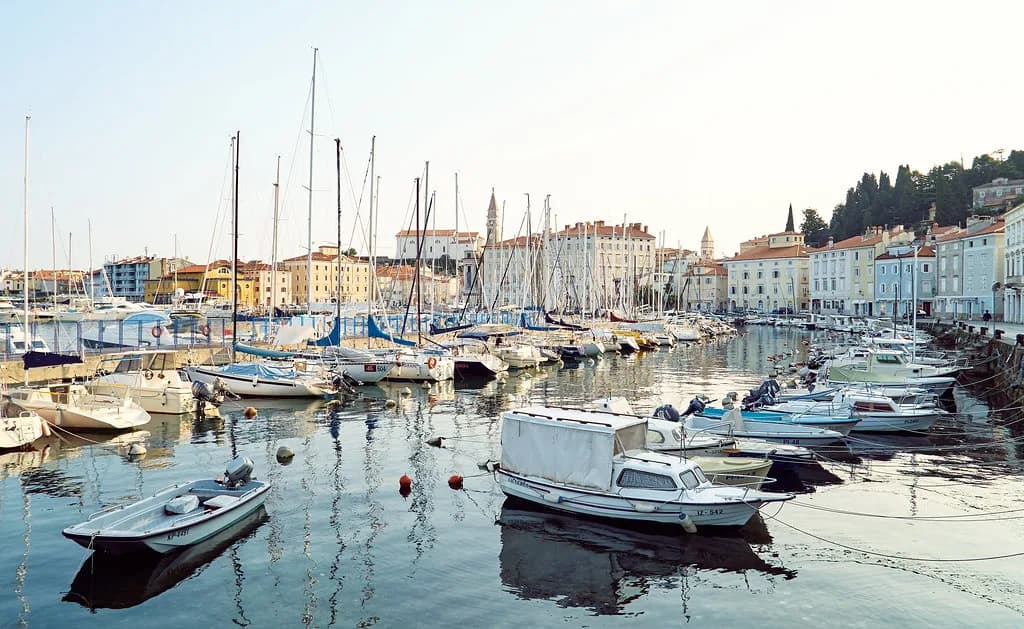
On the coast, Piran behaves like a mild Adriatic town rather than a beach resort. Seawater sits around 18–20°C (64–68°F) in October, which suits a brisk afternoon dip more than a swimming holiday. The compensation is warm amber light on the Venetian stone façades and waterfront kitchens cooking for locals rather than tour groups.
September vs October: the trade-off in crowds, warmth and colour
Early September is functionally late summer. Ljubljana highs average 22–24°C (72–75°F), with early September temperatures of roughly 22–24°C and late-September highs of 18–20°C (64–68°F); the lakes stay warm enough for swimming and the Soča runs clear for rafting, while the European school holidays have already ended. Late September cools with cooler evenings and more frequent rain.
October trades warmth for colour and quiet. Highs drop to 15–18°C (59–64°F) and vary widely, but the larch forests turn a luminous gold and accommodation prices fall well below the summer peak. If you want both warmth and fewer crowds, the first half of September is the better bet; if you want the scenery at its best, October wins.
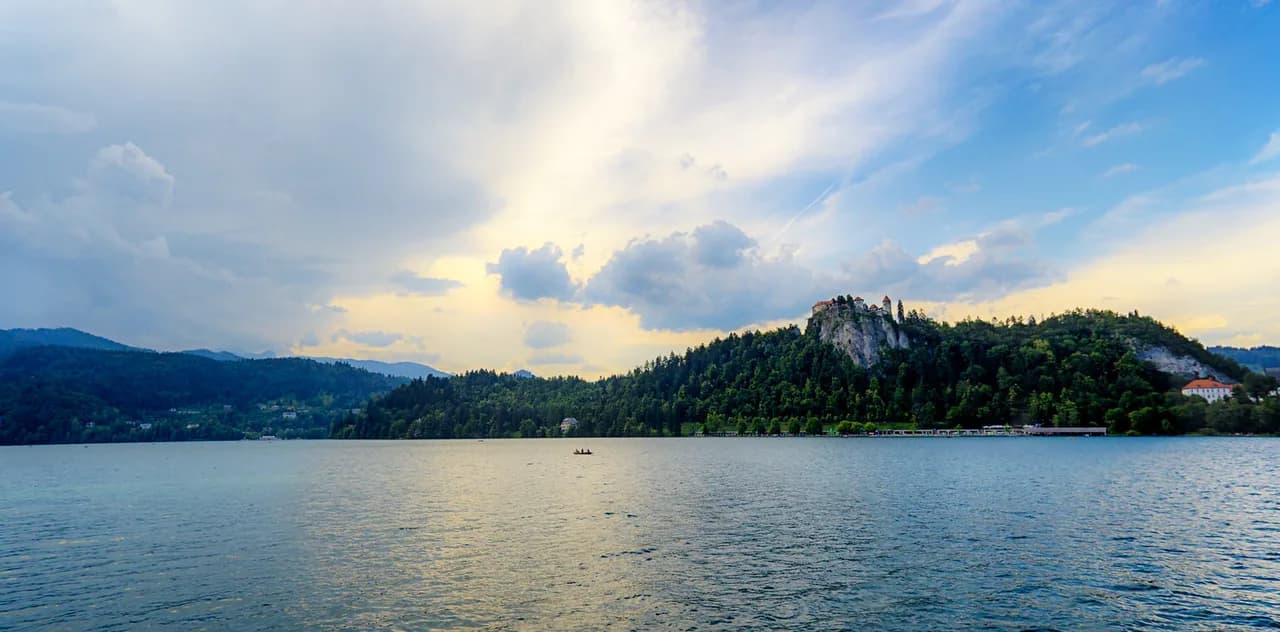
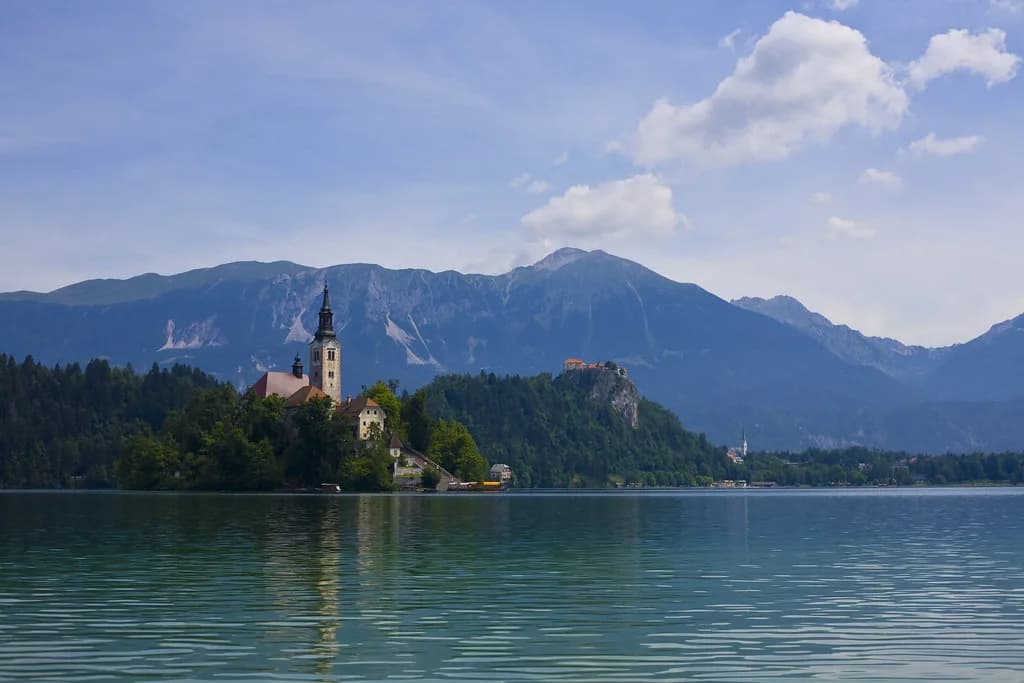
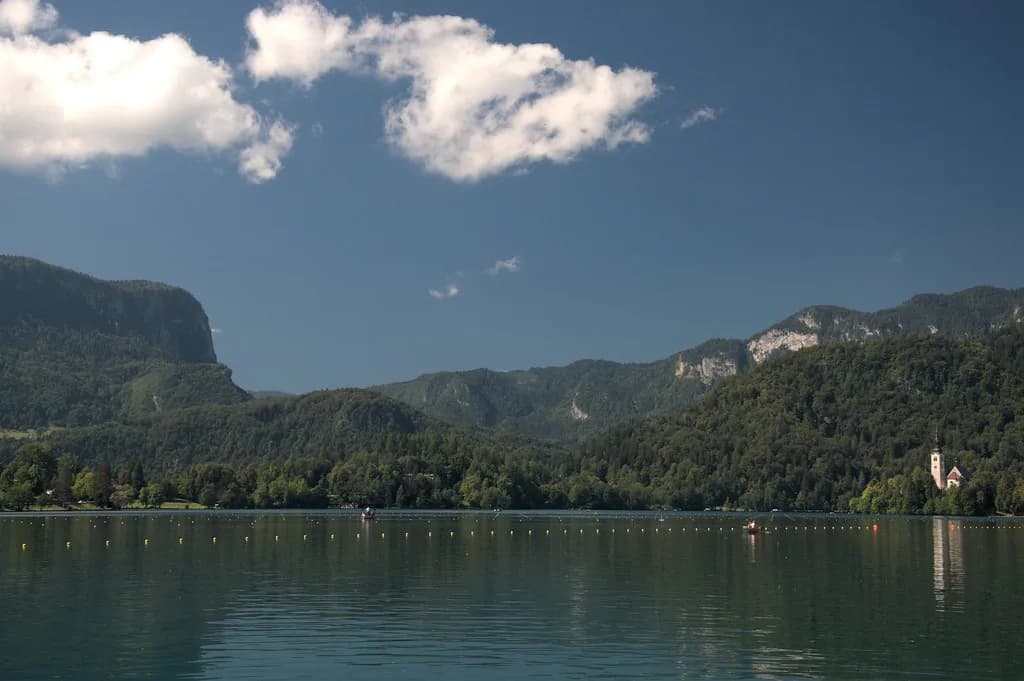
Photographers gain a practical advantage in October. The sun tracks lower all day, so the classic island-and-castle shot at Lake Bled works across a wider morning window than in July, when harsh overhead light flattens the scene by mid-morning. Prioritize the first and last two hours of daylight and use midday for driving or indoor sights.
Where the autumn colour is best: Bohinj, the Trenta Valley and the Julian Alps
The larch is the tree to chase. Slovenia's only native deciduous conifer turns a golden yellow distinct from the russet beeches, and the densest stands sit above Bohinj, in the upper Trenta Valley and on the slopes below Triglav. The Bohinj valley colour typically peaks in the second to third week of October, though the exact timing shifts with the year's weather.
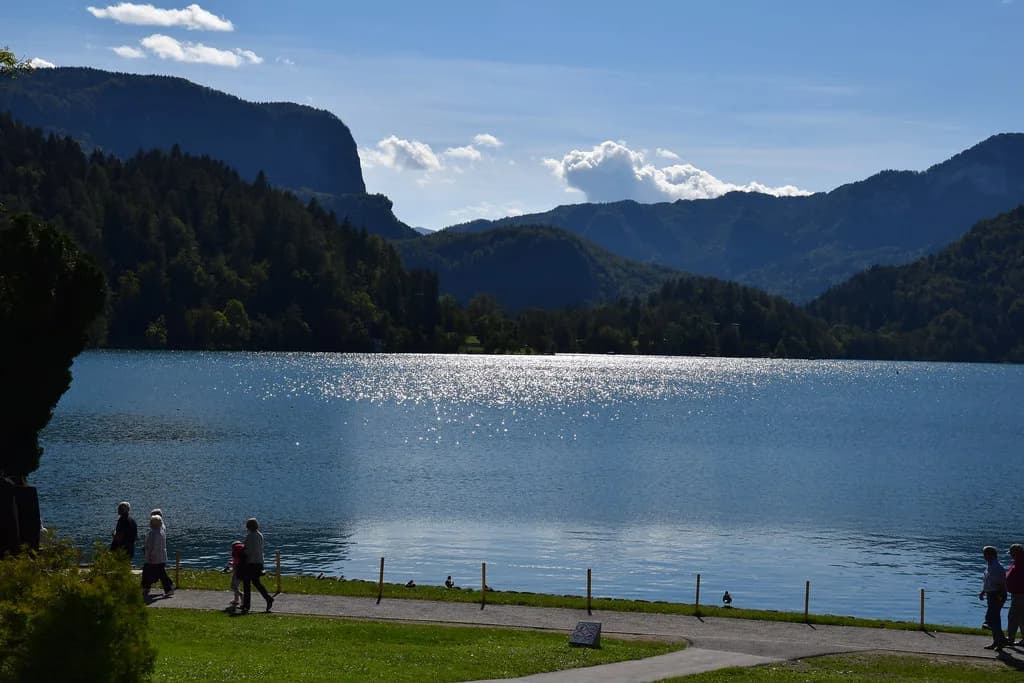
For an easy introduction, walk from Ribčev Laz to Savica waterfall, roughly 30 minutes each way, where the gold-and-green valley floor sits against limestone walls. The lake circuit at Bohinj is similarly straightforward and rewards an early start before the mist lifts. Both stay well within the altitude band that remains comfortable in October.
In the upper Soča region, low-angle light in the gorge is at its most dramatic in October, and the river reflects a clear autumn sky that photographs struggle to reproduce. The payoff is atmospheric rather than adventurous: this is walking and looking country once the rafting season ends.
Hiking in October: what works below 1,800m and what becomes risky above
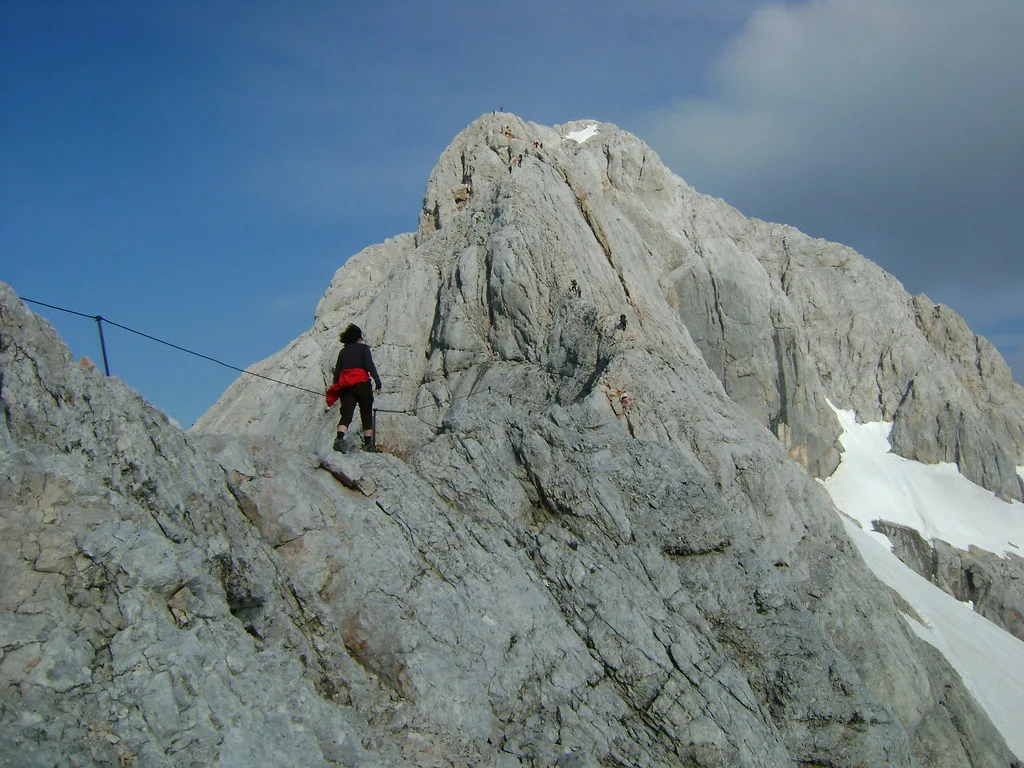
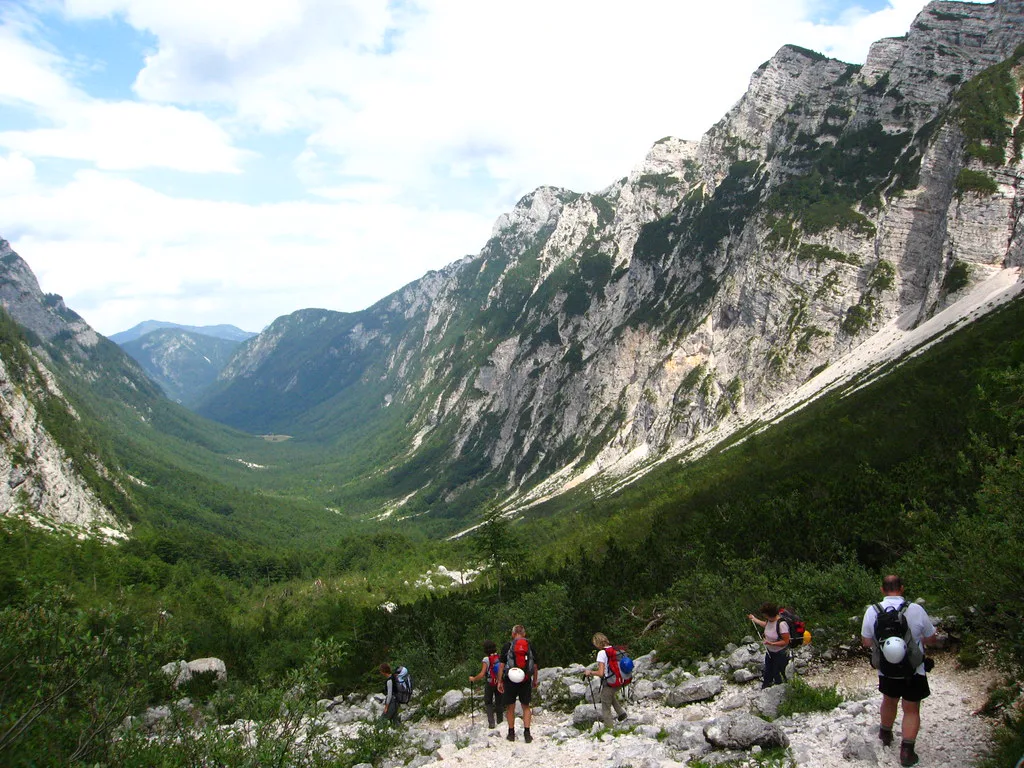
Routes below about 1,800m are excellent through October, including the Soča source path in Trenta, the Bohinj lake circuit and lower Triglav approaches to the first huts. Above 2,000m, ice can form on shaded rock faces and early snowfall is possible, so fixed-equipment routes and via ferrata demand real experience and current conditions.
Mountain huts mostly close around 30 September or the first weekend of October, with high-altitude huts shutting earlier, so multi-day hut-to-hut plans rarely survive into mid-October. Build day walks from valley bases instead, and confirm hut status with the local tourist office before relying on a bed or a meal.
Weather is less settled than midsummer, so choose routes with villages and transport nearby in case plans change. Lower-altitude valley walks with good access are the sensible choice late in the season, and an early start matters more as daylight shortens.
The Soča Valley and Bovec as the season winds down
Bovec and the Soča Valley are at their most atmospheric in the first weeks of autumn, when the summer season has ended but river operators are often still running. September flows after summer rain are frequently rated better than August for volume, which is why guides recommend that window for rafting.
Most adventure operators in the valley close by the end of October, and some finish in mid-October depending on weather, so book water activities for the front half of the month. After that, the valley shifts to walking, museum visits and quiet drives.
The Kobarid Museum pairs well with the outdoor Kobariški Stok walk, which covers First World War history in the hills above town. In October the combination works in uncrowded, contemplative conditions rather than the summer scrum.
Wine country: Goriška Brda and the Vipava Valley at harvest
Goriška Brda, which borders Italy's Collio, is Slovenia's most celebrated white wine region, and the harvest runs through September and October. Producers such as Movia, Ščurek and Štekar accept visitors, but book ahead during picking because local activity peaks then. Rebula, Malvazija and skin-contact orange wines are the specialties to taste.
A self-guided day trip from Ljubljana works well by car: leave around 9am, detour briefly to the Solkan stone arch railway bridge near Nova Gorica, then enter the hills through Šmartno, Dobrovo and Kozana. This is why renting a car in Slovenia pays off outside the cities, with wine country reached in roughly 90 minutes from the capital.
The Vipava Valley, about 30 minutes east, offers comparable quality with indigenous Zelen and Pinela grapes and a distinct wind microclimate called the burja. October lets you taste the newest vintage while the year's grapes are still being processed, a pleasure summer cannot deliver.
Autumn is also mushroom season. Porcini and chanterelles appear in the forests of the Karst and the Julian foothills, and gostilne that cook seasonally put fresh mushroom dishes on the menu. Truffles are found in the Karst and Slovenian Istria from September through November, and organized searches can be arranged locally.
The coast: Piran, the Sečovlje salt pans and the Parenzana Trail
Piran in autumn is a different town from its August self: the old town is genuinely quiet, the fish restaurants cook their best menus and the afternoon light is warmer. October also brings the Portorož Film Festival, usually held late in the month, with public screenings that liven up the waterfront.
The Sečovlje salt pans, about 6km from Piran, are worth timing for September or October at the end of the harvest season, when guided tours of the centuries-old salt-making operation run through a flat, reflective landscape of ponds and salters' cottages. The Parenzana Trail, following the former Trieste–Poreč narrow-gauge railway, is far more appealing on foot or by bike once the summer heat has gone.
If the coast is the anchor of your trip and you want warmer water and busier evenings, compare with the peak months. Our guide to Slovenia in August explains what a high-season coastal stay involves, which is a very different proposition from a quiet October walk along the shore.
What closes in October
Vintgar Gorge closes around early November, with the exact date varying with weather, so it usually remains an option for an October visit. Postojna Cave, Predjama Castle, Škocjan Caves, Ljubljana's museums and restaurants and Piran's old town stay open year-round.
Seasonal lake services at Bled and Bohinj wind down in late October, including rowing boat hire, some beach facilities and a share of lakeside restaurants. Boat hire and certain mountain huts close progressively from late September, so treat any single-operator service as seasonal and ask when you arrive.
High passes are the other variable. If Vršič is part of your route between Kranjska Gora and the Soča Valley, check the pass's status with DRSI before you set out and build in the longer Tolmin alternative if it is closed. Road conditions change quickly once snow arrives at altitude.
How many days you need
Five to seven days covers a strong October trip: two nights around Bohinj or Bled for the larches, two in the Soča Valley for walking, and a day in Goriška Brda for the harvest. Adding Piran costs another night and a long drive, which is only worth it if the coast is a genuine priority. If you are weighing a coastal extension elsewhere on the Adriatic, our guide to whether Pula is worth visiting applies the same honest test to Croatia's Roman port.
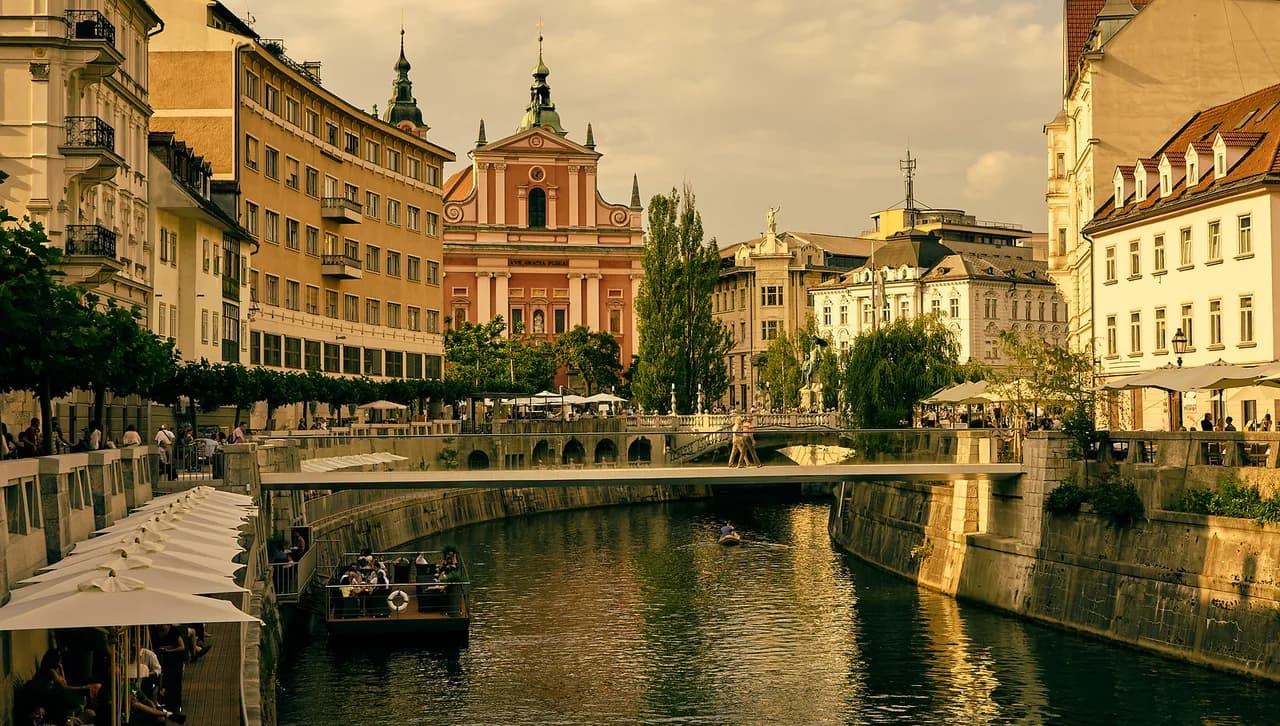
Ten days lets you slow down and absorb the wine country properly, with time in Ljubljana and a coastal finish. Our Slovenia itinerary suggests routes that connect the Alps, the Karst and the coast in a logical loop, which matters more in October when mountain roads can reroute you.
Travelers wanting a broader mix of towns can also fold in the country's urban side. Our pick of the best cities in Slovenia helps you decide whether Ljubljana, Maribor or a smaller town deserves a night of your limited October daylight.
What October costs
October is one of the cheaper months to travel in Slovenia. Accommodation prices typically drop 20–40% from the summer peak, which is the clearest financial argument for shifting a trip later. Restaurant reservations are easier, and the most desirable rooms only fill quickly on autumn colour-peak weekends.
Slovenia uses the euro, so travelers from the eurozone avoid exchange costs entirely. Budget categories rather than exact figures are the useful planning tool here, since entry fees and tour rates change by operator and season.
For a fuller breakdown of what a trip realistically costs, including food, transport and admissions, our guide to whether Slovenia is expensive sets out the categories that drive the budget. Use it to sanity-check your daily spend before booking.
Getting there and getting around
Most trips start at Ljubljana Jože Pučnik Airport, with a hire car collected on arrival being the simplest way to reach Bohinj, the Soča Valley and the wine hills in one loop. Public transport reaches the main towns, but vineyard villages and trailheads reward a car.
Distances are short by Central European standards: Goriška Brda is roughly 90 minutes from Ljubljana by car, while the coast and the Alps each sit within a few hours. In October the constraint is daylight and mountain weather rather than traffic, so plan each day around a morning drive and an early stop.
If you would rather compare an earlier autumn departure with a later one, our guide to Lake Bled in June shows what the high season looks like at the country's signature sight. The difference in crowding is the single strongest argument for October.
Should you choose October or another season?
For hikers and wine travelers, October is close to ideal, with the caveat that early October preserves far more of the season's infrastructure than late October. Late in the month you gain the deepest quiet and the strongest colour, and you accept icy high routes, closed huts and shorter days.
If swimming, boat hire and long evening light matter more than larch colour, go earlier in the autumn. Our guide to Slovenia in September covers the window when summer conditions persist without summer crowds, which is the better match for a lake-and-coast holiday.
For a spring alternative, April brings greenery and waterfalls but cooler, less predictable weather and higher ground still under snow. Compare the two seasons directly in our Slovenia in April guide before deciding which fits your appetite for rain.
Plan Your Visit
Book October if you want Slovenia's landscape at its most photogenic and its trails at their quietest, and go in the first half of the month if hiking or river activities are central. Accept shorter days, frequent rain and the possibility of snow above 1,500m, and keep a flexible road plan in case Vršič closes.
Build the trip around one mountain base and one wine-country day, then add the coast only if you have extra nights. That structure keeps driving sensible as daylight shrinks and leaves room to chase the larch colour around Bohinj when it peaks.
Explore more Slovenia trip-decision guides
Frequently Asked Questions
Is October a good time to visit Slovenia?
Yes for most travelers, especially hikers, wine travelers and photographers. Crowds thin sharply after September, accommodation is cheaper than in summer and the Julian Alps turn gold. The trade-off is shorter daylight, more frequent rain and seasonal closures from late October.
What is the average temperature in Slovenia in October?
Ljubljana typically sees highs of roughly 15–18°C (59–64°F), with daily averages spanning about 8–16°C (46–61°F). Expect around four hours of sunshine on a typical day. Alpine areas are considerably cooler and can see early snow above 1,500m.
Is Slovenia crowded in October?
No, October is one of the quietest months. The queues at Lake Bled and Postojna Cave largely disappear from mid-September, and restaurant reservations become easy. The exception is autumn colour-peak weekends, when desirable rooms near Bohinj fill faster than usual.
Can you still hike in the Julian Alps in October?
Yes, below about 1,800m, where routes such as the Bohinj lake circuit and lower Triglav approaches remain excellent through the month. Above 2,000m, ice and early snow make fixed-equipment routes and via ferrata risky. Mountain huts mostly close around 30 September or the first October weekend.
Is the sea warm enough to swim in Piran in October?
Seawater sits around 18–20°C (64–68°F), which suits a short dip more than a swimming holiday. September is warmer, at roughly 20–23°C. October's better argument is quiet streets, good fish menus and warm afternoon light on the old town.
What closes in Slovenia in October?
Lake boat hire, some beach facilities and a share of lakeside restaurants at Bled and Bohinj wind down in late October. Vintgar Gorge usually closes around early November. Postojna Cave, Predjama Castle, Škocjan Caves, Ljubljana's museums and Piran's old town stay open year-round.
Does it snow in Slovenia in October?
Snow is possible above 1,500m, and the first heavy fall can close the Vršič Pass, forcing the longer Tolmin route between Kranjska Gora and the Soča Valley. Valleys and towns generally see rain rather than snow. Check road conditions before any high pass drive.
How many days do you need in Slovenia in October?
Five to seven days covers Bohinj or Bled, the Soča Valley and a day in Goriška Brda wine country. Ten days adds Ljubljana and the coast without rushing. Fewer days works only if you pick one region and skip long transfers.
Sources
Trip-decision notes
Optional updates when we publish or revise a destination verdict.
You might also like
Continue reading
More guides you'll find useful