Is Rovinj Worth Visiting? Croatia Istria Travel Guide
Rovinj is worth visiting for its car-free old town, St. Euphemia's bell tower and Istrian food and wine. It suits slow travelers and food lovers best.
On this page
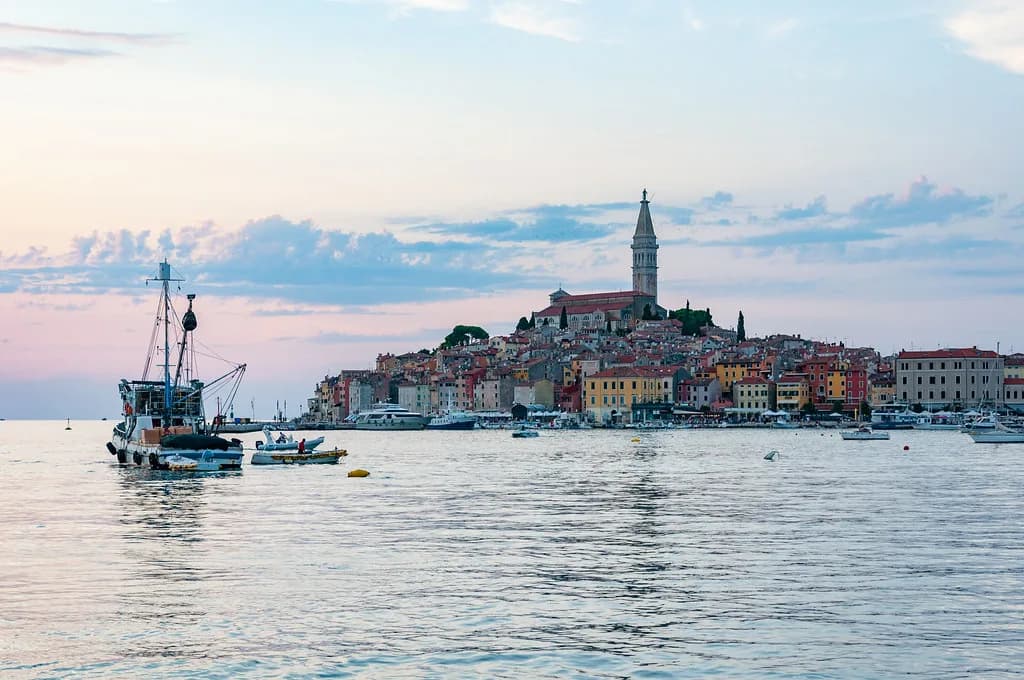
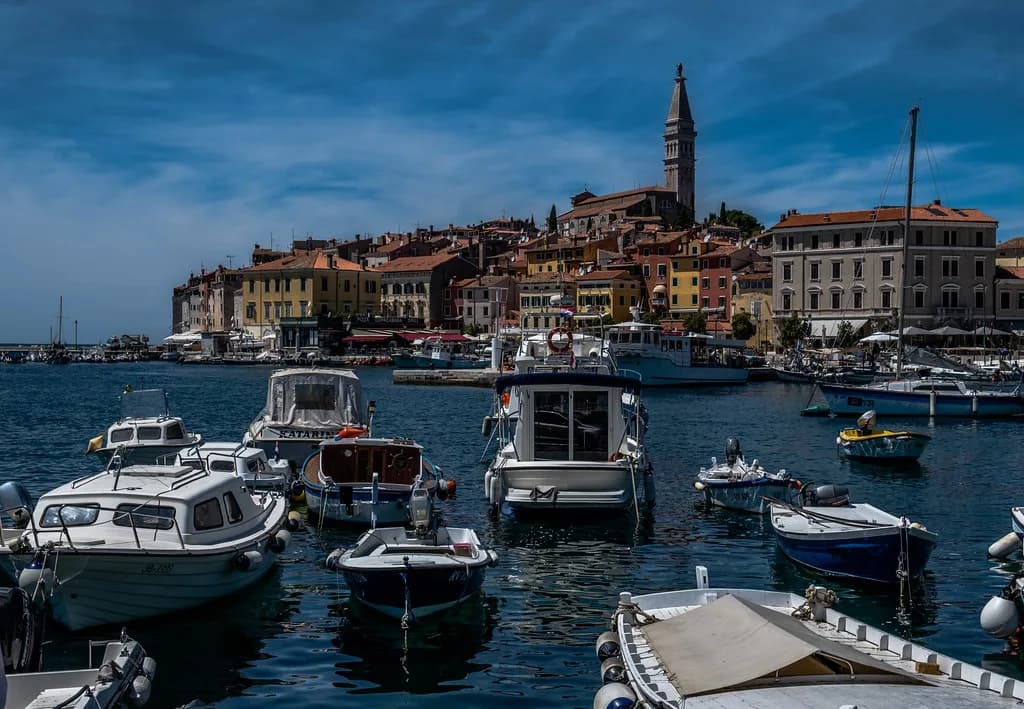
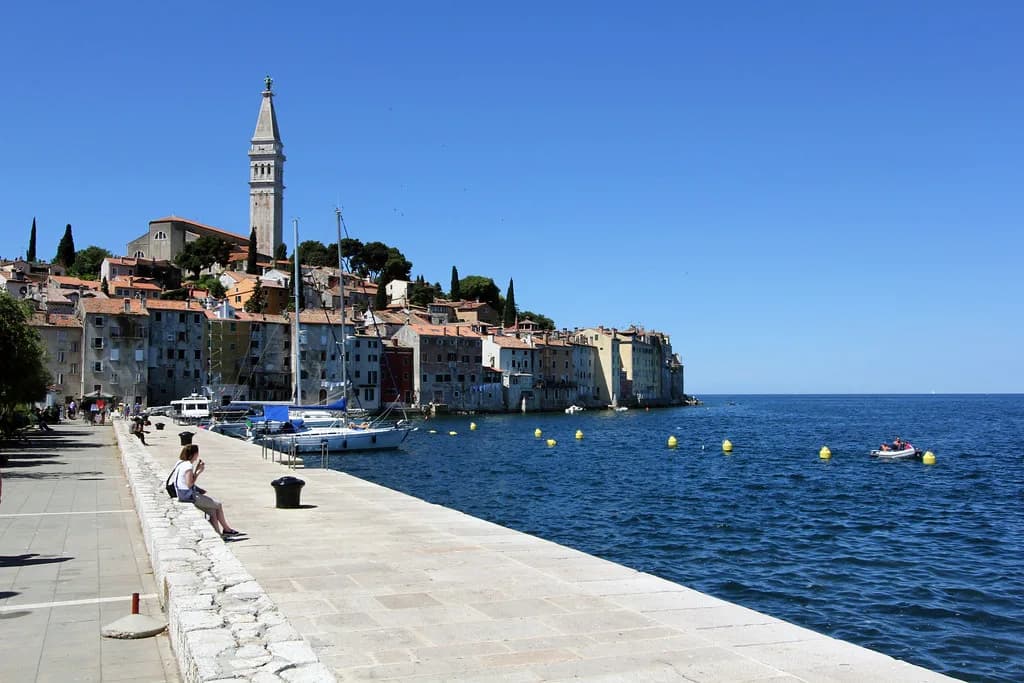
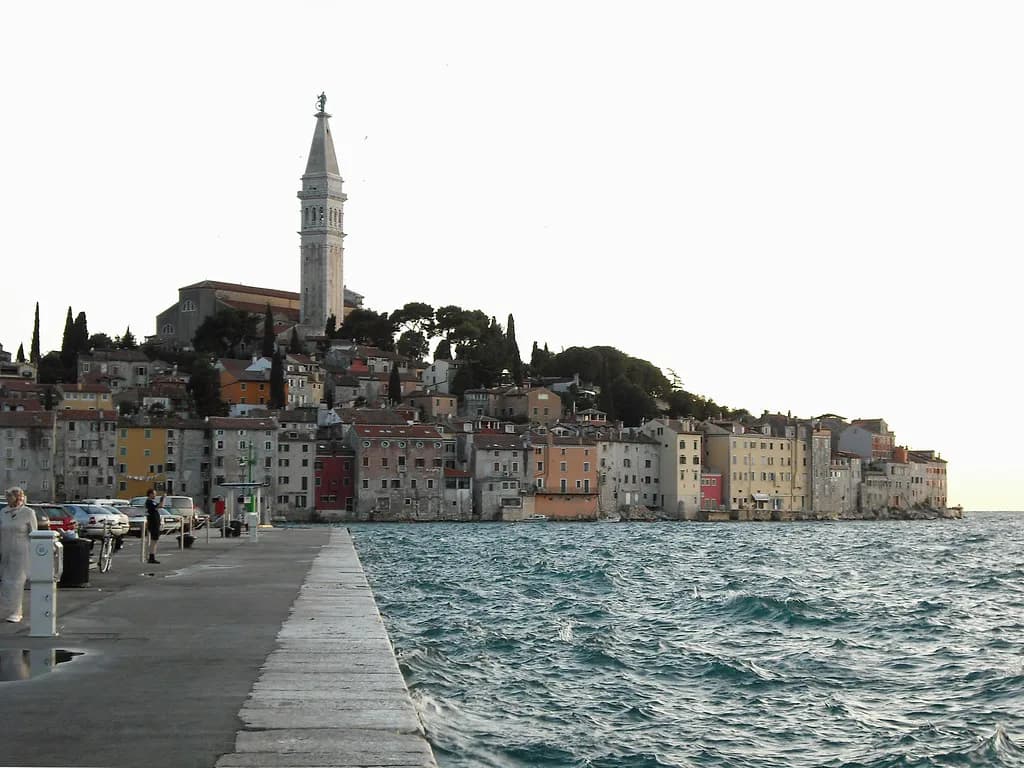
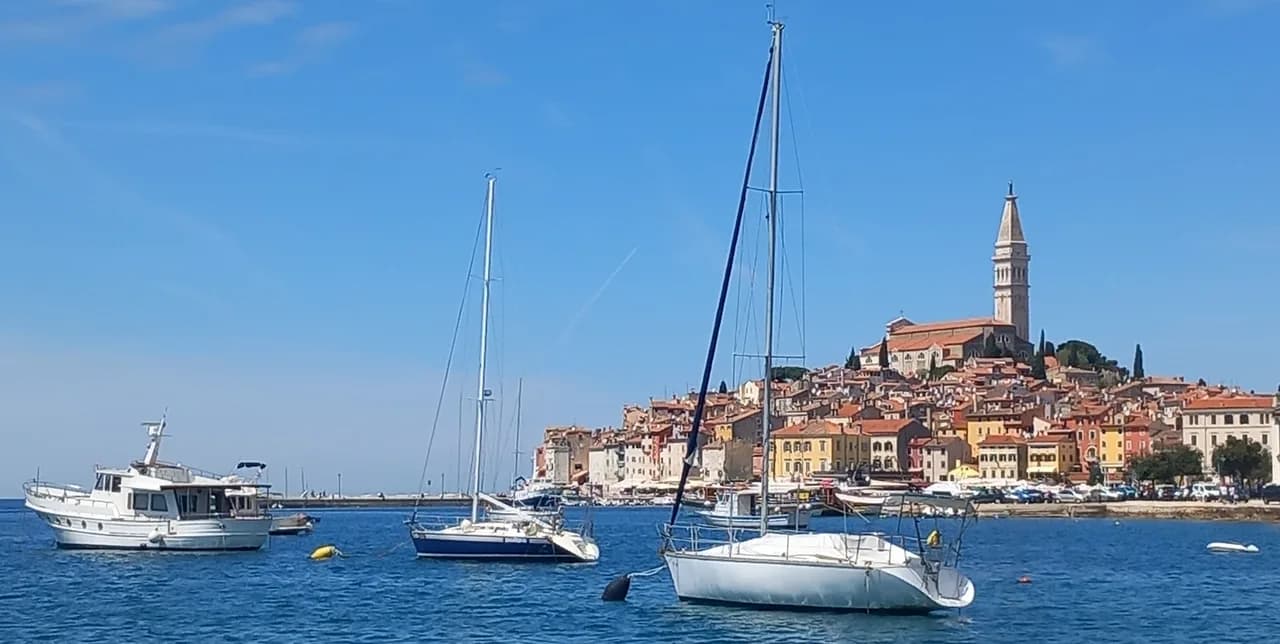
Yes, Rovinj is worth visiting — for the right traveler. The old town climbs a small hill that was an island until the channel around it was filled in 1763, so you get narrow cobbled lanes, pastel facades and the bell tower of St. Euphemia rising over the Adriatic instead of traffic. It is a compact, largely car-free place that rewards walking, eating Istrian food and doing very little, which is exactly why it divides visitors.
The honest caveat is that Rovinj is not a beach resort in the sandy sense, and it is not a city break with major museums. Its shoreline is rock, its lanes are stairs, and its pleasures are slow ones. If that sounds like your kind of trip, keep reading; if you wanted warm shallow sand and a flat promenade, Istria has better answers for you.
The verdict
Rovinj suits slow travelers, couples and food-and-wine people who want a walkable base with excellent seafood, Istrian truffles and local wine. Two to three nights is the sweet spot: one full day for the old town and the tower, another for the coast and a boat, and a third if you want a day trip.
Choose somewhere else if your priority is sand between your toes, if you need step-free access everywhere, or if you want evening entertainment beyond restaurants, bars and harbor strolls. Families with small children and anyone with mobility limits should weigh the cobblestones and stairs carefully before booking, because they define almost every route through the center.
Why Rovinj is famous
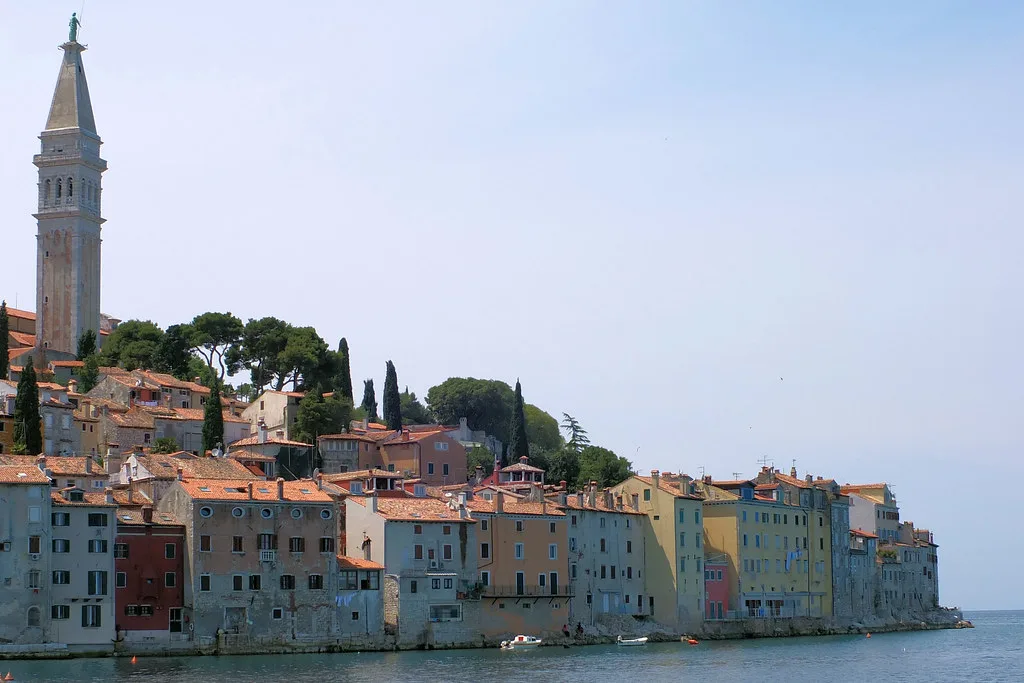
Rovinj's silhouette is its signature: a cluster of tall stone houses packed onto a former island, crowned by the Church of St. Euphemia and a campanile modeled on St. Mark's in Venice. The Venetians ruled here for centuries, and the architecture, the food and the easy café culture read more Italian than Central European.
The other famous draw is the everyday life of the place. The Green Market at Valdibora Square, near the edge of the historic port, sells fresh fish, local produce, homemade jams and Istrian truffles, and it is the kind of morning stop that tells you more about Rovinj than any viewpoint. Beyond that, the town is simply pleasant to wander, with boutiques, wine shops and hidden side streets.
Who will love it
Slow travelers and couples get the most from Rovinj. The pleasure here is unhurried: a coffee on a cobbled lane, a long seafood lunch, a sunset from the rocks below the church. If you like the idea of a small Adriatic town with an Italian accent and no need for a car once you arrive, this is your place.
Food and wine lovers should plan around the local table. Look for Istrian fuži pasta, truffles shaved over simple dishes, pršut dried ham, fresh seafood and Teranino, the liqueur made from Terrano red wine. Cyclists also have real options, with marked trails through the peninsula and rental outfits serving the old town area.
Day-trippers based in Poreč or Pula can see the core of Rovinj comfortably in a day. Cruise passengers should note that the town fills on ship days, so an early start on the tower and the market makes a visible difference to how crowded the lanes feel.
Who should choose somewhere else
Sand-seekers should look elsewhere. Rovinj's swimming is off rocks and concrete platforms, and the water gets deep quickly; water shoes help, but this is not a bucket-and-spade coastline. Families wanting gentle shallows will be happier at a purpose-built beach resort elsewhere in Istria.
Travelers who want museums, galleries and nightlife will find Rovinj thin. It is a town for eating, walking and looking at the sea, not for filling days with attractions. Anyone with mobility limits should also be realistic: the center is stairs and uneven stone, and the climb to the church is steady.
What to actually do
Start with the church and climb the campanile for the best view in town, over the rooftops and the scattered islands offshore. Below it, the old town is made for wandering without a plan: take the narrowest lane, find a square, stop for a glass of wine. The Valdibora market is the other essential stop, best in the morning when the fish and produce are out.
Get on the water at least once. Boat trips leave from the Valdibora area, and the classic short hops go to Katarina Island and Red Island, also known as St. Andrew's Island, where a sixth-century Benedictine church survives. Sunset trips are popular for good reason: the pastel facades of the old town catch the last light.
On land, rent a bike and ride south through the forest park at Punta Corrente, or take on a longer route such as the Parenzana trail through the Istrian interior. Organized bike tours of three to eight hours cover seaside routes and trips toward Pula if you would rather not navigate yourself.
The beaches
Baluota Beach, also called Monte, sits just below the church on the southwest corner of the old town. It is flat rock and deep, clear water within steps of the cafés, which makes it the easiest swim in Rovinj and the busiest. Bring shoes that grip; the rock is rough in places.
Punta Corrente, the Golden Cape, is about a 1.5-kilometer walk south of the old town and reachable only on foot or by bike. It is a forest park with a rocky shoreline, quiet compared with the center and ideal for a half-day of swimming, running or cycling.
The islands add variety. Katarina Island is a five-minute boat ride from the port, with stony beaches, concrete platforms and steps into deeper water on its eastern side. Red Island is roughly fifteen minutes by taxi boat, with a mix of pebble, rock and concrete and reliably good water quality.
Food and wine
Seafood is the headline, and the better places along the water reward booking ahead, especially for a sunset table. Istrian cuisine runs through everything: fuži pasta, truffles, pršut, and Teranino to finish. You can eat well at many price points, from casual konobas to waterfront restaurants with wine lists built around Istrian producers.
Time your visit around a festival if food and wine are the point. St. Euphemia's Day is a three-day celebration around September 16 honoring the town's patron saint, and the Rovinj Wine Festival pours small tastings from roughly 25 Istrian wineries on one entrance ticket that includes a pass and a commemorative glass. A truffle festival follows in October and an olive oil festival in November.
Day trips
Pula, about 45 minutes south, is the strongest day trip: a Roman arena among the best preserved outside Rome, an Augustan forum and a working harbor. Poreč, roughly 45 minutes north, has the UNESCO-listed Euphrasian Basilica, the most complete Byzantine complex of its kind. If you are weighing a base, read is Poreč worth visiting before you commit.
Inland, Motovun is under an hour away and best after the tour buses leave, when the hilltop walls and views belong to whoever stays for dinner. Pazin Castle, about 35 kilometers from Rovinj, is the largest and best-preserved castle in Istria. Plitvice Lakes is a two-hour drive and a long day; most travelers do it from Zagreb instead.
If you are comparing Adriatic towns with a similar Venetian look, Piran vs Rovinj is the trade-off worth reading: Slovenia's Piran is smaller and quieter, Rovinj has more restaurants and easier access to the rest of Istria.
Drawbacks
Summer brings crowds and peak-season prices, and the narrow lanes can feel packed when a cruise ship is in. Parking near the center is limited, and driving into the old town is not realistic; leave the car and walk. The reward is that once you are inside, the center is largely car-free.
The sea entry is rocky, which is beautiful to look at and awkward underfoot, and the beaches are mostly stone and concrete rather than sand. Weather also shapes the trip: July and August are hot and busy, while shoulder months are cooler and calmer but not guaranteed beach weather.
Weather by month
Treat these as typical seasonal conditions rather than forecasts, and check the Croatian national weather service for the week you travel. Coastal Istria has warm, dry summers and mild springs and autumns. May, June and September are the sweet spot: warm enough for swimming for many visitors, with fewer people in the lanes.
Spring builds from cool and changeable in March and April to genuinely pleasant by May, with daytime temperatures typically in the high teens to low twenties Celsius (roughly 64–75°F). April is quieter and cheaper but can be wet and windy, so plan indoor time around food and wine.
High summer is hot, with daytime highs commonly pushing into the high twenties to low thirties Celsius (mid-80s to around 90°F) and warm sea temperatures. Autumn stays pleasant into October before cooling quickly in November, when many coastal businesses wind down.
How many days you need
One full day covers the essentials: the church and tower, a wander through the old town, the Valdibora market and a seafood dinner. Two days add a beach afternoon at Punta Corrente or a boat to Katarina or Red Island. Three lets you take a day trip to Pula or Poreč without rushing.
If you want to use Rovinj as a base for all of Istria, allow four nights or more. The distances are short but the roads are slow in summer, and the pleasure of the town comes from not treating it as a checklist.
Typical costs
Rovinj is mid-to-upper priced by Croatian standards, with waterfront tables and sunset seating commanding the most. Seafood lunches and casual konobas are the value end; a bottle of Istrian wine from a shop costs far less than the same bottle in a restaurant. Croatia uses the euro, so ignore any outdated kuna figures you find.
For transport and boat prices, use what operators publish rather than old blog posts. Taxi boats to Red Island are advertised at around 5 euros each way from the town piers, and island shuttle tickets are sold locally. Verify fares at the stand or with the operator when you arrive instead of relying on a figure from an older guide.
Getting there and around
Most travelers reach Rovinj by road: it is a straightforward drive from Zagreb or from Trieste, and rental cars make the Istrian day trips easy. Buses connect Rovinj with Pula, Poreč and other Istrian towns; for routes, times and the Venice ferry season, start with how to get to Rovinj.
Once you arrive, ditch the car. The old town is pedestrianized in practice, and boats from the port handle the islands. If you are weighing a Roman-heavy port city against this small Venetian-flavored town, is Pula worth visiting sets out the comparison clearly.
Verdict by Traveler Type
Food-and-wine couples: yes, two to three nights, ideally in May, June or September. Families with young children: only if you accept rocky beaches and stairs; consider Poreč instead. Cyclists: yes, with the Parenzana trail and organized tours as the anchors.
Cruise passengers with a few hours: yes for the tower, the lanes and a coffee, and the town repays a short visit. Off-season visitors: yes, if you want quiet streets and lower prices and do not need beach weather. If any of this still leaves you undecided, our Rovinj verdict stands: go for the town, not for the sand.
Explore more Rovinj trip-decision guides
Frequently Asked Questions
Is Rovinj worth visiting?
Yes, for travelers who want a compact, car-free old town with Venetian architecture, a climbable bell tower and excellent Istrian food and wine. It is less suitable if you want sandy beaches, major museums or step-free walking everywhere, since the center is cobbled and built on a hill.
Why is Rovinj famous?
It is known for its postcard silhouette: tall stone houses packed onto a former island, crowned by the Church of St. Euphemia and its campanile. The Venetian-era architecture, the Valdibora green market and the Istrian food and wine scene are the other reasons people come.
How many days do you need in Rovinj?
One full day covers the old town, the church and the market. Two days add a beach or a boat to Katarina or Red Island, and three let you fit in a day trip to Pula or Poreč. Allow four nights or more if you want to use Rovinj as a base for exploring all of Istria.
Are the beaches in Rovinj sandy?
No. The shoreline is mostly rock, pebble and concrete platforms, with deep, clear water close to shore. Baluota below the church is the easiest swim, Punta Corrente is a 1.5-kilometer walk south, and the islands are reached by short boat rides. Water shoes are worth bringing.
Is Rovinj expensive?
It is mid-to-upper priced by Croatian standards, with waterfront tables and sunset seating costing the most. Casual konobas and market food keep costs down, and Croatia uses the euro, so you can budget without currency conversion. Compare current menu prices rather than older guides.
When is the best time to visit Rovinj?
May, June and September offer the best balance of warm swimming weather and thinner crowds. July and August are hot, busy and priciest, while April and October are quieter and cooler with a higher chance of rain. Check the Croatian national weather service for conditions near your dates.
What can you do on a day trip from Rovinj?
Pula, about 45 minutes south, has a Roman arena and forum. Poreč, roughly 45 minutes north, has the UNESCO-listed Euphrasian Basilica. Inland, Motovun is under an hour away and Pazin Castle is about 35 kilometers off. Plitvice Lakes is a two-hour drive and a long day.
Sources
Trip-decision notes
Optional updates when we publish or revise a destination verdict.
You might also like
Continue reading
More guides you'll find useful