Rovinj in September: Weather, Crowds and Whether to Go
September is Rovinj's sweet spot, with warm sea and thinner crowds than August. Here is who should go, what changes by mid-month and where to swim.
On this page
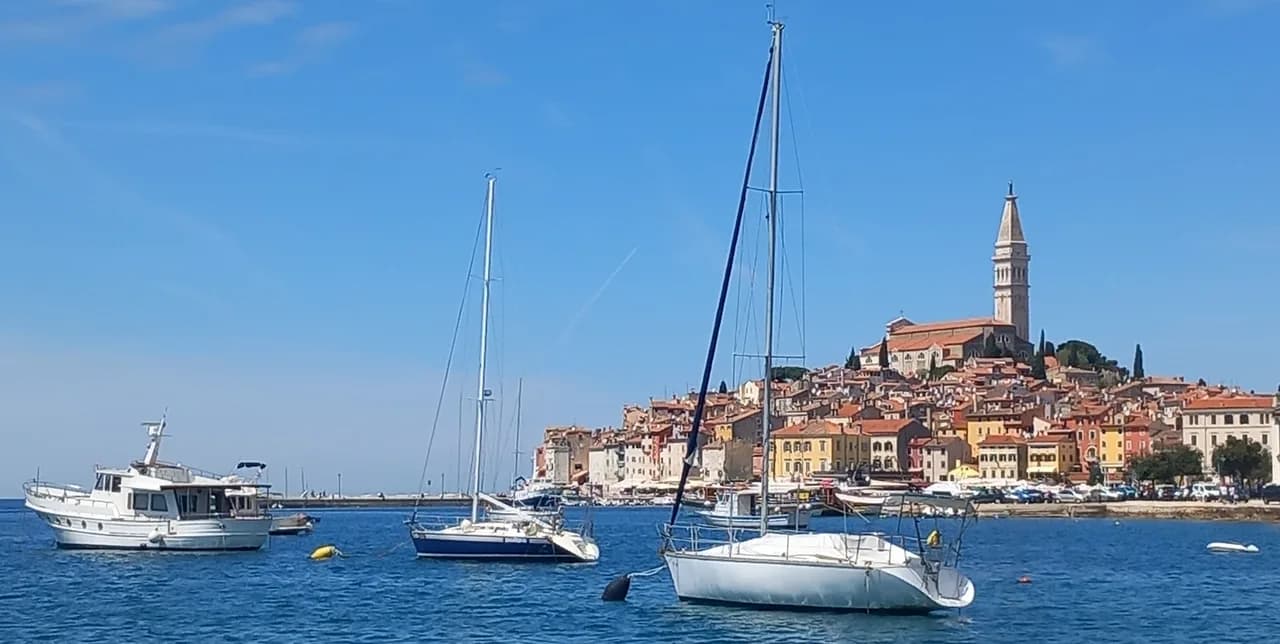
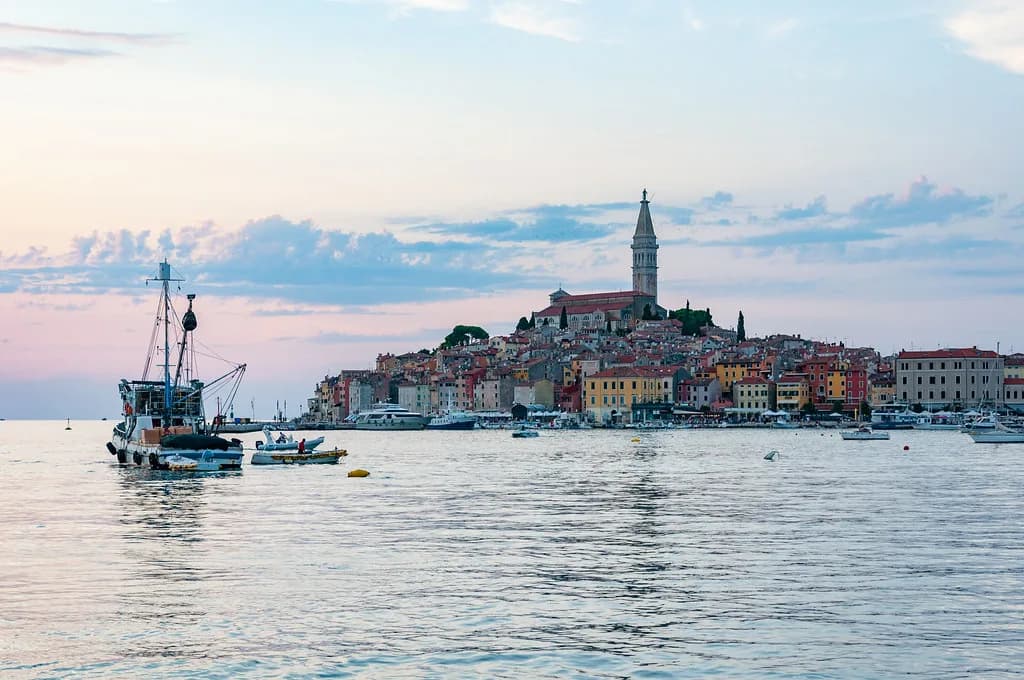
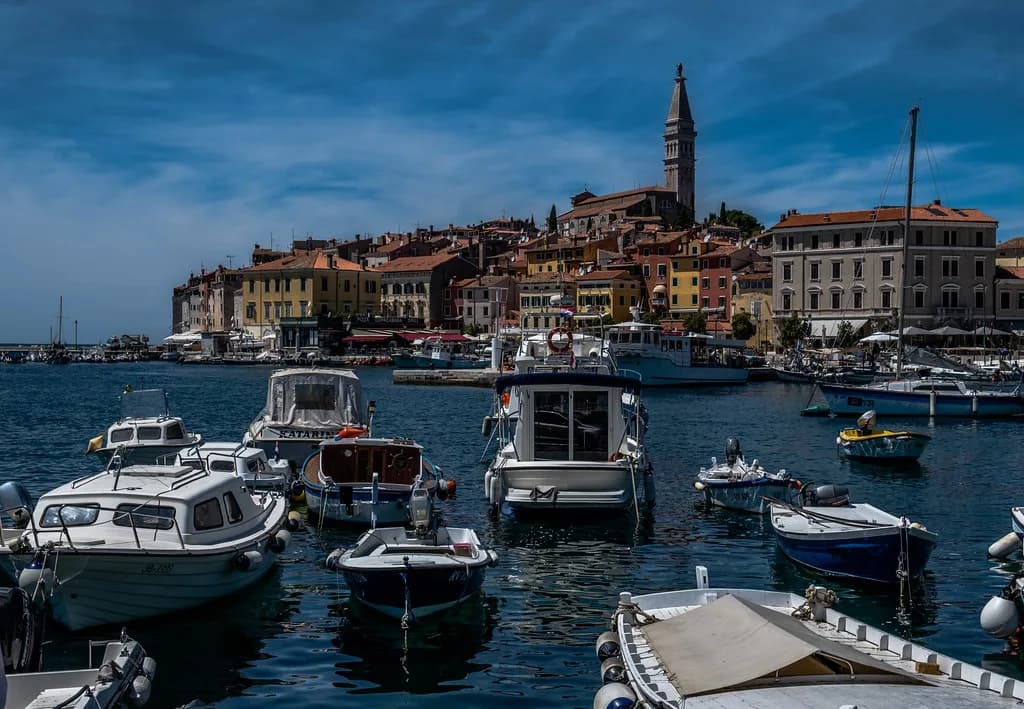
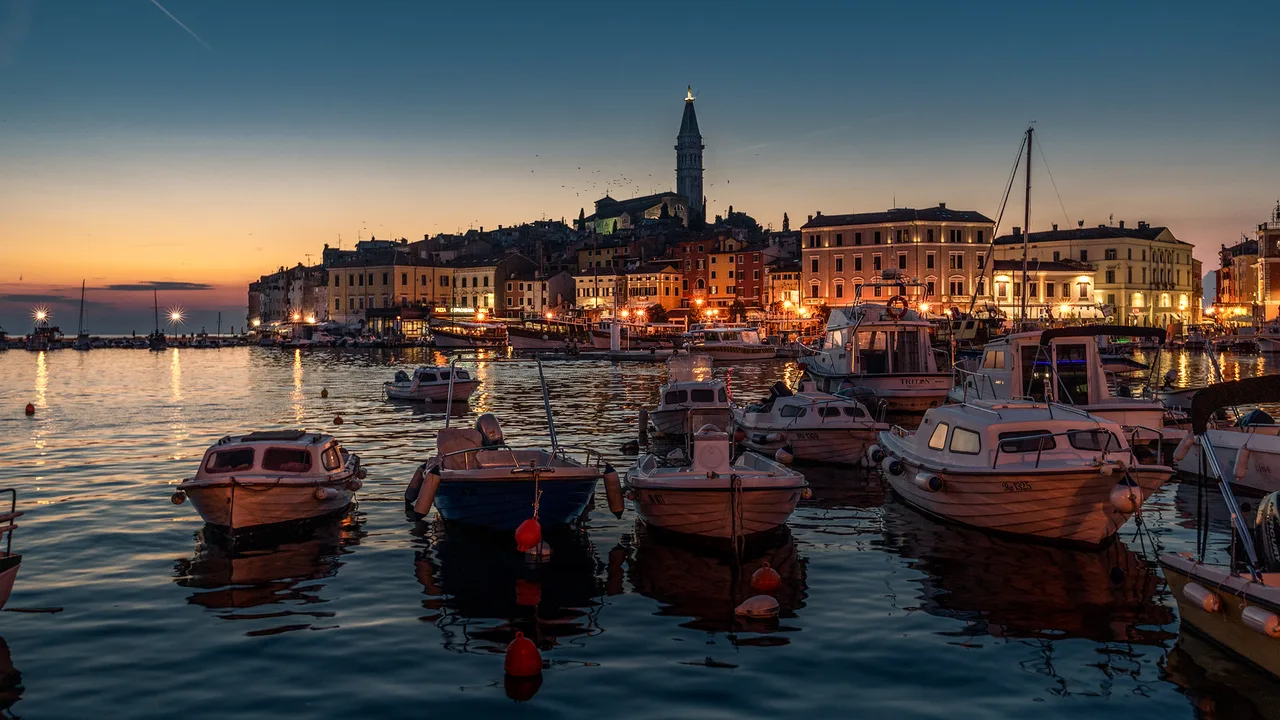
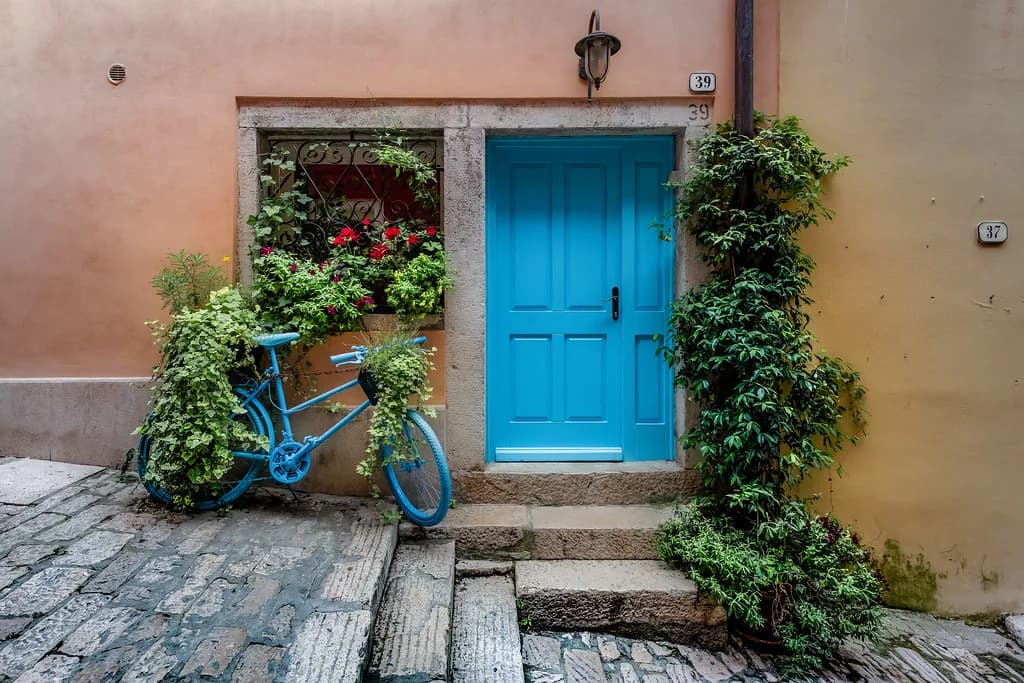
Go in September. For most travelers Rovinj in September beats July and August on every count that matters: the water is still warm enough for long swims, the old town is walkable without queuing for a table, and the light on the pastel facades is better for photographs. It also beats June for anyone who prioritizes sea temperature over the longest days.
The catch is that September is two different months. The first half behaves like summer with fewer people; the second half behaves like early autumn, when swimming becomes a decision rather than a habit and the waterfront thins out. Pick your week before you pick your dates. Travelers who treat the month as one uniform shoulder season get the wrong half.
The verdict
September suits couples, walkers, photographers and food-and-wine travelers who want Rovinj's Venetian-looking peninsula without peak-season density. It suits swimmers in the first half and still works for them in the second if they are not fussy about air temperature. It does not suit anyone who needs guaranteed hot beach weather, and it is the wrong month for travelers who want the full summer boat and bar scene running at maximum.
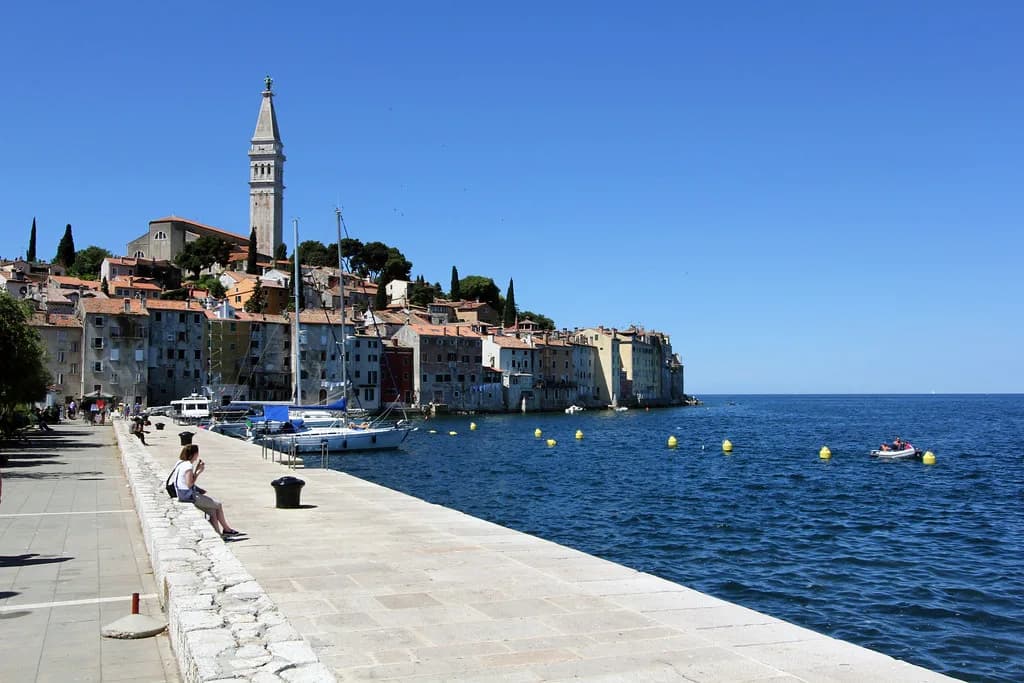
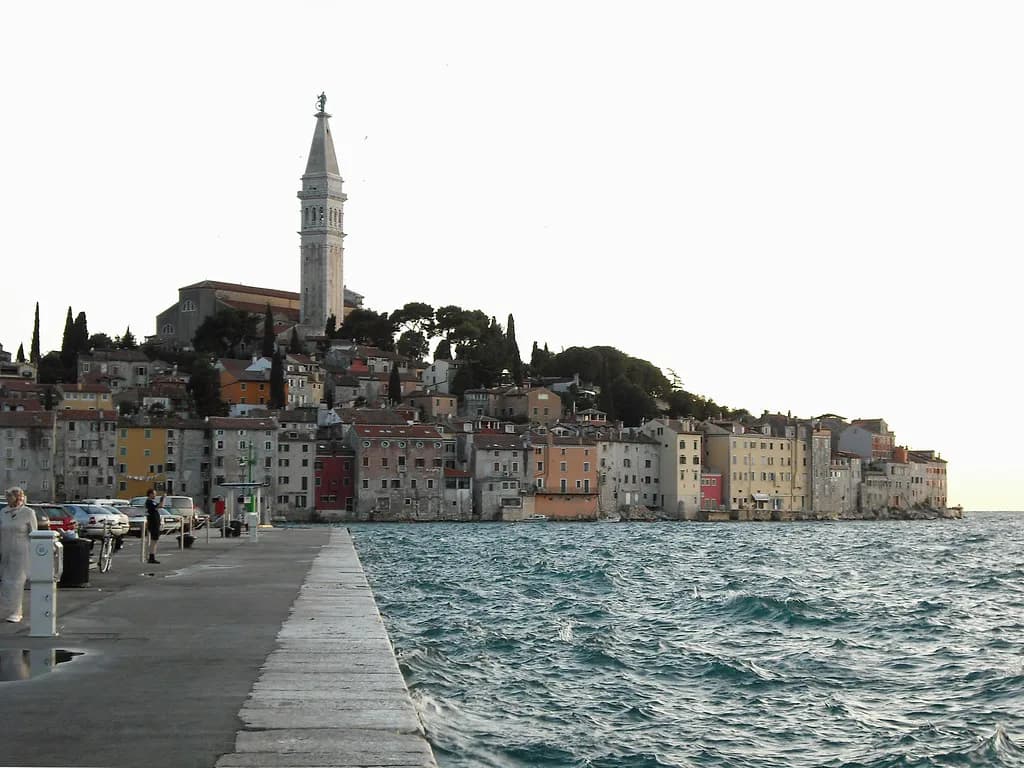
The reason is structural. Rovinj's old town is a car-free knot of steep, polished cobblestones climbing to the Church of St. Euphemia, and its pleasures are mostly walking, eating and looking. That kind of town improves as the crowds fall. The beaches are rocky rather than sandy, so a hot day matters less than a calm, clear sea.
September weather: typical conditions, not a forecast
Treat September as warm rather than hot. The month's reputation rests on mild, settled days that still allow both sightseeing and swimming, and seasoned visitors rate September alongside June as the pick of the year, with May and October as cooler, quieter alternatives. For official monthly normals, including rain days and sunshine hours, read the Croatian meteorological service's published climate figures for the Istria coast before you lock dates.
What you can count on is a steady slide across the month: the first days feel like late summer, the last days feel like autumn, and rain becomes more likely as September gives way to October. The Adriatic holds its heat longer than the air does, which is why late-September swimming is often more comfortable than late-September sunbathing. Check the DHMZ sea-temperature bulletins for the actual reading in the week you travel.
First half versus second half of the month
Early September is the version most people imagine: beach mornings, a long swim off the rocks below the old town, an afternoon in the Punta Corrente forest park, dinner on the water. Boat trips still run, the harbour at Valdibora is busy, and the sea is at its warmest of the year after a whole summer of sun. Book this window if swimming is the point of the trip.
Late September rewards a different plan. Shift the emphasis to the old town, to the hill towns inland and to long lunches, and treat a swim as a bonus on a sunny afternoon rather than the day's centrepiece. Walking becomes genuinely pleasant on the steep lanes, and the Grisia art street is explorable rather than packed. If you want the sea at its warmest but cannot travel early, aim for the middle of the month as the compromise.
Crowds and prices
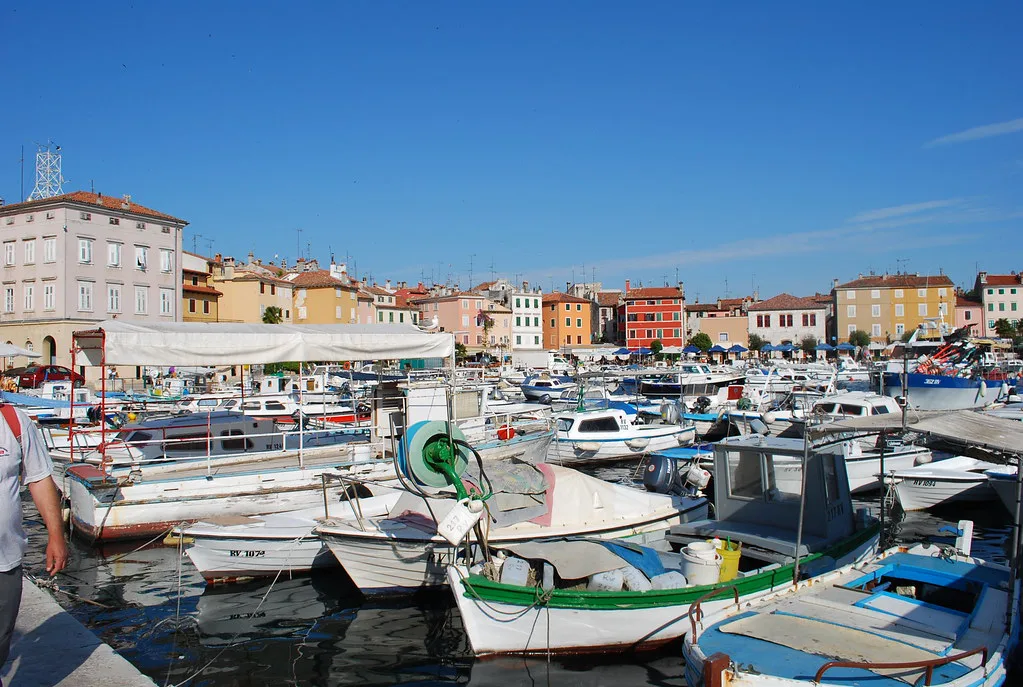
July and August are when Rovinj strains: restaurant tables in the centre need booking, the car-free lanes fill, and the town's tourist-facing character is at its most obvious. September eases that considerably, and the contrast is sharpest in the second half. The trade-off is that a few places begin trimming their hours or closing for the season as the month advances, so the later you go, the more you should plan around a smaller set of open kitchens.
Prices generally soften after the August peak, though Rovinj remains a popular, professionally tourist-oriented town rather than a bargain. For a realistic breakdown of what a bed, a meal and a boat ticket actually cost in different months, see the Rovinj costs guide rather than counting on shoulder-season discounts to appear on their own.
What is still running: swimming, boats and St. Euphemia's Day
Swimming is the headline. Monte Beach, also called Baluota, sits directly under the old town walls and is the easiest dip in Istria's prettiest town, though its rock ledges are limited for a full day. For a proper beach day, walk south into the Punta Corrente forest park, where Lone Bay's pebbles and pines are about twenty minutes from the centre and the rockier Zlatni Rt at the peninsula's tip is roughly half an hour on foot.
Boat trips remain the other summer holdover. A five-minute crossing reaches St. Katarina Island for pebble beaches facing the town and cliffs on the far side, while Red Island, the largest of the Rovinj archipelago, is a longer hop with a mixed pebble-and-rock shore and a protected bay. Operators publish their September schedules as the month approaches; the town's own tourist board is the place to confirm which lines are still sailing in your week.
St. Euphemia's Day falls on or around 16 September and is Rovinj's biggest local celebration, honoring the patron saint whose relic the hilltop church was built to hold. It brings processions and a festive atmosphere to the old town, and it also fills beds and restaurants in the days around it. If you want the festival, book early; if you want quiet, avoid that mid-month window.
What starts to wind down
As the month progresses, the seasonal layer of Rovinj thins: some waterfront bars and excursion stands reduce their days, and a handful of summer-only businesses shut once the weather turns. The old town itself does not close, and the core sights stay open, so late-September visitors should simply weight the trip toward the town, the market at Valdibora and day trips rather than expecting every boat and beach bar to be running.
That shift is not a reason to avoid the end of the month; it is a reason to plan differently. Anchor each day on something that does not depend on the season, like climbing the 60-metre bell tower of the Church of St. Euphemia for the 360-degree view, or taking the short drive to a hill town. Keep water-based plans flexible, and check current boat schedules and dates on the day.
How many days to give Rovinj in September
Give Rovinj at least two nights so you can see the old town more than once and still fit in a swim; three to five nights if Rovinj is the base for your whole Istria trip. That extra time buys you one or two day trips without changing hotels, which is the single biggest advantage of the town's position roughly mid-way down Istria's west coast.
A day trip from elsewhere does not do it justice. The town rewards slow wandering, and in September the lanes are quiet enough that wandering actually works. Pair a full day in Rovinj with a second day on the water or at Punta Corrente, and keep a third for inland Istria.
September day trips
Inland Istria is at its best in September, when the hill towns are cooler and calmer. Motovun is the famous one, a walled village on a steep hill with truffle pasta and Malvasia on every menu; Grožnjan, about twenty minutes away, is the artists' town and often quieter. Bale and Vodnjan, close to Rovinj, make an easy half-day, and Bale's cobbled lanes are a fine contrast to the coast.
On the coast, Poreč is about forty minutes north and holds Istria's one UNESCO site, the Euphrasian Basilica with its Byzantine mosaics. Pula, roughly forty-five minutes south, has the Roman amphitheatre and is worth a half-day rather than a full one if Rovinj is your base. For a beach day with more drama, Kamenjak at the peninsula's southern tip is about an hour's drive and offers protected coves and clear water.
Who September suits — and who should pick another month
Choose September if you want Rovinj's looks and food without August's density, and if a warm-but-not-scorching sea is enough. Choose June if you want the longest days and the freshest summer energy, July or August only if you accept the crowds and the heat, and October if you care more about walking and wine than swimming. For a direct comparison of the spring version of the town, see our month-by-month notes on Rovinj in May.
Families with small children may prefer the first half of September for reliable swimming; hikers and photographers should aim for the second half. Anyone determined to spend every day on a boat should go earlier in the season, when the excursion calendar is at its fullest.
Getting there and getting around in September
Rovinj has no useful rail link, so most visitors arrive by road or fly into Pula, Trieste or Zagreb and drive. Once in town, the old town is entirely car-free, which is a pleasure on foot and a nuisance with luggage; park outside the peninsula and walk in. For route options, airport choices and driving times, see how to get to Rovinj.
A car is the difference between seeing Istria and only seeing Rovinj. The peninsula is small enough that Poreč, Pula, Motovun and Kamenjak are all within about an hour, which makes September's quieter roads a genuine asset. If you are driving from Slovenia, the run from Piran to Rovinj is about 80 kilometres and roughly an hour in normal traffic.
The September verdict
Book early September for swimming and boats, mid-September for the festival atmosphere and the best balance of weather and calm, late September for the old town and inland Istria. Whichever you choose, Rovinj in September is the version of the town most travelers will enjoy most.
Explore more Rovinj trip-decision guides
Frequently Asked Questions
What is the weather like in Rovinj in September?
Expect warm, settled days that gradually cool and turn wetter as the month goes on, with the Adriatic staying warmer than the air. Read the Croatian meteorological service's monthly normals for rain days and sunshine hours, and check the sea-temperature bulletin for your week, rather than relying on a forecast made months ahead.
Can you still swim in Rovinj in September?
Yes, especially in the first half, when the sea is at its warmest after a full summer of sun. The town beaches are rocky, so bring footwear for the stone ledges under the old town and at Punta Corrente. By late September a swim becomes a sunny-day bonus rather than a daily routine.
Is Rovinj crowded in September?
Much less so than in July and August, and noticeably quieter in the second half of the month. The exception is the period around St. Euphemia's Day in mid-September, when the town celebrates its patron saint and fills up. Book ahead for that window and expect a livelier old town.
Is September cheaper than August in Rovinj?
Generally yes, as the August peak passes, but Rovinj is a popular town year-round rather than a budget destination. Rates fall unevenly and can spike around the mid-month festival. Compare actual quotes for your dates instead of assuming a standard shoulder-season discount.
How many days do you need in Rovinj in September?
Two nights is the minimum to see the old town properly and fit in a swim; three to five nights lets you add one or two day trips without changing hotels. With a car, September's quieter roads make the inland hill towns and the coast easy to combine.
What is the best month to visit Rovinj?
September and June are the two strongest all-round months, with May and October as cooler, quieter alternatives. Choose June for the longest days, September for a warm sea with fewer people, and October if walking and wine matter more to you than swimming.
Sources
Trip-decision notes
Optional updates when we publish or revise a destination verdict.
You might also like
Continue reading
More guides you'll find useful