Sofia vs Bucharest: Which Capital Should You Pick?
Sofia is compact and mountain-close; Bucharest is grand, raucous and far bigger. Here is how to choose between them for your next city break.
On this page
Pick Sofia if you want a compact capital you can cross on foot in a day, with Vitosha mountain rising at the end of the boulevard. Pick Bucharest if you want scale, heavy Belle Époque architecture, a monumental parliament building and a livelier restaurant and bar scene. Neither is the obvious winner; the right answer depends on how much city you want and whether mountains or grand streets appeal more.
The two capitals sit in different countries and use different currencies, which matters more than most comparisons admit: Bulgaria uses the lev, while Romania uses the leu, so your budget behaves differently in each. They are also easy to combine, with direct flights and a long cross-border rail and bus corridor linking them.
The verdict
Choose Sofia for a two- or three-night city break built around a walkable center, Orthodox landmarks and half-day escapes to Vitosha. Choose Bucharest for a bigger, louder capital with more architectural drama and a stronger claim as a base for wider Romania. If you have a week and want both, the cross-border leg is straightforward enough to make a two-capital itinerary realistic.
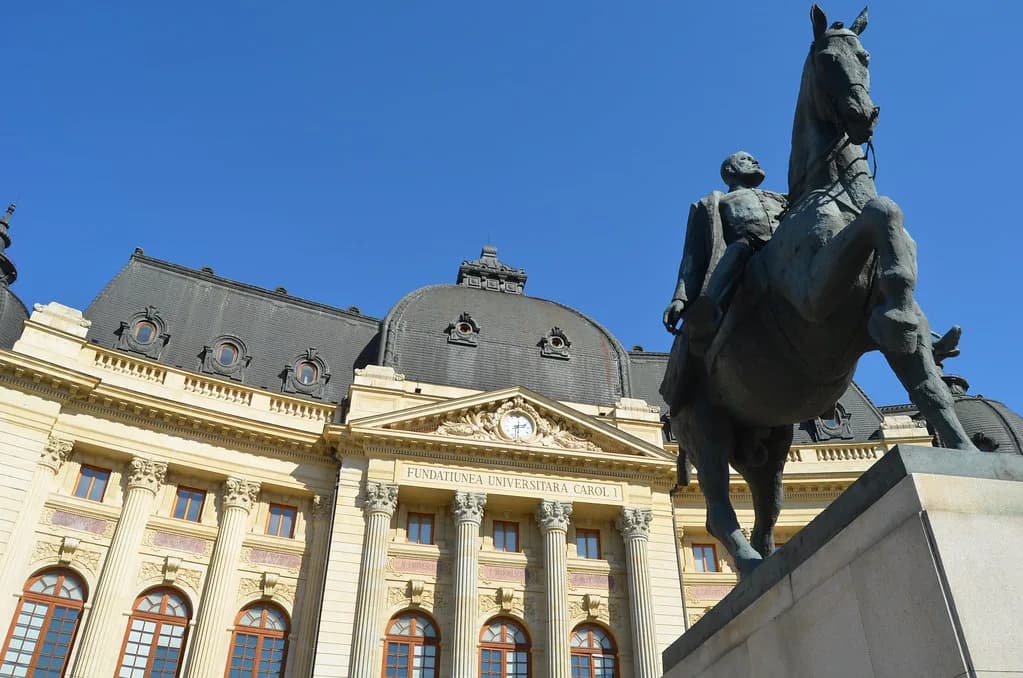
Bucharest is the harder city to sum up: it mixes wide Parisian-style boulevards with brutalist set pieces and a genuinely big-city feel, and it takes longer to get under its skin than Sofia does. Read our Romania worth visiting verdict if you are still deciding whether the country earns a slot in your trip at all, because Bucharest works best as a gateway rather than a standalone destination.
How the two capitals differ in character
Sofia is a working Balkan capital on a human scale: the city center clusters the Alexander Nevsky Cathedral, the ancient Serdica ruins and the yellow-paved pedestrian zone within a manageable walk. It feels lived-in rather than polished, and the mountain is visible from the main streets, which changes the mood of the place on clear days.
Bucharest is bigger in every sense. The Palace of the Parliament is one of the largest administrative buildings in the world, the Belle Époque streets north of the center hide faded villas and nouveau-riche cafés, and traffic is heavier. Where Sofia is compact, Bucharest sprawls, and you will use the metro or taxis more than you expect.
Language is a practical difference worth knowing. Younger Romanians in Bucharest speak good English in hotels and restaurants, but outside that bubble Romanian is the working language and a few phrases help; our guide to whether they speak English in Romania sets expectations honestly.
What Sofia gives you: Vitosha, Alexander Nevsky and a walkable center
The Alexander Nevsky Cathedral is the city's signature sight, a gold-domed Orthodox landmark with a crypt museum of icons, and it sits within a short walk of the National Assembly and the Eagle Bridge. Nearby, the Serdica archaeological complex exposes Roman streets right beside the Serdika metro station, a strange and memorable juxtaposition.
Vitosha mountain begins at the city's edge, and a cable car and marked trails make a half-day of walking realistic without a car. In summer this is the reason to choose Sofia over Bucharest; in winter the mountain becomes a ski area, though snow cover is unreliable in recent years. Check the lift operating status with the Vitosha lift company before committing to a mountain day.
The city's food scene is modest but improving, built around Bulgarian salads, grilled meats and inexpensive local wine, and the covered market halls are worth an hour. Sofia is not a destination for a food pilgrimage, but it is easy to eat well and cheaply in the center.
What Bucharest gives you: the Palace of the Parliament, Belle Époque streets and big parks
The Palace of the Parliament dominates the city, and guided tours run through its ceremonial halls; book ahead because visitor slots fill, and bring your passport for the security check. The surrounding Bulevardul Unirii was cut through the old city in the 1980s, and the scale of the demolition is part of what you are looking at.
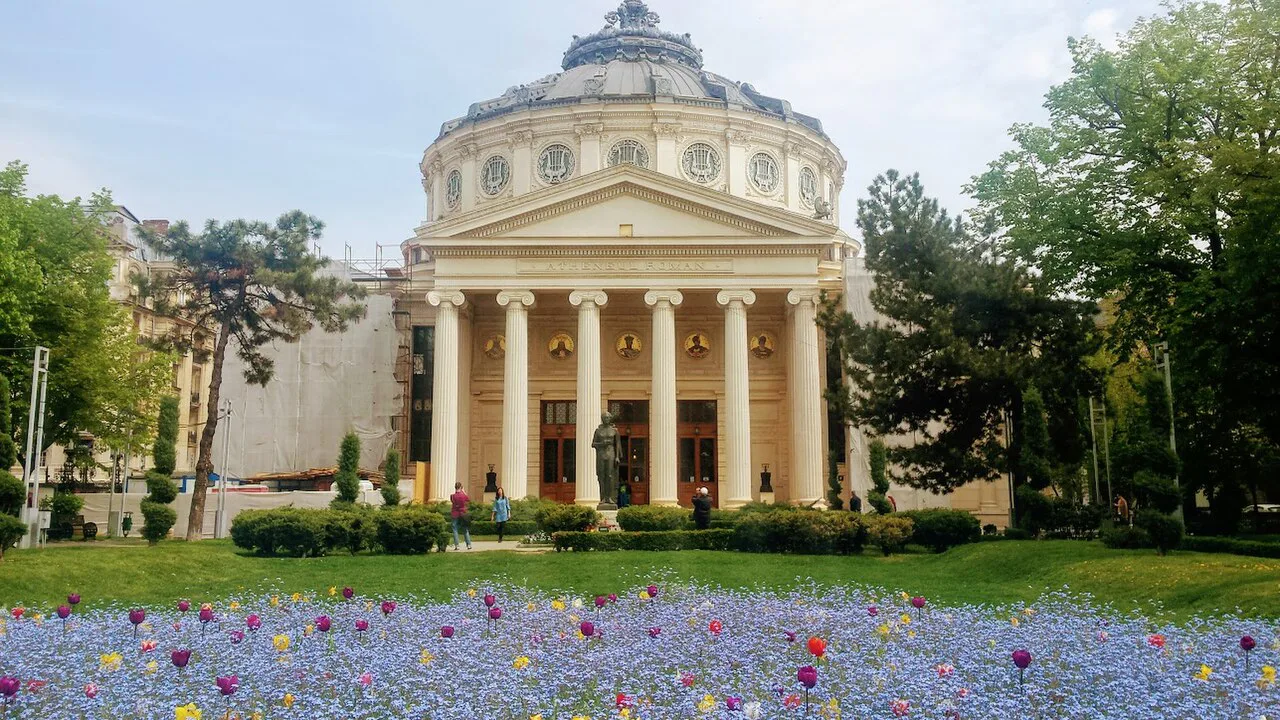
North of the center, Calea Victoriei and the streets around Piața Romană hold the best of Bucharest's Belle Époque architecture, including the Romanian Athenaeum concert hall and the former royal palace. Cișmigiu Gardens and Herăstrău Park give the city breathing room, and the latter wraps around a lake with rowing boats and lakeside cafés.
Bucharest's nightlife is the loudest in the region, concentrated in the Old Town and along the river, and it is genuinely part of the city's appeal if you want a late night. It also means noise and crowds in the center on weekends, so pick your dates accordingly.
Getting there and between them
Both capitals have international airports with direct flights from across Europe; Bucharest's Otopeni airport is the larger and better connected of the two. For the cross-border leg, direct flights between Sofia and Bucharest are short, while buses and trains cover the same ground overland. Compare operators and journey times directly, since schedules change seasonally.
If you plan to explore beyond Bucharest, a car helps enormously for Transylvania, and our guide to renting a car in Romania covers the practical side, including how Brașov-Ghimbav International Airport has opened up direct access to the mountains.
Travelers weighing the two capitals against each other should also consider combining them with a wider regional route; a comparison of Sofia and Bucharest as a pair rather than rivals often makes more sense than picking one.
How many days each city deserves
Sofia needs two full days for the center and a half-day more for Vitosha; three nights is comfortable, and anything beyond that starts to feel like padding. Bucharest needs two to three days for the Parliament, the Belle Époque streets and the parks, with a day trip to Brașov adding another.
Day-trip reach is where Bucharest wins. Brașov and the Carpathian mountain towns, including Bran Castle and Peleș Castle, are realistic day trips by train or car, and they give the city a second purpose as a base. Sofia's day trips lean toward Rila Monastery and the mountains, which are excellent but fewer in number.
Typical costs and how far your money goes
Neither capital is expensive by Western European standards. A widely cited comparison from 2018 put Bucharest's consumer prices roughly level with Sofia and below Budapest, but those figures are years old and the gap has narrowed since; treat any specific number you find online as indicative rather than current.
Currency matters: Romania uses the leu, not the euro, so budget in a currency you will actually be spending and expect card acceptance to be good but not universal in smaller places. Our money in Romania guide explains the cash and card situation in plain terms.
Bulgaria's lev is pegged to the euro and prices in Sofia are modest, particularly for food and public transport. Check current prices locally rather than relying on comparisons assembled years ago.
Crowds, seasons and when each city is at its best
Spring and early autumn are the best times for both capitals: mild weather, fewer crowds and comfortable walking. Sofia benefits from June and September especially, when Vitosha is accessible but not crowded. Bucharest in August can be genuinely hot, and its nightlife districts are busiest then.
Summer in Bucharest is hot and humid, and the city empties somewhat in August, which cuts both ways: fewer crowds but some restaurants closed. October is arguably the best month for a Romanian city break, with cooler air and the parks at their best.
If you travel in April, expect changeable weather in both capitals and pack for rain; Sofia's mountain can still hold snow. Romania in April is a genuinely good month for culture and city walking, but be realistic about layers.
Sofia vs Bucharest by traveler type
First-time Balkans travelers: Sofia. It is compact, easy to navigate, walkable and gives you a mountain and Orthodox landmarks in two days. Families and slow travelers: Sofia again, because the center is small and the mountain is a short trip away.
Architecture and food lovers: Bucharest, which has more Belle Époque streets and a broader restaurant scene. Big-city travelers who want nightlife and a busy metro: Bucharest, without question.
Travelers who want one base for wider exploration: Bucharest, because Brașov, the Carpathian castles and the painted monasteries are reachable within a few hours. Sofia works better as a short break than as a base for a long trip. If you are weighing a wider Balkans circuit, our Hungary trip guide covers a nearby option that pairs well with either capital.
Drawbacks worth knowing before you book
Sofia's drawbacks are real: the city can feel drab and scruffy in parts, its food scene is less developed than Bucharest's, and the mountain access depends on weather and lift operation. It is also not a city that rewards a long stay; two days is enough for most travelers.
Bucharest's drawbacks are size and heaviness: traffic is bad, some central areas feel run-down, and the scale of the Palace of the Parliament district is ugly in a way that is worth seeing but not pleasant. Summer heat and weekend noise in the Old Town are real factors to plan around.
Both cities have practical quirks. Romania's power supply uses the standard European plug, and travelers from the US or UK need adapters; our Romania plug type guide covers what to bring.
Planning the cross-border leg
The overland route between the two capitals is long but doable, and many travelers split it with a stop in Veliko Tarnovo or Ruse on the Bulgarian side, or treat Bucharest as the launching point for Brașov. Travelers comparing the two capitals on regional forums often end up pairing one with a nearby second city rather than choosing between them, which is worth considering if your dates are flexible.
If you are building a longer Romania itinerary around Bucharest, expect to spend money on internal transport; our guide to getting around Romania explains the rail and road options. For cost planning, read is Romania expensive to see how the country compares.
Plan Your Visit
Sofia and Bucharest are not interchangeable, and that is the point. Sofia gives you a compact, low-key capital with a mountain at the end of the boulevard; Bucharest gives you scale, architecture and a gateway into Transylvania. Decide which of those two trips you actually want, and the choice becomes obvious.
Explore more Romania trip-decision guides
Frequently Asked Questions
Is Sofia or Bucharest better for a city break?
Sofia suits a compact two- or three-night break with a walkable center and Vitosha mountain within reach. Bucharest suits travelers who want a bigger city with more architecture, nightlife and day-trip options, including Brașov and the Carpathian castles. Pick Sofia for calm and mountains, Bucharest for scale and energy.
How do I travel from Bucharest to Sofia?
You can fly between the two capitals on direct services, or travel overland by bus or train. The overland journey is long and schedules change seasonally, so check times before booking. Many travelers break the trip in Veliko Tarnovo or Ruse.
How many days do you need in Bucharest?
Two to three days covers the Palace of the Parliament, the Belle Époque streets around Calea Victoriei, and Cișmigiu and Herăstrău parks. Add another day if you want a day trip to Brașov or Peleș Castle.
Is Sofia cheaper than Bucharest?
The two are broadly comparable by regional standards, and both are cheaper than Western European capitals. Groceries and public transport in Sofia tend to be modest, while Bucharest's restaurant scene is somewhat more developed. Check prices locally, since older comparisons go out of date.
Is Bucharest a big city?
Yes. Bucharest is one of the largest cities in the region, with a metro system, heavy traffic and a sprawling center. That scale is part of its appeal, but it means you will rely on transport more than in compact Sofia.
Which is better for a weekend, Sofia or Bucharest?
Sofia is the easier weekend, because the main sights cluster in the center and Vitosha is a half-day away. Bucharest works for a weekend if you focus on the Parliament, Calea Victoriei and the parks, but you will leave wanting more time.
Sources
Trip-decision notes
Optional updates when we publish or revise a destination verdict.
You might also like
Continue reading
More guides you'll find useful