Romania in August: Weather, Crowds and Whether to Go
August in Romania brings hot days, packed Black Sea beaches and busy mountain trails. Here is who should go, who should wait and how to plan around it.
On this page
Yes, August is worth visiting Romania, provided you pick the right region. The Carpathians and Transylvania give you cool high ground and long daylight, while the Black Sea coast delivers the country's only reliable beach season. Bucharest, by contrast, is the weakest choice this month: the Romanian Plain bakes and the city empties out.
The trade-off is heat and crowding in exchange for the fullest calendar of the year. Romanian school holidays run through the summer, so coastal beds, mountain guesthouses and the main roads fill in the same weeks. If you can shift your dates, late August softens slightly and September is calmer and cheaper for the same landscapes.
The verdict
Go in August if your trip is built around the coast or the high Carpathians, and if you can start early, rest at midday and keep afternoons flexible. Skip it if your priority is wandering Bucharest's streets, museum-hopping in Sibiu or Brașov at leisure, or driving long distances without traffic. Families with school-age children have little choice, and August works well for them on the coast and in the mountains.
Anyone weighing the country overall should read our take on whether Romania is worth visiting first. August is a strong month for the country's outdoor assets and a poor one for its cities, and that split should drive your itinerary more than any single temperature figure.
Who will love it: beach travelers bound for the Black Sea, hikers heading for altitude in the Carpathians, and families who need warm weather and long evenings. Who should choose another month: city-break travelers, photographers who want empty streets, and drivers who dislike heavy holiday traffic on mountain roads. September suits all three better.
How hot Romania gets in August, by region
Romania is not one climate, and August exposes the difference sharply. The Romanian Plain, which holds Bucharest, is the hottest zone, with August days that regularly push past 80°F (about 27°C) and can climb far higher during heat episodes. Transylvania's basins sit cooler and fresher, while the Carpathians at altitude feel like another season entirely, with brisk mornings and comfortable walking afternoons.
Reporting on the country's summer describes July and August as the sweltering peak, with temperatures reaching the mid-30s Celsius in the hottest spells. Treat those figures as typical conditions rather than a forecast, and check a short-range forecast for your specific valley or resort a few days before you travel, since mountain weather shifts fast.
On the coast, Constanța and the resort strip south to Vama Veche are warm but tempered by sea breezes, which makes midday more bearable than inland. The practical consequence is simple: build your August itinerary around altitude or water, and treat the plain as somewhere to pass through rather than linger.
Rain, thunderstorms and sunshine in August
August is a dry-ish month in the lowlands but a stormy one in the mountains. Afternoon thunderstorms are common in the Carpathians through summer, arriving quickly and clearing quickly, so plan ridge walks and exposed climbs for the morning and keep a short retreat route in mind. Lowland rain tends to come as short, heavy showers rather than all-day drizzle.
Daylight is generous, with long evenings that make post-dinner strolls realistic even after a slow, hot afternoon. That matters for planning: you can split the day into an early outdoor block, a shaded or indoor middle, and a late second block, and still see a great deal. Carry a light rain shell in the mountains regardless of the morning sky.
Bucharest in August: heat, parks and a slower city
Bucharest sits in the southeastern corner of the Romanian Plain, and August there means heat that pushes past 80°F (about 27°C) and often well beyond. The city's answer is its green space. Herăstrău Park spreads over roughly 187 hectares around a lake where rowboats and paddle boats are rented through the summer, with refreshment kiosks and lake-view restaurants along the shore.
Cișmigiu Garden, dating to 1847, is the city's oldest and most romantic green space, with flower beds and narrow paths; the Botanical Garden, founded in 1860 and rebuilt after wartime damage, holds more than 10,000 plant species across about 18 hectares. All three work best in the morning or late afternoon. Save the Arch of Triumph, the Palace of Parliament, Union Square and the Village Museum for the evening, when temperatures drop to something comfortable and the light improves.
Be honest about the rest: August is the weakest month for unhurried Bucharest sightseeing, and the city slows as residents leave. If the capital is central to your plans rather than a gateway, our month-by-month comparison of the best time to visit Romania will point you to kinder dates.
The Black Sea coast in August: crowds, sea and booking pressure
The coast is the reason many travelers choose August. Mamaia, Eforie, Costinești, Jupiter, Neptun and Vama Veche each draw a different crowd, from family resorts to the young and lively south end. August is the peak of the domestic season, so expect packed beaches, busy promenades and the highest room rates of the year, with the best-value places taken well in advance.
Book coastal accommodation early and treat a sea-view room as a splurge rather than a default. Trains from Bucharest to Constanța are the relaxed way to reach the coast, while driving gives you freedom to move between resorts at the cost of holiday traffic on the approach roads. Once there, mornings and late afternoons are the pleasant swimming windows; midday sun is fierce.
Transylvania and the Carpathians: the best-value region this month
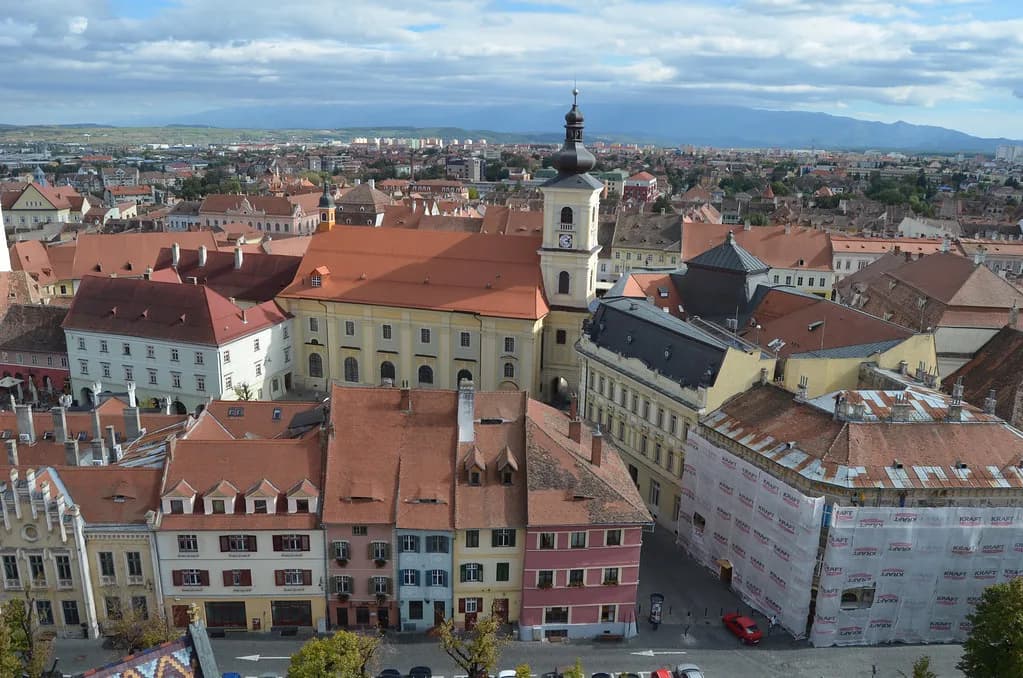
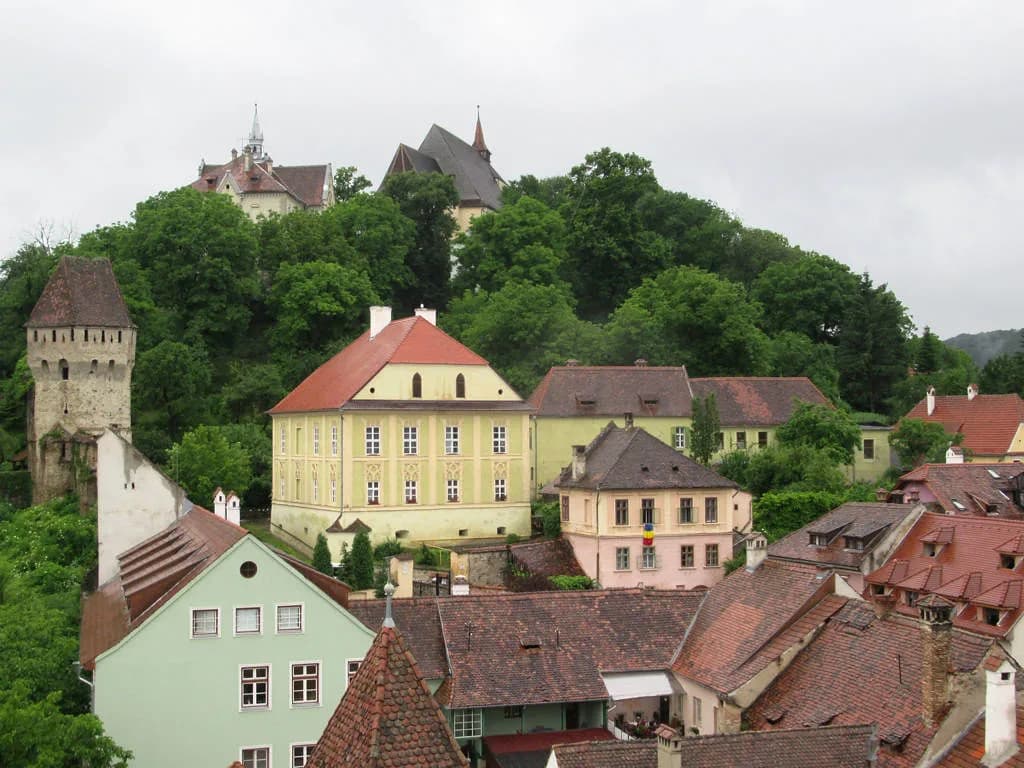
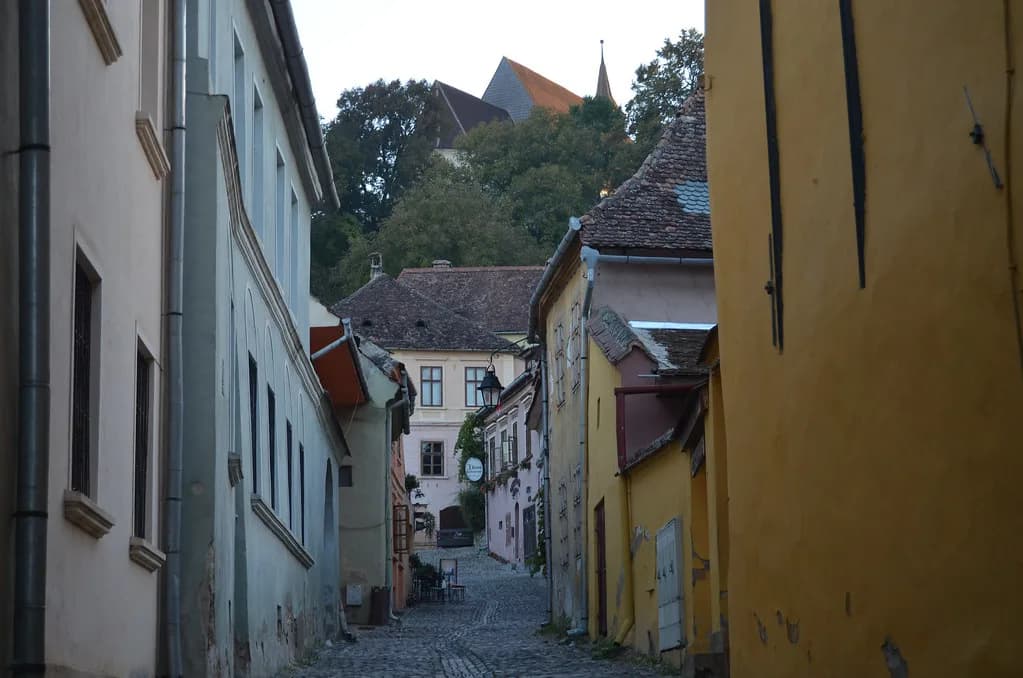
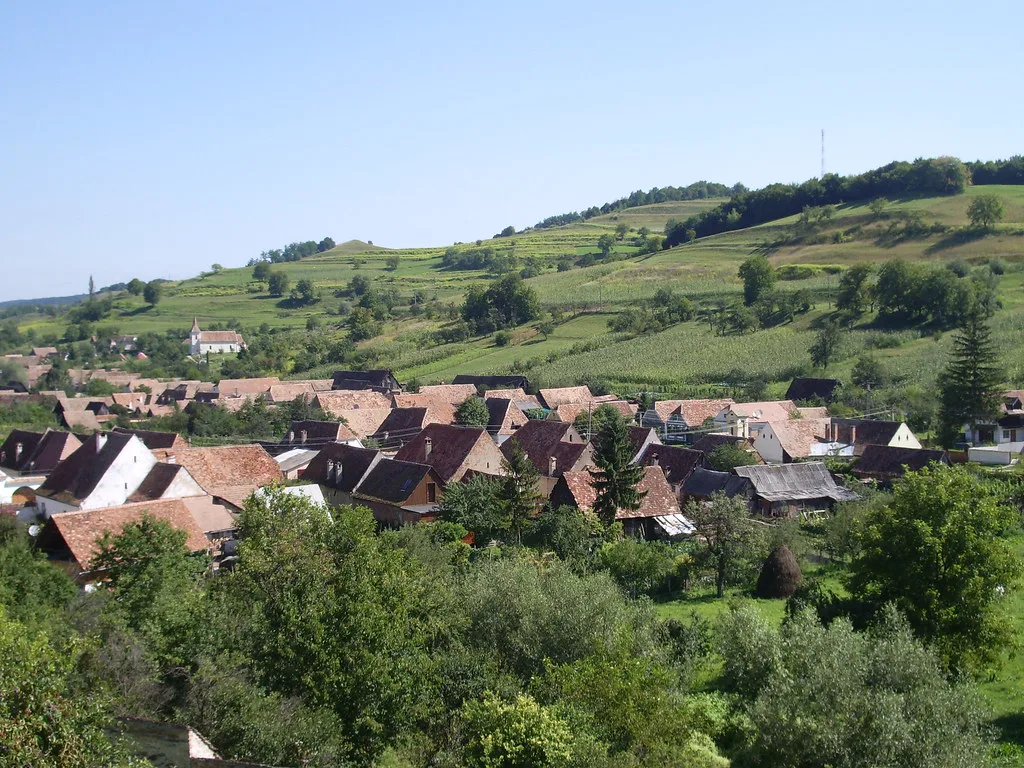
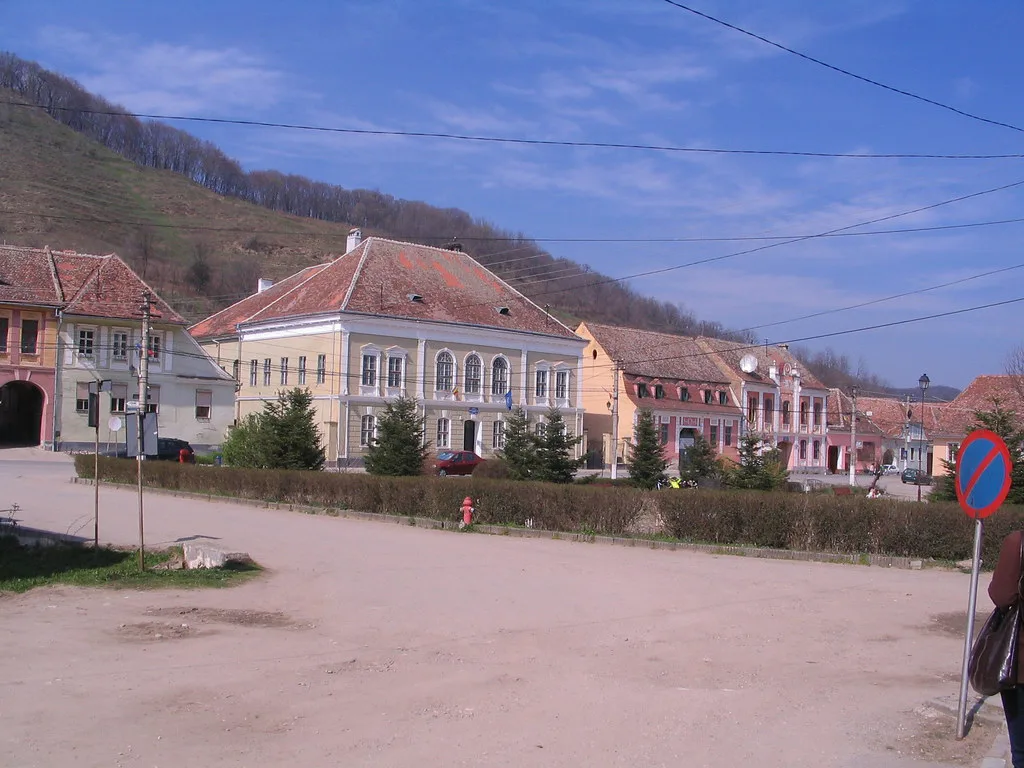
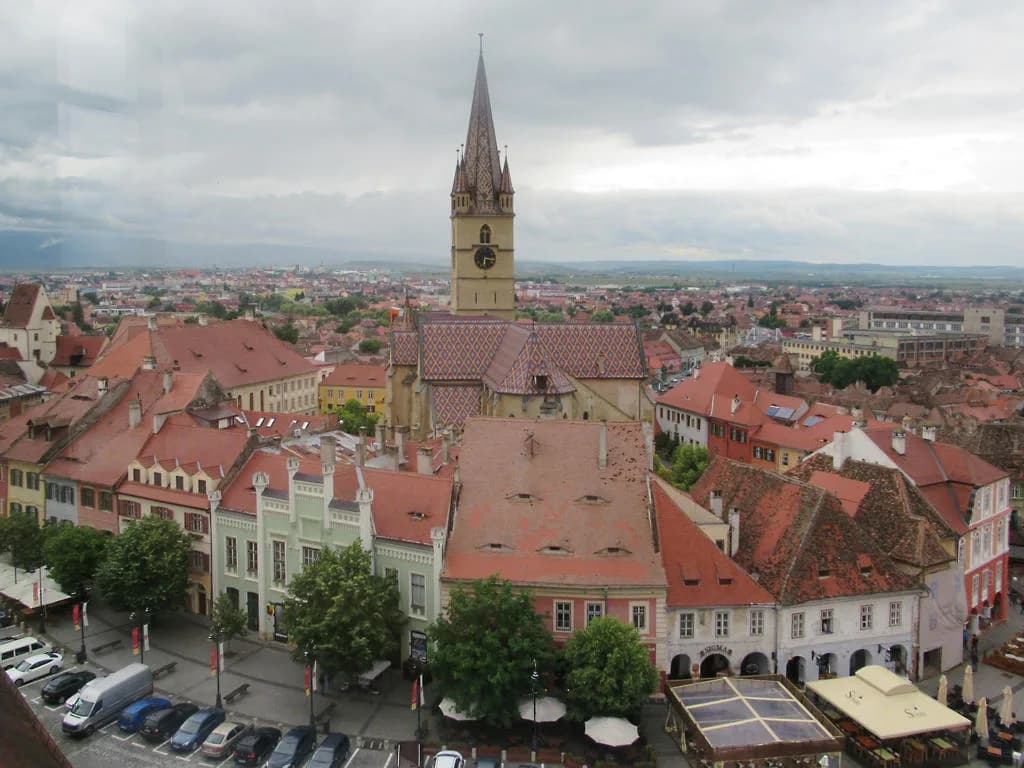
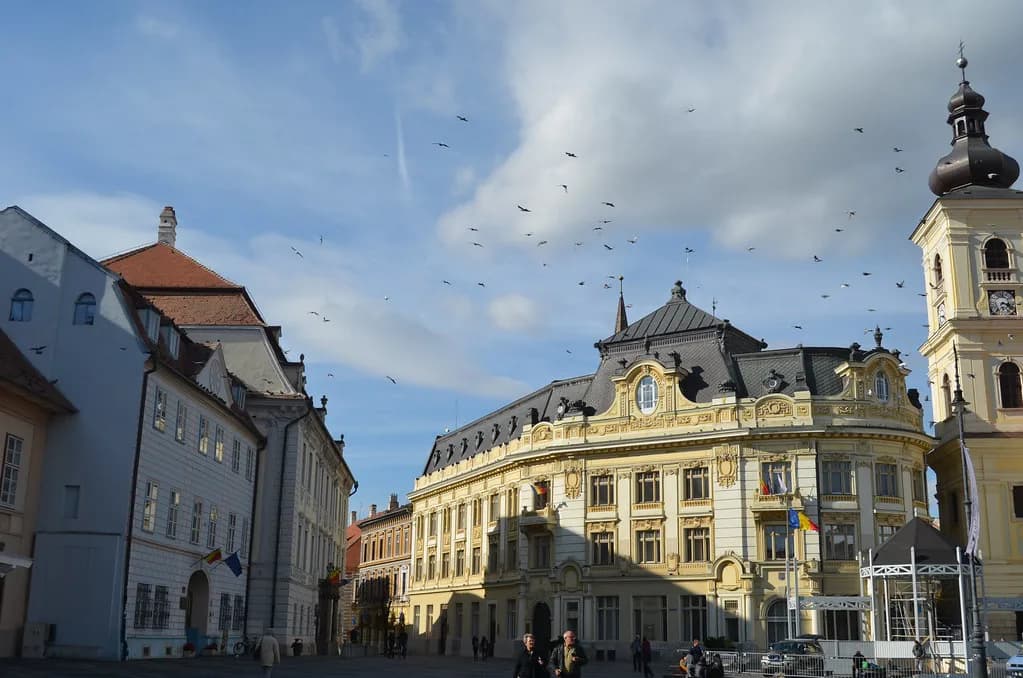
Transylvania is where August earns its reputation. Brașov, Sibiu and Sighișoara give you medieval streets at cooler altitudes, and the surrounding Carpathians open up hiking that is closed or snowbound out of season. Sinaia and the Prahova Valley put you at the foot of serious mountain terrain with easy rail access from Bucharest.
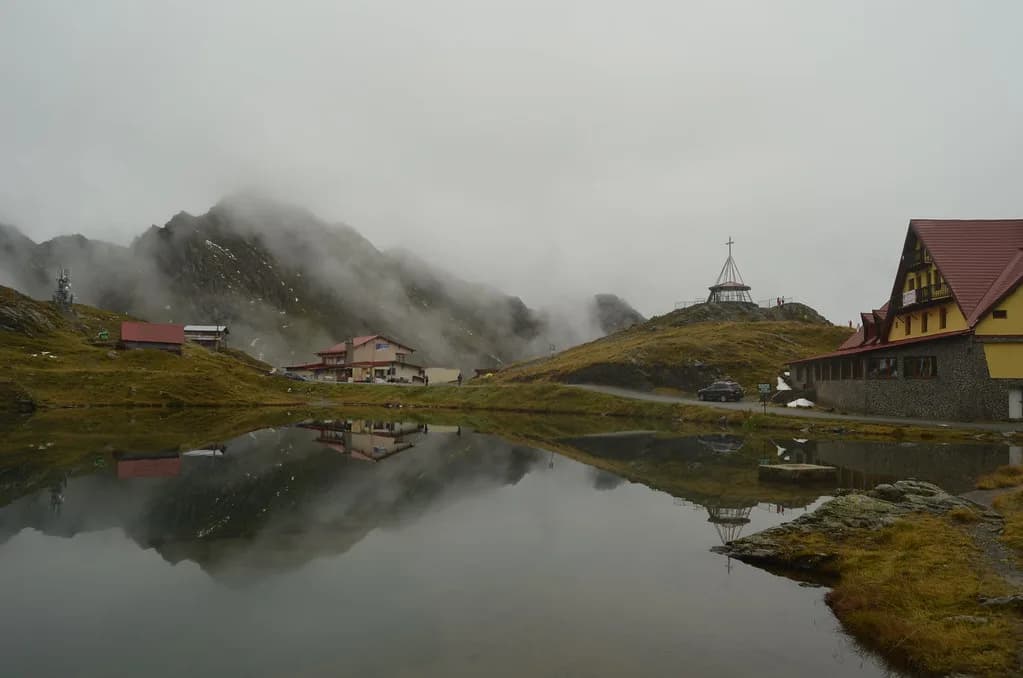
This is also the month to push higher. Trails around the Bucegi Mountains and Balea Lake reward early starts with clear morning views before the clouds build. Expect busy car parks and full mountain huts at weekends, when Romanian families arrive in force, and quieter midweek paths if you can shift your schedule.
Culture fits around the walking. Peleș Castle at Sinaia and Bran Castle near Brașov are the classic pairings, best visited at opening time before tour groups arrive. For a wider menu of stops, our list of the best places to visit in Romania helps you sequence Transylvania without doubling back.
Hiking in August: start times, altitude and storm risk
Start early and gain height slowly. In the Carpathians, morning is reliably clearer, and the difference between a 7am and a 10am start on an exposed ridge is often the difference between a view and a cloud bank. Carry water for the full day, since mountain springs are not guaranteed and huts are spaced far apart on the higher routes.
Altitude matters more than latitude here. A valley trail out of Brașov can feel hot and still while a ridge a thousand meters higher is breezy and ten degrees cooler; pack a layer accordingly. Watch the sky after midday, and if thunder builds, descend rather than continue across open ground.
August events and the school-holiday effect on prices and roads
Romania's summer school holidays run through the season and reshape the country's travel patterns. That concentrates demand on the coast and the popular mountain valleys in August, pushing room rates to their annual high and filling the main roads at weekends. The effect is strongest in the last week of the month, when families squeeze in a final trip before term starts.
If your dates are flexible, the second half of August is usually calmer than the first, and the first days of September bring cheaper rooms, quieter trails and still-warm weather. Shift a week later and you keep most of the summer while losing much of the crush. This is the single most useful adjustment you can make to an August Romania trip.
Typical costs in August
August is Romania's peak-price month, and the premium lands hardest on the coast and in the popular mountain towns. Expect to pay noticeably more than in June or September for the same room, and to find fewer bargains in resort restaurants. Inland cities and rural guesthouses stay comparatively cheap even at the height of summer, so the geography of your trip drives the budget more than the date.
For the currency picture, Romania uses the Romanian leu, and cards are widely accepted in cities and larger resorts while cash still helps in villages and at markets. Our guide to money in Romania covers the practical side, and if you want a full budget picture, the question of whether Romania is expensive is answered with real 2026 figures there.
Getting around: trains, buses and the case for a car
Romania's rail network links Bucharest with Brașov, Sibiu and Constanța, and trains are the least stressful option in August, when holiday traffic clogs the main roads. Intercity buses fill gaps on routes the railways serve poorly. Brașov-Ghimbav International Airport has improved access to Transylvania, cutting out a Bucharest transfer for mountain-focused trips.
A car pays off if you want the Carpathian villages, remote monasteries or flexibility between coastal resorts, but summer brings slow going on the popular mountain passes and full car parks at trailheads. If you go that route, read up on renting a car in Romania before you book, especially on insurance and mountain-road conditions. Otherwise, base yourself in Brașov or Sibiu and use trains and local buses.
How many days you need in August
Five to seven days is the sweet spot for a first August trip, split between one mountain base and one coastal or city base. Trying to add Bucharest, the coast and Transylvania in a week means losing most of it to hot transfers. A focused week in Transylvania alone, with day hikes and two or three medieval towns, is more satisfying than a rushed grand tour.
If the coast is the point, give it at least three nights so a bad-weather day does not ruin the beach plan. Hikers should budget consecutive nights in one mountain area to acclimatize and to take advantage of clear mornings. Two weeks lets you add Maramureș or the Danube Delta, but plan long drives for early morning in August.
Who will love Romania in August and who should choose another month
Beach travelers will love it: the Black Sea is at its warmest, the resorts are in full swing and the season is reliable. Hikers will love the high Carpathians, where August is the most dependable month for long days above the treeline. Families get warm evenings, plenty of water and parks, and a calendar built around children.
City-break travelers should look at Romania in September instead, when Bucharest, Brașov and Sibiu are cooler, quieter and cheaper. Photographers wanting empty streets will prefer September or October. Drivers who hate traffic should avoid the last week of August, when the holiday exodus peaks. Each of these travelers gets a far better trip a few weeks later.
Drawbacks to accept before you book
Accept the heat first. The Romanian Plain, including Bucharest, is genuinely hot in August, and midday sightseeing there is uncomfortable rather than charming. Accept the crowds second: the coast and the popular mountain valleys are at their busiest, with the highest prices and the heaviest weekend traffic of the year. Book coastal beds early or you will pay more for less.
Accept the storm risk third, particularly in the mountains, where afternoon thunderstorms can cut a hiking day short. Finally, accept that August is the wrong month for a slow urban trip: the city that charms you in spring feels emptied and sticky now. Plan around these limits rather than hoping to dodge them, and August in Romania delivers.
Plan Your August Trip
Build your August Romania trip around altitude or water, start early, and keep afternoons flexible. Base yourself in Transylvania for mountains and medieval towns, or on the Black Sea for beaches, and treat Bucharest as a short gateway rather than the main event. Book the coast well ahead and consider shifting into the second half of August for calmer roads and softer prices.
If you are still deciding between destinations, our verdict on whether Romania is worth visiting sets August in the context of the whole year. Travelers with flexible dates should compare September, when the same landscapes come with fewer people and lower costs. If you are weighing nearby alternatives, our guide to whether Bulgaria is worth visiting covers the same August decision across the border.
Frequently Asked Questions
How hot is Romania in August?
The Romanian Plain around Bucharest is the hottest zone, with August days regularly above 80°F (about 27°C) and hotter spells that can reach the mid-30s Celsius. Transylvania's valleys are cooler, and the Carpathians at altitude are cool enough for comfortable hiking. Treat these as typical conditions, not a forecast, and check a short-range forecast before mountain days.
Is August a good time to visit Romania?
Yes for the Black Sea coast and the high Carpathians, which are at their best. No for unhurried city sightseeing, since Bucharest and the plain are hot and the city slows down. Families with school-age children will find August the practical choice, while city-break travelers do better in September.
Does it rain in Romania in August?
Rain in the lowlands usually comes as short, heavy showers rather than long wet days. The mountains see frequent afternoon thunderstorms, which build and clear quickly but can cut a hike short. Plan exposed walks for the morning and carry a light rain shell in the Carpathians.
Is the Black Sea warm enough to swim in in August?
August is the peak of the Romanian beach season, when the Black Sea is at its warmest and the resorts are fully open. Sea temperatures vary year to year, so check a coastal forecast close to your arrival. Mornings and late afternoons are the most comfortable swimming windows.
Is August peak season in Romania?
It is. The summer school holidays concentrate demand on the coast and popular mountain valleys, pushing room rates to their annual high and filling roads at weekends. The last week of August is the busiest. The second half of the month is usually calmer, and early September brings cheaper rooms and quieter trails.
Should I visit Bucharest in August or wait until September?
Wait until September if the city is central to your plans. August heat makes midday sightseeing uncomfortable, and residents leave, so the city feels emptier and stickier. If you pass through in August, use Herăstrău Park, Cișmigiu Garden and the Botanical Garden in the morning and save the Arch of Triumph and Palace of Parliament for the evening.
How many days do I need in Romania in August?
Five to seven days works well for a first trip split between one mountain base and one coastal or city base. Give the coast at least three nights so a bad-weather day does not spoil the beach plan. Trying to combine Bucharest, the coast and Transylvania in a week means losing too much to hot transfers.
What should I budget for Romania in August?
Budget for peak-season rates on the coast and in popular mountain towns, where rooms cost noticeably more than in June or September. Inland cities and rural guesthouses stay comparatively cheap. Romania uses the Romanian leu, and cards are widely accepted in cities and larger resorts.
Sources
Trip-decision notes
Optional updates when we publish or revise a destination verdict.
You might also like
Continue reading
More guides you'll find useful