Romania in September: Weather & Crowd Guide
September in Romania brings warm days, thinning crowds and real harvest festivals. Here is who the month suits, the drawbacks, and who should pick another time.
On this page
Yes, September is a good month to visit Romania, and for many travelers it is the best one. The heat of July and August breaks, the domestic holiday wave recedes, and the grape, plum and apple harvest gives towns and villages a real reason to celebrate. If you want both mountain walking and a few days of culture without the August crush, this is your window.
The compromises are specific rather than vague. Early September still behaves like peak season on flights and in the busiest sites, and by the end of the month some rural guesthouses and mountain huts reduce their days. High roads across the Carpathians can also shut without much warning if early snow lands on the highest sections.
The Verdict on Romania in September
September gives you the widest range of options of any month: hiking in the Făgăraș and Retezat ranges, castle-hopping through Transylvania, wine festivals in Moldavia and on the coast, and a last stretch of swim-worthy sea. Few other weeks in the calendar let you combine those in one trip without heat stress or heavy crowds. If you are weighing the wider region, our guide to whether Moldova is worth visiting covers the neighbouring wine country just across the border. Present the month as typical conditions rather than guarantees, because the weather swings.
The exception is anyone fixed on guaranteed beach weather or on high-mountain traverses late in the month. The Black Sea cools through September, and mountain infrastructure begins to contract toward October. If your trip depends on either, check the specific season before you commit, and read our full case for whether Romania is worth visiting before you fix the dates.
Who September Suits, and Who It Doesn't
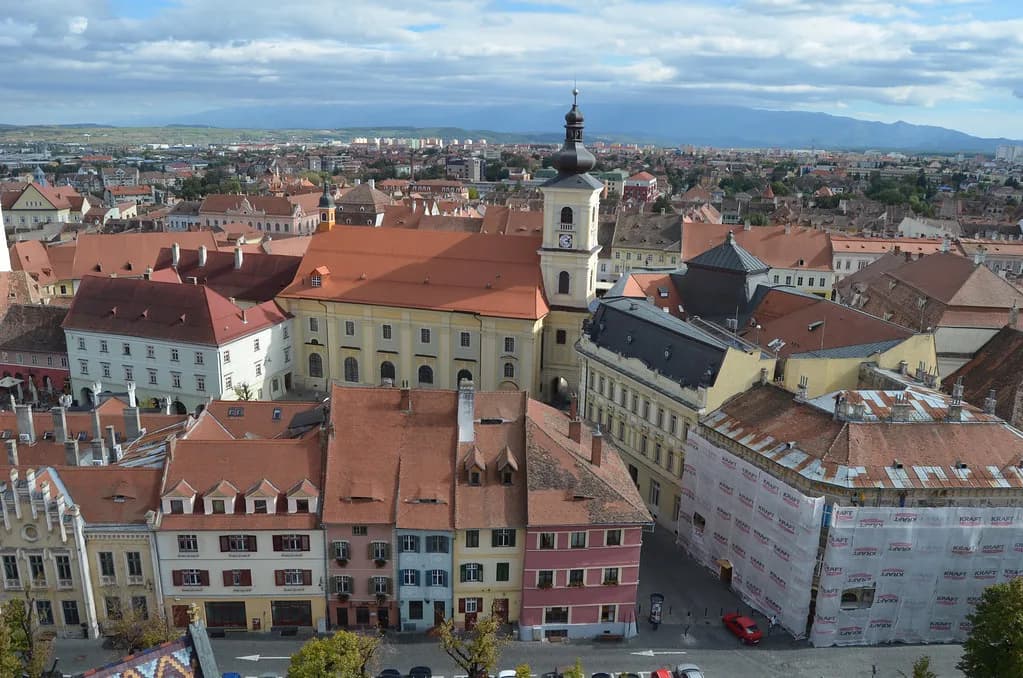
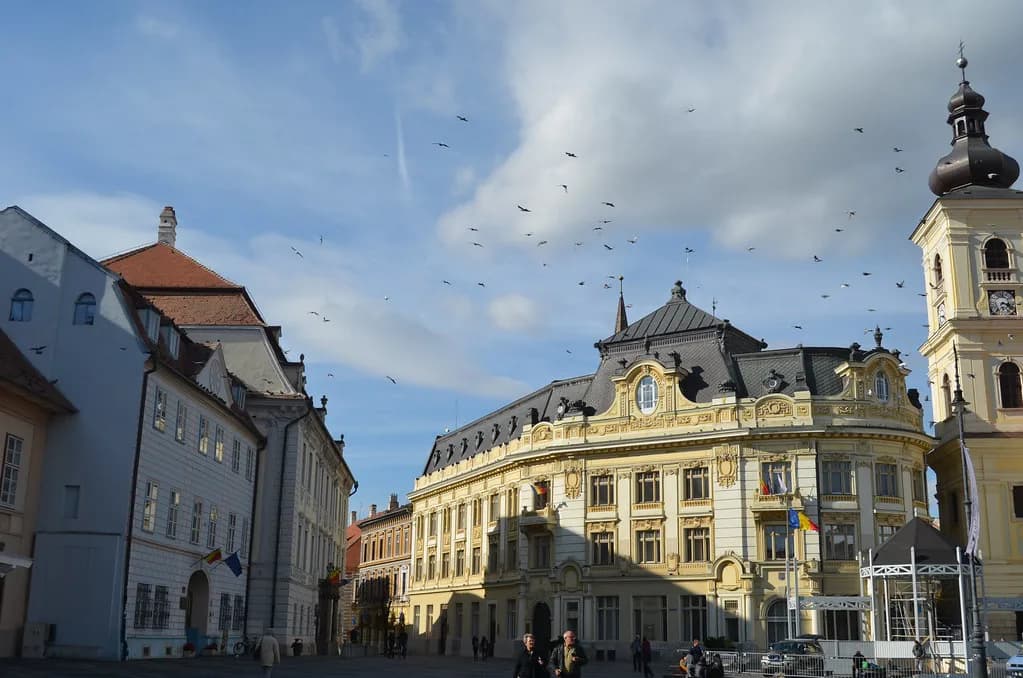
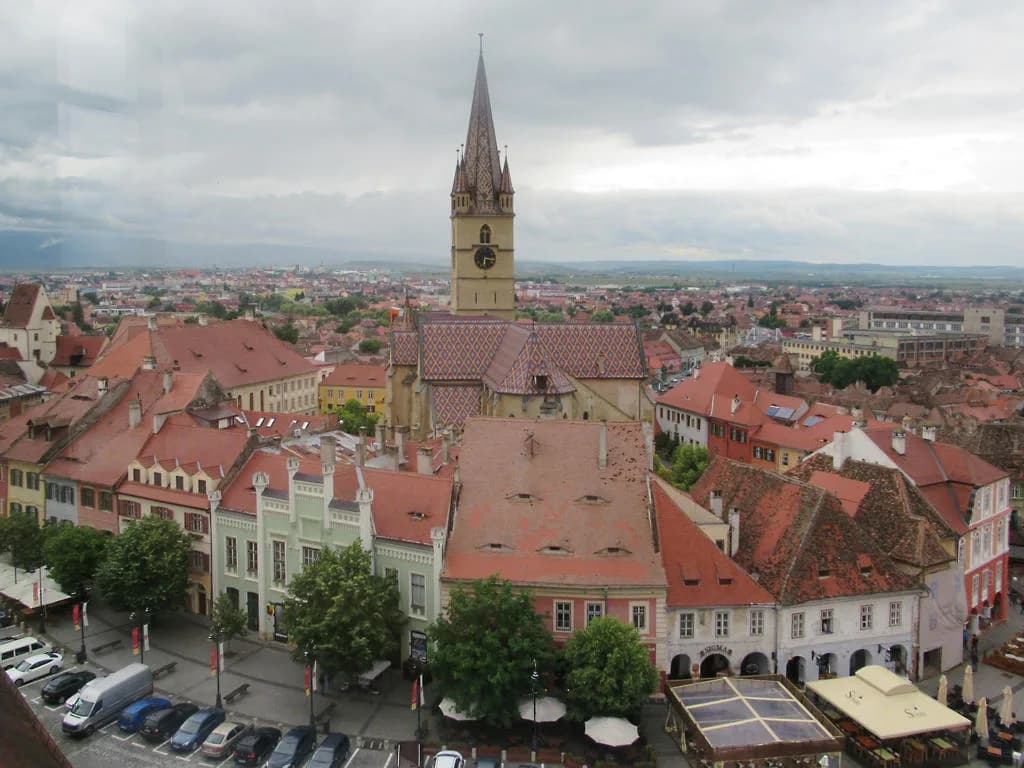
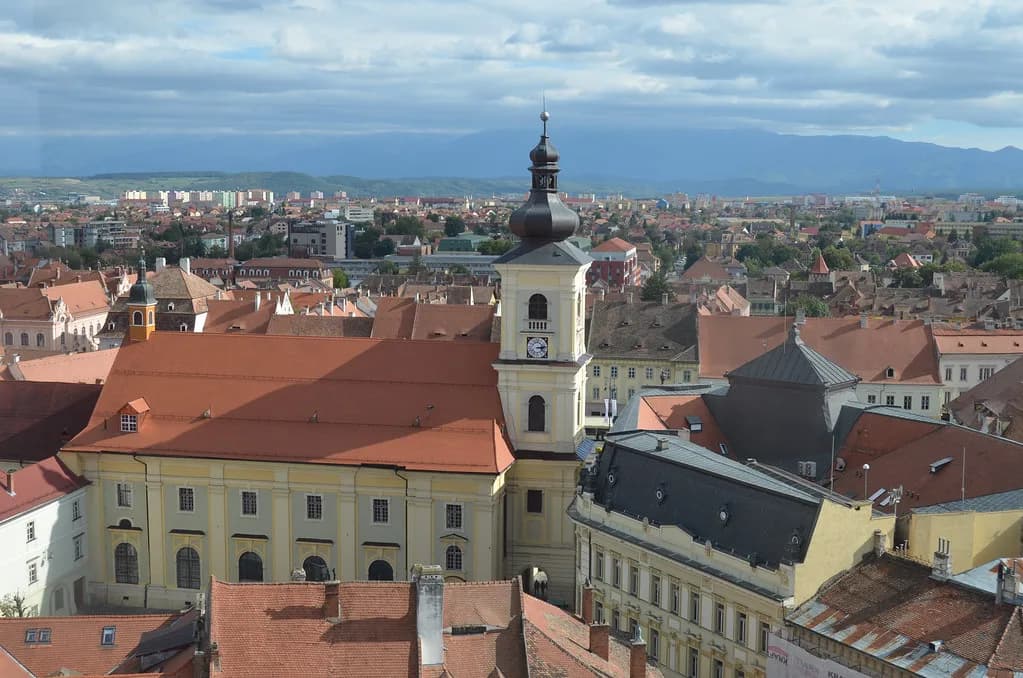
September suits hikers, photographers, food-focused travelers and anyone who wants to move between cities and countryside without queuing. It also suits couples and older travelers who prefer walking Sibiu's old town at two in the afternoon without hunting for shade. The harvest calendar gives cultural travelers a festival to plan around, which August does not.
It suits beach-goers less well. The water is still pleasant early in the month, but this is the tail end of the swimming season, not a beach holiday. Travelers who want long, hot, lazy days on the sand should look at Romania in August instead, and accept the heat and crowds that come with it.
Weather in September: Bucharest to the Carpathians
Countrywide, September averages sit between roughly 11°C and 25°C (51°F to 77°F), with the south and coast warmer and the mountains cooler. Bucharest runs around 25–26°C (77–79°F) in the first ten days, sliding to about 21–22°C (70–72°F) by the last week, with nights dropping to the low teens.
Rain is modest: roughly 40mm spread over six to eight days, so showers are usually short rather than trip-wrecking. Daytime highs average around 24°C (75°F), with occasional warmer days early in the month, while evenings sit near 12°C (54°F). Daylight runs about 12–13 hours.
The mountain-to-city gap is the detail that catches people out. Carpathian valleys typically run 8–10°C colder than the cities at the same hour, so a shorts-and-T-shirt morning in Bucharest can be a cold one at Bran or on the Bucegi plateau. A rain shell beats an umbrella on exposed ridges, where wind makes umbrellas useless.
The Black Sea Coast in September
The coast is the strongest argument for arriving early in the month. Sea water stays around 23°C (73°F) and the days are sunny with moderate humidity, which makes a swim at Constanța genuinely comfortable rather than bracing. Treat it as the last swim-worthy window, not a guarantee for the whole month.
The coast pairs naturally with the interior: a few days of sea and wine country, then inland to the mountains. Murfatlar's harvest event falls in late September, which gives wine travelers a reason to time the coastal leg last rather than first.
Crowds and Costs as the Shoulder Season Sets In
Crowd dynamics shift week by week. Early September still feels like peak season, and flights and rooms can be tight unless you book well ahead. Once the first week passes and the school year starts, the castles, monasteries, museums and trails thin out noticeably, and late September is the quietest, most comfortable version of the month.
Prices ease without falling to winter lows. Guesthouses in Transylvania and Maramureș typically come off their August peak, with decent rooms outside the big cities running roughly 80–250 RON a night. That range is indicative, varies by owner and year, and assumes payment in the Romanian leu.
If cost is your main lever, October and May offer similar mild weather with lower room rates, but you trade away reliable mountain weather. September sits in the middle: better value than midsummer, better odds of clear hiking days than October, which is why our month-by-month guide to the best time to visit Romania keeps returning to the shoulder weeks.
Transylvania: Sibiu, Brașov and the Fortified Churches
Transylvania handles the seasonal transition better than any other region, because its castles and fortified churches look good in almost any light. Sibiu makes the strongest September base, with its old town, surrounding villages and a shepherds-and-sheep festival usually held around September 19. Brașov gives you quick access to Bran Castle and the Bucegi cable car at Bușteni.
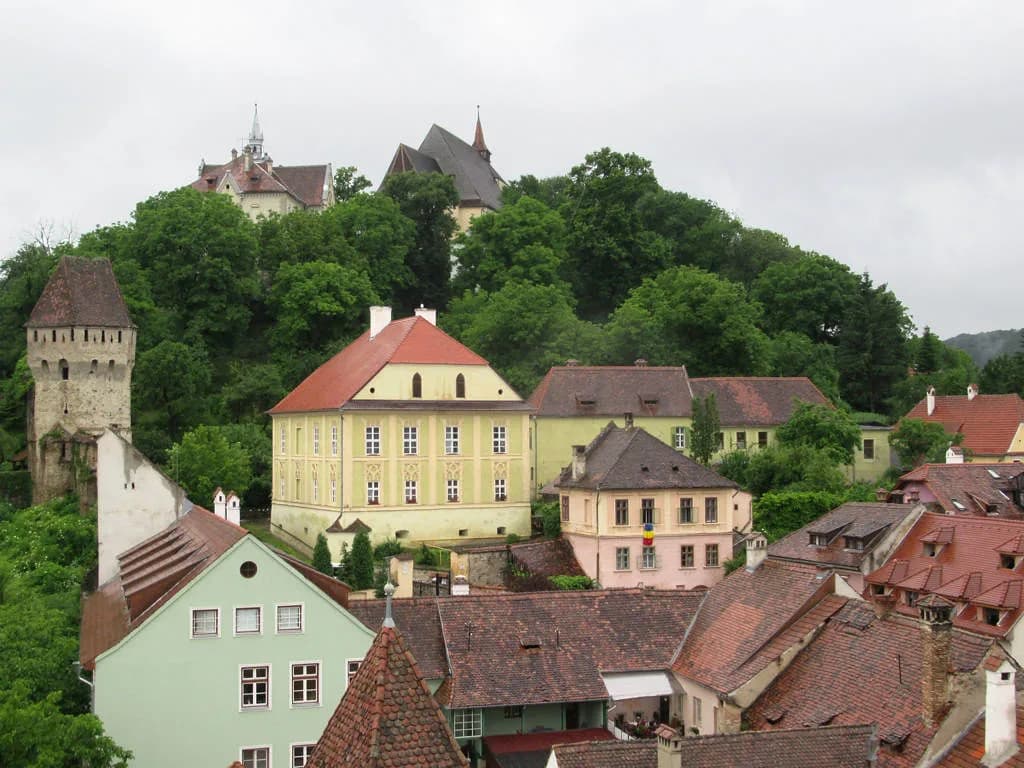
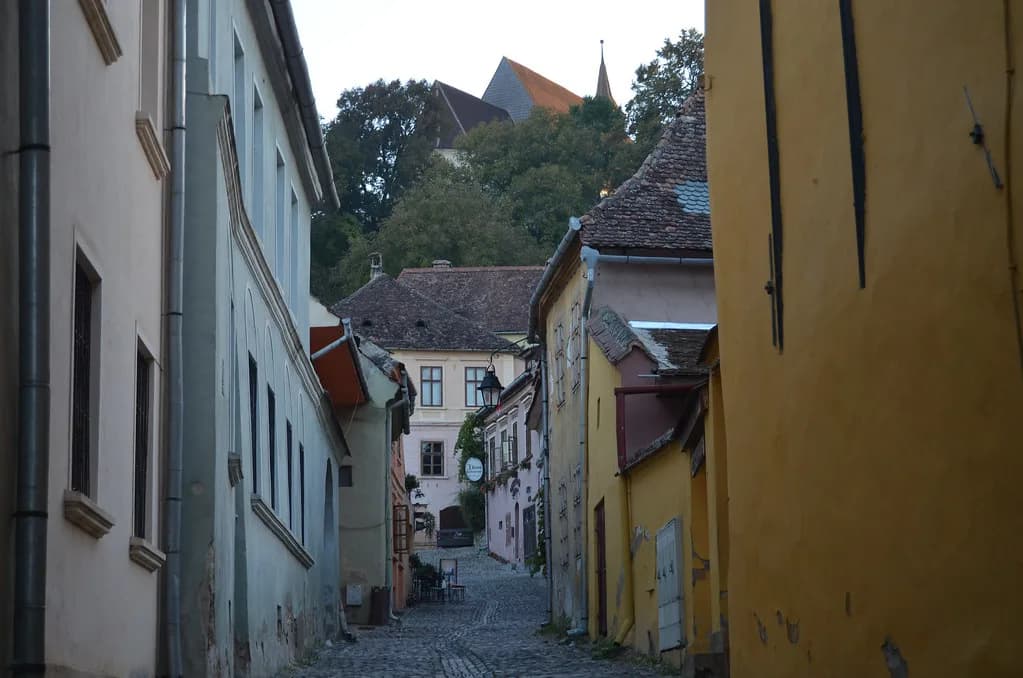
The UNESCO-listed fortified churches at Biertan and Viscri are at their best now: softer light, mild walking weather, and villages that feel calm after the summer rush. Give them a slow half-day each rather than treating them as photo stops, and use the quiet roads between them to link the Saxon villages by car.
One correction worth carrying: Bran is not historically Dracula's castle, and the closer association is the ruined Poenari Citadel above the Transfăgărășan. Bran is still worth the visit for the building and its setting. Note also that TIFF runs in June and the main Bucharest jazz festival in July, so neither belongs on a September itinerary.
Hiking the Carpathians Before the Huts Wind Down
September is the hikers' month. August heat and crowds make the same trails a slog; September's cooler air makes longer routes doable without overheating. In Piatra Craiului National Park, the Zărnești Gorge trail is a flat, well-marked walk of a little over an hour each way that needs no experience. In the Făgăraș, Moldoveanu Peak at 2,544 meters rewards early starts with wide Carpathian views.
Retezat National Park offers glacial lakes and over a thousand recorded plant species, with routes from a two-hour lakeside stroll to multi-day traverses. For a low-effort payoff, the cable car from Bușteni up to the Bucegi plateau reaches the Sphinx and Babele rock formations without climbing, though it stops in high wind, so keep a backup plan.
The caveat is infrastructure. Several Carpathian huts reduce hours or close for the season through September and October, so a multi-day route needs its overnight stops verified before you set out. If you are relying on a hut-to-hut plan, build a shorter valley alternative into the same trip.
Harvest Season: Festivals, Markets and Seasonal Food
The harvest is the real cultural reason to come in September. Markets fill with grapes, apples and plums, and households make zacuscă, a slow-roasted spread of eggplant, peppers, tomatoes and onions. Ask for it at a guesthouse breakfast rather than a restaurant, since most restaurants do not make their own. Sarmale, mămăligă and mici remain on menus year-round.
Festival dates shift from year to year, so the organiser's own listings are the place to look for the final word. Remeți's Harvest Day in Maramureș usually falls between late September and early October, and Baia Mare's Chestnut Celebration ran September 20–22 in 2024. In wine country, Cotnari in Moldavia lists September 25–27 in 2026 and Murfatlar September 26–27 in the same year; these are working-vineyard events with far smaller crowds than Transylvania.
Bucharest adds its own harvest programming, and Sibiu's traditional crafts fair is a good reason to be in Transylvania late in the month. The George Enescu Festival, Romania's flagship classical event at the Romanian Athenaeum, runs over three weeks in odd-numbered years only. Plan around dates that are published for your year rather than the previous cycle.
The Danube Delta and the Macin Mountains
The southeast corner rewards September travelers who want something other than castles. The Macin Mountains offer day hikes through microclimates that shelter a remarkable share of the country's flora and fauna, and the nearby Danube Delta is at its best for birdwatching as migration picks up. Sfântu Gheorghe makes a calm base for a few days on the water.
This is a slower, quieter Romania than Transylvania, and transport is the constraint: boats and rural roads set the pace, so allow more time than the map suggests. Combining the Macin Mountains with a delta stay and a coastal swim is a coherent week.
Road Trips on the Transfăgărășan and Transalpina
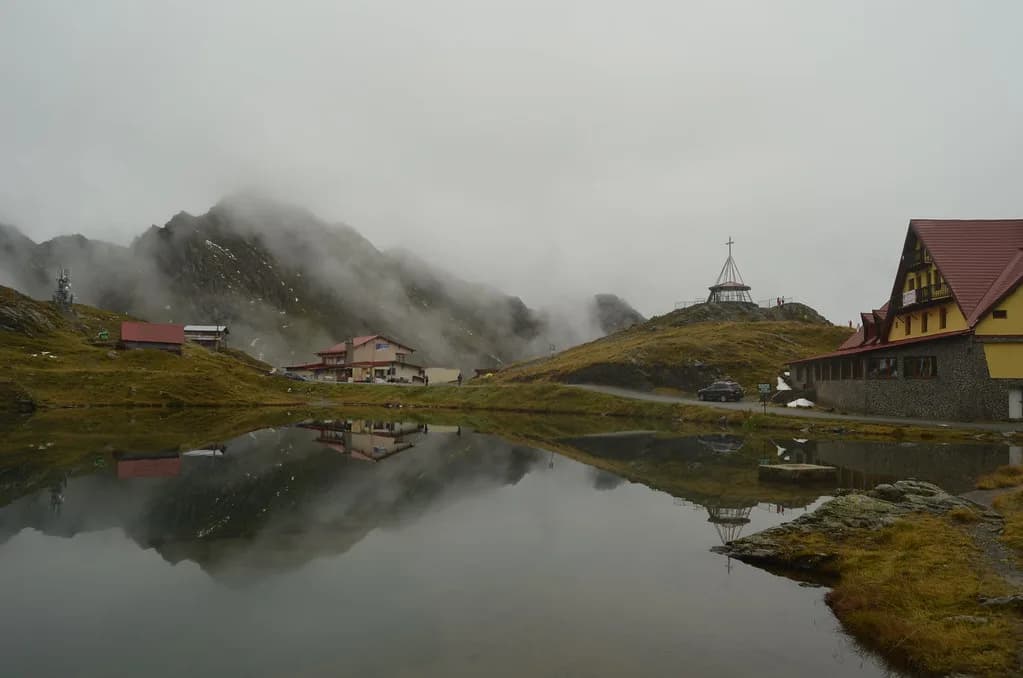
The two high roads everyone photographs usually stay open through most of September. They can close without warning if early snow hits the highest sections, so check road status on the morning you drive rather than the week before. Renting a car unlocks these routes and the Saxon villages in a way buses cannot.
The Vaser Valley steam train from Vișeu de Sus is the alternative for travelers who would rather not drive: Europe's last forestry train still doing genuine work, running through a river gorge with no modern infrastructure in view. Book ahead in Maramureș, where autumn color along the line is a September bonus.
Drawbacks: Early Snow, Closing Huts and Shorter Days
The honest downsides cluster late in the month. Rural guesthouses and mountain huts start reducing days or closing entirely by the end of September, so confirm a rural stay is still open before you lock in transport. The Transfăgărășan and Transalpina can shut on short notice if snow lands high up.
Days are noticeably shorter than in summer, at around 12–13 hours of daylight, so a late-afternoon hike leaves less margin than it would in July. Foliage is also later than people expect: color starts in the higher Carpathian valleys in the second half of September and only reaches lower forests in early-to-mid October.
Early September also carries a residual peak-season feel, with tighter availability on flights and rooms. Booking well in advance for the first ten days solves most of it; shifting your trip into the second half of the month removes the problem altogether.
How Many Days You Need in September
Ten days to two weeks is the right shape for a first September trip. Split it between Transylvania, with Sibiu and Brașov as bases, and either the Făgăraș or Retezat for hiking, leaving two or three days for the coast or the delta depending on your priority. A week works if you pick one region and stay put.
Build slack into the mountain section. Because high roads and huts can change status on short notice, a spare day lets you move a hike rather than cancel it, and it costs little in a month when rooms are easier to find than in August.
Getting There and Around
Bucharest's airport is the main international gateway, with Brașov-Ghimbav International Airport now serving Transylvania directly. Trains link Bucharest with Brașov and Sibiu, but rural Transylvania, Maramureș and the mountain trailheads are far easier by car. Decide early whether you are driving: it changes which villages, huts and high roads are actually reachable.
Budget in the local currency, the leu, and check current entry rules on the official government page for your nationality before booking. This guide is about when to go, not about paperwork, so treat the official page as the only authority on that.
September Versus August and October
August gives you heat, Black Sea humidity and 30°C-plus afternoons, plus crowds in the castles and long queues for the Bucegi cable car, without the harvest. October gives you the harvest and lower prices but unreliable mountain weather and an earlier end to the coastal season. September, most years, gives you good weather, thinning crowds and a real cultural reason to be there at the same time.
By traveler type: hikers and photographers should pick September; culture and food travelers should pick late September for the harvest; beach-first travelers should choose August; budget travelers watching room rates can weigh October. If you have flexibility, the second half of September is the sweet spot.
Plan Your September Trip
Book the first ten days early or shift to the second half of the month for easier availability. Pick one mountain range, one or two Transylvanian bases and, if the coast matters, put it first while the sea is still warm. Then leave a spare day for the high roads.
September rewards travelers who plan around the harvest calendar and the shifting mountain infrastructure rather than treating the month as a cooler version of summer. Confirm festival dates with organisers and road status on the day, and the month delivers a broader trip than either August or October.
Explore more Romania trip-decision guides
Frequently Asked Questions
Is September a good time to visit Romania?
For most travelers, yes. September combines warm but manageable temperatures with thinning crowds after the first week, a working harvest season and mountain trails that are more comfortable than in August. The main risks are early snow on the high roads and rural guesthouses and huts winding down late in the month.
What is the weather like in Romania in September?
Typical countrywide averages sit between about 11°C and 25°C (51°F to 77°F), with Bucharest warm early in the month and cooler by the end, and evenings in the low teens. Rain is modest, usually short showers rather than washouts. Carpathian valleys run roughly 8–10°C colder than the cities at the same hour, so bring layers for mountain days.
Is it warm enough to swim in the Black Sea in September?
Early in the month, yes. Sea water stays around 23°C (73°F) and the coast is sunny with moderate humidity, making a swim genuinely comfortable. Treat this as the last swim-worthy window rather than a guarantee for the whole month, and plan coastal days early if swimming matters to you.
Are there crowds in Romania in September?
Early September still behaves like peak season, with tighter availability on flights and rooms. Once the school year starts after the first week, castles, monasteries, museums and trails thin out noticeably. Late September is the quietest and most comfortable stretch of the month.
What festivals happen in Romania in September?
Remeți's Harvest Day in Maramureș usually falls between late September and early October, and Baia Mare's Chestnut Celebration shifts dates each year. Wine harvest events at Cotnari and Murfatlar and Sibiu's crafts fair round out the month, alongside the George Enescu Festival in Bucharest in odd-numbered years. Dates move, so check the organiser's own listings.
Is September cheaper than August in Romania?
Rooms ease off their August peak without dropping to winter lows, and guesthouses in Transylvania and Maramureș are typically better value than in midsummer. October and May can be cheaper still, but you trade away more reliable mountain weather. Late September balances price and conditions well.
Should I visit Romania in September or October?
September has the more dependable weather, longer days and the start of the harvest, which makes it stronger for hiking and for combining the mountains with a coastal leg. October brings the full harvest and lower prices but less reliable mountain conditions. Hikers and photographers should lean September; budget-focused cultural travelers can weigh October.
Sources
Trip-decision notes
Optional updates when we publish or revise a destination verdict.
You might also like
Continue reading
More guides you'll find useful