Renting a Car in Romania: Is It Worth It and What It Costs
Renting a car in Romania suits Transylvania and the Carpathians, not a Bucharest-only trip. Here is what it costs, who can drive and the trade-offs.
On this page
Rent a car in Romania if your trip runs through Transylvania, the Carpathian passes or the Danube Delta; skip it if you are hopping between Bucharest, Brașov and Sibiu by train. The car earns its keep on village roads and mountain routes that buses reach slowly or not at all, and it costs you in city traffic and parking. If you are still deciding on the destination itself, our guide to whether Romania is worth visiting sets out the case in full.
The rental market is broad and cheap by Western European standards, with pickup points at Bucharest Otopeni, Cluj-Napoca, Brașov, Sibiu, Timișoara, Constanța and Iași. Prices swing widely by month and by how far ahead you book, so the headline daily rate tells you less than the deposit rules, the excess and the fuel policy you accept. Everything you spend on the road is in the Romanian leu, not the euro.
Who should rent and who should not
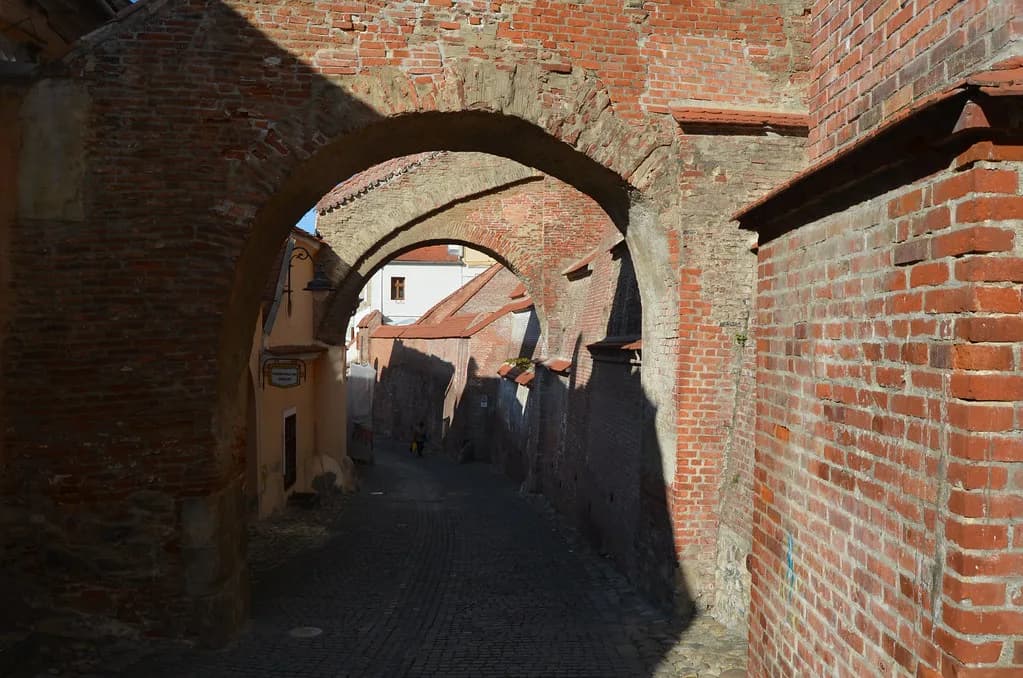
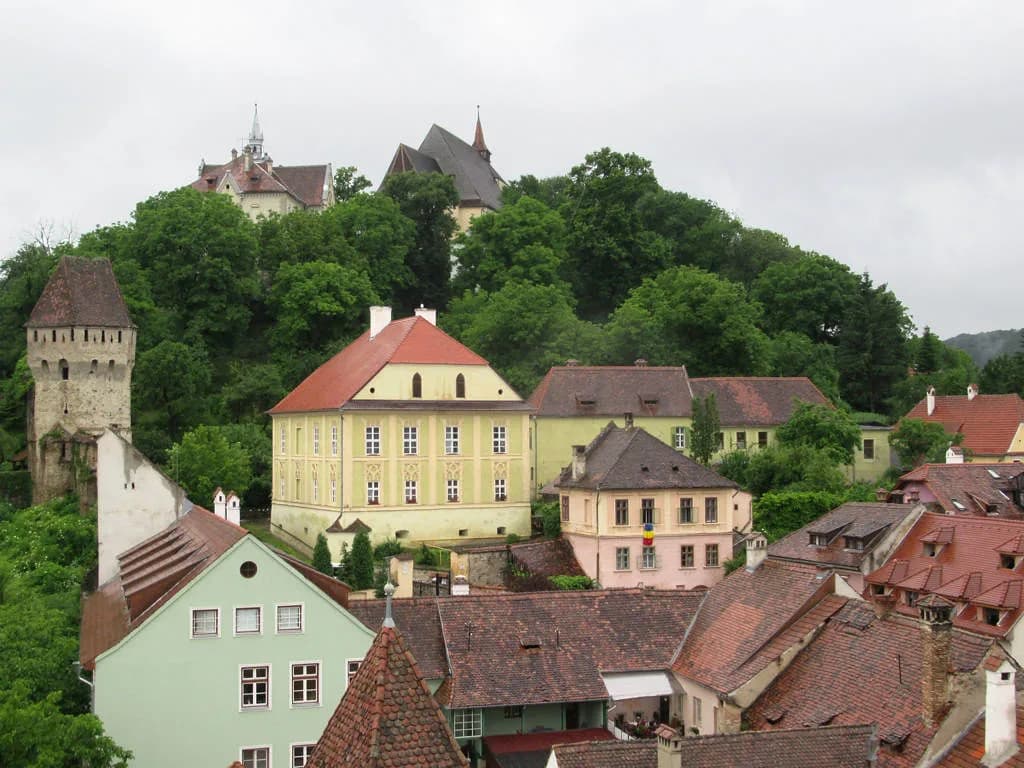
Rent if you want Sighișoara and the fortified churches around Biertan, the Prahova Valley resorts of Sinaia and Bușteni, or the Danube Delta approach through Tulcea. These are the routes where a car turns a slow day of connections into a straightforward drive, and where you can stop at a village you had never heard of.
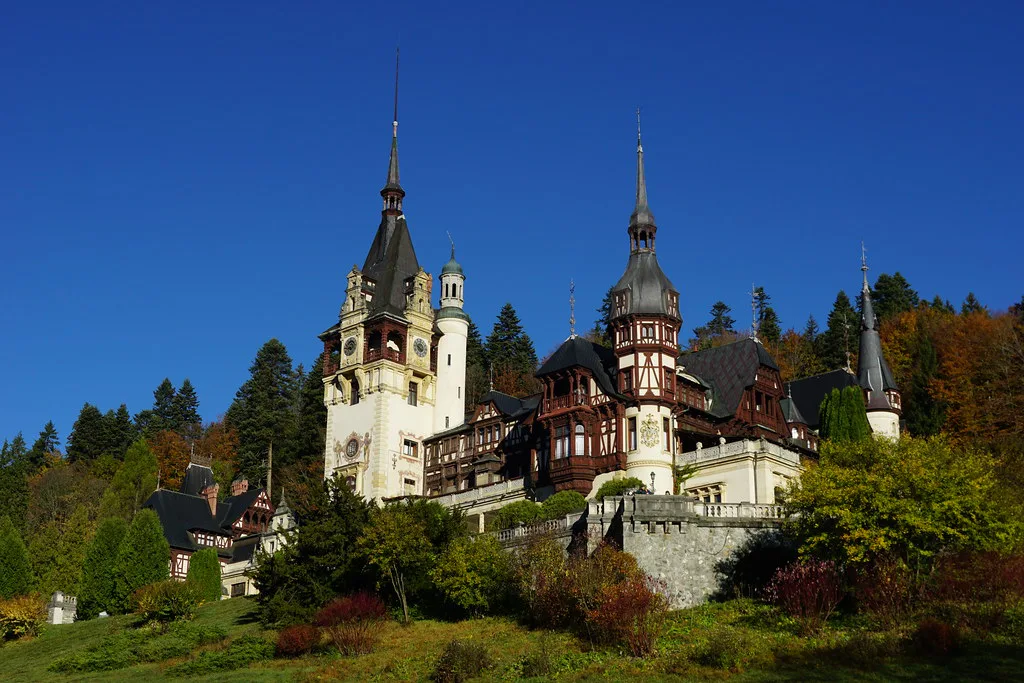
Skip the car if your plan is Bucharest, Brașov and Sibiu in sequence, with maybe a day at Peleș Castle. Rail and bus cover that spine well, and a car becomes a parked liability in Bucharest's congested centre. Our getting around Romania guide compares the alternatives route by route.
Families and small groups get the clearest value: four people splitting a compact SUV pay less per head than four train tickets, and luggage stays in the boot. Solo travelers and couples on a short city break usually do better on public transport once parking and fuel are counted.
What a rental costs, and when prices swing
Comparison-site figures show the spread clearly: cars listed from about €5 per day, a weekly rate from around €35, and average daily rates of roughly €32 in March, €33 in February and €66 in August. October is the priciest month in the same data at around €96 per day, with September near €55. Treat all of these as indicative rather than a quote, since vehicle class and booking lead time move the number more than the month does.
Booking about a week ahead is associated with better prices in that data, and longer rentals often cost less per day because there is less handling for the company. For a broader sense of what a Romanian trip does to your budget, read is Romania expensive before you commit to a vehicle class.
Where to pick up the car
Bucharest Otopeni, Cluj-Napoca, Timișoara, Iași, Sibiu, Brașov, Constanța and Suceava all have rental desks, and the airport desks at Otopeni and Cluj-Napoca are the most used. Klass Wagen is the most-booked provider in the comparison data, with international brands such as Enterprise, SIXT, Alamo, Budget, Thrifty and Europcar also operating nationwide.
In Bucharest, collect the car as you leave the city rather than on arrival. Traffic builds sharply at the morning and evening commutes, central parking is scarce and one-way systems in the older neighbourhoods confuse first-time drivers. A train to Brașov or Sibiu followed by a city pickup avoids the worst of it.
Documents, driver age and the deposit
Bring a full driving licence issued in your country of residence, a passport or national identity card, and a credit card in the main driver's name with an expiry date beyond the return date. Europcar's terms state plainly that debit cards, cash, prepaid cards and third-party credit cards are not accepted for the deposit, so a traveler relying on a debit card will be turned away at the counter.
An international driving permit is required when your licence is written in a language or script the renting country cannot read, and it is only valid alongside the original. The minimum age is reported as 21, with a surcharge for drivers under 25 and a maximum of 70, though providers set their own policies and you should compare the terms of the specific booking.
Automatic or manual, and which class fits
Most of the cheap fleet is manual, and automatics sit higher in the price list or in premium classes. If you cannot drive a manual, filter for automatic before comparing prices, because a manual quote is not a like-for-like substitute. A compact SUV or estate handles Romanian regional roads more comfortably than a city car on long days.
Small cars are easier in Bucharest and cheaper to fuel, while a mid-size SUV or van suits families heading for the mountains with luggage. Fuel stations thin out on remote routes, so fill up before climbing into the highlands rather than trusting the next village to have a pump. Our Romania plug type guide matters more for your devices than for the car.
Insurance, excess and fuel policy
Excess insurance is optional but caps what you pay if the car is damaged or stolen, and the level of cover varies by policy. Read what the excess actually is before you decline it, because a cheap daily rate with a large excess is not the cheaper rental.
Fuel rules differ by product. Europcar normally supplies a full tank and expects the same level back, charges for missing fuel plus a refuelling fee if you return it lower, or sells a full-tank option you pay for upfront with no reimbursement for what is left.
Check the mileage allowance before you plan a long circuit. Some Romanian rentals include unlimited mileage while others cap it, and the difference matters if you intend to drive from Bucharest to the Danube Delta and back in a week.
Driving in Romania: roads, passes and wildlife
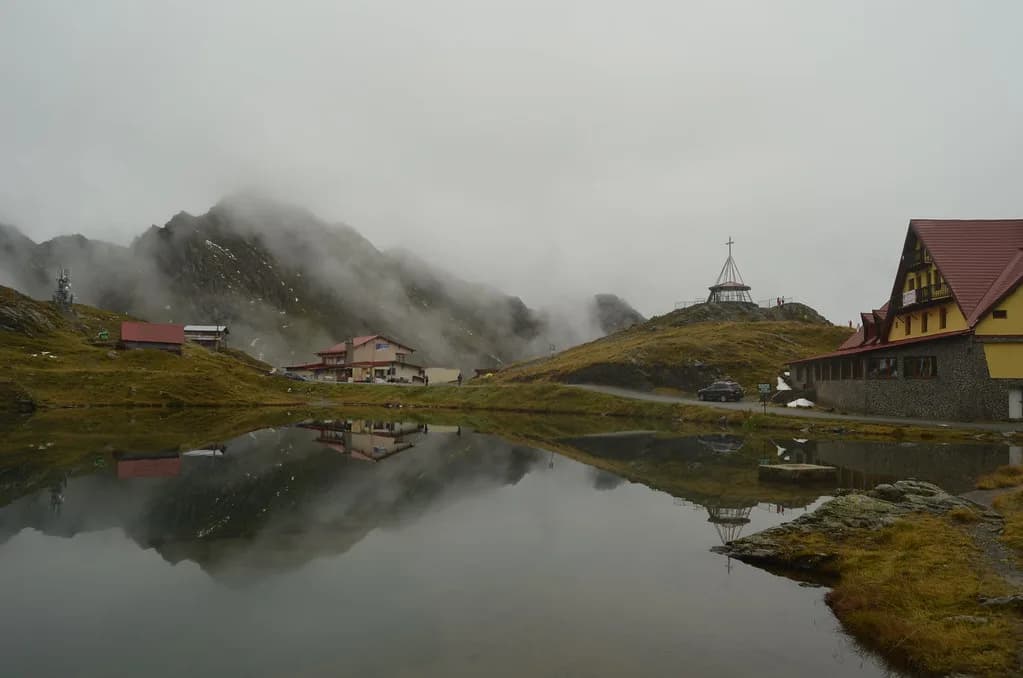
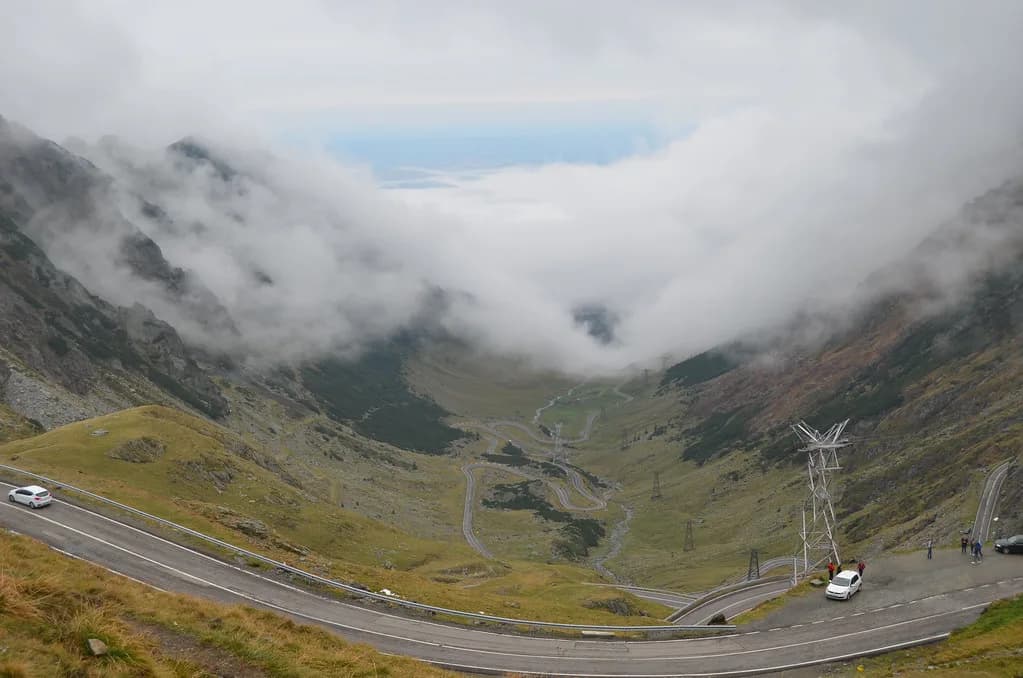
The highway network is growing but still limited, and once off the main corridors regional roads range from smooth to heavily potholed. In the Carpathians, snow is common on the passes in winter, so carry chains and slow down before the climb rather than on it. Fog sits thickly over the Transylvanian plateau and the Danube plain, making low beams and extra following distance essential.
Wildlife is a genuine driving consideration: deer and wild boar appear on rural and forested roads at dawn and dusk, and bear crossings are possible in the Carpathians. Romania applies a zero-tolerance approach to drinking and driving, so the driver does not drink at dinner. Urban limits sit around 45 km/h and highway limits around 125 km/h, with posted signs taking precedence.
Routes where a car earns its keep
The classic Transylvanian loop, Brașov west through Sighișoara and the Saxon villages, is five to seven days of paved main roads and narrow village lanes. Add Peleș Castle and Bran Castle on the Prahova side and you have the core of a first Romanian road trip, with a compact sedan sufficient for most of it.
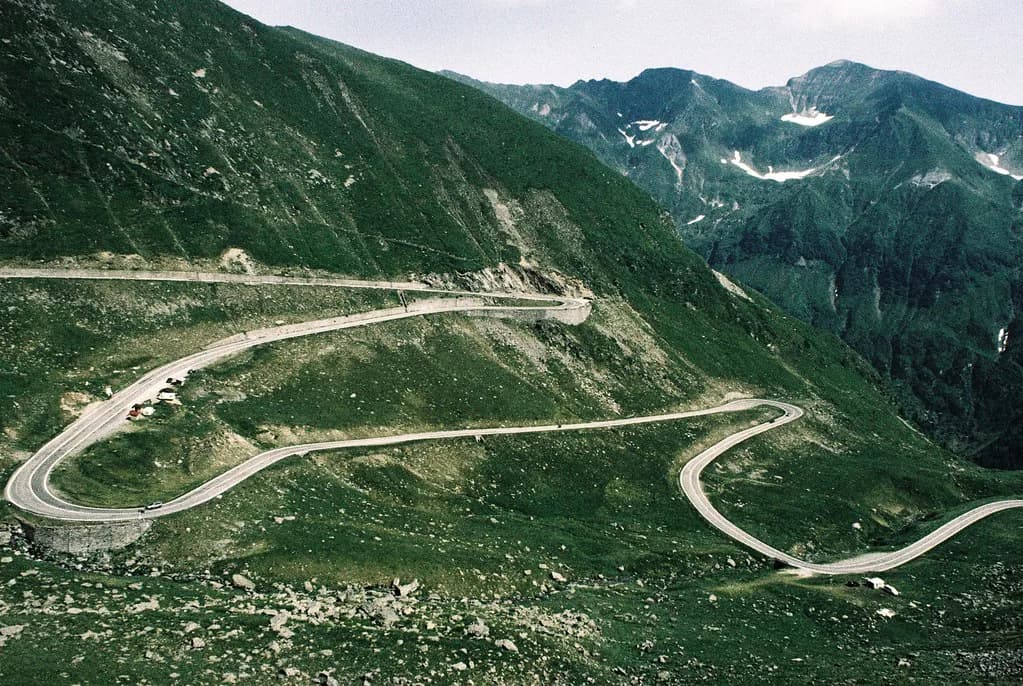
The Carpathian route from Bucharest up the Prahova Valley to Sinaia and Bușteni rewards confident drivers with steep switchbacks and occasional gravel. In June the high passes are usually clear, and Romania in June is a good window for the Bucegi Mountains before summer heat builds on the lowland roads.
For the Danube Delta, drive to Tulcea and leave the car while you take a boat into the wetlands. The delta access roads are flat and undemanding, but a car cannot follow you into the channels, so plan the boat leg separately from the drive.
On the Black Sea coast, a car makes sense for reaching Mamaia and the quieter beaches north of Constanța, though August brings the heaviest traffic and the fullest parking. Check Romania in July and Romania in August before committing to a coastal week with a vehicle.
One-way rentals and cross-border plans
One-way rentals are widely offered inside Romania, and providers sometimes discount routes where a city is short of vehicles, so quoting the return to a different location is worth the extra search. Pickups at Otopeni and Cluj-Napoca are the easiest to combine with a one-way drop.
Cross-border trips into Hungary, Bulgaria or Serbia need explicit permission on the rental agreement and usually a fee, and not every vehicle class is allowed out of the country. Confirm this with the provider at booking rather than at the counter, and note that Bulgaria has used the euro since 1 January 2026 while Hungary still uses the forint. If a Bulgarian leg is on the table, weigh it with our guide to whether Bulgaria is worth visiting before you pay for cross-border cover.
Car rental versus buses and trains
Trains and buses win on the Bucharest–Brașov–Sibiu corridor, where services are frequent and you avoid city parking entirely. A car wins the moment your itinerary includes villages, fortified churches or mountain trailheads, where timetables thin out and a taxi adds up. The trade-off is time versus flexibility, and for a five-day city-and-castle trip the train usually wins.
For a two-week circuit through Transylvania and the Carpathians, the car is close to essential and the daily rate is small next to the value of the days you save. For a weekend in Bucharest, it is pure cost. Read the best time to visit Romania to line the driving season up with your dates.
Common mistakes that cost renters money
The most expensive mistake is arriving with a debit card: Europcar refuses them for the deposit, and other providers follow similar rules. The second is accepting the cheapest headline rate without checking the excess, mileage cap and fuel policy, which is where the final bill is decided.
Third is driving straight out of Otopeni into central Bucharest at rush hour, when a train to Brașov and a city pickup would have been faster. Fourth is booking a manual when you cannot drive one, then paying for an upgrade at the counter. A little planning before you book avoids all four.
Plan Your Visit
Rent a car in Romania when the trip is Transylvania, the Carpathians or the Danube Delta, and skip it for a Bucharest-only or rail-based city itinerary. Book about a week ahead, filter for automatic if you need it, and read the deposit, excess and fuel terms before you pay.
Take a credit card in the main driver's name, carry the licence and passport, and collect the car on the way out of the city rather than on arrival. Carry some cash in lei for fuel stations and village stops, and keep a printed copy of your booking terms.
Explore more Romania trip-decision guides
Frequently Asked Questions
How old do you have to rent a car in Romania?
The minimum is reported as 21, with a surcharge for drivers under 25 and a maximum of 70, but providers set their own policies. Compare the terms of the specific booking you are considering. Younger drivers should expect to pay more and to find some vehicle classes unavailable.
How much does it cost to rent a car in Romania?
Comparison data shows cars listed from a few euros per day, with average daily rates in the low thirties in late winter and much higher in October. Weekly rates can be lower per day than short bookings. Treat every figure as indicative and get your own quote for the exact dates and vehicle class.
Do I need an international driving licence to rent a car in Romania?
An international driving permit is required when your licence is written in a language or script the renting country cannot read, and it is only valid alongside your original licence. If your licence is in a widely read Latin script, the original may be enough. Check current details with your chosen provider.
Can I use a debit card for a car rental in Romania?
Usually not for the deposit. Europcar's terms state that debit cards, cash, prepaid cards and third-party credit cards are not accepted, and the main driver must present a credit card in their own name. Other providers generally follow the same model, so bring a credit card with enough headroom for the security deposit.
Is it worth renting a car in Romania for a week?
Yes if you plan to cover Transylvania, the Carpathian passes or the Danube Delta, where buses are slow or absent and the days saved justify the rental. No if your week is Bucharest, Brașov and Sibiu by train, where parking and congestion cost more than the car adds. Match the vehicle to the itinerary, not the other way round.
Can I pick up in Bucharest and drop off in Cluj-Napoca?
One-way rentals inside Romania are widely offered, and some routes are discounted where a city is short of vehicles. Ask for a quote with the return to a different location and compare it with a round trip before deciding. Airport pickups at Otopeni and Cluj-Napoca make this the easiest pairing.
What is the cheapest month to rent a car in Romania?
March has the lowest average daily rate in the comparison data, with February close behind. October is the most expensive, followed by August and September. Booking about a week ahead is associated with better prices than leaving it late, though peak summer dates still cost more.
Sources
Trip-decision notes
Optional updates when we publish or revise a destination verdict.
You might also like
Continue reading
More guides you'll find useful