Best Cities in Romania: Where to Go and Who Each One Suits
A candid ranking of Romania's best cities, from Brașov and Sibiu to Bucharest, Cluj-Napoca and Timișoara, with who each suits and how long to give it.
On this page
The best cities in Romania split neatly into two groups: the Saxon-rooted towns of Transylvania, where a medieval core, a mountain backdrop and a fortified church do most of the work, and the bigger cities, where architecture, food and a working urban life carry the day. If you are building a first trip, start with Brașov and Sibiu and treat everything else as either an extension or a specialist stop.
The trade-off is time. Romania is large, the Carpathians sit between the main regions, and a route that looks short on a map can eat half a day. Reading up on whether Romania is worth visiting at all helps you decide how much of the country to attempt, but the practical answer is that four to five cities in ten days is a realistic pace and seven is not.
The verdict
Brașov is the strongest first stop: a compact old town, the Black Church, a cable car up Mount Tâmpa and day trips to Bran and Peleș castles all within reach. Sibiu is the closest rival, with the best-preserved historic centre in the country and the easiest access to the fortified villages of southern Transylvania.
Sighișoara justifies one night inside the citadel walls and not much more. Cluj-Napoca is the city Romanians choose to live in, lively and young but not especially touristy. Bucharest is a capital of grand boulevards and a rebuilt Old Town that some travelers love and others find exhausting.
Timișoara, Oradea and Alba Iulia are the elegant second tier — worth a stop if your route passes, not worth a detour from the other side of the country. Hunedoara is a single-castle town that earns a detour only for Corvin Castle. Choose by traveler type rather than by ranking: first-timers to Brașov and Sibiu, city-breakers to Bucharest or Cluj, road-trippers to all of it.
How we rank: medieval cores versus big-city energy
A Romanian city rarely wins on one thing. The Transylvanian towns score on intact medieval fabric — walls, towers, cobbled squares — and lose on size, which is why two nights usually covers them. The big cities score on restaurants, museums and transport hubs and lose on the tourist draw, since their pleasures are spread out and require more planning.
Practicalities count too. Brașov sits about 166 km (103 miles) from Bucharest, connected by road and rail, and makes a natural base for the castles and the Prahovei Valley corridor; the drive can slow badly with weekend traffic. Cluj-Napoca has direct flights from across Europe, which makes it the easiest entry point for a western loop.
Weather decides which cities work when. Transylvanian towns are at their best from late spring through early autumn, when terraces open and mountain roads clear; high passes such as the Transfăgărășan are only fully open in the warm months because of ice and snow. Winter turns Sibiu and Sighișoara atmospheric but cold and quiet, and some rural sights cut hours.
Brașov: the strongest first stop
Brașov packs the country's most usable old town into a walkable bowl beneath Mount Tâmpa. Piața Sfatului is the main square, the Black Church dominates the skyline, and Strada Republicii is the busy pedestrian spine. Give it two full days plus a third for castles, and take the cable car up Tâmpa if you would rather save your legs than hike the Knight's Road.
The surrounding day trips are the reason to base here. Bran Castle, marketed as Dracula's castle, is a compact museum of Queen Maria's furniture and art with a vampire-lore exhibition attached; Peleș Castle at Sinaia is the Neo-Renaissance showpiece with 160 rooms and an early private power plant. Both sit on the same corridor, so a car or an organized tour saves hours.
Râșnov, a half-hour away, has a hilltop Saxon fortress with a famous dug well, though restoration work has closed the interior at times while the grounds stay open. Bear in mind that Bran and Peleș draw the biggest coach crowds of the region in high season. Brașov also has its own airport at Ghimbav, which shortens the trip if you are renting a car on arrival.
Sibiu: the best-preserved old centre
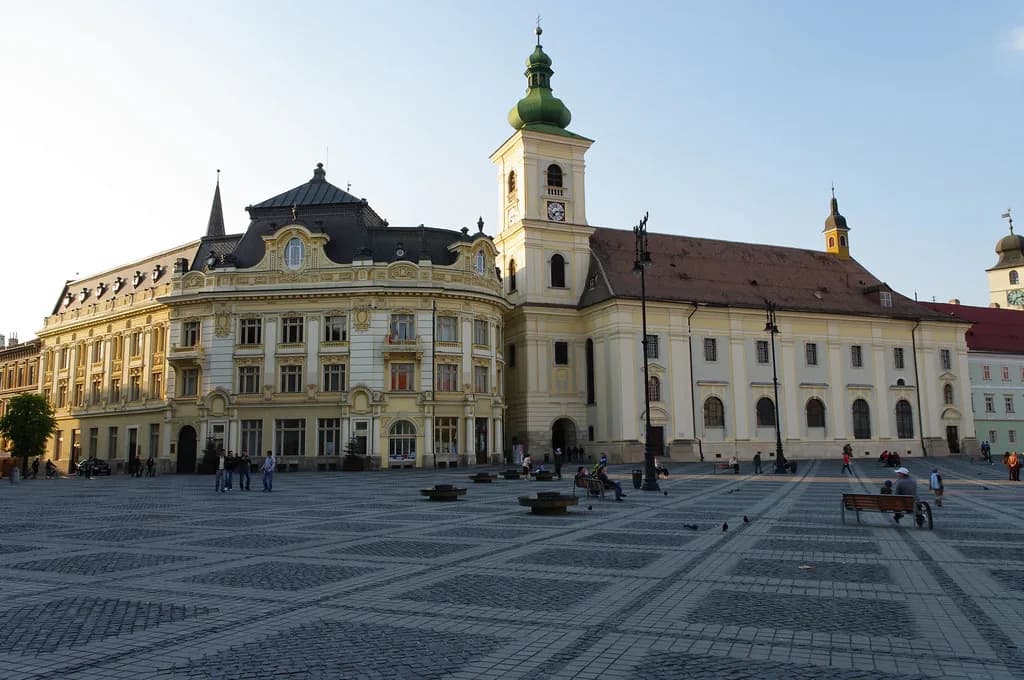
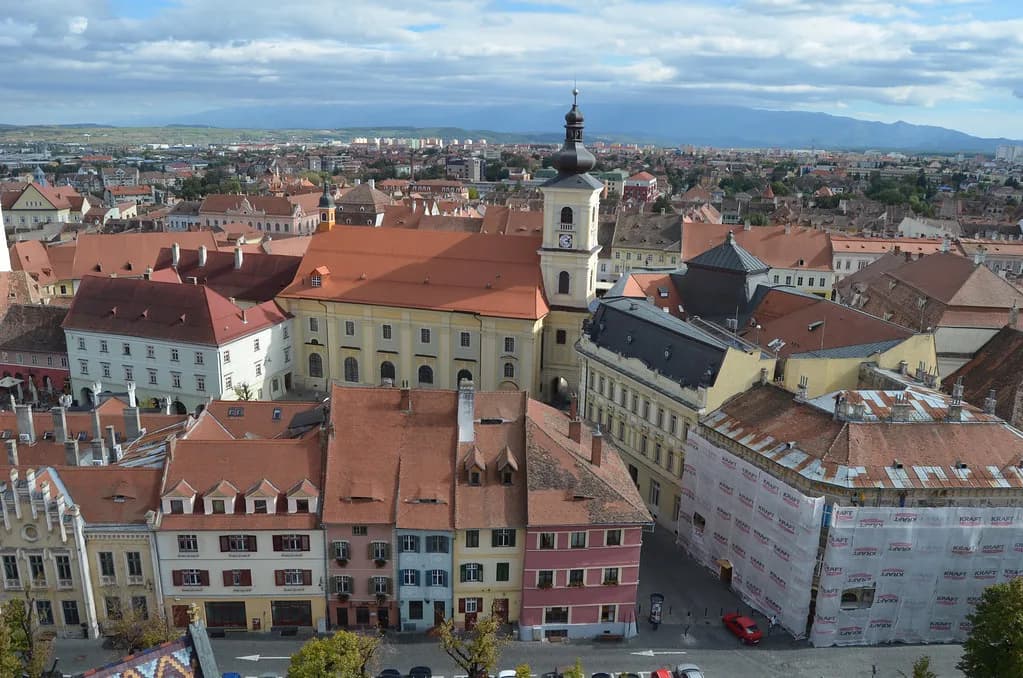
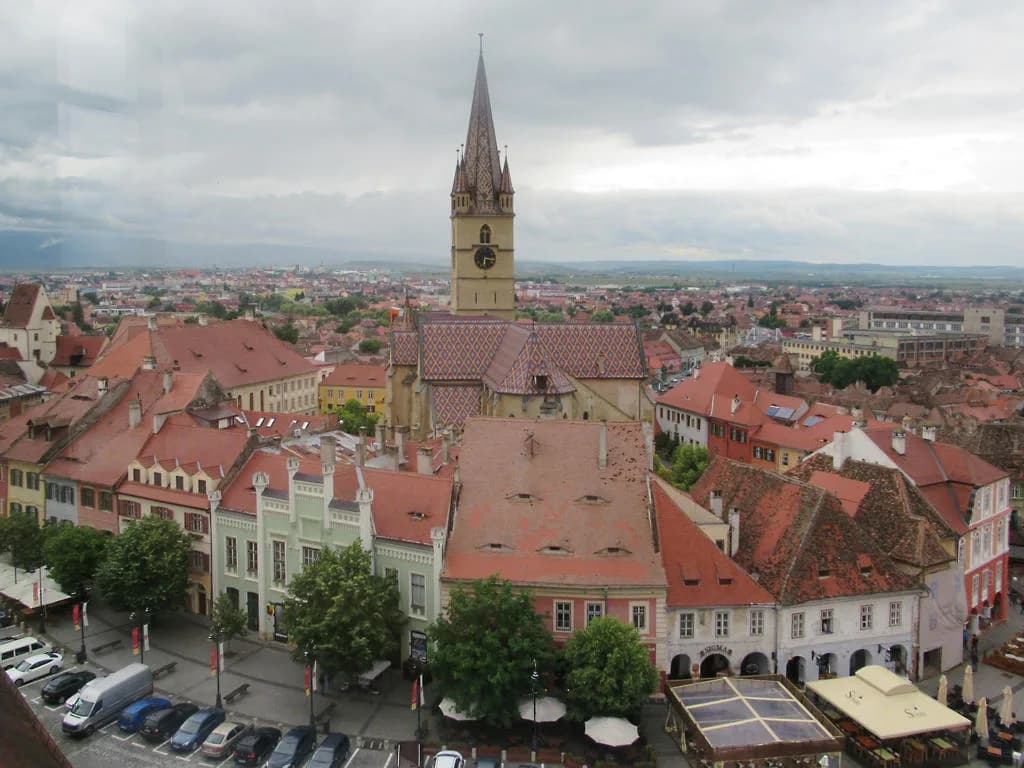
Sibiu's historic centre is the most polished in Romania — three linked squares, Saxon burgher houses and the eyelid-shaped roof windows that earned it the nickname city of eyes. It is compact enough for a day of wandering and rich enough for two, with the Brukenthal museum and the towers of the old wall filling the time.
Its real advantage is position. Sibiu is the gateway to the villages with fortified churches, including Viscri, whose UNESCO-listed church and Saxon houses make an easy half-day out. Viscri and the surrounding Saxon villages reward a slower day, and without a car those villages get awkward, so plan on a tour or accept a rural bus.
Sighișoara: the citadel that justifies a single night
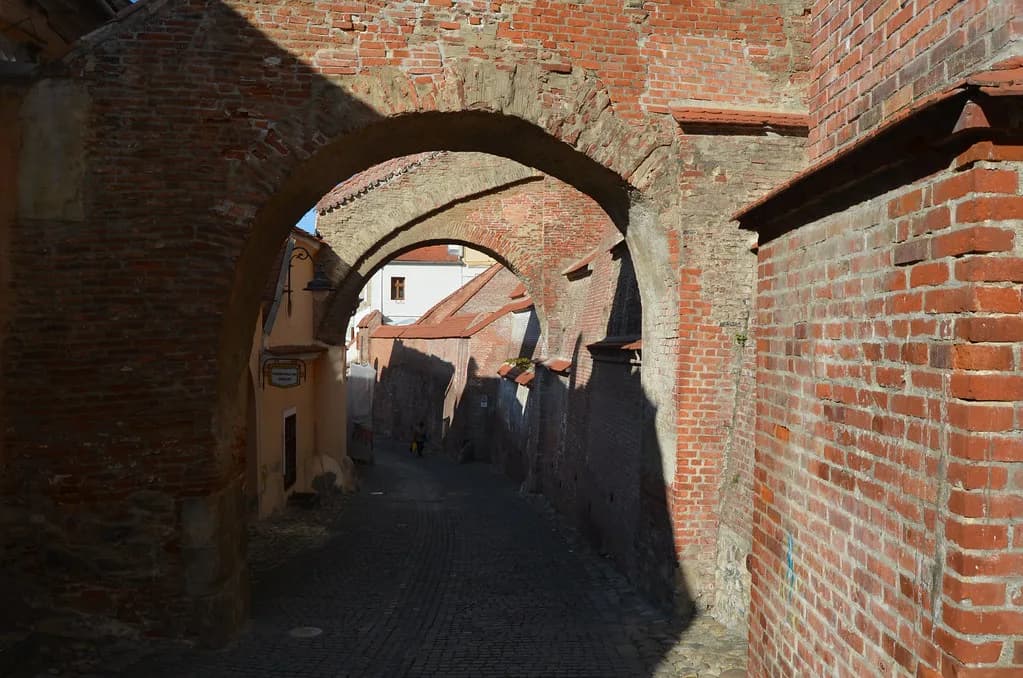
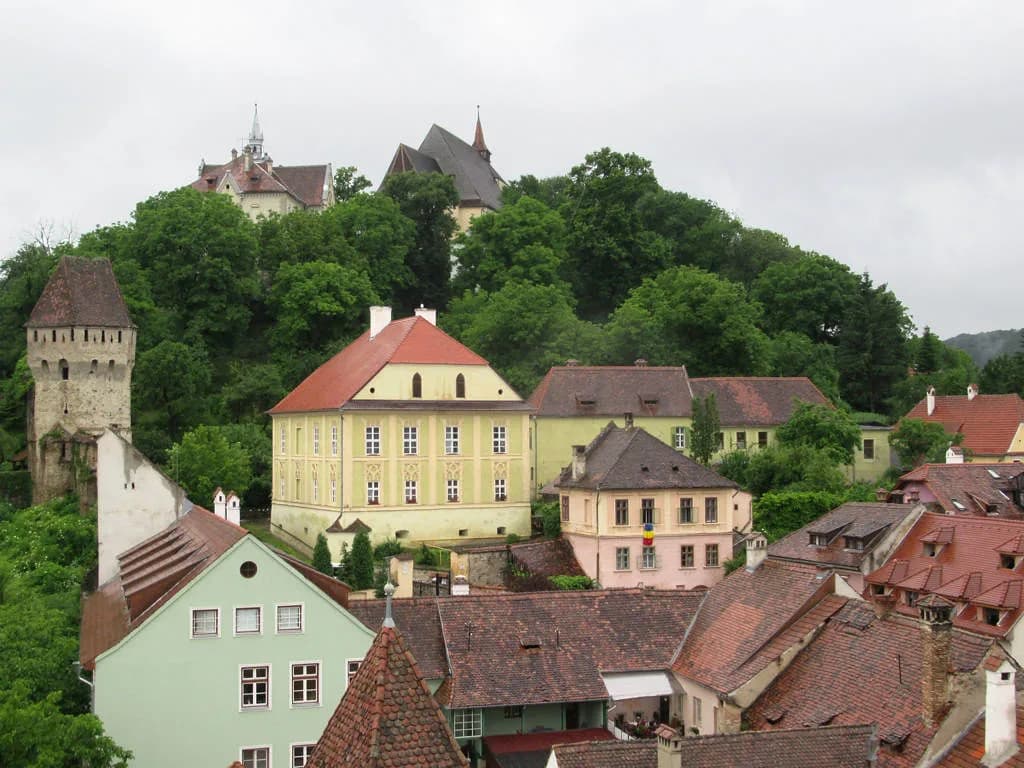
Sighișoara is the only inhabited medieval fortress in Southeast Europe and a UNESCO World Heritage site, entered through a gate and climbed by the covered Scholars Stairs. The clock tower, the cobbled lanes and the alleged birthplace of Vlad the Impaler fill an afternoon, and staying inside the walls after the day-trippers leave is the point.
Two nights is the maximum most travelers need, and the town gets busy during its late-July medieval festival, when the centre fills with locals and visitors in costume. Sighișoara works well as a break on the rail or road route between Brașov and Cluj-Napoca rather than as a base.
Cluj-Napoca: the young, lively city
Cluj-Napoca is Romania's second city in population and its most self-confident, with a long Dacian and Roman history under a compact, cafe-heavy centre. The botanical garden is among the finest in the country, and the city's green spaces and restaurant scene give it a lived-in energy that the museum towns lack. It feels like a city where people work, not one built around visitors.
The cost of that popularity is congestion and rising prices, and the historic core is smaller than Bucharest's or Brașov's. Two days is right, with Salina Turda as the obvious day trip — a former salt mine turned underground attraction with a ferris wheel, a boat lake and a panoramic lift. Bus 17 links Turda's centre with the mine, but services thin out in the evening.
Bucharest: the capital's Old Town and Belle Époque
Bucharest is the city travelers either embrace or skip, and both reactions make sense. The Old Town, the Romanian Athenaeum concert hall and the Palace of Parliament — the world's largest parliament building, with guided tours — give a dense two days, and the pre-war boulevards explain the old Paris of the East nickname.
What it lacks is the mountain setting that makes Transylvania so easy to like, and its sprawl means more time in traffic. It is also the best transport hub in the country, which makes it useful at the start or end of a trip rather than the middle. Give it two nights, three if you want a day trip to the salt mine at Turda or the Prahovei Valley castles.
Timișoara: Banat's elegant squares
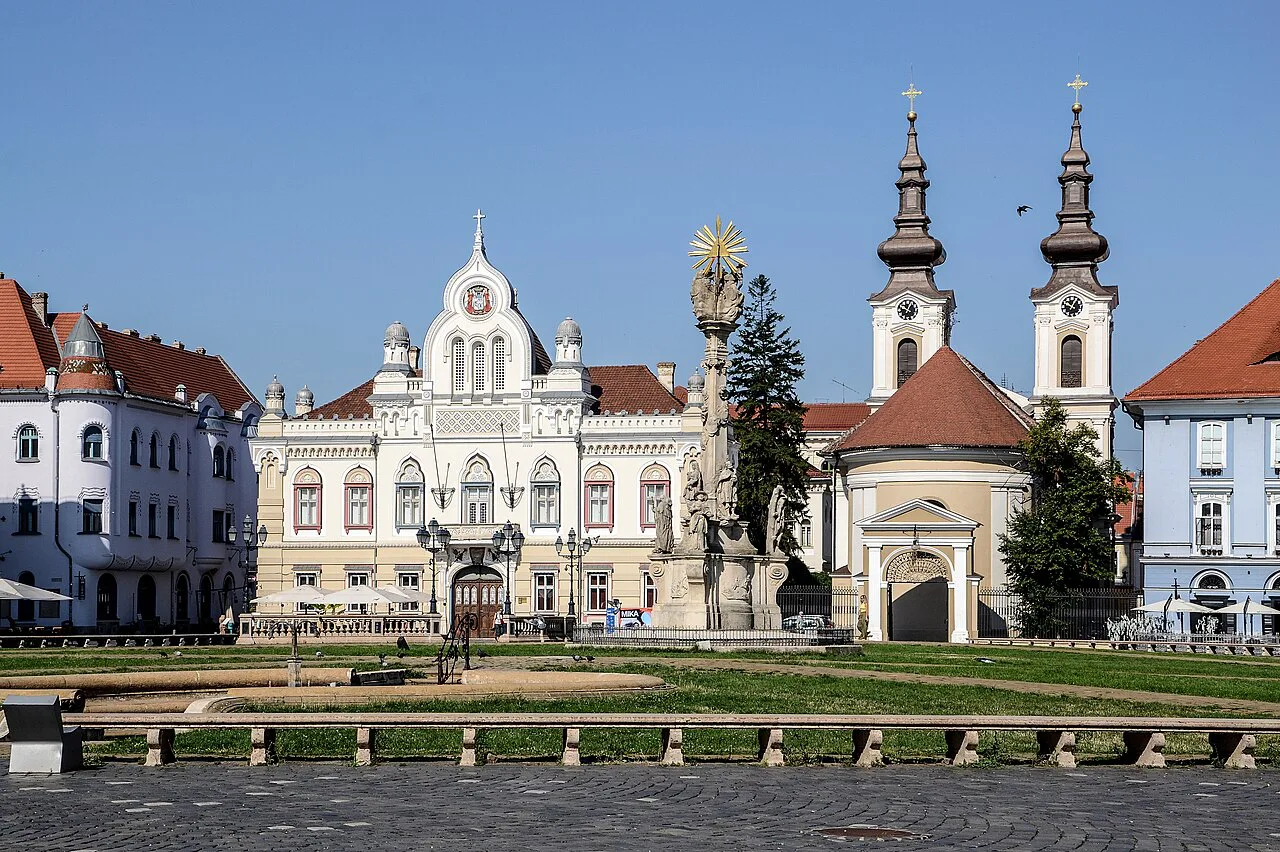
Timișoara sits close to the Serbian border in the Banat region, with Union Square's pastel facades and the Bega River, where a vaporetto ride gives the city a relaxed edge. It was the first city in Europe to use electric street lighting, and the café culture still carries that self-assured air.
It is a two-night city, better as an add-on to a Serbia or Hungary itinerary than as a reason to cross Romania. Travelers heading west toward Belgrade or north toward Budapest get the most from it; those with a week and a Transylvania-only plan can leave it for next time. If Belgrade is on your route, it's worth reading whether Serbia is worth visiting before you commit the extra days.
Oradea: Secession architecture near the Hungarian border
Oradea has quietly become one of the country's most rewarding short stops, thanks to a cluster of Secession and Eclectic palaces — the Black Eagle Palace, the Moskovits Miksa Palace, the Moon Church — that rival anything in the region. A day of architecture-walking covers the centre, and the nearby Baile Felix spa explains part of its tourist history.
Its position near the Hungarian border, roughly three and a half hours by car from Budapest and about five by train, makes Oradea a natural first or last stop on a cross-border route. On a Romania-only trip it is a detour; with Hungary in the plan it is almost on the way.
Alba Iulia: the Vauban fortress
Alba Iulia matters to Romanians as the city where the 1918 union was proclaimed, and its star-shaped Alba Carolina Vauban fortress has been restored into one of the most impressive military-architecture sites in the country. Outside the citadel the town is ordinary, so plan a half-day of walking and a look at the ceremonial route.
Time your visit around December 1, Romania's National Day, and you get the parade and festivities along with crowds and cold. On any other date it is a calm stop between Sibiu and Cluj-Napoca rather than a destination in its own right.
Hunedoara: a one-castle town
Hunedoara earns its place almost entirely through Corvin Castle, a Renaissance-Gothic fortress on a cliff above the Zlaști River with tall towers, bastions and an inner courtyard you can walk through. Outside the castle there is little to hold a traveler, so the town works as a base for Hunedoara County rather than as a place to linger.
With a car, the surrounding county adds the Dacian capital at Sarmizegetusa Regia, the Roman city of Ulpia Traiana Sarmizegetusa, the Deva fortress and the trails of Retezat National Park. Without one, the castle alone makes the trip hard to justify unless you are already passing through.
Towns worth a half-day
Râșnov, near Brașov, is a hilltop fortress and a couple of Saxon streets. Turda is the salt mine plus a small historic centre, easily done from Cluj-Napoca. Făgăraș adds Cetatea Făgărașului, a walled fortress turned museum of Roman finds, folk art and medieval weapons, on the old trade route between Sibiu and Brașov.
These are stops rather than stays. Build them into driving days — Râșnov on the way to Bran, Făgăraș between Sibiu and Brașov, Turda from Cluj — and you get the sight without paying for a night in a place with little evening life.
How many days each city needs
Brașov deserves two to three days once castles are counted. Sibiu takes two, plus a day for the fortified villages if you have transport. Sighișoara is one night and a morning. Cluj-Napoca fits two days with Turda as a third, and Bucharest two to three.
The western cities are cheaper in time: Timișoara and Oradea each take two nights, Alba Iulia half a day, Hunedoara half a day plus travel. If you have only a week, choose Brașov and Sibiu and accept that you will not see the west. Ten days lets you add Sighișoara and Cluj-Napoca; two weeks covers the whole list without rushing.
Getting between the cities
Romania's rail network links the main cities — Bucharest to Brașov, Brașov to Sighișoara and on to Cluj-Napoca — but journeys are slow and stations are often on the edge of town. Buses fill many gaps more cheaply. For the fortified villages, the Maramureș sights and castles off the main line, a car turns a day of waiting into an afternoon.
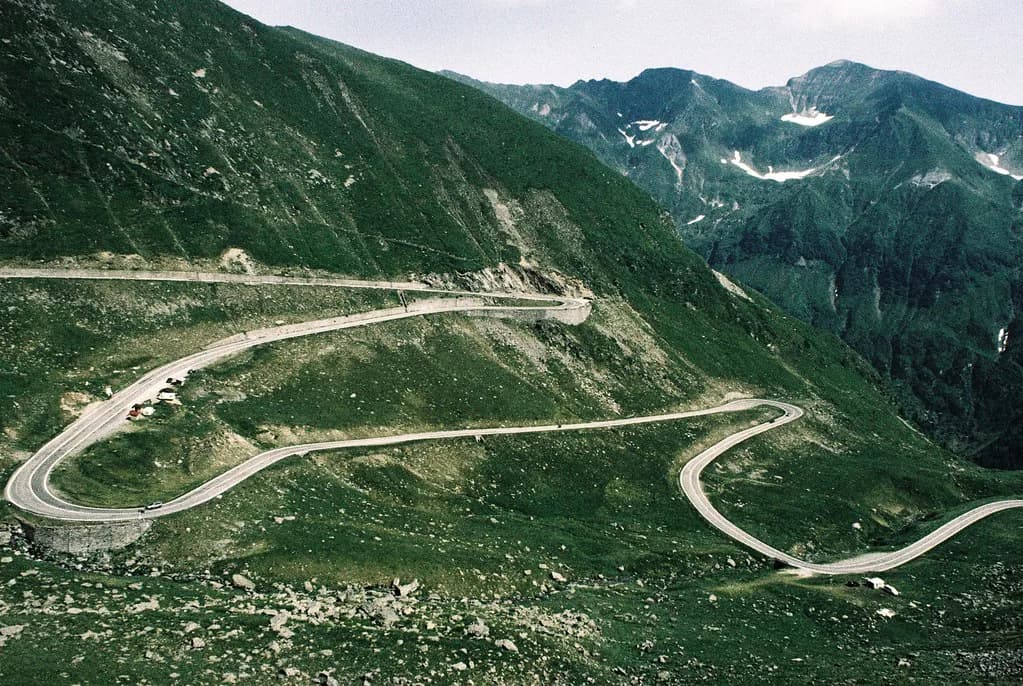
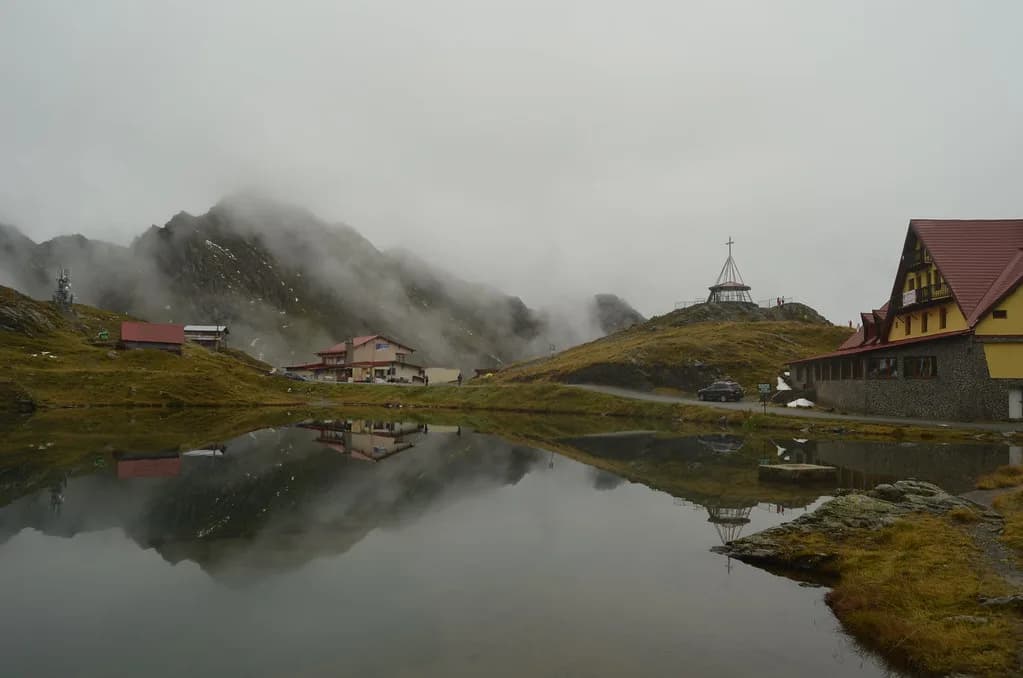
Mountain roads come with seasonal limits. The Transfăgărășan, the 150 km high road across the Făgăraș mountains, is only fully open from roughly June to October because of ice and snow, and it has long unbarriered drops that demand a confident driver. Poenari Citadel, at its southern end, adds 1,480 steps of climbing when open.
Budget for the leu, the only currency you will need; cards work widely in the cities and cash matters for rural guesthouses and small museums. Prices in Romania are generally moderate by Western European standards, with the big cities catching up fastest. Check the Romanian leu page before you go for how to pay without losing on exchange.
Who should skip which city
Skip Bucharest if you have a week or less and came for mountains and medieval towns — the capital will eat two days you would rather spend in Transylvania. Skip Cluj-Napoca if you want postcard streets rather than a working city, and skip Timișoara and Oradea unless your route already bends west toward Serbia or Hungary.
Skip Sighișoara as an overnight if you are traveling with heavy luggage and no car, since hauling bags over cobbles and up to the citadel wears thin. Skip Hunedoara entirely without a car and without an interest in castles. None of these are bad cities; they are simply wrong for certain trips.
Typical costs and when to go
Romania is one of the better-value countries in the region: city meals, museum tickets and rail fares sit below Western European levels, while Brașov, Sibiu and Cluj-Napoca command the highest prices in high season. Castle and mine tickets, transport fares and any tour prices should be checked with the venue or operator, since they change by season.
Late spring and early autumn are the best months for a city circuit, with mild days, open terraces and mountain roads passable. July and August bring the biggest crowds to Bran, Peleș and the Prahovei corridor, while winter is atmospheric in Sibiu and Sighișoara but cold, dark early and thin on rural transport.
Plan Your Visit
Start with Brașov and Sibiu, add Sighișoara for a night inside the walls, and let Cluj-Napoca or Bucharest anchor the flights at either end. Build Oradea, Timișoara and Alba Iulia in only if your route genuinely passes them, and treat Hunedoara and the small towns as driving-day stops rather than destinations.
Decide on a car before you book anything, because it changes which villages and castles are reachable and how much of Transylvania you can realistically see. Then set your cities in order, match the days to the list above, and you will spend your time in old towns rather than on platforms.
Explore more Romania trip-decision guides
Frequently Asked Questions
What is the most beautiful city in Romania?
Most travelers name Sibiu for its preserved old centre and Brașov for the combination of a medieval square and a mountain rising behind it. Sibiu wins on architectural consistency, Brașov on setting and day trips. Neither is a bad choice for a first trip.
Which Romanian city is best for a first trip?
Brașov. It has the most usable old town, the Black Church and Mount Tâmpa, and it puts Bran and Peleș castles within a day's reach. Base yourself there for two or three nights and add Sibiu for two more before moving on.
Is Bucharest worth visiting?
Yes, for two nights, especially if you want the Palace of Parliament, the Athenaeum and the Old Town. It is a big, spread-out capital without a mountain backdrop, so travelers with a week or less should weigh it against Transylvania and often leave it out.
How many days do you need in Brașov?
Two full days for the old town, Piața Sfatului, the Black Church and the cable car up Mount Tâmpa, plus a third for Bran and Peleș castles. Travelers who want Râșnov and Poenari as well should allow four.
Is Cluj-Napoca worth visiting for tourists?
It is worth two days if you want a lively, modern Romanian city with good food, a fine botanical garden and the Turda salt mine nearby. Travelers looking for a medieval postcard should choose Sibiu or Sighișoara instead.
Which cities in Romania are easy to reach by train?
Bucharest, Brașov, Sighișoara, Sibiu, Cluj-Napoca and Timișoara are all on the rail network, though journeys are slow and some stations sit outside the centre. Oradea connects toward the Hungarian border, and Alba Iulia and Hunedoara are simpler by road.
Sources
Trip-decision notes
Optional updates when we publish or revise a destination verdict.
You might also like
Continue reading
More guides you'll find useful