Romania in October: Weather, Crowds and Whether to Go
Romania in October brings mild days, thinning crowds and autumn colour in the Carpathians. Here is what the weather is like and who should wait.
On this page
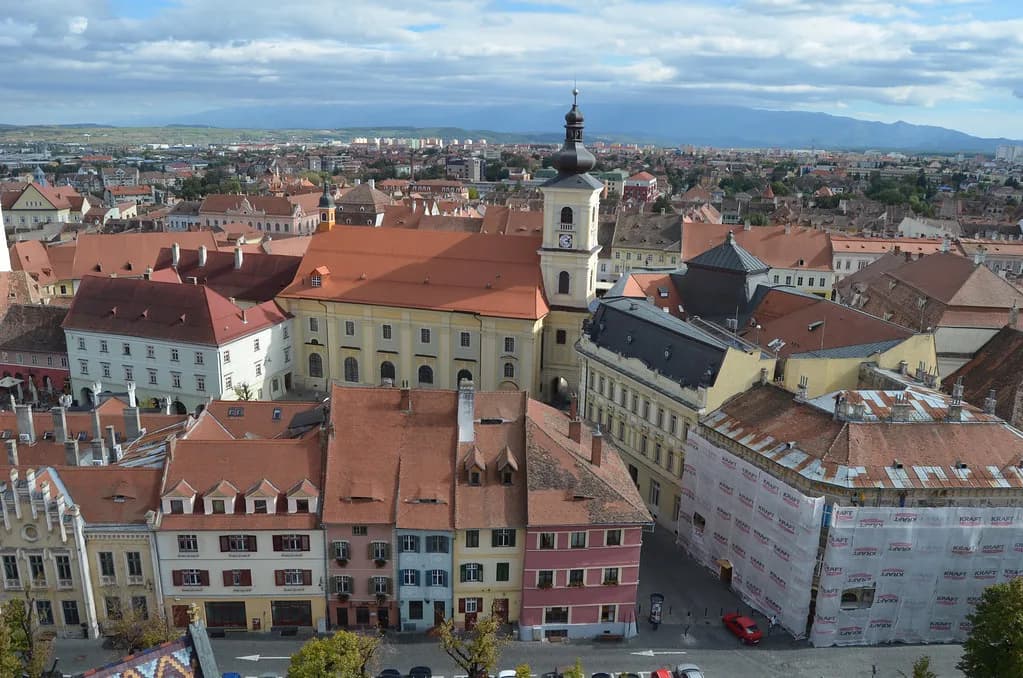
Yes, October is a strong month for a first trip to Romania, as long as you want cities, castles and mountain scenery rather than sunshine on a beach. Days are mild rather than hot, summer crowds thin out at the big sights, and the forests of Transylvania and the Carpathians turn gold and red.
The trade-off is real: daylight shortens quickly, showers become more frequent, and some mountain and coastal services wind down for the season. If you want a simple gut check on the country itself before you fix a month, our verdict on whether Romania is worth visiting covers what the country does and does not deliver.
The verdict on Romania in October
Go in October if your trip is about medieval towns, castles, Saxon villages and walking in the mountains. The month suits travelers who would rather wear a jacket and have Brașov's Council Square half to themselves than queue in July heat.
Wait if you want guaranteed warmth, long evenings or a seaside holiday. Romania's Black Sea coast is a summer proposition, and by October the case for Constanța is about history and seafood rather than swimming.
Early October behaves much like a warm September, with pleasant afternoons in Bucharest and comfortable conditions on lower trails. Late October swings cooler and wetter, so the last week is better for museum days, citadels and wine-cellars than for ridge hikes.
Who will love Romania in October
Photographers get the best of it: low autumn light on the Carpathian ridges, mist in the valleys around Viscri and Sighișoara, and far fewer people in the frame at Peleș Castle in Sinaia or Râșnov Fortress.
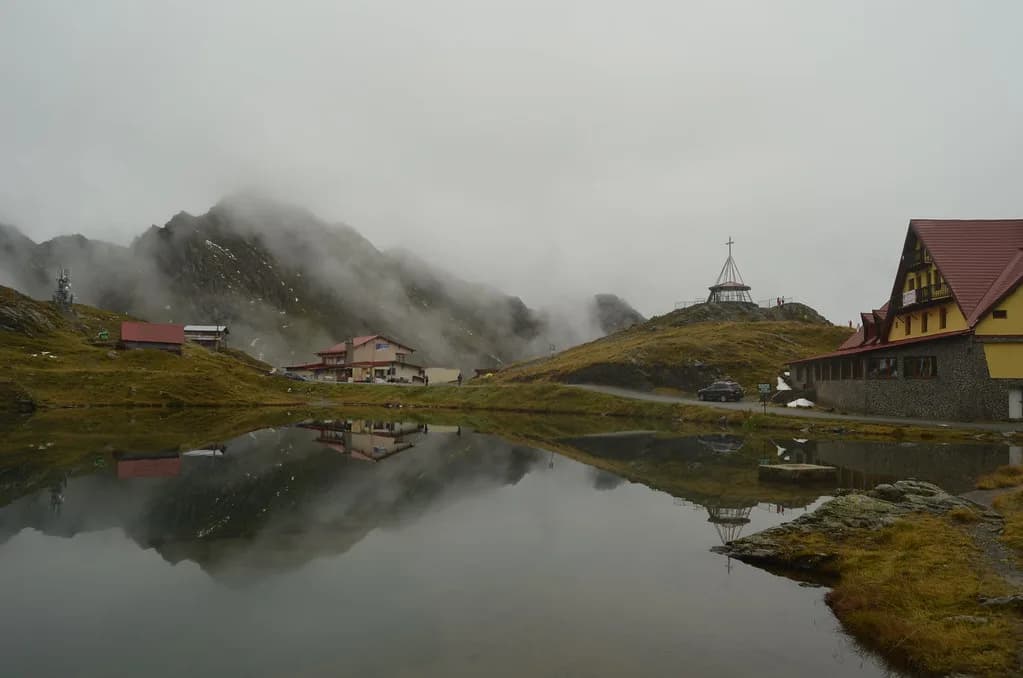
Hikers who accept changeable weather will find Piatra Craiului National Park and the Făgăraș Mountains at their most atmospheric. A first mountain day with a local guide is worth the outlay for navigation, shepherd dogs and fast-shifting conditions, and October is not the month to test your map-reading optimism on a long ridge route.
Travelers who dislike heat do well here too. Bucharest in autumn typically sits in a mild 10–20°C (50–68°F) range with occasional showers and cooler evenings, which makes walking the city and its parks far more comfortable than in August.
Who should pick a different month
Beach-seekers should look at July or August, or choose a different country entirely, because October on the Romanian coast is for strolling the promenade, not swimming. The same goes for families who need predictable sun and short-sleeve evenings.
Travelers with limited mobility or a tight schedule should weigh the shorter days. Sightseeing hours shrink through the month, so cramming Bucharest, Brașov and the painted monasteries of Bucovina into one week gets harder after mid-October.
If true alpine hiking is the whole point, late September often gives more settled conditions. Our guide to the best time to visit Romania sets out how the shoulder months compare.
October weather across Romania
Treat October as two months. The first half usually feels like an extension of September, with mild afternoons in Bucharest and Brașov and only occasional rain; the second half brings cooler air, more overcast days and the first snow dustings on the highest Carpathian ridges.
In the capital, autumn conditions typically range from about 10–20°C (50–68°F), with showers and noticeably cooler evenings as the season advances. Read those figures as normal conditions for the month, not a forecast, and expect a rain layer for any day outdoors.
Mountain weather is its own story. Trails in Piatra Craiului and the Făgăraș can be cold, windy and slippery after rain, and snow is possible on high ground late in the month, so build in a spare day rather than scheduling every hike back to back.
Autumn colour in Transylvania and the Carpathians
The forests around Brașov, Zărnești and Sighișoara are the reason to come now. Beech and mixed woodland turn through October, and the drive between Brașov and Sighișoara via Rupea is one of the most rewarding autumn roads in the country.
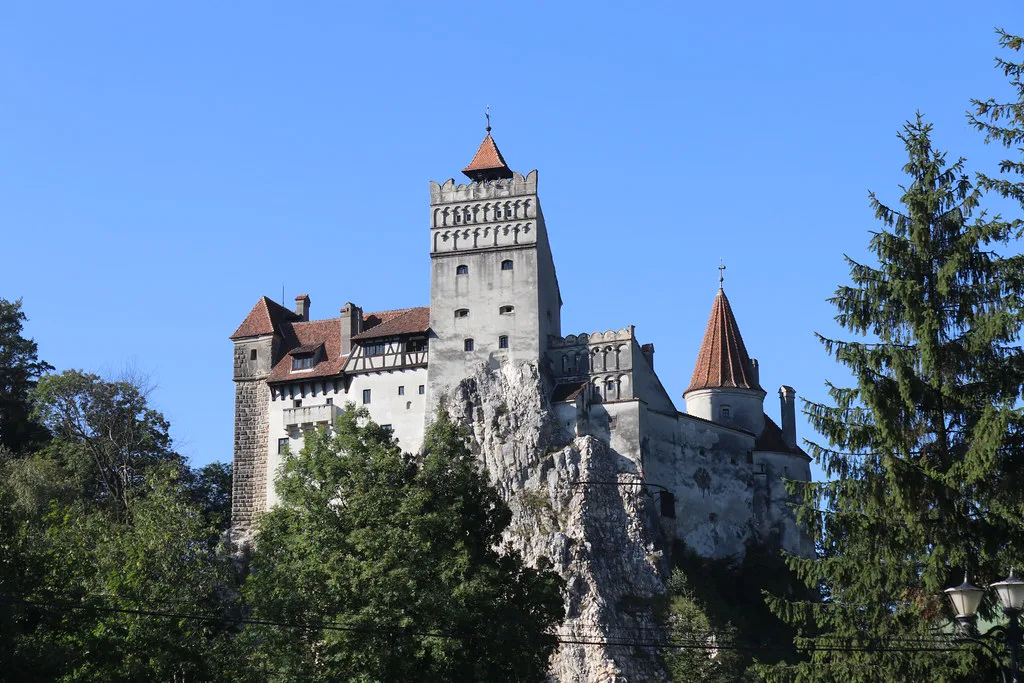
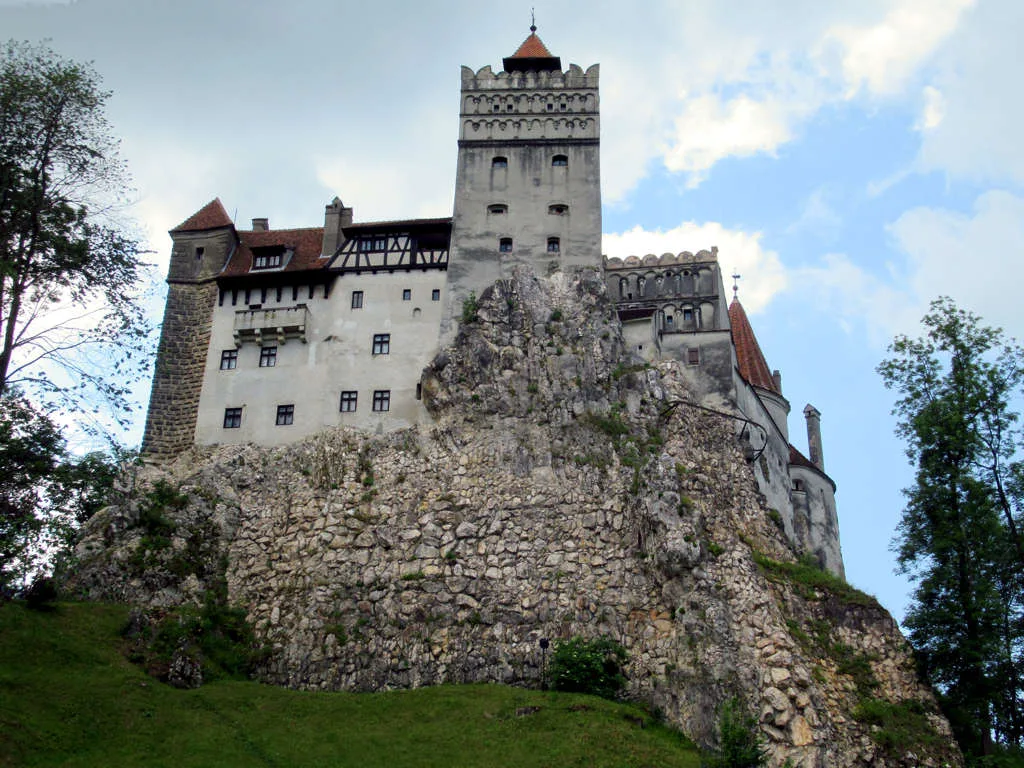
Use Brașov as a base for Bran Castle and Râșnov Fortress, both short drives from the city, and allow a full day for the pair rather than rushing them. Bran is the busier of the two and rewards an early start even in October.
Around Zărnești, the Libearty Bear Sanctuary runs visits by guided tour and is closed on Mondays, with children under five not admitted, so plan the week around those rules rather than turning up. Combine it with a lower-level walk in the Piatra Craiului foothills while the colours hold.
For the widest choice of colour-driven routes and the towns worth building them around, see the best places to visit in Romania.
Bucharest in October
Bucharest earns a day or two in October. Cișmigiu Park and Herăstrău Park are at their best with turning leaves, the Old Town is walkable without summer heat, and the Palace of the Parliament and the National Museum of Art give you indoor options when showers set in.
Food is part of the appeal as temperatures drop: sarmale, mămăligă and grilled mititei suit the cooler evenings, and Obor Market is the place to see the autumn produce. The city's cultural calendar in October is busy, but confirm dates and venues with the organizers before building a trip around any single event.
Allow a full day before you collect a car, because central Bucharest is easier on foot than behind a wheel. Our guide to renting a car in Romania explains what you need before heading for Transylvania.
Castles and medieval towns in October
Peleș Castle at Sinaia makes a natural stop on the drive from Bucharest to Brașov, and it is a very different experience from the Dracula industry: elegant royal interiors, carved woodwork and mountain scenery rather than legends. Buy tickets ahead at busy times even in shoulder season.
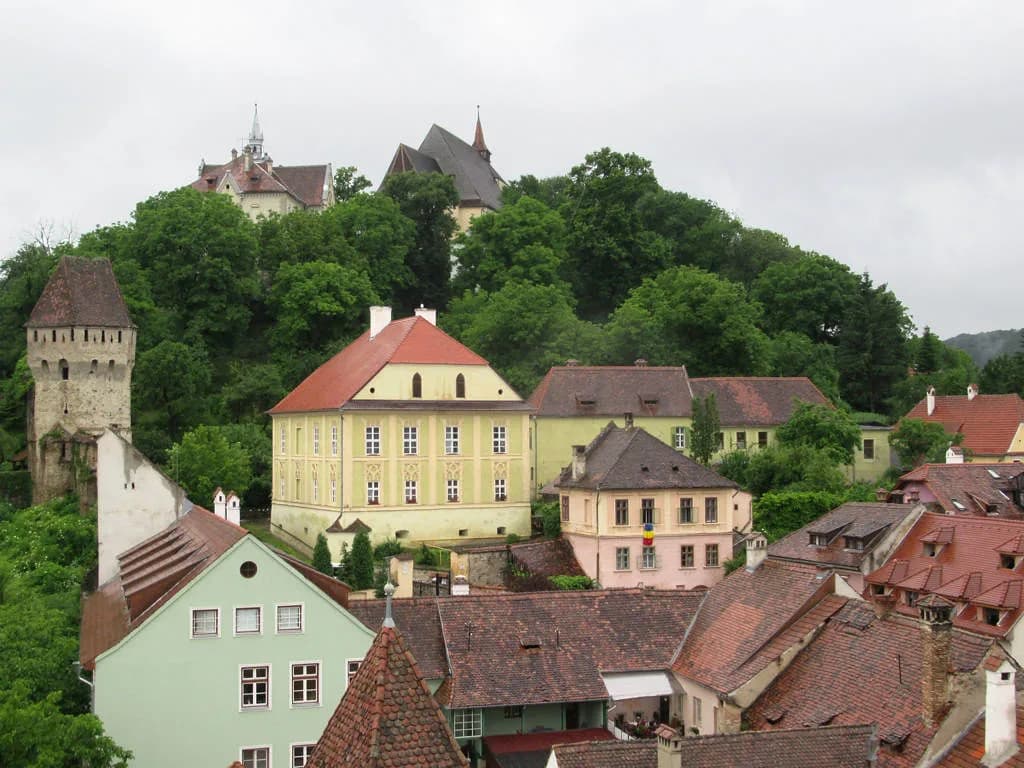
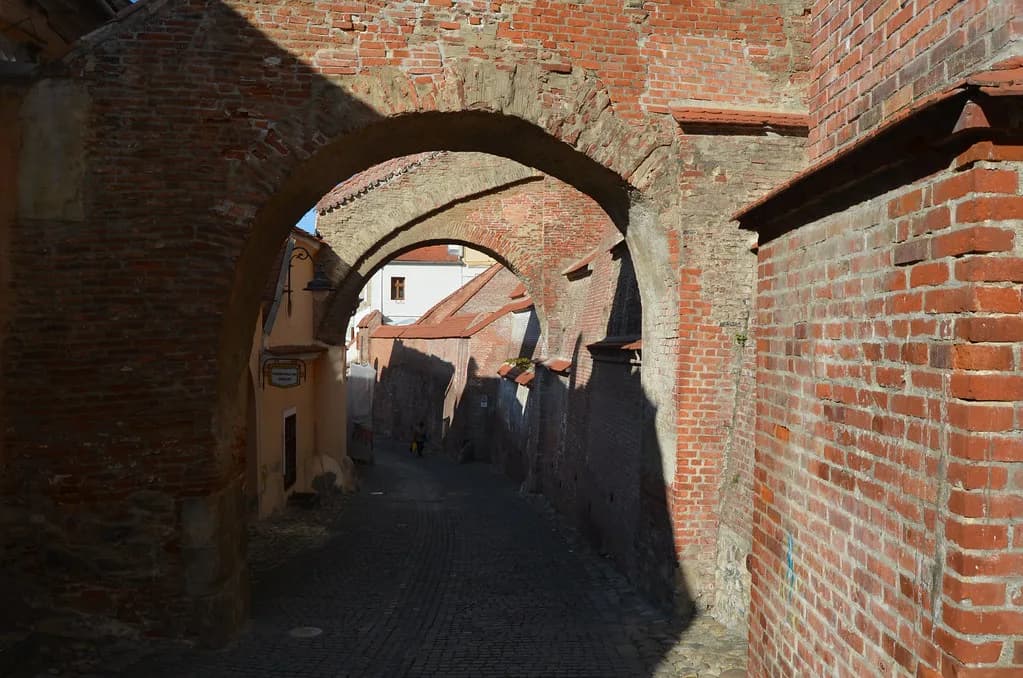
Sighișoara's UNESCO-listed citadel, with its Clock Tower and cobbled lanes, is at its most photogenic in autumn light, and Viscri's fortified church and Saxon village make an easy day loop via Rupea Fortress. Both are quieter in October but not empty, so book accommodation early if your dates fall on a weekend.
Bran Castle draws Halloween-themed tours and events around the end of the month, some of which sell out and some of which are more party than history. Check what each operator actually includes before booking, because a costumed evening at the castle is a different product from a daytime visit.
Crowds and prices as the season winds down
October is a shoulder month, so the worst of the summer queues at Bran, Peleș and the Brașov cable car ease, and guesthouses in Saxon villages have space again. Weekends and school holidays still fill, particularly around Halloween, so midweek is calmer.
Romania uses the leu (RON), and prices outside the capital stay moderate by Western European standards, with Bucharest and Brașov the priciest. For how far your budget stretches, read is Romania expensive and our money in Romania notes on cards, cash and tipping.
Guided wildlife and trekking experiences often cost the most of anything on a Romanian itinerary, and October availability tightens as operators reduce departures. Compare what is included before you commit, and book conservation-led trips over anything that promises guaranteed bear sightings.
Hiking and wildlife watching in October
This is prime walking season below the high ridges: cooler air, fewer people and clear views from the Piatra Craiului limestone crests on good days. Choose lower routes after rain, carry layers and a headtorch, and accept that shorter daylight means starting early.
Wildlife watching continues into October, with bears, deer and chamois active as they prepare for winter. Responsible operators run hide-based watching in the Făgăraș Mountains, where tourism funds habitat protection rather than feeding stations, and sightings are never guaranteed.
If you plan to combine hiking with village stays, remember that transport thins out in rural areas. Our guide to getting around Romania covers train, bus and car options so you can match the route to the season.
How many days you need
Ten days is a sensible first trip in October: Bucharest, Brașov with Bran and Râșnov, a couple of nights near Zărnești for the bear sanctuary and Piatra Craiului, then Sighișoara and Viscri before returning to the capital. That pace leaves room for a washed-out day without derailing the trip.
With a week, cut either the mountains or Maramureș and Bucovina rather than trying to see everything. With two weeks, add Maramureș's wooden churches and the painted monasteries of Bucovina, but accept long drives and plan fewer stops per day.
If your dates slip into late September, Romania in September is warmer and drier on average but busier. Either month works for the same route; October simply asks for more flexibility.
Getting around Romania in October
A car is the practical choice for Transylvania's villages and mountain trailheads, where buses are infrequent and trains do not reach the smaller sights. Bucharest to Brașov is roughly a three-hour drive with a Peleș stop at Sinaia, and Brașov to Sighișoara via Rupea adds a few hours with sightseeing.
Trains connect Bucharest, Brașov, Sibiu and Cluj-Napoca reasonably well, and are a decent option if you stick to cities. In October, fog and rain can slow mountain roads, so avoid tight same-day connections when crossing the Carpathians.
Download offline maps and a data plan before leaving the cities, because rural signal is patchy. A Romania eSIM set up in advance saves hunting for a local SIM on arrival.
Typical costs
October pricing sits between peak summer and winter: mid-range guesthouses and hotels are cheaper than in August, while flights from Western Europe remain moderate outside half-term. Castle and museum tickets are modest, but check the official ticket pages for current prices rather than relying on old guides.
Tour packages in October range from short city breaks to ten-day castle routes and multi-day wildlife trips, with prices varying widely by inclusions and group size. Compare what is covered, especially meals, guiding and entry fees, before choosing.
Budget separately for fuel, parking in Brașov and Bucharest, and guided activities, which are the biggest variable costs. For a fuller breakdown by category, read is Romania expensive and the wider best time to visit comparison.
Drawbacks worth knowing
Daylight is the main one: by late October, sunset arrives early enough to limit afternoon sightseeing and hiking. Rain is more frequent, mountain weather can close high routes, and some rural guesthouses and seasonal attractions reduce hours or shut after the summer.
The Halloween period around Bran is crowded and more expensive, and not every event matches its marketing. Road conditions in the Carpathians can be slow after rain or early snow, so build slack into any tight itinerary.
English is widely spoken in cities and among younger Romanians, but less so in rural areas, so a few phrases help. For expectations, see do they speak English in Romania.
For official entry rules, check your own government's travel advice page before booking. That is the only reliable source for passport and entry requirements, which change without notice.
Plan Your October Trip
October is a good month to visit Romania if you want autumn colour, thinner crowds at the castles and comfortable walking in Bucharest and Brașov. Go early in the month for warmer days and later for atmosphere and Halloween events, and keep a flexible day for mountain weather.
Skip October if you need guaranteed sun, long evenings or a beach holiday. For everyone else, this is one of the most rewarding months in the Carpathians, provided you pack for showers and start hikes early.
If you are still comparing months, Romania in April gives you spring flowers and fewer visitors, while September offers more settled warmth. Read our verdict on whether Romania is worth visiting to decide if the country suits you at all, and if you are weighing nearby alternatives, our verdict on is Serbia worth visiting applies the same test to a neighbouring country.
Explore more Romania trip-decision guides
Frequently Asked Questions
Is October a good time to visit Romania?
Yes, for cities, castles and mountain scenery. October brings mild days, autumn colour and thinner crowds at Bran, Peleș and Brașov. It is not a beach month, and late October is cooler and wetter, so plan indoor options and flexible hiking days.
How warm is Bucharest in October?
Typical autumn conditions in Bucharest range from about 10–20°C (50–68°F), with occasional showers and cooler evenings. Treat those as normal conditions for the month rather than a forecast, and pack a rain layer and a warm layer for evenings.
Is October crowded in Romania?
Generally no. October is shoulder season, so the summer queues at the main castles ease and Saxon village guesthouses have space. Weekends and the Halloween period around Bran still fill, so book those dates ahead and prefer midweek for the busiest sights.
Can you hike in Romania in October?
Yes, especially on lower routes in Piatra Craiului and the Făgăraș foothills. Expect changeable weather, colder nights, possible early snow on high ground and shorter daylight. Start early, carry layers and a headtorch, and consider a guide for your first mountain day.
How many days do you need in Romania in October?
Ten days suits a first trip covering Bucharest, Brașov, Bran, Râșnov, Zărnești and Sighișoara with room for a washed-out day. With a week, cut either the mountains or the far north. With two weeks, add Maramureș and Bucovina but plan fewer stops per day.
What should you know about money in Romania in October?
Romania uses the leu (RON). Cards are widely accepted in cities and at larger hotels, but carry cash for rural guesthouses, markets and small cafes. Check current prices with venues.
Sources
Trip-decision notes
Optional updates when we publish or revise a destination verdict.
You might also like
Continue reading
More guides you'll find useful