Best Places to Visit in Romania: 12 Worth-the-Trip Picks
The best places to visit in Romania, from Sighisoara and Sibiu to the Carpathians and the Danube Delta, with honest trade-offs and verdicts by traveler type.
On this page
Romania suits travelers who want medieval towns, fortified churches and mountain roads without the crowds of Prague or Dubrovnik, and who accept that the best bits sit far apart. The country's highlights cluster into four zones: the Transylvania core around Brasov, Sibiu and Sighisoara, the northern detours to Bucovina and Maramures, the Carpathian passes, and the Danube Delta and Black Sea coast. Pick two zones for a week and you will see Romania properly; try four and you will spend the trip in a car.
The verdict
Romania is worth visiting for anyone who values atmosphere over polish: hilltop citadels, Saxon towns with walls still standing, and monasteries painted inside and out. It is a poor fit for travelers who want short transfers between sights, beach-resort comfort on a northern European standard, or a trip built around one famous castle. Bran delivers the Dracula story in a crowded package, while the country's real strengths are spread across Transylvania and the north. If you are weighing similar low-key, wine-and-history destinations nearby, see whether is Moldova worth visiting for a second opinion on the region.
Treat Romania as a small country with big distances. A car or train ride of three to four hours can take you from Bucharest to the Black Sea, or from southern Transylvania into Bucovina and Maramures, which sounds convenient until you count how many of those hops a week allows. Two bases and one long northern push is a realistic shape; three or four bases in seven days is not.
Who will love it
Castle chasers get Peleș at Sinaia, a Neo-Renaissance palace at the foot of the Bucegi Mountains, plus Bran, Rasnov and Corvin Castle at Hunedoara, which trades Bran's crowds for an industrial setting and a genuinely dramatic Gothic silhouette. Architecture lovers get Sibiu and Sighisoara, both built by Transylvanian Saxon settlers and both pedestrian enough to explore on foot. Hikers get the Fagaras range, Piatra Craiului and Retezat, and wildlife watchers get the Carpathians' brown bears, wolves and lynx.
Travelers who want a single unmissable sight per day, boutique hotels everywhere and English-language menus in every village should look at Slovenia or Croatia instead. Romania's pleasures are cumulative: a fortified church in a farm village, a slow lunch in Sibiu's Great Square, a hairpin road with a glacial lake at the top. Budget travelers do well here, and the national currency, the Romanian leu, keeps everyday costs in check for anyone arriving from the eurozone.
How to shape a Romania itinerary
The Transylvania core is the default first trip: fly into Bucharest or Cluj-Napoca, then work through Brasov, Bran and Rasnov, Sighisoara and Sibiu, with Sinaia's Peleș Castle on the Bucharest-to-Brasov leg. This loop is compact enough to cover in five to seven days with a car, and rail links between Brasov, Sighisoara and Sibiu make it workable without one. Add Corvin Castle and Alba Iulia's star-shaped citadel if you have a spare day in the west.
Bucovina and Maramures are separate northern trips, each needing two to three days once you count the drive from Transylvania. The Painted Monasteries around Suceava, including Voronet, Humor, Moldovita and Sucevita, are UNESCO-listed and best seen over a full day by car. Maramures, on the Ukrainian border, is rural Romania at its most distinct, with wooden churches and the Merry Cemetery at Sapanta. On a one-week trip, choose one of the two, not both.
The Danube Delta and the Black Sea coast are a third trip entirely, based out of Tulcea and Constanta. The delta is UNESCO-listed for its biodiversity and rewards boat time rather than a quick look, so give it two or three days or leave it for a return visit. The coast is a seasonal creature: Constanta has year-round city life, while Vama Veche and the resort strip run on summer.
Brasov and the castles: Bran, Rasnov and Peles
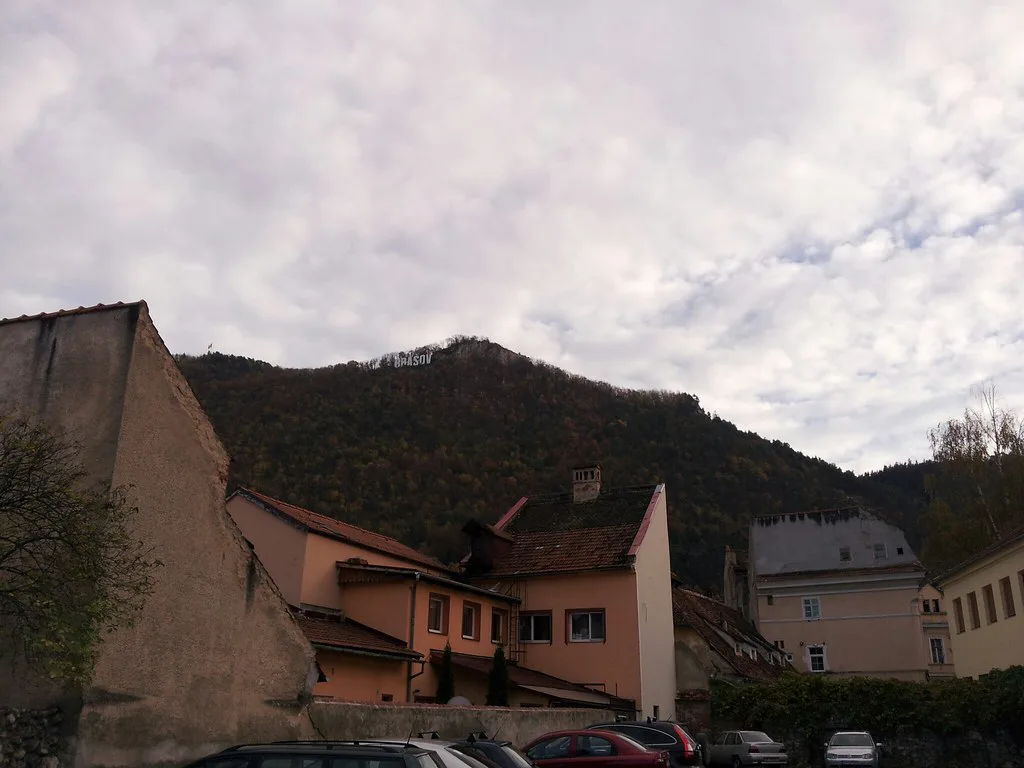
Brasov is the natural base for the castle circuit, framed by the Carpathians with a cobbled old town square and a mix of Gothic, baroque and Renaissance architecture. From here Bran Castle sits about half an hour away and Rasnov Fortress a little further, on a rocky hilltop above its village. Brasov also has the best restaurant and cafe choice in the region, which matters after a day of castle queues.
Bran is the country's most-visited castle and the one tied to Vlad the Impaler, who never actually lived there and is a different figure from Bram Stoker's Count. Go early or late in the day, expect tour buses, and treat the visit as a medieval interior with a good story rather than a Dracula shrine. Rasnov is the quieter alternative, with ruined walls and wide views over the valley.
Peles Castle at Sinaia is the one to prioritize if you only see one: a 160-room Neo-Renaissance palace completed in 1883 as a royal summer residence, with the Bucegi Mountains behind it. It sits on the Bucharest-to-Brasov rail line, so it works as a stop rather than a detour, but interior visits run on timed entry and can sell out in high season, so fix your slot before you build the day around it.
Sighisoara and Sibiu: the Saxon towns
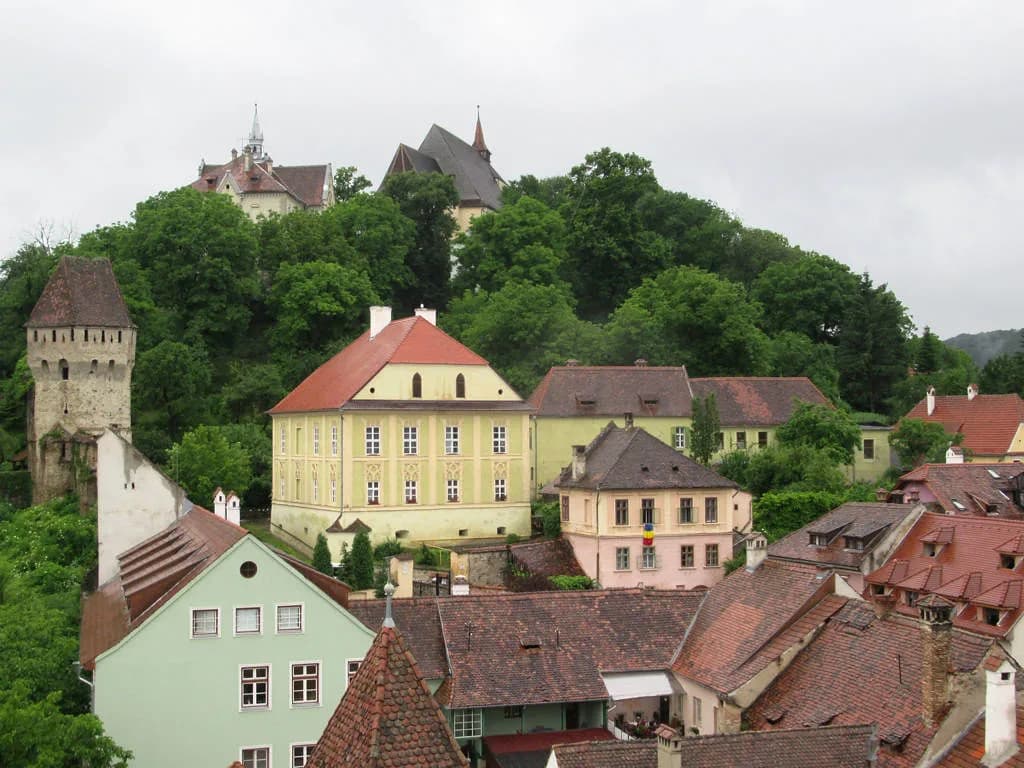
Sighisoara is the better-preserved of the two, a walled hill town of cobbled lanes, turrets and burgher houses that earned its UNESCO listing on the strength of the intact medieval core. It is also the birthplace of Vlad the Impaler, which the town happily sells. The trade-off is size: an afternoon covers the citadel, so Sighisoara works best as a night or two between Brasov and Sibiu rather than a base.
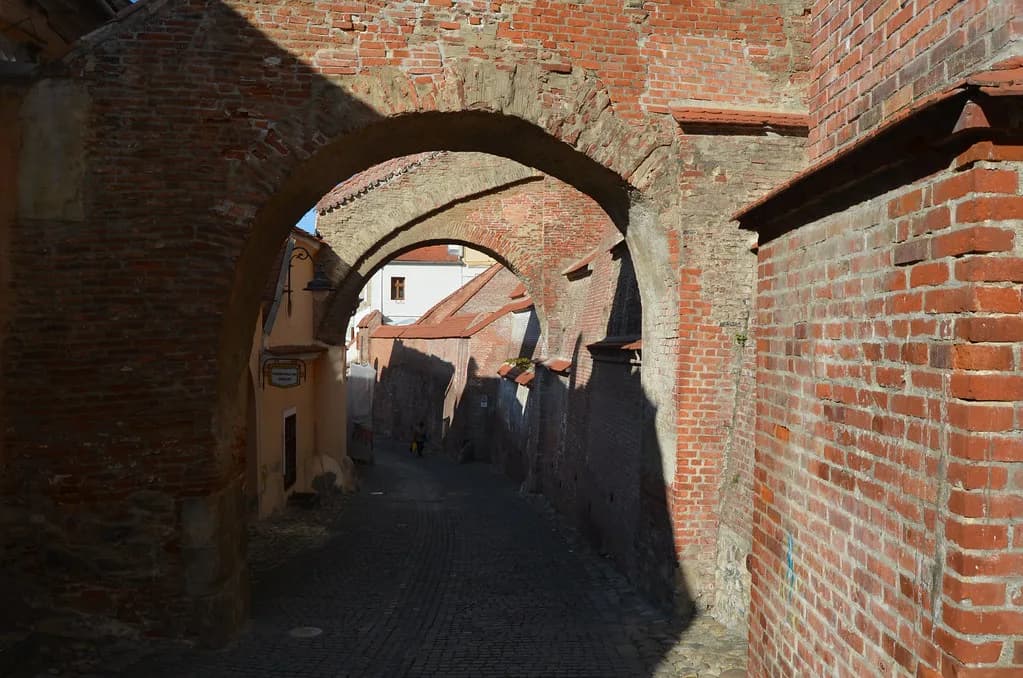
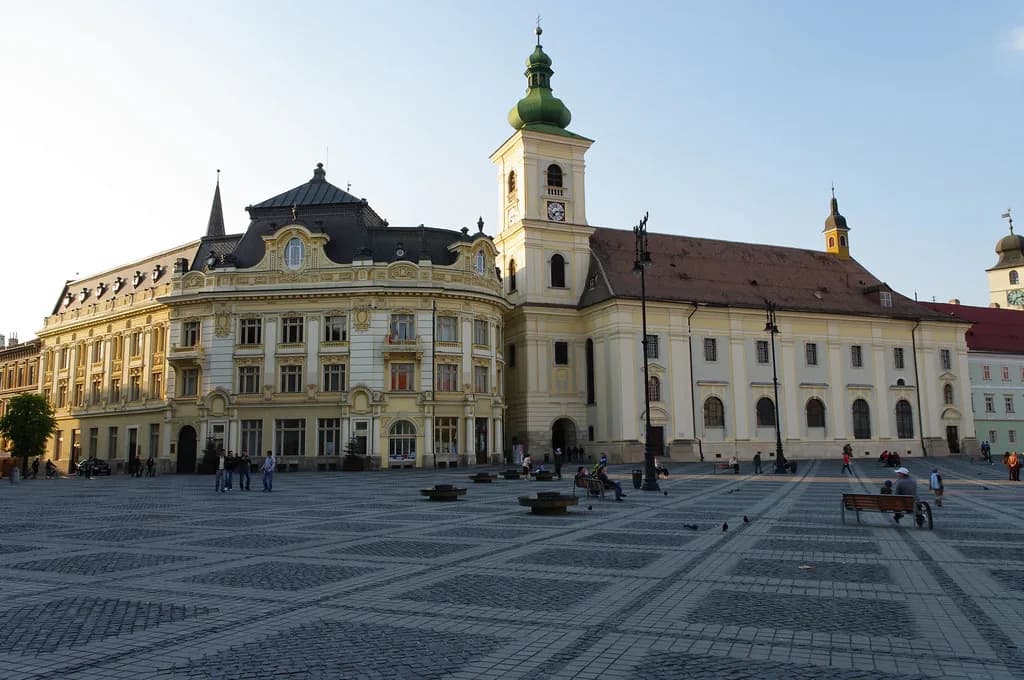
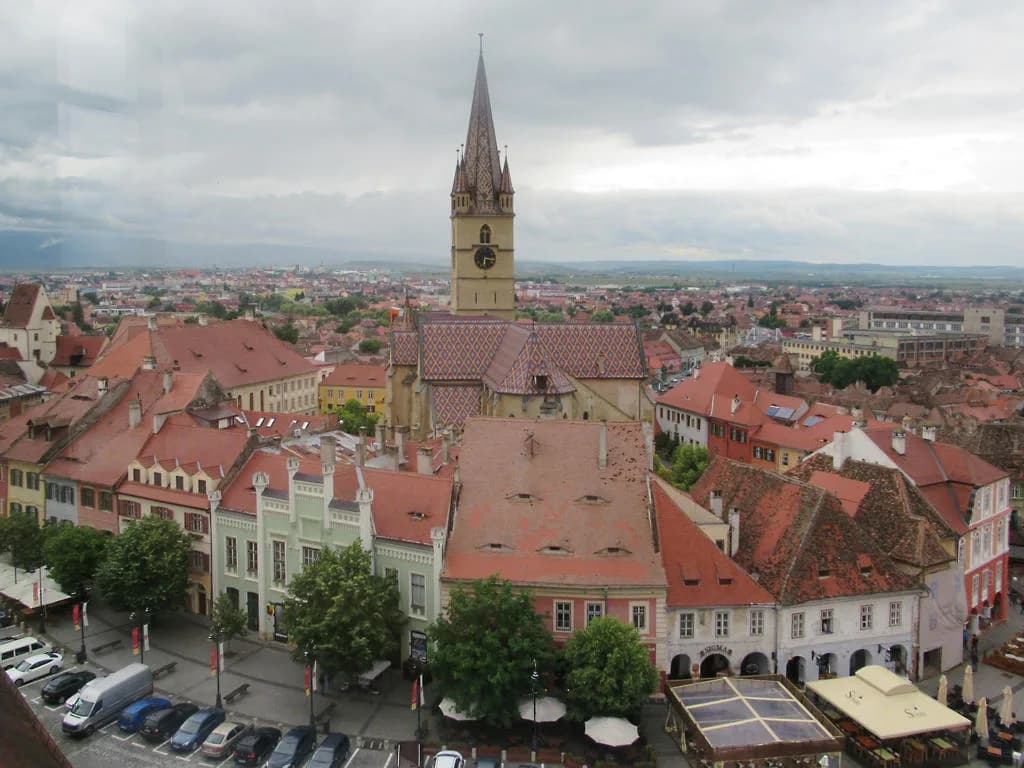
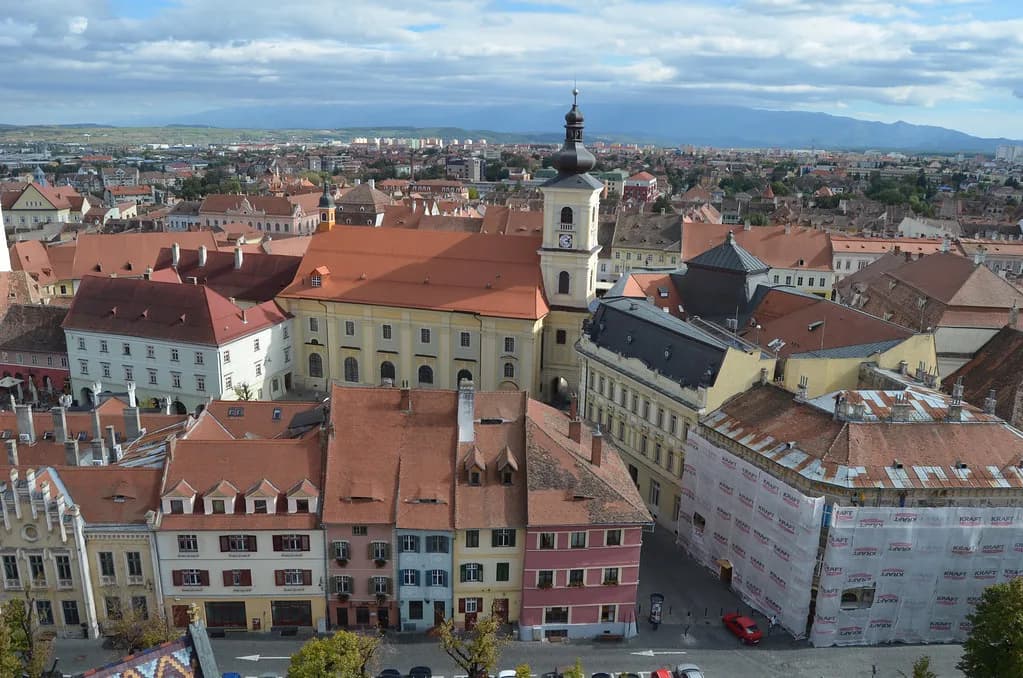
Sibiu is larger, flatter and easier to live in for a few days, with two church-dominated squares, the Liar's Bridge, surviving towers and a wall that once ringed the whole town. Its old town is genuinely pedestrian, and the surrounding villages, including Biertan with its fortified church and Viscri with its walled castle and clifftop views, make first-rate day trips. Choose Sibiu for a base and Sighisoara for atmosphere.
Both towns sit on the same rail corridor, which makes a car-free Saxon loop realistic if you pack light and accept slower days. Viscri is the exception: parking near the church is restricted, and the last stretch is a ten-minute walk through the village, which is part of the appeal.
Cluj-Napoca and Timisoara: the western cities
Cluj-Napoca is Romania's second city and the unofficial capital of Transylvania, with a Gothic St Michael's Church, a lively student population and good views from Cetatuia Park. It is the most urban stop on a Romanian itinerary, better for cafes, film and contemporary culture than for castles. Base here if you want city energy between rural days, and use it as the gateway to the Apuseni mountains.
Timisoara, near the Serbian border, is where the 1989 revolution began and where the city's Austro-Hungarian past shows in its Art Nouveau buildings. Its sights cluster around three central squares, Victoriei, Libertatii and Unirii, so a day covers the core comfortably. It suits travelers heading onward to Serbia or Hungary rather than a first Romanian trip.
Bucovina's painted monasteries
The Painted Monasteries of Bucovina, in Romania's northeast, carry vivid 15th- and 16th-century frescoes across their exterior walls, and several are UNESCO World Heritage Sites. Voronet is the most famous for its blue, while Humor, Moldovita and Sucevita each preserve different scenes and colour palettes. Information panels at each site explain the imagery, so you can visit independently without a guide.
These monasteries are spread across the countryside around Suceava, and public transport between them is thin, so a car turns a scattered day into a comfortable one. Plan three or four monasteries in a day rather than all of them, and leave time for the drives, which are half the point of the region.
Maramures and the Merry Cemetery at Sapanta
Maramures, in the far north, is the Romania that surprises people most: wooden churches, farm carts, hay stacks and villages where life still runs on the agricultural calendar. The Merry Cemetery at Sapanta is its signature stop, with brightly painted tombstones whose epitaphs tell comic, sometimes irreverent stories about the dead. It is small, so pair it with a wider drive through the region rather than treating it as a destination in itself.
Getting to Maramures takes real time, whether by car from Cluj-Napoca or by the slow northern rail lines, which is why it rarely fits a one-week trip. Travelers who give it two or three days are rewarded with the least commercialized countryside on a standard Romanian itinerary. If your time is tight, Bucovina's monasteries deliver more per hour.
The Carpathians: Transfagarasan, Balea Lake and hiking
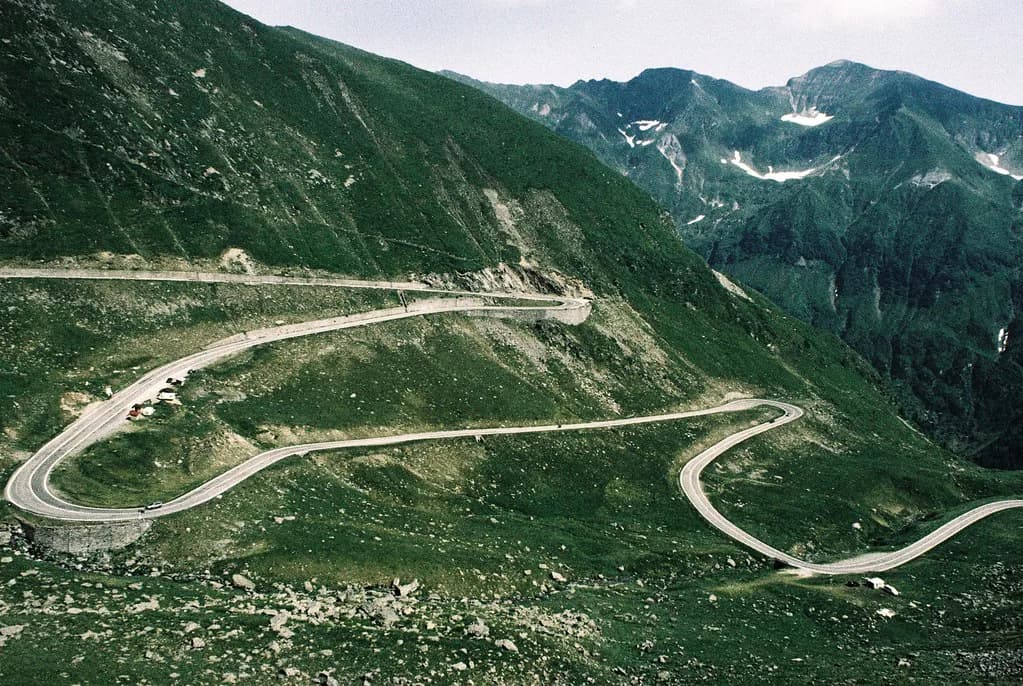
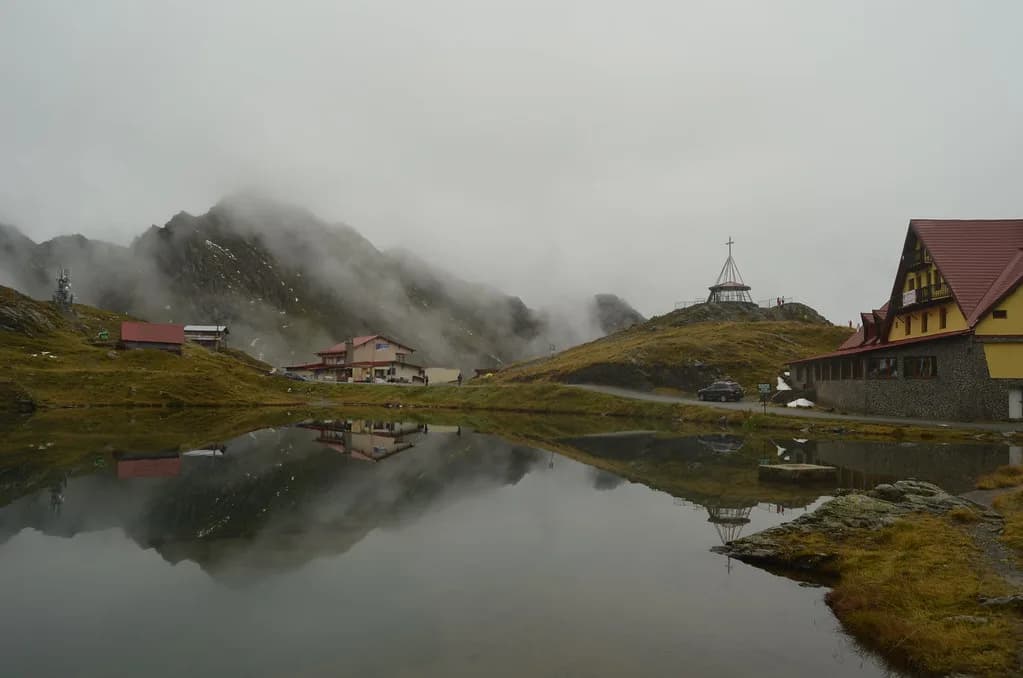
The Transfagarasan is the country's most celebrated road, a 56-mile run of hairpins through the Fagaras Mountains that climbs past Vidraru Dam and up to Balea Lake at roughly 2,000 metres. The glacial lake has chalets and a restaurant, and the views justify the detour even if you turn around at the top. The road is a seasonal mountain route, not a year-round highway, so build flexibility into your plan instead of counting on a fixed date.
For hiking, Piatra Craiului, Retezat and Calimani national parks offer marked trails from gentle valley walks to multi-day ridgelines, and the Carpathians hold more than half of the range's near-1,000-mile length inside Romania. Mountain weather changes fast, so carry layers even in summer and keep plans loose. Bears and wolves live here; food waste and lone dusk walks are the practical things to avoid.
The Danube Delta
The Danube Delta, reached via Tulcea, is a UNESCO-listed wetland of channels, reeds and birdlife, and it is the one Romanian destination that rewards slow boat travel over sightseeing. Two or three days of guided boat trips and village stays make sense; a day trip from Bucharest does not. Birdwatchers should aim for spring migration, while summer brings heat, mosquitoes and the densest vegetation.
The delta is a separate journey from the Transylvania loop, so decide early whether it belongs in your trip. Adding it to a week of Saxon towns means cutting something better, and transport onward from Tulcea takes time to arrange. Cell coverage in the delta's outer channels is patchy, which matters more than usual if you rely on mapping.
The Black Sea coast
Constanta is the coast's real city, with a working port, a historic centre and year-round life, and it works as a stop on the Bucharest line rather than a beach base. South of it, Vama Veche began as a fishing village and became Romania's alternative beach-party town, with clubs on the sand and a more relaxed neighbouring village, 2 Mai, a walk away. The season defines the coast: in summer it is crowded and priced for it, while out of season much of the resort strip closes down.
If you want the sea combined with culture, Constanta's museums and old town deliver more out of season than the resort towns do. Hotel and beach-club prices climb steeply in July and August, and the season's popularity shows: Romania in August on the coast is busy, hot and best booked ahead.
Drawbacks
Crowds concentrate at Bran and Peles, the two sights everyone visits, and both are far more pleasant early or late. Distances are the bigger issue: Bucovina and Maramures are long hauls from Transylvania, and the delta is another leap again, so a week that tries to cover all three will be mostly driving. Slow roads and rail lines outside the main corridors add to the time.
Mountain roads are seasonal, the Transfagarasan in particular, and coastal resorts empty outside summer. Entry formalities for Romania, an EU member, are handled by the official Romanian government page; check the current rules there before booking.
Weather by month
Romania has a continental climate: hot summers, cold winters and short, variable shoulder seasons. Bucharest and the southern plains typically see July highs in the low thirties Celsius, around 86–90°F, and January averages near freezing, while Brasov and the mountain valleys run cooler year-round. The coast is moderated by the Black Sea but still busy and hot in July and August.
May, June, September and October are the sweet spots for towns and hiking, with mild days and fewer visitors. April and October can be wet and changeable but are quieter, and April in particular suits cities and the delta's spring birdlife. Winter is for Christmas markets and city breaks rather than mountain roads.
How many days you need
Five to seven days covers the Transylvania core well: Brasov with Bran and Rasnov, Sighisoara, Sibiu with Biertan and Viscri, plus Peles at Sinaia. Ten days to two weeks lets you add either Bucovina's monasteries or Maramures, and still keep a comfortable pace. Two weeks or more is what the delta and the coast need alongside Transylvania.
On a short trip, cut Maramures and the delta first: both are excellent, but both eat days in transit. Keep Sighisoara and Sibiu even if it means dropping a castle, and use trains between the Saxon towns to save the driving.
Typical costs
Romania's price level is low by Western European standards, with modest restaurant bills, inexpensive local transport and budget-friendly guesthouses outside the biggest cities. Prices for entry tickets and tours vary by site and season, so check each venue's page rather than budgeting from blog posts. The leu is the currency, and cards are widely accepted in cities.
Budget travelers can travel comfortably on a modest daily allowance, while castle-heavy days and guided delta boat trips push costs up. Planning around the leu rather than euro prices avoids surprises at the till. Prices and dates are worth checking before you book.
Verdict by traveler type
First-timers should do the Transylvania loop: Brasov, Bran, Rasnov, Peles, Sighisoara and Sibiu, with a car or trains. Castle chasers should add Corvin Castle at Hunedoara and keep Bran for early morning. Hikers should base in Brasov or Sibiu for the Fagaras and Piatra Craiului trails and plan around mountain weather.
Families do well in Brasov and Sibiu, where pedestrian centres and short drives between sights keep days manageable, and should skip the long northern detours. Budget travelers and slow travelers get the best value in Transylvania, Bucovina and Maramures, where costs drop outside the cities and the pace suits a longer stay.
Plan Your Visit
Romania rewards a focused trip: pick the Transylvania core or one northern region, not both, and leave the delta and the coast for when you have the days to do them properly. Book castle interiors ahead, build slack around mountain driving, and treat the Saxon towns as the heart of the trip.
If you are still weighing the country against the rest of the region, our Romania verdict sets out the trade-offs, and the money in Romania guide covers the leu, cards and typical spending. Get those two decisions right and the rest of the itinerary falls into place.
Explore more Romania trip-decision guides
Frequently Asked Questions
What is the most beautiful city in Romania?
Sibiu and Sighisoara are the strongest contenders, both built by Transylvanian Saxon settlers and both largely pedestrian. Sibiu is larger and easier as a base, while Sighisoara's walled citadel is the more atmospheric single sight. Brasov is a close third, with mountains on the skyline and better food and nightlife.
What is the best month to visit Romania?
May, June, September and October suit most travelers, with mild weather for towns and hiking and fewer visitors than midsummer. April and October are quieter and changeable, and suit cities and the Danube Delta. July and August are hot in Bucharest and busy on the Black Sea coast.
Is Romania cheap or expensive?
Romania is inexpensive by Western European standards, especially outside Bucharest and the main tourist towns. The currency is the leu, and card payments are common in cities. Entry fees and tours vary by site, so check each venue's own page rather than budgeting from blogs.
How many days is enough to visit Romania?
Five to seven days is enough for the Transylvania core: Brasov, Bran, Rasnov, Peles, Sighisoara and Sibiu. Ten days to two weeks lets you add either Bucovina's monasteries or Maramures. The Danube Delta and the Black Sea coast work best as a separate trip or an extension.
Is Bran Castle worth visiting?
Yes, but for the medieval interior and the story rather than any real Dracula link, since Vlad the Impaler never lived there. It is the country's most crowded castle, so go early or late in the day. Rasnov Fortress nearby is the quieter alternative.
Sources
Trip-decision notes
Optional updates when we publish or revise a destination verdict.
You might also like
Continue reading
More guides you'll find useful