Romania in April: Weather, Crowds and Whether to Go
Romania in April brings mild spring weather, busy Easter weekends and quiet sights. See typical temperatures, where to go and who should wait for May.
On this page
April is a good month to visit Romania if your trip is about towns, monasteries and countryside rather than beaches. Temperatures average roughly 6°C to 18°C (42°F to 64°F) across the country in April, a spring range that leaves room for both warm afternoons and cold mornings.
It is a poor month for the Black Sea coast and for high trails in the Carpathians, where snow lingers and mountain areas stay cold. The case for April rests on quiet sights, low-season prices and a landscape that is greening rather than parched.
The single biggest planning variable is Romanian Orthodox Easter, which usually falls in April and brings a three-day national break when most businesses close. Build your itinerary around that window rather than against it, and April rewards you with space at the places that are packed in July. If you are still weighing the country at all, our verdict on whether Romania is worth visiting covers the wider trade-offs, and if you are comparing neighbours on the same spring shoulder-season logic, it is worth asking whether Hungary is worth visiting before you lock in a route.
The verdict
Go to Romania in April for culture and countryside: the fortified towns of Transylvania, the painted monasteries of Bucovina, the wooden churches of Maramureș and the birdlife of the Danube Delta. Spring arrives earlier in the lowlands than on the Transylvanian plateau, and April is described as a relatively dry month with wildflowers blooming in meadows, which suits walking and photography.
Skip April if you want to swim in the Black Sea, summit high ridges or chase summer festivals. The trade-off is simple: you swap warmth and guaranteed dry days for thin crowds and lower shoulder-season rates, which is the right bargain for a first cultural trip and the wrong one for a beach holiday.
Typical April weather
Treat the national average of 6°C to 18°C (42°F to 64°F) as a range, not a promise. The cited April guide also notes April is quieter than later spring and early summer in terms of rain, though showers still pass through and afternoons vary sharply from mornings. A jacket you can shed at midday matters more than a heavy coat.
Bucharest in April is mild and warming quickly, with daytime temperatures rising well above the national average as winter gives way to spring. In practice, a sunny afternoon in the capital can feel like early summer while the same date in Brașov or Sibiu is breezier and cooler.
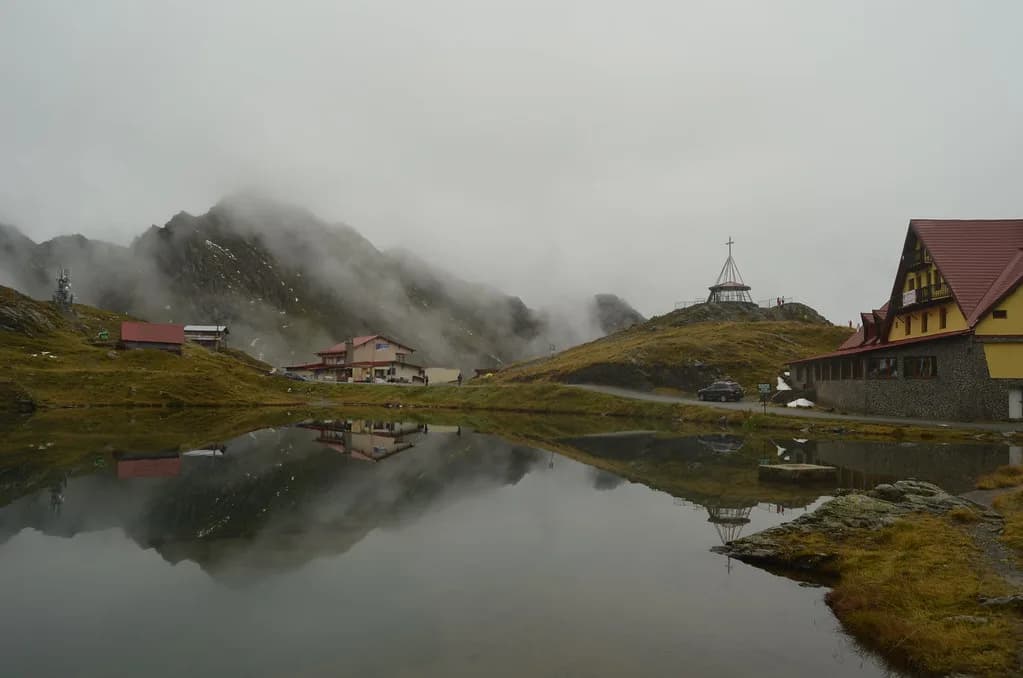
Higher ground behaves like a different season. Carpathian elevations stay cold with snow possible into spring, and mountain temperatures in the 12°C to 20°C (54°F to 68°F) band belong to the warmer months rather than April. Plan lowland sightseeing first and treat any mountain day as weather-dependent.
How far north and altitude change the month
Bucharest and the southern plains are the warmest option in April and the easiest base for a first visit, with city sightseeing that does not depend on perfect weather. Sibiu and Cluj-Napoca sit on the Transylvanian plateau, where the same month feels several degrees cooler and evenings need a layer.
Bucovina in the northeast, based around Suceava, is where April earns its reputation: the UNESCO-listed painted monasteries are open to visitors and the roads are quiet before summer. Maramureș in the north, with its wooden churches, carved gates and rural villages, is cooler and slower, rewarding anyone with a car and patience.
The Danube Delta sits at the other extreme: low, marshy and mild, it is the most April-specific destination in the country. Sfântu Gheorghe, at the mouth of the delta, is the usual base for boat trips into the wetlands, and spring is when the place is at its most alive.
Easter and Romanian Orthodox Easter
Romanian Orthodox Easter usually falls in April, and the source notes Romanians take a three-day weekend around it with most businesses closed. That cuts both ways: churches are decorated with flowers and the atmosphere is memorable, but restaurants, shops and some sites may shut exactly when you need them.
If Easter falls in your window, anchor those days in a city with options and save rural monasteries and long drives for after the holiday. A two- or three-day buffer also protects you from holiday transport congestion. The period following Easter is described as a good time to explore cultural attractions with most places open and summer crowds still absent.
April also brings events worth planning around, including the National Easter Egg Festival at Ciocănești in Bucovina before Easter and, in Alba Iulia, the Roman Festival Apulum on the last weekend of the month. Timings shift each year, so confirm the current year's dates with the organizers before booking.
Where April works best
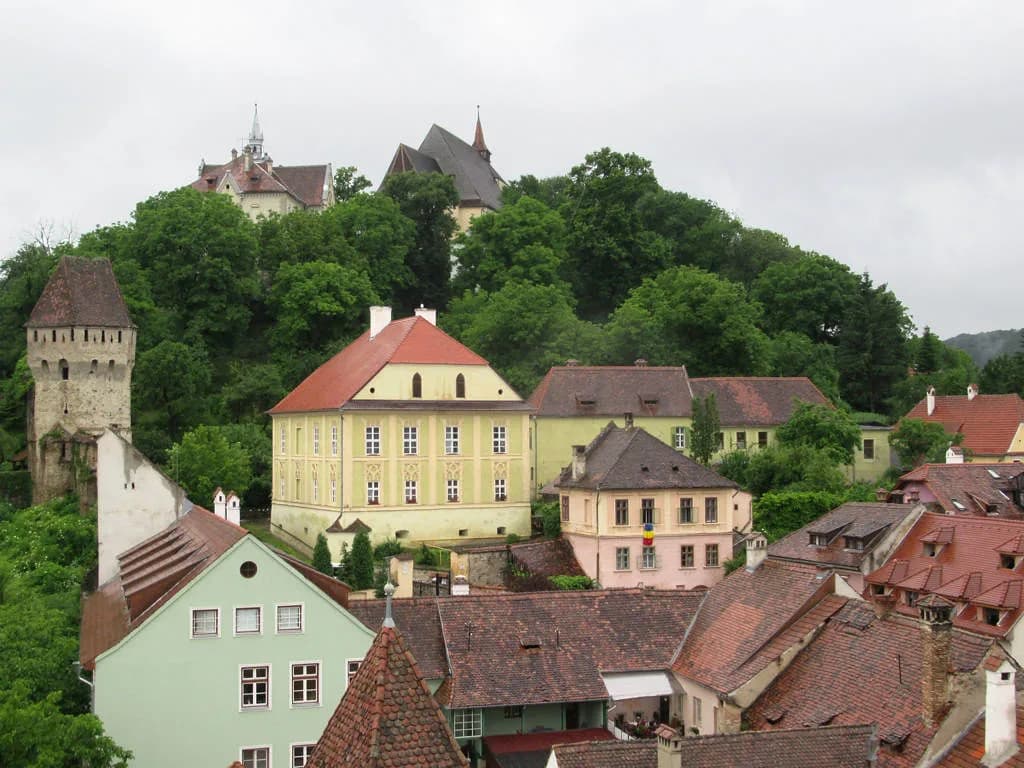
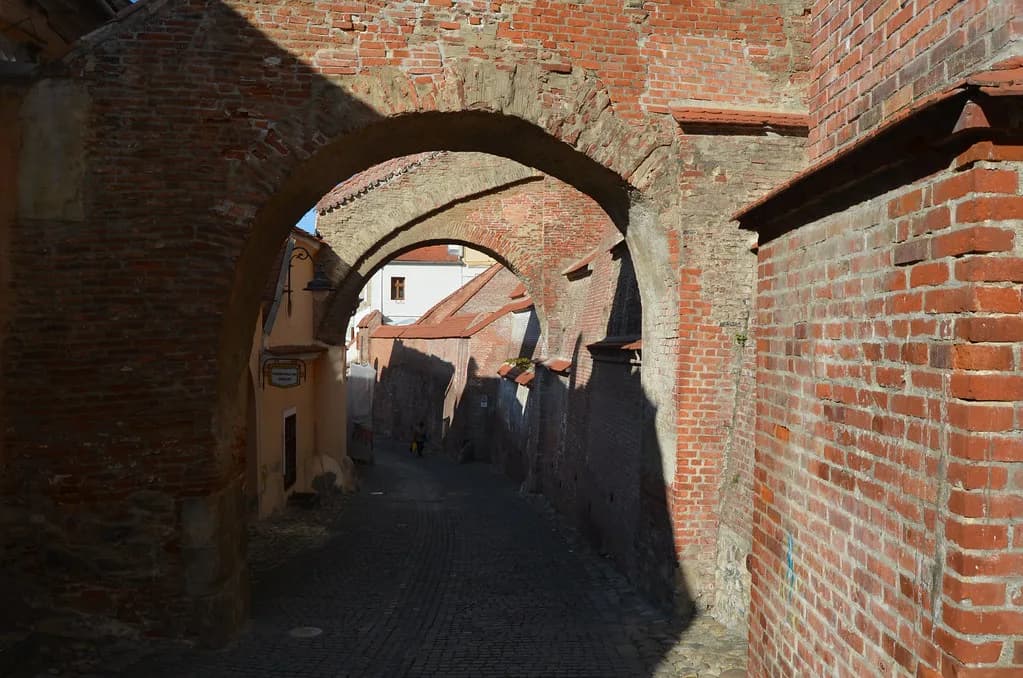
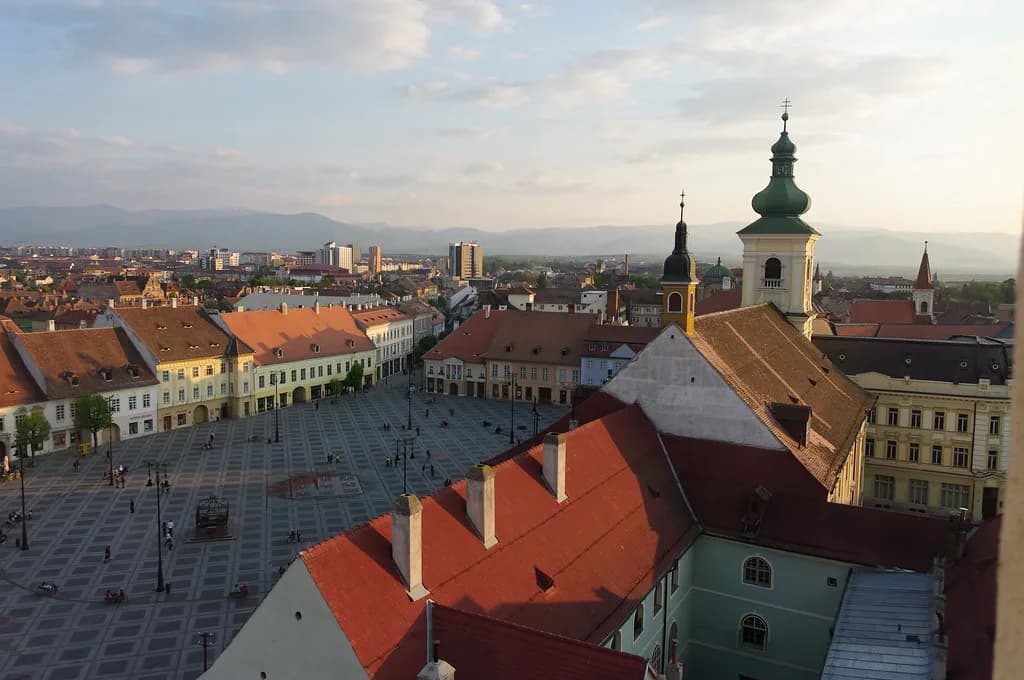
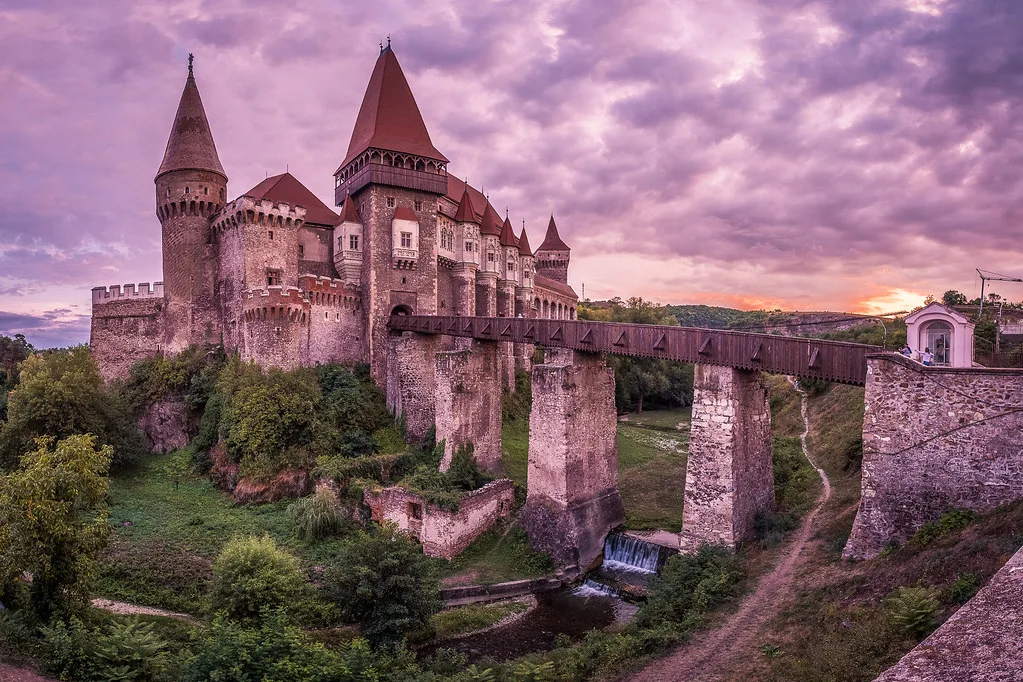
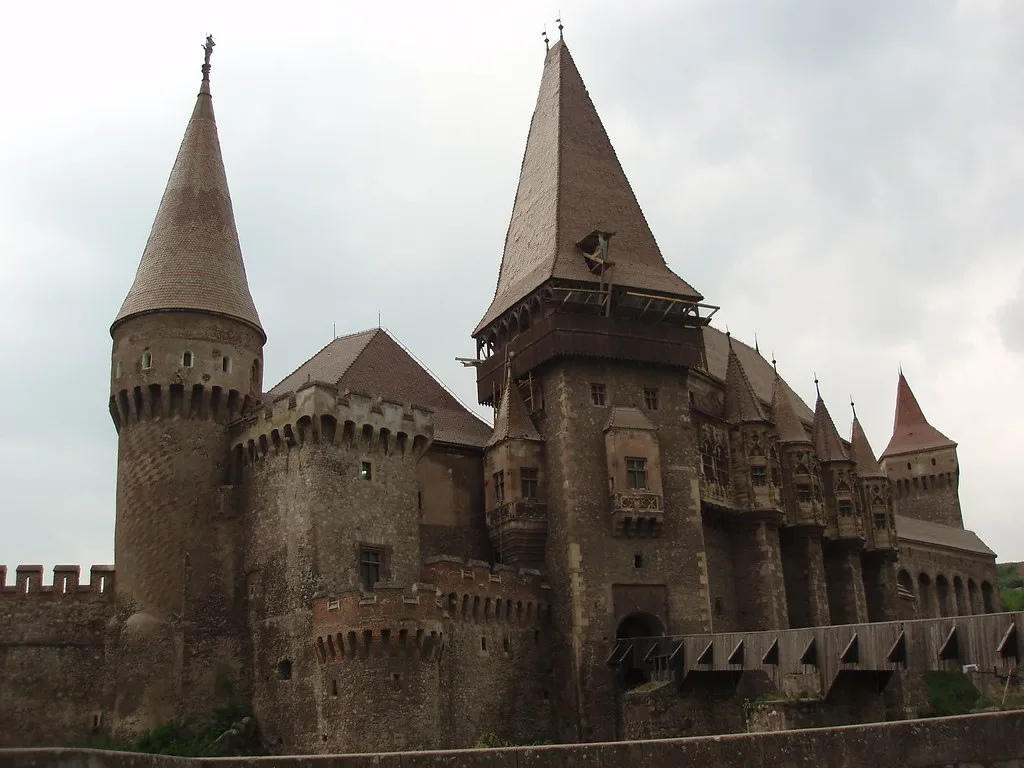
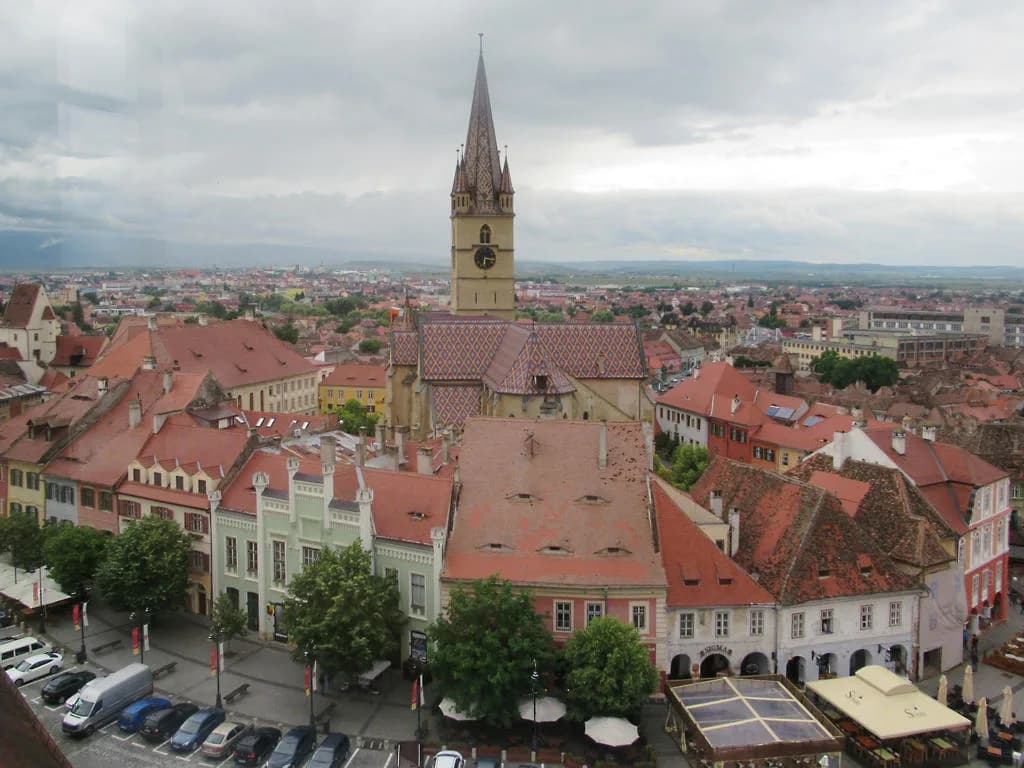
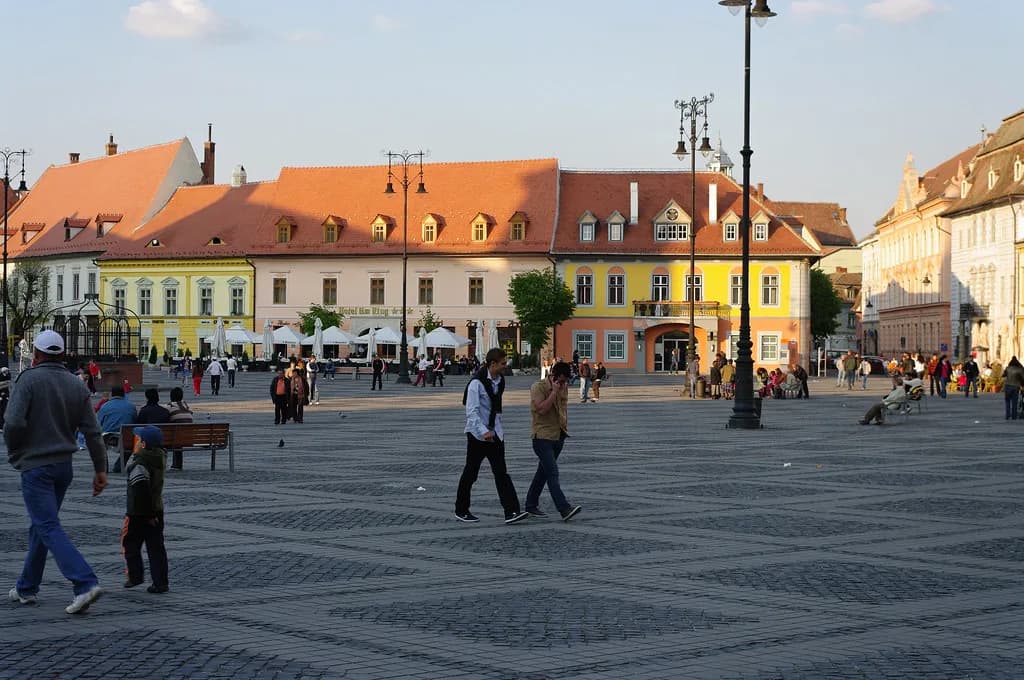
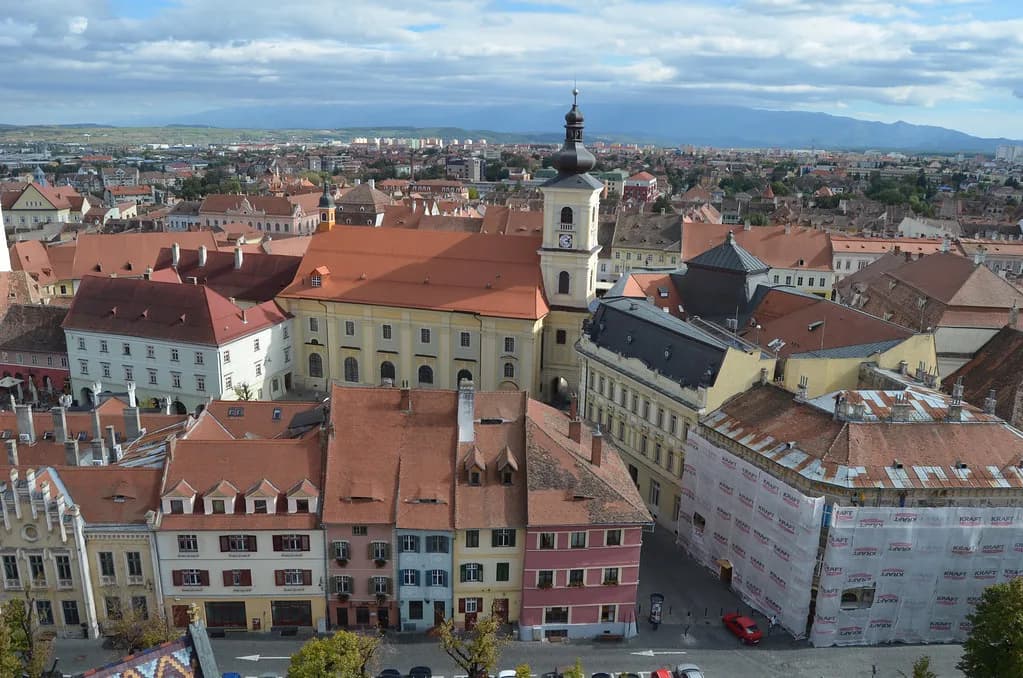
Transylvania is the strongest all-round choice, with Brașov, Sibiu and Sighișoara giving you medieval centres, fortified churches and Carpathian scenery within a compact loop. In April you get the same squares and citadels with a fraction of the summer footfall, and a quieter, cheaper shoulder season than in July and August.
Bucovina's painted monasteries and Maramureș's wooden churches are the two great rural cultural circuits, both best done by car and both pleasantly uncrowded in spring. The countryside is greening, the light is long, and the villages feel lived-in rather than staged for visitors.
For urban travellers, Bucharest works in April but not at its best, since the city's appeal is strongest in the milder spring and autumn shoulder months. Save the big castle days for later spring if you want warmer afternoons, and see our month-by-month guide to the best time to visit Romania for the full seasonal picture.
The Danube Delta in April
April is the optimum month for the Danube Delta, according to the April guide, because birdwatching and photography are excellent and mosquitoes are less of a problem than later in the season. Around 350 bird species live in or migrate through these wetlands, among the best preserved in Europe.
The broader migration window runs from mid-April to the end of October, with May and October producing impressive numbers of migratory birds including eagles, harriers and falcons. If birds are your reason for coming, April gives you the start of that spectacle with fewer visitors and cooler boat trips.
Shoulder-season crowds and prices
April is shoulder season, so you can expect some crowds and higher prices in the most popular spots but not everywhere. In practice that means Bran and the main Transylvanian towns are busy at weekends while Bucovina and Maramureș stay quiet midweek.
Accommodation and transport cost less in the shoulder months than in peak summer, and winter is cheaper still for anyone willing to brave the cold. For a full picture of what a trip actually costs, our guide to whether Romania is expensive lays out the budget categories in plain terms.
The local currency is the Romanian leu, and exchanges in cities are far better value than airport counters. Cards are widely accepted in towns but rural guesthouses and small monasteries may prefer cash, so carry leu for the countryside; our guide to money in Romania explains the practicalities.
Drawbacks
Weather is the main one. April is spring after a cold winter, but showers still interrupt sightseeing, and sudden swings between warm afternoons and cold mornings are common. High trails and some mountain access can be muddy or difficult after the thaw.
Easter is the second. A national three-day weekend closes businesses and fills transport at exactly the moment you may want to move between regions. Rural sites can also be on reduced schedules outside the Easter and summer peaks.
Expect cool evenings everywhere and pack accordingly: mornings and evenings can be chilly while afternoons are warm. None of this ruins an April trip, but it does argue for keeping a flexible day in the plan and choosing towns over exposed mountain hikes.
April versus May and September
May is warmer and greener but often one of the wettest months of the year, so you trade cooler April days for heavier showers and a fuller festival calendar. September is often considered one of the best months, dry and still mild, with crowds gone after the summer rush, coastal temperatures as high as 25°C (77°F) and comfortable days for walking in Transylvania; see our guide to Romania in September for that window.
April beats both on quiet and value, May beats April on warmth and long evenings, and September beats both on reliable weather and harvest-season appeal. For culture and birdlife, April is the sharper pick; for hiking and photography of autumn colour, wait for September.
If Easter crowds worry you but you want spring, late April into early May is the compromise, with warmer days than March and fewer people than June. Check how the holiday falls in your year before committing to specific dates.
Getting around in April
Rural Romania rewards a car. Bucovina, Maramureș and the villages around Sibiu are poorly served by rail, and the source notes public transport can be limited in some areas, making a rental or private driver the practical option. Our guide to renting a car in Romania covers the paperwork and driving realities.
Trains work well for the classic city chain: Bucharest to Brașov and onward to Sibiu or Sighișoara is comfortable and cheap, and it keeps you out of Easter road traffic. For the delta, buses and boats from Tulcea are the standard approach, with Sfântu Gheorghe reachable by boat.
April is not the month for high mountain roads, which can still be affected by snow and thaw. If you want to drive the famous alpine routes, plan those for summer; our guide to getting around Romania sets out the realistic regional options.
Who should wait
Beach travellers should wait: the Black Sea coast is a summer proposition, and April water and air temperatures are well below comfortable swimming. High-altitude hikers should also choose July or August, when the mountain trails are clear and the peaks accessible.
Festival chasers and anyone who wants guaranteed sunshine should aim for June through September, when Romania's cultural calendar is busiest and the days are longest. Budget travellers, birdwatchers and culture-first visitors are the ones who gain most from April's low season.
Plan Your Visit
April suits culture-first travellers, photographers, birdwatchers and anyone who wants Romania's monasteries and medieval towns without a queue. It does not suit beachgoers, summit hikers or travellers who need guaranteed dry weather and open rural businesses every day.
Build the trip around Easter rather than through it, keep the first days in a city such as Brașov or Sibiu, and head for Bucovina, Maramureș or the Danube Delta once the holiday crowds clear. Compare April against the best time to visit Romania overall before you fix dates, and check entry rules for your nationality on the official government page for Romania.
Explore more Romania trip-decision guides
Frequently Asked Questions
Is April a good time to visit Romania?
Yes, for culture and nature rather than beaches. April brings spring temperatures, quieter sights and lower shoulder-season rates, plus the start of the Danube Delta bird migration with fewer mosquitoes. It is a poor month for Black Sea swimming and high-mountain hiking, where snow and cold linger.
How warm is Romania in April?
Expect a national average of roughly 6°C to 18°C (42°F to 64°F), with warm afternoons and cold mornings. Lowland areas such as Bucharest warm fastest, the Transylvanian plateau feels cooler, and Carpathian elevations remain cold with snow possible into spring.
Is Bucharest cold in April?
Bucharest is mild by April, with daytime temperatures around 12°C (54°F) as winter gives way to spring. A sunny afternoon can feel much warmer, but mornings and evenings stay cool, so dress in layers rather than committing to a single coat.
Does Easter close things in Romania in April?
Romanian Orthodox Easter usually falls in April and brings a three-day break when most businesses close. Restaurants, shops and some sites may shut over the holiday, so plan city days for those dates and save rural monasteries and long drives for after Easter.
Is April a good time for the Danube Delta?
April is the optimum month for the delta, with excellent birdwatching and photography and fewer mosquitoes than later in the season. The wider migration window runs from mid-April to the end of October, and May and October can bring large numbers of migratory birds.
Should I visit Romania in April or May?
Choose April for quiet sights, lower rates and dry-ish days before the wettest spring weeks. Choose May for warmer weather and a fuller calendar, accepting heavier showers. September is the strongest alternative for reliable weather and autumn colour.
Do I need a car in Romania in April?
A car helps for Bucovina, Maramureș and rural Transylvania, where public transport is limited. Trains handle the Bucharest–Brașov–Sibiu chain well, and the delta is reached by bus and boat from Tulcea. Mountain roads can still be affected by snow in April.
Sources
Trip-decision notes
Optional updates when we publish or revise a destination verdict.
You might also like
Continue reading
More guides you'll find useful