Is Hungary Worth Visiting? A Candid Verdict for Your Trip
Hungary is worth visiting for Budapest's thermal baths and architecture, Lake Balaton in summer and wine towns like Eger and Tokaj. Here's who should go.
On this page
Yes, Hungary is worth visiting, provided you treat Budapest as a base and add one or two smaller places rather than squeezing the whole country into a weekend. The capital delivers grand architecture, a Danube setting and thermal baths that few European cities match, while Lake Balaton, Eger, Pécs and Tokaj each do a distinct job on a second or third stop.
The caveat is what Hungary is not. There is no sea, Lake Balaton is a freshwater lake whose resort life is concentrated in summer, and the language is unlike anything a first-time visitor has encountered. Go expecting a city-and-culture trip with wine and warm water, and Hungary delivers far more than its modest airfare profile suggests.
The verdict
Hungary suits travelers who want a compact, affordable Central European capital with genuine depth and a handful of worthwhile secondary stops within a few hours by train or car. Budapest alone can fill four or five days without repetition, and adding Eger or the Balaton shore turns that into a satisfying week or more. The country disappoints travelers who want beaches, guaranteed hot lake weather, or a five-country tour crammed into seven days.
Think of the country as two decisions: how long Budapest gets, and whether you add a lake, a wine town or a university city. Budapest is the anchor because it concentrates the baths, the Parliament, the castle district and the museum weight; the secondary places give the trip variety and a slower pace. Budget roughly one day of travel per move between regions so you are not spending the trip on platforms.
Who will love it
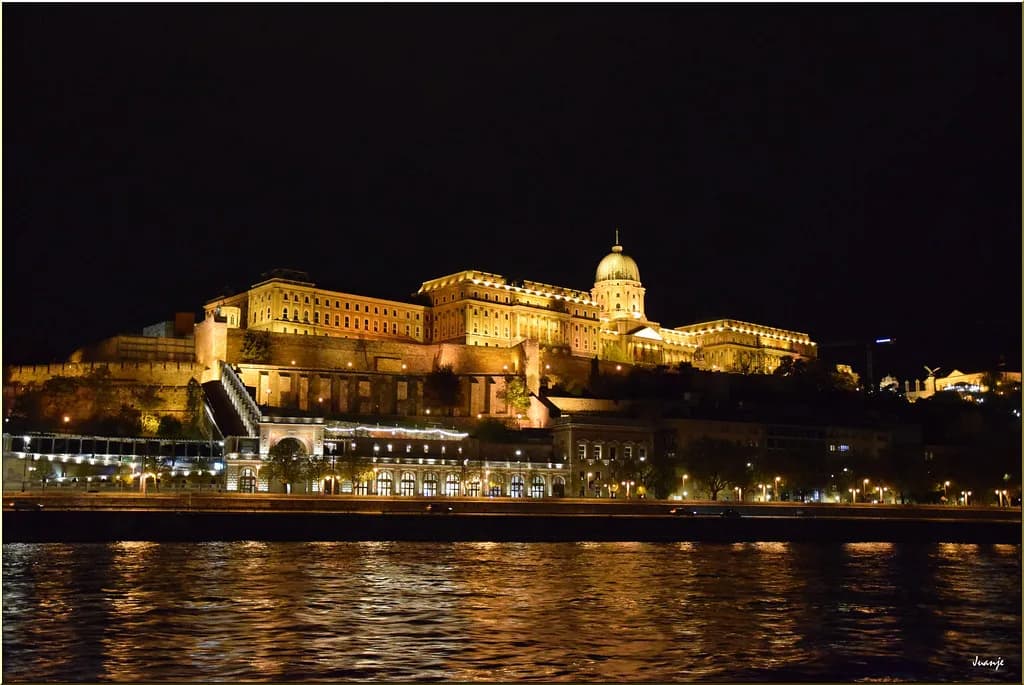
City-and-culture travelers get a lot for their money: Buda Castle and the surrounding UNESCO-listed Castle Hill, the Hungarian Parliament Building, St. Stephen's Basilica and a dense downtown of Gothic, Baroque and Art Nouveau facades. Bathers have Széchenyi, Gellért and Rudas thermal baths in Budapest and another large thermal complex in Eger, which makes soaking a realistic daily activity rather than a one-off splurge. Wine drinkers can head to Eger for red blends including Egri Bikavér, or to Tokaj in the northeast for the sweet white wines that made the region famous.
Photographers and budget-conscious visitors do well too. Budapest's riverside views, the Fisherman's Bastion terraces and Margaret Island give plenty of free or cheap material, while the forint exchange rate makes restaurant and transport costs feel gentle to dollar and euro holders. Note that Hungary uses the forint rather than the euro, so plan your money in HUF.
Who should choose somewhere else
Sea-and-sand seekers should look at Croatia's Adriatic coast or the Montenegrin shore instead. Lake Balaton is Central Europe's largest lake and a fine freshwater escape, but it is a lake holiday with pebbly or grassy shores, not a Mediterranean beach trip, and its waterfront restaurants, boats and festivals concentrate in the warmer months. If your non-negotiable is swimming in salt water with reliable sun, Hungary is the wrong country.
Travelers who want to tick off five countries in a week will also find Hungary awkward. Budapest sits well for a Vienna or Bratislava add-on, but the country's own highlights spread east and south toward Eger, Pécs and Tokaj, and each move eats half a day. Choose Hungary plus one neighbor at most, and give the country itself at least four nights.
Budapest: why it anchors the trip
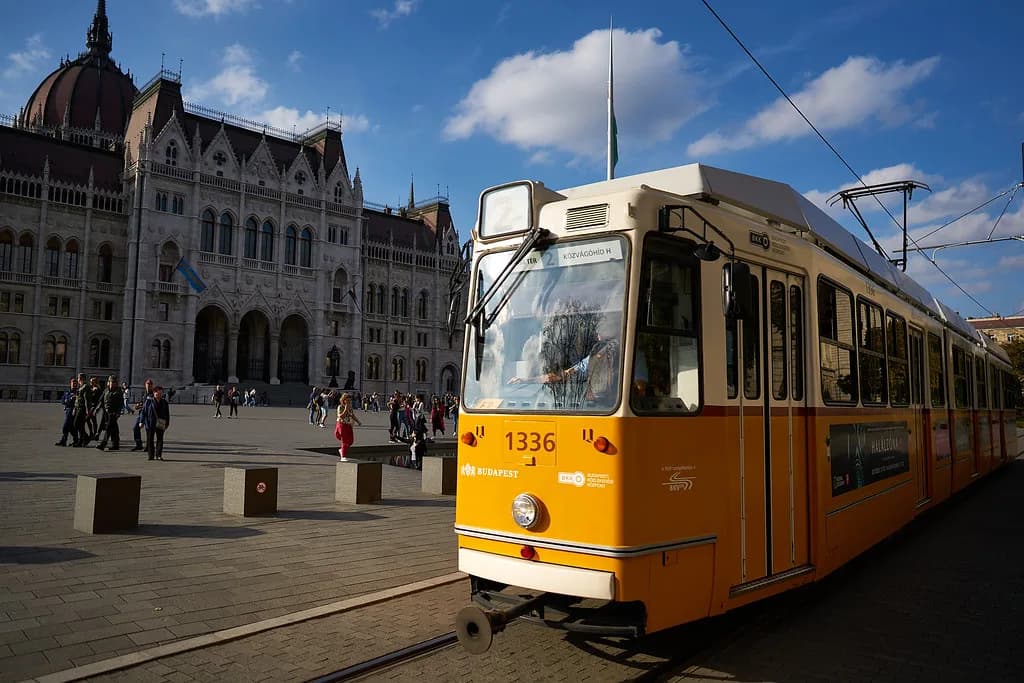
Budapest splits across the Danube into Buda, the older and quieter hillside bank with Buda Castle, Fisherman's Bastion and Matthias Church, and Pest, the livelier side holding the Parliament, St. Stephen's Basilica and the shopping streets. That geography becomes a planning decision. Sleeping on the Buda side buys quiet nights and a calmer atmosphere but costs you a metro or tram ride across a bridge each time you want Pest's restaurants; Pest puts you in the middle of the action with more noise.
The headline sights are genuinely worth the time. Fisherman's Bastion on Castle Hill offers one of the city's best viewpoints, the Parliament runs guided tours, and the thermal baths are central to local culture rather than a tourist gimmick. Széchenyi is the largest and most visited of the baths, while Rudas keeps a 16th-century Turkish bath and a rooftop pool with Danube views.
Build your days around early starts. Fisherman's Bastion and the most popular baths draw crowds from mid-morning onward, so a sunrise visit to the Bastion and a first-entry slot at a bath will be the calmest hours you get. Book Parliament tours and bath tickets ahead through the official operators rather than relying on third-party resellers, and keep one afternoon free for Margaret Island or a slow walk along the river.
Beyond Budapest: what each region is good for
Lake Balaton, just over an hour from Budapest, is the country's summer playground and works best for swimming, cycling and lakefront promenades. Siófok and Balatonfüred are the popular resort towns, Tihany is known for its lavender and the Benedictine abbey above the water, and the Balaton Uplands National Park gives hikers and cyclists a reason to stay inland. A long-distance cycling route circles much of the lake, which makes a multi-day bike stay practical.
Eger, roughly an hour and a half by car or a little over two hours by train from Budapest, packs a medieval castle, a surviving Ottoman minaret and a large thermal bath complex into a walkable small city. Its red wine culture, especially the Bull's Blood blend, gives the town a second purpose in the evening. Give Eger a night or two rather than a rushed day trip.
Pécs in the south rewards history-focused travelers with a UNESCO-listed Early Christian Necropolis, a Romanesque cathedral and the Zsolnay Cultural Quarter built around the city's famous porcelain. It is walkable and easy in a day or two, and it sits close enough to the Croatian border to make a logical bridge toward the Balkans. Tokaj, in the northeast, is the wine stop: a small riverfront town with cellars and hillside vineyards, best combined with Eger on a loop from Budapest.
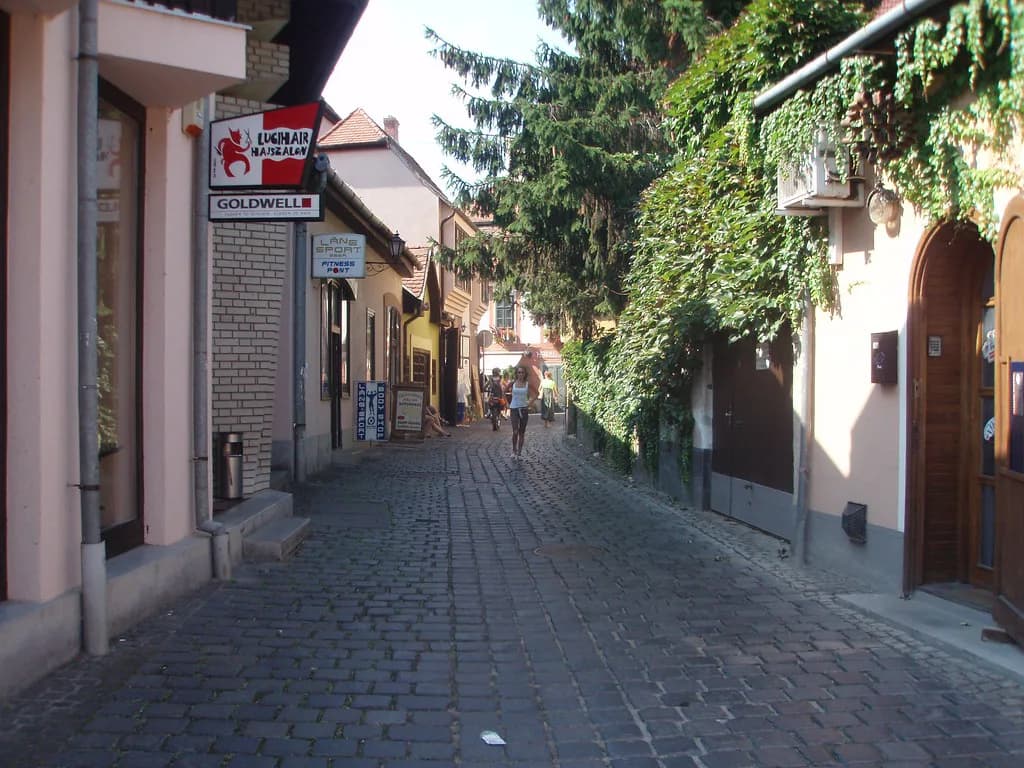
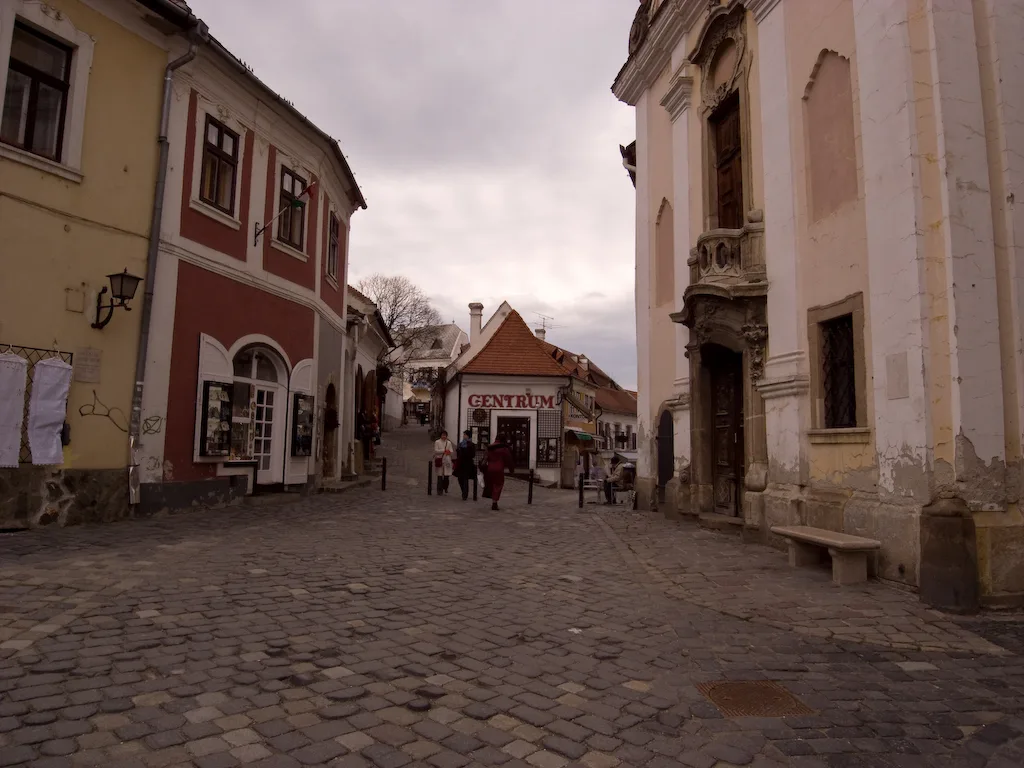
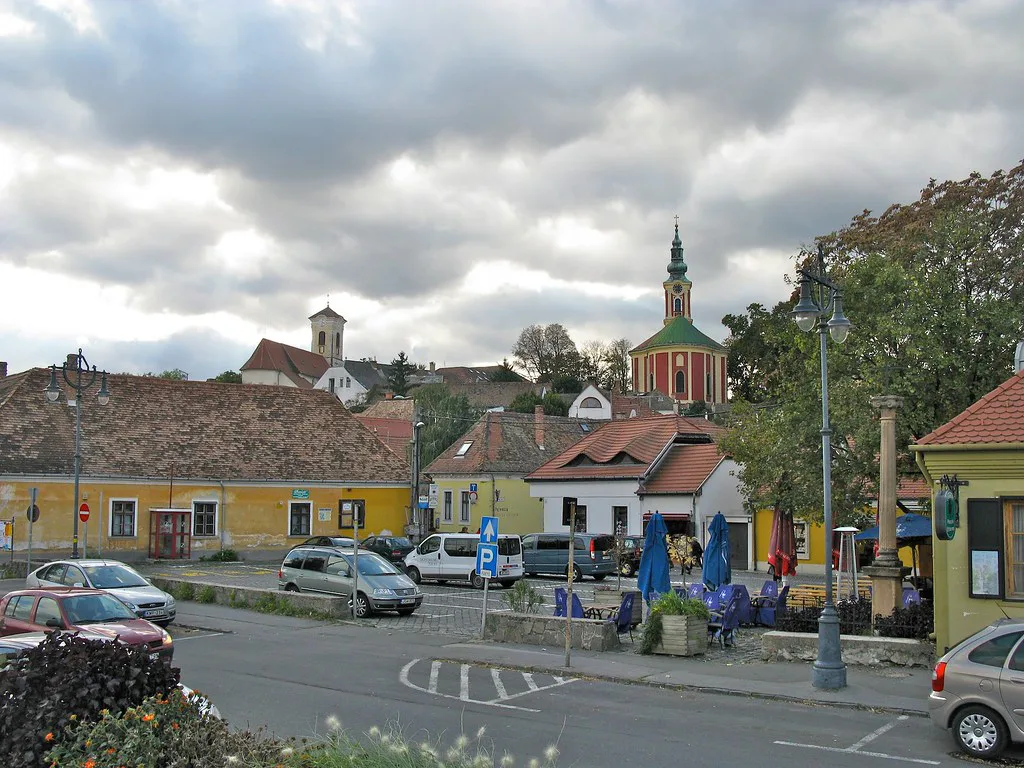
If you want a short, easy add-on, Szentendre is a colorful riverside town around 45 minutes by train from Budapest, and Székesfehérvár is about an hour by rail with medieval ruins and the fantasy-style Bory Castle on its edge. Both work as half-day or full-day outings without committing to a new base.
How many days you need
Budapest alone deserves four nights if you want two baths, the Parliament interior, Castle Hill and a museum or two without rushing. Three nights is the minimum for a city break that still feels unhurried. Add Eger for two nights, Balaton for two or three in summer, or Pécs for two, and a week to ten days becomes a genuinely varied country trip rather than a city break with a detour.
A full country loop taking in Budapest, Balaton, Pécs, Eger and Tokaj needs closer to two weeks once you count transfers, and it is a lot of moving for a first visit. The smarter trade-off for most people is Budapest plus one region done properly, with a day trip thrown in. If you only have a long weekend, stay in Budapest and skip the loop entirely.
When to go
Spring and autumn give the best balance of mild weather, thinner crowds and reasonable prices, and the city stays walkable without summer heat. Summer from June to August is the busiest and warmest stretch, with peak crowds at headline sights and the liveliest lake scene at Balaton; it is also when you must book baths and Parliament tours well ahead.
Hungary in October brings cooler air, autumn color and fewer visitors, though some lake infrastructure winds down as the season ends. Winter in Budapest is cold, with wind off the Danube, and the city leans on indoor attractions and its seasonal markets. Treat any figures you see as typical conditions for the month rather than a forecast, and check the Hungarian national weather service for climate normals before locking dates.
Typical costs and money
Hungary is a moderate-cost destination by Western European standards, and the forint does much of the work in your favor. Cards are widely accepted in Budapest and larger towns, but smaller businesses and rural buses can still want cash, so carry some forint for the odd fare or entrance. Do not assume euros will be taken; Hungary has kept its own currency despite EU membership.
Bath entry, Parliament tours and museum tickets are the costs worth pre-booking, and some baths charge more at weekends than on weekdays, so shifting a spa day to a weekday can save money. Public transport in Budapest is cheap and extensive, and a multi-day pass usually beats single tickets if you plan to move around. Ask at the ticket counter when you arrive for current fares and pass options rather than trusting older figures.
Getting there and getting around
Budapest Ferenc Liszt International Airport sits outside the city center, and the 100E airport bus runs directly into town; taxis are the alternative when you land late. From Budapest, rail links reach Eger, Pécs and Székesfehérvár, while Balaton and Tokaj are easier by car if you want to stop along the way. If you are picking up a vehicle, our guide to renting a car in Hungary covers the practical side.
Within Budapest, trams, metro lines and buses cover almost everything a visitor needs, and the riverside tram routes double as sightseeing. Outside the capital, buses serve smaller towns but may only take cash, so keep forint handy for rural legs. Rail is comfortable for the bigger cities, but journey times add up, so group your secondary stops geographically rather than zig-zagging.
Drawbacks to plan around
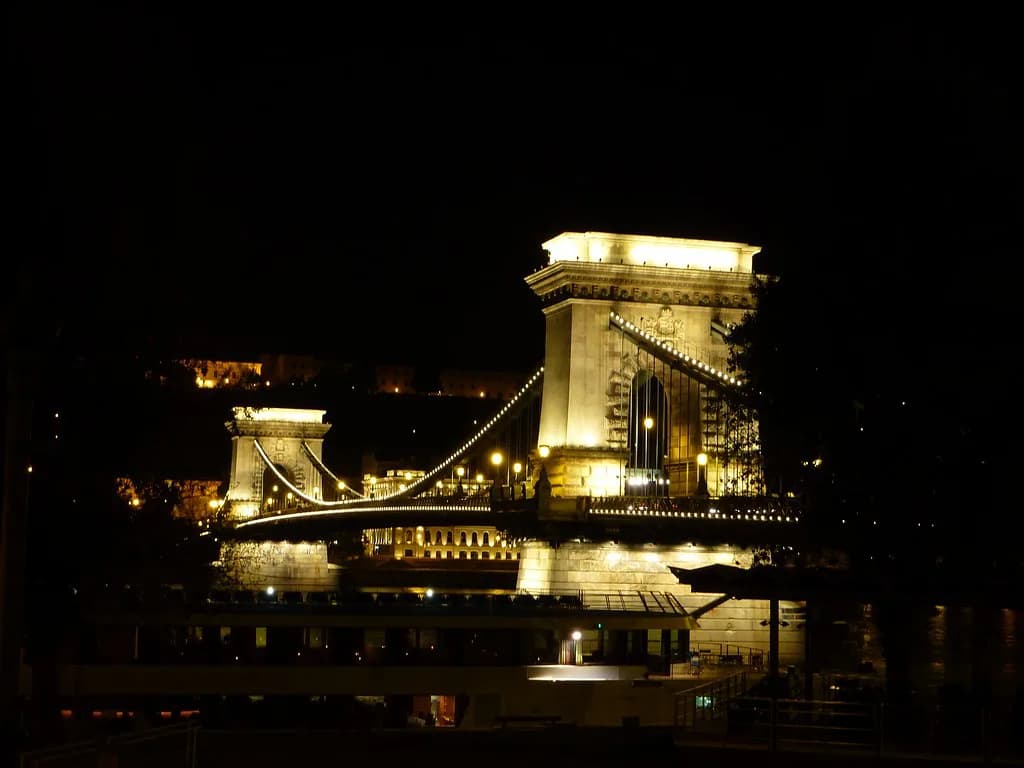
Crowds are the main frustration. Fisherman's Bastion and the popular baths are busy at midday even outside peak season, weekend pricing at some baths adds cost, and the most famous sights rarely feel quiet after 10 a.m. Landmark maintenance can also affect access to bridges and viewpoints, so check the official site for the bridge or viewpoint before you build a day around one specific spot.
Language is a real barrier outside tourist zones. Hungarian is unrelated to its neighbors' languages, and while younger people in Budapest often speak good English, smaller towns and rural services are harder. Learn a few words, keep a translation app offline, and expect signage in stations to be less English-friendly than in Vienna or Prague.
Practical basics are easy but worth sorting before you fly. Hungary uses European-style plugs, so check whether your devices need an adapter before you pack. Our Hungary plug type guide explains what fits.
Hungary versus its neighbors
Against Vienna, Budapest trades imperial polish for grit, scale and price: the architecture is comparably grand, the baths are better, and your money goes further, but Vienna is tidier and easier for a first-time Europe trip. Against Prague, Budapest is less overrun, similarly beautiful along the river, and stronger on thermal bathing, though Prague's old town is more compact and photogenic in a single day. If you are also weighing where else in the region to go, our Romania verdict covers a nearby option with its own distinct appeal.
Against the Adriatic coast, Balaton loses on water clarity and guaranteed sun but wins on cost, accessibility from a capital city and a distinctly Hungarian lake culture. If you are choosing between a Croatian island week and a Hungarian lake week, pick Croatia for swimming and Hungary for a cheaper, quieter, more local summer with Budapest attached.
Verdict by traveler type
First-timers should do four nights in Budapest with one day trip to Szentendre or Székesfehérvár, and skip the country loop. Couples do well with Budapest plus two nights in Eger for wine and thermal water. Families get the most from Balaton in July or August, where shallow water, cycling paths and resort towns make a lake week easy, though you should book early because summer demand is high.
Budget travelers will find Hungary one of the better-value capitals in Central Europe, especially outside midsummer, and culture-focused visitors can fill a week in Budapest alone between the National Gallery, the House of Terror, the Opera and the baths. Travelers who want a beach should go elsewhere; travelers who want a rich, affordable, walkable European city with warm water and good wine should book Hungary without much hesitation.
Plan Your Visit
Book Budapest first, then decide whether you are adding a lake, a wine town or a southern city based on season and tolerance for transfers. Spring and autumn suit city travel, summer belongs to Balaton, and Eger or Tokaj give the trip a slower second act at any time of year. Lock in Parliament tours and bath tickets ahead, keep some forint in your wallet, and leave room for an unplanned afternoon on Margaret Island.
Explore more Hungary trip-decision guides
Frequently Asked Questions
Is Hungary worth visiting for a first trip to Central Europe?
Yes. Budapest alone justifies the flight, with Castle Hill, the Parliament, the riverside views and thermal baths that are part of daily life rather than a novelty. Add a day trip to Szentendre or Székesfehérvár and you have a solid four-to-five-day trip without changing hotels.
How many days in Hungary is enough?
Four nights in Budapest is a comfortable minimum for a first visit, and seven to ten days lets you add Eger, Lake Balaton or Pécs without rushing. A full country loop taking in all of those plus Tokaj needs closer to two weeks once transfers are counted.
What is there to see in Hungary besides Budapest?
Lake Balaton for swimming, cycling and lake towns like Tihany and Balatonfüred; Eger for its castle, minaret, thermal bath and red wine; Pécs for Roman and Ottoman heritage plus the Zsolnay porcelain quarter; and Tokaj for sweet white wine and cellar tastings. Szentendre and Székesfehérvár work as easy day trips from the capital.
Do they speak English in Hungary?
English is common among younger people in Budapest and in tourist-facing businesses, but less so in smaller towns and rural services. Hungarian is unrelated to neighboring languages, so a translation app and a few basic phrases make a real difference outside the capital.
What currency does Hungary use?
Hungary uses the Hungarian forint, not the euro, even though the country is in the European Union. Cards are widely accepted in cities, but carry some cash for smaller businesses, rural buses and minor entrance fees.
Is Budapest worth visiting on its own?
Yes. Budapest has enough baths, museums, architecture and riverside walks to fill four or five days without leaving the city, and the Buda and Pest sides feel like two different trips. If you only have a long weekend, stay put rather than adding another city.
When is the best time to visit Hungary?
Spring and autumn give mild weather and thinner crowds in Budapest, while summer is best for Lake Balaton and liveliest in the capital. October brings autumn color and quieter sights, and winter is cold but leans on indoor attractions. Treat all of this as typical seasonal conditions and check climate normals for your dates.
Should I choose Hungary or Croatia for a summer trip?
Pick Croatia if saltwater swimming is the point of the trip; the Adriatic delivers clearer water and a beach culture Hungary cannot match. Pick Hungary for a cheaper, quieter summer built around Budapest plus a freshwater lake, with wine towns and thermal baths as the draw.
Sources
Trip-decision notes
Optional updates when we publish or revise a destination verdict.
You might also like
Continue reading
More guides you'll find useful