Is Estonia Worth Visiting? A Candid Verdict for Your Trip
Estonia rewards slow travelers with medieval Tallinn, bogs, islands and spas, but it frustrates city-hoppers. Here is the honest case for going or skipping it.
On this page
Is Estonia worth visiting? Yes, if your idea of a good trip is wandering a walled medieval old town in the morning and standing on a bog boardwalk by afternoon, with plenty of forest and coastline in between. The country is compact, uses the euro, and packs a UNESCO-listed capital, dozens of islands and a deep sauna and spa culture into a space you can cross by car in a day. It is a weaker choice if you want a capital stuffed with grand monuments, guaranteed winter sunshine or a packed city-hopping itinerary.
The honest trade-off is scale. Tallinn's headline sights fill roughly two days, and everything that makes Estonia distinctive beyond that — bogs, manor houses, islands, the southern university town of Tartu — needs either a car or patience with bus and ferry timetables. Travelers who accept that rhythm come home with a richer trip than those who treat Tallinn as a stag-weekend backdrop and leave.
The verdict: who Estonia suits and who should pick somewhere else
Estonia suits slow travelers, nature-leaning couples, design and food people, and anyone who likes a small capital they can walk end to end. It rewards curiosity about 20th-century history, forests and the sea more than it rewards a checklist of blockbuster sights. Give it four to seven days and it delivers; give it a rushed weekend and you will see only the Old Town.
Choose somewhere else if you want a monument-dense capital like Vienna or Rome, a beach-and-sun fly-and-flop, or a nightlife-led city break. Estonia's summers are short and its winters are dark and cold, and the countryside thins out of both services and other travelers outside July and August. If your group splits between museum-lovers and hikers, though, it works well: Tallinn keeps one half busy while the other heads to Lahemaa.
Why Estonia earns the trip: medieval Tallinn and the UNESCO-listed Old Town
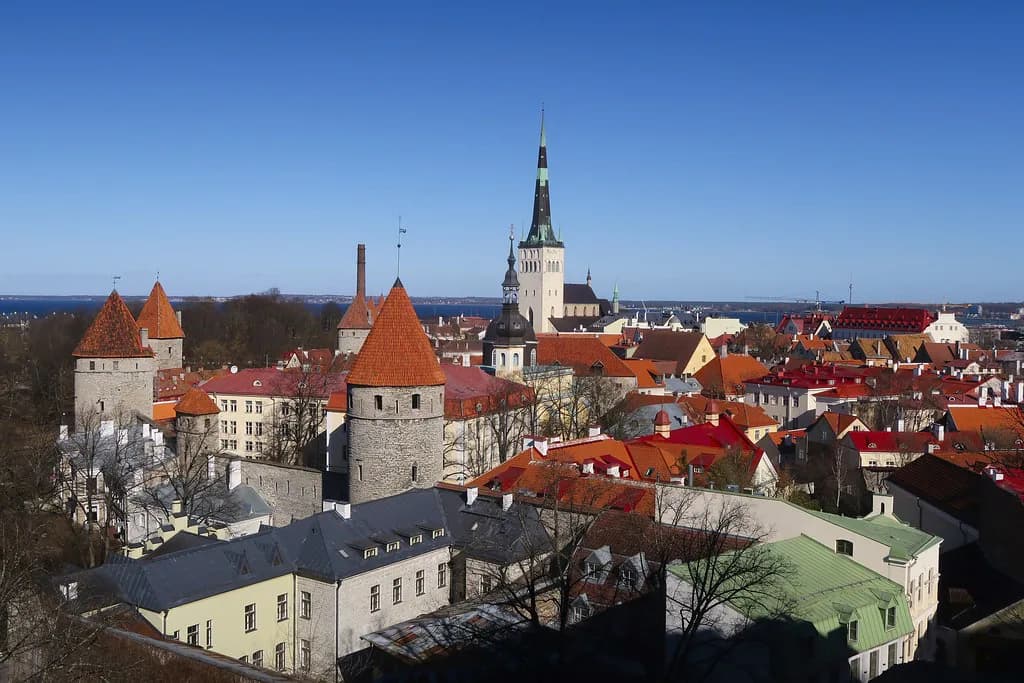
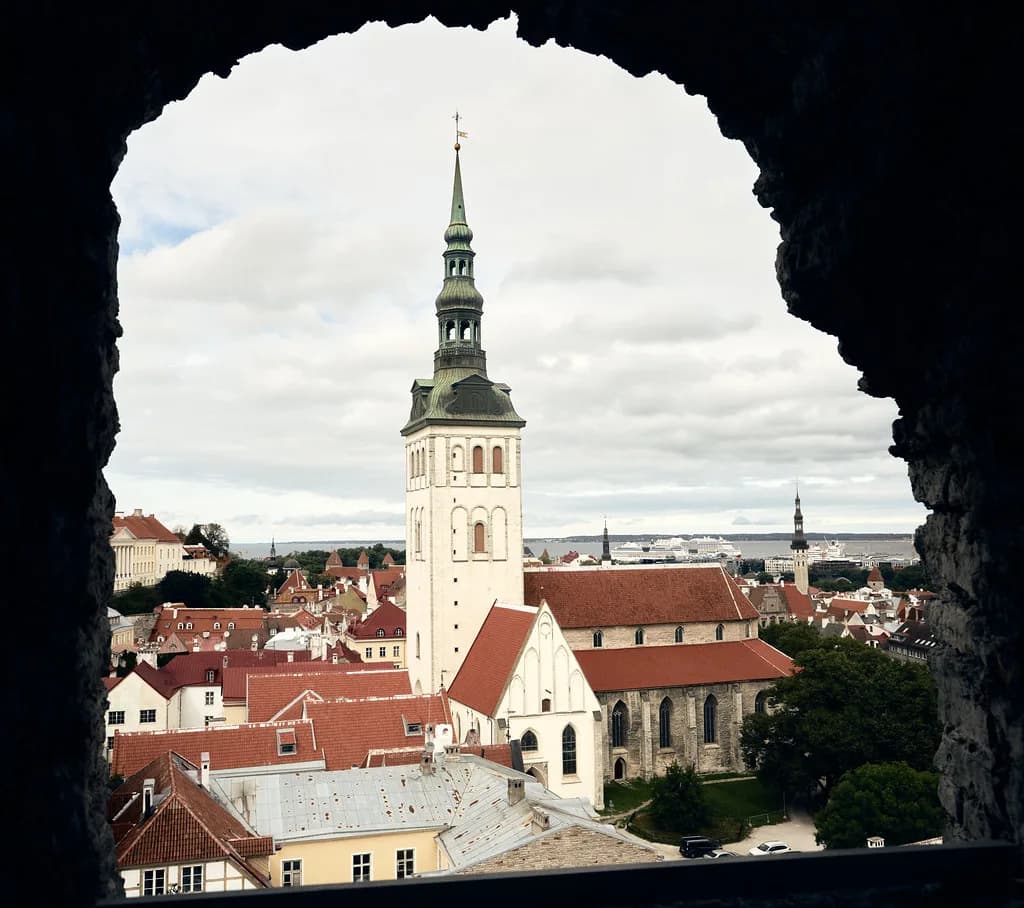
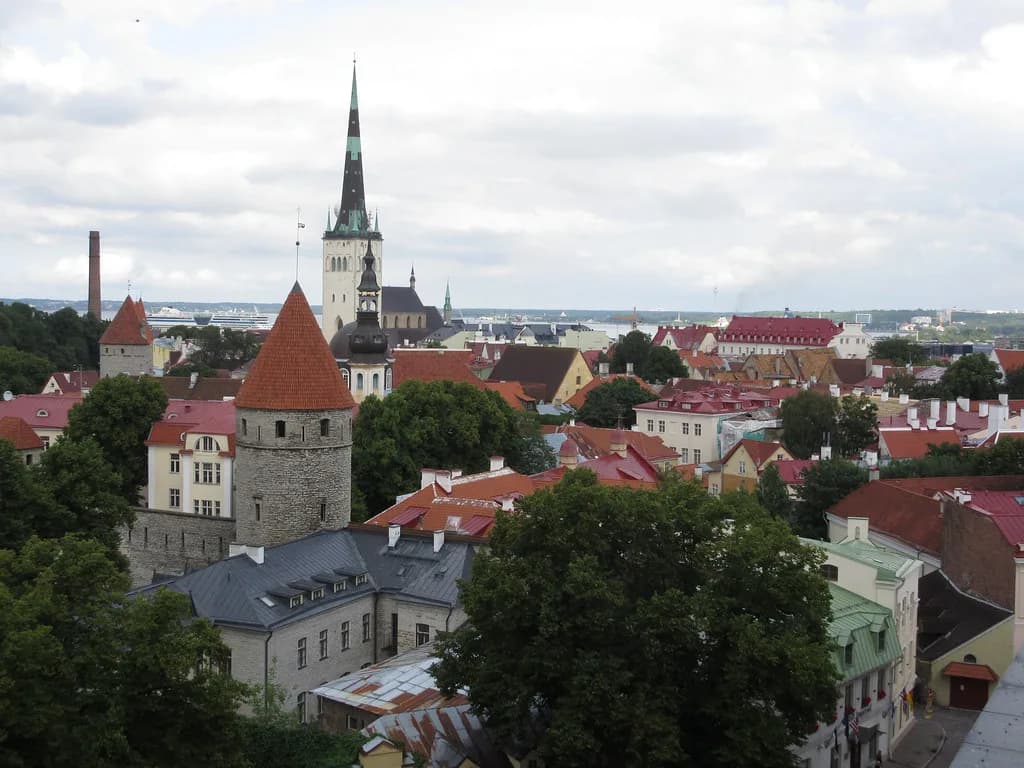
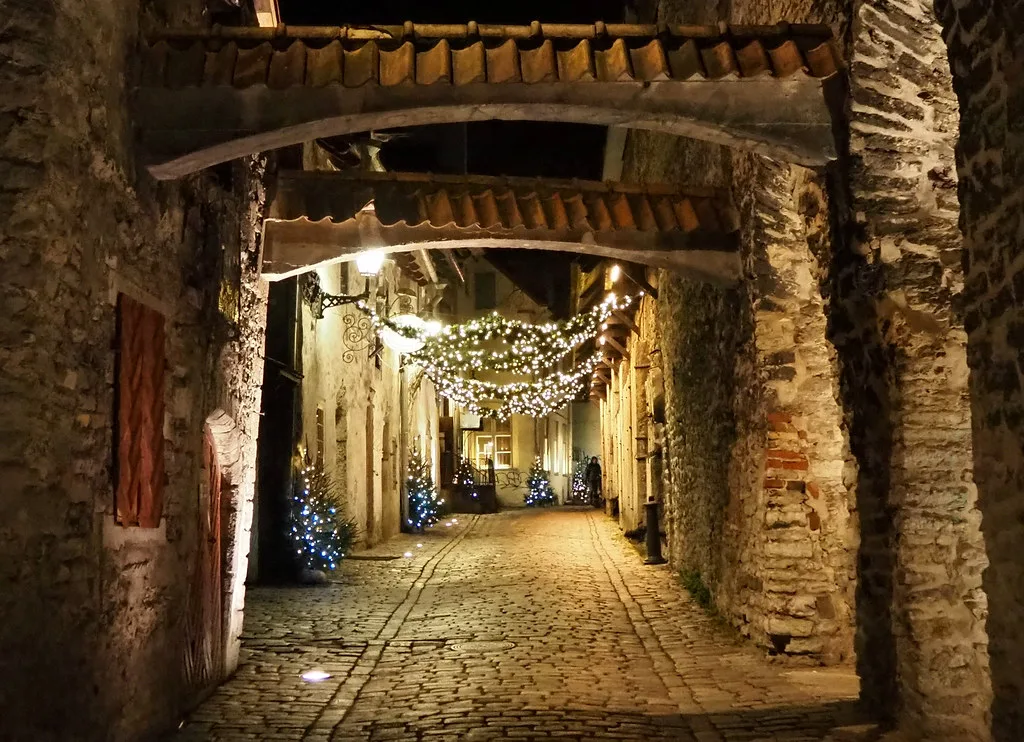
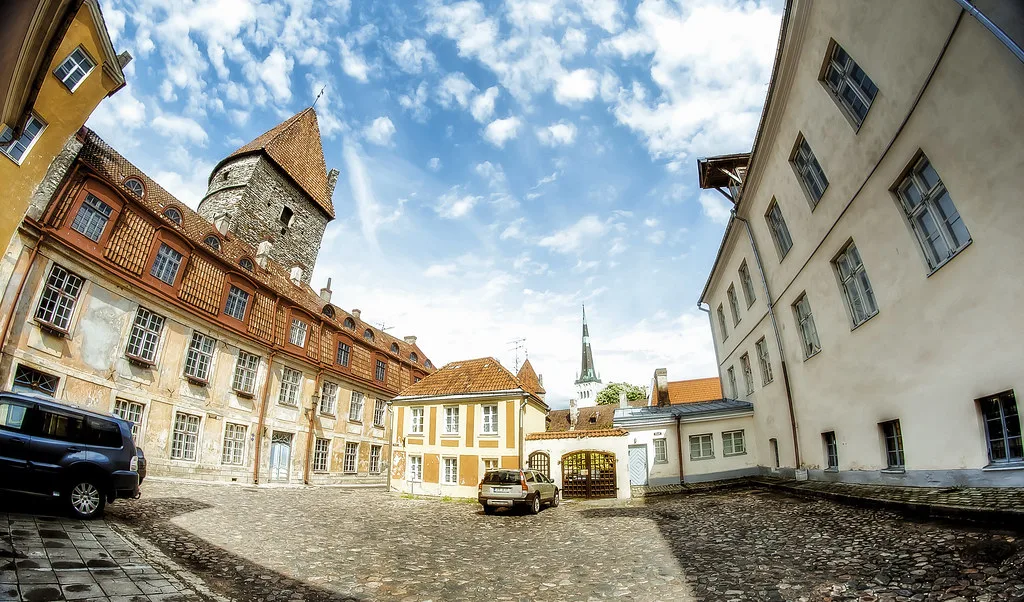
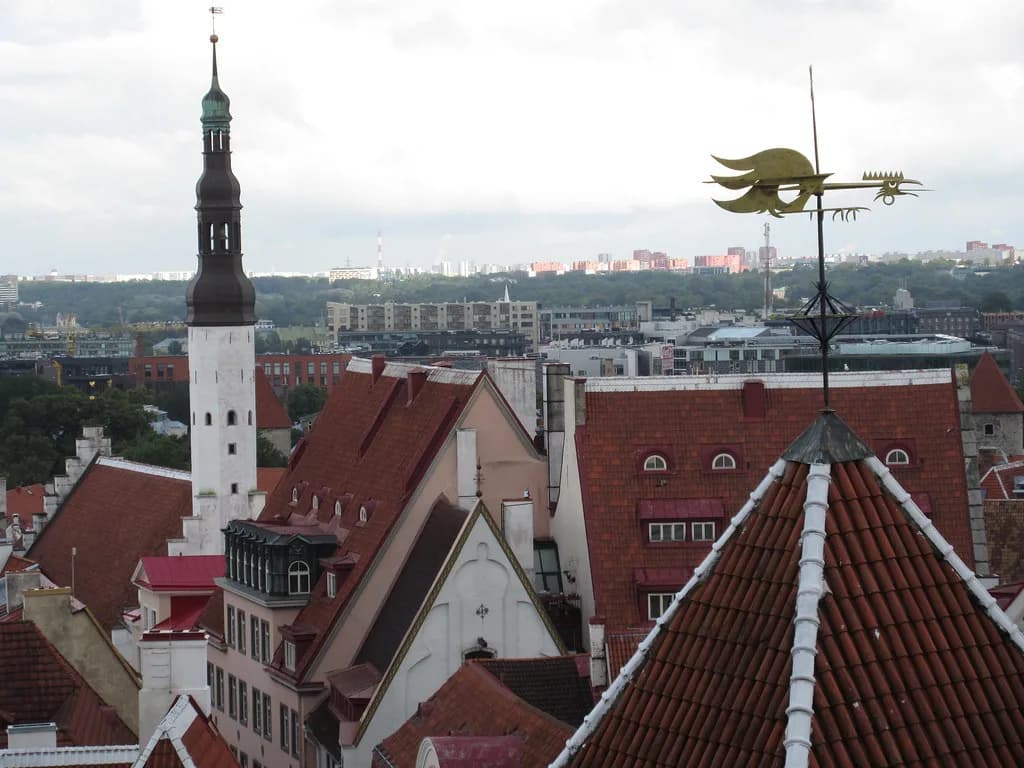
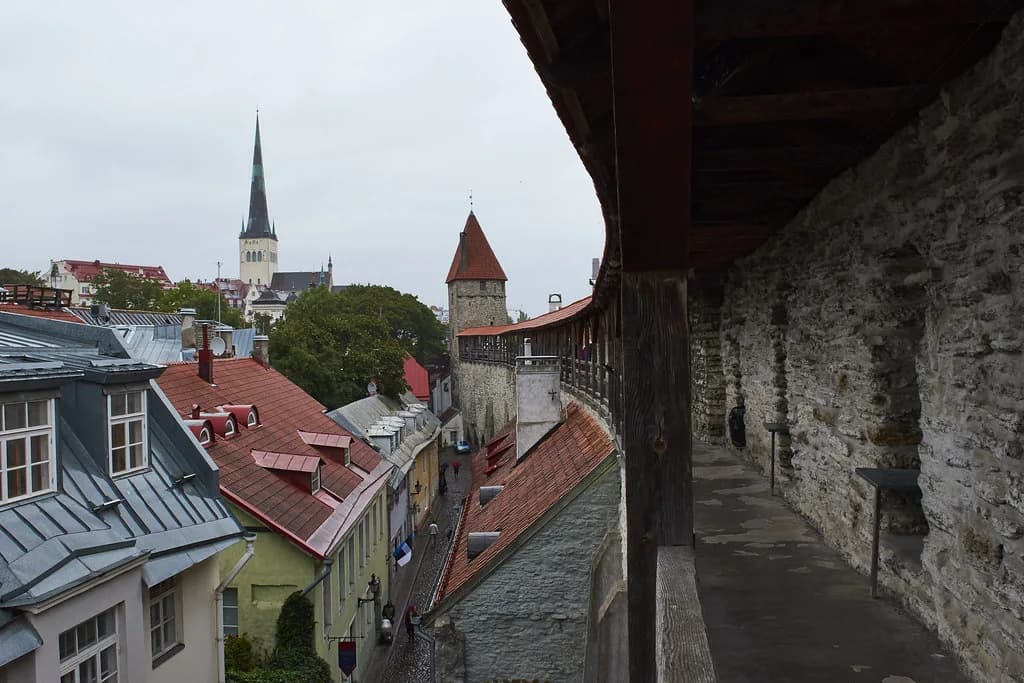
Tallinn's Old Town is the reason most trips start here, and it justifies the detour: a walled medieval core of cobbled lanes, Gothic spires and merchant houses that is a UNESCO World Heritage site. Walk it without a plan, because the pleasure is in the details — carved doors, courtyards, the town square — rather than any single ticketed sight. Toompea Hill holds the parliament and the onion-domed Alexander Nevsky Cathedral, and the Kohtuotsa viewing platform gives you the red rooftops and spires in one frame at no cost.
Time your walking for early morning or late afternoon, because the central lanes take the brunt of the day-trippers and cruise passengers in high season. The Estonian Open Air Museum, a short trip from the center, spreads rural farm buildings across a wooded site and gives context to what you saw in town. If you are weighing dates, read up on the best time to visit and what each season does to crowds and daylight.
Beyond the capital: Kalamaja, Telliskivi and Kadriorg Park
Cross the railway tracks from the Old Town and the city changes character completely. Kalamaja is a district of wooden houses, bakeries and laid-back cafes, and Telliskivi Creative City next door turns old factory buildings into street art, design shops and food stalls. This is where Tallinn feels like a working city rather than a stage set, and an afternoon here is the single best antidote to Old Town fatigue.
On the other side of the center, Kadriorg Park covers 173 acres and holds the Kumu Art Museum alongside formal gardens and the presidential palace grounds, per National Geographic's Estonia guide. Combine Kadriorg with the Seaplane Harbour museum, where you can walk inside a real submarine, for a history-and-design day. Both are reachable on foot or by a short tram ride, which makes them easy to slot into a two-day city stay.
Bogs, forests and national parks: Viru Bog, Soomaa and Lahemaa
Estonia's bogs are the country's most distinctive landscape, and RMK, the state forest agency, maintains boardwalks and viewing towers that let you cross the dark pools and pine without special gear. Viru Bog is the most popular option within easy reach of Tallinn, while Pääsküla and Kakerdaja are quieter alternatives with towers to linger on. Go early and the mist does the rest.
Lahemaa National Park, about 50 miles east of Tallinn, was Estonia's first and largest national park and combines fishing villages, forest and the ornate Palmse Manor. Without a car, these places shrink to a single guided day tour each; with one, you can link several in a loop. If you plan to range beyond the capital, renting a car in Estonia is the difference between seeing one bog and seeing four.
The islands and the west: Saaremaa, Hiiumaa, Kihnu, Pärnu and Haapsalu
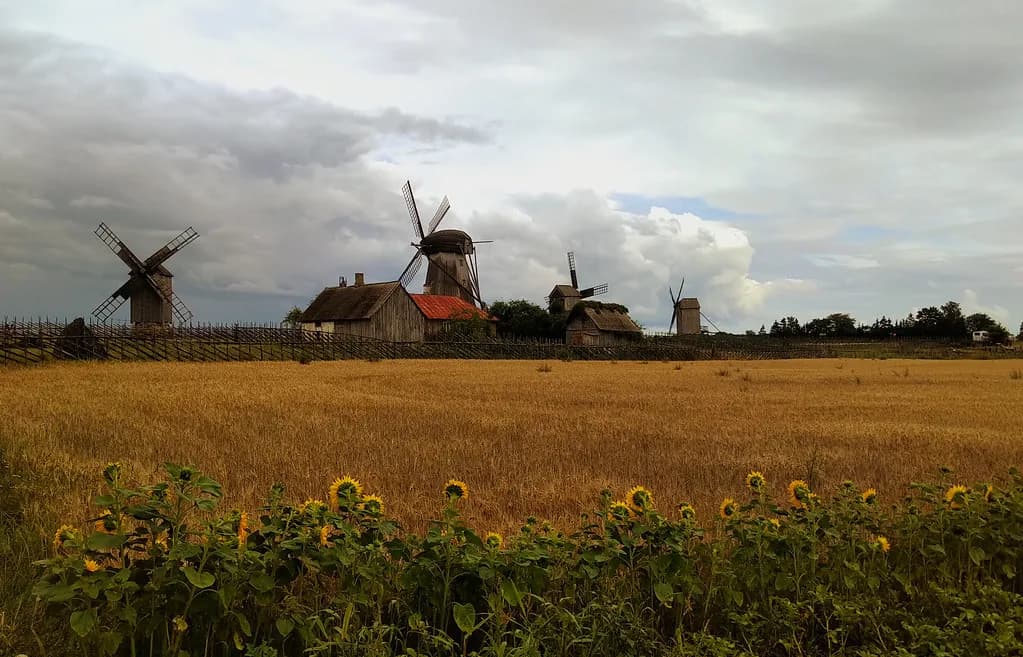
The west coast and islands are where Estonia slows right down. Saaremaa is the largest island, with Kuressaare Castle and its moat, working windmills and the country's strongest spa tradition; Hiiumaa is quieter, all lighthouses and empty beaches; and tiny Kihnu is UNESCO-listed for living folk culture, where many women still wear striped skirts daily. Regular ferries connect Saaremaa, Hiiumaa and Kihnu, so island-hopping is realistic if you allow at least a night on each.
On the mainland, Pärnu is Estonia's spa capital, with a beach and a bathing tradition dating to the 19th century, while Haapsalu offers a smaller, quieter seaside base. Pärnu Airport runs summer flights to Helsinki and Stockholm, which makes a beach-and-spa add-on easier than it sounds. Bear in mind that island ferries and rural buses thin out outside summer, so shoulder-season trips need more planning.
Tartu, Viljandi and the east around Lake Peipus
Tartu is the country's second city and its university town, the oldest city in the Baltics, with a street-art scene you can explore on a self-guided map. Trains from Tallinn take just over two hours on Elron services, which makes Tartu an easy overnight rather than a grueling day trip. South of it, Viljandi is the folk-music center of southern Estonia and livens up during its medieval fairs and heritage festivals.
East of Tartu, Lake Peipus is Europe's largest lake shared by two countries, and the villages along it hold Russian Old Believer communities with distinctive handicrafts and samovar tea traditions. Alatskivi Castle, modeled on Scotland's Balmoral, sits nearby and is open for visits and even overnight stays. Further northeast, Narva's Hermann Castle faces Russia across the river, a stop only worth making if border history interests you.
How many days you need, from a Tallinn weekend to a two-week loop
Two nights in Tallinn covers the Old Town, Kalamaja and one museum comfortably; add a third for a Viru Bog or Lahemaa day. A week lets you add Tartu and either Saaremaa or Pärnu without rushing. Ten days to two weeks allows an island loop, Soomaa, Lahemaa and the southern lake country at a humane pace, especially if you are relying on buses.
The mistake most visitors make is over-scheduling the capital and under-scheduling the drives between places. Estonian roads are good and the country is small, but ferries, rural bus frequencies and short winter daylight eat time quickly. Build in slack, especially outside July and August.
Best time to visit: spring, summer, autumn and winter conditions
Summer is the obvious season, with long daylight, Midsummer bonfires (Jaanipäev) on the eve of June 23, and everything open, from island ferries to spa towns. It is also the busiest and most expensive window, and the streets inside Viru Gate fill on cruise days. Spring brings the flooded meadows of Soomaa and the bird migration that peaks in mid-May, with cooler, quieter conditions.
Autumn is a strong second choice: bog walks and mushroom and berry foraging, brown-bear watching in Alutaguse between mid-August and the end of October, and the week-long Tallinn Design Festival in September, per National Geographic. Winter means short daylight, cold and a quieter Old Town with a seasonal market; the coast turns to fatbiking and kicksledding rather than swimming. Check forecasts with the Estonian weather service before you lock outdoor plans in any season.
Typical costs and how far the euro goes
Estonia uses the euro, which removes currency guesswork for eurozone travelers, and its price level sits closer to Central Europe than to Scandinavia despite its Nordic feel. Food, beer and public transport are moderate; accommodation in Tallinn Old Town spikes in summer and around Midsummer. For the breakdown, our guide to whether Estonia is expensive walks through real costs for a trip to Tallinn and beyond.
Outside the capital and outside high season, prices drop noticeably, especially for rural guesthouses and spa hotels mid-week. Ferries, buses and trains are reasonably priced but vary by company and season, so check the current fare on the Tallink, LuxExpress or Elron site rather than budgeting from memory. The biggest variable is not daily spending but whether you rent a car.
Getting there and getting around: flights, ferries, buses, trains and driving
Lennart Meri Tallinn Airport connects Estonia to 43 European destinations, and the Port of Tallinn runs up to 15 daily ferry connections to Finland, Sweden and the Åland Islands, according to National Geographic. The Tallink Megastar crossing to Helsinki is one of the most popular Baltic hops and works as a day trip. Domestic flights link Tallinn to regional hubs including Kuressaare on Saaremaa.
On land, Elron trains connect the main cities, while LuxExpress is the primary long-distance bus operator, bookable via its app or Tpilet. Ferries reach Saaremaa, Hiiumaa and Kihnu, and driving is on the right. Highways T1, T2, T4 and T11 are the main arteries, with T1 running Tallinn to Narva — the practical choice for the east.
Drawbacks: crowds, short winter days, seasonal closures and rural transport
The chief drawback is seasonality. Tallinn's Old Town is genuinely crowded on summer cruise days, winter days are short and cold, and rural attractions, spas and ferries cut back outside the peak. Island hopping in October is possible but means fewer sailings and fewer open kitchens. If you cannot travel in summer, aim for late spring or September.
Transport is the second constraint. Without a car, bogs, manor houses and islands require guided tours or long bus connections, and some rural stops run a few times a day at best. English is widely spoken and getting around the capital is easy, so the friction is concentrated in the countryside. Travelers who accept those limits find Estonia calm and generous; those who fight them find it slow.
Estonia compared with Helsinki and the other Baltic capitals
Helsinki is bigger, pricier and more polished, with a design and food scene on a larger scale; Tallinn is smaller, cheaper and more medieval, and the two are close enough by ferry to pair. For a shorter trip, Helsinki wins on urban energy; for atmosphere, history and value, Tallinn wins. Most travelers who pair them split two or three days each way.
Against Riga and Vilnius, Tallinn has the best-preserved medieval core, while Riga offers grander 19th-century architecture and Vilnius a more lived-in, baroque feel. Estonia's trump card is nature: bogs, forests and islands that the other Baltic capitals cannot match within an hour of the city. If you want one city, take Tallinn; if you want a country, take Estonia. If Latvia is also on your shortlist, weigh our Latvia verdict alongside this one.
The verdict by traveler type
Slow travelers, couples, hikers, design and food people, and anyone combining a capital with countryside: Estonia is worth it, and a week is a good length. Families do well in Pärnu and at the Tallinn museums. First-time Baltic visitors with five days or fewer should base in Tallinn and add one day trip rather than spreading thin across three countries.
Skip Estonia if you want guaranteed sun, a monument-heavy big-city break, or a destination where every village is on a frequent bus. It also disappoints travelers who only stay inside the Old Town walls and never see Kalamaja, a bog or the sea. Invest in one countryside day and the country's case becomes obvious.
Plan Your Trip
Estonia is worth visiting if you want a small, affordable, euro-using country where a medieval capital sits within reach of bogs, islands and spa towns, and you are willing to move at its pace. Book summer early, consider late spring or September for fewer crowds, and decide whether a car is worth it before you commit to an island loop.
If you are still deciding between destinations, weigh Estonia on what you actually want from the trip: atmosphere and nature over monuments, and slowness over sprinting. Confirm entry requirements on your own government's official travel page, and check timetables with the operators once your dates are set.
Explore more Estonia trip-decision guides
Frequently Asked Questions
How many days do you need to visit Estonia?
Two nights in Tallinn covers the Old Town, Kalamaja and one museum, and a third day adds Viru Bog or Lahemaa. A week lets you add Tartu and either Saaremaa or Pärnu without rushing, while ten days to two weeks allows an island loop, Soomaa and the southern lake country at a comfortable pace, especially on public transport.
What is the best month to visit Estonia?
June, July and August give the longest daylight and the fullest ferry and spa schedules, with Midsummer bonfires on the eve of June 23. Late spring suits birdwatching and the flooded meadows of Soomaa, and September brings foraging, brown-bear watching and the Tallinn Design Festival with fewer crowds. Winter is cold and dark but quiet.
Is Estonia expensive to visit?
Estonia sits closer to Central European price levels than to Scandinavian ones, despite its Nordic feel. Food, beer and local transport are moderate, while Tallinn Old Town accommodation climbs in summer and around Midsummer. Rural guesthouses and spa hotels cost less outside peak dates, and renting a car is the biggest single variable in a countryside trip.
Is Tallinn worth visiting on its own?
Yes. The UNESCO-listed Old Town, Toompea Hill, the Kohtuotsa viewing platform and the Alexander Nevsky Cathedral fill two comfortable days, and Kalamaja, Telliskivi Creative City and Kadriorg Park add a third. Travelers with only a weekend should stay in the capital rather than spreading thin across the Baltics.
What is better, Helsinki or Tallinn?
Helsinki is larger, pricier and more polished, while Tallinn is smaller, cheaper and more medieval, and a ferry links the two for a day trip or a paired stay. Choose Helsinki for urban energy and a bigger food scene, Tallinn for atmosphere, history and value. Many travelers split two or three days on each side.
Do you need a car to see Estonia beyond Tallinn?
A car makes the countryside far easier: bogs, manor houses and national parks such as Lahemaa and Soomaa are awkward on rural buses that may run only a few times a day. Without one, plan guided day tours from Tallinn and allow overnight stays on the islands. Trains and LuxExpress buses cover the main cities well.
What is there to do in Estonia outside Tallinn?
Head west for Saaremaa's Kuressaare Castle and spas, quiet Hiiumaa and UNESCO-listed Kihnu, or the spa towns of Pärnu and Haapsalu. Inland, Tartu has the Baltics' oldest city and a street-art scene, Viljandi is the folk-music center, and Lake Peipus holds Old Believer villages and Alatskivi Castle. Bogs and forest trails sit within reach of the capital.
Sources
Trip-decision notes
Optional updates when we publish or revise a destination verdict.
You might also like
Continue reading
More guides you'll find useful