Estonia in September: Weather, Crowds & Worth It?
Estonia in September brings cooler days, thinner crowds and early autumn colour. See the typical weather, what stays open and who should wait for another month.
On this page
Yes, September is one of the smartest months to visit Estonia, provided you want cities and nature rather than a beach holiday. The summer crush thins out, autumn color starts in the east, and the country's bogs, forests and islands become the main event. If you need long evenings and warm sea swims, though, September will feel like a compromise.
The trade-off is daylight and temperature. Visit Estonia puts the seasonal swing at an average of roughly 15°C (59°F) in September down to around 0°C (32°F) by November, with day length shrinking from about 14 hours to 6.5 hours across the same stretch.
This guide covers what September actually feels like, where the season works best, and how the month stacks up against August and October. For the wider case for the country, start with whether Estonia is worth visiting.
The Verdict
September is the month for travelers who want Estonia's outdoors without summer crowds and without October's fading light. Narva, Estonia's unofficial autumn capital, draws people for foliage along its riverside promenade, and the bogs and forests are at their most photogenic as the colors turn.
Skip September if your trip depends on swimming, long outdoor evenings or a beach-resort atmosphere in Pärnu. Late September light fades early and the air is cool; the Baltic coast is better suited to walking than sunbathing. Beach-first travelers should look at Estonia in July instead.
The month also rewards flexible planners. Because it sits between the peak and the deep off-season, you can build a trip around weather windows rather than fixed bookings, and a few days of rain is easier to absorb when museums and spas are part of the plan.
What September Weather Actually Feels Like
Expect mild afternoons and cold mornings, with highs easing through the month. Typical daily highs in Tallinn slip from around 17°C (63°F) at the start of September to about 12°C (54°F) by the end, with the coolest nights well below that.
Treat these as climate normals, not forecasts: September in Estonia is a month of layers, where a sunny afternoon on Toompea Hill can be followed by a cold, windy evening on the coast. A waterproof outer layer matters more than a heavy coat.
The wind is the detail most visitors underestimate. Coastal spots and island ferry terminals feel several degrees colder than sheltered Old Town courtyards, so plan outdoor stretches for the middle of the day and keep indoor options for the tail end of the afternoon.
Tallinn in September: Old Town Without the July Crush
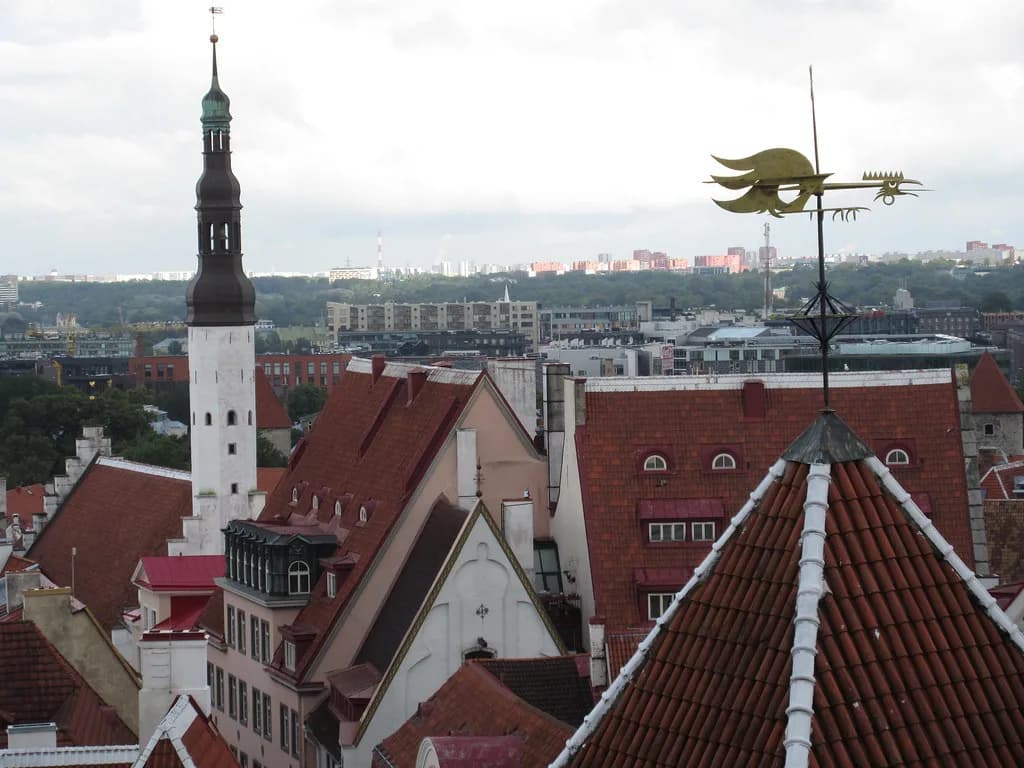
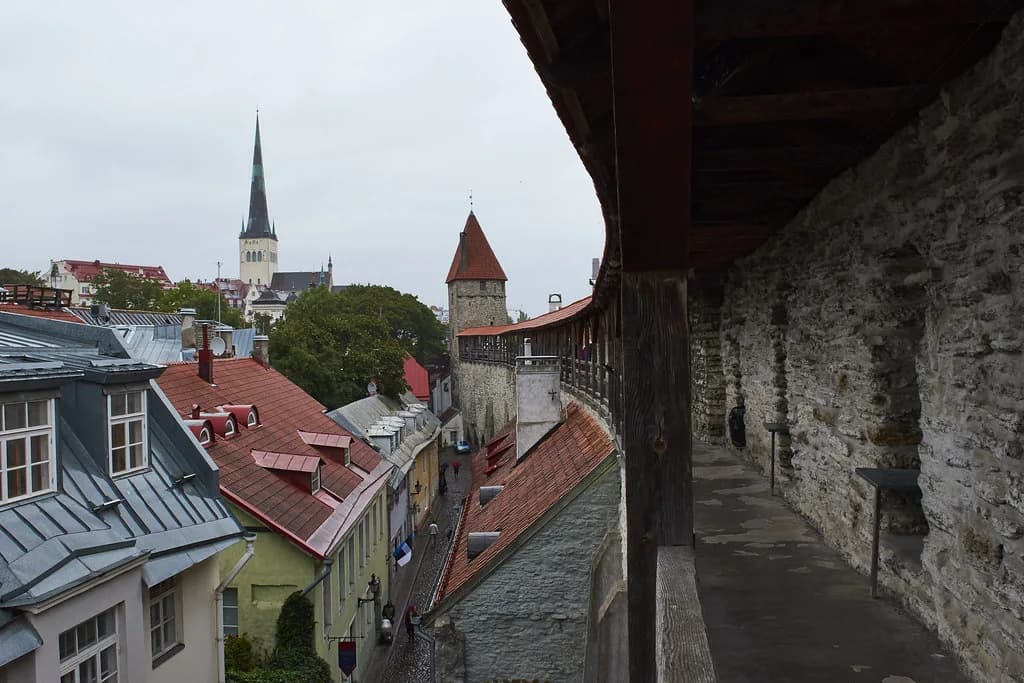
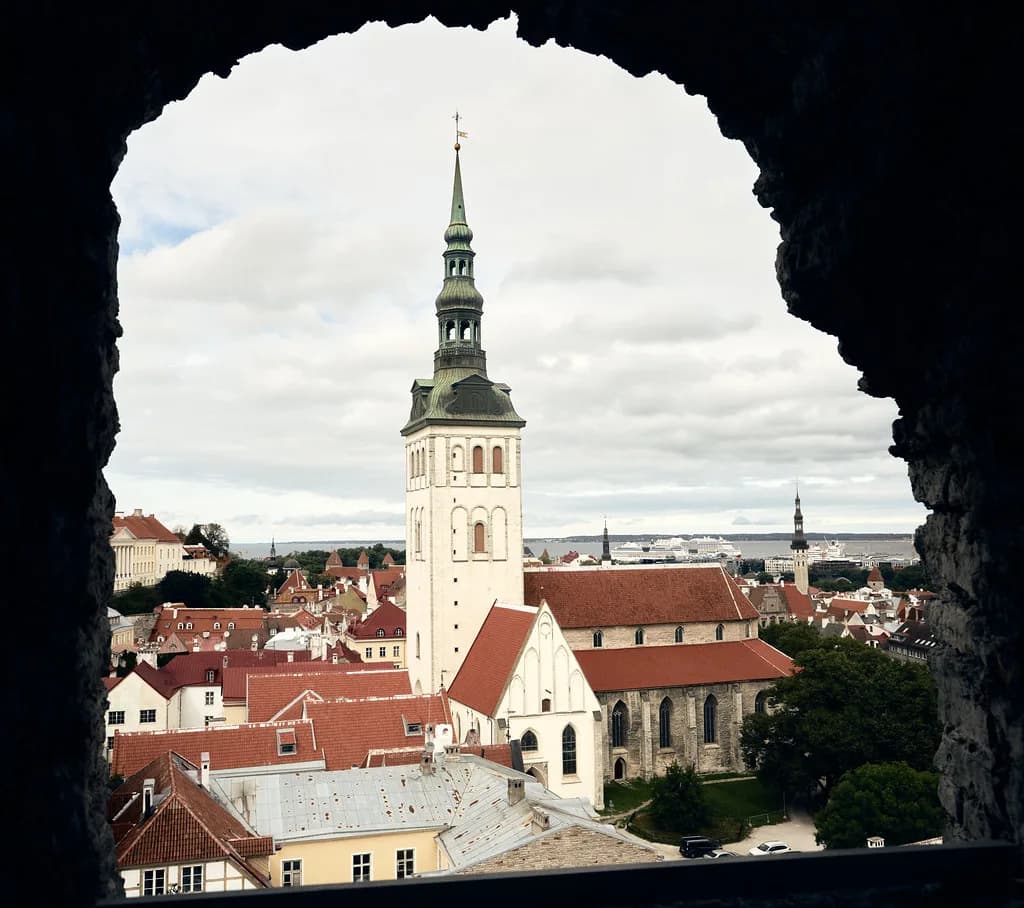
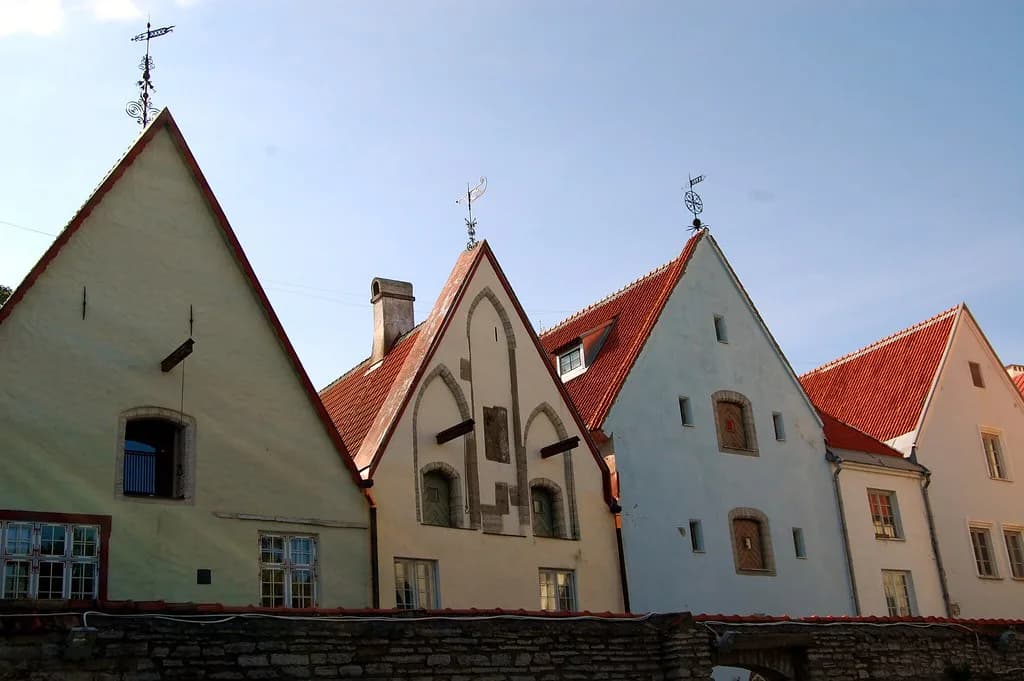
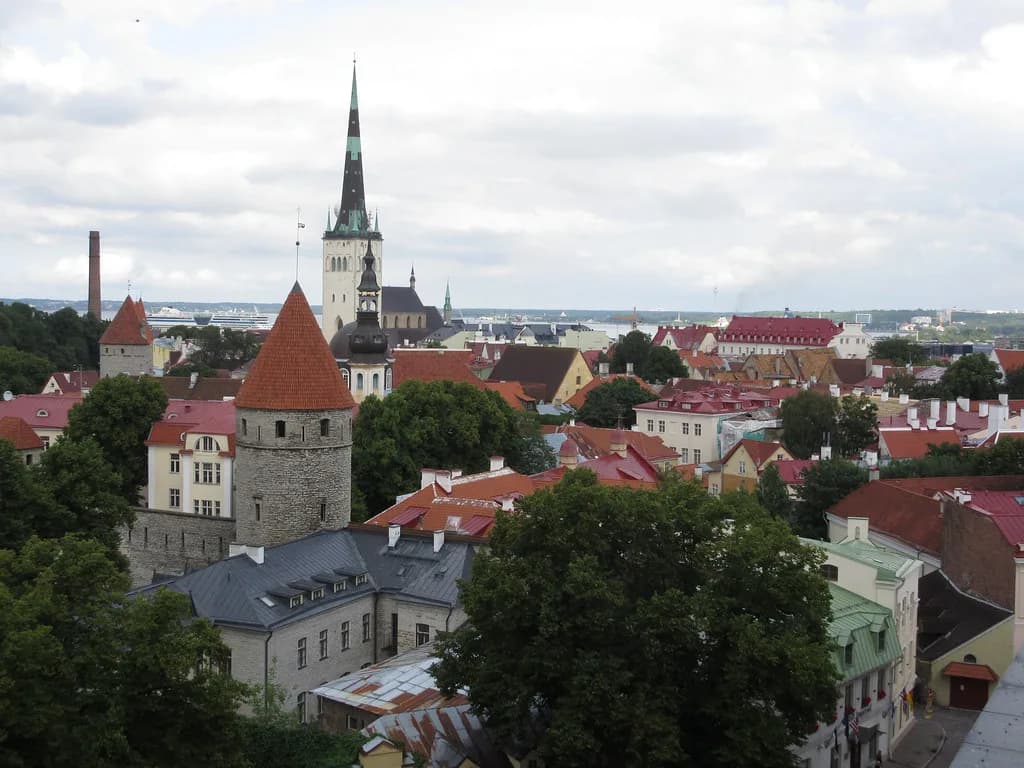
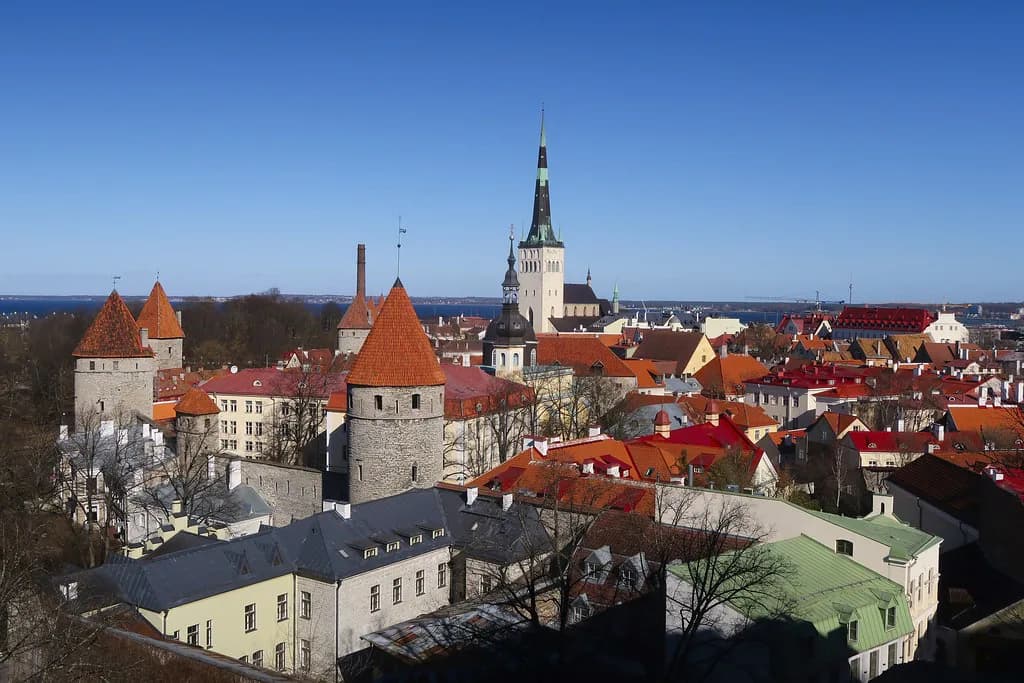
Tallinn is at its most usable in September. The Old Town's cobbled lanes and the viewpoints on Toompea Hill are the same as in high summer, but the queues at the main squares are shorter and restaurant tables are easier to find without booking weeks ahead.
Use the quieter streets to see the city properly rather than rushing the highlights. The medieval core, the Telliskivi Creative City district and the city's museums fill a rainy afternoon well, and September is a good moment to compare Tallinn with Tartu, the university town where the student population returns and the cultural calendar restarts.
September is still a fine month for the city's food scene, with autumn produce arriving in restaurants. If you are weighing when to come across the whole year, our guide to the best time to visit Estonia sets out the trade-offs by season.
Narva and the Riverside Foliage
Narva, in Estonia's far east, is the country's autumn city. Visit Estonia notes that colorful foliage, especially along the riverside promenade, is what draws visitors in fall, in the way Pärnu draws them for summer sun.
The setting adds weight to the walk: the Narva River forms the border with Russia, and the Hermann Castle on the Estonian bank faces its counterpart across the water. Come for the promenade color, but give the castle and the city's museums a few hours too.
Downstream, Narva-Jõesuu pairs a long beach with a spa tradition, which makes it a sensible base when the weather turns. Stroll the shore in the morning and use the sauna in the afternoon, a pattern that suits September better than a pure beach itinerary.
Bogs, Forests and Wildlife
Autumn is when Estonia's bogs and old forests look their best. Many of the main hiking trails cross wetlands and primeval forest and have observation towers for views, and a day trip from Tallinn is enough to reach serious nature.
Wildlife is a real draw. Estonia has Europe's highest population density of brown bears, and autumn is one of the best times to watch them as they forage before winter, with thinner foliage making sightings easier. Birdwatchers should head to Vilsandi National Park on Saaremaa's west coast or Matsalu National Park on the mainland as migrants move south.
Plan for mud. Trails around Lahemaa National Park and the bogs hold water after rain, so waterproof footwear is the difference between a good day and a slog. If you are basing yourself in Tallinn, Lahemaa is the most straightforward nature day trip.
The Islands as the Season Winds Down
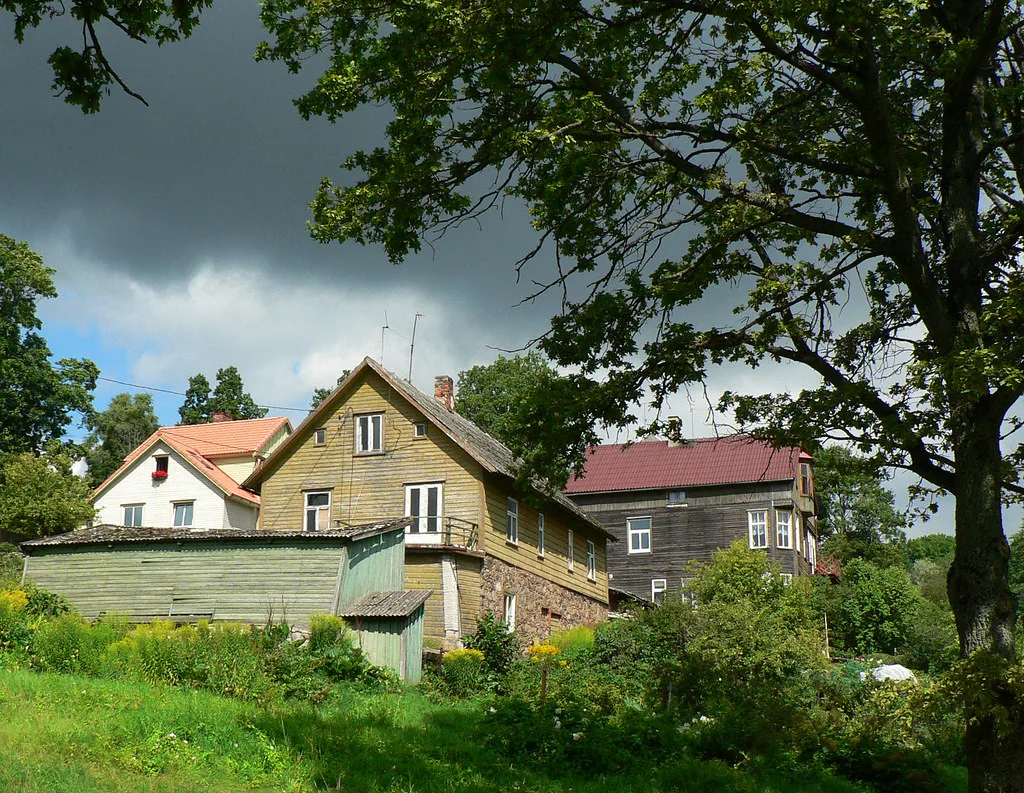
Saaremaa and the west-coast islands are quieter in September, and the coast is best enjoyed on foot or by bike rather than from a beach towel. Vilsandi National Park's shoreline and birdlife are the reason to come this far west, and the season's migration adds a second reason.
Ferry and bus connections keep the islands reachable, but services thin out as the season ends, so build slack into island days. Driving gives you the most freedom on Saaremaa and the mainland coast; renting a car in Estonia covers the practical side.
If you have limited time, pick one island rather than trying to link several. Saaremaa has the most infrastructure and the easiest combination of coastline, sights and food, while smaller islands demand more planning for fewer rewards in shoulder season.
Spa and Sauna Time
Estonia's spa culture is a year-round draw, and the first cold evenings make the sauna more appealing. Quality spas are spread across the country, from Narva-Jõesuu in the east to Pärnu in the south and the islands in the west, and a day visit works as well as an overnight.
Treat the spa as weather insurance rather than the whole point of the trip. A rainy afternoon in Tallinn or Pärnu is far more enjoyable with a sauna slot booked, and the country's mud treatments and guided sauna experiences are the local specialties worth trying once.
Honest Drawbacks
The light goes first. By late September the evenings close in early, which squeezes long hikes, island day trips and outdoor photography into fewer hours, and the trend only steepens into October.
Rain and mud are routine, particularly on forest trails, and some summer-oriented services and island guesthouses wind down after the peak. Fewer crowds come with fewer choices, so a plan built around one specific seasonal attraction is riskier than one with indoor fallbacks.
Prices and availability are generally kinder than in high summer, but this is not a deep-bargain month. For a realistic view of day-to-day costs, see is Estonia expensive before you set a budget.
How Many Days You Need in September
Give Tallinn two full days, enough for the Old Town, Toompea Hill and one museum or the Telliskivi district at a relaxed pace. Add a day for a Lahemaa or bog day trip, since the nature is the reason to choose September in the first place.
A week lets you add Tartu or Narva and one island without spending the trip in transit. Ten days is the comfortable minimum if you want Tallinn, the east and Saaremaa together, because shoulder-season timetables reward slower routing.
Typical Costs
September is a shoulder-season month, so expect mid-range prices rather than peak summer rates. Estonia uses the euro, and the biggest variables are accommodation in Tallinn, car hire if you are heading to the islands, and how often you eat in the Old Town rather than in local neighborhoods.
Museums, spa entries and transport are best budgeted from each venue's own pages, since admission and ticket prices change. Our breakdown of what a trip to Estonia actually costs gives a working framework for daily spending.
Getting There and Around
Tallinn is the main gateway, with flights from across Europe and a ferry link to Helsinki across the Gulf of Finland. Buses and trains connect Tallinn with Tartu, Narva and Pärnu, and the network is dense enough that a car is optional for a city-focused trip.
A car pays off for Lahemaa, the bogs and Saaremaa, where trailheads and trail access are away from town centers. Check current ferry and bus timetables before locking an island day into your plan, since shoulder-season frequency is lower than in July.
September vs August vs October
August gives you the warmest conditions and the fullest event calendar, but also the biggest crowds and the highest prices. September trades a few degrees and some evening light for quieter streets, autumn color and easier bookings.
October is deeper into autumn: the foliage is further along, days are shorter still and the sauna and museum side of the trip takes over. It suits travelers who prioritize atmosphere over outdoor hours and are content with a slower pace.
By traveler type: first-timers wanting cities and some nature should pick September; beach and festival chasers should choose August; and anyone happy with moody forests, spas and short daylight should go in October. If you're comparing the wider region, our Latvia trip guide runs the same seasonal trade-offs for the country next door. For a full month-by-month view, see the best time to visit.
Plan Your September Trip
Book September if you want Estonia's Old Town, bogs, forests and islands without July's crowds, and if you accept cooler air and earlier sunsets as part of the deal. It is a strong month for hikers, birdwatchers and city-and-nature travelers, and a weak one for anyone set on beach days.
Lock in Tallinn first, add one nature day and one second base such as Tartu, Narva or Saaremaa, then check transport timetables before committing to island hops. That structure gets you the best of the shoulder season without depending on summer services that thin out.
Explore more Estonia trip-decision guides
Frequently Asked Questions
Is September a good time to visit Estonia?
Yes, for most travelers. September brings thinner crowds, autumn color in places like Narva and good conditions for bogs, forests and birdwatching. It is weaker for beach holidays and for anyone who needs long daylight hours, so adjust expectations toward cities, nature and spas.
What is the weather like in Estonia in September?
Expect mild afternoons and cold mornings, with typical Tallinn highs easing from around 17°C (63°F) early in the month to about 12°C (54°F) by the end. Visit Estonia frames the wider autumn shift as an average of roughly 15°C (59°F) in September falling toward 0°C (32°F) by November. Treat these as typical conditions, not forecasts.
Is it warm enough to swim in Estonia in September?
Early September can still feel pleasant on land, but the sea cools quickly and the air temperature drops, so most visitors treat the coast as walking country rather than swimming water. If swimming matters most, aim for July or August instead.
Is Tallinn crowded in September?
Tallinn is noticeably calmer than in July, with shorter queues at the main sights and easier restaurant bookings. The Old Town and Toompea Hill remain busy on weekends and on days when cruise ships call, so plan outdoor sightseeing for mornings.
How many days do you need in Estonia in September?
Two full days cover Tallinn comfortably, and five to seven days let you add a Lahemaa or bog day trip plus one second base such as Tartu or Narva. Ten days is the comfortable minimum if you want Tallinn, the east and Saaremaa in one trip.
September or October: which is better for Estonia?
September wins if you want more daylight, easier outdoor days and autumn color without peak crowds. October suits travelers who prefer atmosphere, saunas and museums and do not mind short days and cooler, wetter conditions.
Do I need a car in Estonia in September?
Not for Tallinn, Tartu or Narva, which are linked by bus and train. A car helps for Lahemaa, the bogs and Saaremaa, where trailheads and sights sit away from town centers, but check shoulder-season ferry and bus frequency before relying on public transport for island days.
Sources
Trip-decision notes
Optional updates when we publish or revise a destination verdict.
You might also like
Continue reading
More guides you'll find useful