Estonia in May: Weather, Crowds and Whether It's Worth It
Estonia in May brings mild days around 13°C, light crowds and long northern evenings. See who it suits, what to do and who should wait for summer.
On this page
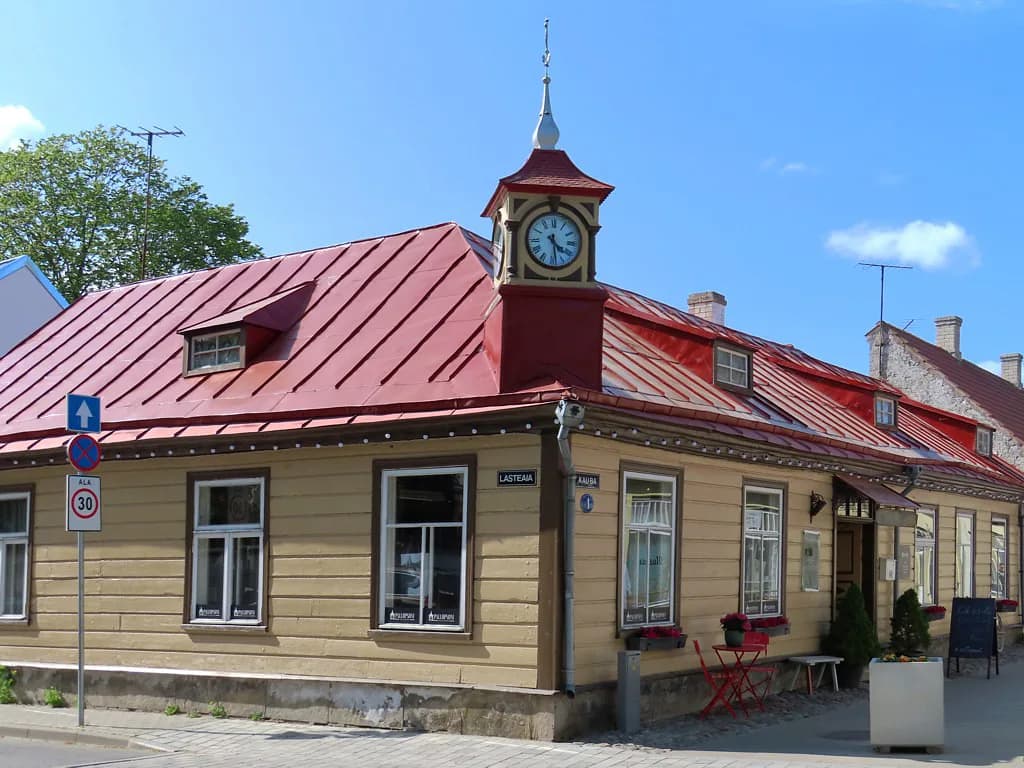
May is the best-value month for a first trip to Estonia. Daytime temperatures average around 13°C (55°F) with nights near 6°C (43°F), which is cool but workable for walking cities and national parks, and you get it without the summer crush that fills Tallinn's medieval core.
The trade-off is obvious: this is not beach weather, rain is common, and spring arrives unevenly from south to north. If you want guaranteed warmth and a swim in the Baltic, wait; if you want long daylight hours, manageable crowds and lower-season pricing, May delivers.
The verdict: May is the strongest shoulder month for a first Estonia trip
Go in May if your Estonia trip is about cities, forests and coastlines seen on foot rather than sunbathing. The month sits between a cold, raw early spring and the busy June-to-August high season, so you get more usable daylight than April and noticeably fewer people than midsummer. The best time to visit Estonia guide lays out how the rest of the year compares.
Treat weather as a planning input, not a guarantee. May can hand you a bright 18°C afternoon or a windy 9°C day with drizzle within the same week, so build in indoor fallbacks and one flexible day.
What May actually feels like
Expect average daytime highs near 13°C (55°F) and nights around 6°C (43°F). Those are typical conditions from climate averages, not a forecast for your dates, so check a short-range forecast in the final week and layer accordingly.
Northern Estonia warms slowly because the Baltic Sea and the Gulf of Finland stay cold well into spring, which keeps coastal Tallinn breezier and cooler than inland towns. Inland Tartu often feels a degree or two warmer and drier on the same day, which matters if you are choosing where to spend your longest outdoor day.
Who will love Estonia in May
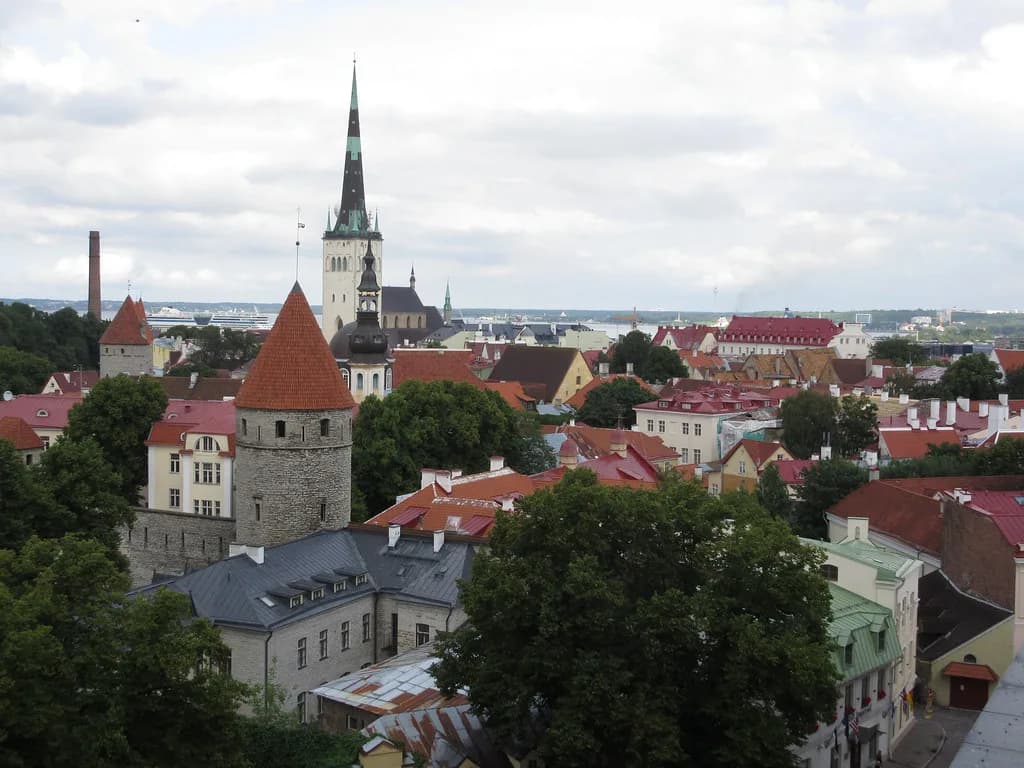
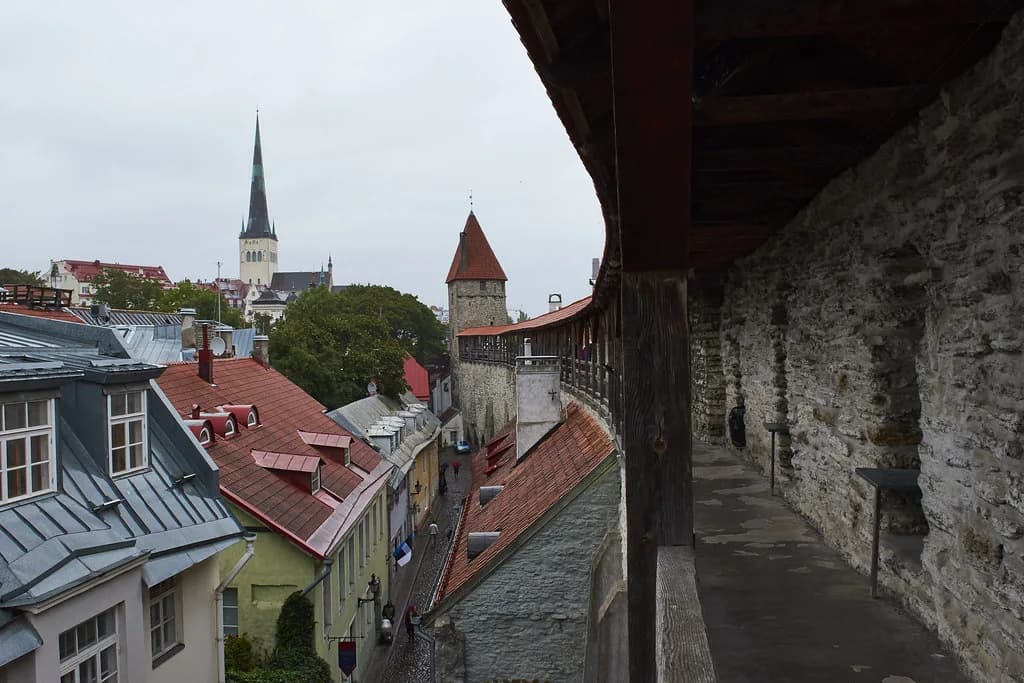
This month suits city-break travelers who want Tallinn Old Town, a UNESCO World Heritage site of cobbled lanes, medieval towers and merchant houses, without stepping around tour groups at every corner. It also suits hikers and birdwatchers heading to Lahemaa National Park and bird-rich Läänemaa, where spring migration and fresh greenery are the draw.
Budget-minded travelers benefit too: May pricing sits below high summer, though you should read the Estonia costs guide before fixing a daily budget, since Tallinn's restaurant and museum costs are not as low as the region's reputation suggests.
Photographers gain the most from the light. Long evenings stretch the golden hour and let you shoot the Old Town after dinner without carrying a tripod through darkness.
Who should choose another month
Skip May if your idea of Estonia includes swimming, saunas by the sea or long beach afternoons in Pärnu. The Baltic stays cold through spring, and only the hardy will enjoy the water before summer.
Skip it too if you need reliable warmth, dry days or predictable outdoor plans for a family with small children. Estonia in June, with warmer days and the start of the high season, is a safer bet for anyone who wants summer to feel like summer.
Late-May travelers should also weigh the shift toward summer traffic: the last week of the month begins to fill hotel rooms and guided tours, so early-to-mid May is calmer than the final days.
Tallinn in May: the Old Town without the summer crush
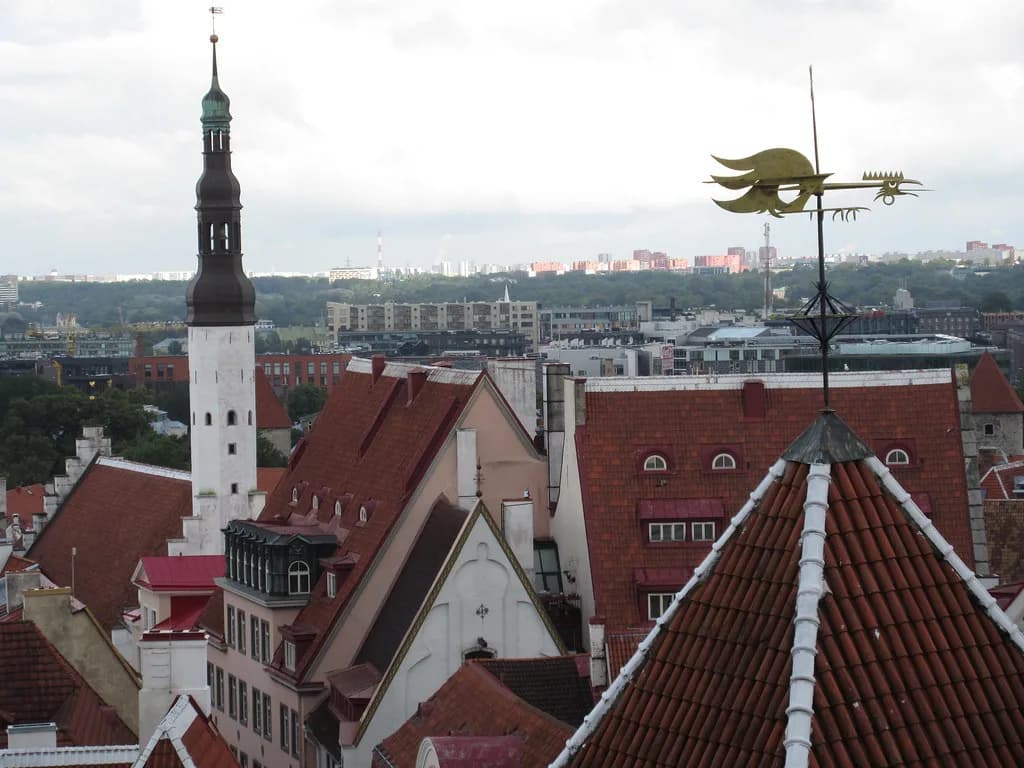
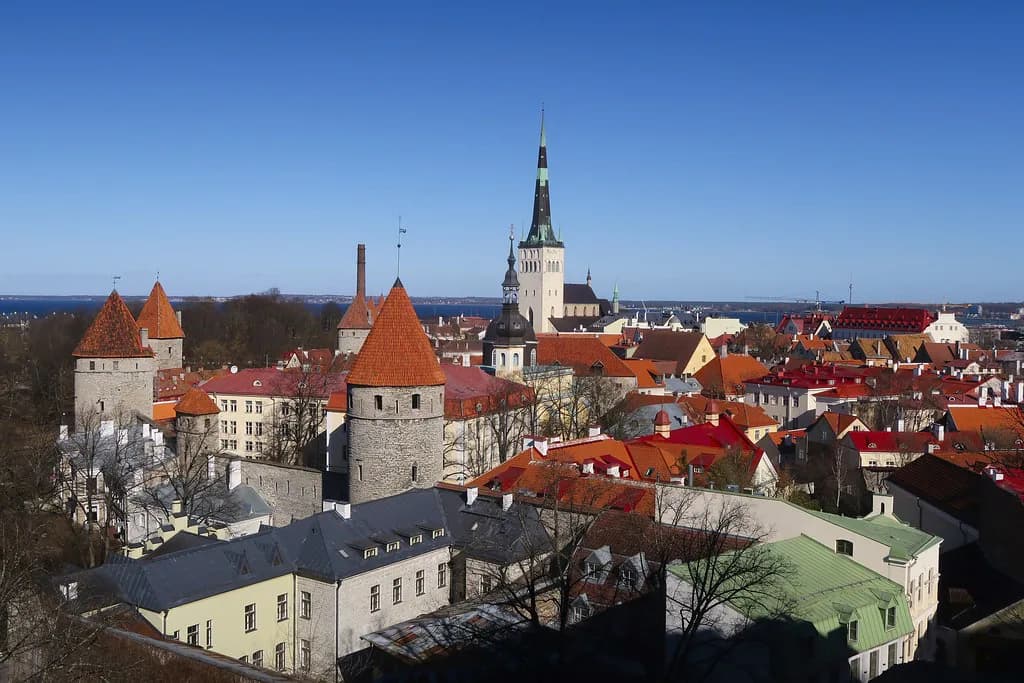
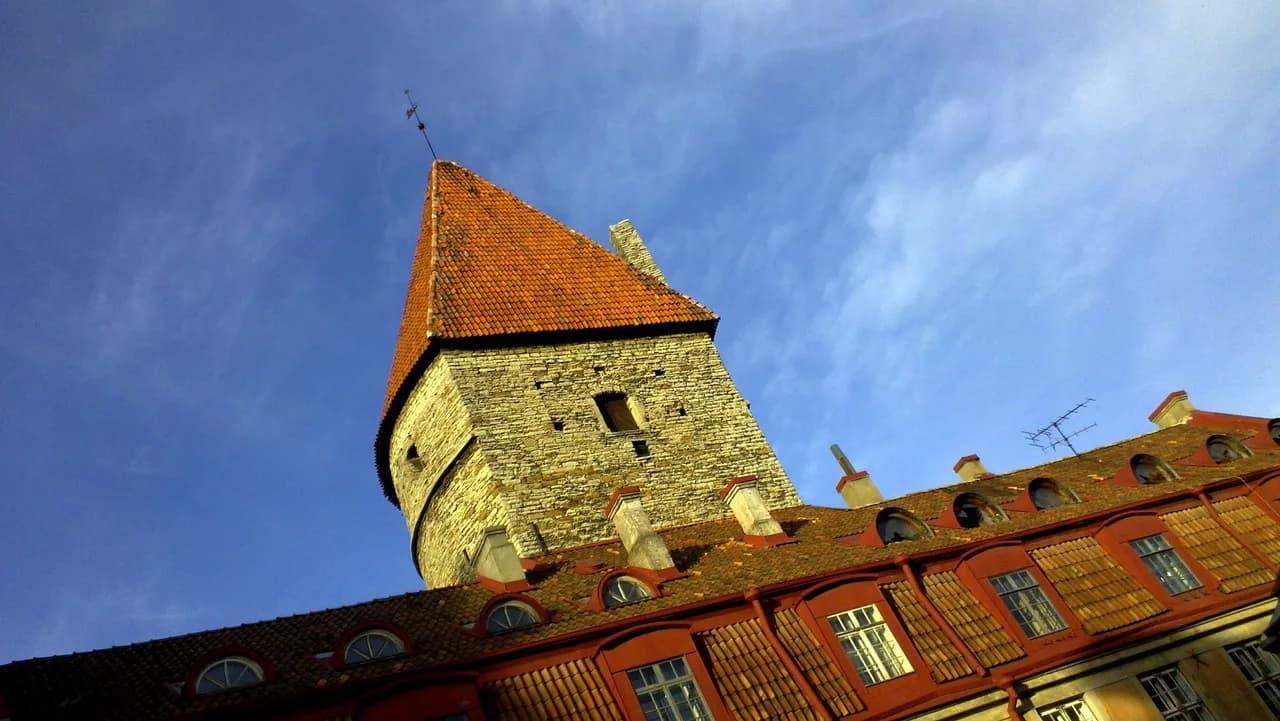
Tallinn Old Town is the reason most people come, and May is when it works best on foot: the cobbles are quieter, courtyards and small galleries are open, and café terraces start to appear without the queues of July. The restored medieval core rewards slow wandering rather than a checklist.
Pair the Old Town with a walk up Toompea Hill for the viewing platforms over the rooftops and towers, which is a short climb and free. Finish the day in Telliskivi Creative City, the converted industrial quarter north of the old town, where food stalls and design shops give you a modern counterweight to the medieval streets.
Cruise traffic is the one thing to plan around. On days when large ships dock, the main lanes through the Old Town fill quickly, so visit the busiest squares early in the morning and save museums for midday.
Day trips that work in May: Lahemaa and Jägala
May is a day-trip month. Lahemaa National Park, about an hour from Tallinn, combines forests, traditional fishing villages, manor houses and a boulder-strewn shoreline on easy walking trails. Organized trips from the city run this route, which removes the need to plan rural logistics yourself.
Add Jägala Waterfall, Estonia's largest, which runs fullest in spring as snowmelt feeds it. It is a short stop that slots neatly into a Lahemaa loop rather than a destination on its own.
If you would rather drive yourself, renting a car in Estonia opens up the coast and smaller manor estates at your own pace, but check rural road quality and parking in advance for the national park.
Spring in the rest of Estonia: Tartu, Pärnu and Läänemaa
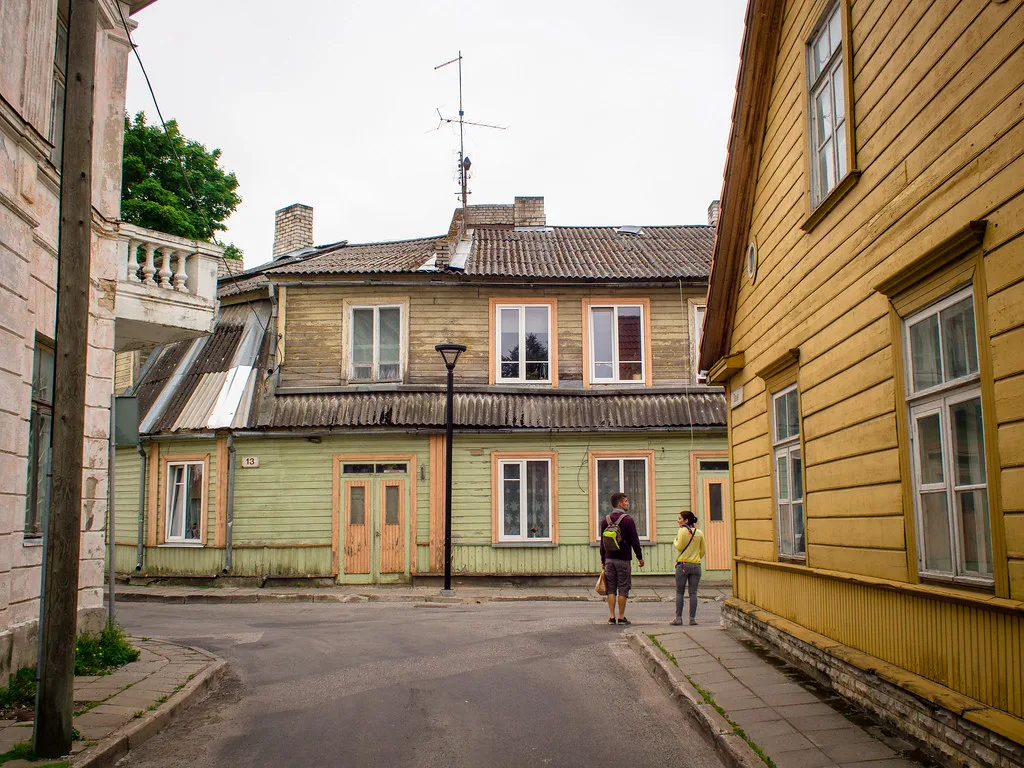
Tartu, Estonia's university city, is the best inland base for May: student energy, museums and riverside walks, with warmer, drier conditions than the coast. Pärnu, the country's main seaside resort, is quiet and cheap in May, though its beaches are for walking rather than swimming.
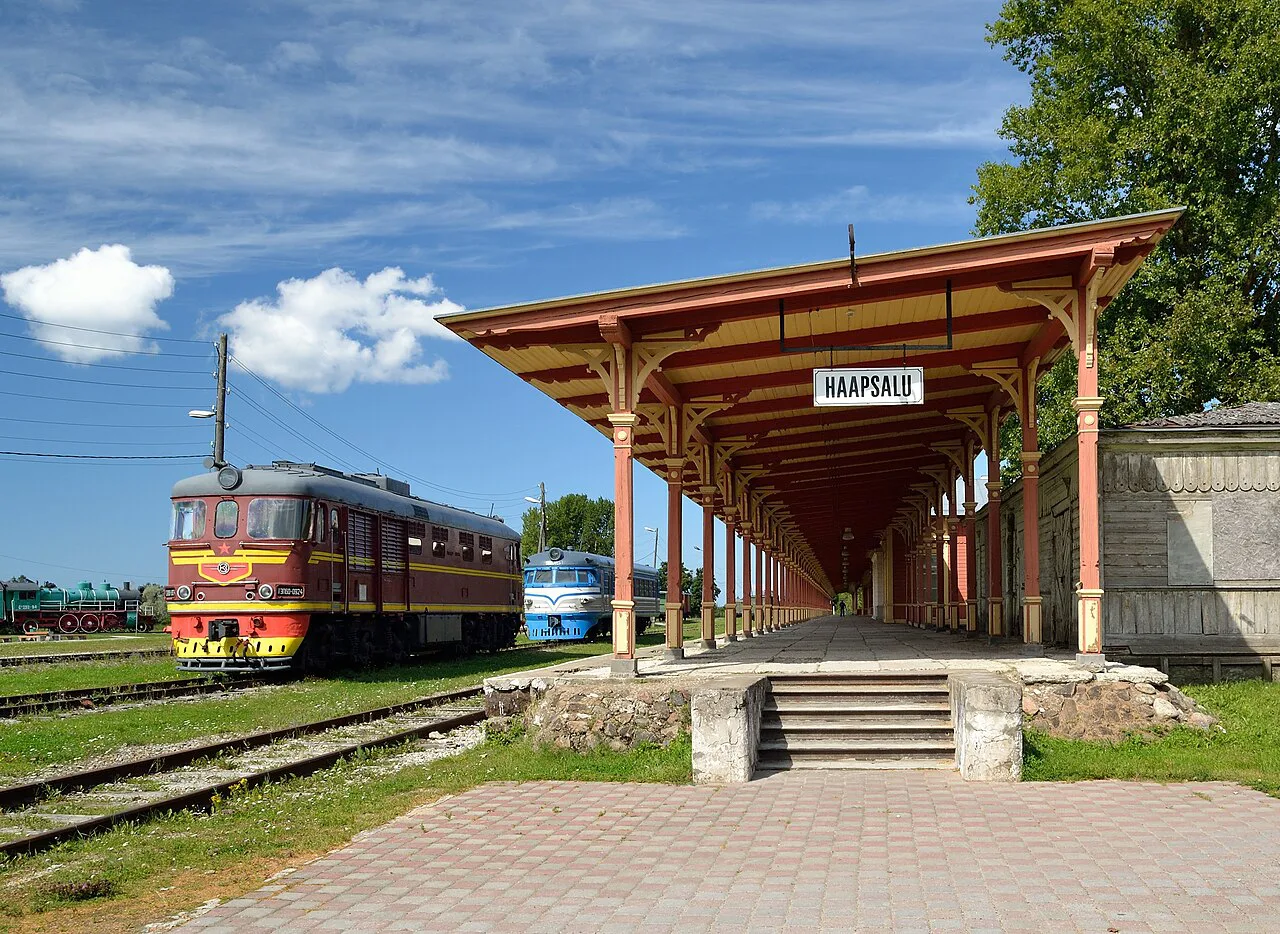
West toward Läänemaa, spring is migration season. Birdwatchers head for coastal meadows and reed beds around Haapsalu and the offshore islands, where returning birds and fewer visitors make May a genuinely special window.
Long days, short nights: what the northern light gives you
Estonia's northern latitude means May evenings run very late, and the second half of the month brings short nights where the sky never goes fully dark. For sightseeing, that is free extra hours: you can finish a day trip to Lahemaa and still walk the Old Town in daylight.
Use the light rather than fight it. Schedule indoor museum time for the middle of the day and keep late afternoon and evening for outdoor sights, which are less crowded and better lit.
Drawbacks: rain, wind, cold sea and uneven spring
The honest downside of May is unsettled weather. Rain is frequent, winds off the Gulf of Finland make the coast feel colder than the thermometer says, and a sunny morning can turn into a grey afternoon. Build one indoor day into any four-day itinerary.
Spring also arrives unevenly: southern and inland Estonia green up first, while northern and coastal areas lag a week or two, so a mid-May trip can feel more advanced in Tartu than in Tallinn.
Finally, some seasonal services and island ferries operate reduced schedules before summer, which can narrow your options if you have your heart set on a specific remote island.
Typical costs and what May pricing looks like
May sits below high summer for accommodation and fewer people means more room in restaurants and museums, but exact prices change by operator, so there is no fixed figure to quote. Estonia uses the euro, so you avoid currency-conversion surprises if you are arriving from the eurozone.
For what a trip actually costs across hotels, meals, transport and entries, use the full cost guide rather than budgeting from a single figure. A mid-range day in Tallinn costs more than a rural day in Tartu or Pärnu.
Getting there and getting around
Tallinn is the main gateway, with flights from across Europe and a compact airport a short ride from the center. From Tallinn, rail and coach links reach Tartu and Pärnu comfortably, and the national park day trips are easiest as organized tours or a self-drive.
The city itself is walkable, and the Old Town is compact, so you do not need a car unless you are heading to Lahemaa, the islands or smaller coastal sights. For island and rural legs, check seasonal schedules ahead of booking.
Estonia sits on the Gulf of Finland across from Helsinki, and ferry links connect the two capitals, which makes May a good time to combine the two cities before summer crowds build.
May versus June: the crowd-and-weather trade-off
June brings warmer days and livelier streets, but it also marks the start of the high season, with fuller hotels, pricier rooms and busier tours. May trades a few degrees for calmer sightseeing and lighter crowds.
If your priority is a balcony table and summer evenings, June wins; if you want the city and parks without queues, May is the better call. The best time to visit comparison maps out where the other months sit.
May versus April: warmer but wetter
April in Estonia is colder and rawer, often with residual snow in shaded forest areas and a wind that cuts through the streets. May is clearly warmer and greener, though it can be wetter as spring showers settle in.
If you are set on spring and want the best odds of pleasant walking weather, May is the stronger choice; if you want the fewest people of all, April is quieter but riskier on weather.
Verdict by traveler type
City-break travelers: go in May. It is the best balance of daylight, crowds and comfort for Tallinn and Tartu, and the Old Town is at its most pleasant before summer.
Nature and birding travelers: go in May, prioritizing Lahemaa and Läänemaa for migration and spring green. Beach travelers: wait for June or July, since the Baltic stays cold and resorts like Pärnu are quiet until summer.
Budget travelers: May beats summer on price without sacrificing much daylight. Anyone needing reliable warmth, guaranteed dry days or a family beach holiday should choose June instead. For the full picture of whether the country suits you, the Estonia verdict covers what May cannot change. If you are weighing the other Baltic states, our Lithuania verdict applies the same shoulder-season thinking to a neighbouring trip.
Plan Your Visit
May is Estonia's best shoulder month for a first trip, provided you accept cool, changeable weather and skip the beach. Book early-to-mid May for the thinnest crowds, plan one day trip to Lahemaa, and keep a flexible indoor day in reserve.
If you want warmth and swimming, shift to June; if you want maximum quiet and can handle the cold, consider April. Either way, expect a compact, walkable country with long northern light and a lower-season feel that summer never quite matches.
Frequently Asked Questions
What is the weather like in Estonia in May?
Typical conditions are mild and changeable, with average daytime highs around 13°C (55°F) and nights near 6°C (43°F). Rain is common and coastal areas feel cooler and windier than inland towns, so treat these as averages rather than a forecast for your dates.
Is May a good time to visit Estonia?
Yes, for most travelers. May brings long daylight hours, fewer crowds than summer and a calmer Tallinn Old Town, at the cost of cool and unpredictable weather. It suits city breaks, hiking and birdwatching better than beach holidays.
How warm is Estonia in May?
Daytime averages sit near 13°C (55°F), with occasional warmer afternoons and colder, windy days. Inland Tartu tends to feel warmer than coastal Tallinn, and the Baltic Sea remains cold.
Is May busy in Tallinn?
Generally no. May is much calmer than June through August, though the final week of the month starts to fill up as the summer season begins. Visit early-to-mid May for the quietest experience.
Should I visit Estonia in May or June?
Choose May for lighter crowds, lower-season pricing and long daylight. Choose June for warmer weather, livelier streets and a summer atmosphere, accepting busier hotels and tours.
What are the best day trips from Tallinn in May?
Lahemaa National Park, about an hour from Tallinn, is the standout, with forests, fishing villages and coastal trails. Add Jägala Waterfall at peak snowmelt flow, and consider Läänemaa for spring birdwatching.
Sources
Trip-decision notes
Optional updates when we publish or revise a destination verdict.
You might also like
Continue reading
More guides you'll find useful