Best Places to Visit in Estonia: 14 Stops Worth the Trip
The best places to visit in Estonia, from Tallinn and Tartu to Lahemaa, Saaremaa and Soomaa, with honest drawbacks and a clear pick for each traveler.
On this page
The best places to visit in Estonia split into three groups: Tallinn, the two university-and-resort towns of Tartu and Pärnu, and the islands, coast and national parks that make up most of the country's map. Most travelers give Estonia two or three nights in Tallinn and leave, which is a mistake, because the country's real appeal begins about an hour outside the capital.
Estonia is one of Europe's least densely populated countries, and Visit Estonia leans on that: room to breathe, short distances and a slow pace. That density also means buses thin out in rural areas and some ferry and park services follow a season, so the order of your route matters more than the number of stops.
Use this list as a cut list. Each entry says what justifies the stop, who it suits and what will annoy you, so you can drop half of it and build an itinerary that actually fits your days.
The verdict: Estonia rewards travelers who leave Tallinn
Estonia is worth visiting for travelers who want a medieval capital, a compact second city, forests and bogs, and Baltic beaches within a few hours of each other. It is not a country of big-city density: Tallinn is the only place that feels metropolitan, and travelers who need three museums and a late-night bar district in every stop should put their days elsewhere in the region.
The strongest trip pairs Tallinn with one nature area and one secondary town, then adds an island if the ferry logistics suit you. A week covers Tallinn, Lahemaa, Tartu and either Pärnu or Saaremaa without rushing; ten days lets you add Hiiumaa or the eastern border country around Narva and Setomaa.
Estonia uses the euro, and card payment is normal even in small towns. Overall price levels sit below Scandinavia and above Poland, with Tallinn the most expensive place in the country and rural areas noticeably cheaper — our Estonia costs guide breaks down what that means per day.
How to read this list: distance, season and transport decide your shortlist
Estonian distances look tiny on paper and behave differently in practice. Tallinn to Tartu is a straightforward bus or train ride on the main east–west corridor, but anything involving the western islands adds a ferry crossing and, in shoulder season, fewer departures. Narva sits on the Russian border in the far east and is a long haul from the islands.
Season changes the list more than distance does. Pärnu is a beach town that peaks hard in July, Soomaa's flood season transforms the park in spring, and the bogs and boardwalks of Lahemaa and Kõrvemaa are at their best from late spring to early autumn. Winter is real here: short days, snow some years and slush others.
A car gives you the freedom to combine manors, bogs and small towns in one day, and the road network is good. Buses reach every town on this list, but rural sights such as Sagadi Manor or the Kaali Crater are easier with your own wheels — if you are weighing it up, our guide to renting a car in Estonia covers what the decision involves.
Tallinn: the medieval Old Town and when it is at its worst
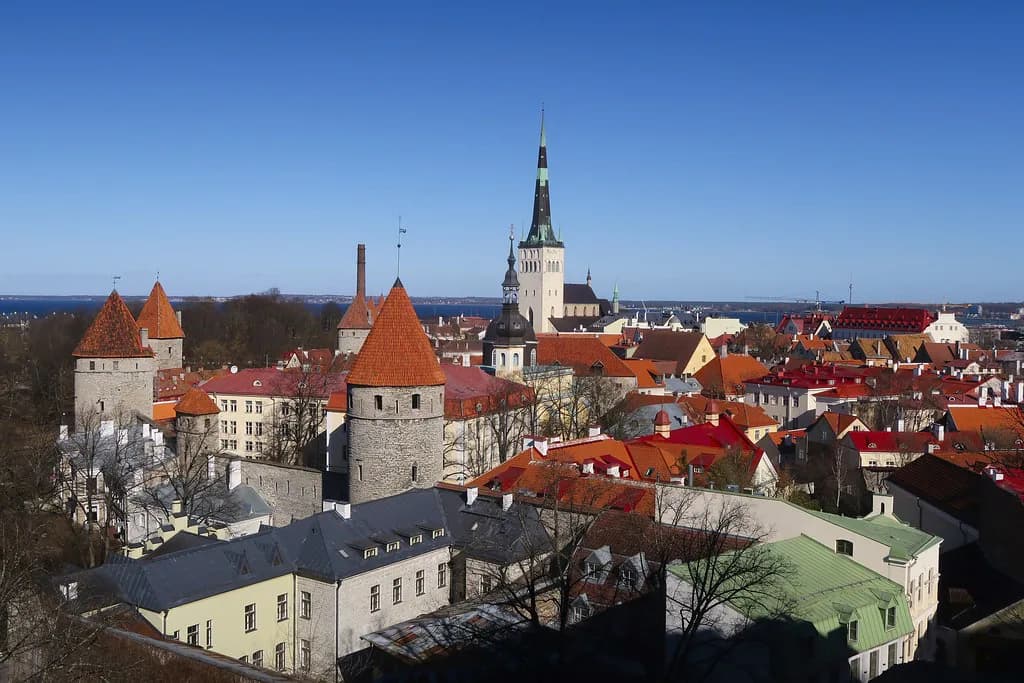
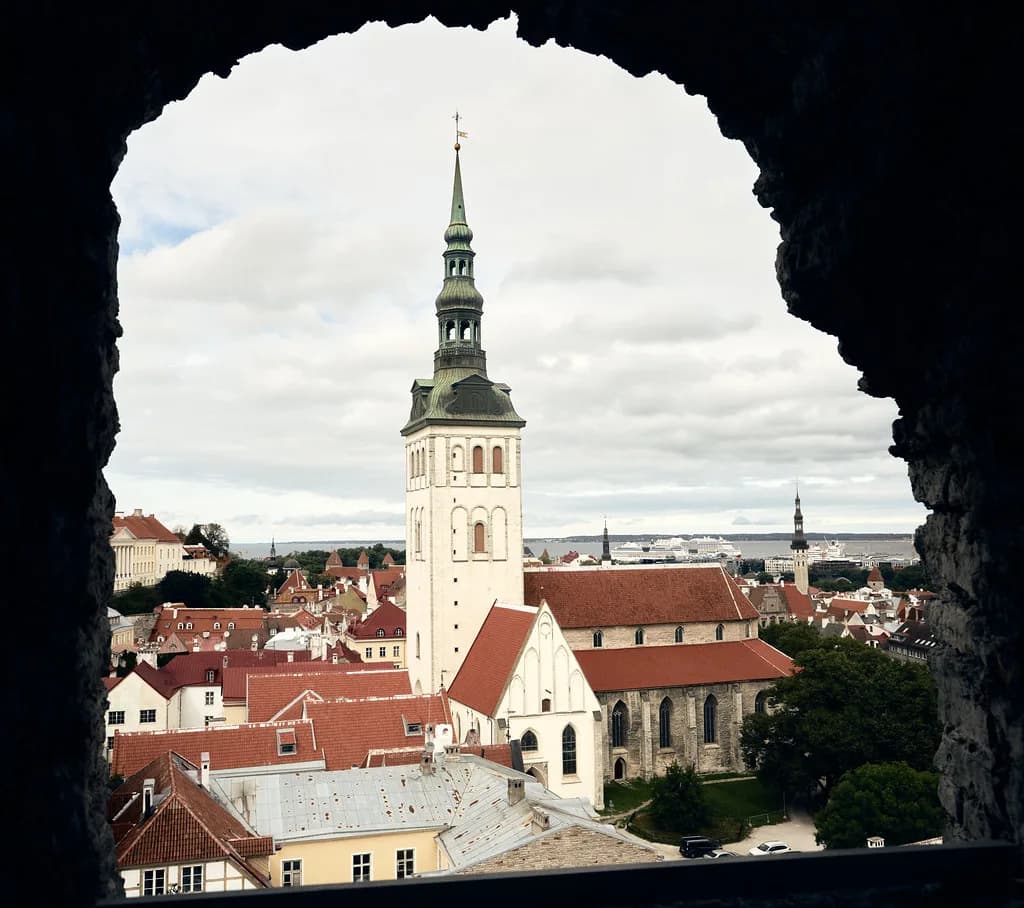
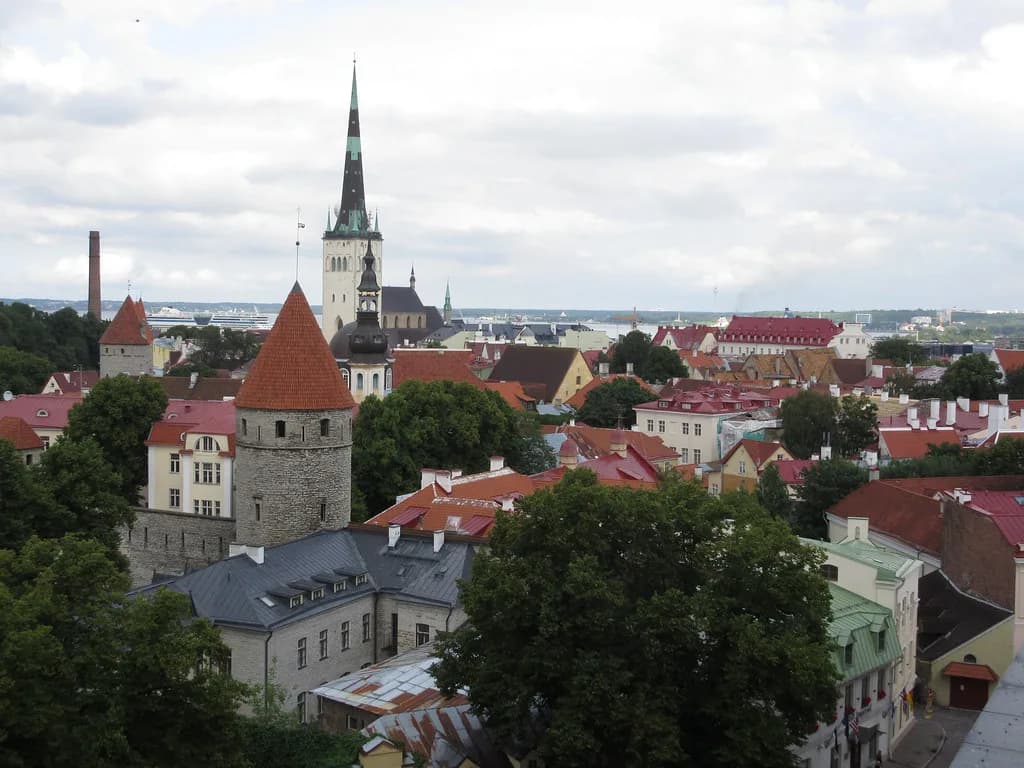
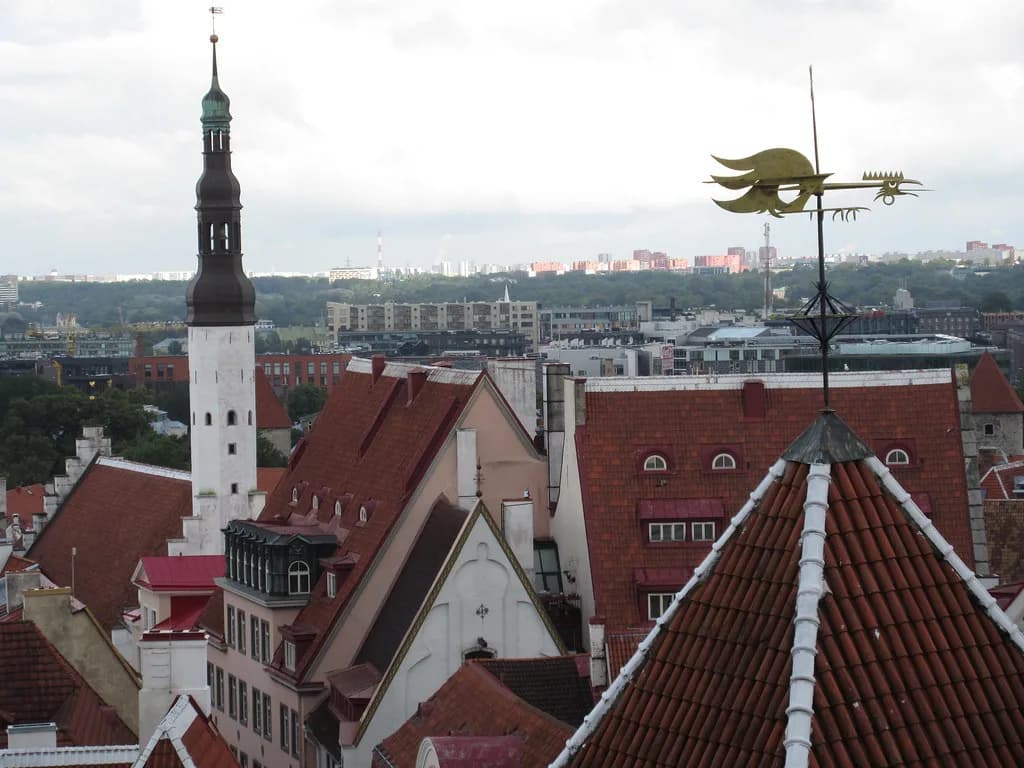
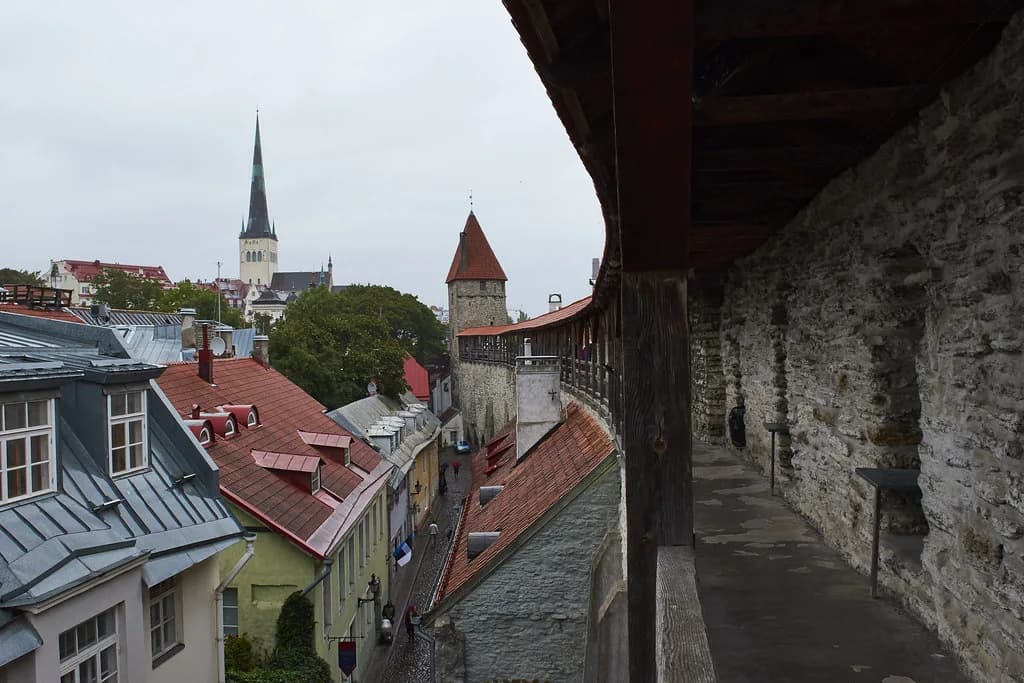
Tallinn's Old Town is a UNESCO World Heritage site and the single strongest reason most travelers come to Estonia. The cobbled lanes, medieval towers and merchant houses are genuinely intact rather than reconstructed, and Toompea Hill delivers the postcard view from the Patkuli viewing platform, with the Alexander Nevsky Cathedral's onion domes as the landmark you will recognize.
The drawback is concentration. Old Town is small, and on summer weekends and heavy cruise days the main streets become a slow-moving queue; the same lanes at 8am or in the evening are another place entirely. If quiet cobbles matter more to you than warm weather, the best time to visit Estonia is the shoulder season, when prices soften and the crowds thin.
Tallinn also works as a base rather than a single stop: Lahemaa, the Hara submarine base and the north coast are day-trip distance, and the airport connects to the rest of Europe directly. Give the city two full days, one for Old Town and one for the museums and the Kalamaja district beyond the walls.
Lahemaa National Park: bogs, coastline and manors within a day of Tallinn
Lahemaa is Estonia's largest national park, covering over 725 square kilometres of bog, forest and coast, and it is the easiest taste of Estonian wilderness from the capital. The Viru Bog boardwalk is the set piece — a raised path through moss, bog pools and stunted pines that is best walked early in the morning or late in the afternoon, when the light is soft and the mist adds an ethereal quality to the landscape.
Pair the bog with Sagadi Manor for a look at the Baltic German estate life that shaped this countryside, and with the old fishing villages along the coast. Early morning or late afternoon gives the soft light and mist that make the bog photographs work; midsummer brings mosquitoes, so long sleeves earn their place in the bag.
Lahemaa suits hikers, photographers and anyone with a spare day in Tallinn. It does not suit travelers who want a served, signposted attraction every hour — this is a place of trails, silence and self-direction, and the park's scattered sights need planning to link by bus.
Tartu: university city, Estonian National Museum and AHHAA
Tartu is Estonia's second city and its intellectual one, anchored by the University of Tartu and a student population that keeps the cafés and street art alive. The Estonian National Museum, a long glass-and-concrete structure on a former airfield, is the country's largest museum and the best single introduction to Estonian life since the Ice Age.
For families, the AHHAA Science Centre is a hands-on counterweight to all the history, and the riverside walks along the Emajõgi give the city its calm. The old town around Town Hall Square is smaller and less polished than Tallinn's, which is part of the appeal: Tartu feels lived in rather than staged.
Tartu suits travelers who want a second Estonian city without tourist pressure, and students or academics who want a reason to linger. It is less of a first stop than Tallinn — the medieval set piece is elsewhere — but it rewards an overnight rather than a rushed day trip from the capital.
Pärnu: Estonia's summer capital and its beach
Pärnu is where Estonia goes on holiday: a wide sandy beach, shallow water that suits families and a promenade lined with cafés and playgrounds. In July the town fills up, and the beach is the whole point — this is not a resort with much to do once the weather turns.
The trade-off is seasonality. Pärnu's summer is short and intense, accommodation books out early in peak weeks, and the town quiets down outside the beach months. If your trip is built around swimming and sun, come in July and reserve ahead; if you want the town without the crush, May and September give you the promenade to yourself.
Pärnu fits beach-focused families and travelers who want a relaxed day between Tallinn and the islands. It is not a substitute for a big-city break, and travelers who dislike resort rhythm should treat it as a lunch stop on the way west instead.
Saaremaa: Kuressaare Castle and the Kaali Crater
Saaremaa, Estonia's largest island, mixes quiet villages, juniper meadows and a medieval fortress that is one of the best preserved in the country. Kuressaare Castle, built from the 14th century, houses the Saaremaa Museum and tells the island's story through the bishop, Danish, Swedish and Russian periods that shaped it.
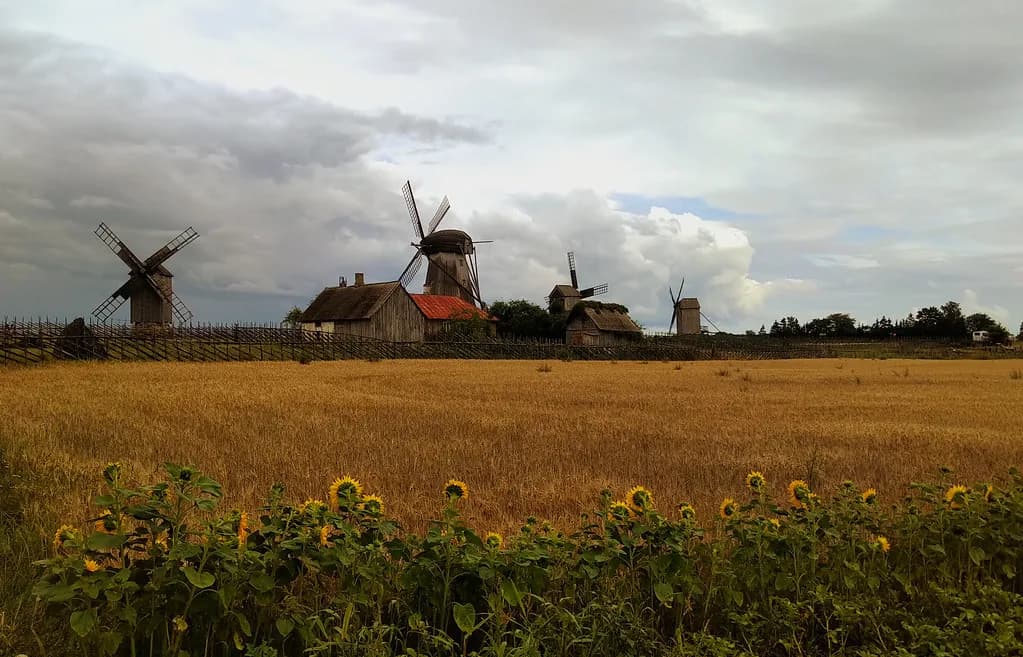
The Kaali Crater, formed by a meteorite impact roughly 7,000 years ago, is 110 metres across and 22 metres deep and sits in woodland that makes the scale oddly intimate. Windmill Hill near Kuressaare and the island's coastal paths fill out a two-night stay; the pace here is deliberately slow.
Ferries from the mainland are the main access by sea, and the crossing is part of the trip rather than an inconvenience. Saaremaa suits travelers who want space and a slower rhythm; it does not suit anyone with a tight three-day Estonia itinerary, and a car makes the island far more rewarding than the bus.
Hiiumaa: lighthouses, emptiness and a slower ferry ride
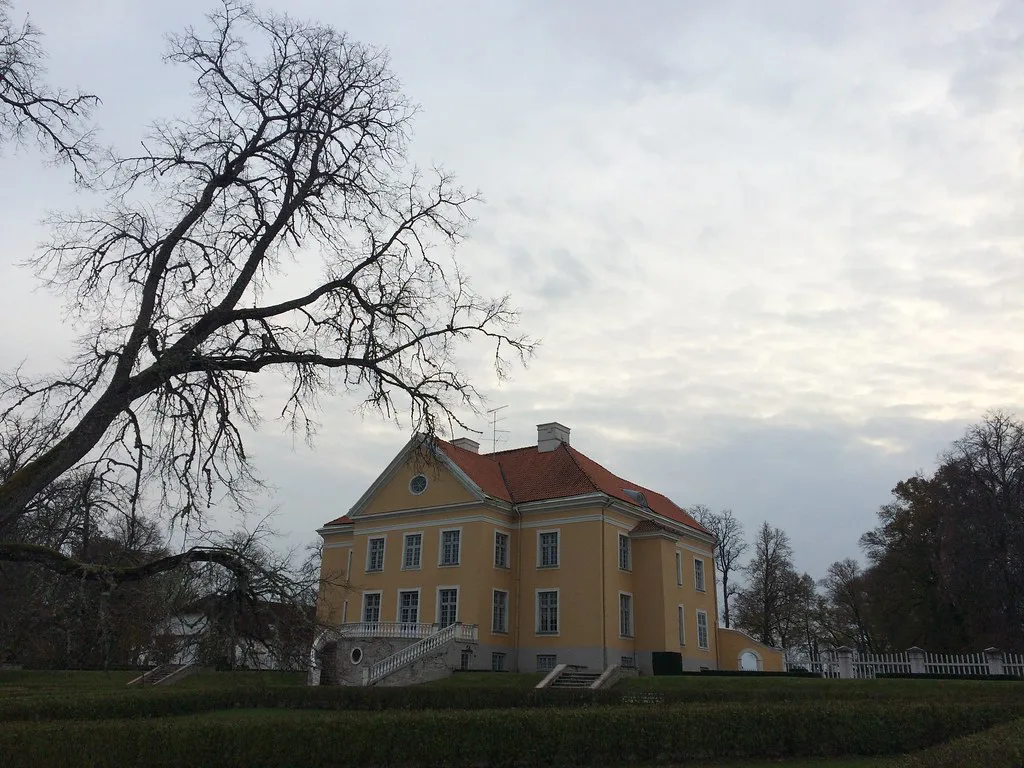
Hiiumaa is the quieter island: fewer visitors, more forest, and a coast marked by lighthouses. Kõpu Lighthouse is the headline, a squat stone tower that has been in service for centuries and is one of the oldest continually operating lighthouses in the world; the Tahkuna Peninsula adds trails and the tallest lighthouse in Estonia.
The Windtower Experience Centre on the island turns the elements into an indoor museum, with a climbable wall that is the highest indoors in the Baltics — useful when the weather turns. Hiiumaa is reached by ferry like Saaremaa, and combining the two islands in one trip is possible but eats a day in crossings.
Choose Hiiumaa if you have already seen Saaremaa or want the emptier version of island Estonia. Skip it on a first trip of a week or less: the lighthouses and forests are lovely, but the time cost of a second ferry is real.
Haapsalu: wooden houses, the promenade and spa culture
Haapsalu is a small coastal town of wooden villas, a long promenade over the bay and a castle whose ruins and museum tell a medieval story. It became a spa town in the tsarist era and still trades on that relaxed, slightly faded seaside charm — the promenade is the place to walk in the evening light.
It suits couples, slow travelers and anyone driving between Tallinn and the islands who wants a night off the main road. It does not suit travelers hunting nightlife or big sights, and outside summer the town is very quiet — which is either the point or the problem, depending on you.
Rakvere and Viljandi: two small towns with castles and summer festivals
Rakvere, in northern Estonia, has a castle rebuilt as an interactive medieval experience with re-enactments, a wine cellar and a torture chamber — the kind of place children remember. The bull statue in the town centre is the local symbol, and summer brings medieval days with crafts and jousting.
Viljandi, in the south, is built around the ruins of a castle overlooking a lake, with artisan shops in the streets below. Its folk music festival in July is one of Estonia's best-known events, and the town's size makes it an easy, unhurried stop between Tartu and the southern parks.
These two suit families and travelers who like small towns with one strong sight. Neither justifies a long detour on its own; both work well folded into a route between bigger stops.
Narva: border city and castle views across the river
Narva sits on the river that separates Estonia from Russia, and its castle faces the Ivangorod Fortress on the far bank — a view with no equivalent elsewhere in the country. The riverside promenade has street art and a layered history, from the Danish and Swedish stronghold to the Soviet industrial city that replaced the old town after the war.
The city's mixed Estonian and Russian character is the reason to come, and the reason it feels different from the rest of Estonia. Check entry rules on the official Estonian government site before you travel, since this is a border area, and keep your ID with you as you would anywhere near a frontier.
Narva suits travelers interested in 20th-century history and the Russian-speaking east. It does not suit anyone wanting a relaxed coastal holiday, and the distance from Tallinn means it works best as part of an eastern loop with Lake Peipus rather than a day trip.
Setomaa and Lake Peipus: Seto culture and the Samovar House
Setomaa, in the far southeast, is the home of the Seto people, who keep their own language, song tradition and church calendar. The Seto Museum explains the costumes and crafts, and summer festivals bring the singing and dancing that make the culture visible rather than museum-piece.
On the shore of Lake Peipus, the Samovar House in Varnja displays a private collection of more than a hundred samovars in an Old Believer village, and you can try tea brewed the traditional way. It is a small, specific pleasure — the kind of stop that justifies the drive east.
This corner suits curious, self-driving travelers with time to spare, and it is not a place to tick off in an afternoon. Bus service exists but is thin, and a local guide adds a great deal to a Seto visit.
The national parks for nature: Soomaa, Matsalu, Vilsandi and Kõrvemaa
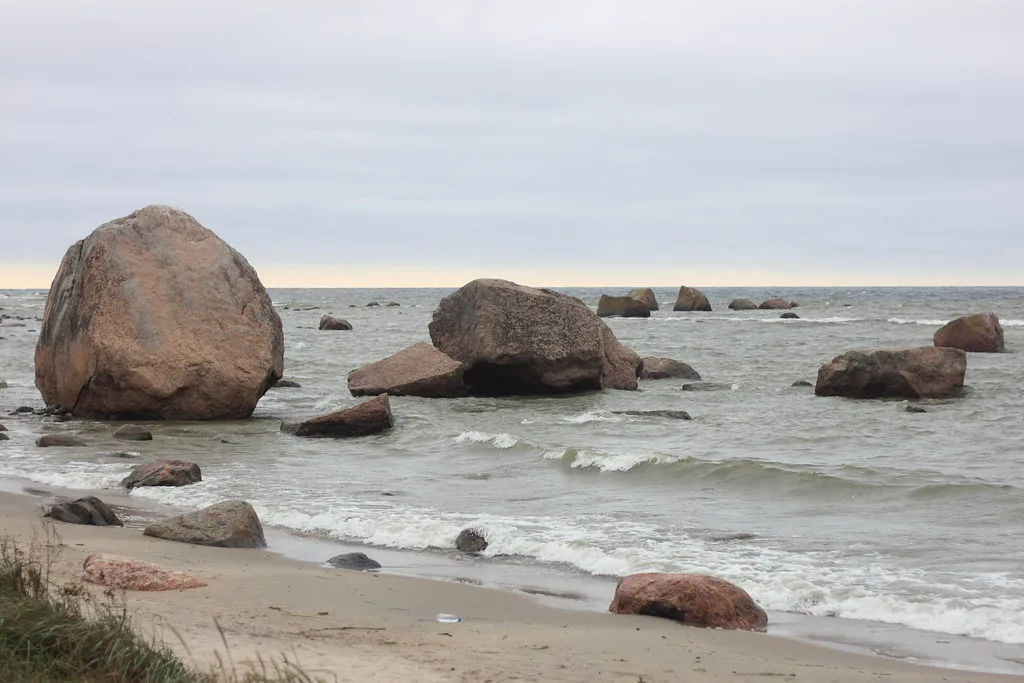
Soomaa is famous for its fifth season, when spring floods turn the forest into a canoe network you can paddle through; April is the classic window, and the experience is unlike anything else in the Baltics. Outside the flood, its trails and wildlife make it a year-round park.
Matsalu, on the west coast, is one of Europe's top birdwatching sites, with viewing towers over the wetlands and migrations in spring and autumn. Vilsandi, out on an island, is the remote option, reached by seasonal ferry, while Kõrvemaa near Tallinn offers bogs, lakes and cross-country ski trails close to the capital.
Choose one wetland park, not four. Soomaa for canoeing and floods, Matsalu for birds, Vilsandi for remoteness, Kõrvemaa for convenience — the habitats overlap enough that a second park adds less than a second town.
Otepää and the winter south
Otepää bills itself as Estonia's winter capital, with cross-country ski trails and a winter sports centre, and in summer it turns into a hill-and-lake landscape around Pühajärv Lake. It is the most reliable place in the country for snow-based activity, though Estonian winters vary and snow cover is never guaranteed.
The town suits active travelers and families who want trails rather than museums, and it pairs naturally with Tartu and Viljandi in a southern loop. It does not suit anyone hoping for alpine skiing or guaranteed powder.
How many days you need, and a suggested split
Three days gives you Tallinn and Lahemaa, which is the minimum worthwhile trip. Five days adds Tartu or Pärnu. A week covers Tallinn, Lahemaa, Tartu and one island or Pärnu. Ten days to two weeks lets you add Hiiumaa, the eastern border country and a national park without spending your holiday in transit.
A workable ten-day split: three nights in Tallinn with a Lahemaa day, two nights in Tartu with a Viljandi or Otepää detour, two nights on Saaremaa, one night in Pärnu or Haapsalu on the way back, and the remainder for Soomaa or the east. Build the route around ferries and bus times rather than the other way round.
Getting around Estonia: ferries, buses and the islands
Tallinn is the gateway, with an airport served by direct European routes and ferry traffic to and from Finland and Sweden. From the capital, buses and trains run the main corridors to Tartu, Pärnu and Narva, and the domestic network reaches every town on this list — the constraint is frequency, not coverage.
Saaremaa and Hiiumaa are reached by ferry, with regular routes connecting the mainland to both islands — the main sea access for each. Services vary by season, so build island days around the crossing rather than planning on a departure every hour; booking ahead in summer is sensible for vehicles.
A car makes the rural sights — manors, bogs, lighthouses, the Seto villages — far easier, and fuel and parking are not the budget problem they are in Western Europe. Without one, pick fewer places and use the bus network between towns, accepting that some sights will need a taxi or a tour.
Who should choose a different trip
Skip Estonia if you want guaranteed beach weather, a big-city break with world-class dining and nightlife in every stop, or alpine scenery. The Baltic summer is short and changeable, Tallinn is the only truly urban stop, and the country's beauty is horizontal — forests, bogs and coast rather than mountains.
Choose a different destination in the region if you want warmer seas and longer summers, or if you need dense sightseeing without a car. Head south and the comparison shifts slightly — our Latvia verdict and our Lithuania verdict cover whether a lower, more wooded Baltic itinerary suits you better. Estonia rewards travelers who slow down, take a bog boardwalk seriously and accept that the best bits are an hour or two from the nearest city.
The short answer
Go to Tallinn, but do not stop there. The best places to visit in Estonia are the ones that follow: Lahemaa's bogs within a day of the capital, Tartu's museums, Saaremaa's fortress and crater, and the coast at Pärnu and Haapsalu. Pick three or four and you will see more of the country than most visitors do.
Time your trip around the season rather than the calendar: late spring to early autumn for the parks and islands, July for the beach, and a shoulder month if you want the towns without the crowds. Check ferry times with the operator before locking in island nights.
Explore more Estonia trip-decision guides
Frequently Asked Questions
Is Estonia worth visiting?
Yes, for travelers who want a compact medieval capital, a walkable university city and easy access to bogs, forests and Baltic beaches. Tallinn is the only metropolitan stop, so anyone who needs big-city density in every destination is better served elsewhere in the region. The strongest trips pair Tallinn with one nature area and one secondary town.
What are the highlights of Estonia?
Tallinn's UNESCO-listed Old Town and Toompea Hill views, the Viru Bog boardwalk in Lahemaa National Park, the Estonian National Museum and AHHAA Science Centre in Tartu, Kuressaare Castle and the Kaali Crater on Saaremaa, and the lighthouses of Hiiumaa. Soomaa's spring flood season and Matsalu's birdwatching are the nature highlights, while Narva and Setomaa cover the eastern border country.
Is Estonia a cheap country?
Estonia sits below Scandinavia and above Poland on price, with Tallinn the most expensive place in the country and rural areas noticeably cheaper. Estonia uses the euro and card payment is normal even in small towns. A full breakdown of day-to-day costs for Tallinn and beyond is worth reading before you set a budget.
What are the major cities in Estonia?
Tallinn is the capital and by far the largest city, and the only one that feels metropolitan. Tartu is the second city and the university hub, Pärnu is the summer resort on the southwest coast, and Narva is the industrial and Russian-speaking city on the eastern border. Everything else on a typical itinerary is a town, a small resort or a national park.
How many days do you need in Estonia?
Three days covers Tallinn and a Lahemaa day trip, which is the minimum worthwhile visit. Five days adds Tartu or Pärnu, a week adds one island, and ten days to two weeks lets you include Hiiumaa, the eastern border country and a national park without spending the trip in transit. Build the route around ferry and bus times rather than the other way round.
Do you need a car to see Estonia?
No, but a car makes the rural sights far easier. Buses and trains reach every town on this list, and the constraint is frequency rather than coverage. Manors, bogs, lighthouses and the Seto villages are the places where your own wheels save the most time, so pick fewer stops if you are traveling without one.
When is the best time to visit Estonia?
Late spring to early autumn suits the parks, boardwalks and islands best, July is the month for Pärnu's beach, and the shoulder seasons give you the towns without the summer crowds. Winter brings short days, with snow in some years and slush in others. Soomaa's flood season is a spring phenomenon, and Matsalu's birdwatching peaks during the spring and autumn migrations.
Sources
Trip-decision notes
Optional updates when we publish or revise a destination verdict.
You might also like
Continue reading
More guides you'll find useful