Renting a Car in Estonia: Worth It or Bus and Train?
Decide whether to rent a car in Estonia: where a car pays off, where buses and trains win, licence rules, driving rules and the airport pickup trade-off.
On this page
Renting a car in Estonia is worth it if your trip reaches beyond Tallinn and Tartu into Lahemaa National Park, Saaremaa, Parnu or Narva, where a vehicle turns awkward connections into a straightforward day. It is a poor use of money for a Tallinn-only stay, because the Old Town is walkable, the trams and buses cover the rest and parking in the centre is a chore rather than a convenience.
The decision comes down to three things: how much of your itinerary sits outside the two main cities, whether you can handle right-hand traffic and Estonian road conditions, and how much you value the flexibility of leaving when you want. The sections below give the verdict by traveler type before working through the paperwork, the rules, the island ferries and the trade-off against buses and trains.
The verdict: who should rent a car in Estonia and who should not
Rent if your plan includes at least two stops outside Tallinn and Tartu, or a loop through the countryside where buses run a few times a day at best. Lahemaa National Park, Saaremaa and the road down to Kuressaare, Parnu and the Narva riverfront all reward a car with time saved rather than money saved.
Skip the car if you are spending three or four days in Tallinn with a day trip to Tartu, where rail and coach do the job and a rental sits idle in a paid car park. If you are still deciding whether the country justifies the trip at all, start with our guide to whether Estonia is worth visiting and come back to the transport question once the itinerary has shape.
The middle case is a split trip: take the train or bus between Tallinn and Tartu, then pick up a car for the rural leg. That keeps city days free of parking and gives you wheels exactly where they pay off, at the cost of a one-way rental arrangement you need to arrange in advance.
Where a car pays off: Lahemaa, Saaremaa, Parnu and Narva
Lahemaa National Park, Estonia's largest, is the clearest case for a car: manor houses, forest trails and coastal villages spread across a large area with sparse public transport. A vehicle lets you link the coastal stretches with the inland estates in a single day rather than committing to one village. Rental operators list Lahemaa among the reasons visitors take a car, and the park is an easy run east of Tallinn.
Saaremaa, reached by ferry and home to Kuressaare Castle and the spa town of Kuressaare, is the other big win. Europcar lists a rental location in Kuressaare itself, so you can also pick up a car on the island rather than paying to bring one across on the ferry. Either way, the island's sights are spread out enough that a car transforms what you can see in two days.
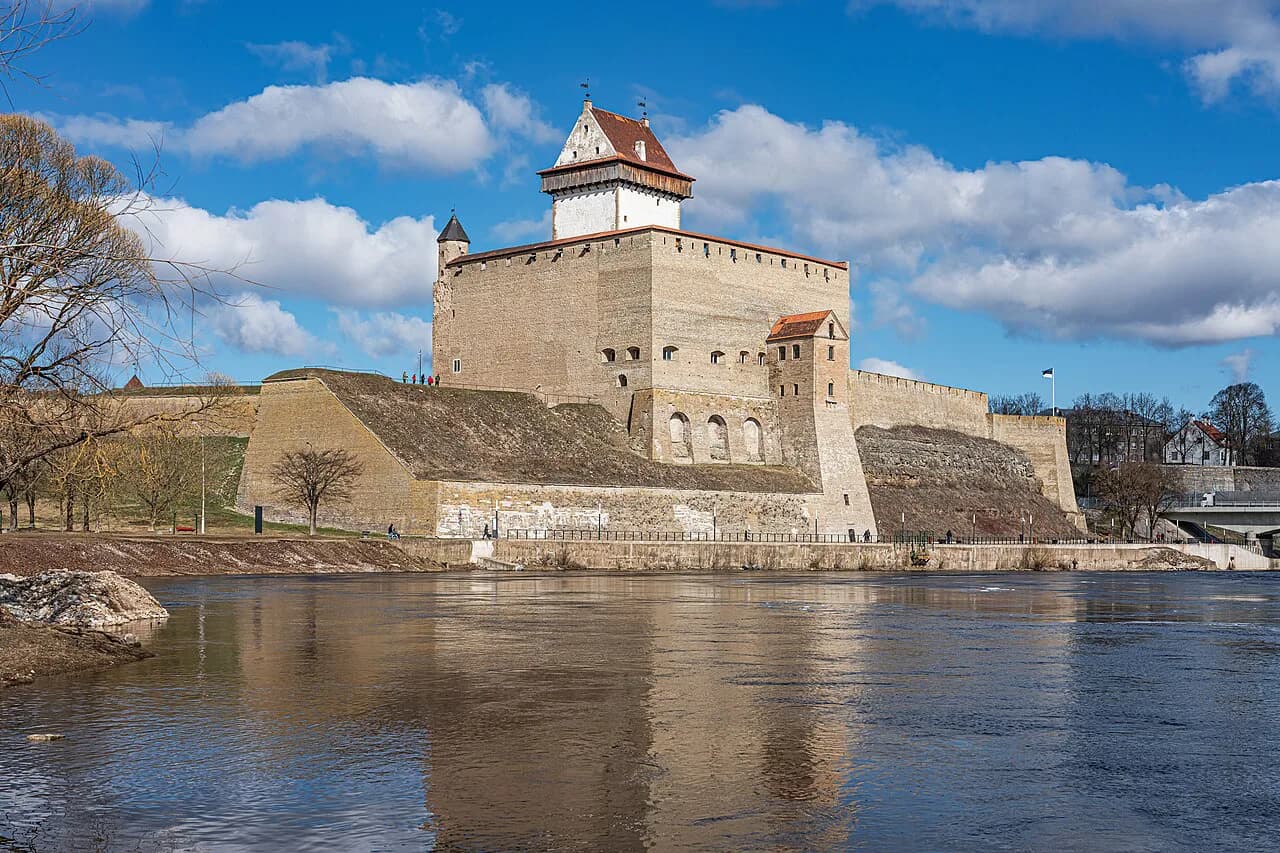
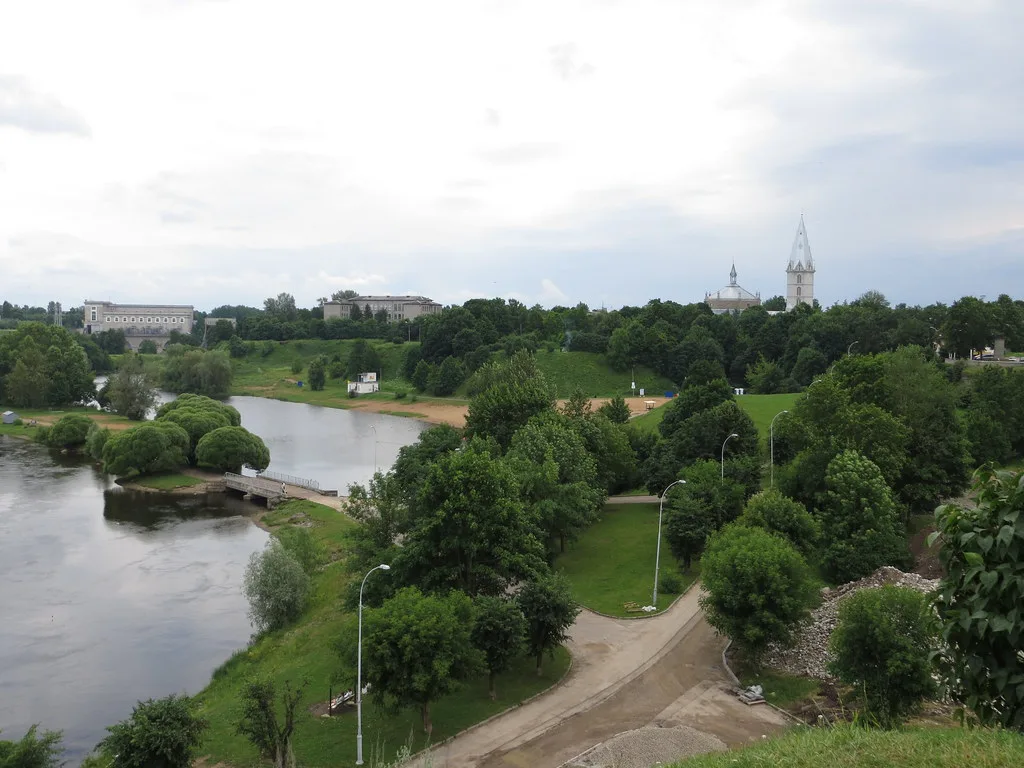
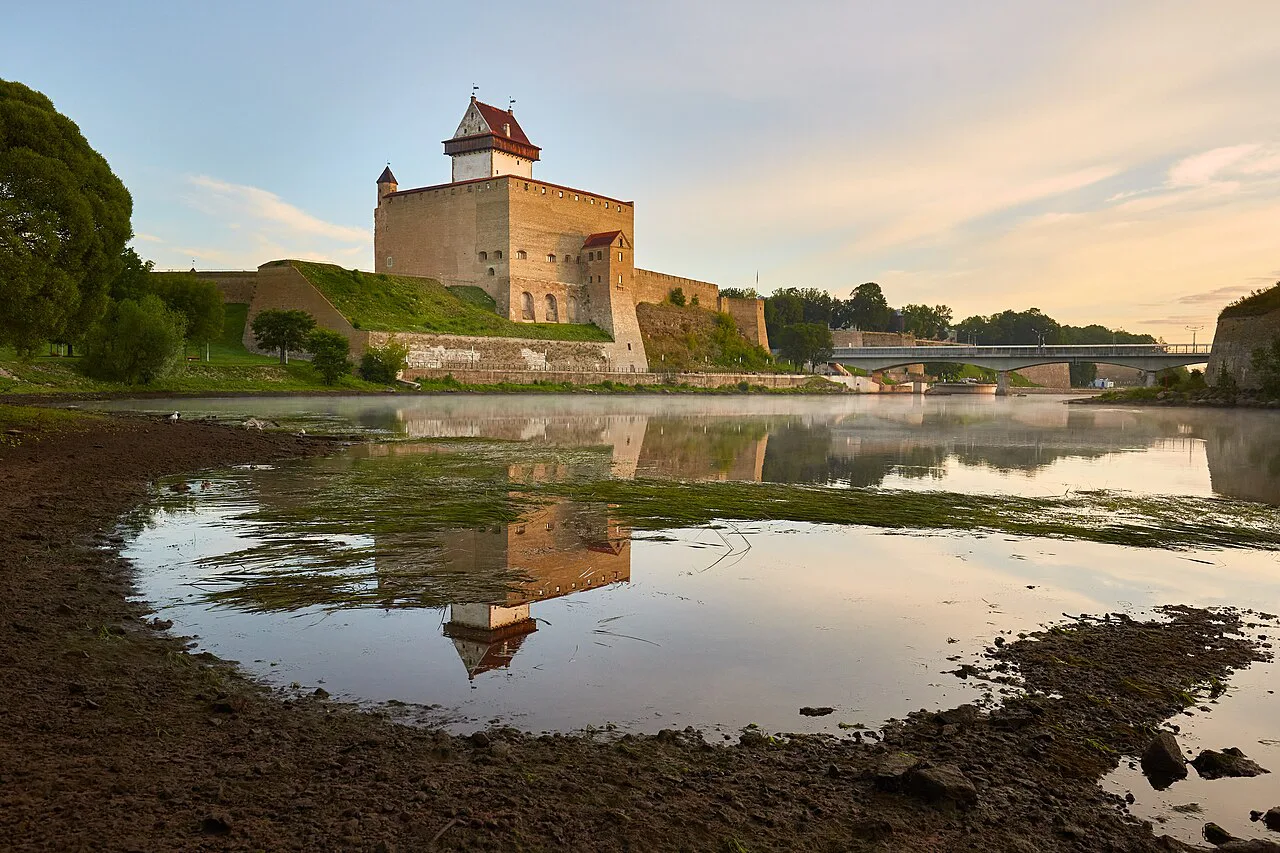
Parnu, the Baltic Sea beach resort with its promenade, and Narva, where Hermann Castle faces the river, both sit on routes where a car removes timetable waiting. Parnu works as a summer stop between Tallinn and the Latvian border, while Narva is a long eastern run that is far easier by road than by stitching together coaches. Neither is impossible without a car; both are simply more efficient with one.
Timing shapes how much the car earns its keep, since the beach and park months are short and the light is what draws people north. If your trip is built around the coast and the islands, look at Estonia in July and Estonia in August before you commit to a rental period.
Where a car is a liability: Tallinn, Tartu and parking
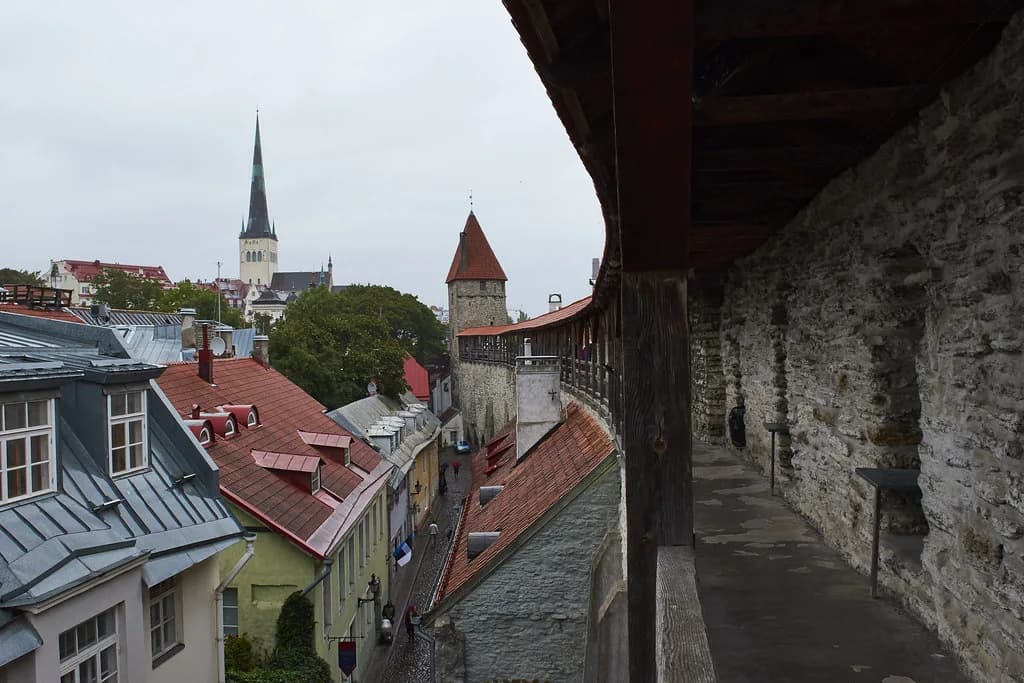
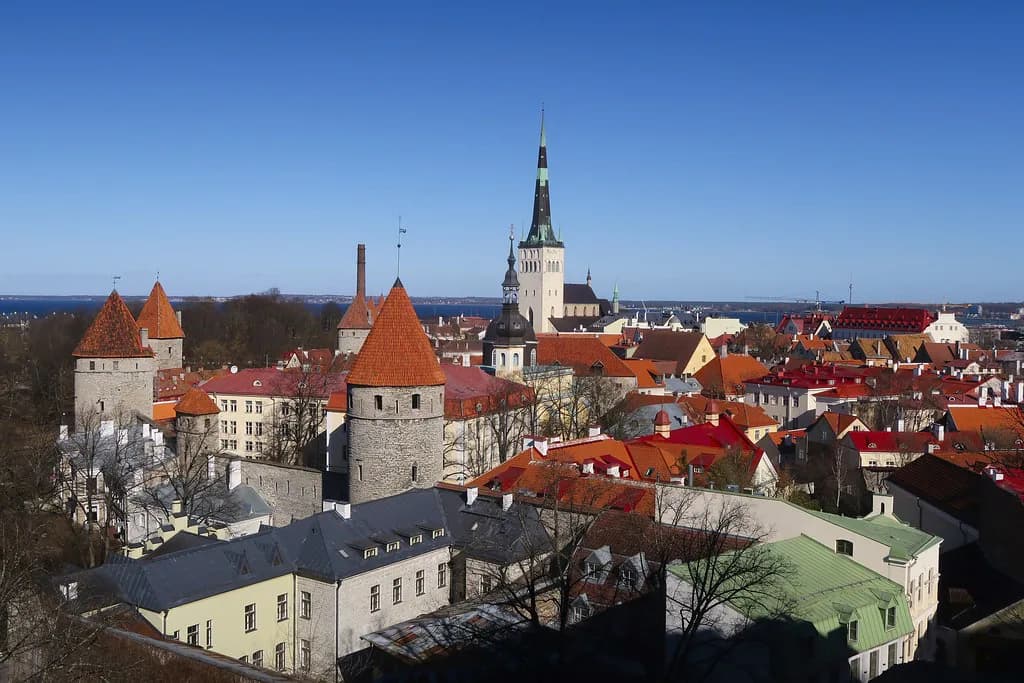
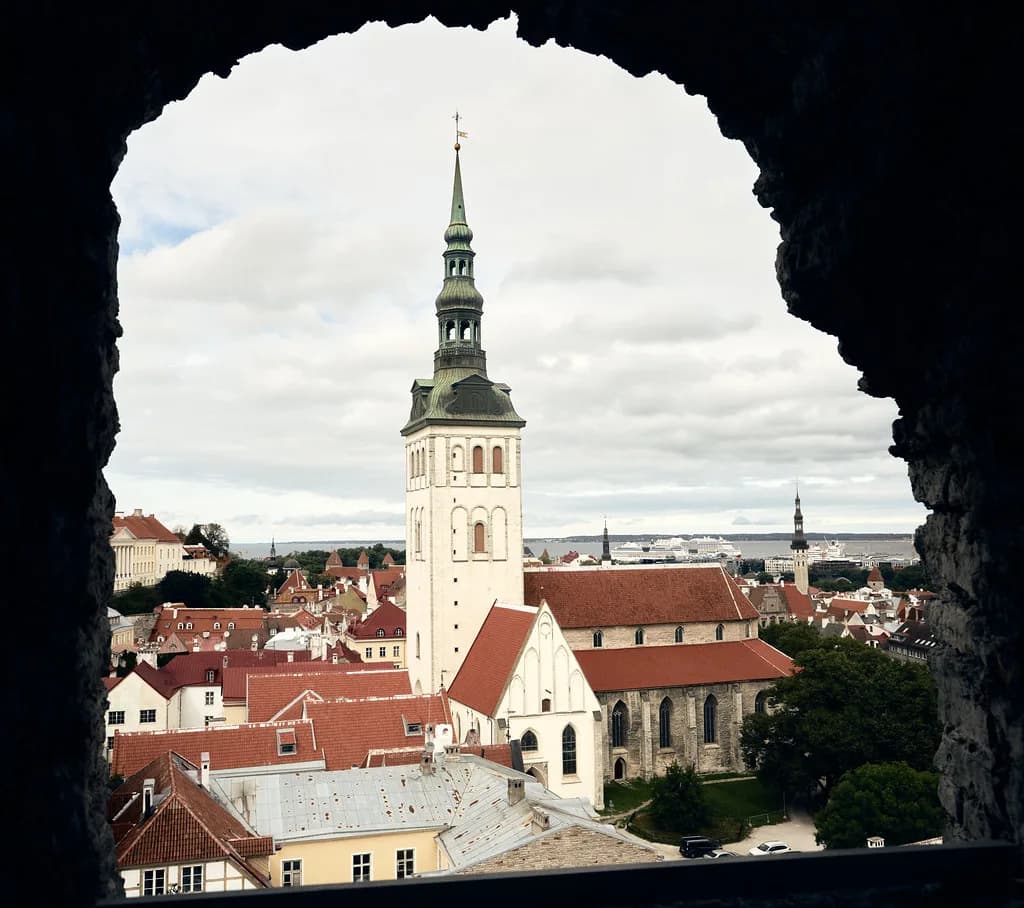
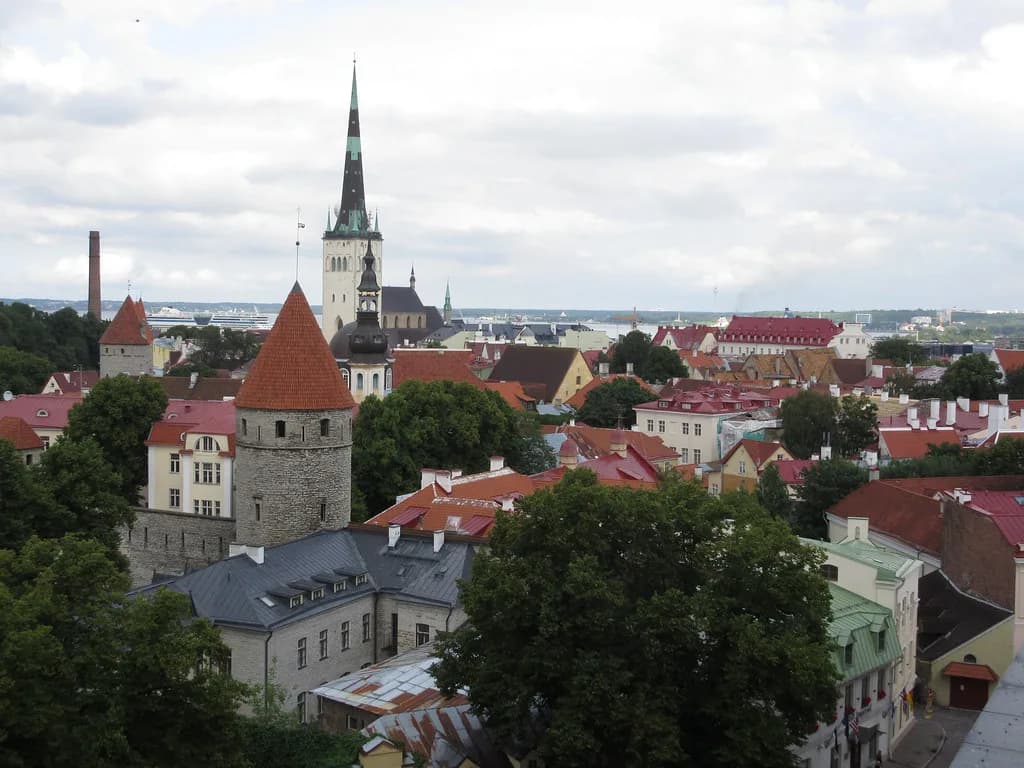
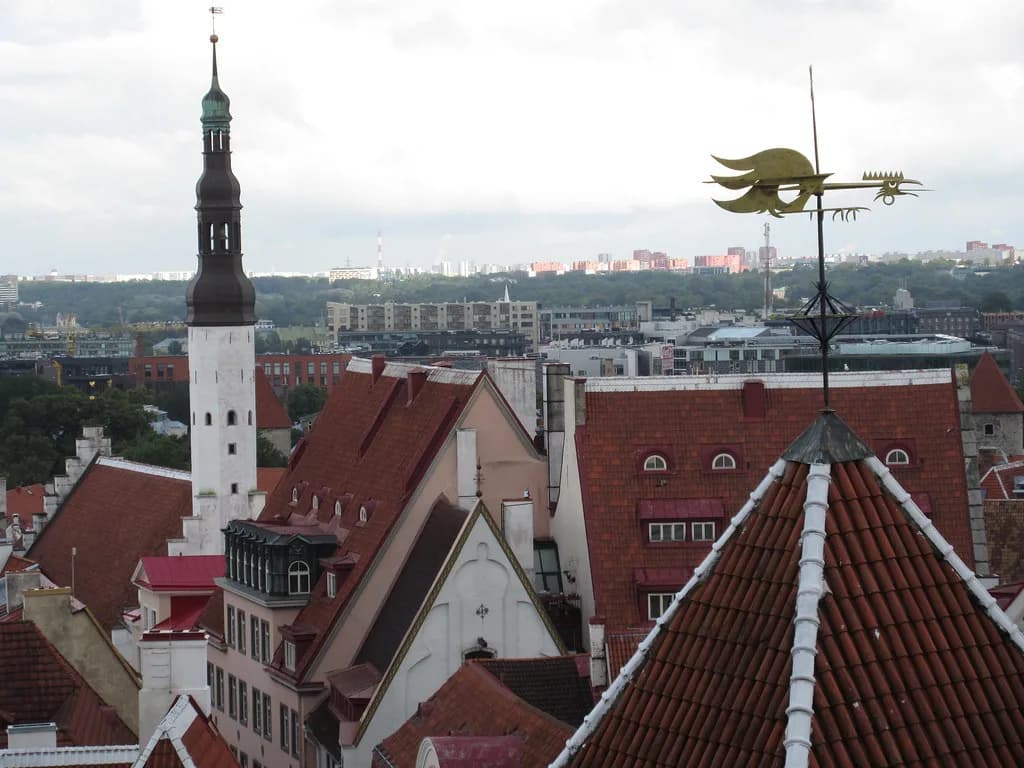
Tallinn's Old Town is a medieval street grid where driving gets you nowhere useful and parking is scarce and paid; leave the car at the accommodation or skip it entirely for these days. The city's sights, from the Alexander Nevsky Cathedral and Toompea Castle to the Lennusadam Seaplane Harbour, are reached on foot, by tram or by a short taxi ride.
Tartu is compact and university-centred, with the Old Town and the Estonian National Museum reachable without a vehicle, so a rental adds cost without adding range. A car is genuinely useful only for the surrounding countryside, which is why the train-then-rent pattern suits this part of the country so well.
Parking rules, payment apps and time limits in Estonian cities vary by zone and operator, and no single national rate applies, so budget for it as a real line item and read the signs where you leave the car. The broader cost picture, including what a rental does to a daily budget, is set out in our guide to whether Estonia is expensive.
Licence and paperwork for US and other non-EU drivers
You need a valid driving licence issued by your home country, and Enterprise states that drivers bringing a vehicle into Estonia should carry the original V5C vehicle registration document. The minimum driving age is 18, which matters for younger travelers in a group who assume they can share the wheel.
Confirm with the rental company before booking whether it requires an International Driving Permit alongside your home licence, since requirements vary by company and are not set by a single national rule. Bring the licence you will actually drive on, and make sure any additional driver is added to the contract at pickup rather than discovered at a roadside stop.
Entry and visa rules are a separate question from driving paperwork; check the official Estonian government guidance for your nationality before booking flights. Estonia is in the Schengen area and uses the euro, so no currency exchange is needed on arrival.
Driving rules that matter
Estonia drives on the right-hand side of the road. Seat belts are mandatory for all passengers, overtaking is on the left, and mobile phones may only be used with a hands-free system while driving, according to Enterprise's summary of Estonian road rules. Traffic signs and signals apply as they do elsewhere in Europe, so a US driver's main adjustment is the right-hand drive layout and roundabouts rather than unfamiliar signage.
Expect two-lane roads for much of the rural network, with winter light and surface conditions changing the pace considerably outside summer. Speed limits and any seasonal studded-tyre rules are set locally and signposted, so follow the posted limit rather than carrying a highway default over from home.
If you are weighing a spring trip, Estonia in April brings long daylight but changeable road conditions, while Estonia in May is the point where the countryside and Lahemaa National Park start to open up for driving.
Picking up at Tallinn Airport versus a city branch
Tallinn Airport is the main arrival point and hosts rental desks, with Enterprise running a branch there so you can collect the car straight off the plane. That convenience costs you city driving on arrival, often in the evening and often through an unfamiliar road layout, so it suits travelers heading straight out of the capital.
A city branch suits the opposite itinerary: a few days in Tallinn on foot first, then a pickup near the centre or at the start of the outbound road. Compare the two on total cost including parking, not just the rental rate, because airport pickup plus several nights of city parking can cancel out the convenience.
Operator choice is a matter of availability and vehicle type rather than a ranking: Enterprise, Europcar and SIXT all list Estonia coverage, with Europcar naming Tallinn Airport, Tartu and Kuressaare among its locations. Book the vehicle class and pickup point you need rather than chasing a brand.
Ferries and islands: driving to Saaremaa
Saaremaa is reached by ferry, and taking a car across is the difference between a day on the island and a proper two- or three-day loop that includes Kuressaare and the coast. Book the crossing as part of the trip plan and allow for queues in peak summer, when island-bound traffic is at its heaviest.
The alternative is to travel to the island without a car and rent locally, which Europcar supports with a Kuressaare location. That avoids ferry charges for the vehicle and any risk of a missed sailing, but it means you pay for a car only on the days you actually need one.
Which version is better depends on whether Saaremaa is the centrepiece or one stop on a bigger loop. For a single focused island stay, a local rental is simpler; for a Tallinn-to-island-to-Parnu route, bring the car across and keep moving.
Automatic versus manual, vehicle size and Estonian roads
Manual transmission is the norm in European rental fleets, and automatics are fewer and usually dearer, so book an automatic explicitly if you do not drive a manual. Enterprise notes that automatic and manual options, along with petrol, diesel and hybrid engines, are part of its Estonian fleet, but availability by branch varies.
A compact hatchback is the sensible choice for Tallinn and Tartu, where parking spaces are tight and narrow streets punish a large vehicle. A larger car or people carrier only makes sense for a family or group doing long rural distances with luggage, and vans are available from the major operators if you need the space.
Ask for a child seat or GPS at booking rather than at the desk, since these extras are limited at smaller branches. If you are traveling with a full car of people and devices, check the Estonia plug type before you pack chargers, as the country uses European-style sockets.
What a rental costs and how to read the price level
Estonian rental rates are moderate by Northern European standards but vary sharply by season, vehicle class and pickup point, with summer the most expensive window and airport desks typically priced above city branches. No single figure covers the country, so compare quotes for your exact dates and vehicle class rather than budgeting from a headline.
Watch the extras: additional drivers, child seats, GPS and the excess waiver all add to the base rate, and the waiver is usually the largest of them. Decide before you book whether you will rely on your own insurance or take the counter waiver, because the choice changes the total substantially.
Fuel, tolls and parking are separate from the rental rate, and Estonia has no national vignette requirement for passenger cars, so fuel and city parking are the main running costs. For the whole-trip picture, from accommodation to meals, see is Estonia expensive.
Estonia by car versus by bus and rail
Buses and trains win on the Tallinn to Tartu corridor and for Tallinn itself, where services are frequent and you avoid parking entirely. A car wins on Lahemaa, Saaremaa, Parnu and Narva, where public transport is thinner and a timetable can eat a half day.
The trade-off is cost against time: public transport is cheaper per person, while a car's fixed cost is spread across everyone in it, so the economics flip for groups of three or four. A solo traveler on a short trip is usually better off with buses; a couple or family doing a rural loop usually comes out ahead with a car.
Weather is the third factor, since a car gives you shelter and flexibility when a Baltic front rolls in, but it also means you experience the coast from behind glass. If the outdoors is the point, look at Estonia in June and Estonia in September, when the light is good and the roads are quieter than in high summer.
Verdict by traveler type
Families and small groups doing a rural loop should rent, ideally collecting in Tallinn and heading straight for Lahemaa or south to Parnu. Couples splitting city and countryside should use the train between Tallinn and Tartu and rent only for the rural days.
Solo travelers on a short city break should skip the car entirely and use trams, buses and trains, which also keeps the budget predictable. Travelers focused on Saaremaa should consider renting on the island rather than paying to ferry a car both ways.
Anyone still deciding whether the destination justifies the trip should read our Estonia verdict alongside the best places to visit in Estonia, then return to the transport question with an itinerary in hand. If you are weighing a wider Baltic route, our Latvia trip guide and our guide to whether Lithuania is worth visiting apply the same decision to neighbouring countries. That order prevents the common mistake of booking a car before knowing where you are actually going.
Plan Your Trip Around the Car Decision
The rule of thumb is simple: rent a car in Estonia when your itinerary leaves Tallinn and Tartu for Lahemaa, Saaremaa, Parnu or Narva, and skip it when the trip is a city break. Book the vehicle class, pickup point and automatic transmission you actually need, and price the parking and extras into the total before you commit.
Allow the driving rules and licence paperwork an hour of preparation before you travel, and keep the bus and rail option open for the city-to-city legs. That combination gives you the countryside flexibility a car buys without paying for it on days when a tram ticket would do.
Explore more Estonia trip-decision guides
Frequently Asked Questions
Is renting a car in Estonia worth it?
It is worth it when your trip includes Lahemaa National Park, Saaremaa, Parnu or Narva, where public transport is thin and a car saves real time. For a Tallinn-only stay or a Tallinn and Tartu city break, buses, trams and trains do the job and a rental adds parking cost without adding range.
Can an American rent a car in Estonia?
Yes, provided you hold a valid driving licence from your home country and meet the rental company's age requirements; Estonia's minimum driving age is 18. Ask the rental company whether it wants an International Driving Permit alongside your home licence, since that requirement is set by each company.
What side of the road does Estonia drive on?
Estonia drives on the right-hand side. Seat belts are mandatory for all passengers, overtaking happens on the left, and phones may only be used with a hands-free system while driving.
How much does it cost to rent a car in Estonia?
Rates shift with season, vehicle class and pickup point, with summer and airport desks generally costing more than city branches in the low season. Build the total from a quote for your exact dates plus additional drivers, child seats and the excess waiver, then add fuel and city parking before comparing it with bus and train tickets.
Do I need a car to visit Saaremaa?
No, you can reach the island without one and rent locally instead; Europcar lists a location in Kuressaare. Bringing a car across on the ferry suits a longer island loop or a route that continues to Parnu, while a local rental suits a focused two-night stay.
Is it better to pick up a rental car at Tallinn Airport or in the city?
Airport pickup suits travelers heading straight out of the capital, while a city branch suits a few days on foot in Tallinn first. Compare the two on total cost including parking, since several nights of city parking can offset the convenience of collecting at the terminal.
Do I need an automatic car in Estonia?
Manual transmission dominates European rental fleets, so an automatic is usually available but less common and generally priced higher. Book an automatic explicitly when you reserve, as smaller branches may not have one on the lot.
What paperwork should I bring to the rental desk?
Bring your home-country driving licence and the payment card the booking was made with, and have any additional drivers added to the contract at pickup. If you are driving your own vehicle into Estonia, Enterprise notes that the original V5C vehicle registration document is required.
Sources
Trip-decision notes
Optional updates when we publish or revise a destination verdict.
You might also like
Continue reading
More guides you'll find useful