Best Time to Visit Estonia: A Month-by-Month Verdict
June to August gives Estonia long days and warm weather; May and September bring smaller crowds. Here is when each season works, and when it does not.
On this page
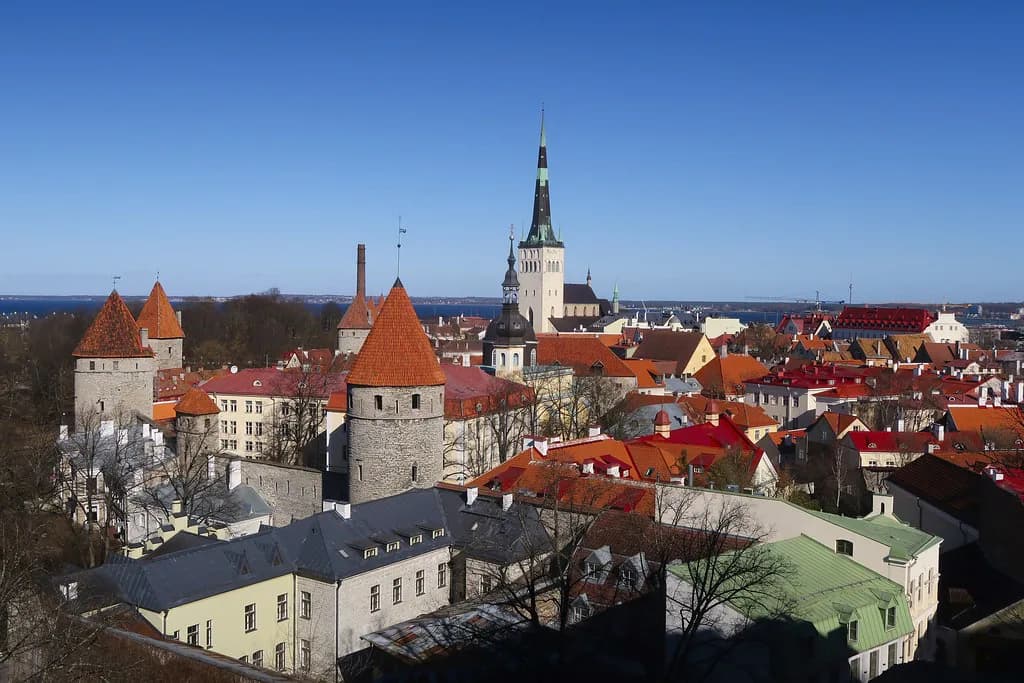
The best time to visit Estonia is late May to early September. That is when Tallinn's Old Town, the coastal towns and the national parks are all fully usable, daylight runs long into the evening, and the Baltic beaches at Pärnu and on the islands are warm enough to swim on a good day.
June and September are the sweet spot inside that window: June brings the year's longest days, while September keeps the sea and the forests pleasant but sheds much of the midsummer crowd. July and August are warmer and livelier, and busier.
Outside that span, Estonia still works — for city breaks, winter sports at Otepää, and the spring floods that make Soomaa a national story — but you are trading beaches and long evenings for lower prices and serious weather.
The verdict: late May to early September, with June and September as the sweet spot
Go between late May and early September if you want a general first trip: Tallinn, Tartu, at least one national park, and time on the coast or an island. May and September trim the crowds and the price level while keeping the days long enough for full sightseeing days.
Baltic summers from May to September bring warm weather and long daylight hours, and that combination is what makes hiking, beachcombing and the old towns work so well across Estonia, Latvia and Lithuania alike. Tallinn, Riga and Vilnius all function as summer city breaks, but Estonia's smaller coastal towns and islands are what reward the longer days most. If you are weighing the neighbours, our guide to whether Lithuania is worth visiting applies the same seasonal logic.
The trade-off is simple: June and September are quieter and cheaper, July and August are warmer and busier. If you have one week and no fixed dates, take June for daylight or September for comfort.
Who should pick a different month, and who should choose a different country
Choose May or September if you want old-town sightseeing without midsummer crowds and do not mind a jacket in the evening. Mid to late May gets consistently good reports — weather that can still turn cool, but with the city opening up for the season and far fewer people than August.
Choose December to March only if winter is the point: Otepää for cross-country skiing and snow activities, Tallinn for a compact city break, Soomaa for the spring flood season that follows. If you want guaranteed sun and warm sea, Estonia is the wrong country for a winter trip — look further south in the Balkans instead.
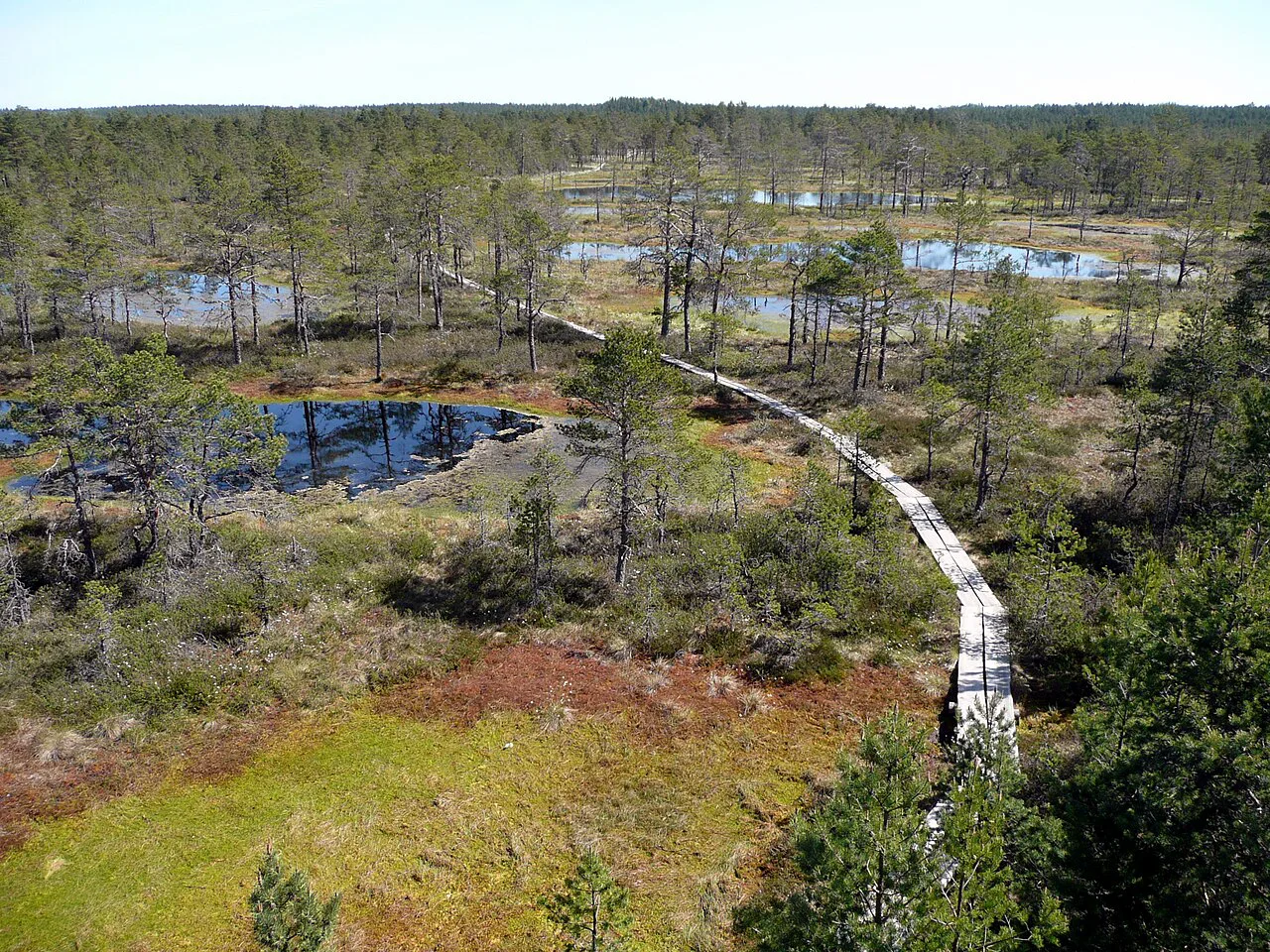
Hikers and nature travelers should aim for late spring or early autumn, when Lahemaa National Park and Soomaa are walkable and the bogs are not yet frozen or overgrown. Budget travelers get the lowest price level in the deep off-season, in exchange for grey, wet, short days.
Estonia's four seasons in brief
Spring arrives slowly: March is still winter in feel, April and May open up the countryside and bring the Soomaa floods. Summer is short, bright and the busiest season. Autumn is the long, slow fade from a pleasant September to a dark, damp November. Winter is cold, snowy in spells, and genuinely rewarding for sports and city breaks.
The seasons shift the country's character more than the map suggests: the coast and islands become beach territory in July and August, the inland bogs and forests belong to spring and autumn, and Otepää belongs to snow. Plan around the activity, not just the month.
Spring in Estonia: March, April and May
March is still a winter month in practice — cold, often grey, with the sea and lakes holding their chill. Save it for Tallinn's museums and the old town rather than the coast. April is transitional: the snow retreats, daylight lengthens noticeably, and Estonia in April is a quiet, inexpensive month for cities, though parks and coastal spots can still feel raw.
May is where spring earns its reputation. The countryside greens up, Lahemaa National Park becomes properly walkable, and Tallinn Old Town is pleasant before the summer rush. Treat May as shoulder season with a chance of cool, wet days and you will be well rewarded.
Soomaa National Park is the spring headline: the fifth season, when meltwater floods the meadows and bogs and canoe routes open across flooded land. Timing is weather-dependent, so build flexibility into a spring trip rather than fixing every day.
Summer in Estonia: June, July and August
June carries the longest days of the year, with white nights around midsummer and evenings that stay light late enough to stretch a sightseeing day well past dinner. Estonia in June is the best value version of the summer: nearly full daylight, fewer people than July, and everything open.
July is the warmest and busiest month. Estonia in July is when Pärnu and the islands fill up, Tallinn Old Town is at its most crowded, and the Baltic Sea reaches its most swimmable. Book transport and any popular restaurant tables ahead, and expect the highest price level of the year.
August keeps the warmth but loses a little daylight at the edges. Estonia in August is still high season, with Old Town Tallinn busy and the coast lively, but the evenings shorten and the first hint of autumn appears late in the month. It remains a strong choice for families tied to school holidays.
Autumn in Estonia: September, October and November
September is the second sweet spot. Estonia in September keeps enough warmth for Lahemaa National Park and the coast, the summer crowds thin, and prices ease while everything still runs. It is the month to pick if you want long walks, old towns without queues and a reasonable chance of dry weather.
October is a genuine shoulder month: cooler, wetter, darker, but with autumn color in the forests and low prices. November is Estonia's weakest month for a leisure trip — short days, grey skies, rain, and many seasonal coastal businesses winding down — unless a cheap city break in Tallinn is exactly what you want.
If your dates fall in late October or November, shift the trip's weight toward Tartu and Tallinn's museums and cafés rather than the islands and beaches, and accept that daylight will limit how much you see outdoors.
Winter in Estonia: December, January and February
Winter is a specialist season. December and early January bring festive markets in Vilnius, Riga and Tallinn, and prices can run higher around the holidays, but the atmosphere is the draw rather than the sightseeing. January and February are the coldest stretch and the best bet for snow-dependent activities.
Otepää is Estonia's winter sports base, with ski resorts and snow activities, and frozen rivers and lakes turn into skating terrain in cold spells. Sigulda in Latvia, a realistic day trip from southern Estonia, runs bobsleigh on the region's only track if you want a winter thrill beyond skiing.
The honest drawback is daylight and mood: December afternoons go dark early and the weather is often damp rather than crisp. If you are coming for the snow, aim for January or February rather than December.
Month-by-month conditions: typical highs, lows and rain days for Tallinn
Tallinn's climate is coastal and northern: cool summers, cold winters, and rain spread across the year rather than concentrated in one season. Treat any figures you see as long-run climate normals, not forecasts — the Estonian national weather service publishes the official averages, and they are the numbers to plan around.
In practice, expect mild, changeable summers in the high teens to low twenties Celsius (roughly 60s to low 70s Fahrenheit), and winter days that hover around or below freezing (around 30 Fahrenheit or lower), with colder spells inland at Otepää and Tartu. Rain days are frequent in every month, so a waterproof layer matters more than a sun guarantee.
Check the Estonian weather service's published normals for the specific month before booking, since monthly averages shift the picture more than the seasonal summary does.
Sea temperatures and swimming on the Baltic coast at Pärnu and the islands
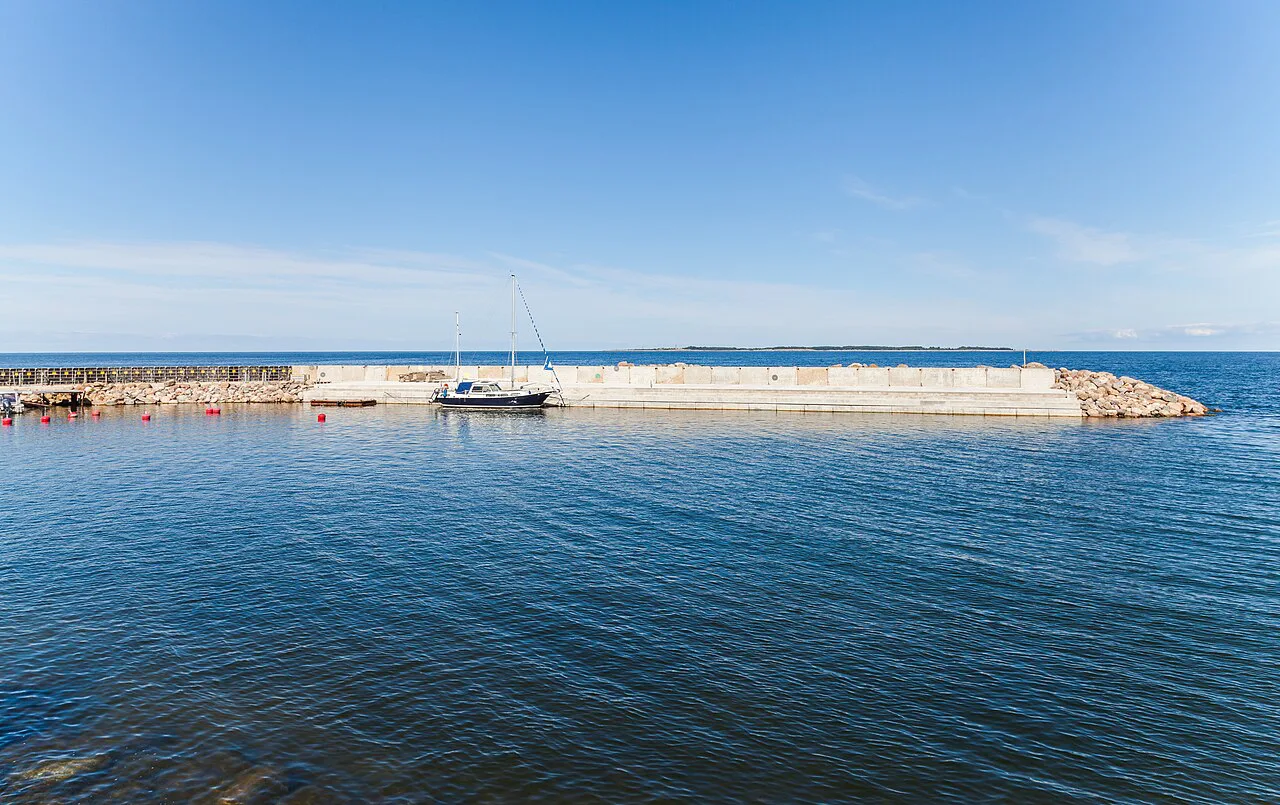
Swimming in Estonia is a short-season activity. The Baltic Sea and the Gulf of Finland warm slowly and peak in late July and August, when Pärnu's beach and the island beaches at Saaremaa and Hiiumaa become genuinely usable for most swimmers. June and September water is bracing.
Pärnu is the obvious family beach base: shallow, sandy and built around the summer season, with the town's life keyed to the warm months. The islands are quieter and more scenic, but the swimming window is the same short one.
Daylight hours and what they do to a sightseeing day
Daylight is the planning variable most travelers underestimate in Estonia. Around midsummer, light lasts deep into the evening, letting you combine a full day outside Tallinn with an evening in the city. In December, daylight is scarce enough that outdoor plans need to be compressed into a few hours.
That single fact reshapes an itinerary: in June and July, plan long day trips to Lahemaa National Park or the islands and still have an evening. In November and January, plan one outdoor block per day and put museums, cafés and Telliskivi Creative City in the rest.
Peak-season crowds and prices versus the shoulder months
Estonia's peak runs from late June through August, and it shows most in Tallinn's Old Town and at Pärnu. Prices at that time sit at their yearly high; May, June and September are materially cheaper for the same trip, in price-level terms rather than any fixed figure. For a fuller breakdown of what things cost, see the Estonia costs guide.
There are no reliable published visitor counts to quote here, so plan on the pattern rather than a statistic: cruise-ship days thicken the Old Town crowds in summer, and shoulder-month weekdays are noticeably calmer. If your priority is the Old Town and its museums, May and September give you the same city with fewer people.
Note that the winter holidays are the exception to the low-season rule: prices around the festive weeks can rise rather than fall, so a December trip is not automatically the budget option.
Season-dependent places and activities
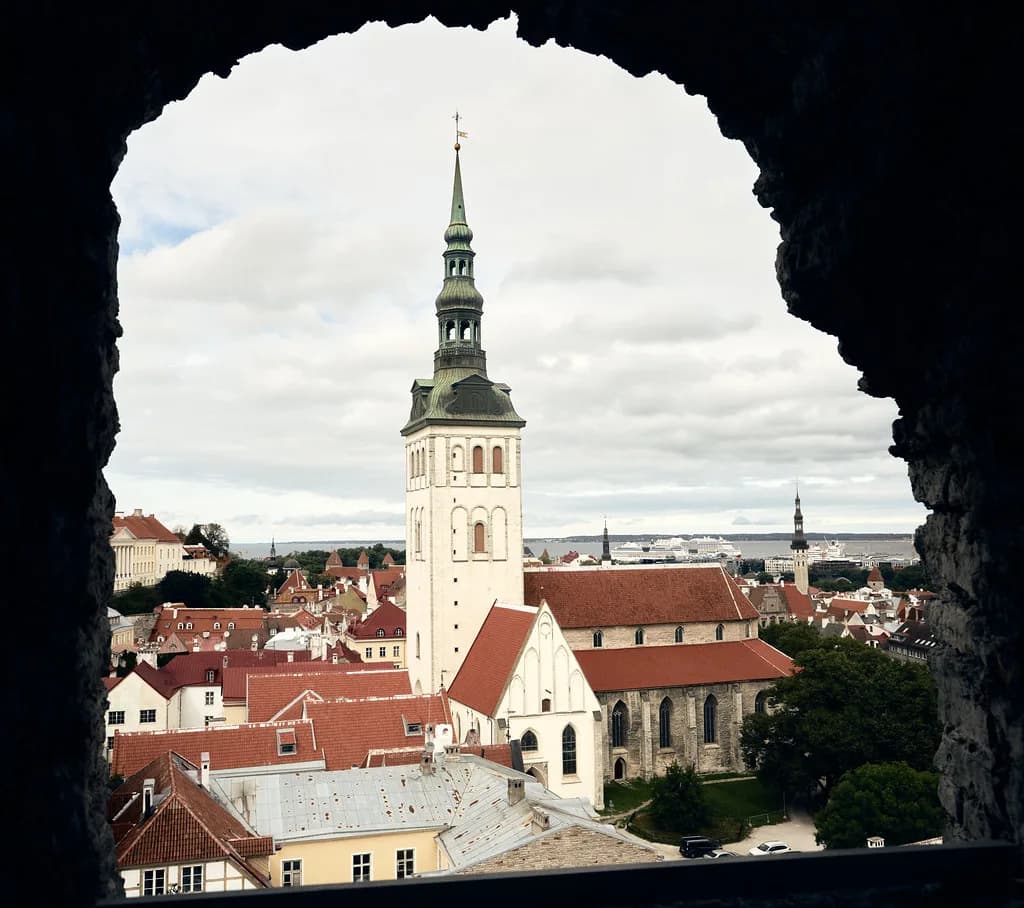
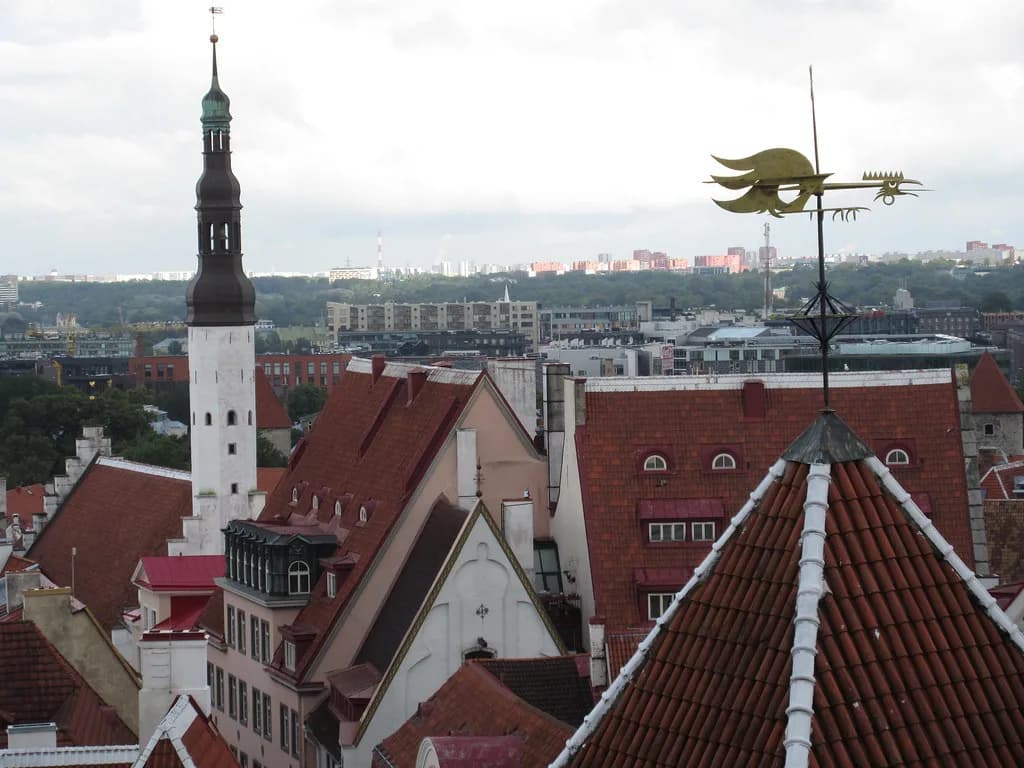
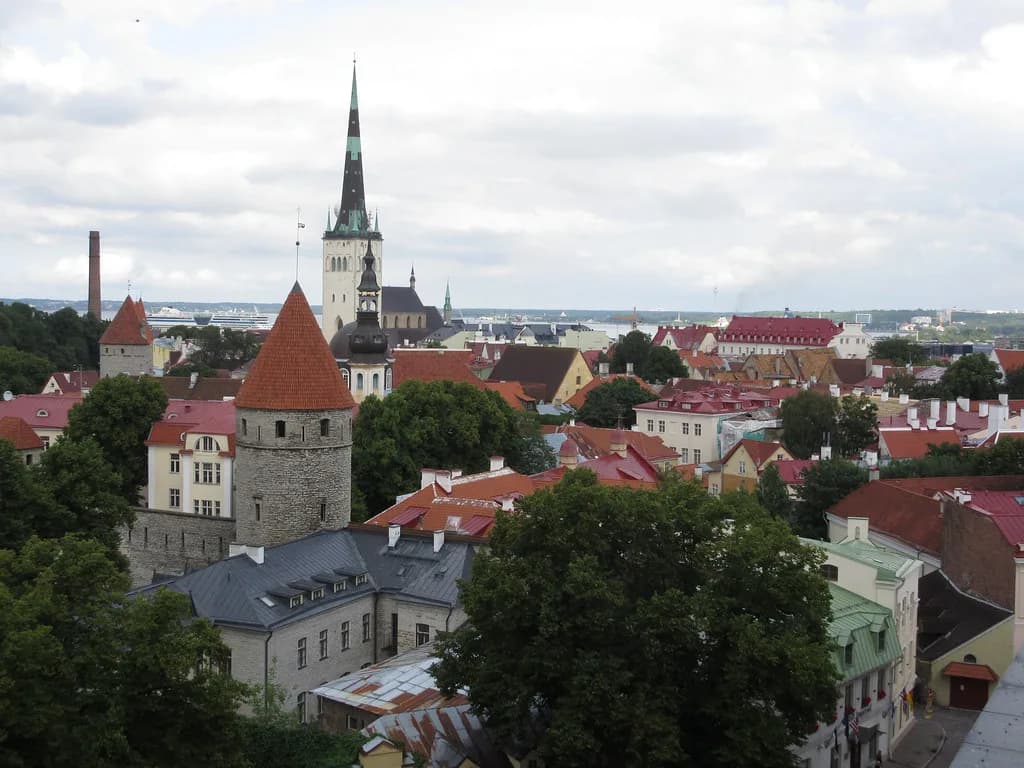
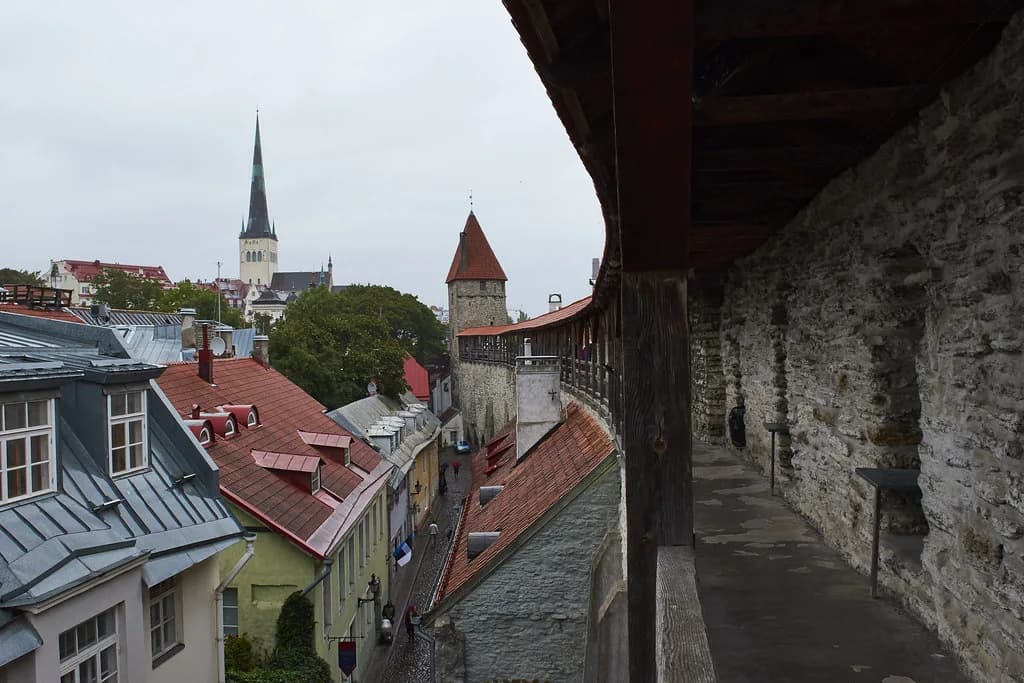
Tallinn's Old Town is a year-round draw, with Toompea Hill and the walled lanes working in any weather, but it is at its best in the long evenings of June. Lahemaa National Park is a spring-to-autumn destination, best in May and September. Soomaa belongs to the spring floods. Otepää belongs to winter.
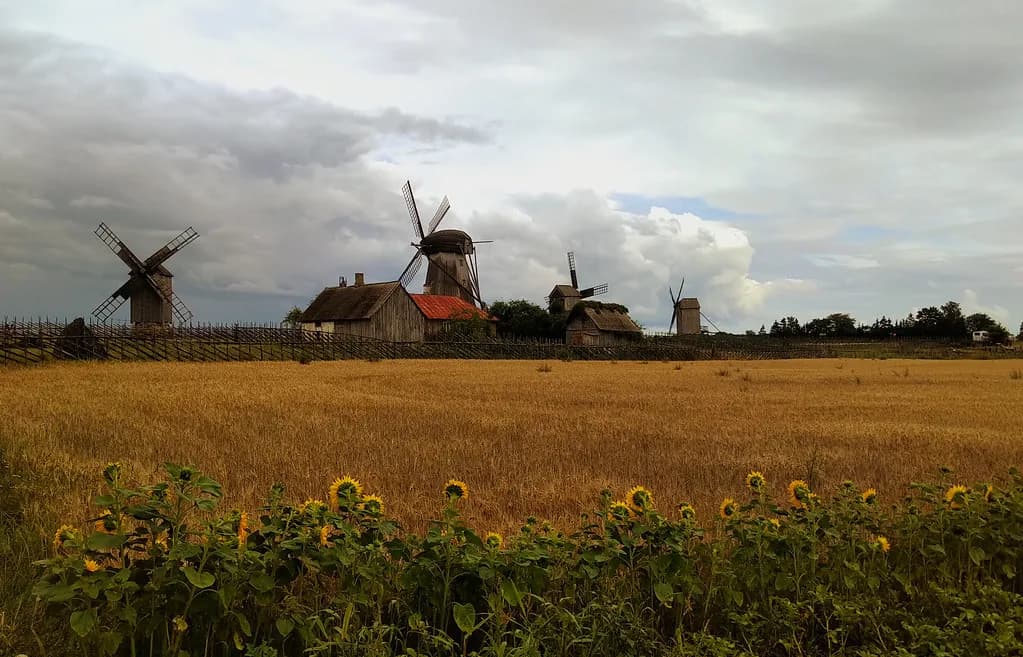
Kihnu, the UNESCO-listed island with a matriarchal culture and strong craft traditions, is a summer visit — ferries and island life follow the season. Tartu and Saaremaa round out a summer route nicely. If you plan to move between smaller towns and parks, renting a car in Estonia gives you far more flexibility than buses on tight shoulder-season timetables.
For a broader shortlist of what to see once the dates are fixed, the best places to visit in Estonia guide picks out the towns and parks worth building a route around.
Festival and event timing by season
Estonia's cultural calendar concentrates in summer, when long days support outdoor events, and in the festive weeks around December and early January. The Tallinn Old Town and the coastal towns are at their most active from May through September.
Rather than chase specific dates, plan a summer trip with some flexibility and check what is on locally when you arrive. Exact event dates shift year to year, so the safe approach is to fix your season first and your specific events second.
Shoulder-season trade-offs: cheaper and quieter versus closed and grey
May, June and September give you most of the summer experience at a lower price level and with fewer people. The trade-off is weather you cannot count on: a cool, wet week is possible in any of them, and the sea is bracing outside July and August.
October to April is cheaper still, but the returns diminish: November and March in particular are grey, wet and short on daylight, and coastal and island businesses slow down. If you take a winter trip, go for the city or the snow, not the coast.
Getting there and around in each season
Tallinn is the main air gateway, and the city is compact enough to cover on foot, with trams and buses filling the gaps. In summer, ferries connect the mainland to Saaremaa and Hiiumaa, and the coastal towns are reachable by bus or car. Winter travel is more dependent on main roads and city transport than on island hopping.
Train and coach links run to Tartu and other regional centers year-round, but services to smaller places thin out in the off-season. If your plan includes Lahemaa, Soomaa or the islands, a car gives you more control over timing, especially outside summer.
How many days Estonia needs by season
In summer, allow a week: two or three days for Tallinn, a day for Lahemaa National Park, and two or three days for Tartu, Pärnu or an island. The long daylight means you can fit more into each day than you would in winter.
In winter, a four- or five-day city break in Tallinn with a side trip to Otepää is realistic, because the short days limit outdoor time. In spring or autumn, plan five to seven days if you want both the cities and a national park.
Verdict by traveler type
First-timers: June or September for Tallinn, Tartu and Lahemaa, with the coast if the weather cooperates. Hikers and nature travelers: May or September for the parks and bogs, with Soomaa in spring flood season. Beach and family travelers: late July or August for Pärnu and the islands.
Budget travelers: May, June or September for a lower price level without losing the season. Winter-sports visitors: January or February for Otepää. City-break travelers: any month works for Tallinn's Old Town, but May and September are the most comfortable compromise.
If you are still weighing whether Estonia is the right destination at all, the Estonia verdict covers the case for and against, including the drawbacks that the seasonal picture alone does not show.
Plan Your Visit
Pick late May to early September if you want the full Estonia — Tallinn, the parks, the coast and the islands — and put June or September at the center of your plans for the best balance of daylight, weather and crowds.
If your dates fall outside that window, choose the season deliberately: winter for Otepää and the cities, spring for Soomaa, autumn for quiet old towns. Travelers with fixed holiday dates should book early for July and August, when prices peak.
Confirm opening times and transport on the Visit Estonia site before booking, since seasonal businesses adjust their hours through the year.
Explore more Estonia trip-decision guides
Frequently Asked Questions
What is the best month to visit Estonia?
June and September are the best all-round months: June has the longest days and everything open, while September keeps pleasant weather, thinner crowds and a lower price level. July and August are warmer and busier, and are the choice if swimming at Pärnu or on the islands matters most.
Is Estonia worth visiting in winter?
Yes, if winter is the reason for the trip. Otepää offers cross-country skiing and snow activities, Tallinn works well as a compact city break, and the festive weeks add atmosphere. Expect short daylight and often damp, grey weather, and go for January or February if snow is the priority.
How warm is Estonia in summer?
Summers are mild rather than hot, typically in the high teens to low twenties Celsius (roughly the 60s to low 70s Fahrenheit), with rain possible in any month. The Baltic Sea warms slowly and is most comfortable for swimming in late July and August.
When is the best time to visit Tallinn?
Late May to early September gives you the best of Tallinn, with June and September offering the strongest balance of long days, open attractions and manageable crowds. July and August are warmer but busier, especially in the Old Town.
Is May a good time to visit Estonia?
Yes. May is a genuine shoulder month: the countryside greens up, Lahemaa National Park becomes walkable, and Tallinn Old Town is pleasant before the summer rush. Expect changeable weather and pack for cool, wet days.
Does Estonia get crowded in summer?
July and August are the busiest months, particularly in Tallinn's Old Town and at Pärnu, and cruise-ship days add to the crush. May, June and September are noticeably calmer while still offering full daylight and open attractions.
What is Estonia like in September?
September is one of the best months: still warm enough for Lahemaa National Park and the coast, quieter than midsummer, and cheaper than July or August. Daylight shortens toward the end of the month, but it remains comfortable for city and nature trips alike.
How many days do you need in Estonia?
Allow about a week in summer for Tallinn, a national park and one or two regional towns such as Tartu, Pärnu or an island. In winter, four or five days covering Tallinn and a side trip to Otepää is realistic because the short days limit outdoor time.
Sources
Trip-decision notes
Optional updates when we publish or revise a destination verdict.
You might also like
Continue reading
More guides you'll find useful